

Freshwater plants make a happy home for various animals at the edge of Acadia's lakes and ponds. NPS Photo.
Twenty-four named lakes and ponds create a stunning contrast to Acadia National Park's rugged coastline and forested mountains. These pristine freshwater gems offer visitors extraordinary opportunities for recreation, wildlife viewing, and peaceful reflection. As an avid explorer who has spent countless hours discovering these waters, I'm excited to share this comprehensive guide to the lakes in Acadia National Park. Whether you're planning your first visit or returning to explore more deeply, this guide will help you discover the beauty and diversity of Acadia's magnificent lakes.
Introduction to Lakes in Acadia National Park
Nestled within the rugged landscape of Maine's Mount Desert Island, the lakes in Acadia National Park provide a stunning contrast to the coastal scenery that the park is famous for. The park is home to 14 Great Ponds (natural lakes larger than 10 acres) and 10 smaller ponds, collectively covering more than 7% of the park's total area.
These freshwater bodies were primarily shaped by glacial activity thousands of years ago, carving depressions into the granite landscape that eventually filled with water from streams and precipitation. The granite bedrock that makes up much of Acadia's terrain plays a significant role in the formation and characteristics of these lakes, contributing to their remarkable clarity and pristine nature.
The lakes in Acadia National Park are not just scenic attractions but vital ecosystems that support diverse wildlife. They provide habitats for numerous fish species, birds, amphibians, and plants. For visitors, these lakes offer a plethora of recreational opportunities, from swimming and fishing to boating and wildlife watching.
It's worth noting that many of the lakes serve as drinking water supplies for local communities, which is why swimming and certain boating activities are prohibited in some locations. This conservation measure helps maintain the exceptional water quality that makes these lakes so special.
As you explore the lakes in Acadia National Park, you'll discover that each has its own unique character, history, and charm. From the crystal-clear waters of Jordan Pond to the family-friendly shores of Echo Lake, there's a lake experience for every type of visitor in this remarkable national park.
Major Lakes and Their Features
Eagle Lake - The Crown Jewel
Eagle Lake stands as the largest freshwater body in Acadia National Park, covering an impressive 436 acres with a maximum depth of 110 feet. Located in the heart of Mount Desert Island, this glacial lake is surrounded by forested mountains that create a breathtaking backdrop in all seasons.
The lake is a popular destination for kayaking and canoeing, with the reflections of surrounding mountains creating picture-perfect views on calm days. While swimming is prohibited (as Eagle Lake serves as a drinking water source for Bar Harbor), fishing is permitted with proper licensing. The lake supports populations of landlocked salmon, brook trout, and lake trout.
One of Eagle Lake's most distinguishing features is the historic carriage road that loops around its eastern shore. Built by John D. Rockefeller Jr. in the early 20th century, this meticulously crafted path offers walkers, cyclists, and equestrians stunning views of the lake and surrounding landscape. Two elegant stone bridges - Duck Brook Bridge and Bubble Pond Bridge - serve as perfect photo opportunities for visitors exploring the area.
Jordan Pond - The Picture-Perfect Lake
Often referred to as the "crown jewel" of Acadia's lakes, Jordan Pond is renowned for its exceptional water clarity and the iconic view of the two rounded mountains known as "The Bubbles" that reflect in its waters. With a depth of 150 feet and covering 187 acres, it's the deepest and second-largest lake in the park.
Jordan Pond's beauty has drawn visitors for over a century. The historic Jordan Pond House, which dates back to the 1890s, sits at the southern end of the lake and is famous for its traditional tea and popovers served on the lawn overlooking the water. The 3.3-mile loop trail around Jordan Pond is one of the most popular hikes in the park, offering relatively flat terrain and constant views of the lake and surrounding mountains.
Like Eagle Lake, Jordan Pond serves as a drinking water source, so swimming and gas-powered watercraft exceeding 10 horsepower are prohibited. However, canoeing and kayaking are permitted, allowing visitors to experience the lake's crystal-clear waters up close. Jordan Pond is also a premier spot for fishing, with populations of landlocked salmon and lake trout.
The lake's extraordinary clarity is monitored by a continuous buoy system that has been collecting data since 2013, helping scientists track and preserve this remarkable natural resource. On a calm day, underwater visibility can exceed 40 feet, making Jordan Pond one of the clearest lakes in Maine.
Echo Lake - The Swimming Paradise
Located on the western side of Mount Desert Island, Echo Lake is one of the few lakes in Acadia National Park where swimming is permitted. Its beach area on the southern shore makes it a popular destination for families seeking relief from summer heat, as the freshwater is considerably warmer than the chilly Atlantic Ocean at nearby Sand Beach.
Echo Lake reaches a maximum depth of 66 feet and offers stunning views of Beech Mountain to the west. The beach area traditionally has lifeguards on duty during summer months, though service may vary due to staffing. Facilities include changing rooms and restrooms, enhancing the visitor experience.
Beyond swimming, Echo Lake is a favored spot for fishing, with brook trout and landlocked salmon among the catches. Canoes and kayaks are welcome, though motorboats are restricted to 10 horsepower or less. The Echo Lake Beach Trail provides easy access to the swimming area, while more adventurous hikers can explore nearby Beech Mountain for spectacular views of the lake from above.
I've spent many memorable summer days at Echo Lake with my family, appreciating how its sheltered location often protects it from coastal fog that can affect other parts of the park. The gradual slope of the swimming area makes it particularly suitable for children and less confident swimmers.
Bubble Pond - The Tranquil Gem
Nestled between Cadillac Mountain and Pemetic Mountain, Bubble Pond is a small but strikingly beautiful lake along the Park Loop Road. Its name comes from its proximity to the Bubbles mountains rather than any bubbling characteristic of the pond itself.
What Bubble Pond lacks in size, it makes up for in tranquility and scenic beauty. The steep granite slopes that rise from its shores create dramatic reflections on calm days. The pond is relatively secluded compared to other lakes in Acadia, offering a peaceful retreat for those looking to escape the busier areas of the park.
As a protected water source, swimming is not allowed in Bubble Pond, and only non-motorized boats or electric motors are permitted. The pond is home to brook trout and is a favorite spot for fly fishing enthusiasts. A small parking area provides access, but it fills quickly during peak season.
The carriage road that passes along Bubble Pond's northern shore offers one of the most picturesque sections of the historic road system. Cyclists and hikers can enjoy stunning views of the pond framed by forest and mountains. During my many visits, I've found early morning to be the most magical time at Bubble Pond, when mist often rises from the water and wildlife is most active.
The Bowl - The Hidden Alpine Lake
The Bowl is a unique alpine pond nestled between Champlain Mountain and The Beehive. This small, glacier-formed lake sits in a natural amphitheater of sorts, surrounded by mountains on three sides, creating a secluded and peaceful environment that feels worlds away from the busier areas of the park.
Accessible only by hiking trail, The Bowl rewards those who make the journey with its pristine waters and stunning setting. The most popular route to reach it is via the challenging Beehive Trail, known for its iron rungs and exposed sections, or the gentler Bowl Trail from the Sand Beach parking area.
Unlike many of Acadia's other lakes, The Bowl is not a water source and therefore offers more recreational flexibility. It's a perfect spot for a peaceful rest after the adrenaline rush of climbing The Beehive or as a destination in itself for those seeking solitude.
Wildlife sightings are common around The Bowl, with various bird species, beavers, and occasionally deer coming to drink from its waters. During my hikes in this area, I've often enjoyed watching dragonflies zip across the water's surface while listening to the gentle lapping of waves against the rocky shore – a simple yet profound connection with nature that exemplifies the Acadia experience.
Witch Hole Pond - The Birdwatcher's Delight
Witch Hole Pond is an hourglass-shaped 28-acre pond located in the northeast portion of Mount Desert Island. Despite its somewhat ominous name, this serene body of water is actually one of the most peaceful spots in the park, particularly popular with birdwatchers and nature photographers.
The pond is easily accessible via the carriage roads, with a beautiful loop that circles its perimeter. Internal combustion engines are prohibited here, preserving the tranquil atmosphere. Witch Hole Pond is home to brook trout and is surrounded by rich wetland habitat that attracts a variety of wildlife.
During spring and fall migrations, Witch Hole Pond becomes an excellent spot to observe waterfowl. The shoreline vegetation provides habitat for numerous songbirds, while lucky visitors might spot beavers working on their lodge or great blue herons stalking the shallows.
One of the most remarkable aspects of Witch Hole Pond is how it changes with the seasons. In spring, the edges burst with wildflowers; summer brings lily pads and blooms across the surface; fall transforms the surrounding forest into a tapestry of colors reflected in the water; and winter sometimes freezes the surface completely, creating a whole different landscape.
Other Notable Lakes and Ponds
Beyond the major lakes described above, Acadia National Park harbors several other noteworthy water bodies that deserve mention:
- Long Pond - Split between park land and private property, this sizeable lake on the western side of Mount Desert Island is one of the few in the park with no horsepower restrictions for motorboats. It offers excellent fishing for landlocked salmon, brook trout, and smallmouth bass.
- Seal Cove Pond - Located on the "quiet side" of Mount Desert Island, this pond features excellent wildlife viewing opportunities, particularly for beavers and various bird species.
- Upper and Lower Hadlock Ponds - These connected ponds near Northeast Harbor offer scenic beauty and fishing opportunities. Upper Hadlock Pond serves as a water supply, with appropriate restrictions.
- Aunt Betty Pond - A small, secluded pond accessible only by hiking trail, offering a sense of discovery for those who seek it out.
- Lake Wood - One of the few swimming-permitted ponds in the park, featuring a small beach area popular with locals who know about this hidden gem.
- Round Pond - A small pond with no development around its shores, providing a wilderness experience despite being relatively accessible.
Each of these lakes in Acadia National Park has its own character and charm, contributing to the rich tapestry of freshwater environments that complement the park's famous coastline and mountains. Whether you're seeking recreation, wildlife viewing, photography opportunities, or simply a moment of peace beside still waters, Acadia's lakes and ponds offer experiences that will enhance your visit to this remarkable national park.
Essential Gear for Acadia's Lakes
Enhance your lake experience with quality gear that will keep you comfortable and prepared. As someone who's explored every lake in Acadia, I highly recommend investing in these items:
- Waterproof Dry Bag for Valuables - Perfect for kayaking and canoe trips
- Compact Binoculars - Essential for wildlife viewing around the lakes
- Quick-Dry Water Shoes - Ideal for rocky lake shores
- Insulated Water Bottle - Stay hydrated while exploring
Activities at Acadia's Lakes
Swimming in Acadia's Lakes
While many of Acadia's lakes serve as drinking water sources and prohibit swimming, there are still excellent options for those looking to take a refreshing dip. Echo Lake Beach stands out as the premier freshwater swimming destination in the park, with its sandy beach, gradually sloping bottom, and facilities making it ideal for families. The water here is considerably warmer than the Atlantic Ocean at Sand Beach, making it perfect for a longer, more comfortable swim.
Lake Wood offers a more secluded swimming experience with a small beach area. This lesser-known spot is popular with locals and provides a quieter alternative to Echo Lake. When swimming in any of Acadia's permitted lakes, remember that lifeguards are not always present, so safety is your responsibility.
It's crucial to respect posted regulations regarding swimming. Lakes such as Eagle Lake, Jordan Pond, Bubble Pond, and others that serve as water supplies strictly prohibit swimming to maintain water quality for local communities. These restrictions help preserve the pristine nature of these lakes for generations to come.
Fishing Opportunities
The lakes in Acadia National Park offer some of Maine's most scenic fishing opportunities, with clear waters containing a variety of freshwater species. Brook trout are native to the area and can be found in most of the park's lakes and ponds. Other common species include landlocked salmon, lake trout, smallmouth bass, chain pickerel, and various sunfish.
Each lake has its own unique fishing profile:
- Eagle Lake: Renowned for landlocked salmon, brook trout, and lake trout
- Jordan Pond: Excellent for landlocked salmon and lake trout
- Long Pond: Offers good fishing for landlocked salmon, brook trout, smallmouth bass, and chain pickerel
- Seal Cove Pond: Home to alewives, brown trout, chain pickerel, smallmouth bass, and various panfish
- Upper and Lower Hadlock Ponds: Good for brook trout and brown trout
A valid Maine fishing license is required for anyone 16 years or older (for Maine residents) or 12 years or older (for non-residents). Fishing regulations follow Maine state laws with some additional park-specific rules. All freshwater streams within Acadia on Mount Desert Island are closed to fishing from October 31 to March 31, and some specific areas like Lurvey Spring Brook and Upper Hadlock Brook are closed year-round as research or conservation areas.
For the most productive fishing experience, I recommend early morning or evening hours when fish are most active. Ice fishing is popular during winter months, particularly on Eagle Lake and Long Pond. Always check current regulations before fishing, as they may change from year to year.
Boating and Paddling
Exploring Acadia's lakes from the water provides a unique perspective on the park's beauty. Canoeing and kayaking are permitted on most lakes, though regulations regarding motorized watercraft vary by location:
- Motors over 10 horsepower prohibited: Eagle Lake, Echo Lake, Hodgdon Pond, Jordan Pond, Lower Hadlock Pond, Seal Cove Pond, Upper Hadlock Pond
- Internal combustion engines prohibited: Bubble Pond, Round Pond, Witch Hole Pond
- No motors allowed: Half Moon Pond, Lower and Upper Breakneck Ponds
- No horsepower limit: Long Pond
For those without their own watercraft, canoe and kayak rentals are available at locations near Echo Lake and Long Pond. The calm, protected waters of Acadia's lakes make them perfect for paddlers of all skill levels.
Some of my favorite paddling routes include circling Eagle Lake to admire the surrounding mountains, exploring the numerous coves along the shoreline of Long Pond, and the peaceful journey around the perimeter of Jordan Pond with its crystal-clear waters and views of The Bubbles.
When boating on any of the lakes in Acadia National Park, remember to check for invasive species regulations. All watercraft should be thoroughly cleaned before entering park waters to prevent the spread of harmful aquatic invasives that could damage these pristine ecosystems.
Photography and Scenic Views
The lakes in Acadia National Park offer some of the most photogenic landscapes in the entire National Park System. The combination of clear water, surrounding mountains, and changing seasons creates endless opportunities for stunning images.
Prime photography locations include:
- Jordan Pond with The Bubbles mountains reflected in its still waters, especially from the lawn of Jordan Pond House
- Eagle Lake from the carriage roads on its eastern shore, particularly at sunrise when light strikes Cadillac Mountain
- Bubble Pond in early morning when mist rises from the water
- Echo Lake with Beech Mountain as a backdrop, especially during sunset
- The Bowl after hiking The Beehive for a rewarding elevated perspective
For the best reflection photos, visit early in the morning when winds are typically calmest. Fall foliage season (early to mid-October) transforms the lakes with vibrant colors reflected in the waters. Winter creates dramatic scenes with ice formations and snow-covered shores.
I've found that including a foreground element like rocks along the shoreline or an overhanging branch can add depth and interest to lake photographs. The lighting conditions around Acadia's lakes change dramatically throughout the day, so it's worth revisiting favorite spots at different times.
Wildlife in and Around the Lakes
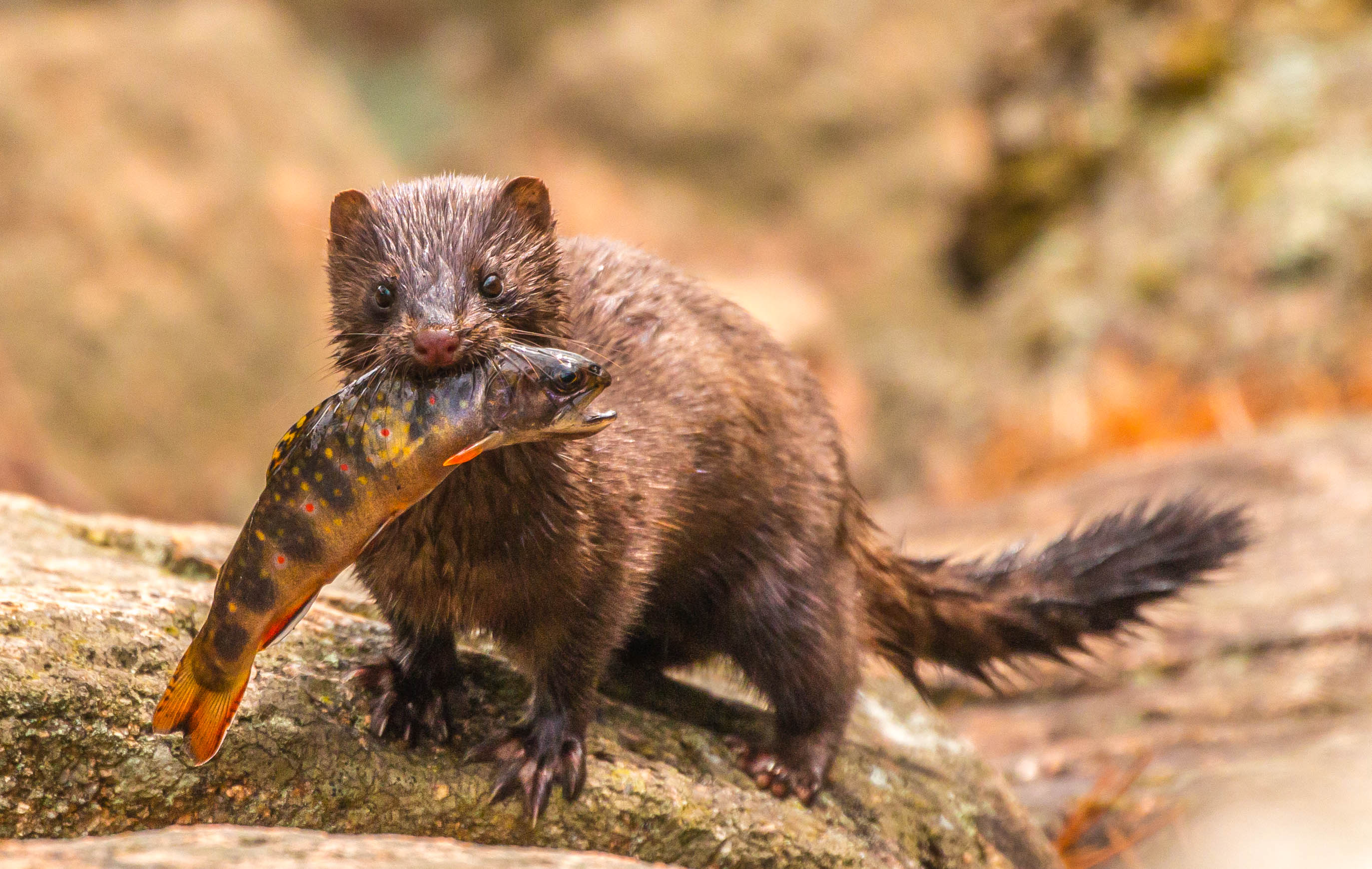
A mink carries a tasty meal of a brook trout caught near the Tarn. Photo by William Sweet, Friends of Acadia, NPS
Fish Species
Acadia National Park is home to 29 species of freshwater fish, with the clear, cold waters of many lakes providing ideal habitat for native species. Brook trout are the park's iconic native fish, perfectly adapted to the cold, clean waters of Acadia's lakes and streams. Other common species include:
- Landlocked salmon: Found in larger lakes like Eagle Lake, Jordan Pond, and Long Pond
- Lake trout (togue): Present in deep, cold lakes like Jordan Pond and Eagle Lake
- Smallmouth bass: An introduced species found in warmer waters like Long Pond and Round Pond
- Chain pickerel: Common in Hodgdon Pond, Long Pond, and Seal Cove Pond
- Alewives: An anadromous species that migrates from the ocean into freshwater to spawn
- Various sunfish and perch: Common in the warmer, shallower ponds
In recent years, Acadia National Park and its partners have worked to re-establish healthy populations of alewives to the park's watersheds. These anadromous fish are born in freshwater but spend most of their lives in the ocean before returning to spawn. Their recovery is important both ecologically and economically, as they serve as food for numerous predators and are used as bait fish by commercial lobster fishermen.
The fish populations in Acadia's lakes face challenges from climate change, with warming waters potentially threatening cold-water species like brook trout and landlocked salmon. Park scientists monitor water quality and fish populations to help preserve these important aquatic ecosystems.
Birds and Waterfowl
With a record of 338 bird species encountered, Acadia National Park is considered one of the premier bird-watching destinations in the country, and its lakes play a crucial role in supporting this diversity. The freshwater bodies attract numerous species year-round, with seasonal migrations bringing even more variety.
Common birds found around the lakes in Acadia National Park include:
- Common Loons: Their haunting calls echo across Eagle Lake and Jordan Pond, especially in early morning and evening
- Bald Eagles: Frequently seen soaring above the lakes or perched in tall trees along the shore
- Ospreys: These "fish hawks" dive spectacularly into the water to catch their prey
- Great Blue Herons: Stately waders that hunt in the shallow margins of lakes and ponds
- Wood Ducks: Colorful waterfowl that nest in tree cavities near water
- Belted Kingfishers: Distinctive birds that hover above water before plunging in for small fish
- Various warblers: The park hosts up to 23 species, many of which frequent lakeside vegetation
During spring and fall migrations, the lakes become even more important as stopover points for numerous species of waterfowl and other birds. Witch Hole Pond and The Tarn are particularly good spots for observing migratory birds.
The best time for birdwatching around Acadia's lakes is early morning when birds are most active. I recommend bringing binoculars and a field guide to enhance your experience. During my many visits, I've found that patiently sitting near the shore of any lake for 20-30 minutes will often reward you with numerous sightings as birds become accustomed to your presence.
Mammals and Amphibians
The lakes and their surroundings provide essential habitat for many of Acadia's mammals and amphibians. While not always easy to spot, patience and quiet observation can yield rewarding wildlife encounters.
Mammals commonly seen around the lakes include:
- North American Beaver: Their dams and lodges can be found at Jordan Pond, the Tarn, and Witch Hole Pond
- River Otters: Playful and curious, they can sometimes be spotted swimming or sliding along shorelines
- Mink: These sleek predators hunt fish and other small animals along the water's edge
- White-tailed Deer: Often come to lakes at dawn and dusk to drink
- Red Fox: Frequently patrol shorelines looking for small prey
The moist environments around lakes and ponds are perfect for amphibians, including:
- Spring Peepers: Their chorus announces spring around wetlands and lake edges
- Bullfrogs: Maine's largest frog species, often heard before they're seen
- Eastern Newts: Their bright orange juvenile "red eft" stage is often spotted on forest floors near water
- Wood Frogs: Among the first to breed in spring, sometimes even when ice still partially covers ponds
One of my most memorable wildlife encounters happened at dusk along Eagle Lake, when I quietly watched a family of otters playing and fishing near the shoreline for nearly half an hour. Their playful antics and obvious joy in their surroundings reminded me why these protected natural areas are so important.
When seeking wildlife around the lakes in Acadia National Park, remember to keep your distance and observe quietly without disturbing the animals. Early morning and evening hours typically offer the best viewing opportunities as many species are most active during these transitional times of day.
Plant Life
The lakes in Acadia National Park host diverse plant communities that vary from the shoreline to the deeper waters. These plants not only add to the scenic beauty but also provide crucial habitat for wildlife and help maintain water quality.
Along the shorelines, you'll find:
- Sweet gale: A fragrant shrub that helps stabilize shorelines
- Leatherleaf: A low evergreen shrub with small white bell-shaped flowers
- Blue flag iris: Showy purple flowers that bloom in early summer
- Cardinal flower: Brilliant red blooms that attract hummingbirds
- Pickerelweed: Purple flower spikes emerging from heart-shaped leaves in shallow water
In the water itself, common plants include:
- Water lilies: Both white and yellow varieties create iconic floating gardens on many ponds
- Pondweeds: Various species provide food and shelter for aquatic life
- Bladderwort: A fascinating carnivorous plant that captures tiny aquatic organisms
- Water shield: Recognizable by its oval floating leaves with gelatinous undersides
The surrounding forests typically feature northern hardwoods like maple, birch, and beech, with spruce and fir becoming more dominant at higher elevations. In fall, these deciduous trees create spectacular reflections in the lakes as their leaves turn vibrant shades of red, orange, and gold.
Park managers work diligently to prevent the introduction of invasive aquatic plants that could disrupt these native ecosystems. Visitors can help by cleaning boats, fishing gear, and other equipment before entering park waters to prevent accidentally transporting invasive species.
Seasonal Lake Experiences
Spring: Awakening Waters
Spring brings dramatic transformation to the lakes in Acadia National Park. As ice recedes and waters warm, life returns in abundance. This is a season of renewal, with several distinctive characteristics:
March to early May marks the transition period when lakes thaw, though exact timing varies by year and elevation. Eagle Lake and Jordan Pond, being deeper and at higher elevations, typically retain ice longer than lower-lying bodies like Witch Hole Pond.
Spring is prime time for witnessing alewife runs, as these anadromous fish migrate from the ocean into freshwater to spawn. Marshall Brook and Bass Harbor Marsh are good locations to observe this natural phenomenon.
The chorus of spring peepers and wood frogs creates a symphonic backdrop around wetlands and lake edges, particularly at dusk. Amphibian breeding activity peaks during this season, with egg masses visible in shallow protected waters.
Waterfowl migration brings numerous species through the area, making spring an excellent time for birding around lakes. The carriage roads around Witch Hole Pond and Eagle Lake offer perfect routes for birdwatching excursions.
Spring fishing can be excellent as trout and landlocked salmon become more active in the cold, oxygen-rich waters. This is particularly true after ice-out but before summer warmth drives fish to deeper waters.
One advantage of spring visits is the reduced crowds compared to summer months, allowing for more solitary enjoyment of the lakes. However, be prepared for variable weather conditions, including fog that can roll in quickly, especially in May and early June.
Summer: Peak Activity
Summer represents the height of activity at Acadia's lakes, with warm temperatures and long days drawing visitors to these refreshing waters. From mid-June through August, the lakes become focal points for recreation and relaxation.
Swimming reaches its peak at Echo Lake Beach and Lake Wood, where water temperatures become comfortable enough for extended immersion. Echo Lake's beach area can become quite crowded on hot afternoons, so arriving early is recommended.
Boating and paddling opportunities abound during summer. The calm waters of Jordan Pond offer perfect conditions for canoeing and kayaking, while Eagle Lake provides more space for exploration. Rental options are readily available during this season.
Summer fishing requires different strategies as many fish species seek deeper, cooler waters during daylight hours. Early morning and evening fishing becomes more productive, particularly for trout and salmon.
Wildlife viewing opportunities shift, with beavers, otters, and mink becoming more visible during early morning and evening hours. Loons can often be spotted with their young on larger lakes like Eagle Lake and Long Pond.
The traditional tea and popovers at the Jordan Pond House become a quintessential summer experience, with outdoor seating offering views of the pond and The Bubbles. Reservations are strongly recommended during this busy season.
One summer highlight is watching fireflies around the lakes on warm evenings in June and July, creating magical displays over the water. I've found the marshy areas near Witch Hole Pond particularly good for this enchanting experience.
Fall: Spectacular Reflections
Fall transforms the lakes in Acadia National Park into mirrors reflecting the spectacular foliage of surrounding forests. Many consider September and October the most photogenic months to experience these waters.
Peak foliage typically occurs in early to mid-October, though timing varies by year. The vibrant colors create postcard-perfect reflections in the still waters of Jordan Pond, Eagle Lake, and Bubble Pond. Morning hours often offer the calmest water surfaces for photography.
Fall brings clearer air and reduced fog compared to summer months, resulting in sharper visibility and more dramatic landscapes. The quality of light during this season is particularly prized by photographers, with golden hour casting warm tones across the lakes.
Fishing improves as cooler water temperatures bring trout and salmon back to shallower areas. This is considered a prime season for angling in lakes like Eagle Lake, Jordan Pond, and Long Pond.
Wildlife activity increases as animals prepare for winter. Beaver and muskrat can be seen gathering food and reinforcing their lodges, while birds congregate for migration. The shorelines of lakes become highways of sorts for wildlife movement.
As summer crowds diminish, fall offers more tranquil lake experiences. Paddling becomes a particularly magical activity, allowing visitors to immerse themselves in the colorful surroundings from a unique perspective.
During my fall visits, I've found that the contrast between evergreen spruces and the brilliant deciduous colors creates the most striking scenes, particularly around Jordan Pond and Bubble Pond where this mixed forest is predominant.
Winter: Frozen Wilderness
Winter transforms Acadia's lakes into frozen landscapes of extraordinary beauty and unique recreational opportunities. From December through March, the lakes enter their dormant season, though this doesn't mean they lack appeal.
Ice fishing becomes popular on several lakes, particularly Eagle Lake and Long Pond. Local anglers set up ice shacks and drill holes to catch species like landlocked salmon, lake trout, and brook trout through the ice. A special Maine ice fishing license is required.
Cross-country skiing and snowshoeing open up new ways to experience the lakes. The carriage roads around Eagle Lake and Witch Hole Pond are particularly popular for winter travel, offering level terrain with beautiful views of frozen waters.
The ice thickness varies considerably between lakes and even within the same lake, so caution is essential for any on-ice activities. Generally, Eagle Lake, Jordan Pond, and Long Pond develop the thickest ice due to their exposure and elevation.
Winter wildlife tracking reveals stories invisible during other seasons. After fresh snow, lake perimeters often show tracks of fox, coyote, deer, and other mammals that use the frozen surface as a travel corridor.
The silence and solitude of winter lakes offer a profound wilderness experience rarely found during busier seasons. On still days, the only sounds might be ice creaking or the call of a chickadee in nearby trees.
Winter visitors should note that park facilities are limited during this season, and most of the Park Loop Road is closed to vehicles. However, the carriage road entrances near Eagle Lake and Witch Hole Pond remain accessible year-round.
My Personal Lake Adventures
Having explored Acadia National Park for over a decade across all seasons, the lakes have become special places of personal connection and adventure. I'd like to share some of my most memorable experiences that might inspire your own visits.
My love affair with Acadia's lakes began one misty June morning at Jordan Pond. While most visitors were still asleep, I launched my kayak into water so clear I could see 30 feet to the bottom. Paddling toward The Bubbles as the first sunlight broke through the fog, I watched an osprey dive and emerge with a fish. The silence was broken only by the occasional loon call echoing across the water. That morning cemented my fascination with these pristine waters.
Eagle Lake has provided some of my most thrilling wildlife encounters. On an early autumn paddle, I rounded a quiet cove to discover a family of otters playing on a fallen log. They seemed completely unfazed by my presence, allowing me to float quietly nearby as they slid into the water, caught small fish, and chased each other playfully. Their obvious joy in their surroundings reminded me why these protected natural areas are so important.
Winter brought an entirely different perspective when I joined local ice fishermen on Long Pond. Stepping onto the frozen surface was initially unnerving, but the camaraderie around the ice holes quickly put me at ease. An elderly angler shared stories of fishing these same waters for over sixty years, noting changes in fish populations and ice formation patterns. When we caught a beautiful brook trout with vibrant red spots, he demonstrated the traditional technique of cooking it fresh on a small portable stove right on the ice—a meal I'll never forget.
The Bowl holds special memories of accomplishment. After conquering the iron-rung climb up The Beehive with my young nephew (who showed considerably less fear than I did), we were rewarded with this perfect alpine pond nestled between mountains. The contrast between the adrenaline of the climb and the perfect tranquility of the pond created a powerful experience. We spent nearly an hour watching dragonflies zip across the water's surface while cooling our tired feet in the shallows.
A ranger-led program at Witch Hole Pond revealed the incredible beaver engineering that shapes these ecosystems. We learned to identify chewed stumps of different ages, examine dam construction techniques, and understand how these industrious rodents create habitat that benefits countless other species. The ranger pointed out an active lodge and explained how the family would prepare for winter, giving me a new appreciation for these remarkable architects.
Echo Lake Beach has been the setting for countless family memories with my children, who learned to swim in its gradual shallows. On hot July afternoons, we'd arrive early to claim a spot on the sand, then alternate between swimming and hiking short sections of the surrounding trails. The warm freshwater was always a welcome relief after the bracing chill of Acadia's ocean beaches.
These personal experiences highlight what makes Acadia's lakes so special—they offer intimate connections with nature that contrast beautifully with the park's more dramatic coastal scenery. Each visit reveals something new, whether it's a wildlife sighting, a perfect reflection, or simply the changing quality of light across the seasons.
Complete Your Lake Experience
Based on my years exploring Acadia's lakes, I highly recommend this comprehensive waterproof trail map that has saved me countless times when cell service disappears:
Waterproof Acadia National Park Trail Map with Lake Details and Carriage RoadsThis map shows all lakes, permitted activities, and nearby trails - it's been my constant companion for years!
Essential Visitor Tips
When to Visit
Timing your visit to Acadia's lakes can significantly impact your experience. Each season offers distinct advantages:
- Late May to early June: Spring awakening with fewer crowds, though fog can be common
- July to August: Warmest water temperatures for swimming and full summer activities, but highest visitor numbers
- September: Excellent balance of good weather, warmer water, and diminishing crowds
- Early to mid-October: Peak fall foliage creates spectacular reflections on lakes
- Winter months: Frozen lakes offer unique experiences for ice fishing and cross-country skiing
For the most serene lake experiences, I recommend visiting early morning (before 9 AM) or later afternoon (after 4 PM), particularly during the busy summer season. These times not only offer better wildlife viewing opportunities but also more available parking at popular locations like Jordan Pond and Echo Lake.
If your schedule is flexible, weekdays are considerably less crowded than weekends throughout the year. This is especially true at Echo Lake Beach, which can reach capacity by mid-morning on summer weekends.
Accessibility Information
Several lakes in Acadia National Park offer accessible options for visitors with mobility considerations:
- Jordan Pond: The Jordan Pond House has accessible parking, restrooms, and dining areas. A portion of the path along the southern end of the pond is relatively flat and accessible.
- Echo Lake: Features an accessible path to the beach area and accessible restroom facilities during summer months.
- Eagle Lake: The carriage road along the eastern shore has relatively gentle grades suitable for wheelchair users, with accessible parking at the Eagle Lake parking lot.
The Island Explorer shuttle bus system that operates from late June through early October is fully accessible and provides transportation to many lake locations, reducing the need to find parking.
Acadia National Park offers beach wheelchairs at Echo Lake Beach during the summer season on a first-come, first-served basis. These specialized chairs can navigate sandy areas and even enter the water.
For the most current accessibility information, I recommend checking with park staff at the Visitor Center or calling ahead to confirm specific accommodations that might be needed for your visit.
Safety Considerations
While Acadia's lakes provide beautiful recreational opportunities, visitors should be aware of several safety considerations:
- No lifeguards are present at most swimming locations, including Echo Lake Beach at certain times. Always supervise children and be aware of your swimming abilities.
- Water temperatures in all lakes remain cool even in summer, typically ranging from 65-75°F (18-24°C) at the surface. Hypothermia is possible during extended exposure.
- Weather changes can occur rapidly, especially in spring and fall. When paddling, stay close to shore and be prepared for sudden wind or fog.
- Water quality is monitored regularly at swimming beaches. Check posted notices for any advisories.
- Ice conditions in winter vary considerably across lakes and even within the same lake. Always check ice thickness before venturing onto frozen surfaces.
When boating or paddling, always wear a properly fitted personal flotation device (PFD). Maine state law requires children under 10 to wear PFDs at all times while on the water.
Be aware of your surroundings when hiking near lake shores, especially in early spring and late fall when rocks can be slippery. Some shoreline areas have significant drop-offs underwater that may not be immediately apparent.
If thunderstorms approach while you're on or near a lake, seek shelter immediately. Open water is one of the most dangerous places during lightning events.
User Reviews: Lake Experiences
"Jordan Pond exceeded all our expectations! The water clarity was unlike anything we've seen before - you can see straight to the bottom in many areas. The loop trail around the pond was manageable for our entire family (kids ages 8 and 11). Having tea and popovers at Jordan Pond House afterward was the perfect way to end our hike. Definitely arrive early to get parking."
— MountainFamily22, Reddit
"Echo Lake Beach was a lifesaver during our August trip. After hiking all morning, the kids were overheated and cranky. The freshwater beach was perfect - gradual entry, reasonably warm water, and beautiful mountain views. Much less crowded than Sand Beach and without the shocking cold water. The bathhouse facilities are basic but clean. We ended up returning here twice during our week-long stay."
— TravelingTeacher, Amazon review
"Don't miss kayaking on Eagle Lake if you visit Acadia! We rented kayaks from a shop in Bar Harbor and spent a magical morning paddling around the lake. The water was glass-calm and we spotted loons, an osprey, and even briefly saw a beaver. The surrounding mountains reflect beautifully on the water. Pro tip: go early (we launched at 7am) to avoid afternoon winds and the crowds."
— WildernessSeeker, Quora
Conservation and Etiquette
The pristine nature of lakes in Acadia National Park depends on visitors practicing responsible behavior and conservation principles:
- Respect all posted regulations, especially regarding swimming prohibitions in water supply lakes and ponds.
- Practice "Leave No Trace" principles by packing out all trash and leaving natural features undisturbed.
- Clean all watercraft thoroughly before entering park waters to prevent the introduction of invasive species.
- Stay on designated trails around lake shores to prevent erosion and protect sensitive vegetation.
- Avoid using soap or detergents in or near any lake, even if labeled "biodegradable."
- Maintain appropriate distance from wildlife to avoid disturbance or habituation.
When fishing, be aware of and follow all state regulations regarding licenses, catch limits, and seasonal restrictions. Using artificial lures rather than live bait helps prevent the introduction of non-native species.
Consider volunteering with organizations like Friends of Acadia that conduct lake monitoring and shore cleanup events throughout the year. These citizen science opportunities help park managers track water quality and ecosystem health.
Finally, share your appreciation for these special places with others in a way that encourages them to also practice responsible stewardship. The future of Acadia's lakes depends on each visitor doing their part to preserve their exceptional quality.
Frequently Asked Questions
How many lakes are there in Acadia National Park?
Acadia National Park is home to 24 named lakes and ponds. Of these, 14 are classified as "Great Ponds," which means they are natural water bodies larger than 10 acres (4 hectacres). Nine Great Ponds are located entirely within the park: Aunt Betty Pond, Bubble Pond, Eagle Lake, Jordan Pond, Lower Hadlock Pond, Upper Hadlock Pond, Witch Hole Pond, Round Pond, and Lake Wood. Five additional Great Ponds border the park: Echo Lake, Hodgdon Pond, Seal Cove Pond, Long Pond on Mount Desert Island, and Long Pond on Isle au Haut. The remaining smaller ponds are scattered throughout the park, each with its own unique character and ecological significance.
Which lakes in Acadia National Park allow swimming?
Swimming is permitted in only a few lakes within Acadia National Park, as many serve as drinking water sources for local communities. Echo Lake Beach on the southern shore of Echo Lake is the most developed swimming area, with facilities including changing rooms and restrooms. Lake Wood also permits swimming and has a small beach area, though it's more rustic than Echo Lake. The Bowl, a small alpine pond reached by hiking trail, technically allows swimming though it's primarily a scenic destination rather than a swimming spot. All other lakes in the park, including Eagle Lake, Jordan Pond, Bubble Pond, and the Hadlock Ponds, prohibit swimming to protect water quality as they serve as public water supplies. Always check and respect posted regulations at each location.
What is the best time of year to visit lakes in Acadia National Park?
Each season offers unique experiences at Acadia's lakes, but September stands out as perhaps the optimal time for most visitors. During this "shoulder season" month, water temperatures remain relatively warm from the summer sun, crowds have diminished significantly after Labor Day, and the weather is generally stable with less fog than early summer. Early to mid-October brings spectacular fall foliage that creates stunning reflections on the lakes, though water activities become less comfortable as temperatures drop. July and August offer the warmest water temperatures for swimming at permitted lakes, but also bring the largest crowds. For wildlife enthusiasts, May and early June provide excellent bird watching as migration and breeding seasons coincide. Winter transforms the lakes into frozen landscapes perfect for ice fishing and cross-country skiing, offering a completely different experience for those prepared for cold conditions.
Do I need a fishing license to fish in Acadia's lakes?
Yes, a valid Maine fishing license is required to fish in Acadia National Park's lakes and ponds. Maine residents age 16 and older and non-residents age 12 and older must possess a current license, which can be purchased online through the Maine Department of Inland Fisheries and Wildlife website, at various sporting goods stores throughout the region, or at the town offices in Bar Harbor and Southwest Harbor. Children under these age thresholds can fish without a license. Different licenses are available for different periods, from single-day to seasonal options. Additionally, special rules apply to different water bodies within the park, and fishing seasons vary by species. All anglers must follow both state regulations and any additional park-specific rules. Some locations have catch-and-release requirements or limitations on tackle types, so be sure to check current regulations before fishing.
Are there boat rentals available at lakes in Acadia National Park?
While there are no boat rental facilities directly operated by Acadia National Park at the lakes, several private businesses in nearby communities offer canoe, kayak, and stand-up paddleboard rentals that can be used on permitted park lakes. In Bar Harbor, several outfitters provide rentals with the option of delivery to specific lakes for an additional fee. Near Long Pond on the western "quiet side" of Mount Desert Island, there are seasonal rental operations that offer convenient access to that body of water. Echo Lake also has nearby rental options during summer months. If you plan to rent watercraft, remember that different lakes have different regulations regarding permitted boat types. For instance, Jordan Pond, Eagle Lake, and several others prohibit motorboats with engines exceeding 10 horsepower, while Bubble Pond, Witch Hole Pond, and Round Pond prohibit internal combustion engines entirely. Always confirm current regulations before bringing any watercraft to a particular lake.
What wildlife might I see around the lakes in Acadia?
The lakes in Acadia National Park support diverse wildlife that changes with the seasons. Common bird sightings include common loons (known for their haunting calls), bald eagles, ospreys, great blue herons, belted kingfishers, and various waterfowl. Patient observers might spot mammals like beavers building and maintaining their dams and lodges, particularly at Witch Hole Pond and the Tarn. River otters, mink, and muskrats also frequent lake edges. White-tailed deer often come to lakes at dawn and dusk to drink. In the waters themselves, you might glimpse brook trout, landlocked salmon, or smallmouth bass near the surface. During spring and summer, listen for the chorus of spring peepers and bullfrogs around marshy lake edges. Dawn and dusk generally offer the best wildlife viewing opportunities, as do the quieter lakes away from heavily trafficked areas. Bring binoculars and move quietly to increase your chances of memorable encounters.
Conclusion
The lakes in Acadia National Park represent one of the park's most valuable yet sometimes overlooked treasures. While visitors often focus on Acadia's dramatic coastline and mountain summits, these freshwater gems offer equally compelling experiences with their crystal-clear waters, abundant wildlife, and surrounding scenic beauty.
From the iconic views of The Bubbles reflected in Jordan Pond to the family-friendly shores of Echo Lake, from the peaceful paddling routes on Eagle Lake to the hidden alpine setting of The Bowl, Acadia's lakes provide diverse experiences for every type of visitor. They serve as gateways to understanding the park's complex ecosystems, historical development, and ongoing conservation challenges.
These lakes have played vital roles in human history on Mount Desert Island, from providing sustenance to early inhabitants to inspiring the conservation ethic that eventually led to the park's establishment. Today, they continue to serve both recreational and practical purposes, offering memorable experiences for visitors while supplying clean drinking water to local communities.
As climate change and increased visitation present new challenges to these fragile ecosystems, responsible enjoyment becomes increasingly important. By respecting regulations, practicing Leave No Trace principles, and developing a deeper appreciation for these waters, visitors can help ensure that future generations will experience the same pristine beauty that we enjoy today.
Whether you come to Acadia for adventure, relaxation, wildlife watching, or artistic inspiration, I encourage you to include time beside these remarkable lakes in your itinerary. Their changing moods across seasons and weather conditions mean that no two visits are ever quite the same. Each offers a unique opportunity to connect with the natural world in a setting of extraordinary beauty.
The lakes in Acadia National Park remind us of the importance of protecting special places, not just for their scenic value but for the complex web of life they support. As you explore these waters, may you find both the adventure and tranquility that have drawn people to these shores for generations.
Related Resources
- Best Hikes Near Lakes in Acadia National Park
- Camping Spots Around Acadia's Lakes
- Wildlife in Acadia National Park's Lakes
- Kayaking on Acadia's Lakes Guide
- Scenic Drives with Lake Views in Acadia
- Best Times to Visit Acadia's Lakes
- Family-Friendly Lake Activities in Acadia
- Photography Tips for Acadia's Lakes
- Top Viewpoints Near Acadia's Lakes
- 3-Day Acadia Lakes Travel Itinerary
- Comprehensive Fishing Guide for Acadia's Lakes
- Pet-Friendly Trails Near Acadia's Lakes
For the most up-to-date information on lakes in Acadia National Park, visit the official National Park Service website.