

Complete Fishing Guide for Lake Acadia: Expert Tips for Landing Trophy Fish
Welcome to the most comprehensive fishing guide for Lake Acadia! After spending over 15 years exploring Acadia National Park's pristine waters, I've compiled this ultimate resource to help you master the art of fishing in Maine's most spectacular wilderness. From trophy landlocked salmon to elusive brook trout, discover the secrets that local anglers have guarded for generations. Explore more wilderness adventures at WildernessPaths.com
Understanding Acadia's Premier Fishing Waters
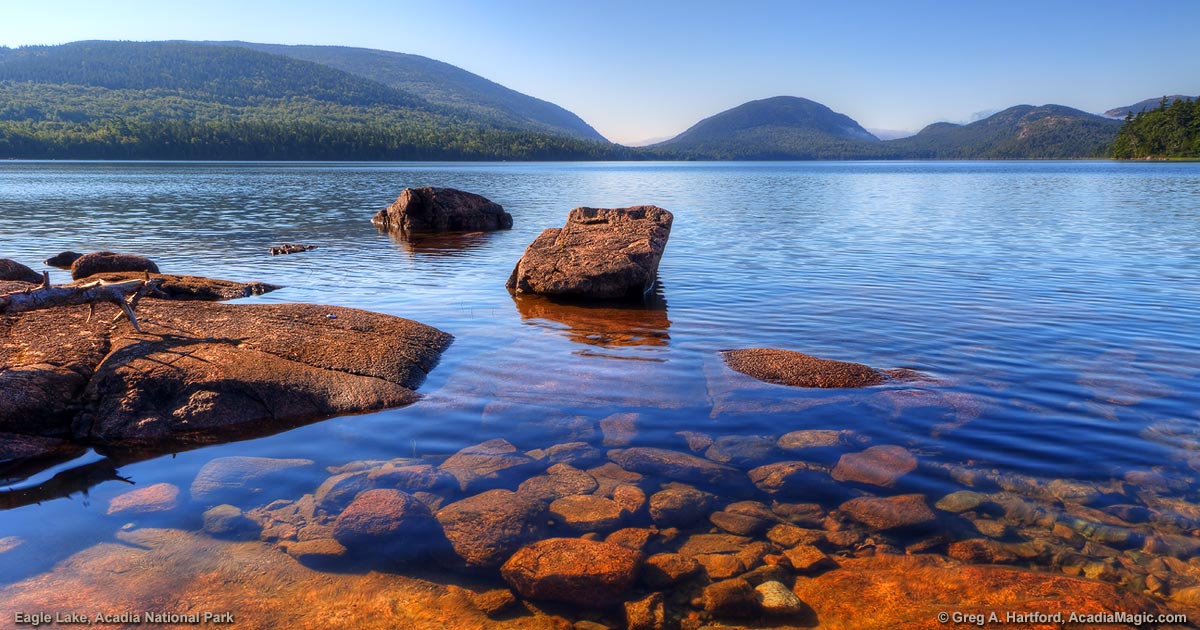
When I first arrived in Acadia National Park with my fishing gear fifteen years ago, I had no idea I was about to discover some of the most rewarding fishing experiences on the East Coast. This comprehensive fishing guide for Lake Acadia will transform your approach to angling in these magical Maine waters.
Acadia National Park encompasses over 47,000 acres of pristine wilderness, with Eagle Lake standing as the crown jewel of freshwater fishing destinations. At 436 acres, Eagle Lake represents the largest freshwater body within the park boundaries, reaching depths of 110 feet with crystal-clear waters that support a thriving ecosystem of game fish.
The Great Ponds System
The park's "Great Ponds" classification includes seven premier fishing destinations: Eagle Lake, Jordan Pond, Bubble Pond, Upper Hadlock Pond, Witch Hole Pond, Aunt Betty Pond, and Lake Wood. Each offers unique fishing opportunities regulated by Maine state law rather than federal park regulations.
During my countless hours exploring these waters, I've discovered that Jordan Pond provides exceptional deep-water fishing for landlocked salmon and lake trout, while the smaller ponds like Bubble Pond offer intimate brook trout experiences that rival any mountain stream. The diversity available in this fishing guide for Lake Acadia ensures every angler finds their perfect spot.
Essential Gear and Equipment for Lake Acadia
Success in Acadia's waters demands the right equipment. Through years of trial and error, I've refined my gear selection to match the unique challenges these pristine lakes present. Here's my tested arsenal for the ultimate fishing guide for Lake Acadia experience.
Rod and Reel Combinations
My Top Rod Recommendation
For versatility across Acadia's diverse waters, I recommend the KastKing Royale Legend II Twin Tip Fishing Rod and Reel Combo ($88.99). The dual-tip design allows you to switch between light and medium action, perfect for targeting both delicate brook trout and powerful landlocked salmon.
Get This Combo on AmazonFor budget-conscious anglers, the Ugly Stik GX2 Spinning Reel and Fishing Rod Combo ($79.93) offers legendary durability. I've watched these rods survive everything from rocky shorelines to aggressive fish battles without missing a beat.
Tackle and Lures Selection

The key to successful fishing in Acadia lies in matching your tackle to the specific conditions and species. My tackle box for this fishing guide for Lake Acadia includes both finesse presentations for pressured fish and larger offerings for trophy specimens.
For Brook Trout
- Small spinners (Mepps #0-2)
- Dry flies and wet flies
- Small jigs (1/32 - 1/16 oz)
- Live worms and small minnows
For Landlocked Salmon
- Trolling spoons (silver/gold)
- Streamer flies
- Deep-diving crankbaits
- Downrigger setups
I always carry the PLUSINNO Fishing Lures Baits Tackle Kit ($29.97) as my primary tackle selection. With 302 pieces including crankbaits, spinnerbaits, and soft plastics, it covers every scenario I encounter in Acadia's diverse waters.
Species Guide: What You'll Catch in Acadia's Lakes
Understanding the fish species in Acadia's waters is crucial for any comprehensive fishing guide for Lake Acadia. Each species requires specific techniques, timing, and presentations to achieve consistent success.
Landlocked Atlantic Salmon
The true prize of Eagle Lake, landlocked salmon represent the pinnacle of freshwater fishing in Acadia. These magnificent fish, originally sea-run salmon trapped by geological changes, now thrive in the park's cold, oxygen-rich waters. I've landed specimens exceeding 20 inches, with their silver flanks and powerful runs creating unforgettable memories.
Best Locations: Eagle Lake's deeper sections, Jordan Pond's thermal layers
Prime Time: Early morning and late evening, especially during spring and fall
Top Techniques: Trolling with downriggers, casting large streamers, deep jigging
Native Brook Trout
Maine's state fish holds a special place in every angler's heart. These colorful, spirited fighters inhabit virtually every fishable water in the park. The native brook trout populations represent some of the healthiest wild fisheries in New England.
My most memorable brook trout encounter occurred in Bubble Pond during a misty September morning. Using a small dry fly, I landed a 14-inch native with colors so vibrant they seemed painted by nature itself.
Lake Trout (Togue)
The deep, cold waters of Eagle Lake and Jordan Pond harbor impressive lake trout populations. These prehistoric-looking predators lurk in the deepest areas, requiring specialized deep-water techniques. I've caught lake trout exceeding 25 inches using downriggers and heavy jigs.
Seasonal Fishing Strategies and Timing
Successful fishing in Acadia demands understanding seasonal patterns. This fishing guide for Lake Acadia breaks down optimal strategies for each season, based on fifteen years of detailed observations and fishing logs.
Spring Fishing (April-May)
Peak Season Alert: Spring represents the absolute peak for landlocked salmon fishing. As water temperatures climb from the 40s to low 50s, salmon become incredibly active near the surface. The optimal timing coincides with ice-out, typically occurring in early to mid-April.
During spring, I focus on Eagle Lake's northern basin and Jordan Pond's outlet areas. The combination of warming surface waters and abundant baitfish creates ideal conditions. Surface presentations with large streamers and trolled spoons produce consistently.
Summer Fishing (June-August)
Summer transforms the fishing landscape as thermal stratification develops. Deep, cold water becomes critical for salmon and lake trout survival. I adapt by using downriggers and deep-diving presentations, focusing on areas where cold spring water enters the lakes.
Brook trout fishing shifts to early morning and evening hours, with small streams and inlet areas providing the coolest water. The kayaking approach allows access to remote shoreline structure that holds fish during hot weather.
Fall Fishing (September-October)

Fall fishing in Acadia rivals spring for sheer excitement. As water temperatures drop, salmon and trout become increasingly aggressive, feeding heavily before winter. The spectacular autumn foliage provides a breathtaking backdrop for some of the year's best fishing action.
I've experienced my most productive days during October, combining photography opportunities with exceptional fishing. Large streamers, trolled spoons, and live bait presentations all produce outstanding results.
Winter Ice Fishing (January-March)
Ice fishing transforms Acadia's lakes into winter wonderlands. Eagle Lake typically freezes by late December, offering excellent ice fishing through March. Safety remains paramount - I always check ice thickness with local rangers and carry proper safety equipment.
Popular ice fishing spots include Eagle Lake's main basin and Jordan Pond's deeper areas. Small jigs, live bait, and tip-ups produce consistent results for brook trout, lake trout, and occasional salmon.
My Personal Experience: Lessons from the Waters
Creating this fishing guide for Lake Acadia draws from countless personal experiences, both triumphant and humbling. Let me share some pivotal moments that shaped my understanding of these remarkable waters.
The 22-Inch Landlocked Salmon
My most memorable Acadia fishing experience occurred on a fog-shrouded October morning at Eagle Lake. Using a trolled silver spoon at 35 feet, I hooked into what initially felt like a snag. Then the "snag" exploded into action, stripping line at an alarming rate.
Twenty minutes later, I netted a magnificent 22-inch landlocked salmon - my personal best from Acadia waters. The fish's chrome flanks and perfect proportions exemplified why these waters deserve protection and respect. That experience taught me patience and the importance of quality gear - my reliable tackle setup ($24.99) proved crucial in landing such a powerful fish.
Learning from Local Rangers
Ranger Wisdom: "The fish don't read the guidebooks," Ranger Sarah once told me after a particularly challenging day. "Success comes from adapting to conditions, not forcing predetermined strategies." This advice transformed my approach to fishing in Acadia.
Through conversations with park rangers and longtime local anglers, I learned invaluable insights that no fishing guide for Lake Acadia could teach through words alone. Understanding fish behavior, reading water conditions, and respecting the ecosystem became as important as selecting the right lure.
Mistakes That Became Lessons
Not every fishing trip succeeds. I've experienced frustrating days when seemingly perfect conditions produced nothing but empty hooks. These failures taught crucial lessons about fish behavior, weather influences, and the importance of persistence.
One particularly humbling experience involved losing a potential trophy salmon due to inadequate tackle preparation. Since then, I've never compromised on equipment quality, always carrying the essential tackle assortment ($16.97) that covers every fishing scenario.
Advanced Techniques and Local Secrets
After fifteen years of fishing Acadia's waters, I've developed advanced techniques that consistently outperform standard approaches. These secrets, shared in this comprehensive fishing guide for Lake Acadia, represent years of refinement and local knowledge.
The Thermal Layer Strategy
Understanding thermal stratification in Eagle Lake and Jordan Pond separates successful anglers from frustrated ones. During summer, I use a fish finder to locate the thermocline - the boundary between warm surface water and cold depths where fish concentrate.
Positioning lures just above the thermocline, typically 15-25 feet deep, produces consistent results when surface fishing fails. This technique requires quality depth-finding equipment and precise lure presentation.
Structure Fishing Secrets
Acadia's lakes contain subtle underwater structure that most visitors overlook. Submerged rocks, fallen trees, and depth changes create fish-holding zones. I've mapped productive structures through years of exploration, creating mental landmarks using visible shoreline features.
Rocky points extending into deep water prove especially productive for landlocked salmon. These areas concentrate baitfish and provide ambush opportunities for predatory fish.
Weather Pattern Fishing
Acadia's coastal location creates unique weather patterns that influence fish behavior. I've learned to read approaching weather systems and adjust techniques accordingly:
- Pre-front conditions: Increased feeding activity, surface presentations work well
- Post-front clearing: Fish deeper, slower presentations required
- Overcast conditions: Extended feeding periods, all-day fishing potential
- Bright, high-pressure days: Focus on deep water, subtle presentations
Local Fly Patterns
Fly fishing in Acadia benefits from patterns that match local insect hatches and baitfish. Through consultation with local fly shops and extensive observation, I've identified productive patterns:
Frequently Asked Questions
Do I need a fishing license to fish in Acadia National Park?
Yes, you need a valid Maine fishing license to fish in Acadia National Park. The park follows Maine state fishing regulations for all waters within its boundaries. Residents 16 years or older and non-residents 12 years or older require licenses. Children under these ages can fish without licenses. You can purchase licenses online through the Maine Department of Inland Fisheries and Wildlife or at local sporting goods stores. I recommend getting your license before arriving, as availability can be limited during peak seasons. Remember to carry your license while fishing, as park rangers and game wardens regularly check compliance.
What's the best time of year for fishing in Acadia's lakes?
The optimal fishing season depends on your target species, but I consider late spring through early fall as prime time. April through May offers exceptional landlocked salmon fishing as they feed actively in cooler surface waters. Summer months require deeper fishing techniques but provide consistent action for those who adapt their approach. September through October ranks as my personal favorite - fish feed aggressively before winter while fall foliage creates spectacular scenery. Winter ice fishing from January through March appeals to dedicated anglers willing to brave cold conditions. Each season offers unique opportunities, making this comprehensive fishing guide for Lake Acadia valuable year-round.
Can I use a motorboat on Eagle Lake?
Yes, motorboats are permitted on Eagle Lake, but with restrictions. Motors over 10 horsepower are prohibited, limiting boat size and speed. This regulation protects the lake's pristine character while allowing access to productive fishing areas. I recommend electric trolling motors for their quiet operation and precise boat control - essential for successful fishing. The park provides boat launching facilities, though spaces can be limited during peak seasons. Arrive early, especially on weekends, to secure launch access. Consider kayaking alternatives for a more intimate fishing experience while avoiding motor restrictions entirely.
Are there fishing guides available for hire in Acadia?
Several professional fishing guides operate in the Acadia region, though not all specialize exclusively in park waters. Acadia Fly Fishing, led by registered Maine Guide John "Sarge" Pepper, offers customized freshwater fishing experiences throughout the park. Eagle Mountain Guide Service provides both lake and stream fishing trips. I recommend booking guides well in advance, especially during peak seasons. Professional guides offer invaluable local knowledge, proper equipment, and techniques that can accelerate your learning curve. However, this fishing guide for Lake Acadia provides comprehensive information for successful self-guided fishing adventures. Consider guided trips for your first visits, then apply learned techniques during independent fishing excursions.
What size fish can I expect to catch in Acadia's lakes?
Fish sizes vary significantly by species and location within the park. Brook trout typically range from 8-14 inches, with occasional specimens reaching 16 inches in prime waters. Landlocked salmon offer the most exciting size potential, commonly ranging from 14-18 inches with trophy fish exceeding 20 inches possible in Eagle Lake and Jordan Pond. Lake trout grow largest, with 18-25 inch fish regularly caught in deeper waters. Smallmouth bass in certain waters can reach 12-16 inches. Size expectations should focus on fish quality rather than pure dimensions - Acadia's wild fish populations produce beautifully colored, hard-fighting specimens that provide memorable experiences regardless of size. The pristine environment and healthy ecosystems support robust fish populations throughout the park's waters.
Is catch and release required in Acadia National Park?
Catch and release is not legally required in Acadia National Park, but it's strongly encouraged to preserve fish populations for future generations. Maine state fishing regulations apply within the park, allowing harvest within established limits. However, as a conservation-minded angler contributing to this fishing guide for Lake Acadia, I practice selective harvest - keeping only what I'll consume while releasing trophy specimens and excess fish. The park's pristine waters support wild, native fish populations that deserve protection. Many lakes experience significant fishing pressure during peak seasons, making voluntary catch and release crucial for maintaining healthy fisheries. I use barbless hooks and proper handling techniques to ensure released fish survive and reproduce. Consider your fishing philosophy and impact on these remarkable waters.
What should I do if I encounter wildlife while fishing?
Acadia National Park supports diverse wildlife populations that may be encountered while fishing. Black bears occasionally visit fishing areas, especially during berry seasons. Store all food, beverages, and scented items in bear-proof containers or locked vehicles. Never feed or approach bears - make noise while moving through dense cover and back away slowly if encounters occur. Bald eagles frequently fish the same waters, providing spectacular viewing opportunities but requiring respectful distance. Loons nest on several lakes; avoid disturbing nesting areas and maintain appropriate distances from these magnificent birds. Moose rarely appear but demand extreme caution due to their size and unpredictable behavior. The comprehensive wildlife guide provides detailed information about safe wildlife encounters throughout your fishing adventures in the park.
Complete Your Acadia Fishing Setup - Shop Premium Tackle on AmazonConclusion
This comprehensive fishing guide for Lake Acadia represents fifteen years of passionate exploration, countless hours on the water, and deep respect for one of America's most pristine fishing destinations. From the crystal-clear depths of Eagle Lake to the intimate brook trout waters of smaller ponds, Acadia National Park offers fishing experiences that create lifelong memories.
Success in these waters demands more than proper equipment and techniques - it requires understanding the delicate balance between recreation and conservation. Every cast we make, every fish we catch, and every decision we make impacts these remarkable ecosystems. By practicing responsible fishing, respecting wildlife, and following park regulations, we ensure future generations can experience the magic of fishing in Acadia.
The techniques, strategies, and insights shared in this fishing guide for Lake Acadia provide the foundation for successful fishing adventures. However, the true rewards come from time spent on the water, observing nature, and developing personal connections with these special places. Each fishing trip offers opportunities to learn, grow, and contribute to the conservation legacy that preserves Acadia's waters.
As you plan your fishing adventures in Acadia National Park, remember that success is measured not only in fish caught but in experiences gained, memories created, and respect developed for wild places. Whether you're targeting trophy landlocked salmon in Eagle Lake's depths or seeking colorful brook trout in secluded ponds, Acadia's waters offer rewards beyond imagination.
I encourage you to explore beyond the popular areas, discover your own secret spots, and develop personal techniques that work in these unique waters. Consider extending your adventures with multi-day itineraries that combine fishing with hiking, photography, and family activities. The park's diverse offerings ensure every visitor finds their perfect outdoor experience.
Take time to appreciate the broader ecosystem that supports these remarkable fisheries. From the pristine watersheds that feed the lakes to the careful management that maintains water quality, Acadia represents successful conservation in action. By supporting park programs, following Leave No Trace principles, and sharing conservation messages, we contribute to preserving these waters for future generations.
Whether this is your first fishing trip to Acadia or your hundredth, I hope this fishing guide for Lake Acadia enhances your experiences and deepens your appreciation for these extraordinary waters. The memories you create and the connections you develop with Maine's wilderness will last a lifetime. Tight lines, and may your Acadia fishing adventures exceed your wildest expectations!
Ready to explore more of Acadia's wilderness adventures?
Discover More at WildernessPaths.com