
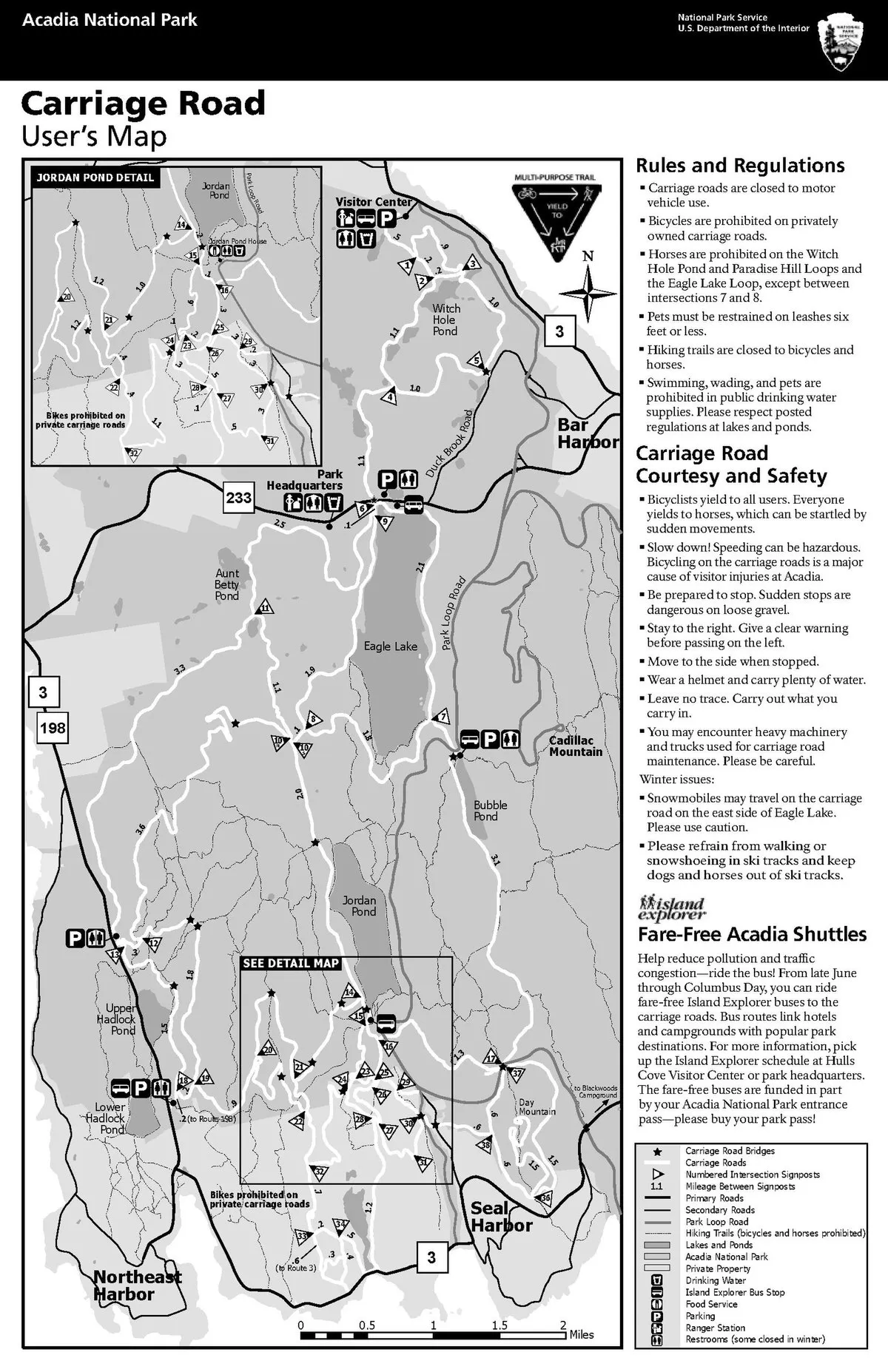
Exploring Acadia National Park on two wheels offers an intimate experience of this coastal Maine treasure. As someone who has pedaled countless miles on the historic carriage roads, I've crafted this comprehensive self-guided Acadia bike tour itinerary to help you navigate the park's 45 miles of car-free paths, stunning ocean views, and serene forest landscapes. Whether you're a casual cyclist or seasoned rider, this guide will ensure your Acadia biking adventure is both memorable and stress-free. For more wilderness adventures, visit our homepage.
Understanding Acadia's Carriage Roads
History and Design of the Carriage Roads
The carriage roads of Acadia National Park represent one of America's most remarkable outdoor treasures, offering cyclists a unique way to experience Maine's coastal beauty. Built between 1913 and 1940 through the vision and funding of John D. Rockefeller Jr., these 45 miles of broken-stone roadways were designed specifically to showcase the park's natural splendor while preserving its ecological integrity. Rockefeller, an avid horseman, created this network as a refuge from the increasingly popular automobile, ensuring that visitors could enjoy Acadia's majesty at a slower, more contemplative pace.
What makes these paths particularly special for a self-guided Acadia bike tour itinerary is their thoughtful engineering. The roads maintain a modest grade (rarely exceeding 3-5%) and feature wide turns, making them accessible to cyclists of various skill levels. They weave through some of the park's most spectacular scenery—forests, mountains, lakes, and coastal viewpoints—while 17 unique granite bridges span streams, roads, and cliffsides. Each bridge represents a distinct architectural achievement, blending harmoniously with the surrounding landscape through the use of local materials.

Rules and Etiquette on the Carriage Roads
Before embarking on your self-guided Acadia bike tour itinerary, it's crucial to understand the rules and etiquette that preserve these historic pathways for all visitors. The carriage roads operate with a clear hierarchy of right-of-way: everyone yields to horses, and cyclists yield to both horses and pedestrians. This courtesy system ensures safety and enjoyment for all users of these multi-use trails.
Speed limits are enforced—no bicycle may exceed 20 mph on the carriage roads, though most cyclists will find the terrain and scenery encourages a more leisurely pace anyway. Class 1 e-bikes (those that provide assistance only when pedaling and stop assisting at 20 mph) are permitted, but Class 2 and 3 e-bikes are prohibited. It's also important to note that bicycling is not allowed on hiking trails or privately owned carriage roads within the park boundaries.
During spring months (typically March and April), many carriage roads close during the "mud season" to prevent damage to the surfaces. Before planning your self-guided Acadia bike tour itinerary, always check current alerts and closures on the National Park Service website. A valid park entrance pass is required for all cyclists using the carriage roads—this can be purchased online or at various locations throughout the park.
Best Self-Guided Bike Tour Routes
Easy Routes for Beginners
For those new to cycling or visiting Acadia for the first time, several gentle routes offer an ideal introduction to the park's carriage roads. The Witch Hole Pond Loop (4.7 miles) presents a perfect starting point for your self-guided Acadia bike tour itinerary. This relatively flat circuit passes beautiful Witch Hole Pond and provides convenient access from the Hulls Cove Visitor Center. The peaceful waters reflect the surrounding forest, creating stunning photo opportunities with minimal physical exertion.
Another excellent beginner option is the Eagle Lake Loop (6 miles), which follows the eastern and western shores of Eagle Lake—Acadia's largest freshwater body. The eastern side offers particularly spectacular views across the water to the surrounding hills. With gentle terrain and consistent scenery, this route allows new cyclists to build confidence while enjoying classic Acadia landscapes. These beginner routes are particularly suitable for families with children or anyone who prefers a relaxed riding experience without challenging climbs.
When planning a self-guided Acadia bike tour itinerary for beginners, I recommend starting early in the morning (before 9am) when the carriage roads are less crowded, especially during peak summer months. This timing allows for a more relaxed pace and better opportunities to spot wildlife like deer, foxes, and various bird species that are more active during morning hours. Both of these routes feature relatively few elevation changes, with grades rarely exceeding 3%, making them comfortable for riders of all fitness levels.
Beginner Route Quick Facts:
- Witch Hole Pond Loop: 4.7 miles, approximately 200 ft elevation gain, 1-2 hours
- Eagle Lake Loop: 6 miles, approximately 250 ft elevation gain, 1.5-2.5 hours
- Best For: Families, first-time visitors, casual cyclists
- Highlights: Peaceful ponds, gentle terrain, abundant wildlife viewing opportunities
Moderate Challenge Routes
Intermediate cyclists seeking a balance of challenge and scenery will find several excellent options for their self-guided Acadia bike tour itinerary. The Jordan Pond Loop (8.6 miles) offers a moderately challenging route that showcases some of Acadia's most iconic scenery. Starting from Jordan Pond House, this loop passes both Jordan Pond and Bubble Pond, with views of the distinctive Bubble Mountains creating a dramatic backdrop. The terrain includes some moderate hills but rewards effort with extraordinary vistas.
The Tri-Lakes Loop (10.6 miles) connects three of Acadia's most beautiful water bodies—Eagle Lake, Bubble Pond, and Jordan Pond. This figure-eight route features more substantial elevation changes than beginner options but remains manageable for reasonably fit cyclists. The varied terrain passes through dense forests and open areas, with occasional glimpses of Mount Desert Island's higher peaks. This route makes an excellent half-day adventure and includes several perfect picnic spots along the way.
When crafting a self-guided Acadia bike tour itinerary at the intermediate level, I recommend scheduling 3-4 hours for these routes, allowing time to stop at viewpoints and take short hikes to nearby attractions. For example, the Jordan Pond Loop offers opportunities to park your bike and hike to Bubble Rock or around the scenic Jordan Pond Shore Trail. These routes have occasional climbs with grades between 5-8%, which provide a satisfying workout without being overwhelming. Intermediate routes are best enjoyed during mid-morning to early afternoon when visibility is optimal for photography.
Moderate Route Quick Facts:
- Jordan Pond Loop: 8.6 miles, approximately 500 ft elevation gain, 2-3 hours
- Tri-Lakes Loop: 10.6 miles, approximately 650 ft elevation gain, 3-4 hours
- Best For: Reasonably fit cyclists, those seeking varied scenery
- Highlights: Iconic mountain views, multiple lakes, potential side hikes
Advanced Routes for Experienced Cyclists
For experienced cyclists looking to challenge themselves while exploring the full range of Acadia's landscapes, the Around the Mountain Loop (11.3 miles) represents the crown jewel of carriage road experiences. This route circumnavigates Sargent Mountain, offering extraordinary views of Eagle Lake from elevated vantage points and passing through the remote, peaceful forests of the park's western side. With approximately 1,000 feet of elevation gain, this route features several sustained climbs that will test your endurance but reward you with some of the most spectacular scenery in the entire park.
The most ambitious cyclists may want to tackle the Complete Carriage Road Experience, a custom route I've developed for my own self-guided Acadia bike tour itinerary that covers approximately 29 miles of the carriage road network in a single day. Starting from Bar Harbor, this comprehensive journey connects multiple loops including sections of Witch Hole Pond, Eagle Lake, Jordan Pond, and Around the Mountain. This full-day adventure provides the ultimate carriage road experience, touching nearly all the major scenic highlights while delivering a satisfying physical challenge.
When planning an advanced self-guided Acadia bike tour itinerary, proper preparation becomes even more important. These routes feature grades of 8-12% in sections, particularly on the Around the Mountain Loop, and will require good physical conditioning. I recommend starting very early (7-8am) to allow 5-7 hours for completion, including stops. Carrying extra water is essential, as facilities are limited on the western portions of these routes. The physical demands are significant but the reward—experiencing the full grandeur of Acadia's diverse landscapes in a single journey—is well worth the effort for capable cyclists.
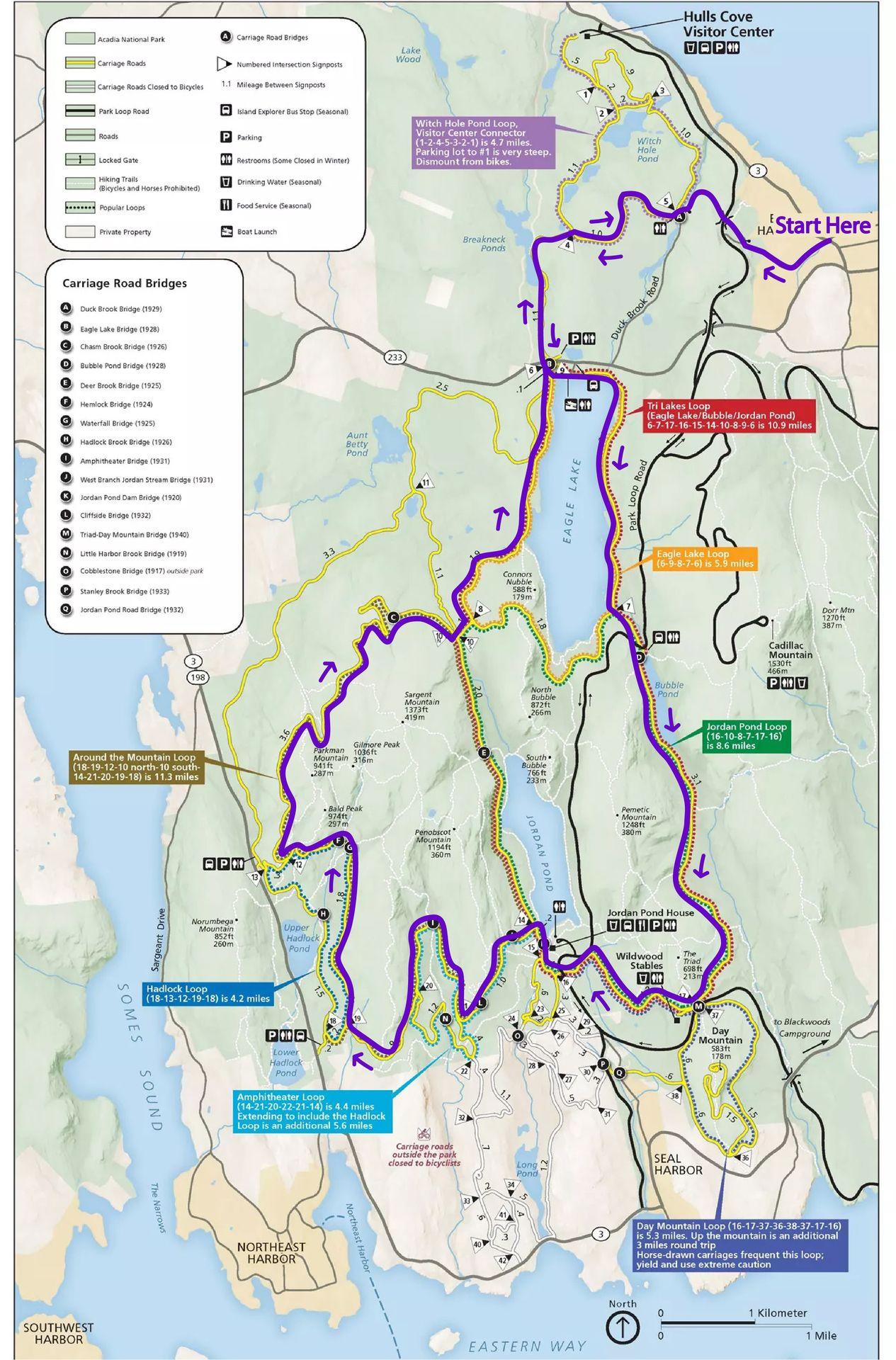
Advanced Route Quick Facts:
- Around the Mountain Loop: 11.3 miles, approximately 1,000 ft elevation gain, 3-4 hours
- Complete Carriage Road Experience: 29 miles, approximately 2,200 ft total elevation gain, 5-7 hours
- Best For: Experienced cyclists, full-day adventures, photography enthusiasts
- Highlights: Panoramic views, challenging climbs, comprehensive park experience
Planning Your Self-Guided Acadia Bike Trip
Bike Rental Options
Creating the perfect self-guided Acadia bike tour itinerary begins with securing the right bicycle. Fortunately, Mount Desert Island offers several excellent rental options catering to different preferences and budgets. Bar Harbor Bicycle Shop and Acadia Bike are two highly-regarded operations located in downtown Bar Harbor, both offering a variety of bicycles including hybrids, mountain bikes, road bikes, and e-bikes. For those interested in electric assistance, specialized e-bike rental services like Island Time E-bike Rentals will deliver directly to popular starting points like the Hulls Cove Visitor Center.
When selecting a rental for your self-guided Acadia bike tour itinerary, consider both the terrain and your personal comfort. The carriage roads feature a crushed stone surface, making hybrid bikes or gravel bikes ideal choices for most riders. If you're planning on tackling the more challenging routes with significant elevation gain, such as the Around the Mountain Loop, an e-bike rental might be worth the additional cost (typically $50-70 per day versus $35-50 for standard bikes). Most rental shops provide helmets, locks, water bottle holders, and basic repair kits, though it's always wise to confirm what's included before finalizing your reservation.
During peak season (June through September), advance reservations for bike rentals are strongly recommended, especially if you require specific bike types or sizes. Many visitors find that multi-day rental packages offer better value, and some shops provide discounts for online bookings. For families, inquire about tandem bikes, trailers, or tag-alongs to accommodate younger children who might not be ready for independent riding on longer routes.
Pro Tip: Rental Reservations
For the best experience with your self-guided Acadia bike tour itinerary, book your rental at least 2-3 weeks in advance during peak season. Request an early morning pickup time (most shops open at 8am) to maximize your riding time and avoid crowds on popular routes.
Transportation and Logistics
A thoughtful self-guided Acadia bike tour itinerary must address the practical logistics of getting to and from your selected routes. If you're staying in Bar Harbor, accessing the carriage roads directly from town is possible via the Duck Brook Road entrance, though this requires navigating some busier roads initially. Alternatively, many visitors choose to drive to one of several carriage road access points with designated parking areas. The most popular starting locations include:
- Eagle Lake Parking Area: Centrally located with access to both Eagle Lake Loop and connections to other carriage roads
- Jordan Pond House: Perfect starting point for Jordan Pond Loop and Tri-Lakes Loop
- Hulls Cove Visitor Center: Convenient access to Witch Hole Pond Loop and park information
- Bubble Pond Parking: Limited spaces but excellent access to Around the Mountain Loop
During peak season, parking at these locations fills quickly, often by mid-morning. For a stress-free self-guided Acadia bike tour itinerary, I recommend arriving before 8:30am or utilizing the free Island Explorer shuttle service, which operates from mid-June through October and accommodates bicycles on external racks (though e-bikes are not permitted due to weight restrictions). The shuttle connects major hotels, campgrounds, and visitor areas with carriage road access points, offering a convenient alternative to driving and parking.
Parking strategy becomes particularly important when planning a one-way route rather than a loop. For these adventures, consider using the Island Explorer to return to your starting point or coordinate a two-car system if traveling with companions. Some local bike shops also offer pickup services for an additional fee—a worthwhile luxury after a long day of cycling. Always review current park rules regarding parking and transportation before your visit, as policies may change during different seasons and under varying visitation levels.
Essential Gear for Your Acadia Bike Adventure
Properly equipping yourself for a self-guided Acadia bike tour itinerary enhances both safety and enjoyment. While rental bikes provide the basics, bringing along personal items tailored to Acadia's unique environment will significantly improve your experience. Based on my numerous cycling adventures in the park, here are the must-have items for your journey:
Safety Equipment
Safety should always be your top priority when planning a self-guided Acadia bike tour itinerary. Start with a properly fitted helmet—even if you typically don't wear one at home, Acadia's varied terrain and occasional loose gravel make head protection essential. If you're bringing your own helmet instead of using one provided by rental shops, consider a model with good ventilation for summer rides and adjustable sizing for comfort during longer routes.
A compact first aid kit designed specifically for cyclists is another crucial safety item. Look for one containing bandages, antiseptic wipes, pain relievers, and blister treatment—all common needs during long days of riding. Additionally, a small bike repair kit including a multi-tool, portable pump, and spare tube (matched to your bike's wheel size) provides peace of mind on remote sections of the carriage roads, where mobile phone service can be spotty and help might be far away.
Navigation Tools
Effective navigation is crucial for any self-guided Acadia bike tour itinerary. While the carriage roads feature numbered intersection markers, having additional tools prevents wrong turns and enhances your understanding of the surroundings. A waterproof physical map of Acadia's carriage roads serves as your primary navigation resource—available at the visitor centers or local outdoor shops for around $5-7. I recommend marking your intended route with a highlighter before setting out.
Complementing your physical map with digital resources provides redundancy in case of confusion. The free National Park Service app for Acadia includes offline maps that function without cell service—simply download the content before your trip. For more serious cyclists, consider using cycling-specific apps like Strava or Ride with GPS, where you can download pre-planned routes of popular carriage road loops. Remember to bring a phone mount for your handlebars if you'll be referencing digital maps frequently, and a portable charger to keep your devices powered throughout the day.
Comfort and Convenience Items
Maximizing comfort during your self-guided Acadia bike tour itinerary allows you to focus on the spectacular scenery rather than physical discomfort. Start with proper cycling attire—moisture-wicking shorts or pants with some padding will prevent chafing during longer rides. Layering is essential in Acadia's variable climate; a lightweight, water-resistant jacket can be quickly deployed during unexpected coastal fog or brief showers.
Hydration and nutrition deserve special attention when planning longer routes. I recommend carrying at least two large water bottles (or a hydration backpack) and refilling at Jordan Pond House or the visitor centers when possible. Energy-dense snacks like trail mix, energy bars, and fruit provide sustained fuel for challenging sections. For full-day adventures, pack a proper lunch to enjoy at scenic spots like the overlook near Bubble Pond or the peaceful shores of Eagle Lake.
Additional items that enhance the experience include high-quality polarized sunglasses (which improve visibility of trail hazards and reduce glare off water), cycling gloves to prevent hand fatigue and protect in case of falls, and a small daypack or handlebar bag to carry your essentials. Don't forget sunscreen and insect repellent—both are necessities in Acadia, particularly during summer months when the sun is intense and mosquitoes are active in wooded sections of the carriage roads.
My Acadia Biking Packing List:
- Safety: Helmet, first aid kit, bike repair essentials, reflective gear
- Navigation: Physical carriage road map, phone with offline maps, portable charger
- Hydration/Nutrition: Two water bottles (or hydration pack), energy snacks, lunch for full-day routes
- Comfort: Padded cycling shorts, layered clothing, rain jacket, sunglasses, gloves, sunscreen
- Storage: Handlebar bag or daypack for carrying essentials
- Photography: Camera or smartphone with weatherproof case
Seasonal Considerations for Biking in Acadia
Best Times to Visit
When planning your self-guided Acadia bike tour itinerary, timing significantly impacts your experience on the carriage roads. Each season offers distinct advantages and challenges for cyclists. Based on my regular visits throughout the year, here's what you can expect during different seasons in Acadia:
Late Spring (May to early June) brings moderate temperatures, blooming wildflowers, and fewer visitors than summer months. The fresh green foliage creates a vibrant backdrop for cycling, and wildlife is particularly active during this season. However, be prepared for occasional muddy sections as the carriage roads recover from spring thaws, and check for any lingering closures from the winter season. Many carriage roads are closed during the "mud season" (usually March through April) to prevent damage from use when the ground is soft.
Summer (late June through August) offers the most reliable weather and longest daylight hours, perfect for ambitious routes on your self-guided Acadia bike tour itinerary. All facilities and services are fully operational during this peak season, with temperatures typically ranging from 70-80°F during daytime hours. The primary drawback is increased visitor numbers, which can make popular routes like Jordan Pond Loop congested, particularly between 10am and 3pm. Early morning starts (before 8am) or evening rides (after 5pm) provide more peaceful experiences during summer months.
Fall (September to mid-October) represents my personal favorite time for cycling in Acadia. The spectacular fall foliage transforms the carriage roads into corridors of crimson, orange, and gold, while cooler temperatures (typically 50-65°F) create perfect cycling conditions. Visitor numbers decrease after Labor Day, particularly on weekdays, allowing for more contemplative rides. Fall color typically peaks around mid-October, though this varies annually based on weather patterns. Layer clothing during fall rides, as mornings can be quite chilly before warming up considerably by midday.
Weather Averages by Season:
- Late Spring (May-June): 55-65°F, occasional rain showers, some muddy sections
- Summer (July-August): 70-80°F, highest humidity, occasional thunderstorms
- Early Fall (September): 60-70°F, less precipitation, beginning of color change
- Peak Fall (October): 45-60°F, crisp air, spectacular foliage, variable conditions
Weather Considerations and Preparation
Maine's coastal weather patterns require flexible planning for any self-guided Acadia bike tour itinerary. The park's position on Mount Desert Island creates microclimates where conditions can change rapidly—a sunny morning can transform into a foggy afternoon with little warning. Understanding these patterns helps you prepare appropriately for your rides.
Coastal fog is a common phenomenon in Acadia, particularly during summer mornings when warm air passes over the cooler Atlantic waters. This fog can reduce visibility and create surprisingly cool conditions on otherwise warm days. It typically burns off by late morning but may persist all day during certain weather patterns. Dressing in layers allows you to adapt to these changing conditions—a light, packable wind/rain jacket should always be included in your cycling kit, regardless of the forecast.
Thunderstorms present another weather consideration, especially during summer months. These typically develop in the afternoon and can arrive with little warning. Monitor weather forecasts carefully and consider planning shorter morning routes during unstable weather periods. The carriage roads become slippery when wet, so adjust your speed accordingly if caught in rain. Some sections, particularly those with steep grades, may require walking your bike during very wet conditions.
For early fall rides, be aware that temperatures can vary dramatically throughout the day, often starting in the 40s but climbing to the 60s by afternoon. Removable arm/leg warmers, lightweight gloves, and a skull cap that fits under your helmet provide versatile options for temperature regulation during these variable conditions. The reward for dealing with autumn's variable weather is the spectacular fall foliage that transforms your self-guided Acadia bike tour itinerary into an unforgettable visual experience.
Avoiding Crowds on the Carriage Roads
Creating a truly enjoyable self-guided Acadia bike tour itinerary requires strategies for avoiding the peak crowds that can diminish the peaceful experience of the carriage roads. Understanding visitation patterns allows you to plan for more serene riding conditions. Based on my experiences across multiple seasons, I've developed several effective approaches for experiencing Acadia's carriage roads with minimal crowding.
Timing your rides strategically offers the most straightforward approach to crowd avoidance. During peak summer season, the carriage roads are typically most crowded between 10am and 3pm, particularly near popular destinations like Jordan Pond House. Early morning rides (starting between 7-8am) offer remarkably peaceful experiences even during the busiest weeks of August. Similarly, evening rides (after 4pm) see dramatically reduced traffic as most day visitors begin heading back to their accommodations.
Route selection also influences crowd levels on your self-guided Acadia bike tour itinerary. The western sections of the carriage road network, including parts of the Around the Mountain Loop, consistently see fewer visitors than the eastern sections near Jordan Pond. Similarly, the Amphitheater Loop and Hadlock Loop tend to be less crowded than the Eagle Lake and Jordan Pond loops. When visiting during peak season, consider structuring your route to hit the most popular sections during early morning hours, then transitioning to less-frequented western sections as the day progresses.
Day-of-week planning significantly impacts crowding as well. Weekdays, particularly Tuesdays through Thursdays, see noticeably lighter use than weekends throughout the season. If your schedule allows flexibility, planning your most ambitious routes for midweek days will enhance your experience considerably. This difference becomes even more pronounced during September and early October, when weekend visitation remains high but weekdays become remarkably peaceful.
My Personal Acadia Biking Experience
My Favorite Carriage Road Routes
After countless miles exploring Acadia's carriage road network, I've developed deep appreciation for certain routes that consistently deliver exceptional experiences. My personal favorite for a self-guided Acadia bike tour itinerary combines sections of multiple loops into what I call the "Grand Acadia Circuit"—a 25-mile route that showcases the best of what the park offers. Starting from the Eagle Lake parking area (arriving by 7:30am to secure parking), I begin with the eastern side of Eagle Lake, connecting to Around the Mountain Loop for its challenging climbs and breathtaking vistas.
The descent from Around the Mountain leads naturally to Jordan Pond, where I typically stop for mid-ride refreshment at Jordan Pond House. Their famous popovers with jam and tea create the perfect cycling break—just be sure to bring a small cable lock for your bike. From Jordan Pond, the route continues to Bubble Pond via the connector trail, then returns to Eagle Lake via the southern carriage roads. This comprehensive circuit incorporates challenging climbs, gentle descents, lakeside riding, and forest immersion into a single memorable day.
For shorter adventures, my favorite afternoon ride follows the Amphitheater Loop. This lesser-known 4.5-mile circuit offers surprisingly diverse landscapes, from intimate forest corridors to open meadows, with moderate elevation changes that keep the riding interesting without becoming exhausting. The relative quiet of this loop, even during busy periods, makes it my go-to recommendation for visitors seeking a more contemplative self-guided Acadia bike tour itinerary option away from the park's most congested areas.
My Perfect Acadia Cycling Day
7:30am: Arrive at Eagle Lake parking area before crowds
7:45am-10:30am: Ride eastern Eagle Lake shore to Around the Mountain Loop
10:45am: Arrive at Jordan Pond House for popovers and tea on the lawn
11:30am-1:00pm: Continue to Bubble Pond and complete southern carriage roads
1:15pm: Picnic lunch at Eagle Lake shoreline
2:00pm-3:30pm: Add Witch Hole Pond Loop if energy permits
4:00pm: Finish ride and celebrate with ice cream in Bar Harbor
Lessons Learned and Tips from Experience
Years of cycling through Acadia in all conditions have taught me valuable lessons about creating the ideal self-guided Acadia bike tour itinerary. Perhaps the most important insight is the necessity of flexibility—weather conditions, energy levels, and unexpected discoveries often suggest deviations from planned routes. I always identify multiple potential stopping points or shortcuts before setting out, allowing for route adjustments without becoming completely lost or overextended.
One practical lesson I've learned repeatedly: the carriage roads are more challenging than their crushed gravel surface might suggest. The elevation changes, while never extreme, are persistent throughout the network. First-time visitors frequently underestimate the physical demands, especially when planning ambitious routes. I recommend beginning with shorter loops on your first day, then expanding your range as you become familiar with the terrain and your capabilities on the carriage road surface.
Another insight from experience: strategic rest stops enhance the experience immeasurably. Unlike road cycling where continuous movement is often prioritized, the carriage roads are meant for leisurely appreciation. My favorite rest stops include the eastern shore of Eagle Lake (particularly in morning light), the Cobblestone Bridge area (a perfect spot for wildlife viewing), and the open meadows near Day Mountain (offering panoramic vistas). Building these intentional pauses into your self-guided Acadia bike tour itinerary allows for deeper connection with the landscape.
Finally, I've learned the value of combining cycling with short hikes for a complete Acadia experience. Several stunning viewpoints lie just a short walk from the carriage roads. The summit of Bubble Rock offers spectacular views after a 0.5-mile hike from the carriage road near Bubble Pond. Similarly, the short connector trail from Upper Hadlock Pond to Hadlock Brook Falls rewards with a peaceful waterfall scene rarely visited by most park guests. Bringing a lightweight cable lock allows you to secure your bike while exploring these off-road highlights.
Ranger's Secret Tip:
During my last visit, a veteran Acadia park ranger shared this insider advice: "The best carriage road experience happens during the 'golden hours'—the first and last two hours of daylight. Not only is the lighting magical for photography, but wildlife sightings increase dramatically, and you'll have many sections completely to yourself, even in peak season."
User Reviews and Experiences
To provide balanced perspective beyond my own experiences, I've gathered insights from other cyclists who have created their own self-guided Acadia bike tour itinerary adventures. These diverse experiences highlight different aspects of the carriage road network and offer additional viewpoints to consider when planning your own journey.
"We thoroughly enjoyed our self-guided VBT Acadia National Park cycling trip. This was our first self-guided cycling experience and this location was perfect. The GPS worked really well and, as expected, the bicycles were great. We were able to explore at our own pace having ample opportunity to improvise. The Carriage Roads within Acadia are a pure joy. The scenery was absolutely stunning."
- Randee R, Skokie, IL (via VBT Tours)
"It's more hilly than we thought it was going to be! We rented e-bikes which made the experience much more enjoyable—we could focus on the scenery instead of huffing and puffing up the hills. The Around the Mountain loop had some of the most beautiful views I've ever seen on a bike ride, but I wouldn't have made it without electric assist. Definitely start early to avoid crowds around Jordan Pond."
- Michael T, Portland, OR (via Reddit)
"October biking in Acadia was magical—the fall colors were at their peak and the carriage roads were much less crowded than during our summer visit two years ago. We followed a route recommended by a local bike shop from Eagle Lake to Jordan Pond and back via Bubble Pond. The weather changed constantly, from sunny to foggy to sunny again, which created amazing atmospheric effects. Bring layers and be prepared for anything!"
- Sarah K, Minneapolis, MN (via Amazon product review)
These diverse perspectives highlight several consistent themes: the carriage roads are more physically challenging than many visitors expect, the visual rewards far outweigh the effort required, and timing (both season and time of day) significantly impacts the experience. Many reviewers also mention the value of local knowledge, whether obtained through rental shops, park rangers, or pre-planned itineraries, in creating their optimal self-guided Acadia bike tour itinerary.
Frequently Asked Questions
Are e-bikes allowed on Acadia's carriage roads?
Yes, but with specific limitations. Only Class 1 e-bikes—those that provide power assistance only when pedaling and stop assisting at 20 mph—are permitted on Acadia's carriage roads. Class 2 and Class 3 e-bikes (those with throttles or that assist at higher speeds) are prohibited. This policy aligns with the carriage roads' historical character and shared use with pedestrians and horses. E-bikes must follow the same rules as traditional bicycles, including yielding to pedestrians and horses, maintaining speeds under 20 mph, and staying on designated carriage roads (not hiking trails). When developing your self-guided Acadia bike tour itinerary with an e-bike, note that the Island Explorer shuttle buses cannot accommodate e-bikes due to weight restrictions on their bike racks.
What is the best time of year for biking in Acadia?
The optimal time for a self-guided Acadia bike tour itinerary depends on your preferences regarding weather, crowds, and scenery. Early fall (mid-September to mid-October) offers the best overall experience for most cyclists, combining moderate temperatures, reduced crowds on weekdays, and spectacular fall foliage. Late spring (late May to mid-June) provides another excellent window with flowering plants, active wildlife, and fewer visitors than summer. The summer months (July and August) offer the most reliable weather but come with significantly larger crowds, particularly around Jordan Pond and Eagle Lake. For a truly unique experience, consider a weekday visit during the first two weeks of October when fall colors typically peak—just be prepared for cooler temperatures requiring proper layering.
How difficult are the carriage roads for average cyclists?
The carriage roads present moderate challenges for average cyclists planning a self-guided Acadia bike tour itinerary. While the crushed gravel surface is well-maintained and generally smooth, the roads feature consistent rolling terrain with some sustained climbs, particularly on the Around the Mountain Loop. Most individual hills aren't extremely steep (typically 5-8% grade), but they can be lengthy. Reasonably fit cyclists without specific training can comfortably enjoy routes like the Eagle Lake Loop (6 miles) or Jordan Pond Loop (8.6 miles) with occasional short breaks. Those with less cycling experience or fitness should consider shorter routes like Witch Hole Pond Loop (4.7 miles) or consider renting an e-bike, which transforms the experience by making hills manageable for nearly any fitness level. The carriage roads' difficulty is less about technical riding skills and more about endurance for longer routes.
Do I need to purchase a park pass for biking in Acadia?
Yes, all visitors using the carriage roads, including cyclists, must have a valid Acadia National Park entrance pass. When creating your self-guided Acadia bike tour itinerary, factor in this requirement. Individual passes (valid for one person on foot, bicycle, or motorcycle) cost $15 and are valid for 7 days. If you're arriving by car at any point, the vehicle pass ($30, valid for 7 days) covers everyone in your vehicle. Annual passes ($55) and America the Beautiful passes ($80, valid for all national parks for a year) are economical options for frequent visitors. Passes can be purchased online in advance, at visitor centers, or at certain entrance stations. If cycling directly from Bar Harbor via Duck Brook Road, you may not encounter a staffed entrance station, but you're still required to have a pass—park rangers occasionally check for passes along the carriage roads.
What should I do if I encounter horses on the carriage roads?
When planning your self-guided Acadia bike tour itinerary, it's important to prepare for horse encounters on the carriage roads, as these historic pathways were originally designed for horse-drawn carriages. Always yield to horses by moving to the side of the road opposite the drop-off or outside edge. Stop your bike completely, remove one foot from the pedals to indicate you're stopped, and speak in a normal voice to the riders as they approach—this helps horses recognize you as human rather than a potential threat. Avoid making sudden movements or loud noises that might startle the animals. Some horses are uncomfortable passing stationary objects, so if the rider requests that you move further off the trail or continue slowly past them, follow their instructions—they know their animal best. These courtesies ensure safety for all users and honor the historical purpose of these special roads.
Can I combine biking with other activities in Acadia?
Absolutely! Creating a mixed-activity self-guided Acadia bike tour itinerary enhances your park experience by showcasing diverse landscapes from different perspectives. Many carriage roads connect with hiking trails, allowing for bike-and-hike combinations. Popular options include parking your bike at Bubble Pond for the short hike up South Bubble to the iconic Bubble Rock, or locking up near Upper Hadlock Pond to hike to the summit of Norumbega Mountain. If visiting during warmer months, consider morning cycling followed by afternoon swimming at Sand Beach or Echo Lake—both accessible via short detours from the Park Loop Road.
To facilitate these combinations, bring a lightweight cable lock for securing your bike during hikes. Many visitors also incorporate cultural experiences, such as tea and popovers at Jordan Pond House, into their cycling day. For a comprehensive experience, consider alternating cycling days with days focused on other activities like sea kayaking, rock climbing, or ranger-led programs. Just remember that bikes are not permitted on hiking trails, on Sand Beach, or in wilderness areas of the park—respect these limitations when planning your multi-activity adventures.
Conclusion
Creating your perfect self-guided Acadia bike tour itinerary opens the door to one of America's most unique national park experiences. The historic carriage roads represent an extraordinary vision—a network of carefully designed pathways that allow intimate exploration of Acadia's diverse landscapes while preserving their natural character. As we've explored throughout this guide, these special routes offer something for every cyclist, from gentle lakeside loops for beginners to challenging mountain circuits for experienced riders.
The rewards of cycling in Acadia extend far beyond physical exercise. These car-free corridors provide access to a remarkable range of experiences: peaceful forest immersion, breathtaking mountain vistas, reflective pond surfaces, historic stone bridges, and abundant wildlife encounters. The varying seasons each bring their own character to the carriage roads—spring's awakening energy, summer's lush vibrancy, fall's spectacular color transformation, and even winter's serene snowscapes for fat-tire biking enthusiasts.
As you plan your own self-guided Acadia bike tour itinerary, remember that flexibility and preparation enhance the experience immeasurably. Pack appropriately for Acadia's changeable weather, start with routes that match your comfort level before progressing to more challenging circuits, and build in time for spontaneous discoveries along the way. Whether you're visiting for a single perfect day or an extended cycling vacation, the carriage roads invite a pace of travel that encourages presence, observation, and connection with this extraordinary landscape.
From personal experience spanning many years and seasons, I can affirm that cycling Acadia's carriage roads offers something increasingly rare in our modern world—the opportunity to move through a magnificent landscape at human scale and human pace, experiencing subtle transitions and details that faster travel inevitably misses. The self-guided bike tour approach empowers you to create precisely the experience that speaks to your interests, whether that's photography, birdwatching, architecture, geology, or simply the pleasure of mindful movement through beautiful surroundings.
I hope this guide helps you craft an Acadia cycling experience that becomes a treasured memory, perhaps even the first of many return visits to these remarkable roads. The carriage roads await your discovery—enjoy the journey!
Ready to Plan Your Acadia Biking Adventure?
Download our printable carriage roads map, elevation guide, and suggested itineraries for various fitness levels!
Get Your Free Acadia Biking GuideHappy trails and memorable adventures on your self-guided journey through Acadia's magnificent carriage roads!