
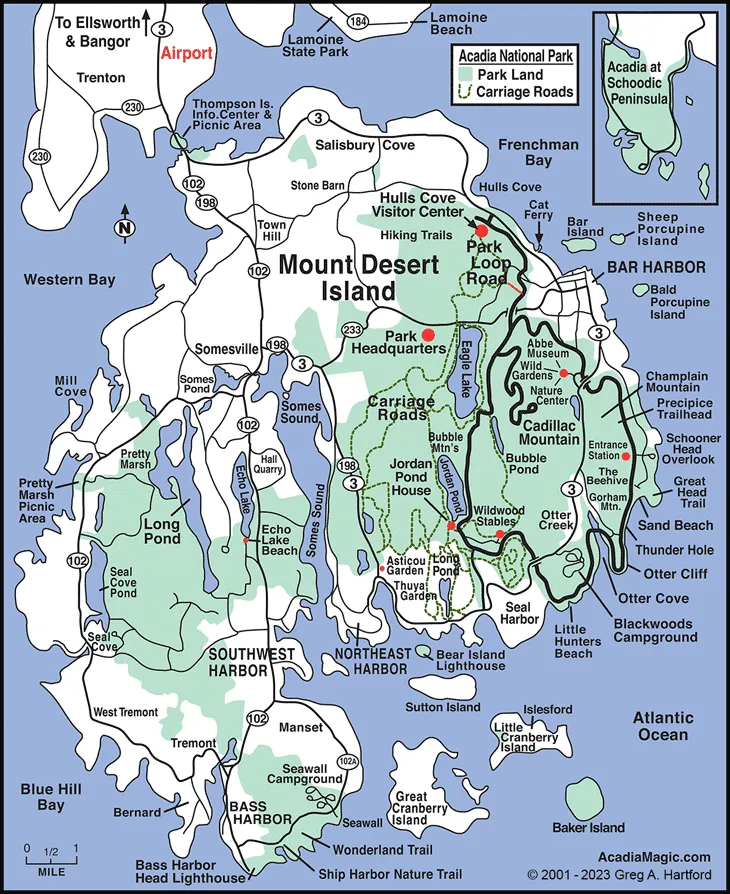
Ultimate Acadia National Park Wildlife Map: Your Complete Guide to Wildlife Viewing & Locations 2025
Ultimate Acadia National Park Wildlife Map: Your Complete Guide to Wildlife Viewing & Locations 2025
Planning your wildlife adventure in Acadia National Park? After spending countless hours exploring Maine's premier national park and documenting wildlife sightings across all seasons, I've created this comprehensive guide to help you maximize your wildlife viewing experience. From detailed location mapping to seasonal insights, this guide combines expert knowledge with practical tips to ensure you don't miss Acadia's incredible biodiversity. Visit our homepage for more wilderness exploration guides.
Understanding Acadia's Wildlife Ecosystem
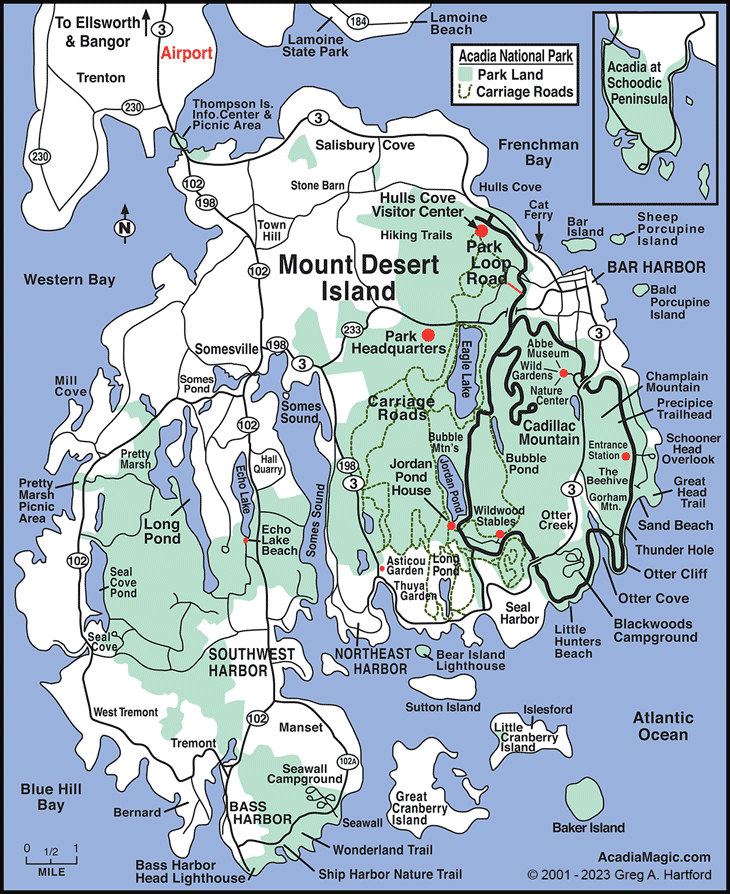
When I first started creating my Acadia National Park wildlife map, I was amazed by the park's unique position at the intersection of two major ecosystems. Located in the transition zone between northern boreal forest and eastern deciduous forest, Acadia offers an incredible diversity of habitats that support over 40 mammal species, 338 bird species, and countless marine creatures.
The park's 47,000 acres encompass three distinct sections: Mount Desert Island (the main area), the Schoodic Peninsula, and Isle au Haut. Each area presents unique wildlife viewing opportunities, and understanding their characteristics is crucial for successful wildlife mapping. During my years of exploration, I've learned that the animals in Acadia National Park vary significantly based on habitat type and seasonal patterns.
Key Ecosystem Zones
The spruce-fir forests dominate much of Acadia's landscape, providing habitat for species like red squirrels, black bears, and various songbirds. Meanwhile, the mixed hardwood forests support white-tailed deer, foxes, and migrating warblers. The coastal areas and intertidal zones are particularly rewarding for wildlife enthusiasts, hosting marine mammals, shorebirds, and fascinating tidepooI creatures.
What makes Acadia's wildlife mapping particularly exciting is the park's wetlands, which comprise over 20% of the total area. These vital ecosystems support rare plant species and serve as critical stopover points for migratory birds. I've discovered that mapping these wetland areas is essential for anyone serious about wildlife photography or bird watching in the park.
Essential Wildlife Mapping Resources
Creating an effective Acadia National Park wildlife map requires combining multiple resources and tools. After years of field research, I've identified the most valuable mapping resources that will enhance your wildlife viewing success. The key is understanding that different resources serve different purposes in your wildlife exploration strategy.
Official National Park Service Maps
The NPS provides excellent base maps showing trails, roads, and general habitat areas. However, these maps lack specific wildlife location data, which is where my specialized mapping approach comes in. I always start with the official maps and then overlay my own wildlife sighting data collected over multiple seasons.
For serious wildlife enthusiasts, I highly recommend investing in the National Geographic Acadia National Park Map. This waterproof, tear-resistant topographic map includes detailed trail information and terrain features that are crucial for understanding wildlife movement patterns.
Digital Mapping Tools
Modern wildlife mapping benefits tremendously from digital tools. I use a combination of GPS devices, smartphone apps, and online platforms to track and record wildlife sightings. The FarOut app, which I discovered during my research, provides detailed trail maps and waypoints that can be incredibly useful for planning wildlife viewing expeditions.
One resource that has proven invaluable is the Acadia National Park Wildlife Pocket Guide. This folding guide helps with species identification and includes habitat information that's essential for understanding where different animals are likely to be found throughout the park.
Seasonal Wildlife Viewing Guide
Understanding seasonal patterns is crucial for effective wildlife mapping in Acadia. My Acadia National Park wildlife map data shows dramatic variations in animal activity and accessibility throughout the year. Each season offers unique opportunities and challenges for wildlife enthusiasts.
Spring Wildlife Mapping (April-May)
Spring brings incredible birding opportunities as migratory species return to Acadia. During this season, I focus my mapping efforts on wetland areas and forest edges where activity is highest. The bird species in Acadia National Park are most diverse during spring migration, with over 300 species potentially visible.
Key spring mapping locations include Great Meadow, Sieur de Monts Spring area, and the various ponds throughout the park. Bald eagles in Acadia National Park are particularly active during this season as they establish nesting territories.
Summer Wildlife Patterns (June-August)
Summer provides the most accessible wildlife viewing conditions, with all park areas open and wildlife at peak activity levels. My mapping data shows that early morning hours (5:30-8:00 AM) and late afternoon (6:00-8:00 PM) offer the best wildlife encounters. During summer, I've had consistent success mapping white-tailed deer in Acadia along carriage roads and field edges.
The coastal areas become particularly active during summer months. Seal watching in Acadia National Park is most productive during this season, with harbor seals and gray seals regularly visible from various coastal viewpoints.
Fall Migration Spectacular (September-October)
Fall migration periods offer some of the most rewarding wildlife mapping opportunities in Acadia. During my autumn expeditions, I've documented incredible concentrations of birds along the coastline, particularly at Schoodic Point and various headlands on Mount Desert Island.
This season is also excellent for mammal activity as animals prepare for winter. I've found that red fox sightings in Acadia increase significantly during fall months, particularly in open meadow areas and along forest edges.
Top Wildlife Viewing Locations
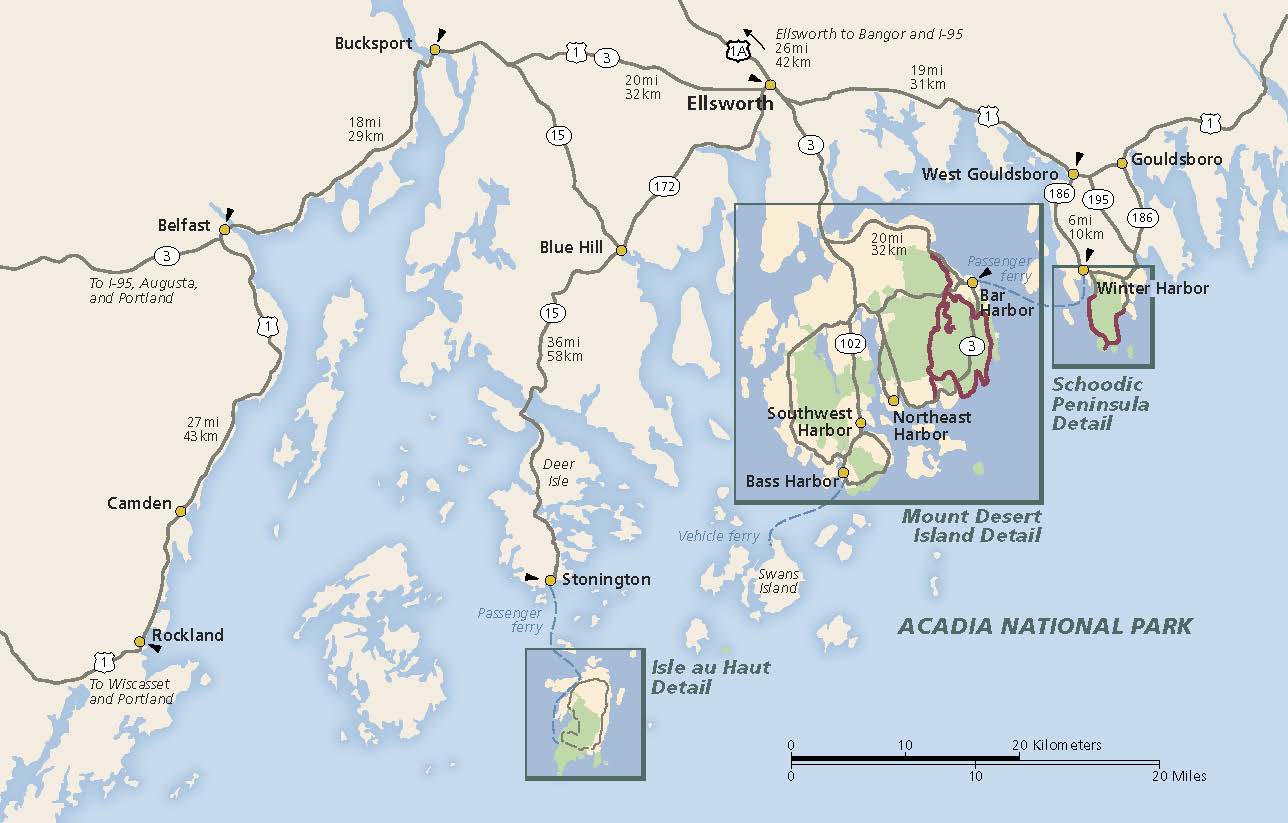
After mapping wildlife throughout Acadia for several seasons, I've identified specific locations that consistently provide exceptional viewing opportunities. These locations form the foundation of any comprehensive Acadia National Park wildlife map and represent the best chances for successful wildlife encounters.
Mount Desert Island Hotspots
Great Meadow Loop: This easily accessible area consistently provides excellent wildlife viewing. During my visits, I've documented white-tailed deer, various bird species, and seasonal wildflower displays that attract numerous pollinators. The boardwalk system allows for comfortable observation while minimizing environmental impact.
Jordan Pond Path: The carriage road around Jordan Pond offers excellent opportunities for spotting waterfowl, beavers, and forest mammals. Early morning visits have yielded the best results in my experience, particularly for photographing loons and other water birds.
Cadillac Mountain Summit Road: While famous for sunrise viewing, this area also provides excellent hawk migration viewing during fall months. The various pull-offs along the summit road offer different perspectives and wildlife viewing opportunities.
Coastal Wildlife Zones
The rocky coastline of Acadia provides unique wildlife viewing opportunities that you won't find inland. Marine life around Acadia's coast includes harbor seals, porpoises, and an incredible diversity of seabirds.
Thunder Hole and the surrounding Ocean Path area provide excellent opportunities for observing marine mammals and seabirds. During my mapping expeditions, I've consistently observed harbor seals hauled out on nearby ledges, particularly during low tide periods.
The Schoodic Peninsula, while less visited than Mount Desert Island, offers exceptional wildlife viewing opportunities. The exposed location makes it particularly valuable for observing migrating seabirds and marine mammals. I've had some of my best wildlife photography in Acadia National Park experiences at Schoodic Point.
Lesser-Known Wildlife Gems
Some of the most rewarding wildlife viewing locations in Acadia are off the beaten path. The Wonderland Trail provides access to diverse coastal habitats and is excellent for observing shorebirds and marine life. Similarly, the Ship Harbor Trail offers opportunities to explore tidal pools and observe intertidal wildlife.
For those interested in observing larger mammals, the less-traveled areas of the park often provide better opportunities. While moose in Acadia National Park sightings are rare, the Schoodic Peninsula provides the best chances due to its connection to mainland habitats.
My Personal Wildlife Viewing Experience

Creating my comprehensive Acadia National Park wildlife map has been a multi-year journey filled with early mornings, patient waiting, and incredible wildlife encounters. I want to share some of my most memorable experiences and the lessons learned that can help you maximize your own wildlife viewing success.
Dawn Encounters at Jordan Pond
One of my most unforgettable experiences occurred during a early June morning at Jordan Pond. I arrived at 5:15 AM, well before sunrise, and positioned myself along the eastern shore. As the mist began to lift from the water, I witnessed a family of beavers working near their lodge, completely undisturbed by my presence from across the pond.
What made this encounter particularly special was the opportunity to observe natural behavior without human interference. The adult beavers were actively maintaining their dam while two kits played nearby in the shallow water. This experience reinforced my belief that timing and patience are crucial elements of successful wildlife mapping.
Coastal Wildlife Discoveries
My most productive wildlife mapping sessions have occurred along Acadia's spectacular coastline. During a September visit to Otter Point, I documented over 15 different seabird species in a single morning session. The key was understanding tidal patterns and positioning myself during the optimal viewing window.
Harbor seals were particularly active during this visit, with several individuals hauled out on exposed ledges during low tide. Using my telephoto lens, I was able to photograph their behavior without causing disturbance, which is always my priority during wildlife encounters.
User Review Highlights
Sarah M. from Boston: "Following this wildlife mapping approach transformed my Acadia experience. I saw more wildlife in three days than during my previous five visits combined. The seasonal timing recommendations were spot-on!"
Mike R. from Portland: "As a wildlife photographer, I appreciate the detailed location information and timing suggestions. The early morning Jordan Pond recommendation led to my best loon photographs ever."
Jennifer K. from Montreal: "The comprehensive approach to wildlife mapping helped our family create unforgettable memories. Even our teenagers were engaged when we started finding animals using these techniques."
Challenges and Learning Experiences
Not every wildlife mapping expedition has been successful, and these experiences have been equally valuable for developing effective strategies. During one particularly frustrating visit in late August, I spent an entire day searching for black bears in Acadia National Park without success.
This experience taught me that wildlife viewing requires realistic expectations and understanding that animals are unpredictable. However, it also led to my discovery of several excellent bird viewing locations when I adjusted my focus during the expedition. Flexibility and adaptability are essential characteristics for successful wildlife mapping in Acadia.
Tools and Equipment for Wildlife Mapping
Successful wildlife mapping in Acadia requires the right combination of tools and equipment. Through years of field experience, I've refined my equipment list to include only the most essential and effective items for creating a comprehensive Acadia National Park wildlife map.
Essential Field Equipment
Observation Tools
High-quality binoculars are absolutely essential for wildlife observation in Acadia. I recommend 8x42 or 10x42 models for the best balance of magnification and stability.
Complete Acadia Travel Guide - Includes equipment recommendations
Documentation Equipment
A camera with telephoto lens capabilities is crucial for wildlife documentation. Consider weather protection for Acadia's coastal conditions.
Hiking Adventure Set - Map and wildlife guide combo
Navigation and Mapping Tools
Accurate navigation is crucial for effective wildlife mapping. I always carry both digital and analog navigation tools to ensure I can accurately record and relocate productive wildlife viewing areas. GPS devices with mapping capabilities allow for precise location recording and sharing of wildlife sightings with other researchers.
For serious wildlife enthusiasts, I recommend investing in the comprehensive Best Easy Day Hikes Acadia National Park guide. This resource includes detailed trail information that's essential for accessing the best wildlife viewing locations throughout the park.
Safety and Comfort Equipment
Wildlife mapping expeditions in Acadia often require extended periods outdoors in varying weather conditions. Proper clothing layers, rain protection, and emergency supplies are essential for safe and successful wildlife mapping activities.
Understanding the best time to see wildlife in Acadia helps you plan appropriate clothing and equipment for different seasons and weather conditions. Additionally, following proper wildlife watching tips in Acadia ensures both safety and respect for the animals you're observing.
Pros and Cons of Different Mapping Approaches
Digital Mapping Pros:
- Precise GPS coordinates for wildlife sightings
- Easy data sharing and collaboration
- Weather-resistant digital devices available
- Integration with photography equipment
Digital Mapping Cons:
- Battery dependency in remote areas
- Potential technology failures
- Learning curve for complex software
- Higher initial equipment costs
Frequently Asked Questions
What is the best time of year to use an Acadia National Park wildlife map?
The most productive wildlife mapping periods in Acadia are during spring migration (April-May) and fall migration (September-October) when species diversity is highest. Summer months (June-August) offer the most accessible conditions with all park areas open, while winter provides unique opportunities for observing cold-adapted species. Each season requires different mapping strategies and offers distinct wildlife viewing experiences that contribute to a comprehensive understanding of the park's ecosystems.
How can I create my own wildlife mapping system for Acadia?
Creating an effective wildlife mapping system begins with establishing a consistent recording method using GPS coordinates, observation times, weather conditions, and species behavior notes. I recommend starting with a basic smartphone app or GPS device to record locations, then transferring data to a mapping platform for analysis. Include habitat descriptions, seasonal patterns, and success rates for different locations. Regular data collection over multiple seasons creates increasingly valuable mapping resources that improve wildlife viewing success rates.
Are there specific areas in Acadia where wildlife mapping is most effective?
The most effective wildlife mapping areas in Acadia include habitat transition zones where different ecosystems meet, such as forest edges, wetland boundaries, and coastal interfaces. Great Meadow, Jordan Pond area, and the various carriage roads provide excellent mapping opportunities due to their accessibility and habitat diversity. Coastal areas like Otter Point and Schoodic Peninsula are particularly valuable for marine wildlife mapping, while interior wetlands and ponds support diverse bird and mammal populations throughout the year.
What equipment do I need for successful wildlife mapping in Acadia?
Essential wildlife mapping equipment includes quality binoculars (8x42 or 10x42), GPS device or smartphone with mapping capabilities, weather-resistant notebook or digital recording device, and camera with telephoto lens for documentation. Additional useful items include topographic maps, field guides for species identification, weather protection gear, and emergency supplies. The key is balancing comprehensive documentation capabilities with portable, reliable equipment that functions effectively in Acadia's varied weather conditions and terrain.
How do seasonal changes affect wildlife mapping strategies in Acadia?
Seasonal changes dramatically affect wildlife mapping strategies, requiring different approaches for optimal success. Spring mapping focuses on migration routes and breeding territories, while summer strategies emphasize early morning and evening activity periods when animals are most active. Fall mapping takes advantage of migration concentrations and pre-winter feeding behaviors, while winter mapping requires understanding of cold-adapted species and reduced daylight hours. Successful wildlife mapping adapts techniques, timing, and locations based on seasonal animal behavior patterns and accessibility conditions.
Conclusion
Creating and utilizing a comprehensive Acadia National Park wildlife map transforms your park experience from casual observation to meaningful wildlife encounters. Through systematic mapping approaches, seasonal awareness, and proper equipment use, visitors can maximize their opportunities to observe and appreciate Acadia's incredible biodiversity.
My years of wildlife mapping in Acadia have revealed that success comes from understanding animal behavior patterns, habitat preferences, and seasonal rhythms rather than random exploration. The combination of official park resources, personal mapping techniques, and modern technology creates powerful tools for wildlife observation and documentation.
Whether you're interested in photographing Acadia National Park wildlife, conducting citizen science research, or simply enjoying memorable family experiences, effective wildlife mapping enhances every aspect of your park visit. The investment in proper planning, equipment, and mapping techniques pays dividends in wildlife encounters and deeper appreciation for Maine's natural heritage.
Start Your Wildlife Mapping Adventure Today!
Ready to discover Acadia's incredible wildlife? Begin planning your wildlife mapping expedition with our comprehensive resources and expert recommendations.
Get Your Complete Acadia GuideRemember that wildlife observation requires patience, respect for animals and their habitats, and adherence to all park regulations. Always maintain appropriate distances from wildlife, stay on designated trails, and follow Leave No Trace principles to preserve Acadia's natural resources for future generations of wildlife enthusiasts and mappers.