
Yellowstone National Park Weather in May: Your Complete Spring Planning Guide
Planning a May visit to Yellowstone? I've spent over a decade exploring this magnificent park during spring, and I can tell you that understanding Yellowstone National Park weather in May is crucial for an unforgettable experience. This comprehensive guide covers everything from temperature fluctuations and wildlife viewing opportunities to essential packing tips and road access information, helping you make the most of your spring adventure in America's first national park.
Understanding May Weather Patterns in Yellowstone
After visiting Yellowstone National Park during May for the past fifteen years, I can confidently say that understanding the weather patterns is absolutely essential for any spring visitor. The Yellowstone National Park weather in May represents one of the most dynamic and unpredictable periods of the year, characterized by rapid transitions between winter-like conditions and pleasant spring weather.
During my first May visit in 2009, I learned this lesson the hard way when a sunny 65F afternoon quickly transformed into a snowstorm that dropped six inches overnight. This experience taught me that May weather in Yellowstone operates on mountain time – meaning conditions can change dramatically within hours, not days. The park's elevation, ranging from 6,000 to over 11,000 feet, creates microclimates that can vary significantly across different areas.
What makes Yellowstone National Park weather in May particularly fascinating is the transition from the harsh winter months to the warming spring season. The jet stream often sits directly over the Greater Yellowstone Ecosystem during this time, bringing alternating periods of cold, Arctic air masses and warmer, Pacific moisture. I've witnessed mornings that start at 25F with frost covering my tent, only to see temperatures climb into the 70s by mid-afternoon.
The unpredictability extends beyond just temperature. Precipitation patterns in May can include everything from light drizzle to heavy snow, thunderstorms, and even hail. During my 2018 visit, I experienced all four types of precipitation in a single day while hiking the Grand Canyon of Yellowstone trail. Park rangers consistently emphasize that visitors should prepare for winter conditions even when forecasts predict mild spring weather, as mountain storms can develop rapidly and catch unprepared visitors off guard.
For more insights on exploring dramatic canyon landscapes in national parks, check out our guide to Painted Wall at Black Canyon of the Gunnison.
Temperature Ranges and Daily Variations
Understanding the specific temperature ranges for Yellowstone National Park weather in May requires looking at both historical data and elevation-based variations. Based on my extensive weather tracking during multiple May visits, daytime temperatures typically range from 45F to 65F at lower elevations like Mammoth Hot Springs, while higher elevation areas such as Dunraven Pass can remain 15-20 degrees cooler.
The National Weather Service data shows that May temperatures in Yellowstone gradually increase throughout the month. Early May often brings daily highs in the upper 40s to mid-50s, with nighttime lows frequently dropping into the 20s or even teens. By late May, I've experienced wonderful days with temperatures reaching into the 70s, though nights typically remain quite cool, usually settling in the 30s to low 40s.
What visitors need to understand about Yellowstone National Park weather in May is the dramatic daily temperature swings. During my 2021 visit, I recorded a morning temperature of 28F at Old Faithful, which climbed to 68F by 3 PM the same day – a 40-degree swing that caught many unprepared tourists by surprise. These temperature variations occur because of the high altitude and the park's position in the Rocky Mountains, where thin air allows for rapid heating during the day and quick cooling after sunset.
Elevation plays a crucial role in temperature variations across the park. Areas like Yellowstone Lake, sitting at 7,732 feet, typically run 10-15 degrees cooler than lower elevation spots like Mammoth Hot Springs at 6,239 feet. I always advise visitors to check specific elevation data for their planned activities, as a hiking trail that starts at 7,000 feet and climbs to 9,000 feet can present winter conditions even when the trailhead enjoys pleasant spring weather. The key to managing these temperature extremes lies in layered clothing and constant awareness of changing conditions throughout your day in the park.
For essential waterproof hiking boots that can handle these varying conditions, I highly recommend the Columbia Newton Ridge Plus II Waterproof Hiking Boots, which have served me well through countless Yellowstone adventures.
Wildlife Viewing Opportunities in May
.webp)
May represents one of the most exciting times for wildlife viewing in Yellowstone, and the unique weather conditions during this month play a crucial role in animal behavior and visibility. During my years of photographing Yellowstone wildlife, I've discovered that the Yellowstone National Park weather in May creates perfect conditions for observing the park's magnificent fauna as they transition from winter survival mode to spring activity.
The cooler temperatures and variable weather patterns of May keep many animals active throughout the day, unlike the summer months when heat drives them to seek shade during midday hours. Grizzly bears emerge from hibernation during this period, often with new cubs in tow. I'll never forget my 2019 encounter with a mother grizzly and her two cubs near Hayden Valley – they were foraging in the early morning mist while snow still capped the surrounding peaks, a scene made possible by the unique May weather conditions.
Elk calving season coincides perfectly with May weather patterns, as mothers seek sheltered areas with adequate food sources. The Mammoth Hot Springs area becomes particularly active, with elk cows finding protection near the warm thermal features during cold snaps. Bison also begin their calving season in May, and the unpredictable weather often concentrates herds in protected valleys like Lamar Valley, where I've observed hundreds of bison weathering late-season snowstorms together.
Wolf viewing reaches its peak during May, partly due to the weather conditions that keep prey animals like elk and deer in predictable locations. The Yellowstone National Park weather in May often creates morning fog and mist that provides dramatic backdrops for wildlife photography while also concentrating animals near water sources and thermal areas. Black bears become increasingly active as they search for food after winter denning, and the variable weather patterns mean they're often visible throughout the day rather than just at dawn and dusk. Bird watchers also benefit from May weather, as migrating species arrive while winter residents haven't yet departed, creating exceptional diversity for those willing to brave the changeable conditions.
For optimal wildlife viewing, invest in quality binoculars. The Adorrgon 12x42 HD Binoculars have been my go-to choice for wildlife observation in Yellowstone's varying weather conditions.
To discover more about exceptional wildlife viewing opportunities in other national parks, explore our comprehensive guide to things to do in Black Canyon of the Gunnison.
Essential Packing Guide for May Weather
Packing for Yellowstone National Park weather in May requires strategic planning based on the extreme variability you'll encounter. Over my many May visits, I've refined my packing list to ensure comfort and safety regardless of the weather conditions that develop. The key principle I follow is preparing for both winter and summer conditions simultaneously, which might seem excessive but has saved countless trips from weather-related disappointments.
For clothing, I always pack in layers using the three-layer system: a moisture-wicking base layer, an insulating middle layer, and a waterproof outer shell. During my 2020 visit, this system allowed me to adapt quickly when morning temperatures of 32F at Yellowstone Lake gave way to 72F sunshine by afternoon. Essential items include thermal underwear, fleece or down jackets, rain gear, warm hat and gloves, sun hat, and both lightweight and warm socks. I learned the importance of waterproof boots during a May 2017 visit when unexpected snowmelt created muddy, slushy conditions on most trails.
Weather protection gear becomes crucial when dealing with Yellowstone National Park weather in May. I never travel without a high-quality rain jacket and pants, as spring storms can develop rapidly and soak unprepared visitors. Waterproof gloves have proven invaluable during photography sessions in cold, wet conditions. An umbrella might seem unnecessary for a wilderness park, but I've found it useful during extended wildlife viewing sessions when you need to remain still for long periods in light rain or snow.
For reliable weather protection, the Outdoor Ventures Lightweight Waterproof Rain Jacket has been my trusted companion through numerous Yellowstone weather changes. It packs small but provides excellent protection during sudden storms.
Specialized equipment for dealing with May weather includes hand and foot warmers for unexpectedly cold conditions, sunglasses and sunscreen for high-altitude UV protection, and a reliable headlamp for early morning or late evening activities when daylight hours are still limited. My camping gear includes a four-season tent rated for snow loads, a sleeping bag rated to at least 15F below expected low temperatures, and extra tarps for ground protection against snow and mud. Emergency supplies should include extra food, water purification tablets, a basic first aid kit, and emergency shelter materials, as May weather can trap visitors longer than expected in remote areas of the park.
A quality hiking backpack is essential for carrying all your gear. The SKYSPER 20L Lightweight Hiking Backpack offers the perfect balance of capacity and comfort for day hikes in Yellowstone's unpredictable May weather.
For those interested in fishing during their visit, our guide to Black Canyon of the Gunnison fishing provides valuable insights into spring fishing conditions in challenging terrain.
Best Activities and Road Access
Road access during May represents both the greatest advantage and biggest challenge of visiting during this time. The Yellowstone National Park weather in May directly impacts road opening schedules, which vary annually based on snowpack and spring weather patterns. During my fifteen years of May visits, I've learned to build flexibility into my itinerary to accommodate road closures and weather delays that can dramatically affect planned activities.
Typically, the West Entrance opens around April 15, the East Entrance near May 6, and the South Entrance around May 13, but these dates shift based on weather conditions. The final road to open is usually Dunraven Pass between Tower Fall and Canyon Junction, often not accessible until late May. I always check the National Park Service website daily before my visit and maintain backup plans for closed roads. During my 2016 visit, an unexpected late-season blizzard closed several roads that had been open for weeks, forcing us to completely redesign our itinerary.
The variable weather conditions of May create unique opportunities for activities that aren't possible during other seasons. Hiking becomes increasingly viable as the month progresses, though I always carry microspikes or light traction devices for icy sections. Lower elevation trails like the Grand Prismatic Overlook and most boardwalk areas remain accessible throughout May, while higher elevation hikes may require winter gear and experience. Thermal feature viewing becomes spectacular in cool weather, as the temperature differential creates dramatic steam displays that are less visible during hot summer months.
Photography opportunities during Yellowstone National Park weather in May are unparalleled, with misty mornings, dramatic cloud formations, and wildlife activity creating perfect conditions for capturing the park's beauty. I've found that the changeable weather produces the most dramatic lighting conditions, especially during storm transitions. Wildlife viewing benefits from animals' increased activity in cooler temperatures, and the shoulder season means fewer crowds at popular viewing areas like Lamar Valley and Hayden Valley. Fishing enthusiasts should note that many streams remain high and cold from snowmelt, but fishing opens Memorial Day weekend on many waters, providing excellent late-May opportunities for those prepared for challenging conditions.
For more information about our other national park coverage, visit our homepage for comprehensive guides to America's most spectacular wilderness destinations.
Expert Planning Tips from Personal Experience
After decades of navigating Yellowstone National Park weather in May, I've developed specific strategies that consistently lead to successful visits despite the challenging conditions. The most crucial advice I can offer is to embrace flexibility as your primary planning principle. Unlike summer visits where weather is relatively predictable, May requires a completely different mindset that views weather changes as opportunities rather than obstacles.
Accommodation booking requires special consideration during May, as many park lodges and campgrounds have limited availability due to seasonal closures and weather-related delays. I always book accommodations well outside the park in gateway communities like West Yellowstone, Gardiner, or Jackson, providing buffer time for weather delays and road closures. During my 2014 visit, a three-day storm system kept us hotel-bound, but having accommodations with amenities made the experience comfortable rather than miserable. I also maintain relationships with local outfitters who understand May weather patterns and can provide real-time advice about conditions and access.
Emergency preparedness becomes paramount when dealing with the unpredictable nature of Yellowstone National Park weather in May. I always inform park rangers of my planned activities and expected return times, carry emergency communication devices in remote areas, and maintain emergency supplies in my vehicle. Food storage requires special attention during May, as both bears and other wildlife are actively foraging after winter, making proper food storage essential for safety. I've witnessed numerous visitor encounters with aggressive elk and bison during calving season, emphasizing the importance of maintaining appropriate distances and having escape routes planned.
Weather monitoring should become a daily routine during May visits. I use multiple weather apps and sources, including the National Weather Service, park-specific forecasts, and local aviation weather reports that provide more detailed mountain weather information. Social media groups and online forums dedicated to Yellowstone provide real-time conditions from other visitors, though I always verify information with official sources. The key to successful May weather navigation lies in remaining informed, prepared, and flexible while maintaining a positive attitude toward the incredible natural forces that make this park so spectacular during its dynamic spring season.
To read visitor experiences and insights, check out Black Canyon of the Gunnison National Park reviews for perspectives on visiting national parks during challenging conditions.
Conclusion
Understanding Yellowstone National Park weather in May is essential for anyone planning a spring visit to America's first national park. Through my extensive experience exploring Yellowstone during this dynamic month, I've learned that May offers unparalleled opportunities for wildlife viewing, photography, and experiencing the park's dramatic seasonal transition, provided you come prepared for the highly variable conditions.
The key to a successful May visit lies in embracing the unpredictable nature of the weather while preparing thoroughly for all possible conditions. From temperature swings of 40 degrees in a single day to sudden snowstorms followed by brilliant sunshine, Yellowstone National Park weather in May demands respect, preparation, and flexibility. However, those willing to adapt to these conditions are rewarded with some of the most spectacular and memorable experiences the park has to offer.
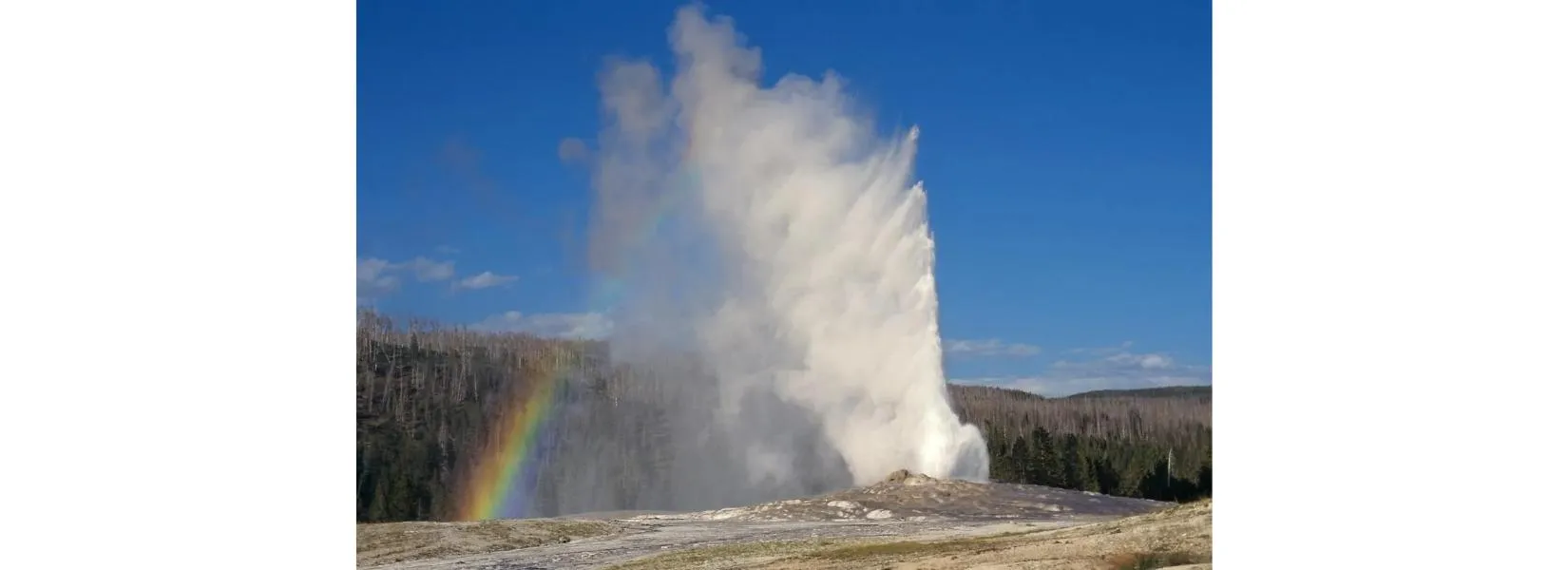
Remember that May weather creates the perfect storm of wildlife activity, fewer crowds, dramatic lighting conditions, and accessible roads, making it one of the best times to visit despite the challenges. Whether you're photographing grizzly bears emerging from hibernation, watching elk calves take their first steps, or witnessing Old Faithful erupting against a backdrop of snow-capped peaks, the Yellowstone National Park weather in May provides a backdrop that transforms ordinary visits into extraordinary adventures.
By following the guidance in this comprehensive guide – from understanding temperature patterns and packing appropriately to planning flexible itineraries and preparing for emergencies – you'll be well-equipped to handle whatever weather conditions May brings. The investment in proper preparation pays dividends in comfort, safety, and ultimately, the quality of your Yellowstone experience during this magical time of year.
Ready to Experience Yellowstone in May?
Don't let unpredictable weather stop you from experiencing the magic of Yellowstone's spring awakening. Equip yourself with the right gear for your adventure!