

The Ultimate Guide to Painted Wall Black Canyon of the Gunnison: Colorado's Most Spectacular Natural Wonder
Standing at an awe-inspiring 2,250 feet tall, the painted wall black canyon of the gunnison represents one of Colorado's most magnificent geological formations. Having visited this incredible natural wonder multiple times over the years, I'm excited to share my comprehensive guide to experiencing this breathtaking cliff face, including insider photography tips, geological insights, and practical advice for making the most of your visit to this remarkable destination.
Overview of the Painted Wall
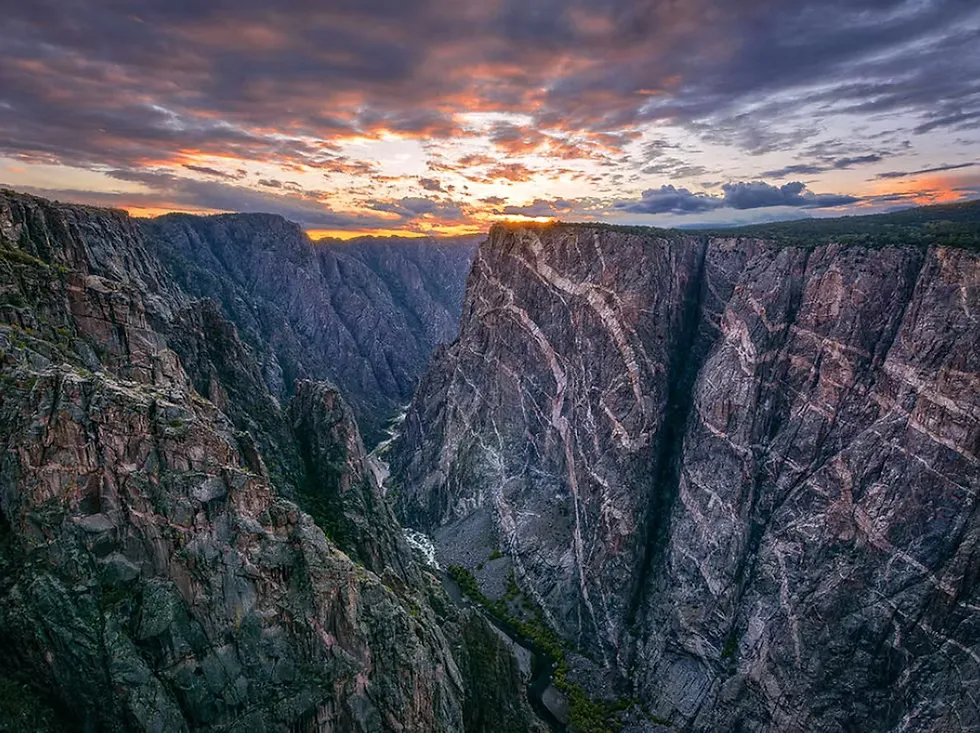
The painted wall black canyon of the gunnison stands as Colorado's tallest cliff, rising an incredible 2,250 feet from the Gunnison River to its rim. During my first visit to Black Canyon of the Gunnison National Park five years ago, I was completely unprepared for the sheer magnitude and beauty of this geological masterpiece. The wall earned its distinctive name from the striking light-colored igneous rock bands that streak dramatically across its dark Precambrian gneiss face, creating patterns that appear almost painted against the ancient stone canvas.
What makes the painted wall black canyon of the gunnison truly extraordinary isn't just its impressive height, but its remarkable steepness and the incredible geological story it tells. The wall represents nearly 2 billion years of Earth's history, with some of the oldest exposed rock on our planet. I've spent countless hours studying this formation from various overlooks, and each visit reveals new details in the intricate patterns carved by time and geological forces.
Located along the South Rim Drive of Black Canyon of the Gunnison National Park, the Painted Wall Overlook provides visitors with one of the most accessible yet spectacular viewpoints in the entire Colorado plateau region. The contrast between the dark metamorphic rock and the lighter igneous intrusions creates a visual spectacle that changes throughout the day as shadows and light play across its surface. From my experience photographing this location during different seasons, I can attest that the painted wall black canyon of the gunnison offers year-round photographic opportunities, though each season presents its own unique challenges and rewards. For those planning extended visits to Colorado's natural wonders, consider exploring opportunities to work in national parks and live there for an immersive experience.
Get Your National Parks Atlas GuideGeological Marvel and Formation
The geological story of the painted wall black canyon of the gunnison begins approximately 1.7 billion years ago during the Precambrian era. The foundation of this magnificent cliff consists of ancient metamorphic rock called gneiss, formed under intense heat and pressure deep within the Earth's crust. What makes this formation truly spectacular are the lighter-colored igneous intrusions that created the distinctive "painted" appearance that gives the wall its name.
During my geology studies and multiple visits with park rangers, I learned that these striking light-colored bands formed when molten rock, or magma, forced its way through existing fractures and fissures in the darker host rock. As this magma cooled and solidified, it created the pegmatite and aplite dikes that we see today as the brilliant white and pink streaks across the cliff face. The process took millions of years, with multiple episodes of intrusion creating the complex network of bands that make the painted wall black canyon of the gunnison so visually stunning.
The canyon itself was carved much more recently in geological terms, primarily through the erosive power of the Gunnison River over the past 2 million years. What's remarkable about the painted wall black canyon of the gunnison is how the river managed to cut through such hard, resistant rock. The combination of the river's downcutting power and the gradual uplift of the Colorado Plateau created the perfect conditions for exposing these ancient rocks that were once buried miles beneath the Earth's surface.
From a compositional standpoint, the dark host rock contains minerals like biotite, quartz, and feldspar, while the lighter intrusions are rich in quartz, feldspar, and muscovite mica. During my photography sessions at different times of day, I've observed how these mineral compositions react differently to light, creating the dramatic contrast that makes the painted wall black canyon of the gunnison such a photographer's paradise. The wall also contains some of the oldest dated rocks in Colorado, providing scientists with invaluable insights into the early formation of our continent. If you're fascinated by geological wonders and thermal features, you might also enjoy exploring Yellowstone's spectacular hot springs.
Planning Your Visit
.webp)
Accessing the painted wall black canyon of the gunnison is remarkably straightforward, making it one of the most visitor-friendly major geological attractions in Colorado. The overlook is located along South Rim Drive, approximately 7 miles from the South Rim Entrance Station. During my numerous visits, I've found that the drive itself is part of the experience, with several other spectacular overlooks along the way, including Gunnison Point, Pulpit Rock, and Cross Fissures.
The park is open year-round, though I strongly recommend visiting between April and October for the best weather conditions and road accessibility. Winter visits to see the painted wall black canyon of the gunnison can be spectacular, especially with snow highlighting the rock formations, but South Rim Road may have limitations due to snow and ice. I've visited in each season and can attest that each offers unique photographic opportunities and different perspectives on this magnificent formation. When planning your Colorado adventure, consider researching places to stay near Yellowstone National Park for accommodation ideas that might work for other western parks too.
Essential Planning Information
From the roadside parking area, visitors need only walk 200 yards along a well-maintained but unpaved trail to reach the Painted Wall Overlook. The trail is generally suitable for most fitness levels, though I always recommend sturdy walking shoes due to the uneven terrain. The elevation at the trailhead is 7,782 feet, so visitors from lower elevations should be prepared for the potential effects of altitude.
During peak season (June through September), I suggest arriving early morning or late afternoon to avoid crowds and experience the painted wall black canyon of the gunnison in optimal lighting conditions. The overlook can become quite busy during midday hours, particularly on weekends. I've found that visiting during weekdays or shoulder seasons provides a more intimate experience with this natural wonder. Park entrance fees apply, and I highly recommend purchasing an annual National Parks pass if you plan to visit multiple parks. For timing your visit perfectly, check out our guide on when you can visit Yellowstone National Park for seasonal planning tips that apply to many western parks.
Get Quality Hiking BootsPhotography Tips and Best Times
Photographing the painted wall black canyon of the gunnison has been one of my most rewarding photographic challenges over the years. The dramatic scale, intricate geological details, and changing light conditions throughout the day create countless opportunities for both landscape and detail photography. However, capturing this massive formation effectively requires careful planning and understanding of the optimal lighting conditions.
The golden hours around sunrise and sunset provide the most dramatic lighting for the painted wall black canyon of the gunnison. During sunrise, I've observed that the light gradually illuminates the cliff face from top to bottom, creating a stunning progression of colors across the rock surface. The warm light enhances the contrast between the dark host rock and the lighter intrusions, making the "painted" patterns more pronounced. Sunset offers a different but equally spectacular experience, with the wall often glowing in rich amber and orange tones.
Essential Camera Settings and Techniques
For capturing the full grandeur of the painted wall black canyon of the gunnison, I recommend using a wide-angle lens (14-24mm on full frame) to encompass the entire cliff face while maintaining detail in the rock formations. A polarizing filter can be extremely helpful for reducing haze and enhancing contrast, particularly during midday shooting. I typically shoot at f/8 to f/11 for optimal sharpness across the entire frame, with ISO settings kept as low as possible to minimize noise in the shadow areas.
The extreme dynamic range between the bright rock bands and deep shadows can be challenging, so I often employ bracketing techniques or graduated neutral density filters. During my most successful sessions photographing the painted wall black canyon of the gunnison, I've found that focus stacking can be beneficial when including foreground elements like the overlook railings or vegetation. Always bring a sturdy tripod, as the best lighting conditions often occur during low-light periods when longer exposures are necessary. To learn more about this amazing destination, visit our comprehensive Painted Wall Black Canyon guide.
The Painted Wall View Trail Experience
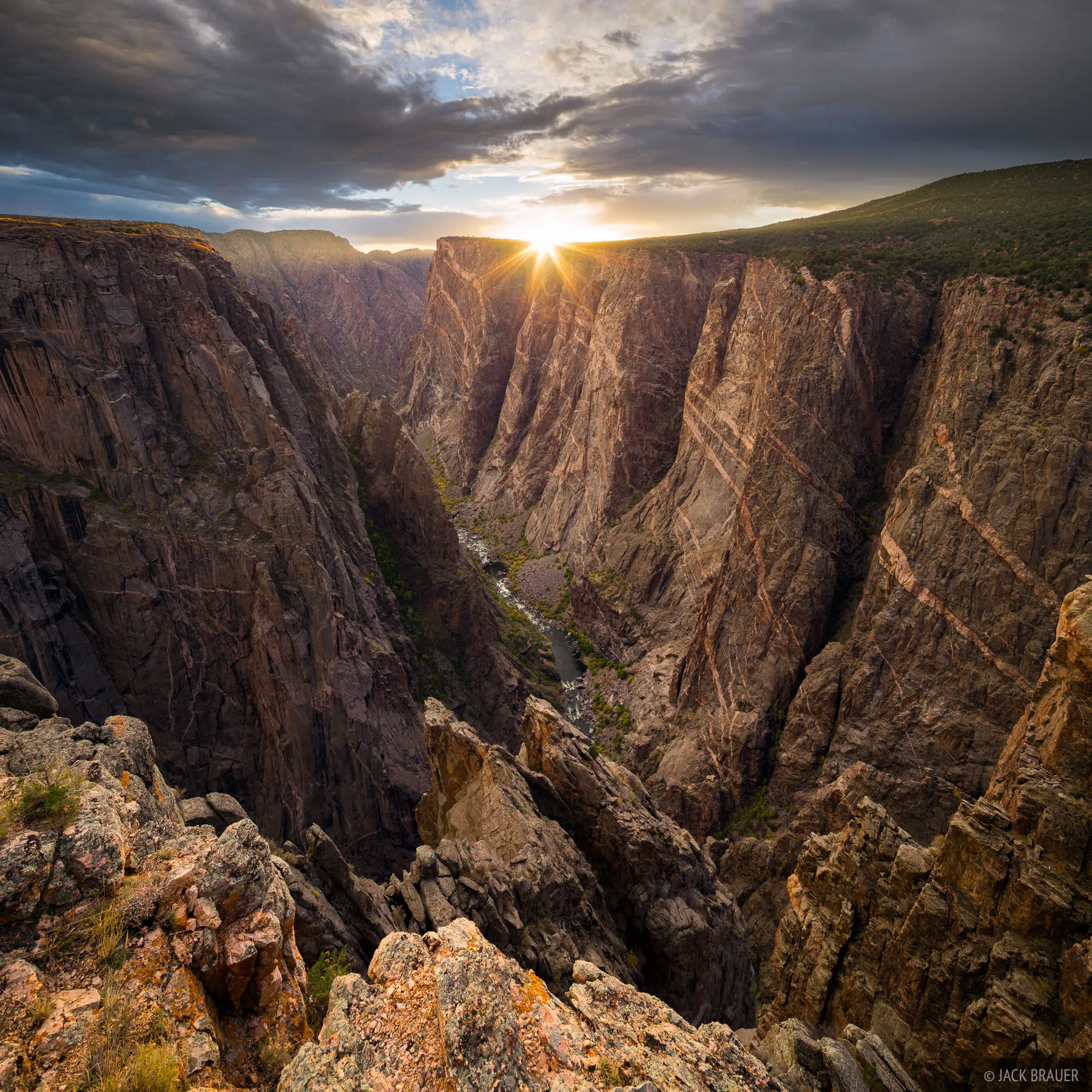
The Painted Wall View Trail, though brief at only 0.2 miles out-and-back, offers one of the most rewarding payoffs per step of any trail I've experienced in the national park system. This easy walk to view the painted wall black canyon of the gunnison takes most visitors about 5 minutes each way, making it accessible to hikers of all ages and fitness levels. The trail begins at a clearly marked parking area along South Rim Drive and follows a well-defined path through typical high desert vegetation.
During my multiple traversals of this trail across different seasons, I've noticed how the surrounding ecosystem changes throughout the year. Spring and early summer bring beautiful wildflower displays, with lupine, paintbrush, and penstemon adding splashes of color to complement the dramatic views of the painted wall black canyon of the gunnison. The trail passes through juniper and sagebrush habitat, typical of the Colorado Plateau environment at this elevation.
Trail Safety and Viewing Experience
Upon reaching the overlook, visitors encounter a safety fence positioned along the cliff edge – a necessary precaution given the 2,250-foot vertical drop to the Gunnison River below. While the fence ensures visitor safety, I've found that moving to either side allows for unobstructed views of the painted wall black canyon of the gunnison, though extreme caution is essential in these areas. The overlook provides multiple vantage points, and I recommend spending at least 30 minutes here to fully appreciate the changing light and shadows across the cliff face.
The trail and overlook are typically snow-free from March through October, though I've experienced beautiful winter conditions with snow highlighting the rock formations. During peak summer months, afternoon thunderstorms can develop quickly, so I always recommend checking weather conditions and planning accordingly. The exposed nature of the overlook means visitors should be prepared for wind and potential lightning during storm season. Dogs are not permitted on this trail, which helps preserve the natural environment and wildlife habitat surrounding the painted wall black canyon of the gunnison. For more outdoor adventure inspiration, explore our wilderness paths homepage for comprehensive guides to America's natural wonders.
Comparisons and Significance
To truly appreciate the magnitude of the painted wall black canyon of the gunnison, it's helpful to compare it to other famous geological features and man-made structures. At 2,250 feet from river to rim, this cliff stands taller than many of the world's most recognizable landmarks. Having visited numerous national parks and iconic formations throughout my travels, I can confidently say that few natural features inspire the same sense of awe and vertigo as standing at the edge of this precipice.
The painted wall black canyon of the gunnison towers above famous structures like the Empire State Building (1,250 feet), the Eiffel Tower (1,063 feet), and even approaches the height of modern skyscrapers like the Willis Tower (1,450 feet). Among natural formations, while it doesn't match the overall depth of the Grand Canyon or Hells Canyon, the sheer vertical nature and dramatic narrowness of the painted wall black canyon of the gunnison create a more intimate and intense viewing experience.
Unique Characteristics and Global Context
What sets the painted wall black canyon of the gunnison apart from other major cliff faces worldwide is the combination of its extreme steepness, geological complexity, and accessibility. Unlike many comparable formations that require extensive hiking or technical climbing to appreciate, this magnificent cliff can be viewed safely and easily by visitors of all ages. The distinctive light-colored intrusions that give the wall its painted appearance are particularly rare at this scale and visibility.
Geologically, the painted wall black canyon of the gunnison represents one of the best-exposed examples of Precambrian basement rock in North America. The 1.7-billion-year-old formations provide scientists and visitors alike with a window into Earth's ancient past that few locations can match. During my conversations with park geologists and rangers, I've learned that researchers from around the world come to study these formations, making this location significant not just for tourism but for advancing our understanding of planetary geology and formation processes.
Conclusion
The painted wall black canyon of the gunnison stands as one of Colorado's most magnificent natural treasures, offering visitors an unparalleled opportunity to witness the incredible power of geological forces over billions of years. Through my multiple visits and extensive photography of this remarkable formation, I've come to appreciate not only its stunning visual impact but also its profound scientific significance and accessibility to visitors of all backgrounds and abilities.
Whether you're a serious photographer seeking the perfect shot, a geology enthusiast fascinated by ancient rock formations, or simply someone who appreciates natural beauty, the painted wall black canyon of the gunnison delivers an experience that will remain etched in your memory long after your visit. The combination of easy accessibility, dramatic scenery, and rich geological history makes this destination a must-visit location for anyone exploring the Colorado Plateau region.
As you plan your visit to witness the painted wall black canyon of the gunnison, remember that this natural wonder has been millions of years in the making and deserves our respect and protection. Take only photographs, leave only footprints, and help preserve this incredible geological treasure for future generations to experience and appreciate. The wall will continue to inspire awe and wonder for countless visitors yet to come, standing as a testament to the incredible forces that have shaped our planet's magnificent landscapes.
Ready to Experience the Painted Wall Black Canyon of the Gunnison?
Start planning your unforgettable journey to Colorado's most spectacular cliff face today!
Plan Your Trip Now