

Planning your kayaking adventure in Acadia National Park? Timing is everything when it comes to experiencing the best conditions, wildlife sightings, and scenic beauty. From my multiple visits to this Maine gem, I've discovered that the best time to kayak in Acadia National Park varies significantly based on your preferences for weather, crowds, and water conditions. Wilderness Paths brings you this comprehensive guide to help you choose the perfect timing for your paddling adventure.
Understanding Acadia's Kayaking Seasons
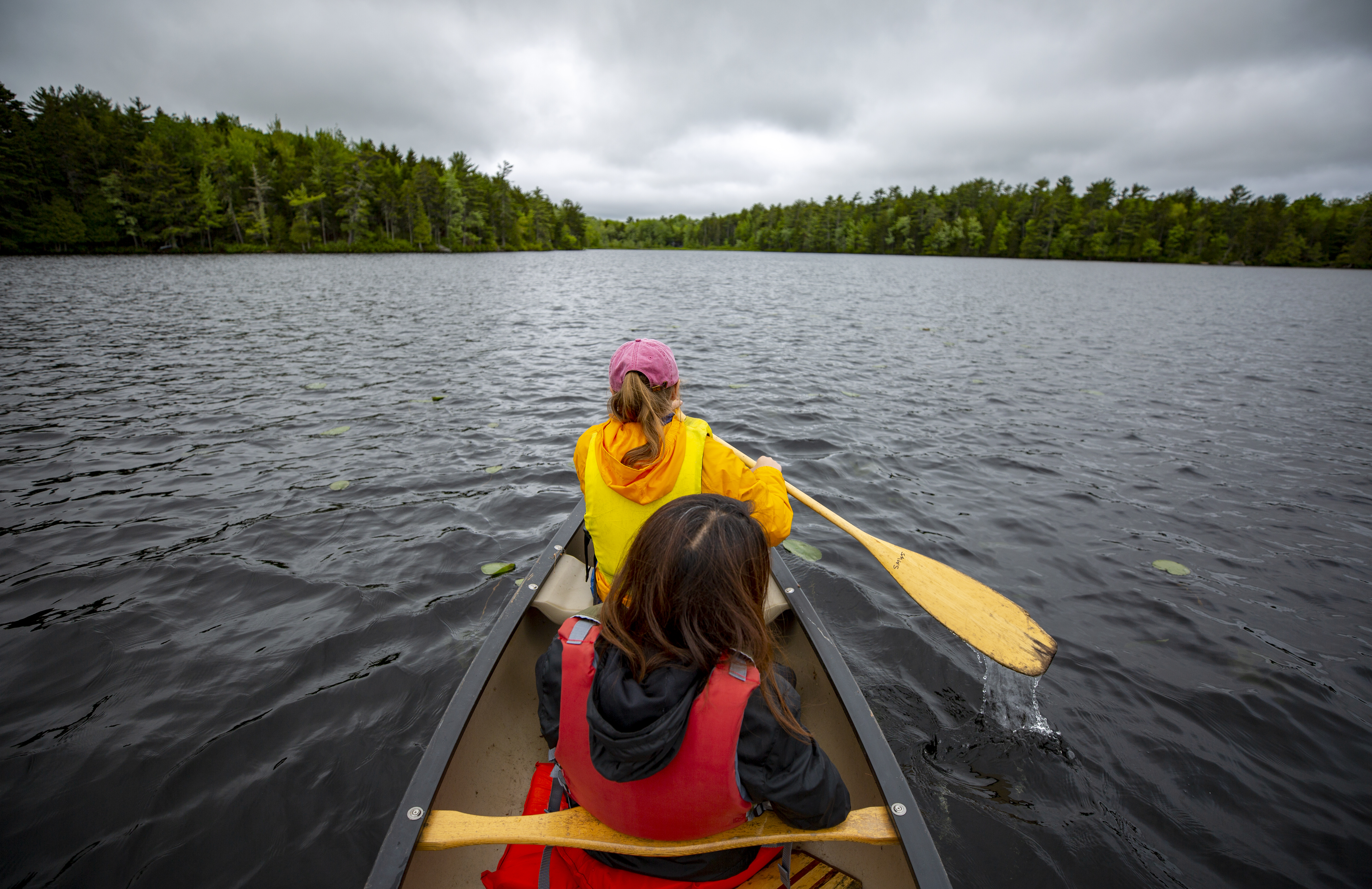
Determining the best time to kayak in Acadia National Park requires understanding Maine's distinct seasonal patterns and how they affect water conditions, wildlife activity, and overall paddling experience. Each season offers unique advantages and challenges that can make or break your kayaking adventure.
During my first visit to Acadia in late July, I was struck by how dramatically different the conditions were from what I expected. The water temperature in Jordan Pond was surprisingly refreshing at 65°F, while the coastal waters remained quite chilly at around 55°F. This temperature variation between freshwater and saltwater locations is crucial for planning your kayaking activities.
The park's unique geography creates microclimates that significantly impact kayaking conditions. Protected freshwater lakes like Eagle Lake and Jordan Pond offer different experiences compared to the exposed coastal waters around Bar Harbor. Understanding these variations helps you choose the optimal timing for your specific interests and skill level.
Weather patterns in Acadia can change rapidly, especially during transitional seasons. I've experienced mornings that started with perfect glass-like conditions, only to face challenging winds by afternoon. This unpredictability makes timing your launch crucial for safety and enjoyment. The best time to kayak in Acadia National Park often comes down to specific daily conditions rather than just seasonal considerations.
Summer Kayaking: Peak Season Adventures
July and August: Prime Conditions
Summer represents the absolute best time to kayak in Acadia National Park for most paddlers. July and August offer the warmest water temperatures, longest daylight hours, and most stable weather patterns. During my multiple summer visits, I've consistently found water temperatures in the freshwater lakes reaching 68-72°F, making accidental immersion much more manageable.
The extended daylight hours during summer provide incredible flexibility for kayaking adventures. I remember starting a sunrise paddle on Eagle Lake at 5:30 AM and still having light until nearly 8 PM for an evening coastal tour. This extended window allows you to experience both sunrise and sunset paddling in a single day.
However, summer's popularity brings significant challenges. Parking at popular launch sites like Jordan Pond and Eagle Lake fills up by 9 AM on weekends. I've learned to arrive before 7 AM or after 4 PM to avoid the worst crowds. The kayak rental facilities also get extremely busy, so advance reservations are essential.

Wildlife Encounters in Summer
Summer kayaking offers the best opportunities for wildlife viewing. Loons are active on the freshwater lakes, seals bask on coastal rocks, and eagles soar overhead. During a memorable August paddle, I witnessed a family of river otters playing near the Jordan Pond boat launch, completely unbothered by my quiet approach. The key is maintaining distance and moving slowly to avoid disturbing these magnificent creatures.
Fall Kayaking: Autumn Colors and Calmer Waters
Many experienced paddlers consider September and early October the true best time to kayak in Acadia National Park. The combination of spectacular fall foliage, reduced crowds, and still-comfortable water temperatures creates magical conditions for kayaking enthusiasts.
During my September visits, I've found water temperatures in the 58-62°F range, which requires proper thermal protection but remains manageable for experienced paddlers. The air temperatures are pleasantly cool in the mornings and warm up to comfortable levels by midday. This temperature differential creates stunning mist effects on the lakes during early morning paddles.
Pro Tip: Fall kayaking requires more careful attention to weather forecasts. Sudden temperature drops and increased wind patterns can create challenging conditions quickly. Always check marine weather forecasts and have an exit strategy.
The reduced crowds in fall transform the kayaking experience entirely. Popular spots that are packed in summer become peaceful sanctuaries. I've had Jordan Pond entirely to myself on weekday mornings in late September, with nothing but the sound of loons calling across the water and leaves rustling in the breeze.
Fall also brings unique photographic opportunities. The reflection of orange and red maples in the dark waters of Eagle Lake creates some of the most stunning imagery you'll find in Acadia. For those interested in family-friendly routes, fall's calmer conditions and shorter crowds make it ideal for introducing children to kayaking.
Spring and Winter Considerations
Spring Awakening: April to June
Spring kayaking in Acadia presents both opportunities and challenges. While it's not typically considered the best time to kayak in Acadia National Park for beginners, experienced paddlers can find excellent conditions with proper preparation. Water temperatures remain quite cold, ranging from 45-55°F through May, requiring full wetsuit protection or dry suits.
The advantage of spring kayaking lies in the complete absence of crowds and the awakening wildlife. Migratory birds return in large numbers, and the forest begins to green up around the lakes. I've found that late May offers a sweet spot where water temperatures are becoming more tolerable, but summer crowds haven't yet arrived.
Winter Paddling: For the Truly Adventurous
Winter kayaking in Acadia is reserved for expert paddlers with proper cold-water gear and extensive experience. Some coastal areas remain ice-free, but conditions are extremely challenging. I don't recommend winter paddling for recreational kayakers, as the risks significantly outweigh the benefits. However, for those with proper training and equipment, winter offers unparalleled solitude and stark beauty.
Best Kayaking Locations and Timing

Freshwater Lakes: Year-Round Favorites
The freshwater lakes within Acadia offer the most consistent conditions regardless of when you visit. Eagle Lake provides the largest paddling area with stunning views of Cadillac Mountain. The best time to kayak in Acadia National Park's freshwater areas is typically early morning when the water is glass-like and wildlife is most active.
Jordan Pond offers a more intimate experience with its crystal-clear waters and the iconic Bubbles mountains as a backdrop. However, this is also a designated water supply, so swimming and pets are prohibited. The best timing for Jordan Pond is mid-morning after the mist clears but before afternoon winds pick up.
Long Pond on the quiet side of the island provides excellent kayaking with fewer restrictions and typically calmer conditions. I've found this location particularly good for guided tours and those seeking a more secluded experience.
Coastal Kayaking: Timing is Critical
Coastal kayaking around Bar Harbor and Frenchman Bay requires careful attention to tides, weather, and water temperature. The best time to kayak in Acadia National Park's coastal waters is during rising tides with light winds, typically occurring in the early morning or late afternoon.
Somes Sound, known as the only true fjord on the East Coast, offers protected waters perfect for intermediate paddlers. The narrow inlet provides shelter from ocean swells while still offering a saltwater experience. I recommend timing your Somes Sound adventure for mid-morning when thermal winds haven't yet developed.
My Personal Experience Kayaking Acadia
After eight trips to Acadia over the past five years, I've experienced kayaking in every season and learned valuable lessons about timing. My most memorable experience occurred during a September morning paddle on Eagle Lake when the mist was rising off the water and a bull moose appeared at the shoreline for a quiet drink. That moment perfectly encapsulated why I believe fall is often the best time to kayak in Acadia National Park.
During my first summer visit, I made the mistake of arriving at Jordan Pond at 10 AM on a Saturday. The parking lot was full, and I had to wait two hours for a rental kayak. That experience taught me the importance of arriving early or choosing less popular times. Now I always recommend arriving before 8 AM or after 4 PM during peak season.
One of my most challenging experiences came during a May paddle when an unexpected weather front moved in quickly. The water temperature was only 52°F, and when winds picked up to 20 mph, conditions became dangerous quickly. This experience reinforced the importance of checking marine weather forecasts and having proper cold-water gear when kayaking outside the prime summer season.
Ranger's Advice: During my conversations with Acadia rangers, they consistently recommend early morning launches for the best wildlife viewing and safest conditions. They also emphasized the importance of checking tide charts for coastal paddling and having proper safety equipment regardless of the season.
The most rewarding aspect of my Acadia kayaking experiences has been the incredible wildlife encounters. From curious harbor seals following my kayak in Frenchman Bay to the haunting calls of loons echoing across Jordan Pond at dawn, these moments have created lasting memories that keep me returning year after year.
Essential Gear and Safety Tips
Must-Have Safety Equipment
Regardless of when you choose as the best time to kayak in Acadia National Park, proper safety equipment is non-negotiable. A Coast Guard-approved personal flotation device is required by law and should be worn at all times. I recommend investing in a high-quality kayaking PFD that provides freedom of movement while paddling.
A waterproof dry bag is essential for protecting your electronics, snacks, and spare clothing. I learned this lesson the hard way during an unexpected paddle splash that soaked my phone and car keys. Now I never launch without a reliable dry bag system.
Seasonal Gear Considerations
The gear you need varies significantly depending on when you visit. For summer kayaking, lightweight quick-dry clothing and sun protection are priorities. However, for spring, fall, or winter paddling, thermal protection becomes critical. Proper safety preparation can mean the difference between an enjoyable adventure and a dangerous situation.
For cold-water paddling outside the summer season, consider investing in a wetsuit or dry suit. Water temperatures below 60°F can quickly lead to hypothermia if you take an unexpected swim. I always carry a whistle, emergency paddle, and means of communication when paddling in Acadia's waters.
What Other Kayakers Say
"Went kayaking in Acadia during late September and it was absolutely perfect. Water was still warm enough, crowds were gone, and the fall colors reflecting in Jordan Pond were incredible. Definitely the best time to go if you can swing it."
- Sarah M., Reddit r/kayaking
"Summer is beautiful but SO crowded. Had to wait 3 hours for a kayak rental in July. October was much better - still good weather but way fewer people. Saw tons of wildlife too."
- Mike T., Amazon Reviewer
"As someone who's kayaked Acadia 15+ times, I can say timing is everything. Early morning launches are key regardless of season. Weather can change fast so always check forecasts."
- Jennifer L., Quora
Seasonal Pros and Cons
Advantages by Season
- Summer: Warmest water, longest days, best weather
- Fall: Fewer crowds, stunning foliage, calm waters
- Spring: Wildlife awakening, no crowds, cooler temps
- Winter: Complete solitude, stark beauty
Challenges by Season
- Summer: Heavy crowds, parking issues, expensive rentals
- Fall: Cooler water, unpredictable weather, shorter days
- Spring: Cold water, variable conditions, limited services
- Winter: Dangerous conditions, expert-only, limited access
Frequently Asked Questions
What is the absolute best month to kayak in Acadia National Park?
While preferences vary, I consider September the optimal month for kayaking in Acadia. The water temperatures remain comfortable (58-62°F), crowds significantly decrease after Labor Day, and the fall foliage creates spectacular scenery. Weather patterns are generally stable, and wildlife activity remains high. However, July and August offer the warmest conditions for beginners or those sensitive to cold water. The best time to kayak in Acadia National Park ultimately depends on your experience level, crowd tolerance, and specific interests like wildlife photography or fall foliage viewing.
How cold is the water in Acadia during different seasons?
Water temperatures in Acadia vary significantly between freshwater and saltwater locations, as well as by season. In summer (July-August), freshwater lakes reach 65-72°F while coastal waters remain around 55-60°F. Fall temperatures drop to 58-62°F in lakes and 50-55°F in coastal areas. Spring and winter see frigid temperatures of 45-50°F in lakes and 40-45°F in the ocean. These temperature differences are crucial for determining the best time to kayak in Acadia National Park based on your cold-water tolerance and safety equipment. Always check current water temperatures before launching, as they can vary significantly from year to year.
Can you kayak in Acadia during winter months?
Winter kayaking in Acadia is possible but only recommended for expert paddlers with proper cold-water gear and extensive experience. Some coastal areas remain ice-free, but water temperatures drop to dangerous levels (35-45°F), and weather conditions can be extremely challenging. Most freshwater lakes freeze over, eliminating those options entirely. If you're considering winter paddling, you'll need a dry suit, extensive cold-water rescue training, and should never paddle alone. For most recreational kayakers, winter is not the best time to kayak in Acadia National Park, as the risks significantly outweigh the benefits. Consider waiting until late spring when conditions become more manageable.
What time of day offers the best kayaking conditions?
Early morning consistently provides the best kayaking conditions in Acadia regardless of season. Launch between 6-8 AM for the calmest waters, best wildlife viewing opportunities, and most comfortable temperatures. Morning mist on the lakes creates magical photographic conditions, and you'll avoid afternoon winds that commonly develop. Additionally, morning launches help you secure parking at popular spots before crowds arrive. Evening paddles (5-7 PM) can also offer good conditions with beautiful lighting, but wind patterns are less predictable. Regardless of when you determine is the best time to kayak in Acadia National Park for your visit, early morning launches will maximize your chances of ideal conditions.
Do I need reservations for kayak rentals in Acadia?
Reservations are highly recommended, especially during peak season (June-August) and fall foliage season (late September-early October). Popular rental locations often book up entirely on weekends and during busy periods. I've seen visitors turned away from multiple rental shops on busy summer days. Making reservations 2-3 days in advance ensures availability and helps you plan your itinerary around your preferred launch times. Some rental companies offer online booking, while others require phone calls. Having confirmed rentals eliminates one variable when determining the best time to kayak in Acadia National Park for your specific travel dates.
Are there any restrictions on kayaking in Acadia's lakes?
Several important restrictions apply to kayaking in Acadia's freshwater lakes. Many lakes serve as municipal water supplies, prohibiting swimming, pets in the water, and requiring careful waste management. Jordan Pond, Eagle Lake, and several other popular kayaking destinations have these restrictions. Motors are limited or prohibited on most lakes, with specific horsepower limits varying by location. Some areas may have temporary closures during nesting seasons or maintenance periods. Always check current regulations with park rangers or visitor centers before launching. Understanding these restrictions helps you choose the most suitable locations for your visit and ensures you're selecting the best time to kayak in Acadia National Park when your preferred locations are accessible.
Conclusion
Determining the best time to kayak in Acadia National Park requires balancing multiple factors including water temperature, weather conditions, crowd levels, and your personal paddling experience. Through my extensive exploration of Acadia's waters across all seasons, I've learned that there's no single "perfect" time that works for everyone.
For beginners and families, the warm water and stable conditions of July and August provide the safest and most comfortable introduction to kayaking in this spectacular park. Despite the crowds, the extended daylight hours and pleasant temperatures make summer an excellent choice for first-time visitors.
Experienced paddlers often find September and early October to be the sweet spot, offering the perfect combination of manageable water temperatures, reduced crowds, and stunning fall foliage. The wildlife viewing opportunities during this period are exceptional, and the peaceful atmosphere transforms the kayaking experience entirely.
Regardless of when you visit, early morning launches consistently provide the best conditions. The combination of calm waters, active wildlife, and beautiful lighting makes dawn paddling magical in any season. Remember to check weather forecasts, tide charts for coastal areas, and current park regulations before your adventure.
Safety should always be your top priority when planning your kayaking adventure. Proper gear, including a Coast Guard-approved PFD, waterproof storage, and appropriate thermal protection, is essential regardless of the season. Consider your skill level honestly and choose locations and timing that match your experience.
The memories you'll create kayaking in Acadia's pristine waters will last a lifetime, but only if you plan carefully and prioritize safety. Whether you're gliding across the mirror-like surface of Jordan Pond at sunrise or exploring the protected waters of Somes Sound, Acadia offers kayaking experiences that few places on Earth can match.
Start planning your adventure today by considering your priorities, checking sea kayaking tips, and booking your accommodations and rentals well in advance. The best time to kayak in Acadia National Park is ultimately when you can safely enjoy this incredible natural wonder while creating memories that will draw you back year after year.
Ready to Plan Your Acadia Kayaking Adventure?
Visit Wilderness Paths for more detailed guides, gear recommendations, and trip planning resources to make your Acadia kayaking experience unforgettable.
Explore More Acadia Kayaking Guides