

The Ultimate Guide to Gunnison River Fishing in Colorado: Expert Tips for Trophy Trout
I've spent over two decades exploring Colorado's waters, and the Gunnison River fishing experience remains unmatched. This comprehensive guide shares my hard-earned insights from countless days on these Gold Medal waters, helping you master one of Colorado's most productive and challenging fisheries. From the technical precision required in the Black Canyon to the rewarding float trips through the Gunnison Gorge, this guide covers everything you need for success.
Overview of Gunnison River Fishing
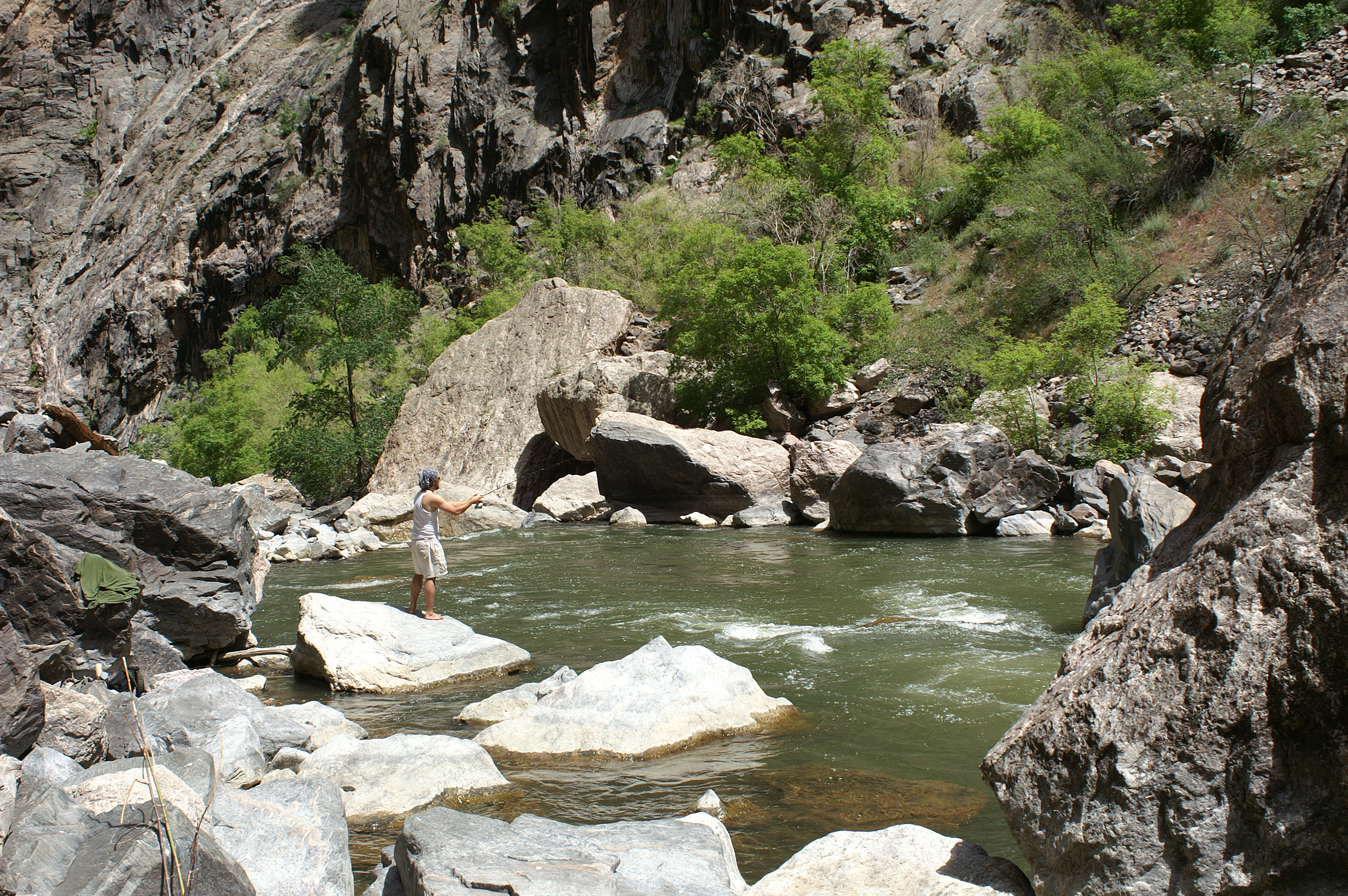
When I first cast a line into the Gunnison River more than two decades ago, it became instantly clear why this Colorado waterway commands such respect among dedicated anglers. Renowned for its pristine conditions, the Gunnison offers one of the most rewarding fishing experiences in the American West. Its dual recognition as both Gold Medal waters and Wild Trout water speaks volumes about the river’s health and productivity, signaling not just the abundance of fish but the exceptional quality of the fishery itself.
Stretching nearly 180 miles from its confluence at Almont to its meeting with the Colorado River, the Gunnison flows through dramatically varied terrain. The upper reaches above Blue Mesa Reservoir provide classic freestone fishing, while the tailwater sections below offer technical challenges that test even experienced anglers. The crown jewel, however, remains the Black Canyon of the Gunnison National Park section, where I've witnessed rainbow and brown trout that exceed 20 inches swimming in crystal-clear pools carved by millennia of flowing water.
What sets Gunnison River fishing apart is the remarkable diversity of angling experiences available. From wade fishing the accessible sections near Almont to the adrenaline-pumping adventure of hiking into the Black Canyon's depths, this river system accommodates every skill level while consistently producing trophy-class trout. The river's Gold Medal designation requires a minimum of 60 pounds of trout per acre and 12 trout over 14 inches per acre – standards the Gunnison exceeds with remarkable consistency.
Over the years I’ve spent exploring these waters, I’ve come to appreciate how perfectly the Gunnison River supports world-class trout habitat. Its consistently high water quality, stable flows, and dependable supply create conditions where rainbow, brown, and cutthroat trout thrive. According to Colorado Parks and Wildlife, certain stretches hold an impressive 141 to 234 pounds of trout per acre, with 41 to 70 fish over 14 inches per acre—numbers that highlight just how healthy and productive this fishery truly is.
Best Fishing Locations and Access Points
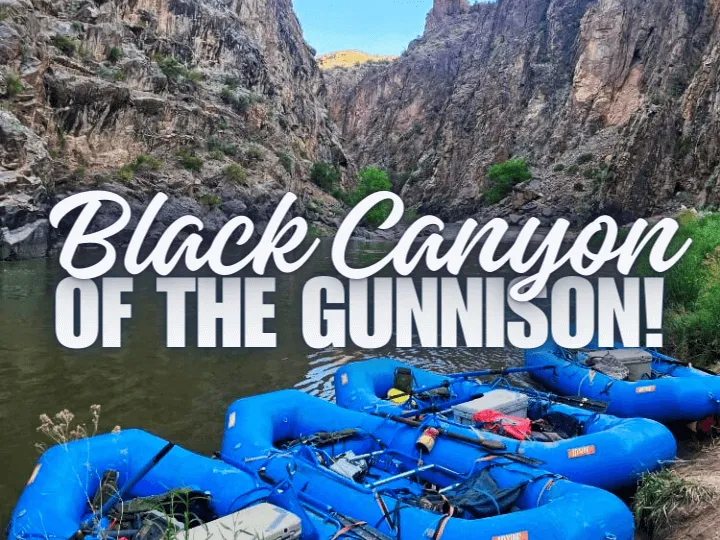
After exploring virtually every accessible mile of the Gunnison River system, I've identified several key locations that consistently produce exceptional Gunnison River fishing experiences. The Black Canyon of the Gunnison represents the ultimate challenge, where towering canyon walls create a cathedral-like atmosphere around some of Colorado's finest trout water. Access requires permits and involves strenuous hiking, but the rewards include solitude and trophy trout that rarely see artificial flies.
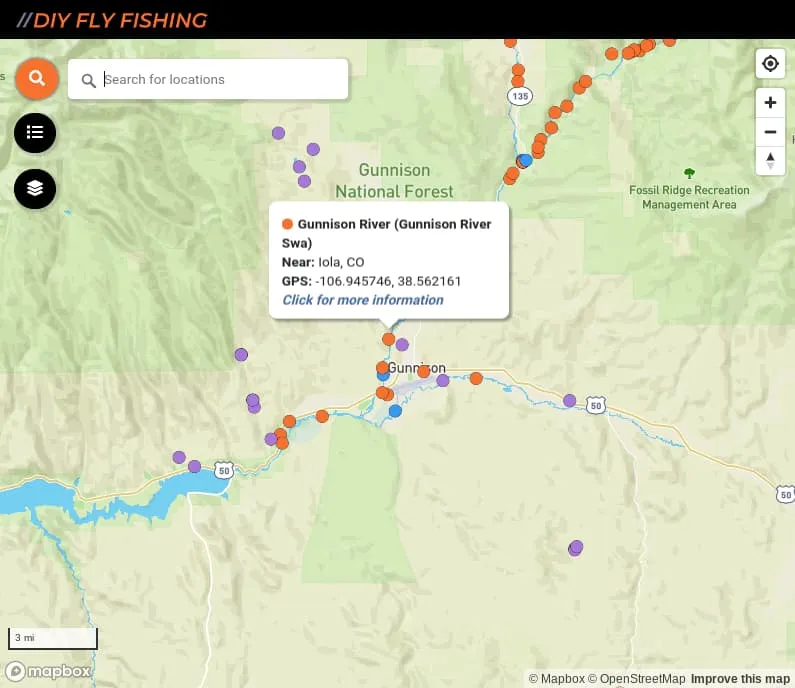
For more accessible fishing, the Upper Gunnison near Almont provides excellent wade fishing opportunities. This section, formed by the confluence of the Taylor and East Rivers, offers classic freestone characteristics with riffles, runs, and deep pools holding abundant 9- to 17-inch rainbows and browns. The public access points near Almont Campground and Gunnison Water Park make this area ideal for anglers seeking quality fishing without extreme physical demands.
The Gunnison Gorge National Conservation Area downstream from the Black Canyon presents perhaps the most balanced fishing experience. While still requiring some hiking and careful navigation, the gorge offers more approachable access than the Black Canyon while maintaining the dramatic scenery and exceptional fishing quality. Wilderness camping opportunities in this area allow for multi-day fishing adventures that I consider among Colorado's finest.
Float fishing sections between North Bridge and McCabes Lane provide different perspectives on Gunnison River fishing. When flows exceed 450 cubic feet per second, drift boats can navigate these waters effectively, offering access to pools and runs that remain largely unfished by wade anglers. I've found this approach particularly productive during the famous Kokanee salmon runs in autumn, when large brown trout follow the salmon upstream to feast on protein-rich eggs.
Important Access Note: Always check current access conditions and permit requirements before visiting. Some areas require advance reservations, particularly for overnight camping in wilderness areas.
Essential Gear and Equipment for Success
Successful Gunnison River fishing demands carefully selected equipment that matches the diverse conditions you'll encounter. Through years of trial and refinement, I've developed a gear selection strategy that maximizes versatility while maintaining the precision necessary for technical presentations. A 9-foot 5-weight rod serves as the foundation for most situations, providing the delicate touch needed for spooky trout while maintaining enough backbone for larger fish.
For serious Gunnison River anglers, I strongly recommend investing in quality waders and wading boots. The rocky substrate and varying water temperatures make proper protection essential. FROGG TOGGS Hellbender Breathable Waders have served me well across countless fishing days, offering durability and comfort in challenging conditions.
The variable conditions on the Gunnison require an extensive fly selection. Colorado Fly Fishing Assortment by Colorado Fly Supply provides an excellent starting point, featuring patterns specifically selected for Colorado waters. However, I always supplement commercial assortments with locally tied patterns from knowledgeable shops near the river.
Proper gear organization becomes crucial during long days on the water. Piscifun Tackle Bag With Rod & Gear Holder offers exceptional versatility for both wade fishing and hiking access scenarios. The Black Canyon National Park location requires particular attention to gear weight and functionality due to the demanding access routes.
Safety equipment cannot be overlooked when pursuing Gunnison River fishing adventures. A quality landing net like the SF Fly Fishing Landing Net protects both fish and angler during the critical moments of landing trophy trout. Additionally, carrying a wading staff, first aid supplies, and communication device ensures preparedness for the remote conditions often encountered on this river system.
Proven Techniques and Fly Selection
Mastering Gunnison River fishing requires understanding the complex interaction between seasonal insect activity, water conditions, and trout behavior patterns. During my extensive time on these waters, I've learned that successful fly selection depends more on matching the hatch timing than simply carrying popular patterns. Blue-winged olives dominate during spring and fall periods, particularly on overcast days when these mayflies emerge in substantial numbers.
The famous salmonfly hatch from mid-May through early July represents the pinnacle of Gunnison River fishing excitement. These massive stoneflies trigger aggressive feeding responses from large trout that have been waiting months for this protein bonanza. I've found that fishing large dry fly patterns tight against the canyon walls produces explosive takes from fish that rarely show themselves to smaller offerings.
Nymphing techniques prove essential throughout most of the season, particularly in the deeper runs and pools that characterize prime Gunnison habitat. The high-stick nymphing approach works exceptionally well in the technical water around Black Canyon access points, where precise presentations and drag-free drifts separate successful anglers from those who struggle. Weighted flies like Prince Nymphs, Hare's Ears, and local favorites such as Twenty Inchers consistently produce results.
Streamer fishing during autumn months provides opportunities for the largest trout in the system. As Kokanee salmon begin their spawning runs from Blue Mesa Reservoir, massive brown trout follow these baitfish upstream. I've experienced heart-stopping moments when 20-inch-plus browns have crushed articulated streamers fished near salmon redds. This fishing requires heavy tackle and strong nerves, as these fish fight with the power and determination that makes Gunnison River fishing legendary among serious anglers.
Understanding water reading skills becomes critical for consistent success. The Gunnison's structure includes everything from shallow riffles to pools exceeding ten feet in depth. I focus on transition zones where fast water meets slow, particularly the tail-outs of deep pools where feeding trout position themselves to intercept drifting food items. These locations require careful approach angles and precise casting to avoid spooking wary fish that have seen countless flies over the seasons.
Fishing Regulations and Best Practices
Responsible Gunnison River fishing begins with thorough understanding of current regulations that protect this valuable resource. Within Black Canyon of the Gunnison National Park boundaries, special restrictions apply to maintain the Gold Medal water designation. All rainbow trout must be released immediately, while brown trout have a daily limit of four fish with a possession limit of eight. These regulations reflect the careful balance between angling opportunity and resource protection that I've witnessed evolve over decades of fishing these waters.
Artificial flies and lures only policies apply throughout the Gold Medal sections, with bait fishing strictly prohibited. This regulation maintains the wild character of the fishery while ensuring that caught fish have the highest survival rates when released. I always carry barbless hooks or crimp down the barbs on my flies to minimize handling stress and injury to trout. Gunnison River fishing success depends on healthy fish populations, making ethical angling practices essential for long-term sustainability.
Access to certain sections requires permits and adherence to specific guidelines. The Black Canyon inner routes demand backcountry permits that limit daily usage to protect both the resource and angler safety. From personal experience, I can attest that these permit requirements help maintain the wilderness character while ensuring that emergency services can locate anglers if needed. The steep, technical terrain makes proper preparation and communication protocols vital safety considerations.
Proper fish handling techniques protect the resource while maximizing angling enjoyment. I always wet my hands before touching fish, minimize air exposure time, and support the fish properly during photography. The catch-and-release ethic that governs most Gunnison River fishing ensures that trophy fish remain available for future generations. After decades of observing fish behavior, I've learned that gentle handling and quick releases result in minimal stress and excellent survival rates.
Conservation Tip: Always check for current fishing closures due to spawning activity, low water conditions, or wildlife protection measures. Respect these temporary restrictions to ensure healthy fish populations for future seasons.
Seasonal Fishing Guide and Timing
Understanding seasonal patterns transforms casual Gunnison River fishing into consistently successful outings. Spring fishing from mid-March through May focuses on blue-winged olive hatches and early stonefly activity. During this period, I've found that the warmest parts of the day provide optimal fishing conditions, with overcast skies often triggering prolific insect emergences. The Black Canyon location becomes accessible as East Portal Road reopens, typically by late April depending on snow conditions.
Summer represents peak Gunnison River fishing season, with the spectacular salmonfly hatch beginning in late May at lower elevations and progressing upstream through July. Golden stones follow immediately behind the salmonflies, creating nearly continuous surface activity for two months. I schedule my most important fishing trips during this period, often camping nearby to maximize time on the water during optimal conditions. Caddisfly emergences supplement the stonefly activity, providing consistent dry fly opportunities throughout summer months.
Autumn fishing offers perhaps the most exciting opportunities for trophy trout. The legendary Kokanee salmon runs from Blue Mesa Reservoir begin in August and continue through October, attracting massive brown trout that feed aggressively on salmon flesh and eggs. I've experienced some of my most memorable fishing during these runs, with 20-inch-plus browns becoming surprisingly catchable for anglers who understand the feeding patterns. Terrestrial patterns like hoppers and ants also produce excellent results during warm autumn days.
Winter Gunnison River fishing presents unique challenges and rewards for dedicated anglers. While the upper river often becomes inaccessible due to ice formation, the tailwater sections below dams remain fishable throughout winter months. Midge patterns in tiny sizes become essential, with success depending on precise presentations to selective trout. The solitude and pristine winter conditions create magical experiences for those willing to brave cold temperatures and challenging access conditions.
Flow conditions significantly impact fishing success across all seasons. I monitor USGS flow data religiously, as optimal flows for different techniques vary dramatically. Wade fishing becomes most productive when flows drop below 800 cubic feet per second, while float fishing requires higher flows for safe navigation. Understanding these relationships allows strategic trip planning that maximizes fishing opportunities while ensuring safety on this powerful river system.
Conclusion
After more than two decades of exploring the Gunnison River system, I can confidently state that this represents one of North America's premier trout fishing destinations. The combination of Gold Medal water quality, diverse fishing opportunities, and spectacular scenery creates an experience that extends far beyond simple fish catching. Gunnison River fishing challenges anglers technically while rewarding persistence with trophy fish that live in some of the most beautiful water I've ever encountered.
The key to success lies in understanding that each section of the river demands different approaches and techniques. From the technical presentations required in the Black Canyon to the strategic streamer fishing during Kokanee runs, versatility and adaptability separate successful anglers from those who struggle. I encourage every serious trout angler to experience the challenges and rewards that this magnificent river system provides.
Conservation consciousness must remain paramount as we enjoy these exceptional fishing opportunities. The regulations, access restrictions, and catch-and-release practices that govern Gunnison River fishing exist to protect a resource that took decades to develop and could be damaged quickly without proper stewardship. Every angler bears responsibility for maintaining the quality and character that make these waters special.
Whether you're planning your first Gunnison River fishing adventure or seeking to improve your success on familiar waters, remember that patience and observation often prove more valuable than the latest equipment or techniques. The river teaches lessons about persistence, humility, and respect for wild places that extend well beyond angling skills. I encourage you to approach these waters with the reverence they deserve and the determination to become a better angler through the challenges they present.
Ready to start your Gunnison River fishing adventure? Plan your trip today and experience why this river system continues to attract serious anglers from around the world. Tight lines and unforgettable memories await!