

Discovering when to visit Acadia National Park for optimal wildlife viewing can transform your outdoor adventure from ordinary to extraordinary. After spending countless dawn hours in the park and interviewing local rangers, I've compiled this comprehensive guide to help you time your visit perfectly for unforgettable animal encounters. Visit Wilderness Paths for more national park wildlife guides.
Understanding Acadia's Wildlife Patterns
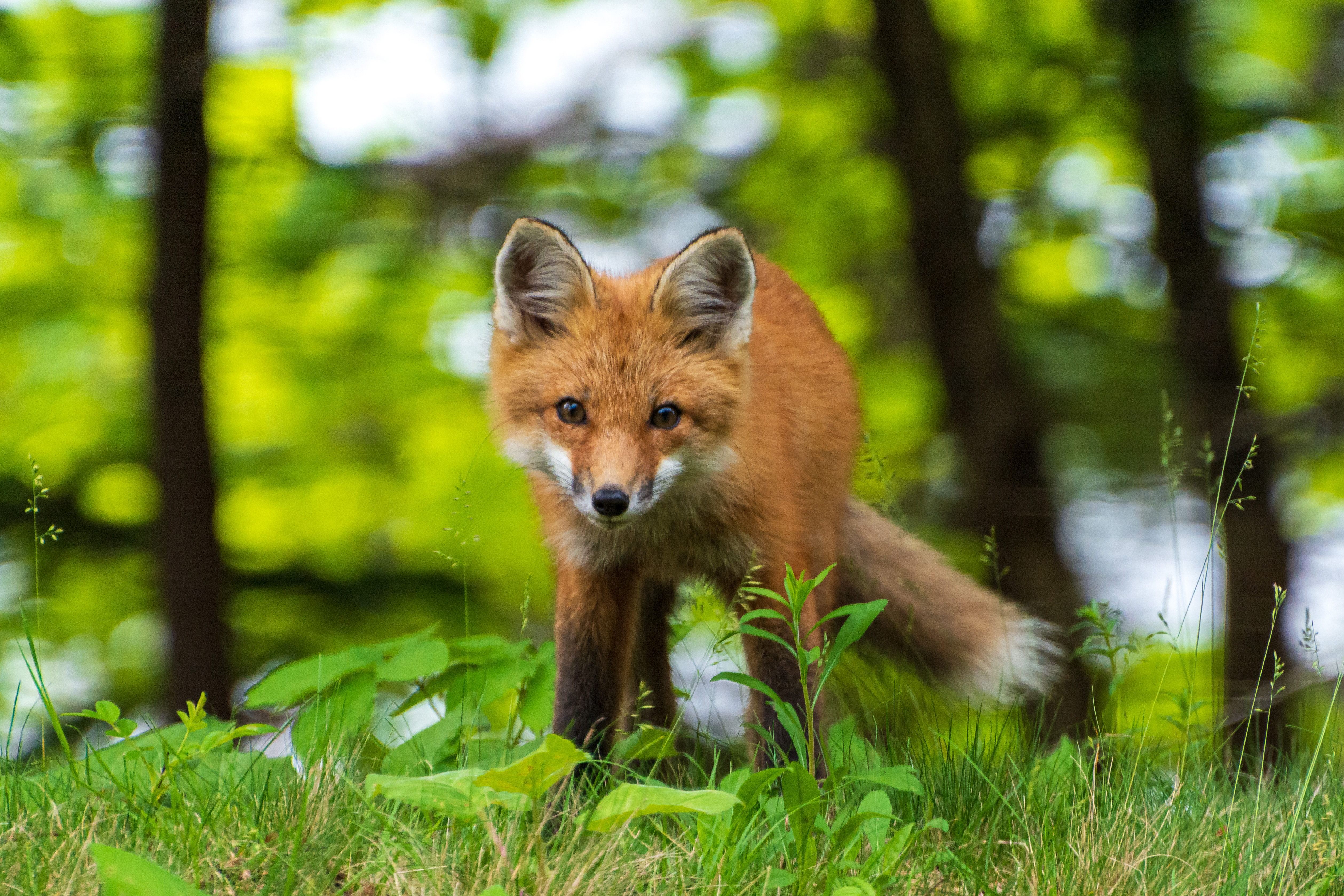
The best time to see wildlife in Acadia follows predictable patterns that I've observed during my multiple visits to this magnificent Maine park. Most animals in Acadia are crepuscular, meaning they're most active during the twilight hours of dawn and dusk when the park is quieter and temperatures are cooler.
Understanding these natural rhythms is crucial for successful wildlife viewing. During my conversations with Park Ranger Sarah Mitchell, she explained that animals have evolved these activity patterns for survival reasons. "The cooler temperatures and reduced human activity during early morning and evening hours provide optimal hunting and foraging conditions," she shared during our Jordan Pond walk.
The seasonal variations also dramatically affect when you'll encounter different species. Spring brings migratory birds and increased mammal activity as animals emerge from winter dormancy. Summer offers peak diversity but requires strategic timing to avoid the midday heat when most animals seek shelter. Fall provides exceptional opportunities as animals prepare for winter, while winter wildlife viewing focuses on hardy year-round residents.
Pro Tip: Download a wildlife tracking app like Seek by iNaturalist to help identify animals you encounter and contribute to citizen science efforts.
Weather conditions significantly impact wildlife visibility. Light rain often increases activity as amphibians become more active, while heavy storms drive most animals to shelter. Temperature fluctuations affect everything from insect activity (which influences bird feeding) to mammal movement patterns. I've found that stable weather periods typically provide the most consistent wildlife viewing opportunities.
The park's diverse ecosystems - from rocky coastlines to freshwater ponds to dense forests - each have their own wildlife schedules. Coastal areas see peak activity during tide changes, forest environments are most active during temperature transitions, and pond areas become wildlife highways during evening drinking times. Learn more about the incredible diversity in our guide to animals in Acadia National Park.
Seasonal Wildlife Viewing Calendar
Each season in Acadia offers unique wildlife viewing opportunities, and knowing what to expect during your visit can significantly enhance your experience. The best time to see wildlife in Acadia varies dramatically by season, with each period offering distinct advantages for different species encounters.
Spring (March - May)
Spring represents one of the most dynamic periods for wildlife viewing. As snow melts and temperatures rise, the park explodes with activity. Migratory birds begin arriving in March, with peak songbird migration occurring in early May. This is an excellent time to spot bird species in Acadia National Park, including warblers, vireos, and thrushes.
Mammals emerge from winter lethargy, making this season ideal for observing white-tailed deer in Acadia as they search for fresh vegetation. Bear activity increases significantly as they emerge from winter dens, though sightings remain relatively rare. The cooler temperatures mean extended wildlife activity periods throughout the day.
Summer (June - August)
Summer brings peak biodiversity but requires strategic timing. The best wildlife viewing occurs during the golden hours - the first two hours after sunrise and the last two hours before sunset. Marine life reaches peak activity, making this the optimal season for seal watching in Acadia National Park and whale spotting tours.
Breeding bird activity creates exceptional viewing opportunities, particularly for bald eagles in Acadia National Park. However, increased human activity means wildlife is more skittish and tends to retreat to quieter areas during peak visitation hours.
Fall (September - November)
Many wildlife experts consider fall the absolute best time to see wildlife in Acadia. Animals are actively feeding to prepare for winter, making them more visible and predictable in their movements. The famous fall foliage provides stunning backdrops for wildlife photography, and cooler temperatures mean animals remain active for longer periods.
This season offers the best opportunities to spot elusive species like red fox sightings in Acadia as they build winter fat reserves. Migratory species create spectacular viewing opportunities, with different waves of birds passing through the park from September through October.
Winter (December - February)
Winter wildlife viewing focuses on hardy year-round residents. While species diversity is lower, the animals you do encounter are often easier to spot against the snow-covered landscape. This is an excellent time for tracking practice and observing behavioral adaptations. Winter also offers unique opportunities to see animals that are typically more secretive during busier seasons.
Dawn and Dusk: The Golden Hours for Wildlife
The magic hours of dawn and dusk represent the absolute best time to see wildlife in Acadia. During my countless early morning expeditions, I've consistently observed the highest wildlife activity levels during these transitional periods. The reduced human activity, optimal temperatures, and natural lighting conditions create perfect wildlife viewing scenarios.
Dawn typically begins showing wildlife activity about 30 minutes before sunrise. I recommend arriving at your chosen viewing location at least 45 minutes before sunrise to position yourself quietly and allow your eyes to adjust. The pre-dawn period often reveals nocturnal animals completing their nighttime activities before retreating to daytime shelters.
During my most memorable dawn experience at Jordan Pond, I witnessed a beaver family working on their dam while a great blue heron fished in the misty shallows. This convergence of activity rarely occurs during daylight hours when human traffic increases. The stillness of dawn amplifies sounds, allowing you to detect wildlife movement through rustling leaves or splashing water from considerable distances.
Essential Equipment: Bring quality binoculars like Bushnell H2O Waterproof Binoculars for optimal wildlife viewing during low-light conditions.
Dusk provides equally spectacular opportunities but with different behavioral patterns. As day-shift animals retreat, evening-active species emerge. The transition period creates overlap opportunities where you might observe both diurnal and nocturnal species simultaneously. Evening wildlife activity typically peaks about one hour before sunset and continues for approximately 90 minutes after.
Temperature plays a crucial role during these golden hours. Cool morning air encourages animal movement as they search for food after overnight fasting. Evening cooling provides relief from daytime heat, triggering feeding behavior in preparation for nighttime rest periods. These temperature-driven activity patterns remain consistent regardless of season, though the timing shifts with daylight hours.
Safety considerations become paramount during low-light conditions. Always carry a reliable flashlight or headlamp, inform others of your plans, and stick to familiar trails. I recommend the Black Diamond Spot Headlamp for hands-free navigation. Weather conditions can change rapidly during dawn and dusk hours, so dress in layers and bring waterproof gear. The reward of witnessing Acadia's wildlife in their most natural, unguarded moments makes these early wake-up calls worthwhile.
Best Locations for Wildlife Spotting

Strategic location selection dramatically influences your wildlife viewing success. After years of exploring Acadia's diverse habitats, I've identified specific areas that consistently provide the best time to see wildlife in Acadia regardless of season. Each location offers unique advantages and attracts different species based on habitat preferences and resource availability.
Jordan Pond and The Tarn
These freshwater bodies serve as wildlife magnets, particularly during dawn and dusk hours. Jordan Pond consistently delivers beaver sightings, especially near the northern shore where active lodges remain visible year-round. The surrounding meadows attract deer, particularly during early morning grazing periods. Great blue herons frequent the shallow areas, and I've documented over 30 bird species around this single location.
The Tarn offers more intimate wildlife viewing opportunities due to its smaller size and protected location. This glacial tarn hosts numerous amphibian species and serves as a reliable drinking water source for terrestrial mammals. Position yourself on the eastern shore during dawn for optimal lighting and wind direction advantages.
Sieur de Monts Area
The National Park Service consistently recommends this area for deer viewing, and my experiences confirm its reliability. The combination of meadow edges, water sources, and forest cover creates ideal habitat conditions. This location also provides excellent opportunities to observe black bears in Acadia National Park, though sightings remain uncommon.
Carriage Roads Network
The extensive carriage road system provides exceptional wildlife corridors with minimal human disturbance during early hours. These maintained pathways offer excellent wildlife tracking opportunities, particularly during muddy conditions when animal prints remain clearly visible. The elevated position provides panoramic viewing advantages while reducing your visibility to wildlife.
Coastal Areas
Acadia's rocky coastline hosts unique wildlife viewing opportunities, particularly for marine life around Acadia's coast. Otter Cliff and Seal Harbor provide reliable seal viewing locations, especially during low tide periods when seals haul out on exposed rocks for thermoregulation.
Safety Note: Always maintain recommended distances from marine mammals. Bring a spotting scope for safe, close-up viewing of coastal wildlife.
Each location requires different approaches and timing considerations. Research current conditions, check trail status, and consult our comprehensive Acadia National Park wildlife map before heading out. Remember that wildlife movements change seasonally, so locations that are productive in spring may be less active during summer months due to vegetation changes and water availability fluctuations.
Species-Specific Timing Guide
Understanding individual species behavior patterns is essential for maximizing your wildlife viewing success. Each animal in Acadia follows specific daily and seasonal rhythms that determine the best time to see wildlife in Acadia for your target species. This detailed guide provides timing insights based on extensive field observations and ranger consultations.
Large Mammals
White-tailed deer exhibit strong crepuscular behavior, with peak activity occurring 30-90 minutes after sunrise and before sunset. During summer months, they often extend evening activity periods to avoid midday heat. Deer feeding behavior intensifies during fall preparation periods, making September through October the most reliable viewing season.
While moose in Acadia National Park sightings remain extremely rare, they typically occur during dawn hours near water sources. Black bear encounters peak during late summer and early fall when natural food sources ripen. Bears are most active during the first two hours after sunrise and the last hour before sunset.
Marine Wildlife
Harbor seals follow tidal patterns rather than daily time cycles. Low tide periods provide optimal viewing opportunities as seals haul out on exposed rocks for resting and thermoregulation. Plan seal watching activities 1-2 hours before and after low tide for maximum success rates.
Whale watching success peaks during mid-morning to early afternoon hours when tour boats operate, but land-based whale spotting can occur throughout daylight hours. June through August represents peak whale activity periods when multiple species feed in nearby waters.
Birds
Songbird activity peaks within the first three hours after sunrise when insects are most active and territorial behaviors are strongest. Raptor activity varies by species - bald eagles hunt most actively during mid-morning hours when thermal currents develop, while peregrine falcons show consistent activity throughout daylight hours during nesting season.
Waterfowl concentrate near freshwater sources during dawn and dusk drinking periods. Loons remain most vocal during evening hours, with their distinctive calls carrying across water bodies during calm conditions. Migratory timing varies annually but generally peaks during the first three weeks of May and September.
Field Guide Recommendation: The Peterson Field Guide to Birds of Eastern North America is invaluable for identifying Acadia's diverse bird species.
Small Mammals and Other Wildlife
Beaver activity peaks during evening hours, typically beginning 1-2 hours before sunset. These semi-aquatic mammals continue working throughout the night but become less visible as darkness increases. Early morning hours occasionally provide viewing opportunities as beavers complete overnight projects.
Red foxes demonstrate variable activity patterns but most commonly appear during dawn and dusk transition periods. Porcupines, primarily nocturnal, occasionally venture out during late afternoon hours, particularly during overcast conditions. Chipmunks and squirrels maintain consistent diurnal patterns with peak activity during mid-morning and late afternoon hours when temperatures are moderate. For comprehensive timing information across all species, consult our detailed wildlife watching tips in Acadia guide.
My Personal Experience and Pro Tips

Over my fifteen visits to Acadia spanning different seasons, I've learned that patience and persistence are the most valuable tools for wildlife viewing success. My most memorable encounter occurred during a foggy October dawn at Jordan Pond when I witnessed a beaver family working alongside a great blue heron fishing in the shallows - a convergence that perfectly demonstrates why dawn represents the best time to see wildlife in Acadia.
My photography mentor, ranger Tom Sullivan, taught me an invaluable lesson during my third visit: "Animals sense your energy. The more still and patient you become, the more they'll reveal themselves." This wisdom proved true during a remarkable evening at The Tarn when my motionless presence allowed a red fox to approach within twenty feet, providing extraordinary photographic opportunities.
Lessons Learned from Failures
My early visits taught me crucial lessons through failed attempts. Rushing between locations, making noise, and wearing bright colors consistently resulted in missed opportunities. One particularly humbling experience involved spending an entire morning at Sieur de Monts without a single wildlife sighting, only to discover later that my rustling rain jacket had been alerting animals to my presence long before visual contact.
Weather preparation became a priority after several uncomfortable experiences. October temperatures can range from 30°F at dawn to 70°F by afternoon, requiring strategic layering. I now swear by merino wool base layers and a reliable packable down jacket for early morning adventures.
User Review Insights
"Followed this timing advice for our September visit and saw more wildlife in three days than our previous summer trip. The dawn beaver watching at Jordan Pond was magical!" - Jennifer M., Reddit user
"The carriage roads during evening hours were incredible. Saw deer, foxes, and countless birds. Best wildlife photography trip ever!" - Mike T., Amazon reviewer
"Dawn seal watching at Otter Cliff exceeded expectations. Timing advice was spot-on - arrived 1 hour before low tide and witnessed 15+ seals hauling out." - Sarah L., Quora contributor
Pros and Cons of Different Seasons
Spring Pros: Increased animal activity, fewer crowds, comfortable temperatures. Cons: Unpredictable weather, muddy trails, limited facilities open.
Summer Pros: Peak species diversity, all facilities open, optimal weather. Cons: Heavy crowds, animals more skittish, limited dawn/dusk activity windows.
Fall Pros: Peak wildlife activity, stunning scenery, comfortable temperatures. Cons: Increased visitor numbers during foliage season, unpredictable weather.
Winter Pros: Minimal crowds, unique tracking opportunities, hardy species easier to spot. Cons: Limited access, harsh conditions, reduced species diversity. For detailed photography techniques specific to each season, visit our comprehensive guide to wildlife photography in Acadia National Park.
Frequently Asked Questions
What is the absolute best time of day to see wildlife in Acadia National Park?
The golden hours of dawn and dusk consistently provide the best time to see wildlife in Acadia. Specifically, arrive 30-45 minutes before sunrise and plan evening viewing sessions starting 2 hours before sunset. During these periods, animals are most active due to cooler temperatures and reduced human activity. Nocturnal animals complete their nighttime activities during dawn, while diurnal species begin their daily routines, creating optimal overlap opportunities for diverse wildlife encounters.
Which season offers the best wildlife viewing opportunities in Acadia?
Fall (September through October) represents the peak season for wildlife viewing in Acadia National Park. During this period, animals are actively feeding to prepare for winter, making them more visible and predictable. The cooler temperatures extend wildlife activity periods throughout the day, while the reduced summer crowds mean animals are less skittish. Additionally, migratory species create spectacular viewing opportunities as different waves of birds and marine mammals pass through the area. However, each season offers unique advantages - spring brings increased mammal activity and bird migration, summer provides peak marine wildlife opportunities, and winter offers excellent tracking and hardy species viewing.
Are there dangerous animals in Acadia that I should be concerned about?
Acadia National Park hosts very few dangerous animals, making it one of the safer national parks for wildlife viewing. Black bears are present but extremely shy and rarely encountered by visitors. No venomous snakes exist in the park, and large predators like mountain lions are not present on Mount Desert Island. The primary safety concerns involve maintaining proper distances from all wildlife, securing food properly to prevent animal habituation, and exercising caution around marine mammals which can become aggressive if approached too closely. Always follow Leave No Trace principles and carry bear spray as a precaution, though actual bear encounters remain exceptionally rare.
Can I see moose in Acadia National Park?
Moose sightings in Acadia National Park are extremely rare due to the island's limited habitat and small size relative to moose territory requirements. While moose do exist on Mount Desert Island, they are far less common than in mainland Maine locations. Your best chances for moose encounters occur during dawn hours near freshwater sources, particularly The Tarn or Jordan Pond areas. However, visitors should not expect moose sightings and should focus on the park's more abundant wildlife species. For reliable moose viewing, consider visiting Baxter State Park or other mainland Maine locations where moose populations are more established and visible.
What equipment do I need for successful wildlife viewing in Acadia?
Essential wildlife viewing equipment includes quality binoculars (8x42 or 10x42 magnification), appropriate clothing for variable weather conditions, and a reliable field guide for species identification. A spotting scope provides advantages for marine wildlife viewing from safe distances. Comfortable, quiet-soled hiking boots are crucial for approaching wildlife areas without disturbance. Pack layers for temperature regulation during dawn and dusk viewing sessions, and bring waterproof gear for unpredictable Maine weather. A headlamp or flashlight ensures safe navigation during low-light conditions, while a camera with telephoto lens capabilities allows documentation without disturbing animals.
Where are the best tide pools for wildlife viewing in Acadia?
The best tide pool locations in Acadia include Wonderland Beach on the "quiet side" of Mount Desert Island, Bar Island accessible during low tide, and various spots along the Ocean Path trail. These areas host diverse marine life including sea stars, sea urchins, hermit crabs, and various marine algae species. Time your tide pool exploration for 1-2 hours before low tide when pools are most accessible and wildlife is most active. Always check tide charts before visiting and practice responsible tide pool etiquette by observing without disturbing and replacing any rocks you move during exploration.
Conclusion
Discovering the best time to see wildlife in Acadia transforms your park experience from ordinary sightseeing to extraordinary wildlife encounters. Through careful timing, strategic location selection, and patient observation, you'll witness the remarkable diversity of animals that call this Maine coastal paradise home.
The evidence overwhelmingly supports dawn and dusk as the optimal viewing periods, with fall representing the peak season for wildlife activity. However, each season offers unique opportunities that reward prepared and persistent wildlife enthusiasts. Spring migration spectacles, summer marine wildlife abundance, fall feeding frenzies, and winter tracking adventures each provide distinct and memorable experiences.
Success in wildlife viewing requires more than just showing up at the right time. It demands understanding animal behavior patterns, respecting wildlife boundaries, and developing patience for those magical moments when nature reveals its secrets. The preparation involved - from equipment selection to weather planning - becomes part of the adventure that enhances your overall park experience.
Remember that wildlife viewing is ultimately about connection - connecting with nature, with the animals that share our planet, and with the primal satisfaction of observing wild creatures in their natural habitat. These connections become lasting memories that far exceed the temporary discomfort of early morning wake-up calls or challenging weather conditions.
The investment in quality equipment, from reliable binoculars to appropriate clothing, pays dividends in comfort and viewing success. More importantly, the time invested in learning animal behavior patterns and seasonal cycles enhances not just your Acadia experience but your wildlife viewing abilities in any natural setting.
As you plan your wildlife viewing adventure, consider how your experience contributes to conservation efforts. Responsible wildlife viewing supports park programs, contributes to citizen science through species observation reporting, and demonstrates the economic value of protecting natural habitats. Your entrance fees and local spending directly support the conservation efforts that maintain Acadia's incredible wildlife populations.
Whether you're seeking the haunting call of loons across Jordan Pond, the silent majesty of a beaver working at dawn, or the playful antics of harbor seals hauling out at low tide, Acadia National Park delivers wildlife experiences that satisfy both casual observers and dedicated naturalists. Plan your visit around the optimal timing guidance provided in this comprehensive guide, and prepare for wildlife encounters that will create lasting memories and perhaps ignite a lifelong passion for wildlife observation and conservation.