
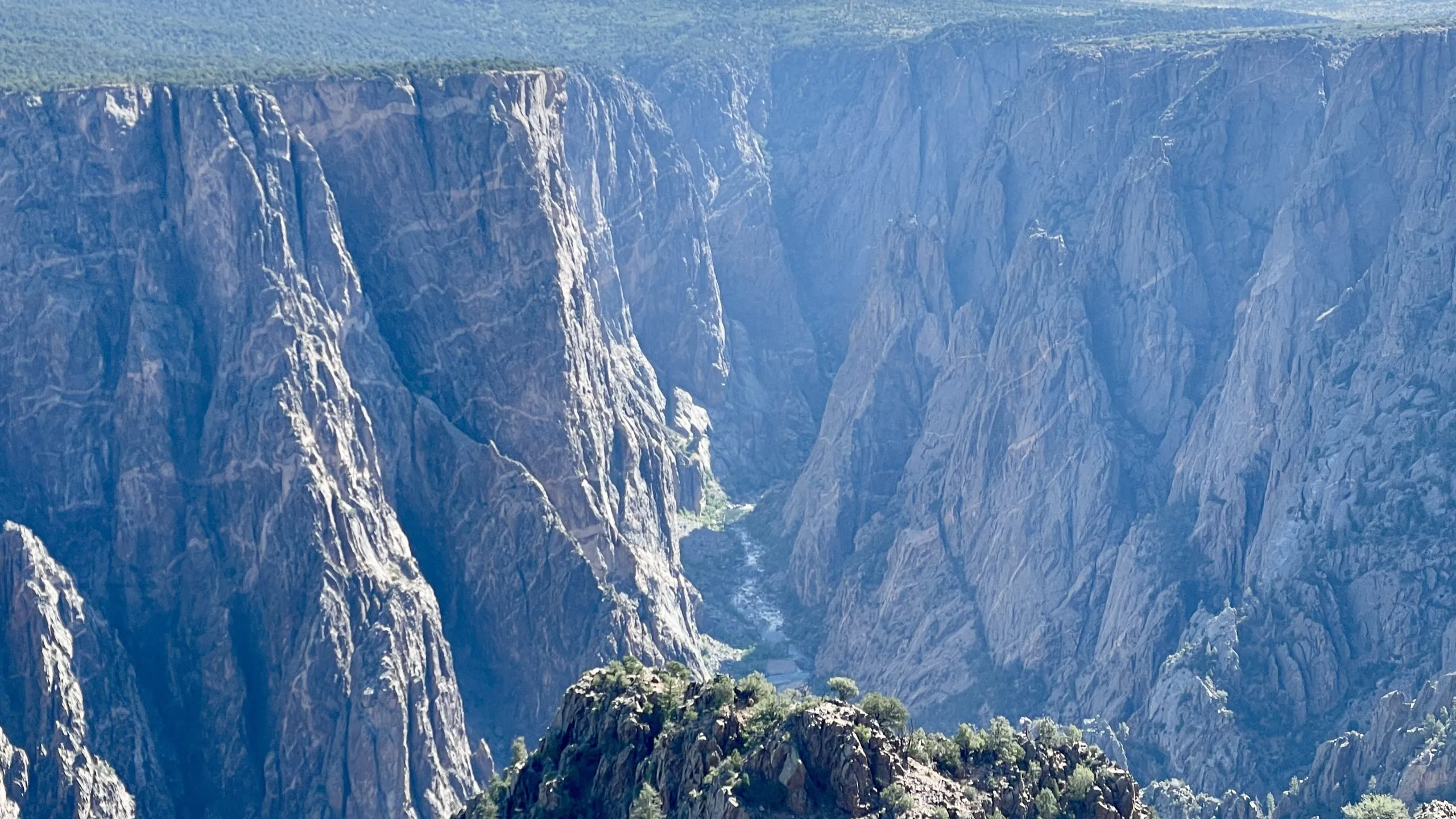
Complete Guide to Black Canyon of the Gunnison Hiking: Best Trails, Routes & Expert Tips
Discover the ultimate hiking experience at Black Canyon of the Gunnison National Park through this comprehensive guide. From scenic rim trails to challenging inner canyon routes, I'll share expert insights, safety tips, and personal experiences to help you plan the perfect Black Canyon of the Gunnison hiking adventure. Whether you're seeking easy nature walks or extreme wilderness challenges, this guide covers everything you need to know about hiking in one of Colorado's most dramatic landscapes.
Part of the Wilderness Paths comprehensive hiking guide series
South Rim Trails: Gateway to Spectacular Views
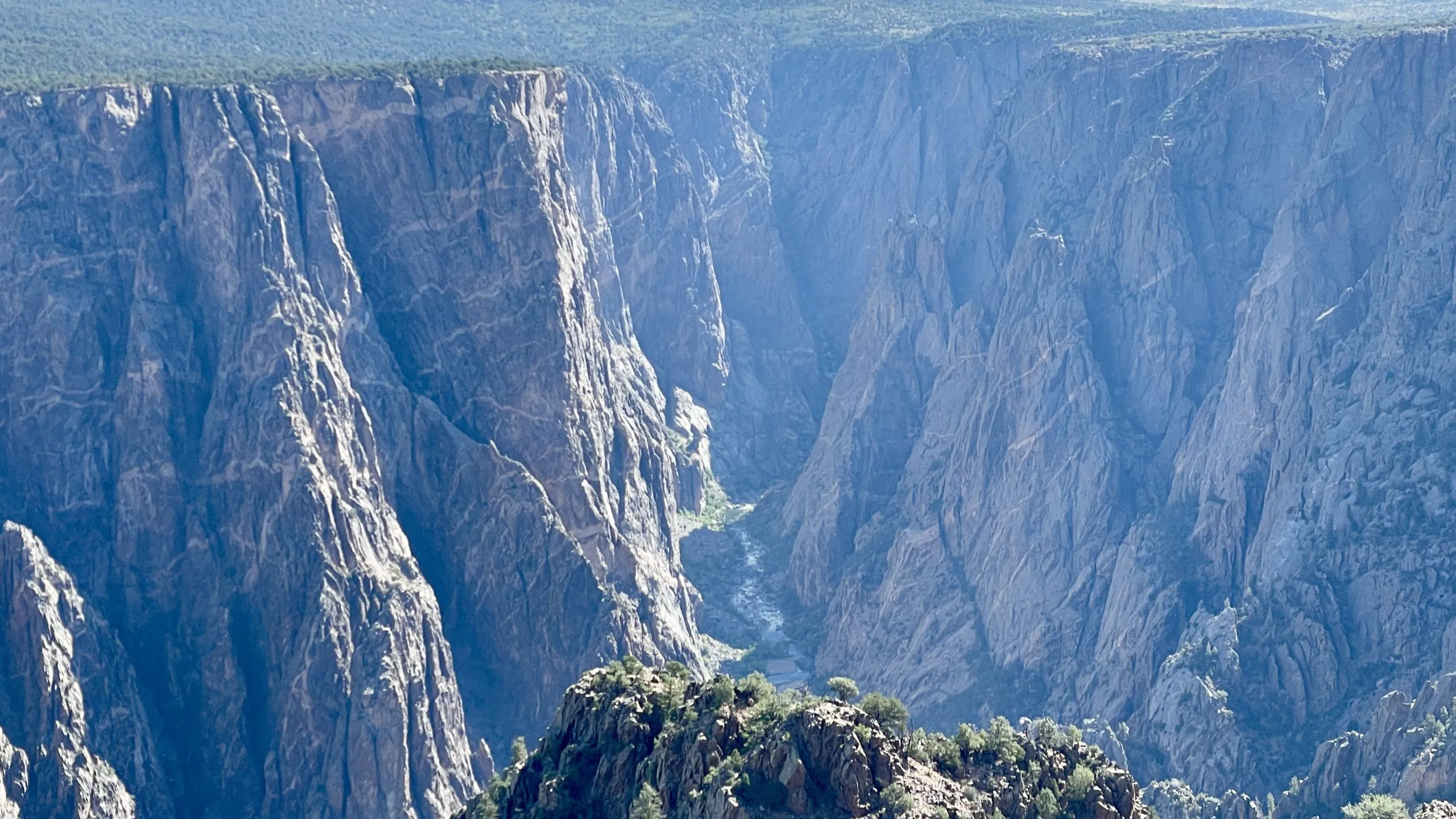
The South Rim offers the most accessible Black Canyon of the Gunnison hiking experiences, perfect for visitors seeking stunning canyon views without extreme physical challenges. I've spent countless mornings watching sunrise from these trails, and the experience never gets old. The South Rim's paved access road and well-maintained facilities make it the ideal starting point for your Black Canyon of the Gunnison hiking adventure. For those planning extended trips, consider exploring nearby Crested Butte to Black Canyon connections.
Warner Point Nature Trail
This trail leads to the highest overlook on the South Rim, offering 270-degree views of the canyon and San Juan Mountains. The trail winds through beautiful pinyon-juniper woodland before reaching the spectacular viewpoint.
Rim Rock Nature Trail
Connecting the visitor center to the campground, this trail provides excellent canyon views and interpretive signs explaining the area's geology and ecology. Perfect for families and first-time visitors.
Essential Gear Recommendation
For South Rim hiking, proper footwear is essential. I recommend the Rocky Outback Gore-Tex Waterproof Boots - they provide excellent traction on the rocky terrain and keep feet dry in changing weather conditions.
The Oak Flat Loop Trail offers a unique perspective, descending slightly into the canyon for closer views of the rock formations. During my hikes here, I've encountered abundant wildlife including mule deer, chipmunks, and various bird species. The South Rim's accessibility makes these trails perfect for building confidence before attempting more challenging Black Canyon of the Gunnison hiking adventures on the North Rim or inner canyon routes.
Pro Tip: Start your South Rim Black Canyon of the Gunnison hiking early in the morning for the best lighting conditions and cooler temperatures, especially during summer months. Don't forget to pack a lightweight daypack like the WATERFLY 25L Hiking Daypack for carrying water and snacks.
North Rim Trails: Remote Wilderness Adventures

The North Rim provides a completely different Black Canyon of the Gunnison hiking experience, characterized by solitude, wilderness atmosphere, and more challenging terrain. Accessible via gravel road (suitable for all vehicles when dry), the North Rim rewards adventurous hikers with pristine views and fewer crowds. During my visits here, I've often had entire trails to myself, creating an intimate connection with this remarkable landscape. For comprehensive park information, check out these essential Black Canyon facts.
Chasm View Nature Trail
This short trail leads to one of the most dramatic viewpoints in the park, overlooking "The Narrows" where canyon walls squeeze closest together. The perspective here is absolutely breathtaking.
North Vista Trail to Exclamation Point
Following gentle terrain through sagebrush country, this trail rewards hikers with expansive canyon views and optional continuation to Green Mountain for even more spectacular vistas.
Wildlife Watching
The North Rim offers excellent wildlife viewing opportunities. I've observed elk, black bears, and numerous bird species during my Black Canyon of the Gunnison hiking adventures here. Always maintain safe distances and follow park guidelines. For early morning or evening wildlife watching, a reliable LED headlamp is essential for safe navigation.
The Deadhorse Trail extends 5 miles through diverse terrain, offering solitude and hidden viewpoints that many visitors miss. This trail showcases the North Rim's wild character, winding through Gambel oak forests and open meadows. The seasonal changes here are remarkable - I've experienced everything from spring wildflower displays to autumn aspen colors during different visits.
What sets North Rim Black Canyon of the Gunnison hiking apart is the sense of wilderness adventure. The gravel access road, limited facilities, and fewer visitors create an authentic backcountry experience. Weather conditions can change rapidly, so preparation is essential. I always carry extra layers and emergency supplies when hiking North Rim trails, even on short day hikes. Quality waterproof hiking gloves are particularly useful for the cooler temperatures and potential weather changes.
North Rim Advantage: Open seasonally (typically May through October), the North Rim offers cooler temperatures and different perspectives of the same dramatic canyon features visible from the South Rim.
Inner Canyon Routes: Ultimate Wilderness Challenge
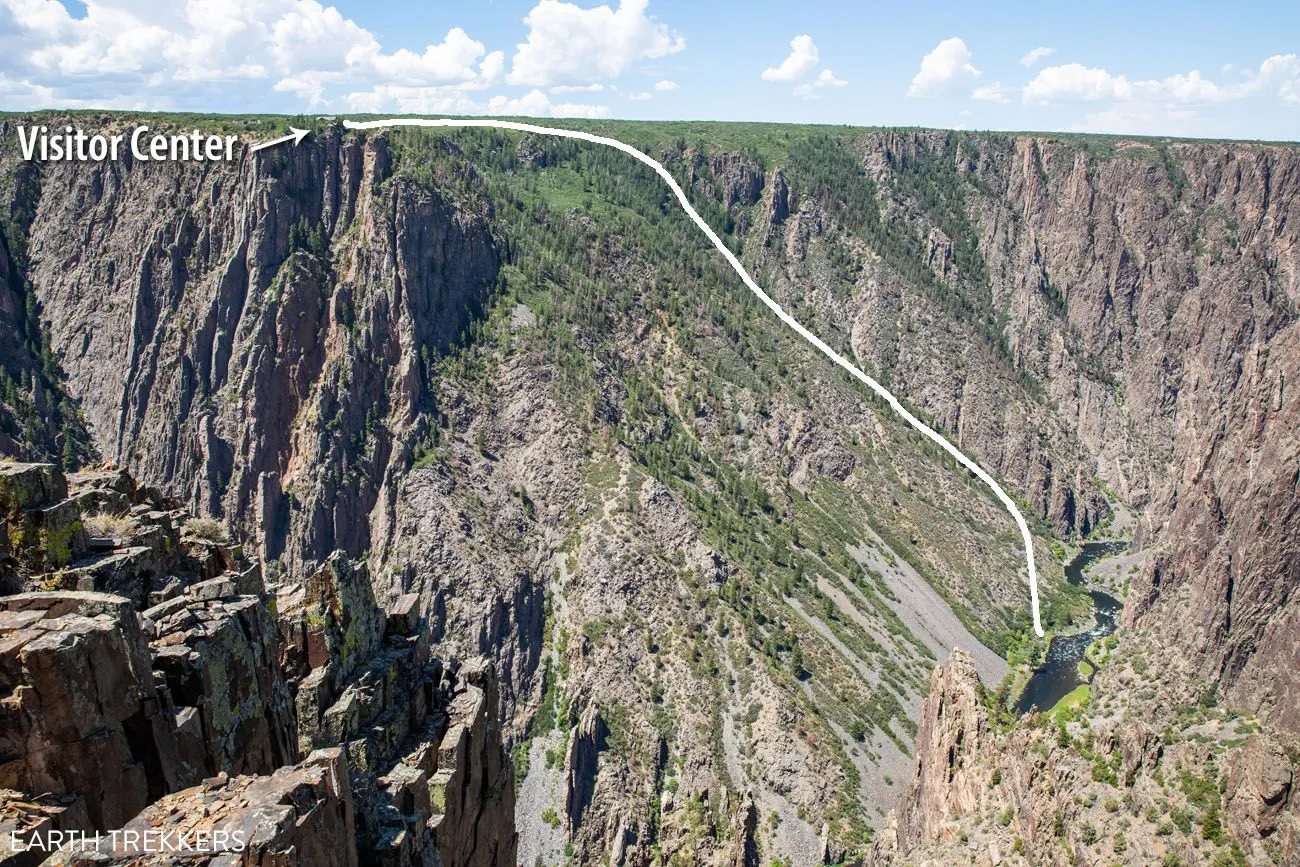
Inner canyon routes represent the most challenging and rewarding Black Canyon of the Gunnison hiking experiences available. These are not traditional trails but rather technical routes requiring wilderness permits, advanced preparation, and significant physical fitness. Having completed multiple inner canyon descents, I can attest that these adventures provide unparalleled access to the Gunnison River and intimate canyon experiences unavailable elsewhere. Consider combining your trip with visits to other Colorado destinations like those covered in our Mesa Verde to Black Canyon guide.
Gunnison Route
Most popular inner canyon route featuring chains, loose scree, and technical scrambling. Requires permit and advanced preparation.
Warner Route
Longest and most challenging route, popular for overnight camping and exceptional fishing opportunities along the Gunnison River.
Tomichi Route
Steepest and most technical route requiring advanced scrambling skills and route-finding abilities.
Critical Safety Warning
Inner canyon routes are extremely dangerous and have resulted in serious injuries and fatalities. Attempt only with proper experience, equipment, and physical conditioning. Weather conditions can make routes impassable.
My first Gunnison Route descent was humbling - the combination of loose rock, steep grades, and technical scrambling demanded complete focus and careful movement. The chains provide assistance on the initial descent, but the most challenging sections come later without any aid. Success requires proper footwear, gloves for grip, and mental preparation for sustained physical exertion.
Essential Inner Canyon Equipment
- Sturdy hiking boots with excellent traction
- Work gloves for chain sections and rock scrambling
- Minimum 4 liters water per person (summer)
- First aid kit and emergency whistle
- GPS device or smartphone with offline maps
- Headlamp with extra batteries
- Emergency shelter and warm layers
The reward for completing inner canyon Black Canyon of the Gunnison hiking routes is unprecedented access to the Gunnison River and unique perspectives of the canyon walls towering overhead. Standing beside the river after a successful descent creates lasting memories and deep appreciation for this remarkable landscape. However, these routes demand respect, preparation, and honest assessment of personal abilities before attempting.
Permit Requirement: All inner canyon routes require free wilderness permits obtained day-before at visitor centers. Only 15 permits issued daily for Gunnison Route, making advance planning essential.
Safety & Preparation: Essential Knowledge for Success
Successful Black Canyon of the Gunnison hiking requires thorough preparation and safety awareness. This landscape presents unique challenges including dramatic elevation changes, exposed cliff areas, unpredictable weather, and limited water availability. Through years of hiking here, I've learned that preparation directly correlates with enjoyment and safety outcomes. For accommodation planning after your hiking adventures, explore our Yellowstone lodging guide for tips that apply to national park stays.
Weather Considerations
Weather at Black Canyon changes rapidly due to elevation differences and geographic location. Summer thunderstorms develop quickly, creating lightning hazards on exposed rim trails. Winter conditions bring snow and ice, making some trails impassable.
Personal Experience: I've been caught in sudden hailstorms that transformed sunny conditions into dangerous situations within minutes. Always check forecasts and carry emergency shelter.
Water & Hydration
Water is not available in the park from late fall through mid-spring. Summer heat and high elevation increase dehydration risks. The recommended 4 liters per person for inner canyon routes isn't excessive - it's necessary for safety.
Hydration Strategy: Begin hydrating the day before hiking. Bring electrolyte supplements for longer routes, especially during summer months.
Wildlife Safety Guidelines
Black Bears: Common throughout the park. Store food properly, make noise while hiking, and never approach or feed bears. I carry bear spray on all Black Canyon of the Gunnison hiking adventures.
Mountain Lions: Present but rarely seen. Maintain eye contact if encountered, appear large, back away slowly, and fight back if attacked.
Rattlesnakes: Active during warm months in lower elevations. Watch where you step and place hands, especially near rocks and logs.
Proper Footwear
Sturdy hiking boots essential for all Black Canyon of the Gunnison hiking. Trail runners insufficient for inner canyon routes.
Sun Protection
High elevation increases UV exposure. Sunscreen, hat, and sunglasses mandatory for all outdoor activities.
Emergency Communication
Cell service unreliable throughout park. Inform others of plans and carry emergency whistle or satellite communicator.
Physical preparation significantly impacts your Black Canyon of the Gunnison hiking experience. Rim trails require basic fitness, but inner canyon routes demand excellent conditioning and scrambling experience. I recommend training on similar terrain and gradually building endurance before attempting challenging routes.
Emergency Preparedness Checklist
- Comprehensive first aid kit with blister treatment
- Emergency whistle and signaling device
- Extra food and emergency shelter
- Backup lighting and extra batteries
- Multi-tool with knife and repair capabilities
- Emergency contact information and park regulations
Safety Philosophy: The goal is enjoying Black Canyon of the Gunnison hiking safely and responsibly. Conservative decision-making and thorough preparation enable countless successful adventures in this spectacular landscape.
Best Times to Visit: Seasonal Guide for Optimal Experiences
Timing your Black Canyon of the Gunnison hiking adventure significantly affects your experience. Each season offers unique advantages and challenges, from wildflower displays to autumn colors to winter solitude. After hiking here across all seasons, I've developed preferences based on weather patterns, crowd levels, and specific trail conditions.
Spring (April - May)
Advantages: Wildflower blooms, moderate temperatures, fewer crowds, wildlife activity
Challenges: Unpredictable weather, possible snow on North Rim, muddy conditions
Best For: South Rim trails, photography, wildlife watching
Personal Favorite: Late May offers perfect conditions for Black Canyon of the Gunnison hiking with wildflowers in bloom and comfortable temperatures.
Summer (June - August)
Advantages: All trails accessible, longest daylight hours, North Rim fully open
Challenges: Highest crowds, afternoon thunderstorms, extreme heat in canyon
Best For: Inner canyon routes, North Rim exploration, camping
Summer Strategy: Start hikes before 7 AM to avoid heat and thunderstorms. Carry extra water and monitor weather conditions closely.
Autumn (September - October)
Advantages: Perfect temperatures, autumn colors, minimal crowds, stable weather
Challenges: Shorter daylight hours, North Rim may close early
Best For: All trail types, photography, extended hiking
Peak Season: Late September through early October provides ideal conditions for all Black Canyon of the Gunnison hiking activities.
Winter (November - March)
Advantages: Solitude, dramatic snow scenes, unique photographic opportunities
Challenges: North Rim closed, icy conditions, limited services, extreme cold
Best For: South Rim viewpoints, snowshoeing, experienced winter hikers
Winter Reality: Requires advanced preparation and winter gear. Most visitors prefer other seasons for Black Canyon of the Gunnison hiking.
Daily Timing Recommendations
Sunrise: Best views from Tomichi Point and Gunnison Point on South Rim
Morning (6-10 AM): Optimal for inner canyon routes and strenuous hikes
Midday (10 AM-3 PM): Avoid during summer; perfect for easy rim trails in shoulder seasons
Sunset: Dragon Point and Cedar Point offer spectacular evening light
Weather patterns significantly influence Black Canyon of the Gunnison hiking conditions. Summer afternoon thunderstorms develop rapidly, creating dangerous lightning conditions on exposed rim areas. I've learned to start early and finish before storms typically arrive around 2-3 PM. Spring and fall offer the most predictable conditions, though temperatures can fluctuate dramatically.
Average High (Spring/Fall)
Perfect hiking temperatures with comfortable conditions for all trail types.
Average High (Summer)
Start early to avoid heat, especially for inner canyon routes and strenuous hikes.
Average High (Winter)
Cold conditions require winter gear and limit hiking to South Rim trails only.
Crowd patterns at Black Canyon of the Gunnison follow predictable seasonal trends. July and August bring peak visitation, making permits for inner canyon routes competitive and parking challenging during midday hours. Shoulder seasons provide excellent compromise between good weather and fewer visitors, enhancing the wilderness experience that makes Black Canyon of the Gunnison hiking so rewarding.
Optimal Planning: For the best overall Black Canyon of the Gunnison hiking experience, plan visits during late May, September, or early October when weather conditions are favorable and crowds are manageable.
Permits & Regulations: Navigate Requirements Successfully
Understanding permit requirements and park regulations is essential for legal and safe Black Canyon of the Gunnison hiking. The permit system protects both visitors and the fragile canyon environment while ensuring sustainable recreation opportunities. Having navigated these requirements numerous times, I can guide you through the process and highlight important details that ensure compliance and successful adventures.
Inner Canyon Permits (Required)
Cost: Free of charge
Availability: First-come, first-served basis
Distribution: 3:30 PM day before your hike
Limit: 15 permits daily for Gunnison Route
Requirements: Mandatory safety briefing attendance
Critical Timing: Arrive 1-2 hours early during peak season. I've seen disappointed hikers who arrived at 3:25 PM without permits available.
Rim Trails (No Permit Required)
Access: All rim trails open without permits
Regulations: Stay on designated trails
Hours: Dawn to dusk recommended
Groups: No size restrictions
Pets: Allowed on leash on rim trails only
Freedom to Explore: Rim trails offer spontaneous Black Canyon of the Gunnison hiking opportunities without advance planning requirements.
Permit Process Details
Step 1: Arrive Early
Reach South Rim Visitor Center 1-2 hours before 3:30 PM permit distribution, especially weekends and holidays.
Step 2: Attend Safety Briefing
Mandatory 15-minute presentation covers route conditions, safety requirements, and emergency procedures.
Step 3: Receive Permit
First 15 people receive permits. Not all group members must attend, but someone must represent the group.
Step 4: Check In/Out
Report completion to rangers or use self-registration box after hours. Essential for search and rescue protocols.
Prohibited Activities
- ✗ Rock or mineral collection
- ✗ Drone operation
- ✗ Off-trail hiking without permits
- ✗ Camping outside designated areas
- ✗ Feeding wildlife
Leave No Trace
- ✓ Pack out all trash
- ✓ Stay on designated trails
- ✓ Respect wildlife and plants
- ✓ Minimize campfire impacts
- ✓ Be considerate of others
Group Guidelines
- • Inner canyon groups: 1-6 people
- • Rim trails: No size limit
- • Commercial groups need special permits
- • Educational groups contact rangers
- • Quiet hours: 10 PM - 6 AM
Camping regulations vary by location within the park. Inner canyon routes allow overnight camping at designated sites along the Gunnison River, requiring wilderness permits. South Rim and North Rim campgrounds operate on reservation systems during peak season. East Portal Campground provides unique riverside camping accessible by vehicle, though the access road is steep and challenging.
Emergency Procedures
Emergency Contact: Call 911 or contact park rangers immediately
Location Reporting: Know your GPS coordinates or nearest trail marker
Group Responsibility: Ensure all group members understand emergency protocols
Weather Emergencies: Seek immediate shelter during lightning storms
Medical Emergencies: Carry first aid knowledge and supplies appropriate for your planned activities
Entrance fees apply to Black Canyon of the Gunnison National Park using standard National Park Service fee structure. Annual passes provide significant savings for multiple visits or visits to other national parks. Senior and military discounts are available. Fee payment supports park maintenance, ranger programs, and facility improvements that enhance the Black Canyon of the Gunnison hiking experience.
Fee Structure
7-Day Vehicle Pass: $15
7-Day Motorcycle Pass: $10
7-Day Individual Pass: $7
Annual Park Pass: $30
America the Beautiful Annual: $80
Senior/Military: Discounted rates available
Compliance Success: Understanding and following permit requirements and regulations ensures legal, safe, and environmentally responsible Black Canyon of the Gunnison hiking experiences for yourself and future visitors.
Conclusion: Your Black Canyon Adventure Awaits
Black Canyon of the Gunnison hiking offers unparalleled opportunities to experience one of America's most dramatic landscapes. From accessible rim trails showcasing spectacular overlooks to challenging inner canyon routes providing intimate river access, this remarkable park accommodates every skill level and adventure preference. Through my extensive experience hiking these trails across multiple seasons, I've witnessed firsthand how this unique environment creates lasting memories and deep connections with Colorado's natural heritage.
Key Takeaways for Success
Start with South Rim trails to build familiarity and confidence before attempting more challenging routes.
Plan visits during shoulder seasons for optimal weather conditions and fewer crowds.
Prioritize safety preparation with proper equipment, weather awareness, and conservative decision-making.
Understand permit requirements and arrive early for inner canyon route permits during peak season.
Invest in quality gear - proper boots, reliable lighting, and adequate water storage are non-negotiable.
Explore beyond the basics by connecting with other Colorado destinations and extending your adventure.
The vertical world of Black Canyon reveals its secrets gradually, rewarding those who approach with respect, preparation, and patience. Each visit offers new perspectives and discoveries, from the subtle changes in light throughout the day to the seasonal transformations that paint this landscape in ever-changing colors. Whether you're capturing sunrise from Warner Point, negotiating the chains on the Gunnison Route, or simply enjoying a peaceful moment along the Rim Rock Trail, Black Canyon of the Gunnison hiking provides experiences that resonate long after you've returned home.
Ready to plan your adventure? Start exploring more Colorado hiking destinations with our comprehensive guides.
Safe travels and happy hiking! Remember that the best adventures come to those who prepare thoroughly and respect the wilderness.