

After hiking Acadia's challenging trails for over a decade, I've learned that conquering these rugged paths requires more than just physical endurance—it demands proper preparation, essential gear, and intimate knowledge of each trail's unique challenges. This comprehensive guide shares my hard-earned insights to help experienced hikers safely tackle Acadia's most demanding adventures. Wilderness Paths has been my trusted resource for planning these challenging expeditions.
The Precipice Trail: Acadia's Ultimate Challenge
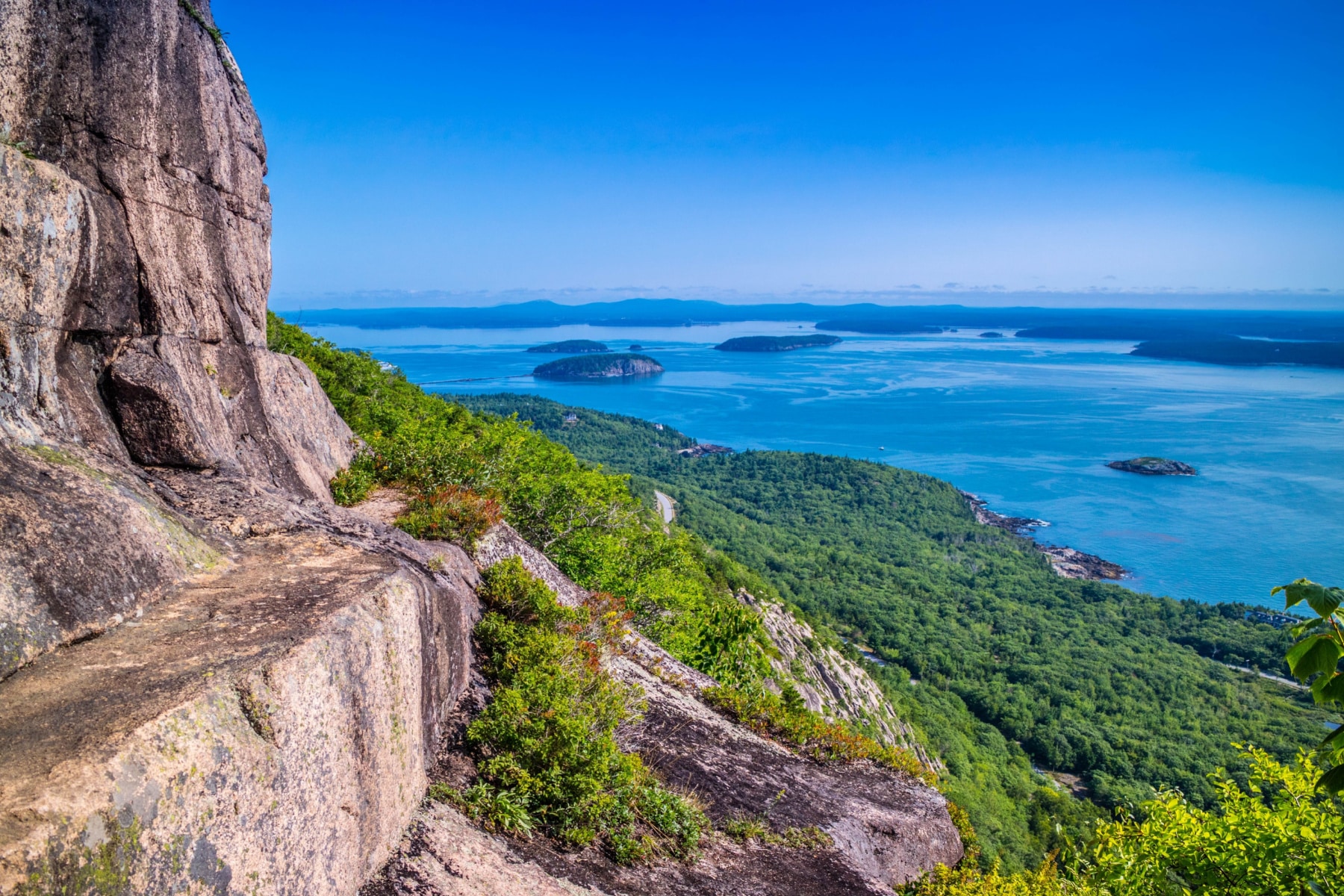
When I first approached the Precipice Trail ten years ago, the warning signs immediately caught my attention: "Falls on this mountain have resulted in serious injury or death." This isn't hyperbole—the Precipice Trail stands as challenging trails in Acadia for experienced hikers at its most extreme, demanding both technical skill and mental fortitude.
Stretching 3.2 miles roundtrip with over 1,000 feet of elevation gain in just one mile, this trail features iron rungs, narrow ledges, and exposed cliff faces that rival anything you'll find in major national parks. What makes it particularly challenging is the combination of physical demands and psychological pressure—there are sections where a single misstep could be fatal.
The trail's infamous "Eliminator" section, just 0.1 miles in, serves as an early test. I've seen many hikers turn back here, and that's perfectly wise. The iron rungs are spaced for average-height adults, making it challenging for shorter hikers to maintain three points of contact. During my most recent ascent in September 2023, I encountered ice on the rungs despite the season—a stark reminder that conditions can change rapidly.
What sets the Precipice apart from other best hikes in Acadia National Park is its closure during peregrine falcon nesting season (March through August). This makes September and October the prime months for attempting this challenging trail, coinciding perfectly with Maine's spectacular fall foliage season.
Safety Tip: Never attempt the Precipice Trail in wet, icy, or windy conditions. The granite becomes incredibly slippery when wet, and there's no protection from exposure on the cliff faces.
Beehive Trail: Iron Rungs and Ocean Views
Often called the "gateway" to Acadia's challenging cliff trails, the Beehive Trail offers a taste of iron rung climbing without the extreme exposure of the Precipice. At 1.5 miles roundtrip with 500 feet of elevation gain, it's significantly shorter but still demands respect and preparation.
During my first Beehive ascent, I was struck by how quickly the trail transitions from forest hiking to technical climbing. The iron rungs and ladders begin early, and the psychological challenge is immediate. Unlike the Precipice, the Beehive offers multiple "bail-out" points, making it more suitable for hikers testing their comfort with exposure.
The summit rewards climbers with panoramic views of Sand Beach, Great Head, and the Atlantic Ocean. On clear days, you can spot the Cranberry Islands dotting the horizon. What makes this trail particularly appealing for experienced hikers is its role as a stepping stone—I always recommend conquering the Beehive before attempting more serious challenging trails in Acadia for experienced hikers.
One advantage of the Beehive is its year-round accessibility, unlike the seasonally-closed Precipice. However, I've learned that early morning starts are crucial during peak season to avoid crowds on the narrow sections. The trailhead near Sand Beach fills up quickly, so arriving before 7 AM is essential for family-friendly hiking trails Acadia alternatives are better suited for less experienced hikers.
Pro Tip: The Beehive Trail can be combined with the Bowl Trail for a longer adventure, or connected to the Ocean Path for a full day of varied terrain. This flexibility makes it perfect for experienced hikers looking to customize their challenge level.
Cadillac Mountain North Ridge: Sunrise Summit Challenge
The Cadillac Mountain sunrise hike via the North Ridge Trail represents a different type of challenge—endurance over technical difficulty. At 4.4 miles roundtrip with 1,500 feet of elevation gain, this trail tests your stamina while rewarding you with the first sunrise in the United States.
I've completed this hike dozens of times, both for sunrise and regular day hikes, and each experience teaches something new. The trail is deceptively challenging—while it lacks the technical climbing of cliff trails, the sustained uphill grade and exposed granite surfaces demand proper preparation. During my most memorable sunrise hike in October 2022, I encountered frost on the rocks despite starting in mild conditions at the base.
The psychological challenge of a sunrise hike cannot be understated. Starting at 4 AM in complete darkness, navigating by headlamp, and maintaining motivation during the steep sections requires mental strength. I've learned that proper lighting is crucial—I recommend a headlamp with at least 400 lumens and a backup light source.
What makes this trail particularly challenging for experienced hikers is the weather variability at elevation. I've experienced 30-degree temperature differences between the trailhead and summit, with winds exceeding 40 mph at the top. The exposed granite offers no wind protection, making layered clothing systems essential.
Elevation Challenge: Remember that vehicle reservations are required for Cadillac Summit Road during peak season. Hiking the North Ridge Trail bypasses this requirement while providing a more authentic wilderness experience.
Dorr Mountain Complex: Technical Climbing Adventures
The Dorr Mountain trail system offers some of Acadia's most technical and varied challenging routes. The Dorr Mountain Ladder Trail, in particular, stands out as a true test for experienced hikers, combining the ladder climbing of cliff trails with the endurance demands of longer mountain ascents.
At 3 miles roundtrip with 1,200 feet of elevation gain, the Dorr Mountain South Ridge Loop provides a comprehensive challenge. During my ascent last fall, I was reminded why this trail earns its "very hard" rating—the combination of loose rock, steep grades, and technical sections demands constant attention and sure footing.
The Ladder Trail section features historic iron rungs and ladders that date back to the park's early development. These aren't the modern, well-maintained rungs of the Precipice or Beehive—they're older, sometimes loose, and require extra caution. I always recommend testing each rung before committing your full weight.
What makes Dorr Mountain particularly appealing for experienced hikers seeking challenging trails in Acadia for experienced hikers is its relative solitude. While the Precipice and Beehive draw crowds, Dorr Mountain offers similar technical challenges with fewer people. This solitude comes with increased responsibility—help is farther away if something goes wrong.
The views from Dorr Mountain's 1,270-foot summit encompass Bar Harbor, Frenchman Bay, and the Porcupine Islands. On clear days, you can see across to the Schoodic Peninsula and beyond. The summit also provides excellent views of nearby Cadillac Mountain, offering perspective on Acadia's varied terrain.
Essential Gear for Challenging Acadia Trails
After years of hiking Acadia's most demanding trails, I've refined my gear selection to focus on safety, durability, and performance in Maine's challenging coastal environment. Here are my must-have recommendations for tackling challenging trails in Acadia for experienced hikers:
Footwear
Proper hiking boots are non-negotiable for Acadia's granite surfaces. I've tested dozens of boots on these trails, and the Columbia Newton Ridge Plus II Waterproof Hiking Boot consistently delivers excellent grip on wet granite while providing ankle support crucial for technical sections.
Trekking Poles
While not needed for ladder sections, trekking poles are invaluable for approach hikes and descents. The TrailBuddy Trekking Poles offer excellent value and performance, with quick-collapse functionality perfect for stowing when climbing begins.
Daypack Essentials
A proper daypack is crucial for carrying safety gear and supplies. I rely on the Maelstrom 40L Waterproof Hiking Backpack for its balance of capacity and weight, plus the included rain cover that's essential in Maine's unpredictable weather.
Inside my pack, I always carry:
- First aid kit with blister treatment
- Emergency bivvy and whistle
- Extra food and water beyond planned needs
- Headlamp with backup batteries
- Weather-appropriate extra layers
Layering System
Maine's coastal weather demands a sophisticated layering approach. I start with moisture-wicking base layers, add insulation as needed, and always carry a windproof shell. The temperature difference between sheltered forest and exposed summits can be dramatic.
Navigation
While Acadia's trails are well-marked, I always carry the National Geographic Acadia Trails Map and know how to use it. Cell service can be spotty, making paper maps and compass skills essential backup navigation tools.
Safety Investment: Quality gear isn't just about comfort—it's about safety. The challenging nature of these trails means gear failure could have serious consequences. Invest in proven, reliable equipment and always carry redundant safety items.
My Personal Experience and Lessons Learned

Over the past decade, I've completed more than 150 challenging hikes in Acadia, including multiple ascents of every major technical trail. These experiences have taught me that success on challenging trails in Acadia for experienced hikers depends more on preparation and judgment than pure physical ability.
My Most Memorable Challenge
My most challenging Acadia experience occurred during a late October attempt on the Precipice Trail. What started as perfect conditions at dawn deteriorated rapidly—by mid-morning, fog had rolled in, temperatures dropped 20 degrees, and light snow began falling. The granite became treacherous, forcing a difficult decision to retreat just 200 feet from the summit.
This experience reinforced crucial lessons about weather monitoring and knowing when to turn back. I had invested significant time and effort in the climb, making the psychological pressure to continue substantial. However, the conditions had crossed my predetermined safety thresholds, making retreat the right choice despite the disappointment.
Lessons from Rangers and Fellow Hikers
Acadia's rangers are an invaluable resource, offering current conditions and safety advice. Ranger Sarah, whom I've encountered multiple times on trail maintenance duties, shared that most rescues occur when hikers underestimate conditions or overestimate their abilities. She emphasized that the iron rungs become incredibly slippery when wet—something I've experienced firsthand.
Fellow experienced hikers have also shared valuable insights. Mark, a local guide with 20+ years of Acadia experience, taught me about micro-weather patterns unique to the coast. He explained how fog can roll in within minutes, transforming visibility conditions and creating dangerous situations on exposed cliff sections.
What I Wish I'd Known Earlier
Starting my Acadia hiking journey, I focused too heavily on physical preparation while underemphasizing gear quality and weather awareness. I learned through trial and error that Maine's coastal environment is uniquely challenging—the combination of granite surfaces, ocean influence, and rapid weather changes creates conditions unlike other hiking destinations.
I also underestimated the importance of timing. The hiking Acadia in the fall season offers the best conditions for technical trails, with stable weather and incredible views, but requires advance planning due to seasonal closures like the Precipice Trail.
User Review Summary
Trail Runner Mike (AllTrails): "Precipice Trail is absolutely incredible but demands complete focus. Did it in perfect conditions and still found sections mentally challenging. The views are worth every nerve-wracking moment."
Experienced Hiker Sarah (Reddit): "Beehive Trail is perfect for testing your comfort with exposure before attempting Precipice. Don't let the shorter distance fool you—it still requires proper preparation and good conditions."
Local Guide Tom (TripAdvisor): "Weather changes everything on these trails. I've guided hundreds of hikers, and the ones who struggle most are those who don't respect how quickly conditions can deteriorate on the coast."
Frequently Asked Questions
What is the most challenging trail in Acadia National Park for experienced hikers?
The Precipice Trail stands as the most challenging trail in Acadia, featuring iron rungs, narrow ledges, and significant exposure. This 3.2-mile roundtrip trail climbs over 1,000 feet in one mile up Champlain Mountain's cliff face. It requires technical climbing skills, excellent upper body strength, and strong nerves for exposed sections. The trail is only accessible September through March due to peregrine falcon nesting, making timing crucial. I recommend this trail only for hikers with prior iron rung experience and excellent physical condition. Weather conditions can change rapidly, and retreat becomes difficult once you're committed to the upper sections. Proper gear, including sticky-soled hiking boots and gloves for grip, is essential for safe completion.
When is the best time to hike challenging trails in Acadia?
September through October offers the ideal window for challenging Acadia trails, combining stable weather, fewer crowds, and spectacular fall foliage. During this period, the Precipice Trail reopens after falcon nesting season, temperatures are comfortable for strenuous climbing, and daylight hours remain sufficient for longer adventures. Early morning starts are crucial to avoid afternoon thunderstorms and crowds on technical sections. Winter hiking is possible but requires advanced skills and gear for icy conditions. Spring can be muddy and unpredictable, while summer brings crowds, heat, and seasonal trail closures. I've found late September particularly rewarding, with crisp morning air perfect for technical climbs and afternoon warmth for summit enjoyment. Always check current trail conditions and weather forecasts, as Maine's coastal weather can change rapidly regardless of season.
What safety gear is essential for Acadia's technical trails?
Essential safety gear for Acadia's challenging trails includes sturdy hiking boots with excellent grip on granite, work gloves for iron rung sections, and layered clothing for variable coastal weather. I always carry a comprehensive first aid kit, emergency whistle, bivvy sack, and extra food and water beyond planned needs. A reliable headlamp with backup batteries is crucial for early starts or emergency situations. Weather protection including rain gear and extra insulation layers is vital due to rapid coastal weather changes. Navigation tools including paper maps and compass provide backup to electronic devices. A fully charged cell phone in a waterproof case enables emergency communication where coverage exists. For technical routes like Precipice, I recommend informing someone of your exact plans and expected return time. Quality gear isn't optional—it's a safety investment that could prevent serious injury in Acadia's challenging environment.
How do I prepare physically for challenging Acadia trails?
Physical preparation for challenging Acadia trails requires building both cardiovascular endurance and specific strength for technical climbing. Focus on stair climbing, weighted pack hiking, and pull-up exercises to develop the upper body strength essential for iron rung sections. Practice hiking with your full gear load to build familiarity and endurance with your equipment weight. Balance and agility training helps with technical footwork on granite surfaces and narrow ledges. Core strengthening supports overall stability during exposed sections where balance is crucial. I recommend starting preparation at least 8-12 weeks before attempting technical trails, gradually increasing difficulty and duration. Practice hiking in various weather conditions to build experience with gear and clothing systems. Mental preparation is equally important—visualization exercises and exposure to heights can help build confidence for technical sections. Remember that technical skills often matter more than pure fitness on Acadia's challenging trails.
Are there easier alternatives to build up to the most challenging trails?
Yes, Acadia offers excellent progression trails to build skills before attempting the most challenging routes. Start with the Beehive Trail, which introduces iron rung climbing and exposure in a shorter, less committing format. The Great Head Trail provides technical scrambling experience with multiple escape routes if conditions deteriorate. Cadillac Mountain North Ridge builds endurance and navigation skills without technical climbing requirements. Jordan Cliffs Trail offers a taste of exposure with less severe consequences than major cliff routes. Dorr Mountain South Ridge combines multiple challenge elements in a more forgiving environment. I recommend mastering at least two of these progression trails before attempting the Precipice. Each builds specific skills—the Beehive for iron rung technique, Great Head for scrambling, and Cadillac North Ridge for endurance and weather management. This progression approach builds confidence and skills systematically while revealing your personal comfort zones and limitations in a safer environment.
Conclusion

Conquering challenging trails in Acadia for experienced hikers represents some of the most rewarding outdoor adventures available on the East Coast. These trails demand respect, preparation, and good judgment, but they reward those who approach them properly with unforgettable experiences and stunning views that can't be found anywhere else.
Through my decade of experience on these trails, I've learned that success depends more on preparation and decision-making than raw physical ability. The hikers who struggle most are those who underestimate the unique challenges of Maine's coastal mountain environment—rapidly changing weather, slippery granite surfaces, and the psychological demands of technical climbing with significant exposure.
Remember that these trails will always be here, but the conditions that make them safe and enjoyable are constantly changing. There's no shame in turning back when conditions deteriorate or when you've reached your comfort limits. The mountains will wait for better conditions and better preparation.
As you plan your Acadia adventures, consider the progression approach I've outlined—building skills on less committing trails before attempting the most challenging routes. This not only improves your safety but also enhances your enjoyment by building confidence and technique progressively.
Finally, remember to share your knowledge and experience with other hikers. The outdoor community thrives on mutual support and shared wisdom. Whether it's helping a struggling hiker on the trail or sharing conditions reports online, we all benefit from looking out for each other in these challenging mountain environments.
Ready to Take on Acadia's Challenges?
Start your adventure preparation today with proper gear and training. Your safety and success depend on thorough preparation.
Get Essential Hiking Boots Complete Gear GuideThis guide is based on personal experience and research. Always check current trail conditions, weather forecasts, and your own abilities before attempting challenging hikes. Hiking involves inherent risks that each individual must evaluate and accept.