

Introduction to Hiking in Acadia
Nestled along the rugged coastline of Maine, Acadia National Park offers some of the most stunning hiking experiences in the northeastern United States. With over 150 miles of trails ranging from easy coastal walks to challenging mountain climbs, Acadia truly has something for every hiker. As someone who has spent countless hours exploring the best hikes in Acadia National Park, I'm excited to share this comprehensive guide to help you plan your adventure.
What makes hiking in Acadia National Park so special is the incredible diversity of landscapes you'll encounter. In a single day, you can summit exposed granite peaks, walk along dramatic ocean cliffs, and stroll through peaceful forests. Many of the best hikes in Acadia National Park offer panoramic views of the Atlantic Ocean, surrounding islands, and the park's beautiful lakes and ponds.
The park's unique trail system was largely developed in the early 20th century, with many paths featuring carefully crafted stone steps, iron rungs, and bridges that blend seamlessly with the natural environment. When exploring the best hikes in Acadia National Park, you're not just experiencing natural beauty but also walking through living history.

A hiker enjoys breathtaking views from one of Acadia's many mountain summits.
Why Acadia Should Be on Every Hiker's Bucket List
Unlike many national parks in the western United States, Acadia offers a unique combination of coastal and mountain environments. The park's compact size means you can experience multiple ecosystems in a single day. From the thundering surf at Thunder Hole to the peaceful shores of Jordan Pond, the best hikes in Acadia National Park showcase the incredible natural diversity of Maine's Mount Desert Island.
Another advantage of hiking in Acadia is the accessibility of its trails. Many of the trailheads are located along the 27-mile Park Loop Road or are easily reached from nearby Bar Harbor. This makes it possible to experience several of the best hikes in Acadia National Park even if you're on a tight schedule. And with options ranging from challenging cliff scrambles to gentle carriage road walks, hikers of all abilities can find suitable trails.
When to Visit for the Best Hiking Experience
While Acadia National Park is open year-round, the prime hiking season runs from late May through October. Summer offers warm temperatures and full accessibility to all trails, though it's also the most crowded time. For a truly special experience, consider visiting in September or early October when the fall foliage creates a spectacular backdrop for the best hikes in Acadia National Park.
Spring brings beautiful wildflowers but can also mean muddy trails and black fly season. Winter offers a completely different perspective of the park, with opportunities for snowshoeing and winter hiking, though many facilities are closed and specialized equipment is required.
Top 10 Trails in Acadia National Park
After years of exploring Acadia's vast trail network and gathering insights from local rangers and experienced hikers, I've compiled this list of the absolute best hikes in Acadia National Park. These trails offer the perfect combination of stunning scenery, unique features, and memorable experiences that truly represent what makes Acadia special.
1. Beehive Trail

The famous iron-rung ladders on the Beehive Trail provide an exhilarating climbing experience.
Distance: 1.5 miles (loop)
Elevation Gain: 500 feet
Difficulty: Hard (involves climbing iron rungs and exposed cliff faces)
Estimated Time: 1-2 hours
Trailhead: Near Sand Beach on Park Loop Road
The Beehive Trail is arguably the most popular of all the best hikes in Acadia National Park, and for good reason. This short but thrilling trail features iron rungs, handrails, and granite steps that help hikers ascend the steep eastern face of The Beehive, a distinctive dome-shaped mountain overlooking Sand Beach and the Atlantic Ocean.
What makes this trail so special is the combination of technical climbing elements and breathtaking views. As you ascend using the iron rungs and ladders built into the cliff face, you'll be treated to increasingly spectacular panoramas of Sand Beach, Great Head, and the surrounding coastline. The trail is not recommended for young children or those with a fear of heights, as there are steep drop-offs and exposed sections.
The good news for less adventurous hikers is that you can still enjoy the summit views by taking the gentler Bowl Trail up and connecting to the top of the Beehive. This route misses the thrilling iron-rung sections but still delivers on scenery. When planning your trip to experience the best hikes in Acadia National Park, I recommend tackling the Beehive early in the morning to avoid crowds and have the best lighting for photography.
After descending from the Beehive, many hikers continue on to visit The Bowl, a serene pond nestled in the basin between several mountains. This extension adds about half a mile to your journey but provides a peaceful contrast to the adrenaline-pumping climb you've just completed.
Ranger Tip: If you're interested in tackling the Beehive Trail but are concerned about your comfort with heights, try hiking the easier trails in Acadia National Park first, then work your way up to this more challenging route.
2. Precipice Trail
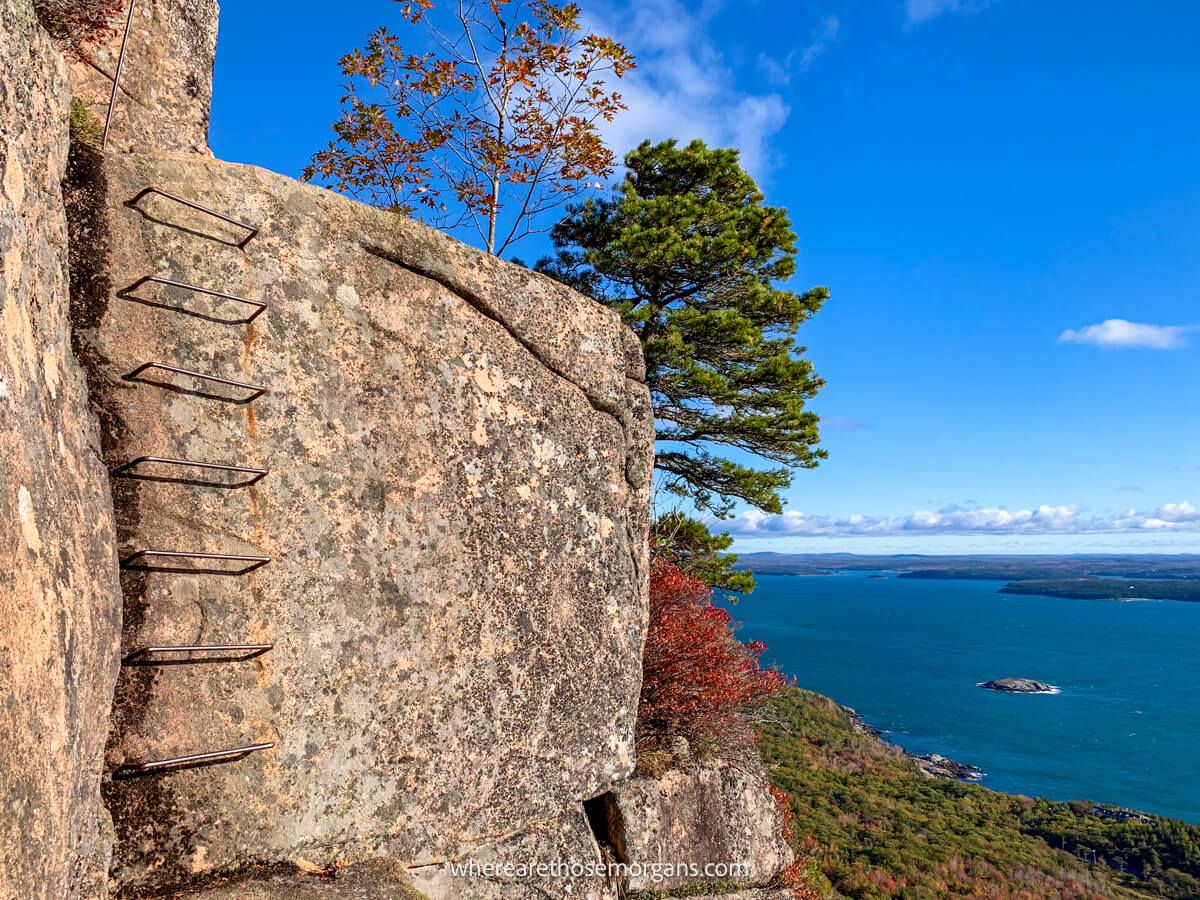
The dramatic iron ladders of the Precipice Trail offer both challenge and incredible views.
Distance: 2.3 miles (loop)
Elevation Gain: 1,050 feet
Difficulty: Very Hard (non-technical climbing with significant exposure)
Estimated Time: 2-3 hours
Trailhead: Precipice Trailhead on Park Loop Road
Often described as the most challenging and thrilling of the best hikes in Acadia National Park, the Precipice Trail is Acadia's premier climbing route. This trail ascends the eastern face of Champlain Mountain via a series of iron rungs, ladders, and narrow stone steps built into the near-vertical cliff face. It's frequently compared to Utah's Angels Landing for its exposure and adrenaline factor, though the technical elements are quite different.
The Precipice Trail is not for everyone. Hikers with a fear of heights, small children, or those with limited mobility should choose alternative routes. However, for adventurous souls, this trail offers an unparalleled combination of physical challenge and spectacular views. As you climb higher, the vistas of Frenchman Bay and the Porcupine Islands become increasingly breathtaking.
An important note about the Precipice Trail: it's closed annually from March through August for peregrine falcon nesting season. These magnificent birds of prey nest on the cliffs, and the park service closes the trail to protect them during this critical period. This is one reason why fall is an excellent time to visit Acadia, as all trails are typically open by then.
For safety reasons, the Precipice Trail is designed as a one-way route going up. To descend, most hikers take the more gradual Champlain North Ridge Trail and connect to the Orange & Black Path, forming a loop back to the trailhead. This descent route offers different but equally impressive views of the surrounding landscape.
Recommended Gear for Iron Rung Trails
- Sturdy hiking boots with good grip - Merrell Moab 2 Hiking Boots
- Daypack with hydration system - Osprey Daylite Plus Daypack
- Fingerless gloves for better grip on iron rungs - Outdoor Research Fingerless Sun Gloves
If you're visiting Acadia specifically to hike the Precipice Trail, I recommend checking with park rangers about current conditions before setting out. After heavy rain, the iron rungs can be slippery, and fog can dramatically reduce visibility, making this challenging trail even more dangerous.
3. Jordan Pond Path
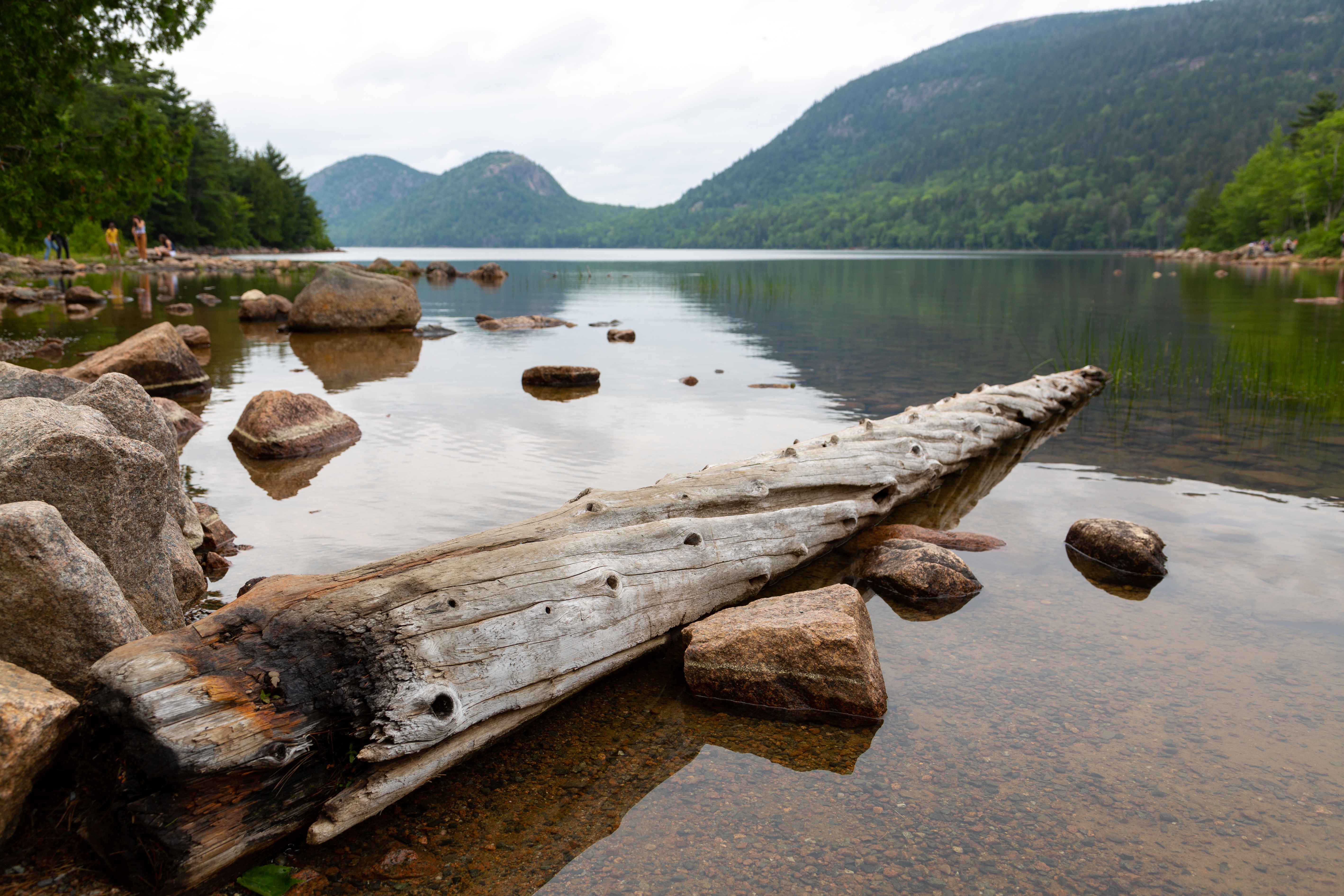
The iconic view of The Bubbles mountains from the Jordan Pond Path.
Distance: 3.3 miles (loop)
Elevation Gain: Minimal (around 100 feet)
Difficulty: Easy to Moderate
Estimated Time: 1.5-2.5 hours
Trailhead: Jordan Pond House
For a complete change of pace from the challenging cliff trails, the Jordan Pond Path offers one of the most scenic and accessible hiking experiences among the best hikes in Acadia National Park. This relatively flat loop circles the pristine waters of Jordan Pond, with constant views of the iconic Bubbles mountains reflecting in the crystal-clear water.
Jordan Pond is famous for having some of the clearest water in Maine, with visibility extending up to 45 feet below the surface. The trail combines gravel pathways, wooden boardwalks over boggy areas, and some rocky sections along the eastern shore. While mostly level, the eastern portion includes some rock-hopping and uneven terrain that requires careful footing, especially when wet.
What makes this trail particularly special is the way it showcases Acadia's diverse ecosystems. You'll pass through spruce-fir forests, wetland areas rich with plant life, and open shoreline with stunning mountain views. The north end of the pond offers the classic postcard view of the Bubbles mountains reflecting in the water – one of the most photographed scenes in the entire park.
A highlight for many visitors is combining this hike with a meal at the historic Jordan Pond House, famous for its popovers (light, hollow rolls) and afternoon tea since the late 1800s. After experiencing the best hikes in Acadia National Park, enjoying these traditional treats on the lawn overlooking Jordan Pond is a perfect way to relax.
For those wanting more adventure, the Jordan Pond Path connects to several other trails, including routes up South Bubble (where you can see the famous Bubble Rock), Penobscot Mountain, and Pemetic Mountain. This makes it an excellent base for creating longer, custom hiking itineraries.
Local Tip: Visit the Jordan Pond loop early in the morning for the calmest water and best reflections of The Bubbles. This is also when wildlife sightings are most common.
4. Other Must-Do Trails
Beyond the three iconic trails detailed above, several other paths deserve recognition among the best hikes in Acadia National Park. Each offers its own unique perspective on the park's diverse landscapes and natural beauty.
Cadillac North Ridge Trail
Distance: 4.4 miles (round trip)
Elevation Gain: 1,100 feet
Difficulty: Moderate
Estimated Time: 3-4 hours
While many visitors drive to the summit of Cadillac Mountain (which requires a vehicle reservation during peak season), hiking up delivers a much more rewarding experience. The North Ridge Trail offers a moderately challenging ascent with increasingly spectacular views over Frenchman Bay and the Porcupine Islands. As the highest point on the eastern seaboard, Cadillac Mountain is famous for being the first place in the United States to see the sunrise for much of the year, making a pre-dawn hike particularly special. The Cadillac Mountain sunrise experience is truly unforgettable.
Ocean Path
Distance: 4.5 miles (round trip)
Elevation Gain: Minimal
Difficulty: Easy
Estimated Time: 2-3 hours
Following the dramatic coastline from Sand Beach to Otter Point, the Ocean Path showcases some of Acadia's most spectacular ocean vistas. This accessible trail passes famous landmarks like Thunder Hole, where waves crash into a narrow inlet creating thunderous sounds and impressive splashes during high tide. The path also provides access to numerous spots where you can scramble down onto the pink granite shoreline to explore tidepools or simply enjoy the crashing surf. The Ocean Path trail is perfect for families and those seeking stunning coastal scenery without significant elevation gain.
The Bubbles Trail
Distance: 1.8 miles (round trip)
Elevation Gain: 450 feet
Difficulty: Moderate
Estimated Time: 1.5-2 hours
The twin peaks known as "The Bubbles" offer one of Acadia's most distinctive profiles, particularly when viewed from Jordan Pond. This relatively short hike takes you to the summits of both South and North Bubble, with phenomenal views over Jordan Pond and beyond. The highlight for many is seeing Bubble Rock, a glacial erratic precariously perched on the edge of South Bubble that appears ready to tumble into Jordan Pond below (though it's been stable for thousands of years). This trail perfectly combines moderate hiking challenge with substantial scenic payoff, earning its place among the best hikes in Acadia National Park.
Beech Mountain Fire Tower Trail
Distance: 1.2 miles (loop)
Elevation Gain: 350 feet
Difficulty: Moderate
Estimated Time: 1-1.5 hours
Located on the "quiet side" of Mount Desert Island, this less-crowded trail leads to a historic fire tower with 360-degree views of the island, surrounding waters, and mainland Maine. The western location makes this an ideal late-afternoon hike to catch the sunset. While the fire tower's cabin is closed to the public, the steps leading up provide excellent viewing platforms. The loop can be hiked in either direction, but going clockwise offers a more gradual ascent and saves the best views for the descent.
Gorham Mountain Loop
Distance: 3.5 miles (loop)
Elevation Gain: 580 feet
Difficulty: Moderate
Estimated Time: 2-3 hours
For a perfect combination of forest, mountain, and ocean views, the Gorham Mountain Loop delivers exceptional variety. By combining the Gorham Mountain Trail with portions of the Ocean Path and the Bowl Trail, you'll experience diverse terrain and ecosystems within a relatively short distance. The summit of Gorham Mountain offers spectacular panoramas of the coastline, including Sand Beach, Great Head, and Otter Cliff. This hike is particularly stunning in fall when the changing foliage adds vibrant color to the landscape.
Planning Your Acadia Hiking Adventure
Need comprehensive gear for your Acadia hiking adventure? Consider these essential items:
- Reliable navigation tools: National Geographic Acadia Trail Map - Waterproof and tear-resistant
- Weather protection: Lightweight Rain Jacket - Essential for Acadia's changeable coastal weather
Seasonal Hiking Guide
Understanding how Acadia's trails change throughout the year can help you plan the perfect hiking experience. Each season offers unique perspectives on the best hikes in Acadia National Park, with distinct advantages and challenges.
Spring (April-June)
Spring in Acadia brings renewed life to the park as wildflowers begin to bloom and wildlife becomes more active. However, it's also a season of transition with some unique considerations for hikers.
Advantages:
- Fewer crowds compared to summer and fall
- Beautiful wildflowers, especially along woodland trails
- Waterfalls and streams are typically at their most impressive due to snowmelt and spring rain
- Wildlife is more active and visible as animals emerge from winter dormancy
Challenges:
- "Mud season" typically occurs in April and May, making some trails slippery and difficult
- Black fly season (mid-May through June) can make hiking uncomfortable without proper protection
- Some trails may remain closed due to winter damage until they can be assessed and repaired
- The Precipice Trail remains closed for peregrine falcon nesting
- Weather can be highly variable, requiring more flexible planning
Recommended Spring Hikes: Ocean Path, Jordan Pond Path, Carriage Roads, Ship Harbor Nature Trail
Summer (July-August)
Summer is peak season for the best hikes in Acadia National Park, with warm temperatures and all facilities operating at full capacity.
Advantages:
- All trails are typically open (except for Precipice Trail until August)
- Comfortable temperatures for hiking, with daytime highs usually in the 70s°F
- Extended daylight hours allow for longer hikes or multiple shorter hikes in a single day
- All park facilities and services are fully operational
- Swimming opportunities at beaches and lakes to cool off after hiking
Challenges:
- Significantly more crowded trails, particularly at popular spots like Beehive and Jordan Pond
- Limited parking at trailheads, often filling by mid-morning
- Higher accommodation costs and limited availability in Bar Harbor and surrounding areas
- Need for vehicle reservations to access Cadillac Summit Road
Recommended Summer Hikes: Beehive Trail (early morning to avoid crowds), Cadillac North Ridge for sunrise, Acadia Mountain, Penobscot Mountain, any coastal trails during high tide
Summer Hiking Tip: If visiting in summer, start your hikes very early (before 7 AM) or in late afternoon (after 4 PM) to avoid the most crowded periods and enjoy cooler temperatures. Check out challenging trails for experienced hikers if you want to avoid the crowds on popular routes.
Fall (September-October)
Many experienced hikers consider fall the absolute best time to experience the best hikes in Acadia National Park.
Advantages:
- Spectacular foliage colors, typically peaking in early to mid-October
- Significantly fewer crowds after Labor Day, especially on weekdays
- All trails typically open, including Precipice Trail
- Comfortable hiking temperatures with less humidity
- Better wildlife viewing opportunities as animals prepare for winter
- No black flies or mosquitoes
Challenges:
- Shorter daylight hours limit hiking time, especially in late October
- Weather can become unpredictable with occasional early cold snaps
- Peak fall foliage weekends can still draw significant crowds
- Some facilities begin to close or reduce hours after Columbus Day
Recommended Fall Hikes: Precipice Trail, Beech Mountain Fire Tower, Bubbles Trail, Jordan Pond Path, Cadillac South Ridge Trail
Having hiked Acadia in the fall season multiple times, I can confidently say there's no better time to experience the park's beauty. The crisp air and vibrant colors transform even familiar trails into entirely new experiences.
Winter (November-March)
Winter transforms Acadia into a serene wilderness that few visitors experience. While technically all the best hikes in Acadia National Park remain open (except for seasonally closed sections of Park Loop Road), winter hiking requires special preparation and equipment.
Advantages:
- Solitude and tranquility rarely found in more popular seasons
- Stunning snow-covered landscapes and ice formations
- Unique winter wildlife viewing opportunities
- No entrance fees during winter months
- Clear winter air offers exceptional visibility on summit hikes
Challenges:
- Trails can be difficult to follow under snow cover
- Iron rung trails (Beehive, Precipice) become extremely dangerous and should be avoided
- Required winter equipment: microspikes/crampons, snowshoes, winter hiking poles
- Limited services in Bar Harbor and surrounding communities
- Shorter daylight hours significantly constrain hiking time
- Much colder temperatures and wind exposure
Recommended Winter Hikes: Ocean Path (lower portion), Jordan Pond (on snowshoes), Carriage Roads (groomed for cross-country skiing), Gorham Mountain (with appropriate winter gear)
Safety Tips and Trail Etiquette
Even when exploring the best hikes in Acadia National Park, safety should always be your priority. The park's unique terrain and coastal environment present specific challenges that hikers should be prepared for.
Essential Safety Considerations
Weather Awareness: Coastal weather in Acadia can change rapidly. Fog can roll in quickly, reducing visibility on exposed trails to near zero. Always check the weather forecast before heading out, and be prepared to turn back if conditions deteriorate.
Tide Awareness: If hiking coastal trails like Ocean Path or exploring the shoreline, always check tide tables. Some areas may become inaccessible or dangerous during high tide. The rangers at visitor centers can provide up-to-date tide information.
Proper Footwear: Acadia's trails feature granite surfaces that can become extremely slippery when wet. Wear hiking boots with good traction rather than sneakers or sandals. On iron-rung trails, footwear with sticky rubber soles provides the best grip.
Water Safety: Despite their beauty, Acadia's waters can be dangerous. Ocean temperatures rarely exceed 55°F (13°C) even in summer, creating a risk of hypothermia. Strong currents and unpredictable waves can make swimming hazardous in some areas. Always heed posted warnings.
Wildlife Respect: While hiking the best trails in Acadia National Park, you may encounter wildlife including deer, foxes, and various birds. Always maintain a safe distance, never feed wildlife, and properly store food to avoid attracting animals to your location.
Trail Difficulty Assessment: Be honest about your hiking abilities and choose trails accordingly. The iron-rung trails (Beehive, Precipice) require a good level of fitness and comfort with heights. If you're uncertain, start with easier trails and work your way up.
Trail Etiquette in Acadia
Practicing proper trail etiquette ensures everyone can enjoy the best hikes in Acadia National Park.
Leave No Trace: Pack out all trash, including food scraps. Stay on marked trails to prevent erosion and damage to fragile vegetation. Leave natural and historical features as you find them.
Right of Way: On narrow trails, hikers traveling uphill have the right of way. On iron-rung trails, communicate clearly with other hikers about your movements, especially when passing is difficult.
Noise Consideration: Keep voices down to avoid disturbing wildlife and other hikers. Many people come to Acadia seeking natural sounds and tranquility.
Cairn Preservation: The distinctive stone cairns on Acadia's trails are not decorative – they're essential trail markers. Never disturb, alter, or build new cairns, as this could mislead other hikers.
Pet Etiquette: While many of Acadia's trails are dog-friendly, pets must be leashed at all times on a leash no longer than 6 feet. Some trails, including the iron-rung routes, are not suitable for dogs. Always clean up after your pet.
Photography Courtesy: Acadia's scenic vistas are popular photography spots. Be mindful of others waiting to capture the same view, and avoid monopolizing prime photo locations, especially at sunrise on Cadillac Mountain.
Warning: Never attempt the iron-rung trails (Beehive, Precipice, Jordan Cliffs, etc.) in wet or icy conditions. The smooth granite and metal rungs become extremely slippery and dangerous. If rain begins while you're on these trails, proceed with extreme caution.
Essential Gear and Preparation
Being properly equipped enhances both safety and enjoyment when tackling the best hikes in Acadia National Park. Even on shorter trails, having the right gear can make a significant difference in your experience.
Hiking Essentials for Acadia
Footwear: Quality hiking boots or trail runners with good ankle support and grippy soles are essential, especially for granite trails. For easier walks on carriage roads, sturdy walking shoes may suffice.
Layers: Acadia's coastal climate means temperatures can vary widely throughout the day. A moisture-wicking base layer, insulating mid-layer, and waterproof/windproof outer layer allow you to adjust to changing conditions.
Navigation: While most popular trails in Acadia are well-marked, a topographic map and compass (and knowing how to use them) are essential safety items. Cell service is unreliable in many parts of the park, so don't depend solely on digital maps.
Water: Carry at least 1 liter of water per person for short hikes, and 2-3 liters for longer adventures. There are few reliable water sources along trails, so bring all you'll need.
Food: Pack energy-rich snacks and enough food for your planned hike plus extra in case of delays. Trail mix, energy bars, and fruit are good options.
Sun Protection: Even on cloudy days, UV exposure can be significant, especially on exposed summits and coastal trails. Sunscreen, sunglasses, and a brimmed hat are important.
Bug Protection: In late spring and summer, insect repellent is essential. Black flies and mosquitoes can be particularly aggressive in wooded areas and near water.
First Aid Kit: A basic kit should include bandages, antiseptic wipes, blister treatment, pain relievers, and any personal medications.
Emergency Items: A whistle, small flashlight or headlamp, and emergency blanket should be carried even on day hikes. Weather changes or an injury could extend your time on the trail.
My Recommended Day Hiking Gear
After years of exploring the best hikes in Acadia National Park, here's the gear I trust:
- Day pack: Deuter Speed Lite 24L Backpack - Lightweight but durable with perfect organization
- Trekking poles: Black Diamond Trail Trekking Poles - Essential for steep descents and stream crossings
Preparing for Your Hike
Beyond packing the right gear, proper preparation is key to enjoying the best hikes in Acadia National Park safely and fully.
Research Your Route: Study trail descriptions, distances, elevation gain, and estimated completion times. The park website, visitor centers, and guidebooks offer detailed information on trail conditions and difficulty.
Check Current Conditions: Before heading out, verify whether your chosen trail is open and in good condition. Seasonal closures (like the Precipice Trail during falcon nesting) or temporary closures due to weather damage can affect your plans.
Timing Considerations: Plan your hike to avoid the hottest part of the day in summer or to make the most of limited daylight in winter. For popular trails like Beehive, an early start helps avoid crowds.
Parking Strategy: During peak season, parking at popular trailheads fills quickly. Have backup plans ready, or consider using the Island Explorer shuttle bus, which serves many trailheads throughout the park.
Inform Others: Always let someone know your hiking plans, including which trail you're taking and when you expect to return. This simple step can be crucial if you encounter trouble on the trail.
Physical Preparation: Be realistic about your fitness level when choosing trails. If you're not used to hiking, start with easier routes before attempting strenuous climbs like Precipice or Beehive.
For those planning multiple days of hiking, consider essential gear for hiking in Acadia that can be used across different trail types and weather conditions. Versatile, lightweight equipment will serve you best.
My Experience Hiking Acadia
Having hiked the trails of Acadia National Park for over a decade across all four seasons, I've accumulated countless memories and experiences that have deepened my appreciation for this remarkable place. Let me share some personal insights about the best hikes in Acadia National Park that you won't find in guidebooks.
My First Encounter with Acadia's Iron Rung Trails
I'll never forget my first attempt at the Beehive Trail. Despite considering myself an experienced hiker, I was genuinely intimidated by the exposed sections and iron rungs bolted into sheer cliff faces. About halfway up, I encountered a particularly challenging section where the trail seemed to disappear into the vertical rock face, with only the iron rungs providing a way forward.
My heart was pounding, and I seriously considered turning back. But a kind hiker above me called down encouragement and tips for the best hand placements. That moment taught me something important about these trails – while they can be physically and mentally challenging, they often bring out the best in the hiking community. I've since made it a point to offer the same encouragement to nervous-looking hikers I encounter on these routes.
The view from the top was all the sweeter for having pushed through my fear, and the Beehive became the gateway to my love affair with Acadia's unique iron rung trails. I later conquered the more challenging Precipice Trail, which remains my favorite hike in the park to this day.
Seasonal Discoveries
One October morning, I set out on the Jordan Pond Path just as dawn was breaking. The air was crisp, hovering around 40°F, and a light mist hung over the pond. As the sun rose, it illuminated the fall foliage on the Bubbles mountains, creating perfect reflections in the still water. I sat on a rock for nearly an hour, watching the light change and the colors intensify as the mist burned off. That morning remains one of my most cherished memories of exploring the best hikes in Acadia National Park.
In winter, I discovered a completely different park. Snowshoeing on the carriage roads after a fresh snowfall, I found myself in what seemed like a magical winter wonderland. The silence was profound, broken only by the squeak of snow beneath my snowshoes and the occasional chickadee call. While winter hiking requires more preparation and caution, the solitude and pristine beauty make it worthwhile for those willing to brave the cold.
Spring brought its own revelations, particularly the explosion of wildflowers along trails like Jesup Path and Hemlock Road. The delicate pink lady's slippers, rarely seen in other parts of Maine, create spectacular displays in late May and early June.
A video showcasing some of the best hikes in Acadia National Park.
Ranger Insights
Over the years, I've been fortunate to speak with many Acadia park rangers who have shared their insider knowledge. One ranger told me about viewing the sunrise from Schoodic Point – less crowded than Cadillac Mountain but equally spectacular. Another showed me how to identify the different types of lichen that create the colorful patterns on Acadia's granite surfaces, turning even the shortest hikes into fascinating ecological explorations.
A veteran ranger once shared his philosophy about hiking in Acadia: "The mountains aren't going anywhere. If conditions aren't right or you're not feeling it, there's no shame in turning back and trying again another day." This wisdom has served me well, especially when dealing with unexpected weather changes or physical limitations.
Comparing Beehive and Precipice Trails
I'm often asked about the differences between the Beehive and Precipice trails. Having hiked both multiple times, I can offer some insights on these two iconic iron rung trails.
The Beehive Trail is shorter and generally considered somewhat less challenging than Precipice. The exposure (drop-offs) on Beehive is significant but not quite as extreme or sustained as on Precipice. I often recommend Beehive as a "test run" for those considering Precipice. If you find Beehive too nerve-wracking, Precipice will likely be overwhelming.
Precipice offers a longer, more sustained climbing experience with multiple sections of iron rungs and narrow ledges. The elevation gain is steeper, and the exposure more dramatic. However, I find that Precipice actually has better handholds in many sections, which can be reassuring for some hikers.
Both trails deliver exceptional views, but I give a slight edge to Precipice for the panoramic vistas of Frenchman Bay and the Porcupine Islands. That said, the view of Sand Beach and Great Head from Beehive is equally memorable, just different. When comparing the best hikes in Acadia National Park, these two trails stand out for their unique challenges and rewards.
If you're comparing these two challenging trails, you might also be interested in the detailed comparison between Beehive and Precipice trails.
Hiker Reviews
"The Precipice Trail was the most exhilarating hike I've ever done! Not for the faint of heart, but the views are absolutely worth the effort. I'd recommend going early in the morning to avoid crowds on the narrow sections."
— Michael R., from Reddit
"Jordan Pond Path was perfect for our family with young kids. The boardwalks were fun for them, and we saw otters swimming in the pond! The popovers at Jordan Pond House afterward were the perfect reward."
— Sarah T., from AllTrails reviews
"Don't overlook the 'quiet side' trails like Beech Mountain. We had the summit almost to ourselves and the views were incredible. A hidden gem compared to the more crowded eastern trails."
— David L., from Amazon hiking guide reviews
Frequently Asked Questions
What is the best time of year to hike in Acadia National Park?
Early fall (mid-September to mid-October) offers the ideal combination of comfortable hiking weather, spectacular foliage colors, fewer crowds, and full trail accessibility. Summer (June-August) provides warmer temperatures and longer daylight hours but comes with significantly more crowds. Spring features beautiful wildflowers but can be muddy with black flies in May-June. Winter offers solitude and unique beauty but requires specialized equipment and experience for safe hiking in snow and ice conditions.
Which are the best family-friendly hikes in Acadia?
For families with children, I highly recommend the Jordan Pond Path (3.3 miles, mostly flat), Ship Harbor Nature Trail (1.4 miles, gentle terrain with interpretive signs), Wonderland Trail (1.4 miles, flat path to fascinating tidepools), and the Ocean Path (easy sections between Sand Beach and Thunder Hole). The carriage roads also offer excellent, car-free walking on crushed stone surfaces perfect for strollers. For slightly older or more experienced children, the South Bubble Trail offers a rewarding summit experience without the exposure of the iron rung trails. Check out family-friendly hiking trails in Acadia for more detailed recommendations.
How difficult are the iron rung trails like Beehive and Precipice?
The iron rung trails require moderate physical fitness, comfort with heights, and some basic climbing ability. They're not technical rock climbing but do involve vertical sections where you'll climb iron ladders and traverse narrow ledges with significant exposure (drop-offs). Upper body strength helps but isn't essential as there are always good handholds. The biggest challenge for most hikers is mental – managing the fear that comes with the exposure. These trails are not suitable for young children, those with mobility issues, or anyone with a significant fear of heights. Proper footwear with sticky rubber soles is essential for safety on the iron rungs and smooth granite surfaces.
Do I need a car to access hiking trails in Acadia?
While having a car offers maximum flexibility, you can access many of the best hikes in Acadia National Park using the free Island Explorer shuttle bus (operates June through October). The shuttle connects Bar Harbor with major trailheads, including those for Ocean Path, Jordan Pond, and several carriage road access points. Some more remote trails on the western side of Mount Desert Island have limited or no shuttle access. During peak season (late June through August), using the shuttle can actually be more convenient than driving, as parking at popular trailheads often fills very early in the morning.
Are dogs allowed on Acadia hiking trails?
Dogs are permitted on most hiking trails in Acadia National Park, but they must be leashed at all times with a leash no longer than 6 feet. However, dogs are not allowed on the ladder/iron rung trails (including Beehive, Precipice, Jordan Cliffs, and Beech Cliffs), Wild Gardens of Acadia, or on Isle au Haut trails. Additionally, dogs are not permitted on swimming beaches between May 15 and September 15. Always bring water for your dog, as natural water sources may be limited or unsafe. For a comprehensive list of dog-friendly trails in Acadia, check the park's official website or inquire at visitor centers.
What should I do if I encounter wildlife while hiking?
When encountering wildlife on the best hikes in Acadia National Park, maintain a respectful distance and never feed any animals. For smaller creatures like squirrels, chipmunks, and birds, simply observe quietly without approaching. If you encounter larger mammals like deer or foxes, stay at least 75 feet away. In the rare event you see a black bear, maintain a distance of at least 100 yards, make yourself look bigger by raising your arms, speak calmly, and back away slowly – never run. For any wildlife encounter, use the "rule of thumb": if you can cover the animal with your extended thumb, you're at a safe distance. Remember that all wildlife in the park is protected by law, and feeding or harassing animals is prohibited.
Conclusion
Exploring the best hikes in Acadia National Park offers an unparalleled opportunity to experience the natural beauty and diversity of Maine's coast. From challenging iron rung adventures like the Precipice and Beehive trails to the serene shoreline of Jordan Pond and the dramatic coastal vistas of Ocean Path, Acadia truly offers something for every hiker.
The park's relatively compact size means you can experience a remarkable variety of landscapes in a single day – from mountain summits to rocky shores, peaceful forests to crystal-clear lakes. This accessibility, combined with Acadia's well-maintained trail network, makes it one of America's most hiker-friendly national parks.
What sets Acadia apart from other hiking destinations is the unique combination of natural features and human history. The thoughtfully designed trails, many dating back over a century, showcase how conservation and accessibility can work together to create meaningful outdoor experiences. Whether you're scaling granite cliffs on iron rungs or strolling along historic carriage roads, you're participating in a tradition of outdoor appreciation that spans generations.
For the best experience, plan your visit during the shoulder seasons of late spring or early fall when the crowds are thinner but the weather remains favorable for hiking. Take the time to explore beyond the most popular trails – some of Acadia's greatest treasures are found on the quieter paths of the western side of Mount Desert Island or the Schoodic Peninsula.
As you plan your adventure to experience the best hikes in Acadia National Park, remember that preparation is key. Research your trails thoroughly, check current conditions, bring appropriate gear, and always let someone know your hiking plans. The park's variable weather and challenging terrain demand respect and careful planning.
Finally, approach your Acadia hiking experience with a sense of wonder and stewardship. Take time to notice the small details – the diverse lichen patterns on granite boulders, the rare alpine plants clinging to mountain summits, the chorus of bird songs in the early morning forest. And always practice Leave No Trace principles to ensure these remarkable trails remain pristine for future generations of hikers.
Whether you're conquering the iron rungs of Precipice Trail, watching the sunrise from Cadillac Mountain, or enjoying the tranquility of a forest path, Acadia's trails offer moments of connection with nature that will stay with you long after your visit. The best hikes in Acadia National Park aren't just outdoor activities – they're gateways to a deeper appreciation of one of America's most beloved landscapes.
For more specialized hiking guides, don't miss my articles about sunrise and sunset spots while hiking Acadia and tips for enjoying the best hikes in Acadia National Park throughout the year.
Ready to Explore Acadia?
Grab your hiking boots and start planning your adventure to experience the best hikes in Acadia National Park!
Get My Essential Gear Checklist