

Planning a successful road trip from NYC to Acadia National Park requires thoughtful preparation and strategic decision-making. As someone who has made this journey multiple times in different seasons, I've refined my NYC to Acadia travel tips to help you create the perfect itinerary. The distance between New York City and Acadia National Park is approximately 500 miles, which translates to about 8-9 hours of driving without stops. However, I strongly recommend spreading this journey over multiple days to truly appreciate the scenic route and avoid exhaustion.
How Many Days Do You Need?
For a comprehensive NYC to Acadia road trip, I recommend allocating at least 5-7 days. This timeline allows for a comfortable pace with ample opportunity to explore attractions along the way. If you're specifically interested in experiencing Acadia National Park in depth, plan to spend at least 2-3 full days within the park itself. During my first trip, I only allocated one day in the park and deeply regretted not having more time to explore the diverse landscapes and hiking trails.
When developing your itinerary, consider these time allocation suggestions based on my experience:
- Day 1: Depart NYC, drive to Connecticut or Massachusetts (consider stops in Greenwich, Mystic, or New Haven)
- Day 2: Continue to Portland, Maine with stops in Boston or coastal towns along the way
- Day 3-5: Explore Acadia National Park and Bar Harbor
- Day 6: Begin return journey, stay in Boston or Portsmouth
- Day 7: Complete return to NYC
When to Book and What to Reserve
One of the most crucial NYC to Acadia travel tips I can offer is to book your accommodations well in advance, especially if traveling during peak seasons (summer and fall foliage). During my September trip, I found many lodging options in Bar Harbor were fully booked six months ahead. Here's what you should reserve before your trip:
- Accommodations: Book 6-12 months in advance for peak season visits
- Vehicle Reservation for Cadillac Mountain: Secure this 48 hours in advance through Recreation.gov
- National Park Pass: Purchase online before arrival to avoid entrance lines
- Special Activities: Reserve guided tours, kayaking experiences, or whale watching excursions several weeks ahead
Remember that proper planning is the foundation of a stress-free NYC to Acadia road trip. Taking time to map out your route, identify key stopping points, and secure necessary reservations will allow you to fully immerse yourself in the journey rather than scrambling for last-minute arrangements.

Best Routes and Must-See Stops
Choosing the right route for your NYC to Acadia travel adventure significantly impacts your overall experience. While GPS might suggest the fastest path, the journey itself offers tremendous opportunities for exploration. After multiple trips between these destinations, I've identified several route options with exceptional stopping points that transform your drive into an integral part of your vacation.
The Coastal Route: Scenic but Slower
My preferred NYC to Acadia travel route follows the picturesque coastline for much of the journey. Though slightly longer in distance, the breathtaking ocean views and charming coastal towns make it worthwhile. This route follows I-95 North to Connecticut before transitioning to more scenic coastal roads through Rhode Island, Massachusetts, and Maine.
Essential stops along the coastal route include:
- Mystic, Connecticut: Visit the historic seaport and aquarium. During my last trip, I discovered Sift Bake Shop, which serves some of the best pastries I've had on the East Coast.
- Newport, Rhode Island: Walk the Cliff Walk and tour the opulent mansions. Allow at least 2-3 hours to properly explore this elegant coastal city.
- Boston, Massachusetts: Walk the Freedom Trail and explore historic neighborhoods. I recommend parking at a T station outside the city and using public transportation to avoid downtown traffic and parking challenges.
- Portsmouth, New Hampshire: Explore the charming downtown and Strawbery Banke Museum. This walkable city offers excellent seafood restaurants like Row 34, where I enjoyed exceptional oysters.
- Portland, Maine: Experience the vibrant food scene and picturesque harbor. Don't miss the Portland Head Light at Fort Williams Park, where you can enjoy spectacular coastal views while sampling Maine's famous lobster rolls from nearby food trucks.
The Inland Route: Faster with Fall Foliage
If you're traveling during autumn and prioritizing fall foliage on your NYC to Acadia travel itinerary, consider the inland route. This path takes you through the colorful landscapes of western Massachusetts, New Hampshire's White Mountains, and central Maine before heading east to Acadia.
Key stops on the inland route include:
- The Berkshires, Massachusetts: Enjoy mountain views and cultural attractions. The Norman Rockwell Museum provided a fascinating glimpse into American art and culture during my visit.
- White Mountains, New Hampshire: Drive the spectacular Kancamagus Highway. This 34.5-mile scenic byway offers some of the most stunning fall foliage views in New England. I recommend stopping at the various overlooks, particularly the C.L. Graham Overlook.
- Bethel, Maine: A charming mountain town with outdoor recreation opportunities. The Sunday River Covered Bridge makes for a perfect photo opportunity.
- Bangor, Maine: Visit Stephen King's house and the Paul Bunyan statue before the final stretch to Acadia. Literature fans will appreciate seeing the famous author's distinctive red Victorian home.
Regardless of which route you choose for your NYC to Acadia travel adventure, build in flexibility to your schedule. Some of my most memorable experiences came from unplanned detours to roadside attractions, local restaurants, and scenic viewpoints that weren't in any guidebook. The journey between these two destinations offers countless opportunities for discovery if you allow yourself the time to explore.
Seasonal Considerations for Your Journey
The timing of your NYC to Acadia travel expedition dramatically influences your experience. Each season offers distinct advantages and challenges, from weather conditions and crowd levels to available activities and natural phenomena. Having visited this stunning national park in multiple seasons, I can provide firsthand NYC to Acadia travel tips for each time of year.
Summer (June-August): Peak Season
Summer represents the most popular time for an NYC to Acadia road trip, and for good reason. The weather is typically warm and pleasant, with daytime temperatures averaging 70-80°F (21-27°C). All park facilities, trails, and roads are open, and outdoor activities like hiking, biking, and water sports are in full swing. During my July visit, I enjoyed perfect weather for exploring the carriage roads by bicycle and swimming (briefly!) at Sand Beach.
However, summer popularity comes with drawbacks. Expect significant crowds, especially in July and August, with congested parking lots that fill by mid-morning. Accommodation prices reach their peak, and restaurants often have long wait times. My summer NYC to Acadia travel tip: wake up early (before 7 AM) to enjoy popular attractions before the crowds arrive, and make dinner reservations well in advance.
Fall (September-October): Foliage Season
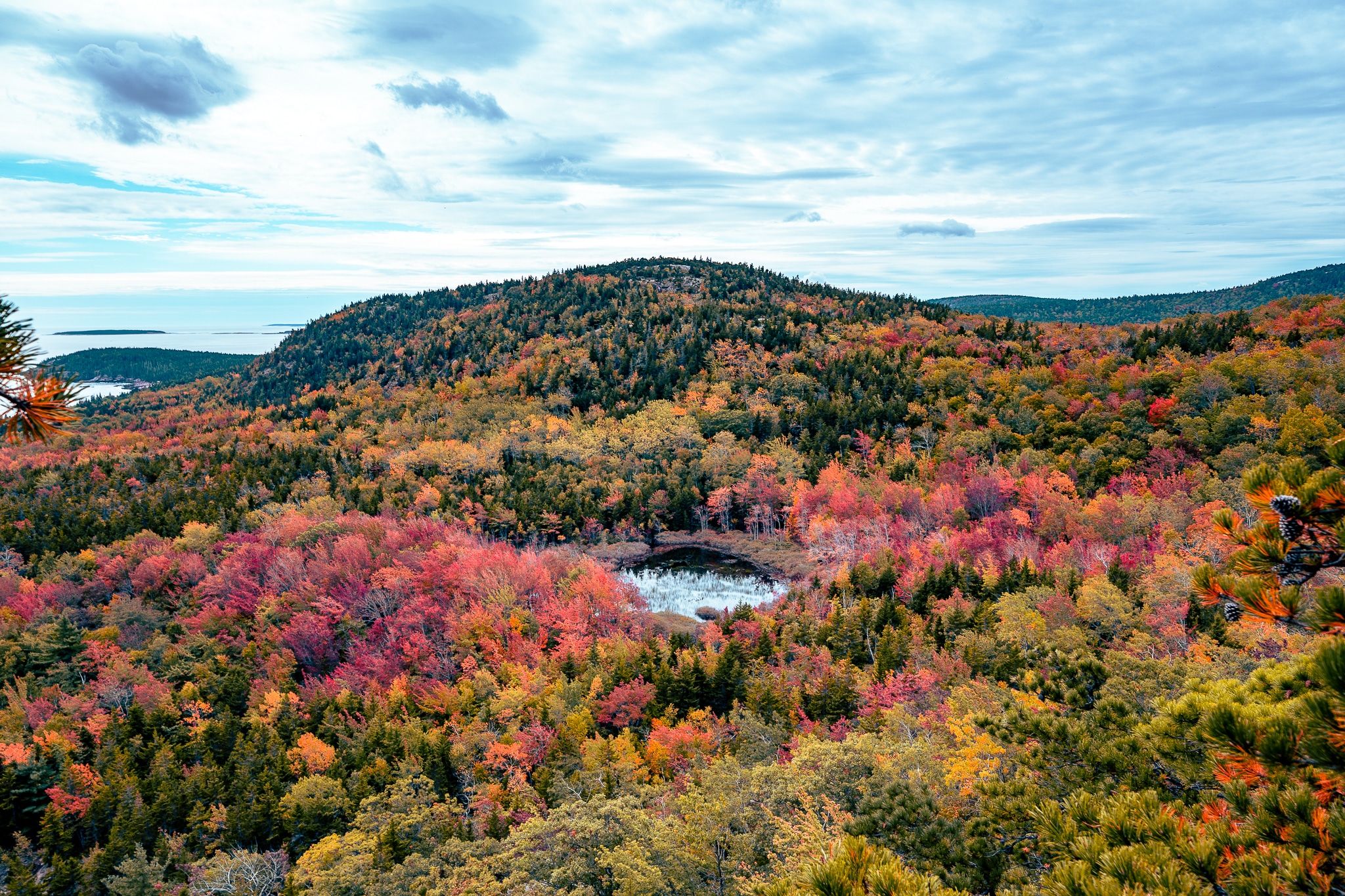
Fall might be the most magical time for an NYC to Acadia travel adventure. The brilliant display of red, orange, and yellow foliage transforms the landscape into a breathtaking natural masterpiece. My September visit coincided with early color changes, while my mid-October trip showcased peak foliage that exceeded all expectations. Temperatures are comfortable for hiking (50-65°F/10-18°C), and the crowds thin somewhat after Labor Day, especially on weekdays.
Peak foliage typically occurs in mid-October, though timing varies annually. The weather becomes more unpredictable, with potential for rain and fog that can roll in quickly. During my fall visit, I experienced a foggy morning that cleared by noon, revealing stunning colors intensified by the moisture. If fall foliage is your priority, consider the inland route mentioned earlier for double the colorful displays.
Spring (April-May): Emerging Season
Spring offers a quieter NYC to Acadia travel experience as the park awakens from winter. Wildlife becomes more active, and wildflowers begin to bloom. However, spring in Maine can be quite wet and chilly, with temperatures ranging from 40-60°F (4-15°C). Many facilities operate on limited schedules until late May, and some trails may remain muddy or closed due to winter damage.
My April visit revealed both challenges and rewards. While I contended with rain and several closed roads, I enjoyed remarkable solitude on the open trails and significantly lower accommodation rates. Spring NYC to Acadia travel tips: pack layers and waterproof gear, be flexible with your itinerary, and check the park website for current closures.
Winter (November-March): Off-Season Adventure
Winter transforms Acadia into a serene, snow-covered wonderland for the truly adventurous traveler. Most park facilities close, and only a small section of the Park Loop Road remains open. However, winter activities like cross-country skiing, snowshoeing, and ice fishing become available. Temperatures typically range from 14-35°F (-10-2°C), and snow can make driving conditions challenging.
During my February NYC to Acadia travel expedition, I found Bar Harbor nearly deserted, with only a handful of businesses open. However, the pristine snow-covered landscapes and complete solitude on the trails created an almost spiritual experience. Winter travelers should be well-prepared with winter driving skills, appropriate vehicle, cold-weather gear, and self-sufficiency as services are limited.
No matter when you choose to make your NYC to Acadia travel journey, understanding the seasonal characteristics will help you pack appropriately and set realistic expectations. My personal favorite remains early October, when the fall colors begin to peak but the park hasn't yet experienced the full rush of leaf-peepers.
Where to Stay: Accommodation Options
Finding the right place to stay is a crucial element of your NYC to Acadia travel planning. The Mount Desert Island area offers diverse accommodation options ranging from luxury resorts to rustic campgrounds. Based on my multiple visits, I've compiled NYC to Acadia travel tips for various lodging preferences and budgets.
Bar Harbor: Convenience and Charm
Bar Harbor serves as the primary gateway to Acadia National Park and offers the widest selection of accommodations. Staying here provides easy access to restaurants, shops, and the free Island Explorer shuttle that connects to various park destinations. During my stays in Bar Harbor, I appreciated being able to walk to dinner after a long day of hiking and easily access early morning tours.
Accommodation options in Bar Harbor include:
- Historic Inns: Properties like the Bar Harbor Inn offer Victorian charm with modern amenities. I particularly enjoyed my stay at the Shore Path Cottage (now a vacation rental) for its waterfront location and proximity to the scenic Shore Path trail.
- Modern Hotels: The Harborside Hotel and West Street Hotel provide upscale accommodations with amenities like swimming pools and on-site dining. While pricier, these properties offer exceptional comfort and convenience.
- Bed and Breakfasts: Numerous historic homes converted to B&Bs offer personalized service and home-cooked breakfasts. The Primrose Inn provided valuable local insights that enhanced my park exploration.
- Vacation Rentals: For families or extended stays, vacation homes and apartments offer space and kitchen facilities. During my week-long visit with family, a rental apartment provided much-needed space and cost savings on meals.
My Bar Harbor accommodation tip: Book 6-12 months in advance for peak season stays, and consider properties within walking distance of the village center to avoid parking challenges.
Other Mount Desert Island Towns: Quieter Alternatives
While Bar Harbor offers convenience, other towns on Mount Desert Island provide a more relaxed atmosphere with lower prices. During my third NYC to Acadia travel journey, I discovered these alternatives offered significant advantages.
- Southwest Harbor: This working harbor town offers excellent dining options and proximity to the "Quiet Side" of Acadia. The Claremont Hotel provided a peaceful waterfront retreat away from crowds.
- Northeast Harbor: Known for its upscale atmosphere and beautiful gardens, this village offers boutique accommodations and yacht club views. Though generally pricier, I found mid-week rates surprisingly reasonable in early June.
- Bass Harbor: This authentic fishing village puts you close to the famous Bass Harbor Head Lighthouse. The small inns here offer genuine local character and often lower rates.
Camping Options: Immersive and Economical
For outdoor enthusiasts and budget-conscious travelers, camping provides an immersive NYC to Acadia travel experience. The national park maintains several campgrounds, each with distinct characteristics:
- Blackwoods Campground: Located just 5 miles from Bar Harbor with 281 sites for tents and RVs (no hookups). During my camping stay, I appreciated the clean facilities and proximity to park attractions.
- Seawall Campground: On the quieter southwest side of the island with 198 sites. The slightly longer distance from popular attractions meant noticeably fewer crowds and a more peaceful atmosphere.
- Schoodic Woods Campground: Newer facilities on the Schoodic Peninsula portion of Acadia, offering a more remote experience.
- Private Campgrounds: Several options outside the park boundaries offer additional amenities like swimming pools, WiFi, and full RV hookups. Mount Desert Campground provided beautiful waterfront sites during my visit.
Important camping tip: National Park campgrounds can be reserved through Recreation.gov beginning two months before your arrival date. Sites typically become available at 10:00 AM Eastern Time and often sell out within minutes for peak season dates.
Unique Stays: Memorable Alternatives
For a truly distinctive NYC to Acadia travel experience, consider these unique accommodation options:
- Glamping: Terramor Outdoor Resort offers luxurious canvas tents with real beds, private bathrooms, and a communal lodge. Though pricey, my glamping night provided the perfect balance of outdoor immersion and comfort.
- Lighthouse Keeper's Quarters: The Bass Harbor Head Lighthouse offers vacation rentals in the keeper's house, providing an exclusive experience and spectacular views.
- Houseboats: Several companies offer houseboat rentals in Southwest Harbor, creating a unique floating accommodation experience.
When planning your NYC to Acadia travel lodging, consider your priorities—whether proximity to the park, budget constraints, or specific amenities. My recommendation is to split your stay between different locations if time permits, perhaps beginning in the bustling atmosphere of Bar Harbor before transitioning to the quieter western side of the island.
Essential Gear and Packing Tips
Proper preparation and appropriate gear significantly enhance your NYC to Acadia travel experience. The varied terrain and unpredictable weather patterns of coastal Maine demand thoughtful packing. Based on my multiple trips through different seasons, I've refined my NYC to Acadia travel tips for essential gear and smart packing strategies.
Hiking and Outdoor Essentials
Acadia National Park features over 120 miles of hiking trails ranging from easy coastal walks to challenging mountain scrambles. After forgetting critical items on my first visit, I now ensure these essentials are always in my pack:
- Quality Hiking Boots: Acadia's trails often feature uneven terrain, granite surfaces, and occasional wet sections. Waterproof hiking boots with good ankle support are invaluable. I've trusted my Merrell Moab Waterproof Hiking Boots for years and found them perfect for Acadia's varied terrain.
- Daypack: A comfortable backpack with sufficient capacity for water, snacks, extra layers, and safety items is essential. The Osprey Daylite Plus Daypack has been my reliable companion for day hikes throughout Acadia.
- Trekking Poles: For challenging trails like Beehive or Precipice, trekking poles provide stability and reduce strain on knees during descents. I was grateful for my collapsible poles during the steep sections of Cadillac Mountain.
- Water Filtration: While developed areas offer drinking water, many trails do not. A lightweight water filter enables you to refill from streams when necessary. The LifeStraw Personal Water Filter saved me during an unexpectedly long hike on a hot summer day.
Ranger Tip:
During my conversation with an Acadia park ranger, I learned that many visitors underestimate the technical nature of certain trails. Iron rung routes like the Beehive and Precipice are not suitable for those with a fear of heights or young children. Always research trail difficulty before setting out, and don't hesitate to ask rangers for personalized recommendations based on your experience level.
Weather-Appropriate Clothing
Coastal Maine's weather can change rapidly, with temperature variations of 20°F or more in a single day. My NYC to Acadia travel tip for clothing is simple: layers, layers, layers! My essential clothing items include:
- Moisture-Wicking Base Layers: Synthetic or merino wool base layers manage sweat during active pursuits and provide warmth when temperatures drop.
- Insulating Mid-Layer: A fleece jacket or lightweight down vest offers adjustable warmth. The Columbia Benton Springs Fleece has been perfect for chilly mornings that warm up by midday.
- Waterproof Outer Layer: A quality rain jacket and waterproof pants are non-negotiable, even in summer. Coastal fog can materialize quickly, bringing unexpected moisture.
- Quick-Dry Pants/Shorts: Convertible hiking pants allow flexibility as conditions change. I've found these particularly useful for early morning starts when temperatures rise considerably by afternoon.
- Hat and Gloves: Even in summer, early morning summit views can be chilly, especially with coastal breezes. In fall and spring, these items become essential.
Technology and Navigation
While Acadia is well-marked, proper navigation tools enhance safety and discovery. My tech recommendations include:
- Offline Maps: Cell service can be spotty within the park. Download offline maps through apps like AllTrails Pro or Google Maps before your trip.
- Portable Power Bank: Keep devices charged, especially if using phone GPS for navigation or photography. The Anker PowerCore 10000 has reliably powered my devices through multiple day-long adventures.
- Weather Radio: For longer backcountry excursions, a small weather radio provides valuable forecasts when cell service is unavailable.
- Physical Map: As backup, I always carry the National Geographic Acadia Trail Map, which has proven invaluable when electronics fail.
Road Trip Essentials
For the driving portion of your NYC to Acadia travel adventure, consider these items that enhanced my journey:
- Roadside Emergency Kit: Include jumper cables, basic tools, and first aid supplies.
- Cooler: Keep snacks and drinks accessible during long stretches of driving.
- Entertainment: Download audiobooks, podcasts, or playlists before departing, as cell service can be intermittent along rural sections of the route.
- Comfort Items: Travel pillows, blankets, and window shades make passenger experiences more pleasant, especially for children.
My final NYC to Acadia travel tip for packing: less is more. While it's important to be prepared, overpacking creates unnecessary stress and discomfort. Focus on versatile items that serve multiple purposes, and remember that most forgotten items can be purchased in Bar Harbor if truly necessary.
My Experience: Lessons from Multiple Trips
Over the years, I've made the NYC to Acadia travel journey in various seasons, with different companions, and using diverse approaches. Each trip taught me valuable lessons that I'm eager to share. These firsthand experiences and NYC to Acadia travel tips may help you avoid common pitfalls while discovering hidden gems that enhance your adventure.
My First Trip: Lessons in Timing
My inaugural NYC to Acadia travel expedition was a midsummer weekend trip that, while memorable, taught me the importance of allowing adequate time. Departing Friday after work, we drove straight to Portland, Maine, spent Saturday morning exploring the city, then continued to Bar Harbor. This left us just Sunday for Acadia before returning Monday. The compressed schedule meant constantly checking the time rather than fully immersing in experiences.
What I learned: Acadia deserves at least 2-3 full days to properly explore. The 8-hour drive (each way) from NYC demands buffer time to account for traffic, rest stops, and spontaneous discoveries. Now, I never attempt this trip without allocating at least 5 days total, preferably 7-10 if possible.
Fall Foliage Adventure: Perfect Timing, Imperfect Weather
My October NYC to Acadia travel journey coincided perfectly with peak fall foliage—a spectacle that exceeded all expectations. The vibrant tapestry of red, orange, and gold against the backdrop of blue ocean created postcard-perfect scenes at every turn. However, coastal Maine's notorious fog rolled in each morning, obscuring views until midday.
What I learned: For fall foliage trips, build flexibility into your schedule. Rather than booking specific activities at specific times, allow weather patterns to dictate your daily itinerary. On foggy mornings, we explored museums and shops in Bar Harbor, saving summit hikes for afternoon clearings. This approach turned potential disappointment into a perfectly balanced experience.
Family Trip: Balancing Diverse Interests
Taking my parents and younger sister on an NYC to Acadia travel adventure required balancing different physical abilities, interests, and pace preferences. My hiking enthusiasm initially clashed with my family's more relaxed vacation style. After some tension on day one, we developed a successful approach that satisfied everyone.
What I learned: Split into smaller groups for part of each day to pursue individual interests, then reconvene for shared experiences. While I tackled challenging trails with my sister, my parents enjoyed scenic drives and easier walks. We all came together for afternoon carriage road cycling and evening meals, sharing stories from our separate adventures.

User Reviews and Community Insights
Beyond my personal experiences, I've gathered valuable NYC to Acadia travel tips from fellow adventurers. Here are three insightful reviews from the travel community:
"We made the rookie mistake of trying to see everything in Acadia in two days. Don't repeat our error! The park deserves at least 3-4 full days. We missed the Schoodic Peninsula entirely and rushed through the carriage roads. Next time, we'll spend a full week and explore at a more relaxed pace." — Review from Amazon Travel Forum
"The Island Explorer shuttle saved our trip! Parking in popular areas becomes nearly impossible by 9 AM in summer. We left our car at our hotel and used the free shuttle system to reach trailheads and attractions without the stress of finding parking. Bonus: the drivers share fascinating local information during rides." — Review from Reddit r/nationalparks
"Don't overlook the 'quiet side' of Mount Desert Island! While everyone crowds the eastern side near Bar Harbor, we found the western portion offered equally stunning scenery with fraction of the visitors. Wonder Mountain and Ship Harbor were highlights that many tourists miss entirely." — Review from Quora Travel Community
The Pros and Cons of Different Approaches
After multiple NYC to Acadia travel journeys, I've experienced various approaches. Here's my balanced assessment of different strategies:
Weekend Trip
Pros: Minimal time off work, lower overall cost
Cons: Extremely rushed, minimal exploration time, exhausting driving schedule
Verdict: Not recommended unless absolutely necessary. The experience feels incomplete and stressful.
5-Day Trip
Pros: Reasonable time commitment, allows for 2-3 days in Acadia itself
Cons: Limited time for stops along the route, pressure to maximize each day
Verdict: The minimum viable duration for a satisfying experience. Works well for focused travelers with limited vacation time.
7+ Day Trip
Pros: Comprehensive exploration, relaxed pace, flexibility for weather and unexpected discoveries
Cons: Requires more vacation time, higher accommodation costs
Verdict: The ideal approach for truly experiencing both the journey and destination. Highly recommended for first-time visitors.
My comprehensive NYC to Acadia travel tip: Whatever approach you choose, prioritize experiences over checkboxes. A thoughtful, immersive exploration of fewer locations often creates more meaningful memories than a rushed attempt to "see it all."
Frequently Asked Questions
What is the best time of year for a NYC to Acadia road trip?
The optimal time for a NYC to Acadia travel adventure depends on your preferences. For warm weather and full access to all facilities, mid-June through September offers ideal conditions, though with larger crowds. For spectacular fall foliage with fewer visitors, target mid-September to mid-October. Early October typically provides the perfect balance of colorful foliage, comfortable temperatures, and moderate crowd levels. Winter trips (November-March) offer solitude but require cold-weather preparation and awareness of limited services.
How long is the drive from NYC to Acadia National Park?
The direct driving distance from New York City to Acadia National Park is approximately 500 miles, which translates to about 8-9 hours of continuous driving. However, I strongly recommend breaking this journey into multiple days with overnight stops to reduce fatigue and enjoy attractions along the route. Most travelers find a two-day drive with an overnight stay in Boston, Portsmouth, or Portland creates a more enjoyable experience. During peak summer traffic periods, particularly Friday afternoons, travel time can increase significantly, so plan accordingly with early morning departures when possible.
What are the must-see stops between NYC and Acadia?
The route between New York City and Acadia offers numerous worthy detours. Essential stops include Mystic, Connecticut for its historic seaport; Newport, Rhode Island for the Cliff Walk and mansions; Boston, Massachusetts for its Revolutionary War history; Portsmouth, New Hampshire for colonial architecture and excellent dining; and Portland, Maine for lighthouse views and exceptional seafood. Nature lovers should consider detours to Cape Cod or the White Mountains, depending on your chosen route. For an authentic Maine experience, don't miss the opportunity to enjoy fresh lobster at roadside shacks as you travel up the coast. My personal favorite stop is the Portland Head Light at Fort Williams Park, which offers spectacular coastal views just a short detour from the main route.
Is it possible to do an NYC to Acadia trip using public transportation?
While a road trip offers the most flexibility, it is possible to travel from NYC to Acadia using public transportation, though with limitations. Amtrak's Downeaster train connects New York (via Boston) to Portland, Maine. From Portland, Concord Coach Lines offers bus service to Bar Harbor (seasonal, primarily summer). Once in Bar Harbor, the free Island Explorer shuttle system provides transportation throughout Acadia National Park and Mount Desert Island from late June through October. This approach requires careful planning around scheduled departures and lacks the spontaneity of a road trip. Consider car rentals in Bar Harbor for flexibility once you arrive, or use ride-sharing services for short distances.
What should I pack for an Acadia National Park visit?
Essential items for your NYC to Acadia travel journey include sturdy hiking boots with good ankle support for rocky trails; layered clothing to accommodate variable coastal weather; rain gear (even in summer); a daypack with water bottles; sun protection including hat, sunglasses, and sunscreen; insect repellent for mosquitoes and ticks; binoculars for wildlife viewing; a physical map as backup to digital navigation; and a headlamp for early sunrise hikes or evening returns. In fall, add extra warm layers as temperatures can drop significantly, especially at higher elevations and near the coast. Technical hiking gear like trekking poles proves valuable on challenging trails like Beehive or Precipice. Lastly, don't forget a reusable water bottle and small first aid kit for minor injuries on the trail.
Conclusion
A journey from NYC to Acadia National Park represents more than just a road trip—it's an opportunity to experience the diverse landscapes, rich history, and natural beauty that define America's northeastern region. From the bustling energy of New York City to the tranquil coastal wilderness of Mount Desert Island, this route offers a perfect balance of urban exploration and natural immersion.
Throughout this guide, I've shared comprehensive NYC to Acadia travel tips based on my personal experiences and extensive research. The key takeaways include:
- Allow sufficient time—at least 5-7 days—to properly experience both the journey and destination
- Consider seasonal factors when planning, with early fall offering perhaps the optimal balance of weather, crowds, and natural beauty
- Book accommodations well in advance, especially for summer and fall foliage seasons
- Pack appropriately for Acadia's variable weather conditions and diverse terrain
- Build flexibility into your itinerary to accommodate unexpected discoveries and changing conditions
- Explore beyond the popular eastern side of Mount Desert Island to discover quieter but equally spectacular areas
Whether you're drawn to Acadia for its spectacular hiking trails, historic carriage roads, dramatic coastline, or vibrant fall colors, proper preparation ensures your NYC to Acadia travel adventure will create lasting memories. The journey itself, with its wealth of worthy stopping points, becomes an integral part of the experience rather than merely a means to reach your destination.
I hope these NYC to Acadia travel tips help you craft your own perfect adventure. From the concrete canyons of Manhattan to the granite peaks of Mount Desert Island, this iconic American journey offers endless opportunities for discovery, connection, and wonder. Safe travels, and may your own NYC to Acadia expedition exceed all expectations!
Looking for more inspiration? Explore our detailed guides on NYC to Acadia National Park, best route from NYC to Acadia, and NYC to Acadia road trip itinerary. For those wondering about travel time, check out how long is the drive to Acadia from NYC and discover the most scenic routes in our NYC to Acadia National Park scenic drive guide.
For more specific travel advice, explore our articles on where to stop between NYC and Acadia, NYC to Acadia bus or train options, NYC to Acadia camping spots, and tips for NYC to Acadia National Park fall foliage viewing. Don't miss our specialized guides for NYC to Acadia travel tips, NYC to Acadia with kids, cheapest way to get to Acadia from NYC, and planning the perfect NYC to Acadia weekend trip guide.
Ready to Start Planning Your Adventure?
Subscribe to our newsletter for seasonal updates, insider tips, and exclusive content about Acadia National Park and other wilderness destinations.
Get My Free Planning Guide