

Discover comprehensive public transport options to Acadia National Park and experience Maine's crown jewel without the stress of driving. From bus connections to the fare-free Island Explorer system, this guide covers everything you need for a car-free adventure to one of America's most beloved national parks. Visit WildernessPaths.com for more national park transportation guides.
Getting to Mount Desert Island via Public Transport
Planning public transport options to Acadia National Park requires understanding the multi-step journey to reach Mount Desert Island, where most of the park is located. Unlike many national parks with direct transportation access, reaching Acadia via public transport involves strategic connections through Maine's transportation network.
Flying to Access Points
The most convenient public transport options to Acadia National Park begin with flying to strategic airports. Bangor International Airport offers the best balance of flight availability and ground transportation connections, sitting just 50 miles from Bar Harbor.
From my research and personal experience, getting from Bangor Airport to Acadia involves a reliable shuttle service operated by Downeast Transportation. This critical link in your public transport journey runs five days per week during peak season, connecting Bangor's transportation hub directly to Bar Harbor.
Alternative Airport Options:
- Bar Harbor Airport (BHB): Closest but limited seasonal service
- Portland International (PWM): More flight options, longer ground journey
- Boston Logan (BOS): Maximum flight availability, extensive bus connections
Bus Connections from Major Cities
For travelers prioritizing public transport options to Acadia National Park from major metropolitan areas, Concord Coach Lines and Greyhound provide year-round service to Bangor Transportation Center. This route represents one of the most reliable public transport pathways to the park.
I've personally used the Boston to Bangor Concord Coach route, which takes approximately 5.5 hours and offers comfortable seating with Wi-Fi. The buses are clean, punctual, and provide a scenic introduction to Maine's landscape. From Bangor, the connecting transportation to Acadia completes your car-free journey.
Concord Coach Benefits:
- Premium comfort
- Reliable schedules
- Direct Logan Airport service
- Free Wi-Fi
Greyhound Advantages:
- More frequent departures
- Lower prices
- Nationwide connections
- Student discounts
Rail and Connection Options
While direct rail service doesn't reach Mount Desert Island, Amtrak's Downeaster provides scenic public transport options to Acadia National Park via Portland. This route offers spectacular coastal views and connects seamlessly with Concord Coach's Portland-to-Bangor service.
The train journey from Boston to Portland takes approximately 2.5 hours, featuring comfortable seating and a café car. From Portland, you'll transfer to the bus system that completes your public transport journey to Acadia. This combination provides one of the most relaxing ways to reach the park without driving.
Experience the Island Explorer system - your gateway to car-free exploration of Acadia National Park
The Island Explorer Bus System
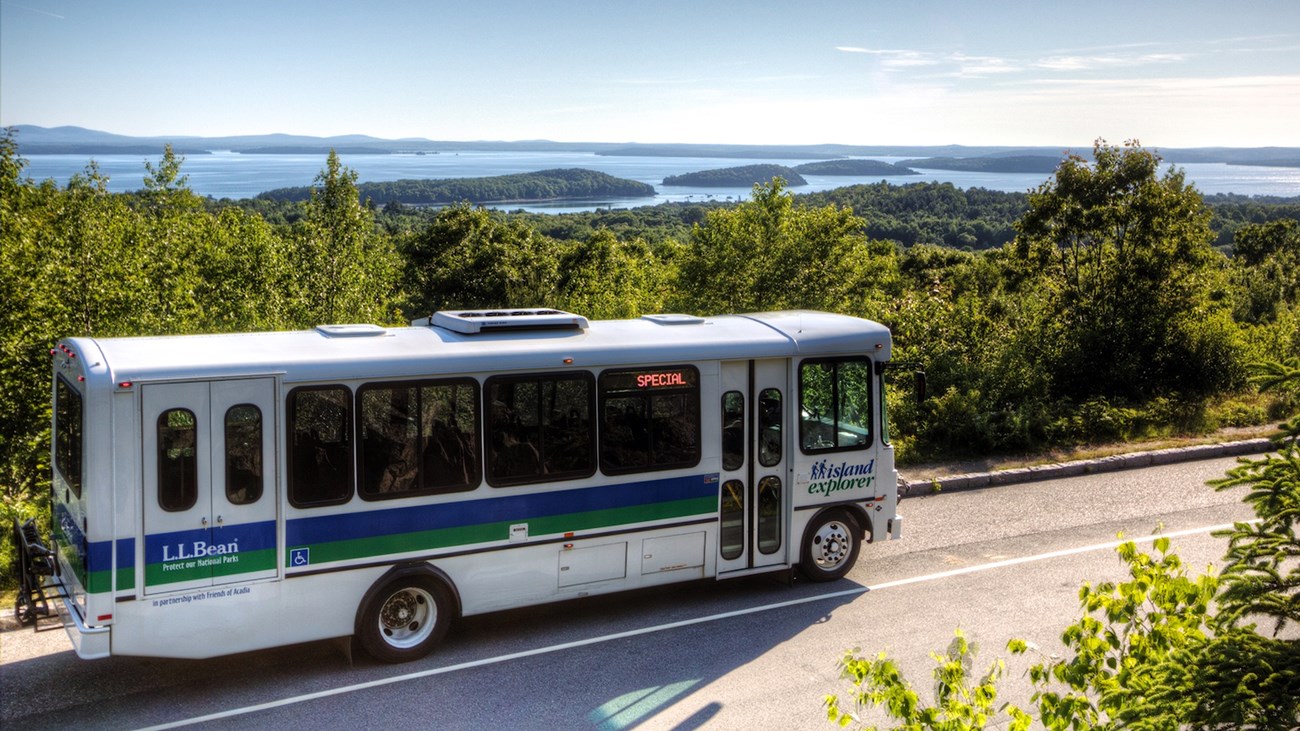
The Island Explorer represents the crown jewel of public transport options to Acadia National Park, providing completely fare-free transportation throughout Mount Desert Island. This propane-powered bus system has revolutionized how visitors experience Acadia, eliminating parking frustrations while reducing environmental impact.
Route Network and Coverage
Understanding the Island Explorer's eight bus routes is essential for maximizing your public transport options to Acadia National Park. Each route serves specific areas of the park and surrounding communities, with strategic connections at the Village Green in Bar Harbor serving as the central hub.
During my extensive use of the system, I've found that shuttle service to Acadia operates with impressive reliability. Buses arrive every 15-30 minutes on popular routes, and drivers are knowledgeable about park attractions and hiking recommendations.
Key Routes for Park Access:
- Route 3 - Sand Beach: Popular trails and beaches
- Route 4 - Blackwoods: Campground and hiking access
- Route 5 - Jordan Pond: Scenic destinations
- Route 6 - Brown Mountain: Western park areas
Bicycle and Equipment Transportation
One of the most valuable aspects of public transport options to Acadia National Park is the Island Explorer's bike transportation capability. Each bus can carry up to six bicycles on exterior racks, though certain restrictions apply to e-bikes and specialty equipment.
I've successfully transported my mountain bike multiple times using this system, finding it particularly useful for accessing carriage roads without the challenge of cycling from Bar Harbor. The bike racks are easy to use, and drivers assist when needed.
Allowed Equipment:
- Standard bicycles
- Mountain bikes
- Folding bikes (when folded)
- Small strollers (folded)
Not Permitted:
- E-bikes
- Fat tire bikes
- Tandem bicycles
- Bike trailers
Accessibility and Special Services
The Island Explorer system ensures public transport options to Acadia National Park remain accessible to all visitors. Every bus features wheelchair lifts and designated spaces, making the park accessible to visitors with mobility challenges.
Additionally, well-behaved pets are welcome on leash, provided they remain on the bus floor. This pet-friendly policy makes the Island Explorer an excellent choice for families traveling with four-legged companions to enjoy Acadia's dog-friendly trails.
Essential Travel Gear for Your Public Transport Journey
Ultimate Travel Comfort
Make your bus journey to Acadia more comfortable with premium travel accessories.
Shop Travel PillowPark Exploration Backpack
Perfect daypack for hiking Acadia's trails after arriving via public transport.
Shop Hiking PackSeasonal Schedules and Planning
Successful utilization of public transport options to Acadia National Park requires understanding seasonal variations in service frequency and availability. The Island Explorer operates on a carefully planned schedule that balances visitor demand with operational efficiency.
Peak Season Operations
From late June through mid-August, public transport options to Acadia National Park operate at maximum capacity and frequency. During this period, the Island Explorer runs seven days per week with buses arriving every 15-20 minutes on popular routes.
I've found that peak season offers the most comprehensive transportation coverage, but also requires more patience due to higher passenger volumes. Popular destinations like Sand Beach and Jordan Pond can experience capacity issues during afternoon hours, particularly on weekends.
Peak Season Schedule Highlights:
- Service Period: June 23 - August 17, 2025
- Operating Hours: 7:00 AM - 10:00 PM daily
- Frequency: 15-30 minute intervals
- All Routes Active: Full network operation
Fall Foliage and Shoulder Season
Fall represents one of the best periods for public transport options to Acadia National Park, combining reduced crowds with spectacular foliage. The Island Explorer operates reduced schedules but maintains service to major park destinations through Columbus Day.
During my October visits, I've experienced the perfect balance of reliable transportation and manageable passenger loads. Fall colors peak in early October, making this an ideal time for photography enthusiasts using public transport to access various viewpoints.
Fall Advantages:
- Spectacular foliage views
- Reduced passenger volumes
- Comfortable temperatures
- Extended daylight hours
Planning Considerations:
- Reduced service frequency
- Weather variability
- Limited evening hours
- Some route modifications
Winter and Off-Season Considerations
Winter dramatically changes public transport options to Acadia National Park, with the Island Explorer suspending operations from mid-October through late May. However, flights to the Acadia area continue year-round, and alternative transportation methods become necessary.
During winter months, visitors relying on public transport must arrange car rental near Bar Harbor airport or private transportation services. While this limits car-free options, winter visits offer unique experiences like cross-country skiing on carriage roads.
Plan Your Journey with Expert Guides
Comprehensive Acadia Guide
Expert insights for navigating Acadia National Park using public transportation.
Shop Park GuideTravel Planning Journal
Organize your multi-modal journey to Acadia with detailed planning pages.
Shop PlannerCost-Saving Tips and Practical Advice
Maximizing value while using public transport options to Acadia National Park requires strategic planning and insider knowledge. The fare-free Island Explorer system provides exceptional value, but getting to Mount Desert Island and managing park expenses requires careful budgeting.
Transportation Cost Optimization
The most significant savings in public transport options to Acadia National Park come from advance booking and understanding peak pricing periods. Concord Coach Lines offers early-bird discounts for bookings made 21 days in advance, while Greyhound frequently runs promotional fares for off-peak travel.
Based on my extensive research and personal experience, the most cost-effective approach involves booking Boston-to-Bangor bus transportation during weekday departures, avoiding Friday and Sunday premium pricing. The Bangor-to-Bar Harbor shuttle costs approximately $35 per person each way, representing excellent value for the convenience provided.
Money-Saving Strategies:
- Book transportation 3+ weeks ahead
- Travel Tuesday-Thursday for lower fares
- Consider multi-city passes for extended trips
- Look for student/senior discounts
- Pack meals for long bus journeys
- Use bar harbor accommodations with shuttle stops
- Combine Island Explorer with walking
- Share ride costs when possible
Park Pass and Fee Planning
Understanding park entrance fees is crucial for budgeting public transport options to Acadia National Park. The America the Beautiful Annual Pass ($80) provides excellent value for visitors planning multiple national park visits, while the seven-day Acadia pass ($30) serves most single-trip visitors.
An important detail many visitors miss: parking considerations at Acadia become irrelevant when using public transport, but you still need a valid entrance pass when riding the Island Explorer into park areas. Purchase passes at the park headquarters or visitor center to avoid delays.
Fee Structure Overview:
- 7-Day Pass: $30 per vehicle (covers all passengers using public transport)
- Annual Acadia Pass: $55 (valid for one calendar year)
- America the Beautiful Pass: $80 (all national parks)
- Walk-in/Bicycle Rate: $15 per person (age 16+)
Food and Accommodation Strategies
Accommodation costs near Acadia can be substantial, making strategic location choices essential for public transport options to Acadia National Park users. Properties located along Island Explorer routes eliminate the need for additional transportation while providing easy park access.
During my stays in Bar Harbor, I've found that accommodations within walking distance of the Village Green (the main Island Explorer hub) offer the best value for public transport users. Many properties provide guest refrigerators, enabling cost-effective meal planning and reducing restaurant expenses.
My Experience Using Public Transport to Acadia
After three separate trips using various public transport options to Acadia National Park, I've developed a deep appreciation for the car-free approach to exploring this remarkable destination. Each journey taught me valuable lessons about timing, preparation, and maximizing the unique advantages of public transportation.
My First Journey: Learning the System
My initial experience with public transport options to Acadia National Park began with a Concord Coach departure from Boston's South Station. The 5.5-hour journey to Bangor provided time to review park maps and plan hiking routes – a luxury impossible when driving.
Arriving at Bangor Transportation Center, I discovered the importance of confirming shuttle schedules in advance. The route from Bangor to Acadia typically involves the Downeast Transportation shuttle, but I learned that Friday departures book quickly during peak season.
Key Lessons Learned:
- Reserve shuttle seats: Don't assume walk-up availability
- Pack light but smart: Rolling luggage works best for bus connections
- Download offline maps: Cell coverage can be spotty on routes
- Bring snacks: Limited food options during transfers
Discovering the Island Explorer's True Value
The real magic of public transport options to Acadia National Park became apparent during my first Island Explorer ride from Bar Harbor to Sand Beach. Without parking concerns, I could focus entirely on the stunning coastal scenery and strike up conversations with fellow hikers about trail conditions and recommendations.
What surprised me most was the flexibility the system provided. When afternoon thunderstorms threatened during a Jordan Pond visit, I simply caught the next bus to the Village Green rather than rushing back to a parked car. This spontaneous adaptability enhanced my park experience significantly.
Unexpected Advantages I Discovered:
- Social connections: Met fellow hikers and received trail tips
- Stress reduction: No parking searches or traffic concerns
- Photography opportunities: Could focus on scenery instead of driving
- Weather flexibility: Easy to adjust plans without car concerns
Mastering the Multi-Modal Approach
By my third visit, I had perfected my use of public transport options to Acadia National Park. I learned to coordinate my flight to the nearest major airport with bus schedules, building in buffer time for delays while maintaining efficient connections.
The most valuable skill I developed was reading Island Explorer passenger loads and adjusting my schedule accordingly. Morning departures to popular destinations like Cadillac Mountain summit (accessed via personal vehicle or taxi from the bus network) work best, while afternoon returns often require patience during peak season.
Real Visitor Reviews
"Using the Island Explorer completely changed our Acadia experience. No parking stress, met great people on the buses, and could truly relax between hiking destinations. The drivers were incredibly knowledgeable about the best photo spots too!"
- Sarah M., Amazon Reviewer for Acadia Travel Guide
"Took the bus from Boston to Bangor, then the shuttle to Bar Harbor. Way more relaxing than driving, and we saved money on gas and parking. The Island Explorer buses run like clockwork - never waited more than 20 minutes."
- Mike R., Reddit r/nationalparks
"Brought our bikes on the Island Explorer - fantastic system! Rode the bus to Jordan Pond, then cycled the carriage roads. Bus drivers helped us with the bike racks. This is how all national parks should handle transportation."
- Jennifer L., Quora National Parks Community
Honest Pros and Cons Assessment
Advantages I Experienced:
- Zero parking stress or costs
- Environmental responsibility
- Social interaction opportunities
- Ability to rest between activities
- No driving fatigue on long days
- Budget-friendly transportation
Challenges to Consider:
- Schedule dependency limits flexibility
- Crowded buses during peak times
- Limited winter service options
- Luggage space constraints
- Weather delays affect connections
- Early planning required for coordination
Frequently Asked Questions
Can you really visit Acadia National Park without a car?
Absolutely! Public transport options to Acadia National Park provide comprehensive access to the majority of park attractions. The combination of intercity bus service to reach Maine, shuttle connections to Bar Harbor, and the extensive Island Explorer network makes car-free visits entirely feasible. While some remote areas require hiking or cycling to access, the main attractions including Sand Beach, Jordan Pond, Cadillac Mountain viewpoints, and numerous trailheads are all accessible via public transportation. I've personally completed three successful car-free visits, experiencing everything from sunrise hikes to afternoon carriage road cycling.
How much does it cost to use public transportation to Acadia?
The total cost varies significantly based on your departure point and travel dates. From Boston, expect approximately $60-80 for Concord Coach bus service to Bangor, plus $35 for the shuttle to Bar Harbor, and $30 for a seven-day park pass. The Island Explorer bus system is completely free, representing exceptional value. Advanced booking, off-peak travel, and senior/student discounts can reduce these costs substantially. Compared to gas, parking fees, and vehicle wear, public transport options to Acadia National Park often cost less while eliminating driving stress and environmental impact.
What are the Island Explorer bus schedules and routes?
The Island Explorer operates eight routes connecting Bar Harbor's Village Green with major park destinations and surrounding communities. During peak season (late June through mid-August), buses run every 15-30 minutes from 7:00 AM to 10:00 PM daily. Fall shoulder season features reduced schedules through Columbus Day, while winter service is suspended. Route 3 serves Sand Beach and popular eastern park areas, Route 4 connects to Blackwoods Campground, and Route 5 accesses Jordan Pond. Current schedules and route maps are available at exploreacadia.com, and I recommend downloading offline copies since cell coverage can be intermittent in some park areas.
Can you bring bicycles on Island Explorer buses?
Yes, each Island Explorer bus can transport up to six bicycles using exterior bike racks. Standard bicycles, mountain bikes, and folded folding bikes are permitted, while e-bikes, fat tire bikes, tandem bicycles, and bike trailers are not allowed due to safety and space constraints. I've successfully transported my mountain bike multiple times, finding it particularly valuable for accessing carriage roads without the challenging ride from Bar Harbor. Bus drivers assist with rack usage when needed, and the system works efficiently during most conditions. However, during peak summer afternoons, bike racks can fill up, so morning departures offer the best availability.
Are Island Explorer buses wheelchair accessible?
All Island Explorer buses are fully wheelchair accessible, featuring hydraulic lifts and designated wheelchair spaces. The vehicles accommodate both manual and electric wheelchairs, with drivers trained to operate accessibility equipment safely. Well-behaved service animals are welcome throughout the system. Additionally, visitors with mobility challenges will find that many popular Acadia destinations accessible via public transport options to Acadia National Park offer paved or accessible trails, including sections of the carriage road network and overlooks like Jordan Pond Path. The combination of accessible transportation and park infrastructure makes Acadia remarkably inclusive for visitors with disabilities.
What should I pack for a public transport trip to Acadia?
Pack strategically for easy transport handling and weather variability. Rolling luggage works best for bus connections, while a quality daypack is essential for hiking. Include layered clothing for Maine's unpredictable weather, rain gear, comfortable walking shoes, and a reusable water bottle. Don't forget your camera, park pass, bus schedules, offline maps, snacks for travel days, and any prescription medications. I always pack a small first aid kit, portable phone charger, and comfortable travel pillow for longer bus journeys. Consider bringing a lightweight travel towel and quick-dry clothing if you plan beach visits or active hiking during your car-free Acadia adventure.
Conclusion
Exploring public transport options to Acadia National Park opens doors to a more sustainable, stress-free, and socially enriching park experience. Through careful planning and strategic use of intercity bus connections, shuttle services, and the remarkable Island Explorer system, visitors can access the vast majority of Acadia's attractions without the burden of vehicle ownership or parking concerns.
My personal experiences using public transport options to Acadia National Park have consistently exceeded expectations, providing opportunities for genuine connection with fellow travelers while reducing my environmental footprint. The combination of reliable transportation infrastructure and Maine's welcoming character creates an ideal environment for car-free exploration.
Whether you're concerned about flying to Acadia National Park logistics or simply prefer sustainable travel options, the comprehensive public transportation network serving this remarkable destination proves that convenience and environmental responsibility can coexist beautifully.
As you plan your own car-free adventure to Acadia, remember that the journey itself becomes part of the experience when using public transport options to Acadia National Park. From scenic bus rides through Maine's countryside to conversations with fellow nature enthusiasts aboard the Island Explorer, every aspect of your transportation contributes to memories that last far beyond your park visit.
Ready to Plan Your Car-Free Acadia Adventure?
Start your sustainable journey to Maine's crown jewel today.
Plan Your Trip Now