

Planning Your One-Day Visit to Acadia
Visiting Acadia National Park for just one day requires strategic planning to maximize your experience. As someone who has explored this coastal gem multiple times throughout the years, I can attest that while a single day isn't enough to see everything, you can certainly capture the essence of Acadia with a well-structured itinerary.
Park Entrance and Passes
Before diving into our itinerary, let's cover the basics. Acadia National Park requires an entrance fee of $30 per vehicle (valid for 7 days). If you're planning to visit multiple national parks within a year, consider purchasing the America the Beautiful Annual Pass for $80, which grants access to all national parks and federal recreational lands.
Pro Tip: During peak season (late May through October), Cadillac Mountain requires a separate vehicle reservation in addition to your park pass. These reservations open 90 days in advance and sell out quickly, especially for sunrise slots. Reserve yours at recreation.gov as soon as possible.
Best Time to Start Your Day
For a one-day visit to Acadia National Park, starting early is absolutely essential. I recommend beginning your day about 30-45 minutes before sunrise. This early start allows you to experience the magical first light at Cadillac Mountain and gives you a head start before the crowds arrive at popular attractions.
Essential Gear for Acadia
Having the right equipment can make your day in Acadia more comfortable and enjoyable. Based on my experiences hiking and exploring the park in all seasons, here are some essentials I recommend:
Hiking Essentials
- Sturdy hiking boots - Acadia's trails feature uneven terrain and sometimes slippery granite surfaces
- Trekking poles - Helpful for steep trails like Beehive or Precipice
- Daypack - For carrying water, snacks, and layers
- Water bottles - At least 2 liters per person for a full day of hiking
Weather Protection
- Rain jacket - Weather can change rapidly on the coast
- Layered clothing - Temperatures can vary throughout the day
- Sunscreen and hat - Many trails have limited shade
- Bug spray - Particularly important in summer months
Navigation Tools
- Park map - Available at visitor centers or download in advance
- Compass or GPS device - Cell service is spotty in the park
- Trail guidebook - For detailed information on trails
Other Essentials
- Camera - You'll want to capture the stunning views
- Binoculars - Great for wildlife viewing
- First aid kit - Always be prepared for minor injuries
- Headlamp - Essential for pre-dawn hikes to Cadillac Mountain
Morning: Sunrise and Park Loop Road
Sunrise at Cadillac Mountain
There's no better way to begin your day in Acadia than watching the sunrise from Cadillac Mountain. At 1,530 feet, it's the highest point along the North Atlantic seaboard and, from early October to early March, the first place in the United States to see the sunrise. I've experienced this magical moment several times, and it never fails to take my breath away.

The breathtaking sunrise view from Cadillac Mountain. Photo courtesy of National Park Service.
To catch the sunrise, plan to arrive at the summit at least 30-45 minutes before the official sunrise time. I recommend driving up even earlier, about 60-90 minutes before sunrise, to secure a parking spot and find a good viewing location. In summer, this might mean a 3:30 AM wake-up call, but trust me—it's worth it.
My Experience: During my last visit in October, I arrived at the Cadillac Summit parking lot 90 minutes before sunrise. Despite the early hour, I wasn't alone—about 20 cars were already there. I found a quiet spot away from the main viewing area, set up my camera tripod, and witnessed one of the most spectacular sunrises I've ever seen. The entire sky transformed from deep purple to fiery orange as the sun peeked over the horizon, illuminating the fog-covered islands below.
Park Loop Road Highlights
After sunrise, begin your journey along the 27-mile Park Loop Road, which connects many of Acadia's most iconic sights. The road is one-way for much of its length, so plan your stops accordingly. Here are the must-see stops along the Park Loop Road when you have just one day to explore:
Sand Beach
Your first major stop after descending from Cadillac Mountain should be Sand Beach, a stunning pocket of golden sand nestled between granite mountains and the open ocean. At only 290 yards long, it's one of the few sandy beaches in this rocky coastal park.
Early morning is the perfect time to enjoy Sand Beach without crowds. Take off your shoes and feel the cool sand between your toes, but don't expect to swim—the water temperature rarely exceeds 55°F (13°C), even in summer!
Thunder Hole
Just a short drive from Sand Beach is Thunder Hole, a natural rock formation where, under the right tidal conditions, waves crash into a narrow inlet creating a thunderous boom and spectacular splash that can reach up to 40 feet high.
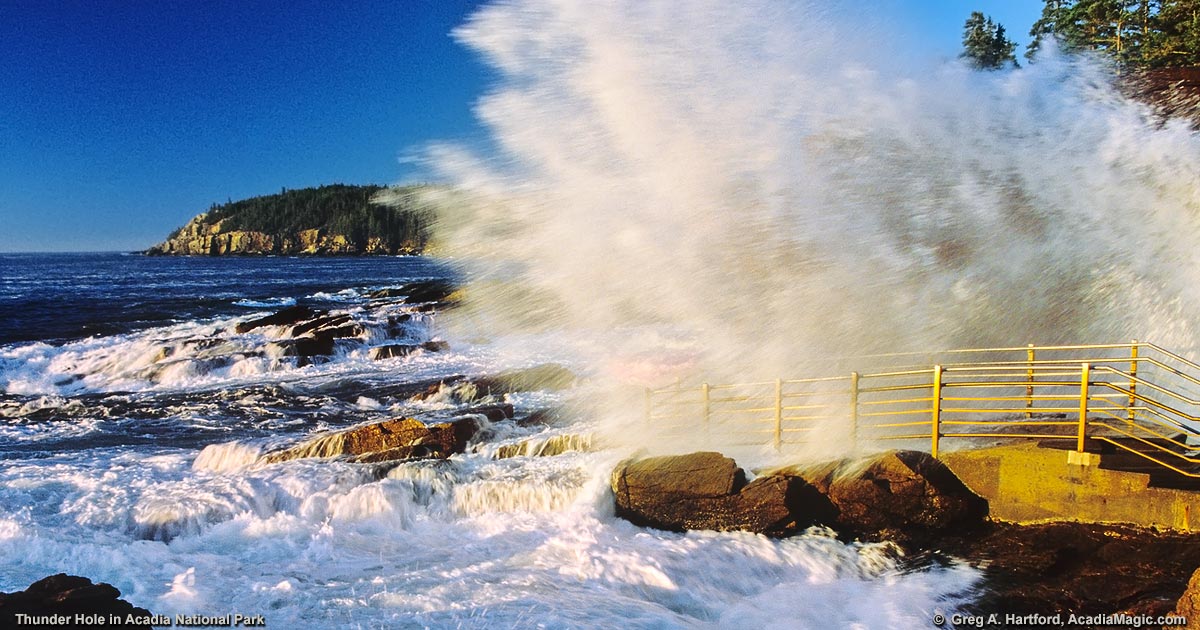
Thunder Hole is most impressive 2 hours before high tide.
To experience Thunder Hole at its most impressive, time your visit approximately 2 hours before high tide. However, even if you can't time it perfectly during your one-day visit, it's still worth stopping to admire the dramatic coastline and powerful surf.
Otter Cliff
Continue along Park Loop Road to reach Otter Cliff, a stunning 110-foot granite sea cliff that offers some of the most dramatic coastal views in the park. The cliff face is popular with technical rock climbers, and you might spot them scaling the sheer rock face above the crashing waves.
This is also an excellent spot for photography, especially in the morning light when the sun illuminates the eastern-facing cliffs. If you're visiting in autumn, the contrast between the colorful foliage and the blue ocean makes for spectacular photos.
Midday: Hiking and Scenic Views
By mid-morning, you'll have experienced some of Acadia's coastal wonders. Now it's time to hit the trails for a more immersive experience. With just one day in the park, you'll need to choose your hikes wisely. I recommend selecting one moderate hike rather than attempting multiple challenging trails.
Best Hikes for a One-Day Visit
Acadia offers over 150 miles of hiking trails, but when you're limited to just one day, these options provide the best balance of scenic views and manageable time commitment:
Ocean Path Trail (Easy)
Length: 4.4 miles round trip (can be shortened)
Duration: 2-3 hours
Description: This relatively flat trail follows the coastline from Sand Beach to Otter Point, passing Thunder Hole along the way. It's perfect for those who want to enjoy spectacular ocean views without significant elevation gain. You can also walk just a section of it if you're short on time.
My recommendation: If you're not up for strenuous hiking but want to experience Acadia's rugged coastline up close, this is your best option. The path allows for easy customization—walk as far as you want and then turn back.
Beehive Trail (Challenging)
Length: 1.4 miles loop
Duration: 1.5-2 hours
Description: This iconic trail features iron rungs, ladders, and steep granite steps that climb the face of The Beehive formation. Not recommended for those with a fear of heights or young children.
My recommendation: If you're seeking adventure and have experience with exposed trails, the Beehive offers incredible views for relatively little time investment. Combine it with the Bowl Trail for a satisfying loop hike.
Gorham Mountain Trail (Moderate)
Length: 1.8 miles round trip
Duration: 1.5-2 hours
Description: This trail offers fantastic views of the coastline without the iron rungs and extreme exposure of the Beehive. The summit provides panoramic vistas of the Atlantic Ocean and surrounding mountains.
My recommendation: If you want a moderately challenging hike with outstanding views but prefer to avoid the iron rungs of the Beehive, Gorham Mountain is an excellent choice. It's less crowded than some of the more famous trails while still offering spectacular scenery.
Jordan Pond Path (Easy)
Length: 3.3 miles loop
Duration: 2-2.5 hours
Description: This mostly flat trail loops around the pristine Jordan Pond with views of the Bubbles mountains. It features sections of wooden boardwalk and natural trail.
My recommendation: Save this hike for your afternoon visit to Jordan Pond. It's a perfect way to stretch your legs after lunch at the Jordan Pond House.
My Experience: During my fall visit with limited time, I chose the Beehive Trail for its iconic status and incredible views. The iron rungs and exposed sections were certainly intimidating, but the trail was well-maintained and felt secure. The panoramic vista from the top, with Sand Beach and the coastline stretched out below framed by fall foliage, was absolutely worth the effort. Coming down the back side of the mountain through a beautiful forest was a pleasant contrast to the exposed ascent.
Safety Tips for Acadia's Trails
Acadia's trails are generally well-maintained, but they present unique challenges that hikers should be prepared for:
- Slippery granite: Many of Acadia's trails traverse granite surfaces that become extremely slippery when wet. Wear hiking boots with good tread.
- Sudden weather changes: Coastal weather can change rapidly. Check the forecast and pack layers and rain gear.
- Tide awareness: Some coastal trails may be impassable at high tide. Know the tide schedule if you're hiking near the shore.
- Trail markers: Acadia uses blue blazes to mark its trails and cairns (distinctive rock piles) on open granite surfaces. Never disturb these important navigational aids.
- Water: Carry at least 2 liters of water per person for a day of hiking, especially in summer.
Afternoon: Jordan Pond and Carriage Roads
After a morning of coastal exploration and hiking, make your way to the tranquil center of Mount Desert Island to experience Jordan Pond and the historic carriage roads, a different but equally captivating aspect of Acadia National Park.
Jordan Pond House and Famous Popovers
Jordan Pond House is the perfect place to refuel for the second half of your day. This historic restaurant has been serving meals since the late 1800s and is famous for its traditional afternoon tea and popovers—light, hollow rolls that are served warm with butter and jam.
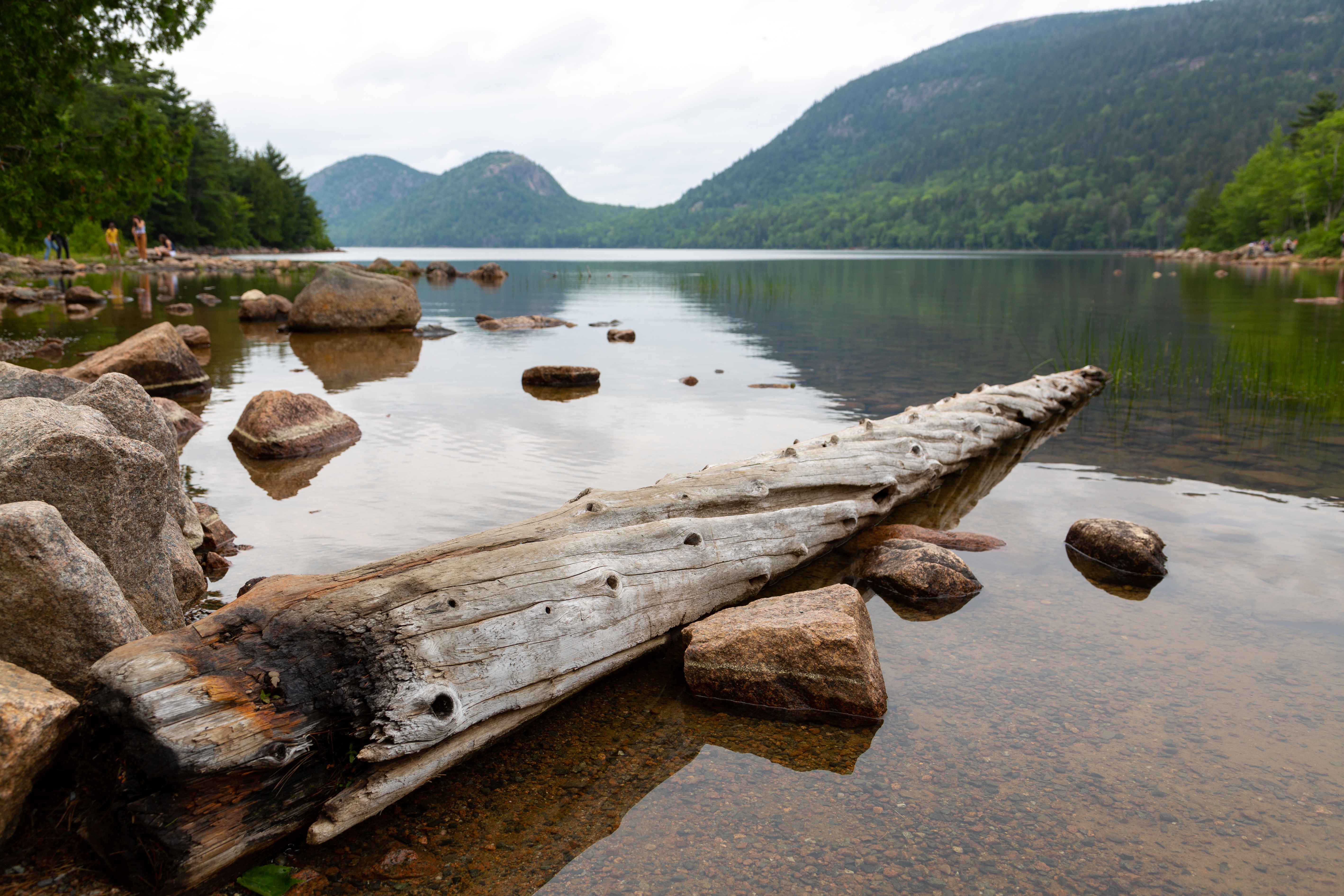
The iconic view of Jordan Pond and the Bubbles mountains. Photo courtesy of National Park Service.
The restaurant offers indoor and outdoor seating, with the lawn tables providing stunning views of Jordan Pond and the rounded mountains known as the Bubbles. If you're visiting during peak season (July-August), I strongly recommend making reservations in advance, as wait times can exceed two hours.
My Experience: During my first visit to Acadia, I made the mistake of arriving at Jordan Pond House at 1 PM without a reservation. The wait for a table was over 2 hours! Now I always make reservations weeks in advance or opt for an earlier lunch around 11:30 AM when it's typically less crowded. The popovers are absolutely worth planning for—light, airy, and perfectly complemented by Maine blueberry jam. Enjoying them on the lawn with the Bubbles mountains reflected in the pond is a quintessential Acadia experience.
Exploring the Historic Carriage Roads
After lunch, take some time to explore Acadia's historic carriage roads. Built by John D. Rockefeller Jr. between 1913 and 1940, these 45 miles of broken-stone roads were designed for horse-drawn carriages and are now perfect for walking, biking, or horseback riding.
With limited time, I recommend exploring the carriage roads around Jordan Pond, which feature some of the most picturesque stone bridges and landscapes in the park. You can either walk a section of the roads or rent bikes in nearby Bar Harbor to cover more ground.
Bubble Rock Trail
If you still have energy after lunch, consider hiking the short trail to Bubble Rock, a glacial erratic perched precariously on the edge of South Bubble mountain. The hike from the Bubble Rock parking area is only about 0.5 miles each way and offers excellent views of Jordan Pond from above.
The peculiar positioning of this boulder, transported by glaciers and left balancing on the edge of a cliff, makes for great photos and a quick geological lesson about the ice age forces that shaped Acadia's landscape.
Reader Review from Reddit
"Following your advice to visit Jordan Pond House for lunch and then hike around the pond made our one day in Acadia truly special. The contrast between the morning's coastal hikes and the afternoon's peaceful pond views gave us a great overview of what makes this park unique. And those popovers! Worth every minute of the wait."
- u/MaineAdventurer
Evening: Bass Harbor Lighthouse and Sunset
As your one day in Acadia National Park begins to wind down, it's time to head to the western side of Mount Desert Island for one of the most photographed scenes in Maine—Bass Harbor Head Lighthouse at sunset.
Bass Harbor Head Lighthouse
Located at the southernmost tip of Mount Desert Island, Bass Harbor Head Lighthouse has been guiding mariners since 1858. The white lighthouse tower perched on the granite cliffs above the crashing waves creates a quintessential Maine coastal scene.
To view the lighthouse from its most iconic angle, take the short but steep path to the right of the lighthouse that leads down to the rocky shoreline. Be careful navigating the rocks, especially if they're wet, and wear sturdy footwear.
Pro Tip: The Bass Harbor Head Lighthouse parking lot is very small and fills up quickly before sunset. I recommend arriving at least 60-90 minutes before sunset to secure a parking spot. Bring a jacket, as the evening sea breeze can be chilly even in summer.
If you're a photography enthusiast, bring a tripod for the best sunset shots. The golden hour light bathing the white lighthouse and dramatic rocks makes for stunning photographs.
Alternative Sunset Location: Cadillac Mountain
If you started your day with sunrise on Cadillac Mountain and prefer not to drive to the western side of the island, you can return to Cadillac for sunset. While not as famous as the sunrise views, Cadillac Mountain sunsets offer a different but equally beautiful perspective as the sun sinks behind the mountains to the west, painting the sky in vibrant colors.
Unlike sunrise, sunset on Cadillac doesn't require a separate reservation outside of regular park hours, but parking can still be limited, so arrive early.
Dinner in Bar Harbor
After watching the sunset, head to the charming town of Bar Harbor for dinner. This quintessential Maine coastal town offers numerous dining options, from casual seafood shacks to upscale restaurants.
For an authentic Maine experience, I recommend trying one of these local favorites:
- Thurston's Lobster Pound - If you watched sunset at Bass Harbor Lighthouse, this nearby lobster pound offers the freshest lobster in a casual, authentic setting overlooking the working harbor.
- Side Street Cafe - A local favorite in Bar Harbor with excellent lobster rolls and a great selection of local craft beers.
- Galyn's - For a more upscale dining experience with harbor views, Galyn's offers classic New England seafood with a refined touch.
- Jordan Pond House - If you skipped lunch here, they also serve dinner with the same beautiful views.
Amazon Reviewer Quote
"The National Geographic Illustrated Trail Map was invaluable for our one-day visit to Acadia. Having it helped us quickly identify which trails would give us the most bang for our buck with limited time. We were able to squeeze in both the Beehive Trail and part of the Jordan Pond Path thanks to the clear time estimates and difficulty ratings on the map."
- Amazon Customer, Verified Purchase
Seasonal Tips for Visiting Acadia
Acadia National Park offers distinct experiences throughout the year. Here's how to make the most of your one-day visit during different seasons:
Summer (June-August)
Summer is peak tourist season in Acadia, with warm temperatures and all park facilities operating at full capacity. While this is an excellent time to experience everything the park has to offer, it also means larger crowds and more competition for parking.
Summer tips:
- Make Cadillac Mountain sunrise reservations as soon as they become available
- Arrive at popular trailheads before 8 AM to secure parking
- Consider using the free Island Explorer shuttle to avoid parking hassles
- Make Jordan Pond House reservations weeks in advance
- Pack sun protection and bug spray
- Bring a light jacket for mornings and evenings when temperatures can drop
My Experience: During my July visit, I was shocked by the crowds at popular spots like Sand Beach and Thunder Hole by mid-morning. Learning from this, I now always plan to visit the most popular attractions either very early in the morning or later in the afternoon during summer. The best strategy for a one-day summer visit is to start with sunrise on Cadillac, explore Park Loop Road in the early morning hours, then head to less crowded areas like the carriage roads during peak midday hours.
Fall (September-October)
Fall is my personal favorite time to visit Acadia. The changing foliage creates a spectacular contrast against the blue ocean, crowds begin to thin after Labor Day, and the weather is typically crisp and clear with temperatures ranging from 45-65°F.
Fall tips:
- Mid-October typically offers peak fall colors, but this varies year to year
- Layer clothing for changing temperatures throughout the day
- Bring gloves and a warm hat for early morning activities
- Check the cruise ship schedule for Bar Harbor and avoid those days if possible
- Sunrise comes later, making Cadillac Mountain sunrise more accessible
Spring (April-May)
Spring in Acadia is a season of renewal but can also bring unpredictable weather. Many facilities operate on limited hours until late May, and some trails may still have ice and snow, particularly at higher elevations.
Spring tips:
- Check for trail closures due to mud, ice, or falcon nesting
- Be prepared for rapidly changing weather conditions
- Pack waterproof hiking boots and rain gear
- Enjoy wildflowers beginning to bloom in protected areas
- Take advantage of lower crowds before the summer rush
Winter (November-March)
Winter transforms Acadia into a serene wonderland with snow-covered landscapes and dramatically reduced crowds. However, most park facilities close, and the Park Loop Road is largely unplowed. Winter visits require more preparation but offer unique experiences.
Winter tips:
- Only the Ocean Drive section of Park Loop Road remains open in winter
- Bring traction devices (microspikes) for hiking on snow and ice
- Dress in warm layers with particular attention to extremities
- Check for winter activities like cross-country skiing and snowshoeing
- Most restaurants and shops in Bar Harbor operate on reduced hours
Quora User Review
"I followed your seasonal advice for a late September visit to Acadia and it was perfect! The weather was cool but pleasant for hiking, the fall colors were starting to appear, and most importantly, we could actually find parking at the major attractions without arriving at dawn. Your tip about checking the cruise ship schedule was particularly helpful—we adjusted our itinerary to visit Bar Harbor on a day with no ships in port, and it made a huge difference."
- Acadia Explorer, Quora
Conclusion
While one day in Acadia National Park can only offer a taste of this magnificent coastal landscape, with careful planning and an early start, you can experience many of the park's highlights and create lasting memories. From watching the sun's first rays touch American soil atop Cadillac Mountain to admiring the dramatic meeting of land and sea along Ocean Path, Acadia offers a diverse range of natural wonders even for visitors on a tight schedule.
Based on my multiple visits throughout different seasons, I recommend prioritizing these experiences for your one-day itinerary:
- Cadillac Mountain sunrise (if possible with reservations)
- Park Loop Road's coastal highlights: Sand Beach, Thunder Hole, and Otter Cliff
- One moderate hike to experience Acadia's unique trail system
- Jordan Pond and its famous popovers for lunch
- Bass Harbor Head Lighthouse for sunset
Remember that Acadia's weather can change rapidly, so be flexible with your plans and always prioritize safety, especially on the more challenging trails. Pack appropriate gear, bring plenty of water and snacks, and respect the park by practicing Leave No Trace principles.
While a single day allows you to see the highlights, Acadia truly deserves more time for exploration. Many visitors find themselves planning return trips after their first taste of this spectacular park. If you have the opportunity to extend your stay, consider exploring the quieter western side of Mount Desert Island, hiking some of the less-visited but equally beautiful trails, or taking a boat tour to see the park from the water.
Whether this is your first visit to Acadia or you're returning to experience more of its beauty, I hope this guide helps you make the most of your time in this remarkable corner of Maine. For information on getting to the park from Portland, check out our guides on Acadia National Park from Portland Maine and how to get to Acadia National Park from Portland Maine.
For visitors looking to break up their journey with some scenic stops, don't miss our guide on the scenic stops between Portland Maine and Acadia National Park. And if you're planning a longer adventure, our Portland to Acadia National Park road trip itinerary provides a comprehensive guide to making the most of your journey.
Happy trails!
Frequently Asked Questions
Is one day enough to see Acadia National Park?
One day is enough to experience the highlights of Acadia National Park, but not enough to explore it thoroughly. With a well-planned itinerary focusing on Park Loop Road, one or two moderate hikes, and Jordan Pond, you can get a good taste of what makes Acadia special. However, to truly appreciate the park's diversity and enjoy its numerous trails and carriage roads at a relaxed pace, I recommend spending at least 2-3 days if possible. If you only have one day, start early with sunrise on Cadillac Mountain to maximize your time.
What is the best time of year to visit Acadia National Park?
The best time to visit Acadia depends on your preferences. Summer (June-August) offers warm weather and full access to all park facilities but comes with larger crowds. Fall (September-October) features spectacular foliage and fewer crowds after Labor Day. Spring (April-May) has beautiful wildflowers but can be rainy with some facilities still closed. Winter (November-March) offers a peaceful, snow-covered landscape but with very limited services and road access. For the best balance of good weather and manageable crowds, I recommend early September or early June.
Do I need a reservation to visit Acadia National Park?
You don't need a reservation to enter Acadia National Park itself, but from late May through October, you do need a vehicle reservation to drive up Cadillac Summit Road during sunrise hours (3:30 AM to 7 AM) and during the day (7 AM to 5 PM). These reservations are separate from the park entrance fee and must be purchased in advance through recreation.gov. They typically become available 90 days in advance and often sell out quickly, especially for sunrise times. No reservation is needed for any other areas of the park or to visit Cadillac Mountain by foot, bicycle, or taxi.
What should I do if I only have a half-day in Acadia National Park?
With just a half-day in Acadia, focus on the Park Loop Road's highlights. Drive the Ocean Drive section to see Sand Beach, Thunder Hole, and Otter Cliff. If time allows, take a short hike on Ocean Path or drive up Cadillac Mountain for panoramic views. Alternatively, spend your limited time at Jordan Pond, enjoying the scenic views, famous popovers at the restaurant, and a short walk on the Jordan Pond Path. For the most efficient half-day experience, consider hiring a local guide who can customize the visit to your interests and available time.
What are the must-see attractions in Acadia National Park?
Acadia's must-see attractions include Cadillac Mountain (particularly at sunrise), Park Loop Road with stops at Sand Beach, Thunder Hole, and Otter Cliff, Jordan Pond with views of the Bubbles mountains, and Bass Harbor Head Lighthouse. For hiking enthusiasts, the Beehive Trail or Precipice Trail offer thrilling climbs with spectacular rewards, while the historic carriage roads provide a more relaxed way to experience the park's interior. If you're interested in a longer but less strenuous walk, the Ocean Path follows the dramatic coastline for stunning views throughout. These highlights showcase the diversity of landscapes that make Acadia one of America's most beloved national parks.