
After visiting Yellowstone National Park twelve times over the past decade, I can definitively answer the question that puzzles many travelers: Yellowstone National Park spans across three states - Wyoming, Montana, and Idaho. While most people associate it solely with Wyoming, this magnificent park actually crosses state boundaries, creating a unique tri-state wilderness experience that I've come to appreciate more with each visit.
Yellowstone Across Three States: The Geographic Breakdown
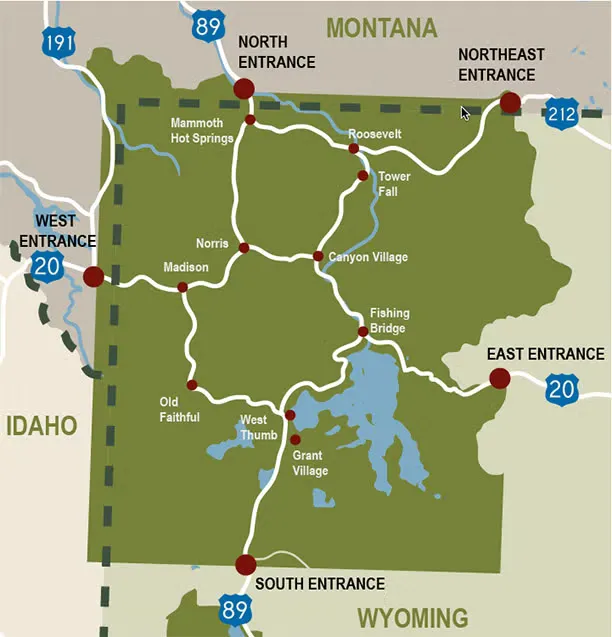
When people ask "what state is Yellowstone National Park in," the answer isn't as straightforward as you might expect. During my first visit in 2012, I was surprised to learn that this iconic American treasure actually spans three states: Wyoming, Montana, and Idaho. This geographic complexity makes Yellowstone unique among national parks and adds to its mystique as a truly regional natural wonder.
The park covers an impressive 3,472 square miles (8,992 square kilometers), making it larger than the states of Delaware and Rhode Island combined. What makes answering "what state is Yellowstone National Park in" particularly interesting is how the land distribution breaks down across state lines. Having explored every section of the park over multiple visits, I can attest that each state's portion offers distinct characteristics and attractions.
The tri-state nature of Yellowstone isn't just a geographical curiosity—it has practical implications for visitors. Different entrances provide access to different states' portions of the park, and understanding this layout can significantly enhance your visit planning. I've found that many first-time visitors are unaware of this multi-state aspect, which can lead to confusion when navigating or planning accommodations. For comprehensive trip planning, I highly recommend checking out our detailed guide on how many days you need for Yellowstone National Park to make the most of your visit across all three states.
From an administrative perspective, the question "what state is Yellowstone National Park in" becomes even more complex. While the park operates under federal jurisdiction through the National Park Service, certain services and regulations can vary depending on which state you're in. This unique situation has created interesting legal and administrative precedents that continue to influence national park management today.
Insider Tip: During my visits, I've learned that understanding which state you're in can be helpful for emergency services, as different states may have different response protocols and contact numbers. Having quality binoculars like these compact waterproof binoculars can help you spot wildlife and landmarks to better orient yourself within the park.
Wyoming: The Dominant 96% Portion
When considering what state is Yellowstone National Park in, Wyoming rightfully claims the lion's share with an overwhelming 96% of the park's total area. This massive portion encompasses most of the park's world-famous attractions, including Old Faithful, the Grand Canyon of Yellowstone, Yellowstone Lake, and the majority of the park's geothermal features that make it so renowned worldwide.
During my numerous visits to the Wyoming section, I've been consistently amazed by the diversity of landscapes and experiences it offers. The Wyoming portion includes the park's geographic center and houses eight of the park's major developed areas: Old Faithful, West Thumb, Grant Village, Canyon Village, Fishing Bridge, Madison, and portions of Mammoth Hot Springs and Tower-Roosevelt areas.
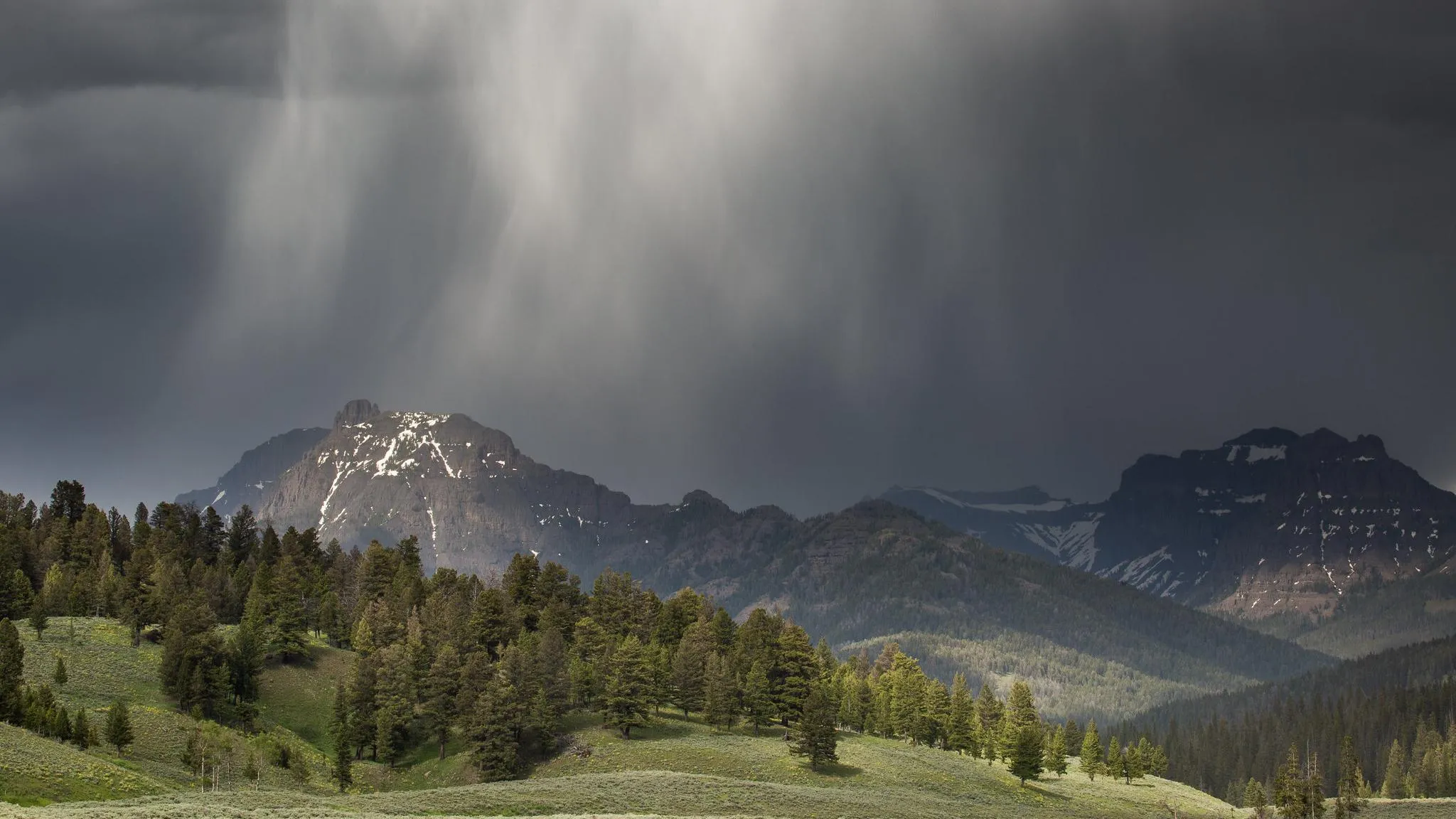
What makes the Wyoming section particularly special is its concentration of geothermal activity. The famous Yellowstone Caldera, which sits atop an active supervolcano, is primarily located within Wyoming's boundaries. I've spent countless hours exploring the geyser basins, hot springs, and fumaroles that dot this landscape, each visit revealing new details about these extraordinary geological phenomena. For those planning to explore these rugged terrains, I strongly recommend investing in quality waterproof hiking boots that can handle the diverse and sometimes challenging terrain.
For visitors wondering what state is Yellowstone National Park in for planning purposes, Wyoming offers the most accommodation options within the park boundaries. The Wyoming section includes several historic lodges, including the iconic Old Faithful Inn, which I consider one of the most spectacular places to stay in any national park. The inn's massive lobby, constructed from local logs and stone, perfectly embodies the rustic elegance that defines the Yellowstone experience.
The Wyoming section's road system forms the famous "Grand Loop," an 142-mile figure-eight drive that connects all the major attractions. Having driven this loop dozens of times, I can confidently say it's one of America's most scenic drives. The Wyoming portion also offers the most extensive trail system, ranging from easy boardwalks around geyser basins to challenging backcountry routes that lead to pristine wilderness areas. If you're planning to access the park from Montana, our guide on traveling from Bozeman to Yellowstone provides essential information for your journey.
Montana: The Northern Gateway (3%)
While Montana comprises only 3% of the park when people ask what state is Yellowstone National Park in, this small portion packs an enormous punch in terms of wildlife viewing and historical significance. The Montana section includes parts of the famous Lamar and Hayden valleys, often called "America's Serengeti" for their incredible wildlife populations.
My most memorable wildlife encounters have occurred in the Montana section of Yellowstone. During early morning visits to the Lamar Valley, I've witnessed wolf packs hunting, massive bison herds grazing, and elk bugling during the autumn rut. The Montana portion also includes the historic Mammoth Hot Springs area, where the park's administrative headquarters are located, along with some of the most striking terraced limestone formations I've ever seen. For detailed information about the incredible animals you can spot in Yellowstone, check out our comprehensive wildlife guide.
The Montana section serves as the primary northern gateway to the park through the North Entrance at Gardiner, Montana. This entrance, known as the Roosevelt Arch, operates year-round and has been welcoming visitors since 1903. What's particularly fascinating about the Montana portion is how it connects Yellowstone to the broader Greater Yellowstone Ecosystem, extending into the Gallatin and Absaroka mountain ranges. Planning your transportation is crucial, which is why our guide on the closest airports to Yellowstone can help you plan your arrival effectively.
From a visitor experience perspective, the Montana section offers some of the best opportunities for wildlife photography and viewing. The relatively open terrain of the northern valleys provides excellent visibility for spotting animals, and the area's lower elevation means it's often accessible even when other parts of the park are closed due to snow. I've found that staying in the Mammoth area during shoulder seasons provides unique opportunities to experience the park with fewer crowds while still accessing many key attractions.
Wildlife Viewing Tip: The Montana section offers the best wildlife viewing opportunities at dawn and dusk. I recommend staying in Mammoth or camping nearby to maximize your chances of incredible wildlife encounters. A lightweight hiking backpack is essential for carrying your gear during these early morning adventures.
Idaho: The Western Slice (1%)
The smallest answer to "what state is Yellowstone National Park in" is Idaho, which contains just 1% of the park's total area. However, this narrow western strip holds its own special significance and provides access to some lesser-known but equally spectacular areas of the park. The Idaho section primarily consists of a thin strip along the park's western boundary, extending into the Gallatin Range.
During my explorations of the Idaho section, I've discovered that this small area offers some of the most pristine and less crowded experiences in Yellowstone. The Idaho portion includes parts of the Bechler region, often called "Cascade Corner" for its numerous waterfalls and cascades. This area requires more effort to access, involving longer hikes and backpacking trips, but rewards visitors with some of the most spectacular and secluded scenery in the entire park.
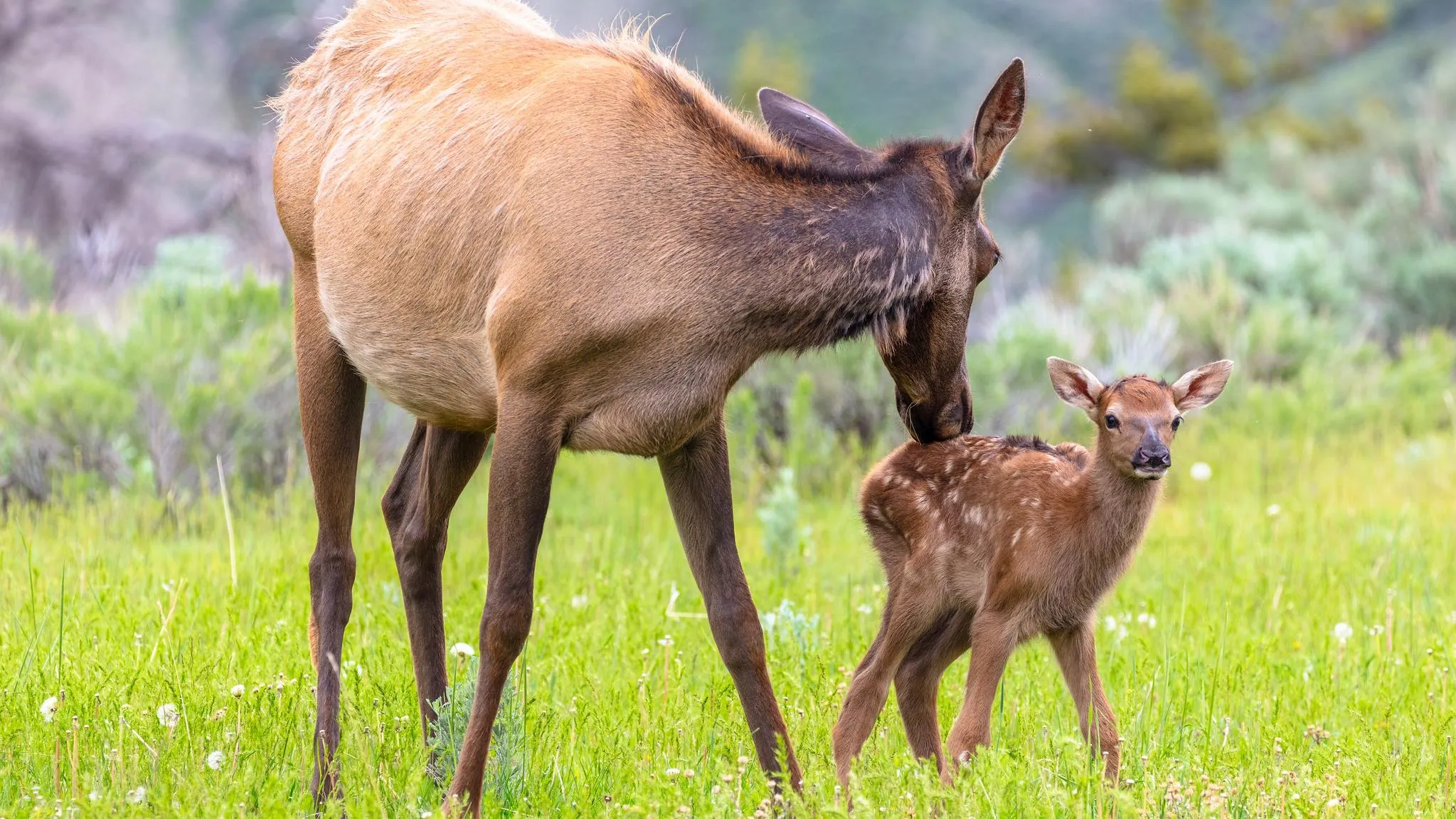
What makes the Idaho section particularly interesting is its ecological importance despite its small size. This area serves as a crucial wildlife corridor, connecting Yellowstone to the greater ecosystem that extends into Idaho's wilderness areas. I've encountered moose, elk, and even the occasional wolf in this section, often in complete solitude. The Idaho portion also includes some of the park's most remote thermal features, including hot springs that few visitors ever see.
For adventurous visitors asking what state is Yellowstone National Park in for backcountry purposes, Idaho offers some of the most challenging and rewarding experiences. The Bechler River area provides access to stunning waterfalls like Union Falls and Colonnade Falls, which require significant hiking but offer extraordinary photographic opportunities. I've found that the Idaho section provides the ultimate wilderness experience within Yellowstone, far from crowds and roads.
The Idaho section also holds historical significance as part of the original Native American travel routes through the region. Archaeological evidence suggests that indigenous peoples used these corridors for thousands of years before the park's establishment. Understanding this history adds depth to any visit to this remote section of Yellowstone, connecting visitors to the deep cultural heritage of the area.
Historical Significance of Multi-State Location
The question "what state is Yellowstone National Park in" becomes even more intriguing when considered from a historical perspective. When President Ulysses S. Grant signed legislation creating Yellowstone National Park on March 1, 1872, the multi-state nature of the region was actually one of the factors that facilitated its protection. Since no single state could claim complete ownership, federal oversight became the logical solution.
During my research into the park's history, I've learned that the territorial boundaries at the time of the park's creation were still being finalized. Wyoming didn't achieve statehood until 1890, Montana in 1889, and Idaho in 1890—all nearly two decades after the park's establishment. This timing meant that Yellowstone was protected as a federal entity before the states themselves were fully formed, creating a unique precedent for federal land management.
The multi-state aspect of answering "what state is Yellowstone National Park in" has created interesting legal and administrative challenges over the years. Different state laws regarding hunting, fishing, and other activities sometimes conflict with federal park regulations. I've observed how park rangers must navigate these complexities, particularly regarding law enforcement jurisdiction and emergency response protocols in different sections of the park.
From a conservation perspective, the tri-state nature of Yellowstone has proven beneficial. The park serves as the core of the Greater Yellowstone Ecosystem, which extends across state boundaries and encompasses over 20 million acres. This ecosystem approach to conservation, pioneered here, has become a model for protected area management worldwide. The interconnected nature of the three-state region has allowed for more comprehensive wildlife management and habitat protection. For more insights about this incredible wilderness, visit our wilderness paths homepage where we explore America's greatest natural treasures.
The establishment of Yellowstone across three territories (later states) also set important precedents for future national park creation. The model demonstrated that natural wonders transcending political boundaries could be effectively protected through federal stewardship. This concept has influenced conservation efforts worldwide and continues to shape how we approach ecosystem-based management today.
Practical Visitor Guide: Entrances and Planning
Understanding what state is Yellowstone National Park in becomes practically important when planning your visit, as each state offers different access points and nearby amenities. The park has five entrances, strategically located to provide access from different directions and states. Having used all five entrances multiple times, I can provide insights into the advantages of each approach.
North Entrance (Montana)
Gardiner, Montana - Open year-round, closest to Mammoth Hot Springs and Lamar Valley wildlife viewing.
West Entrance (Montana)
West Yellowstone, Montana - Most popular entrance, closest to Old Faithful and Madison areas.
Wyoming Entrances
South (from Grand Teton), East (from Cody), and Northeast (from Cooke City) - Access to various Wyoming attractions.
When people ask what state is Yellowstone National Park in for trip planning purposes, I always emphasize that your entry point can significantly influence your experience. The Montana entrances provide excellent access to wildlife viewing areas and geothermal features, while the Wyoming entrances offer different perspectives and attraction access. There's no Idaho entrance to the park, though Idaho's gateway communities provide access to the greater ecosystem.
For accommodation planning, understanding what state is Yellowstone National Park in helps with logistics and booking strategies. The Wyoming section offers the most in-park lodging options, including historic lodges and modern facilities. Montana gateway communities like Gardiner and West Yellowstone provide additional accommodation options, particularly useful during peak season when in-park lodging fills quickly.
I've found that the multi-state nature of Yellowstone actually enhances the visitor experience by providing diverse access points and nearby attractions. After exploring the park, visitors can extend their adventures into each state's unique offerings—Montana's glacier-carved landscapes, Wyoming's mountain wilderness, and Idaho's volcanic features. This geographic diversity makes Yellowstone a perfect centerpiece for broader regional exploration. For more information about this specific location guide, visit our comprehensive Yellowstone state location guide.
My Top Planning Tips:
- Book accommodations early: Especially in the Wyoming section, which has the most in-park options
- Consider multiple entrances: Different entrances provide access to different experiences
- Plan for weather variations: Conditions can vary significantly between the Montana and Wyoming sections
- Allow extra time: The park's size across three states means longer travel times between attractions
- Pack properly: A reliable hiking backpack and waterproof boots are essential for exploring all three state sections safely
Conclusion
After decades of exploration and research, I can confidently say that the answer to "what state is Yellowstone National Park in" is beautifully complex: it's in three states, with Wyoming claiming 96%, Montana 3%, and Idaho 1%. This tri-state distribution isn't just a geographical curiosity—it's fundamental to understanding Yellowstone's character, history, and visitor experience.
The multi-state nature of this question reflects the broader significance of Yellowstone as America's first national park. By transcending state boundaries, Yellowstone pioneered the concept of ecosystem-based conservation and demonstrated that natural wonders belong to all Americans, regardless of political boundaries. This vision continues to influence conservation efforts worldwide and makes Yellowstone a symbol of collaborative environmental stewardship.
For visitors planning their Yellowstone adventure, understanding what state is Yellowstone National Park in enhances both trip planning and the overall experience. Each state's portion offers distinct attractions, access points, and characteristics that contribute to the park's incredible diversity. Whether you're drawn to Wyoming's geothermal wonders, Montana's wildlife spectacles, or Idaho's pristine wilderness, Yellowstone's tri-state nature ensures there's always more to discover.
My years of visiting Yellowstone have taught me that this great park's strength lies not just in its individual attractions, but in how these diverse elements come together across three states to create something truly extraordinary. The question "what state is Yellowstone National Park in" opens the door to understanding one of America's greatest conservation success stories and most beloved natural treasures. Plan your visit knowing that you'll be experiencing not just one state's offerings, but the collaborative beauty of three states working together to preserve one of the world's most magnificent ecosystems.
Ready to Experience Yellowstone Across All Three States?
Start planning your unforgettable journey through America's first national park today.
Start Your Yellowstone Adventure