
Best Hikes Near Lake Acadia National Park: Ultimate Guide for Nature Lovers

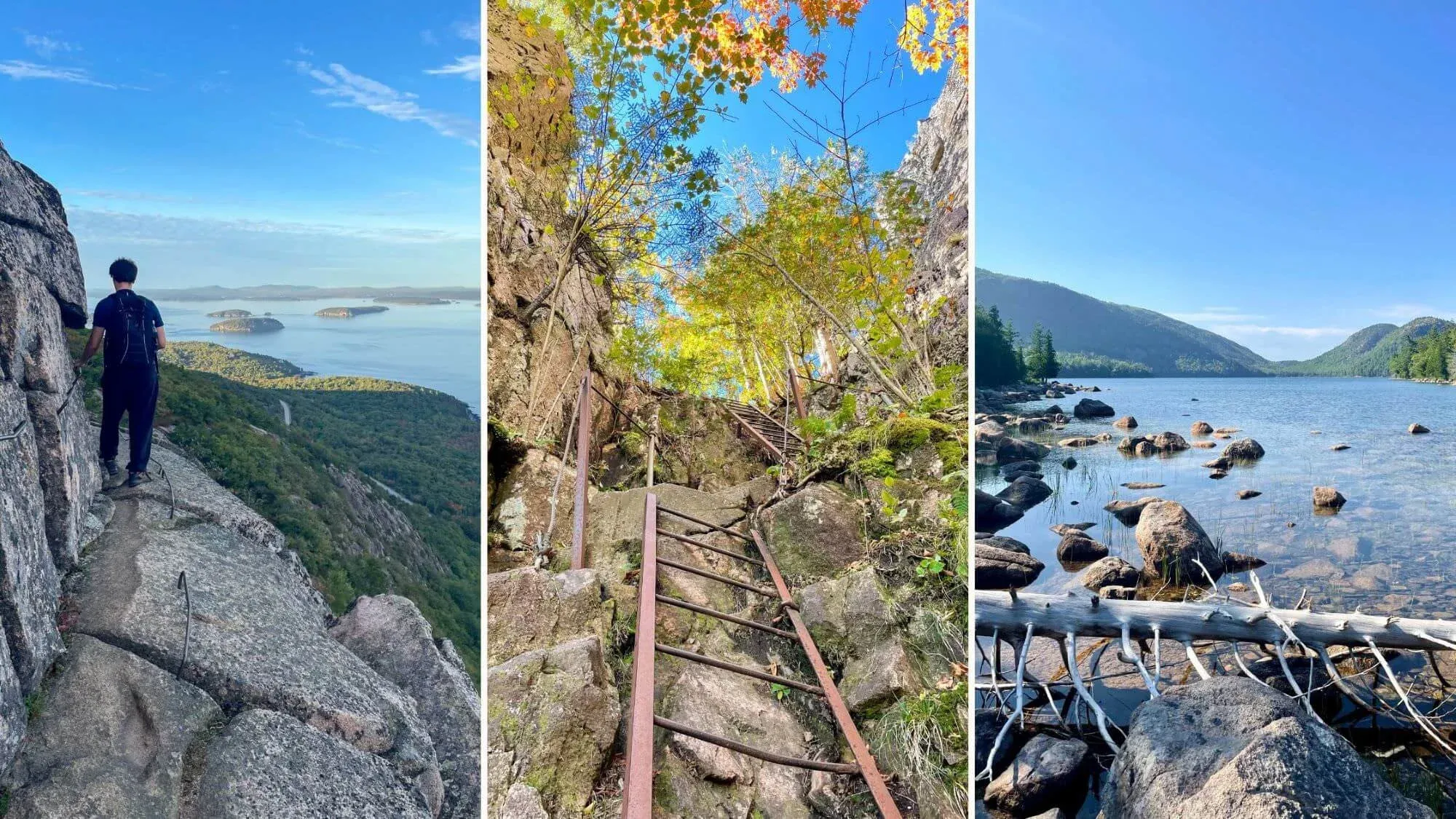
Discovering the best hikes near Lake Acadia National Park is an adventure unlike any other in the northeastern United States. With more than 150 miles of trails winding through forests, alongside crystal-clear lakes, and up granite peaks, Acadia offers some of the most spectacular hiking experiences in Maine. As an avid hiker who's explored these trails in all four seasons, I'm thrilled to share my comprehensive guide to the finest trails in this coastal paradise. From family-friendly paths to challenging summit climbs, this guide covers everything you need to know for an unforgettable hiking experience at Lake Acadia.
1. Top Day Hikes Around Lake Acadia National Park
When exploring the best hikes near Lake Acadia National Park, you'll discover a remarkable diversity of trails ranging from easy lakeside strolls to challenging mountain ascents. The park's unique geography combines mountains, lakes, and ocean coastline, creating a hiker's paradise with breathtaking views at every turn. Let's explore some of the most exceptional day hikes in and around Acadia that should be at the top of your list.
Jordan Pond Path
The Jordan Pond Path is one of the most popular and accessible trails in Acadia National Park, offering stunning views of the clearest lake in Maine. This 3.3-mile loop trail circles around the pristine Jordan Pond with the iconic Bubble Mountains creating a picturesque backdrop. The relatively flat terrain makes it perfect for families and hikers of all skill levels.
What makes this trail special is not just the scenery but also the experience of hiking through different ecosystems. Parts of the path take you through dense forests with sections of wooden boardwalks, while other portions follow the rocky shoreline. The north end of the trail offers spectacular views of South and North Bubble mountains reflected in the crystal-clear waters. This is one of those best hikes near Lake Acadia National Park that combines natural beauty with accessibility.
After your hike, consider stopping at the historic Jordan Pond House for their famous popovers and tea – a tradition dating back to the late 1800s. The restaurant features outdoor seating with panoramic views of Jordan Pond and the Bubbles, making it a perfect way to end your hiking experience. For the best lake views in Acadia National Park, this trail simply can't be missed.
Beehive Trail
For adventurous hikers seeking a thrilling experience, the Beehive Trail offers an exhilarating climb with iron rungs, ladders, and granite steps carved into the face of a steep cliff. Though short at just 1.5 miles roundtrip, this trail provides an unforgettable experience that combines elements of both hiking and rock climbing.
The trail begins near Sand Beach and quickly ascends via a series of iron rungs and exposed ledges. While climbing, you'll be rewarded with increasingly spectacular views of the Atlantic Ocean, Sand Beach, and Great Head. The trail isn't recommended for those with a fear of heights or young children, as there are significant drop-offs and challenging sections requiring careful navigation.
Upon reaching the summit at 520 feet, hikers are treated to panoramic views that make this one of the best hikes near Lake Acadia National Park for photography enthusiasts. Most hikers complete the loop by descending via the Bowl Trail, which offers a gentler route down through a forested area past The Bowl, a small mountain pond. The entire experience typically takes about 1-2 hours depending on your pace and how long you spend enjoying the summit views.
Precipice Trail
Often compared to Angels Landing in Zion National Park, the Precipice Trail is Acadia's most challenging and exhilarating hike. This 2.1-mile trail is not for the faint-hearted, featuring near-vertical climbs up iron rungs and ladders along exposed cliff faces. The trail scales the eastern face of Champlain Mountain and rewards brave hikers with some of the most spectacular views in the entire park.
What makes Precipice special is the combination of technical climbing elements with traditional hiking. You'll navigate narrow ledges, squeeze through boulder crevices, and climb multiple iron-rung ladders while enjoying increasingly dramatic views of Frenchman Bay and the surrounding islands. The trail gains approximately 1,000 feet in elevation over a short distance, making it quite strenuous.
Important to note is that the Precipice Trail is closed annually from March to August to protect nesting peregrine falcons. This conservation effort has helped the once-endangered birds recover in the region. When planning your visit to experience the best hikes near Lake Acadia National Park, always check trail closures on the National Park Service website. For those looking for pet-friendly trails in Acadia National Park, note that dogs are not permitted on the Precipice Trail due to safety concerns.
2. Best Lake and Forest Trails in Acadia

Acadia National Park is home to numerous pristine lakes and dense forests that create magical hiking environments. These tranquil settings offer a different experience from the coastal and mountain trails, providing peaceful walks among diverse ecosystems. Here are some of the most impressive lake and forest trails that deserve a spot on your itinerary of best hikes near Lake Acadia National Park.
Eagle Lake Loop
Eagle Lake is the largest and deepest lake on Mount Desert Island, and the trail circling it offers one of the most serene hiking experiences in Acadia. The 6-mile Eagle Lake Loop combines sections of carriage roads and hiking paths to create a moderately easy route with minimal elevation change, making it accessible for most hikers.
As you traverse the eastern shore of Eagle Lake, you'll enjoy unobstructed views of the surrounding mountains reflected in the clear waters. The western side of the loop follows a well-maintained carriage road through forests of spruce, pine, and maple trees. This section is particularly stunning during fall when the foliage turns brilliant shades of red, orange, and gold.
Eagle Lake is also a popular spot for canoeing and kayaking, so don't be surprised if you see watercraft gliding across the surface as you hike. The combination of mountain views, reflective waters, and forest scenery makes this one of the best hikes near Lake Acadia National Park for nature photographers. For those interested in fishing in Lake Acadia, Eagle Lake holds brook trout and landlocked salmon, though special regulations apply.
Bubble Rock Trail
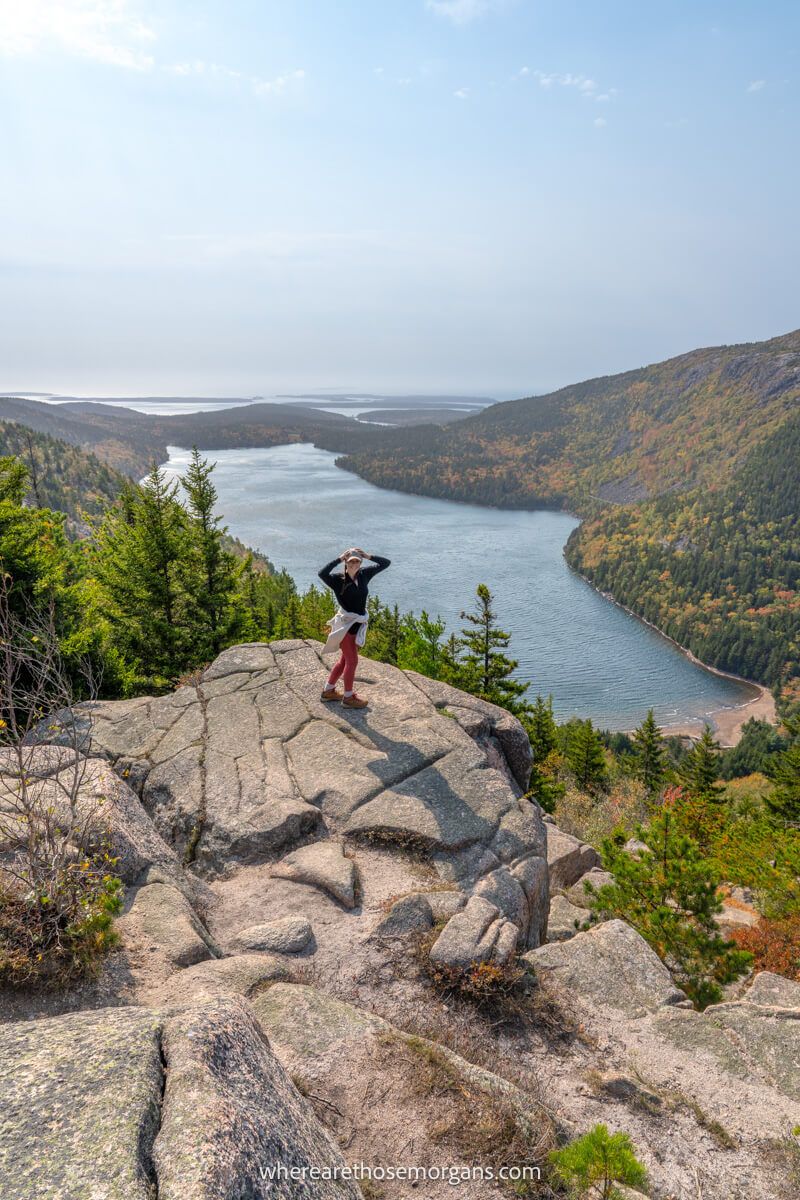
The Bubble Rock Trail leads to one of Acadia's most famous geological features – a large boulder precariously perched on the edge of South Bubble mountain. This 1-mile roundtrip hike from the Bubble Rock parking area offers a relatively quick but rewarding experience with spectacular views of Jordan Pond and the surrounding landscape.
The trail ascends moderately through a beautiful forest of birch, maple, and spruce trees before reaching the summit area of South Bubble. Once there, you can marvel at the famous Bubble Rock – a glacial erratic deposited during the last ice age. This massive boulder appears to defy gravity as it sits on the edge of a steep cliff, creating a popular photo opportunity for hikers.
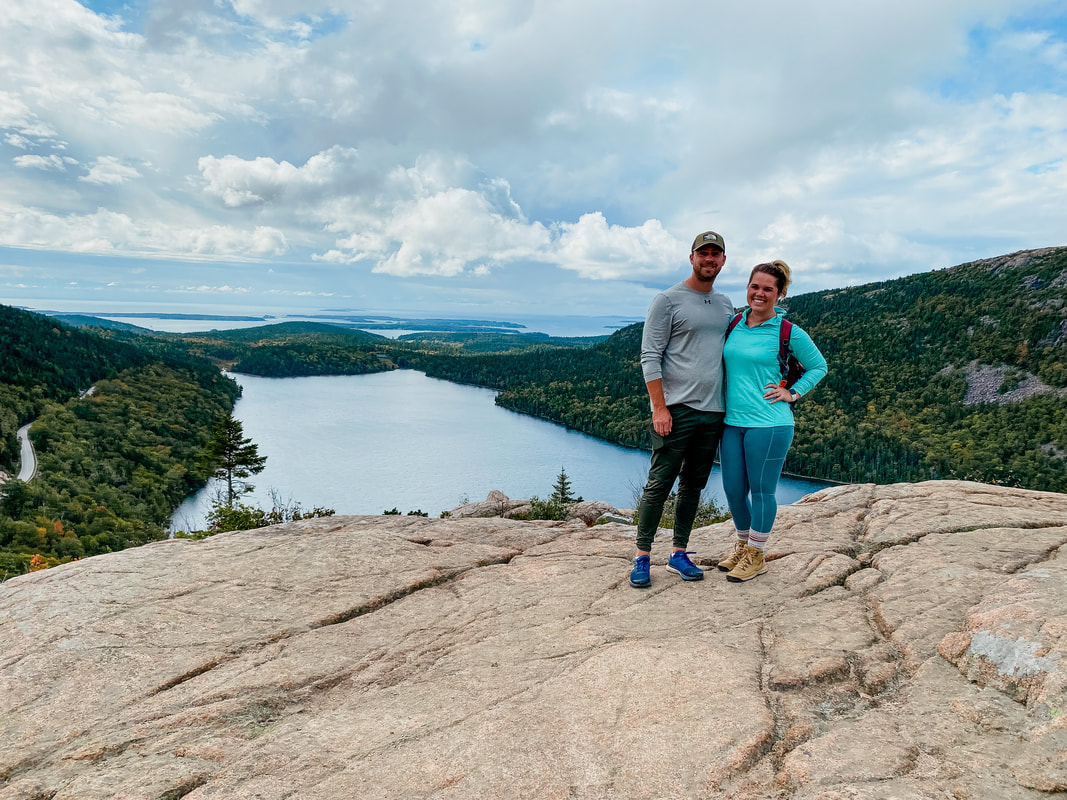
Beyond the novelty of Bubble Rock itself, the panoramic views from South Bubble are truly breathtaking. Jordan Pond stretches out below, flanked by the rounded peaks of the Bubbles to the north and Pemetic Mountain to the east. On clear days, you can see all the way to the Atlantic Ocean. This short but sweet hike deserves its place among the best hikes near Lake Acadia National Park for its combination of natural wonder, geological interest, and magnificent views accessible with minimal hiking effort.
Witch Hole Pond Loop
For a peaceful forest and pond experience, the Witch Hole Pond Loop provides a gentle 3.3-mile circuit on well-maintained carriage roads. This trail is perfect for those seeking a more relaxed hiking experience or families with small children, as it features minimal elevation change and smooth surfaces throughout.
The trail circles the picturesque Witch Hole Pond, a small but charming body of water frequented by ducks, herons, and other waterfowl. In spring and summer, the pond edges are adorned with blooming water lilies, creating a tranquil scene worthy of Monet. The surrounding forest is primarily composed of birch, maple, and pine trees, offering shade throughout most of the hike.
What makes this trail special is its accessibility and the opportunity to experience Acadia's famous carriage roads – the legacy of John D. Rockefeller Jr., who financed and directed their construction between 1913 and 1940. These beautifully engineered roads feature crushed stone surfaces and graceful bridges, making them perfect for both hiking and biking. During your hike, keep an eye out for beaver activity around the pond's edges – another highlight of this delightful woodland trek among the best hikes near Lake Acadia National Park. Witch Hole Pond Loop connects to the larger network of scenic drives in Acadia National Park via several access points.
3. Scenic Coastal Hikes Near Lake Acadia
Acadia National Park's coastline features some of the most dramatic and beautiful rocky shores in the United States. The coastal trails offer hikers incredible views of the Atlantic Ocean crashing against granite cliffs, hidden coves, and pebble beaches. These paths provide a completely different experience from the interior lake and mountain trails, showcasing why Acadia is truly a diverse hiking destination. Here are some of the most remarkable coastal hikes that rank among the best hikes near Lake Acadia National Park.
Ocean Path
Ocean Path is arguably the most accessible and spectacular coastal trail in Acadia National Park. This 4.4-mile out-and-back trail runs parallel to Park Loop Road between Sand Beach and Otter Point, hugging the rocky coastline and providing constant views of the powerful Atlantic Ocean. The relatively flat terrain makes it suitable for hikers of all abilities and ages.
What makes Ocean Path exceptional is the variety of coastal features you'll encounter. Starting from Sand Beach – one of the few sandy beaches in Acadia – the trail passes famous landmarks like Thunder Hole, where waves crash into a narrow inlet creating thunderous sounds and impressive water spouts during the right conditions. You'll also pass Monument Cove with its distinctive stone pillar and numerous smaller coves and tide pools worth exploring.
The beauty of Ocean Path is that you can make it as long or short as you wish, with multiple access points from Park Loop Road parking areas. For photographers, the early morning light illuminating the pink granite cliffs is particularly magical. This trail consistently ranks among visitors' favorite best hikes near Lake Acadia National Park for its accessibility and non-stop scenic views. For those interested in learning more about wildlife in Lake Acadia National Park, the tide pools along Ocean Path offer glimpses of marine creatures like sea stars, crabs, and anemones.
Great Head Trail
The Great Head Trail forms a 1.5-mile loop around the Great Head peninsula, offering some of the most dramatic coastal views in the park. Beginning at Sand Beach, this moderate trail climbs over granite bedrock and through spruce forests to reach panoramic viewpoints overlooking the Atlantic Ocean from atop 145-foot cliffs.
What distinguishes Great Head Trail is its exceptional perspective of the coastline. From various points along the loop, you'll enjoy sweeping views of Sand Beach, the Beehive, and the rugged eastern coastline of Mount Desert Island. The trail includes some moderate climbing on stone steps and exposed bedrock, but the effort is well rewarded with stunning vistas at every turn.
History enthusiasts will appreciate that Great Head was once the site of a tea house built by industrialist J.P. Morgan in 1915, though only the foundation remains today. The peninsula itself was formed by volcanic activity hundreds of millions of years ago and subsequently shaped by glacial action during the last ice age. This combination of natural beauty and historical interest makes Great Head Trail one of the best hikes near Lake Acadia National Park for those seeking a moderately challenging coastal experience rich in both scenery and stories of the past.
Gorham Mountain Trail
For hikers seeking a perfect blend of coastal and mountain scenery, the Gorham Mountain Trail delivers spectacularly. This 1.6-mile roundtrip hike ascends Gorham Mountain, offering progressive panoramic views of the Atlantic Ocean, surrounding islands, and Acadia's dramatic coastline throughout the climb.
The trail begins near Thunder Hole on Park Loop Road and gradually climbs through pine forests before emerging onto open granite slopes. Multiple viewpoints along the way provide excellent spots to rest and photograph the scenery. At 525 feet, the summit isn't particularly high, but its proximity to the coast ensures sweeping views that extend for miles on clear days.
What makes Gorham Mountain Trail special is how it connects with other trails in the area, allowing for various loop options. For a longer adventure, you can combine it with Ocean Path, the Beehive Trail, or continue to Cadillac Mountain. The relatively moderate difficulty level makes it accessible to most hikers with reasonable fitness levels, while still providing a sense of accomplishment and spectacular rewards. Many hikers consider this one of the best hikes near Lake Acadia National Park for its optimal balance of effort and scenic payoff. Those interested in photography tips at Lake Acadia will find Gorham Mountain offers some of the most photogenic coastal vistas in the entire park.
4. Challenging Summit Hikes in Acadia
For experienced hikers seeking physical challenges and spectacular rewards, Acadia's summit trails offer thrilling adventures to the tops of the park's impressive mountains. These elevated hikes feature more significant elevation gain, technical sections, and in return, provide the most expansive views in the park. Here are some of the most remarkable summit hikes that rank among the best hikes near Lake Acadia National Park for adventurous hikers.
Cadillac Mountain Trails
At 1,530 feet, Cadillac Mountain is the highest peak on the eastern seaboard of the United States and offers several challenging routes to its summit. While many visitors drive to the top, hiking Cadillac delivers a much more rewarding experience and allows you to fully appreciate the mountain's grandeur.
The Cadillac North Ridge Trail is perhaps the most popular hiking route, covering 4.4 miles roundtrip with 1,118 feet of elevation gain. Beginning from the Park Loop Road, this trail ascends steadily through forests before emerging onto open granite slopes with increasingly panoramic views. As you climb higher, Bar Harbor, Frenchman Bay, and the Porcupine Islands come into view, creating breathtaking vistas.
For an even more challenging experience, the Cadillac South Ridge Trail offers a longer 7-mile roundtrip hike with 1,350 feet of elevation gain. This route features a more gradual ascent through diverse ecosystems including forests, exposed ridgelines, and unique subalpine environments. Both trails culminate at the summit where, on clear days, you can see all the way to Mount Katahdin (Maine's highest mountain) and into Canada. The summit of Cadillac is also famous for being the first place in the United States to see the sunrise from October to March, making a pre-dawn hike a magical experience for early risers seeking the best hikes near Lake Acadia National Park at sunrise. For those planning a longer visit, check out this Lake Acadia travel itinerary: 3 days which includes Cadillac Mountain as a highlight.
Acadia Mountain Trail
Located on the quieter western side of Mount Desert Island, Acadia Mountain Trail offers a challenging 2.5-mile roundtrip hike with rewarding views of Somes Sound – the only true fjord on the eastern coast of the United States. The trail features 700 feet of elevation gain with several steep and rocky sections that require careful footing.
What makes Acadia Mountain special is its unique perspective of the island. Unlike the eastern peaks that face the open Atlantic, Acadia Mountain overlooks the dramatic Somes Sound with its steep-walled shores and protected waters. The trail begins in dense forest before emerging onto granite ledges and eventually reaching the open summit with its spectacular panorama.
The western location of this trail means it receives fewer visitors than the more accessible eastern peaks, providing a more secluded hiking experience. The afternoon light on this west-facing mountain creates perfect conditions for photography. For those looking to extend their adventure, the nearby St. Sauveur Mountain can be combined for a longer loop hike. This trail consistently ranks among the best hikes near Lake Acadia National Park for those seeking a challenging summit experience away from the more crowded areas of the park.
Beech Mountain Fire Tower Trail
Beech Mountain offers hikers not only spectacular views but also a piece of Acadia's history in the form of a restored fire lookout tower at its summit. The 1.2-mile loop trail to reach the 839-foot peak features moderate elevation gain with some steep sections requiring careful navigation.
The trail begins at the Beech Mountain parking lot and climbs through a beautiful mixed forest before reaching more exposed terrain near the summit. The western section of the loop provides stunning views over Long Pond and Blue Hill Bay, while the eastern approach offers a more gradual ascent through dense forest.
The highlight of this hike is undoubtedly the fire tower at the summit, which was originally built in the 1960s to monitor for forest fires. Today, visitors can climb partway up the tower's exterior stairs for exceptional 360-degree views of the surrounding landscape. On clear days, you can see all the way to the Camden Hills on the mainland. The combination of historical interest and spectacular scenery makes Beech Mountain one of the best hikes near Lake Acadia National Park for those interested in both natural beauty and cultural heritage. While exploring the western side of the park, you might also want to discover some of the camping spots around Lake Acadia which tend to be less crowded than those on the eastern side.
5. Seasonal Hiking Guide for Lake Acadia National Park
Acadia National Park transforms dramatically with each changing season, offering unique hiking experiences throughout the year. Understanding the seasonal variations can help you plan the perfect hiking trip and experience the best hikes near Lake Acadia National Park in their optimal conditions. Here's a comprehensive seasonal guide to help you make the most of your Acadia hiking adventure.
Spring Hiking Tips (April-May)
Spring in Acadia is a season of renewal, with the park gradually awakening from winter's grip. Early spring (April) can still feature lingering snow and ice on many trails, particularly at higher elevations and on north-facing slopes. By late May, most paths clear up, and the park bursts into life with wildflowers and returning migratory birds.
This shoulder season offers several advantages for hikers seeking the best hikes near Lake Acadia National Park without crowds. The park sees significantly fewer visitors than during summer months, meaning popular trails like Beehive and Jordan Pond Path are much less crowded. The cooler temperatures also make for comfortable hiking conditions, especially for more strenuous summit trails.
Some spring-specific recommendations include Ocean Path and Jordan Pond Path, which tend to clear of snow earlier than mountain trails. Spring is also an excellent time for birdwatching, with species like warblers and thrushes returning to the area. Keep in mind that some facilities remain closed until mid-May, and the Precipice Trail is typically closed until August for peregrine falcon nesting. Spring hikers should be prepared for muddy conditions and bring appropriate footwear. For more information about timing your visit, check out this guide on the best time to visit Lake Acadia.
Summer Hiking Adventures (June-August)
Summer brings warm temperatures, longer daylight hours, and peak visitor season to Acadia National Park. This is when all trails and facilities are fully operational, making it the most convenient time to experience the best hikes near Lake Acadia National Park. Average temperatures range from comfortable 70s to low 80s°F (21-28°C), though humidity can make it feel warmer, especially during July and August.
The primary consideration for summer hiking in Acadia is managing crowds. Popular trails like Beehive, Precipice (once it reopens in August), and Ocean Path can become quite busy, particularly between 10 AM and 4 PM. Early morning starts (before 8 AM) or evening hikes often provide more solitude and better photography conditions.
Summer is the perfect time to tackle challenging hikes like Cadillac Mountain trails, as the extended daylight hours give you plenty of time to complete longer routes. It's also ideal for combining hiking with other activities like swimming at Sand Beach or Echo Lake after your trek. For families, summer offers the best conditions for kid-friendly hikes such as Ship Harbor Trail and Wonderland Trail on the quieter "quiet side" of the island. If you're traveling with children, you might want to check out these family-friendly activities in Acadia National Park to complement your hiking adventures.
Fall Foliage Trails (September-October)
Fall is arguably the most spectacular season for hiking in Acadia, with vibrant foliage transforming the landscape into a painter's palette of reds, oranges, and golds. Peak foliage typically occurs in mid-October, though this can vary slightly from year to year. The combination of colorful forests against the blue backdrop of lakes and ocean creates unforgettable scenery on the best hikes near Lake Acadia National Park.
Beyond the visual spectacle, autumn offers comfortable hiking temperatures, typically ranging from the 40s to 60s°F (4-20°C), and significantly reduced bug activity compared to summer months. While September still sees substantial visitation, by mid-October, the crowds thin considerably, especially on weekdays.
For prime fall foliage experiences, try the Jordan Pond Path, where colorful trees reflect in the crystal-clear water, or Bubble Rock Trail for elevated views of the foliage surrounding Jordan Pond. The carriage roads, particularly around Eagle Lake and Witch Hole Pond, offer accessible paths through tunnels of autumn color. Acadia Mountain on the western side of the island provides spectacular views of Somes Sound framed by colorful hillsides. For photographers seeking to capture Acadia's autumn splendor, these trails offer the perfect combination of scenic beauty and manageable terrain.
Winter Hiking Opportunities (November-March)
Winter transforms Acadia into a serene, snow-covered wilderness that few visitors experience. While many facilities close and Park Loop Road becomes unplowed beyond the Entrance Station, this season offers unique opportunities for adventurous hikers prepared for cold-weather conditions. Winter temperatures typically range from 10-30°F (-12 to -1°C), with snow cover common from December through March.
The best hikes near Lake Acadia National Park in winter include Ocean Path, which remains relatively accessible and offers dramatic views of the winter Atlantic, and carriage roads, which are groomed for cross-country skiing and snowshoeing after sufficient snowfall. For experienced winter hikers with proper equipment, the Cadillac North Ridge Trail provides a challenging snow trek with the reward of standing alone on Acadia's highest peak.
Winter hikers should be properly equipped with traction devices (microspikes or crampons), layers of insulating clothing, and navigation tools as trail markers can be obscured by snow. The park operates with minimal services during winter, so self-sufficiency is essential. Despite these challenges, winter hiking in Acadia offers unparalleled solitude and a pristine beauty that summer visitors never experience. The contrast of snow-covered granite against the deep blue winter ocean creates photographic opportunities unique to this season.
6. Essential Gear for Hiking in Acadia National Park
Proper equipment can make the difference between an enjoyable hike and a miserable (or potentially dangerous) experience when exploring the best hikes near Lake Acadia National Park. The varied terrain and changeable weather of coastal Maine demand preparation and appropriate gear. Here's my comprehensive guide to essential equipment for Acadia hiking adventures.
My Recommended Hiking Gear
After countless miles on Acadia's trails across all seasons, I've refined my gear list to include items that truly enhance the hiking experience. For footwear, I strongly recommend investing in quality hiking boots with ankle support and excellent traction. Acadia's granite surfaces become extremely slippery when wet, and proper footwear prevents dangerous falls. My personal choice is the Asolo Men's Acadia GTX Hiking Boots, which offer waterproof protection and exceptional grip on rocky surfaces.
For challenging hikes like Beehive and Precipice Trails, trekking poles provide crucial stability and reduce strain on your knees during descents. I've found the Black Diamond Trail Cork Trekking Poles to be lightweight yet sturdy enough for Acadia's varied terrain. Their collapsible design makes them easy to stow when scrambling sections require both hands.
A quality daypack is essential for carrying water, food, extra layers, and safety gear. The Osprey Hikelite 28 has served me well with its comfortable suspension system, integrated rain cover, and sufficient capacity for day hikes. For longer explorations of the best hikes near Lake Acadia National Park, consider a pack with 25-35 liter capacity to accommodate extra supplies and equipment.
What to Pack for Day Hikes
Even for relatively short day hikes in Acadia, proper preparation is crucial due to the variable weather conditions and sometimes remote trail locations. My essential packing list includes:
- Water: At least 2 liters per person for most day hikes, more on hot days or for longer routes
- Food: High-energy snacks and a proper meal for longer hikes
- Navigation: Park map (available at visitor centers), compass, and downloaded offline maps on your phone
- First Aid Kit: Including blister treatment, pain relievers, bandages, and personal medications
- Sun Protection: Sunscreen, hat, and sunglasses
- Insect Repellent: Essential from late spring through early fall
- Extra Clothing Layers: Including a warm insulating layer and waterproof/windproof outer layer
- Headlamp: With extra batteries in case your hike unexpectedly extends into evening
- Emergency Whistle: For signaling in case of emergency
For hydration, I recommend the Teton Sports TrailRunner 2L Hydration Pack, which includes a reservoir system that makes it easy to stay hydrated without stopping to retrieve water bottles. This lightweight option is perfect for shorter hikes when you don't need a full daypack.
Seasonal Gear Considerations
Acadia's dramatically different seasons require adjustments to your hiking gear throughout the year. In summer (June-August), focus on sun and bug protection. A high-quality insect repellent containing DEET is essential, as is sun protection for the exposed granite summits where reflection intensifies UV rays. Lightweight, moisture-wicking clothing helps manage the humidity typical of Maine summers.
Fall hiking (September-October) demands layering options as temperatures can range from warm afternoons to near-freezing mornings. I always pack a lightweight down or synthetic insulated jacket like the Patagonia Nano Puff, which provides excellent warmth while compressing small enough to fit easily in a daypack. Gloves and a warm hat are also recommended, especially for early morning or late afternoon hikes.
Winter adventures (November-March) on the best hikes near Lake Acadia National Park require specialized equipment including microspikes or crampons for traction on icy surfaces, waterproof insulated boots, and multiple insulating layers. A thermos with hot liquid can be a morale-booster on cold days. The Kahtoola MICROspikes have proven invaluable for winter hiking in Acadia, providing essential traction on icy trails without the bulk and complexity of full crampons.
Spring conditions (April-May) are perhaps the most variable, requiring preparation for everything from warm sunshine to cold rain and even lingering snow in shaded areas. Waterproof boots are essential during this muddy season, and gaiters can be helpful on trails with deep mud or lingering snow. Those interested in kayaking on Lake Acadia during the warmer months should also pack quick-dry clothing and water shoes.
7. My Personal Experience Hiking Acadia
Having hiked the trails of Acadia National Park during more than a dozen visits spanning all four seasons, I've developed a deep appreciation for this remarkable coastal wilderness. My personal experiences on the best hikes near Lake Acadia National Park have taught me valuable lessons about preparation, timing, and the rewards of venturing beyond the most popular routes. Here, I share some of my most memorable hiking experiences and the insights I've gained along the way.
Memorable Moments on the Trails
My first encounter with Acadia's dramatic landscape came during a summer visit when I tackled the Beehive Trail. As someone with a mild fear of heights, I found the exposed sections with iron rungs both challenging and exhilarating. Reaching the summit after navigating those airy ledges gave me a profound sense of accomplishment, and the view of Sand Beach from above was even more spectacular than I had anticipated. This experience taught me that pushing slightly beyond your comfort zone often yields the most rewarding hiking experiences.
Another unforgettable moment occurred during an October visit when I hiked the Jordan Pond Path at sunrise. I arrived before dawn and watched as the first light illuminated the Bubble Mountains, creating perfect reflections in the still waters. The solitude of that moment – being completely alone on what would later become a busy trail – reinforced my strategy of starting hikes early, especially when visiting the best hikes near Lake Acadia National Park during peak seasons.
Perhaps my most magical hiking experience in Acadia happened during a winter visit when I snowshoed up the Cadillac North Ridge Trail. The mountain was closed to vehicles, and only a handful of other adventurous souls were attempting the winter ascent. The landscape was transformed by snow, with wind-sculpted drifts creating otherworldly formations on the granite slopes. Standing at the summit, with the winter sun sparkling off the frozen Atlantic Ocean and the entire landscape blanketed in white, I experienced Acadia in a way that relatively few visitors ever do.
Lessons Learned
Through years of exploring Acadia's trail network, I've learned several valuable lessons that have enhanced my hiking experiences. Perhaps the most important is the value of timing – both seasonally and daily. Mid-week visits in late September and early October offer a sweet spot of perfect weather, stunning fall colors, and manageable crowds. Similarly, starting hikes either very early (before 8 AM) or later in the afternoon (after 3 PM) allows you to enjoy popular trails with significantly fewer people.
I've also learned to appreciate the "quiet side" of Mount Desert Island, where trails like Beech Mountain, Flying Mountain, and Acadia Mountain offer spectacular experiences with a fraction of the visitors found on the eastern side of the park. These western trails may require a bit more driving to reach, but they reward hikers with equal beauty and greater solitude.
Weather in coastal Maine can change rapidly, and some of my most challenging moments have come when unprepared for sudden shifts in conditions. I once began a hike up Pemetic Mountain under sunny skies, only to encounter thick fog and rain halfway up. This experience taught me to always pack rain gear and extra layers, even on seemingly perfect days, and to check weather forecasts specifically for the Mount Desert Island area rather than general regional forecasts.
Finally, I've learned that the best hikes near Lake Acadia National Park aren't necessarily the most famous ones. Some of my most cherished memories have been made on lesser-known paths like the Hunters Beach Trail, Wonderland Trail, and Ship Harbor Nature Trail, where the crowds are thin and the natural beauty is just as impressive. For those looking to discover some hidden gems, check out the top viewpoints near Lake Acadia that aren't on most tourist maps.
User Reviews and Recommendations
"I've hiked in national parks across the country, but Acadia remains special because of its unique combination of mountain and ocean landscapes. The Precipice Trail was the most exhilarating hiking experience I've had on the East Coast – comparable to Angels Landing in Zion but with ocean views! Just be prepared for the iron rungs and don't attempt it if you have a serious fear of heights." – Sarah K., Reddit hiking community
"As a family with young children (ages 6 and 9), we found the Jordan Pond Path and Ocean Path perfect for creating lasting memories without overwhelming the kids. The boardwalk sections of Jordan Pond kept little feet dry, and the rocks along Ocean Path provided endless exploration opportunities. Don't miss popovers at Jordan Pond House – our kids still talk about them months later!" – Michael T., Amazon review of Acadia hiking guide
"October hiking in Acadia changed my perception of what fall colors could be. The Bubbles Trail offered panoramic views of Jordan Pond surrounded by red, orange and gold foliage that reflected perfectly in the water. I recommend microspikes if you visit in late fall though – we encountered some icy patches on north-facing slopes that made hiking tricky." – Lisa M., Quora response on best fall hiking destinations
These reviews echo my own experiences that the best hikes near Lake Acadia National Park offer something for everyone, from adrenaline-pumping climbs to peaceful nature walks. The common thread is appreciation for Acadia's unique combination of landscapes and the importance of proper preparation for whatever trails you choose to explore.
8. Conclusion
Exploring the best hikes near Lake Acadia National Park reveals a world of natural diversity that few other destinations can match. From challenging summit climbs with iron rungs and ladders to gentle lakeside strolls, Acadia's trail network offers experiences for hikers of every ability level and interest. The park's unique geography – where mountains literally meet the sea – creates landscapes and views that remain etched in memory long after your visit ends.
Throughout this guide, we've explored iconic trails like the thrilling Precipice and Beehive routes, the serene Jordan Pond and Eagle Lake loops, and the spectacular coastal Ocean Path. We've discussed seasonal considerations to help you time your visit optimally, whether you're seeking summer sunshine, autumn foliage, or winter solitude. The recommended gear and packing suggestions aim to ensure you're properly prepared for Acadia's variable conditions and diverse terrain.
My personal experiences and the shared reviews from other hikers highlight both the popular favorites and some hidden gems worth discovering. While trails like Beehive and Jordan Pond Path certainly deserve their fame, don't overlook lesser-known options like Beech Mountain, Great Head, and the trails of the "quiet side" that offer equally spectacular scenery with fewer crowds.
As you plan your own Acadia hiking adventure, remember that flexibility and preparation are key. Weather conditions can change quickly in coastal Maine, and having alternative hikes planned can salvage a day when fog or rain affects visibility on the mountain summits. Starting early, respecting trail closures (particularly for falcon nesting), and practicing Leave No Trace principles will ensure both your safety and the preservation of this remarkable landscape.
Whether you're standing on a windswept summit gazing at island-dotted bays, walking through forests illuminated by fall colors, or listening to waves crash against granite shores, the best hikes near Lake Acadia National Park offer experiences that connect us deeply with the natural world. This special place where mountains, forests, lakes, and ocean converge has been inspiring hikers for generations, and with proper care, will continue to do so for many more to come.
I hope this guide helps you discover your own favorite trails in Acadia National Park. Happy hiking!
9. Frequently Asked Questions
What are the easiest hiking trails in Acadia National Park?
Acadia offers several easy hiking options that are perfect for families, beginners, or those seeking a more relaxed experience. The Jordan Pond Path is a 3.3-mile mostly flat loop around the pristine Jordan Pond with stunning views of the Bubble Mountains. Ocean Path provides a 4.4-mile (round trip) gentle coastal walk between Sand Beach and Otter Point with continuous ocean views and minimal elevation change. Ship Harbor Trail and Wonderland Trail on the quieter side of the island are both short (1.3-1.4 miles) and easy loops offering beautiful coastal scenery without crowds. These easier trails still showcase the beauty that makes the best hikes near Lake Acadia National Park so special while requiring less physical exertion.
When is the best time to hike in Acadia National Park?
The optimal hiking season in Acadia National Park is from late May through October, with each period offering distinct advantages. Early summer (June) features lush landscapes and moderate temperatures before the peak crowds arrive in July and August. September and early October deliver the perfect combination of comfortable hiking weather, reduced crowds, and spectacular fall foliage. For those seeking specific experiences, mid-October typically offers peak fall colors, while early morning summer hikes provide the best wildlife viewing opportunities. Winter hiking (December through March) is possible for experienced hikers with proper equipment and offers unparalleled solitude. Spring (April-May) can be muddy with variable conditions but rewards hikers with emerging wildflowers and returning birdlife on the best hikes near Lake Acadia National Park.
Are dogs allowed on Acadia National Park hiking trails?
Acadia National Park is one of the more pet-friendly national parks, allowing leashed dogs on most hiking trails. However, important restrictions apply that all pet owners should know. Dogs must always be on a leash no longer than 6 feet (1.8 m), and owners must clean up after their pets. Dogs are prohibited on ladder trails (including Beehive and Precipice) for safety reasons, on several swimming beaches during summer months, and on Isle au Haut trails. They are also not permitted on Precipice, Beehive, Ladder Trail to Dorr Mountain, Jordan Cliffs Trail, and a few other technically challenging routes. The carriage roads, Ocean Path, Jordan Pond Path, and many other scenic trails welcome leashed dogs, making Acadia a great destination for hiking with canine companions. For more detailed information, visit the pet-friendly trails in Acadia National Park guide.
What wildlife might I encounter while hiking in Acadia?
Acadia's diverse ecosystems support abundant wildlife that hikers may encounter on trails. The most commonly seen mammals include white-tailed deer, red and gray squirrels, chipmunks, snowshoe hares, and beavers. More elusive residents include red foxes, porcupines, river otters, and occasionally moose (though moose sightings are rare). The park is home to over 300 bird species, with commonly spotted ones including bald eagles, peregrine falcons, common loons, black-capped chickadees, and various warblers. Despite popular misconceptions, black bears are extremely rare in Acadia. Marine wildlife visible from coastal trails includes harbor seals, porpoises, and occasionally whales in the distance. Dawn and dusk hikes on quieter trails like Wonderland and Hunter's Brook offer the best wildlife viewing opportunities. Always maintain a respectful distance from all wildlife encountered on the best hikes near Lake Acadia National Park.
How difficult are the iron rung trails in Acadia?
Acadia's famous iron rung trails – Precipice, Beehive, Jordan Cliffs, and Ladder Trail – offer thrilling experiences but require careful assessment of your comfort with exposure and heights. These trails incorporate metal rungs, ladders, and handrails bolted into granite cliffs, with sections featuring significant drop-offs and narrow ledges. The Precipice Trail is the most challenging, with nearly continuous iron rungs and a 1,000-foot vertical ascent. Beehive Trail offers a similar but slightly less intense experience with fewer exposed sections. These routes are not technically difficult in terms of climbing skills required, but they demand confidence with heights, good balance, and basic upper body strength. They are not appropriate for young children, those with a fear of heights, or anyone who might panic in exposed situations. Hikers should never attempt to descend these trails, as they are designed for one-way uphill traffic only, with separate descent paths. When properly prepared, these unique trails offer unforgettable adventures among the best hikes near Lake Acadia National Park.
About the Author
I've been hiking the trails of Acadia National Park for over a decade, experiencing them in all seasons and weather conditions. My passion for this unique coastal wilderness has led me to complete every marked trail in the park multiple times and to document the changing character of these paths throughout the year. Through WildernessPaths.com, I share my expertise to help fellow hikers discover the magic of America's northeastern gem. Whether you're planning your first visit or your twentieth, I hope my insights help you find your own special connection with the best hikes near Lake Acadia National Park.
© 2025 WildernessPaths.com. All rights reserved. The content on this website is protected by copyright law. Unauthorized use, reproduction, or distribution is prohibited.