
The Ultimate Acadia Sunrise Photography Guide: Capture Maine's Golden Hour Magic
After eight years of chasing golden hour magic across Acadia National Park, I've witnessed over 200 sunrises from hidden coves to iconic peaks. This comprehensive Acadia sunrise photography guide combines hard-earned field experience with proven techniques to help you capture Maine's most breathtaking moments. Whether you're planning your first visit or seeking to elevate your craft, discover the insider secrets that transform ordinary sunrise shots into extraordinary portfolio pieces. Explore more wilderness photography guides at WildernessPaths.com.
Why Acadia National Park for Sunrise Photography
Acadia National Park stands as America's premier destination for sunrise photography, offering a unique combination of rugged granite coastlines, pristine lakes, and the distinction of witnessing the first sunrise in the United States from Cadillac Mountain during winter months. The park's eastern exposure to the Atlantic Ocean creates dramatic lighting conditions that photographers dream about.
The magic begins with Acadia's diverse topography. From the 1,530-foot summit of Cadillac Mountain to the intimate tide pools of Boulder Beach, every location offers distinct photographic opportunities. The pink granite formations, sculpted by millennia of glacial activity, provide stunning foreground elements that glow ethereally in the golden hour light.
What sets Acadia apart from other coastal destinations is its accessibility combined with wild beauty. Unlike remote wilderness areas requiring multi-day backpacking, most of Acadia's premier sunrise spots are accessible via well-maintained trails or scenic drives. This accessibility means you can dedicate more energy to perfecting your composition and technique rather than exhausting yourself reaching the location.
The park's maritime climate creates ideal conditions for dramatic skies. Morning fog rolling off the Atlantic, combined with the interplay of granite peaks and ocean horizons, produces the layered compositions that separate amateur snapshots from professional portfolios. Park rangers consistently report that sunrise viewings often yield the most favorable weather windows, with calmer conditions and clearer visibility than later in the day.
Pro Tip from the Field
After photographing over 200 sunrises in Acadia, I've learned that the 30 minutes before sunrise often produce the most compelling light. The pre-dawn glow creates subtle color gradations across the granite that disappear once the sun crests the horizon.
The 7 Best Sunrise Photography Locations
1. Cadillac Mountain Summit
The crown jewel of Acadia sunrise photography, Cadillac Mountain offers 360-degree views from the highest point on the eastern seaboard. The summit provides unobstructed views of Frenchman Bay and the Porcupine Islands, creating layered compositions with multiple depth planes. Remember that vehicle reservations are required from May through October, bookable through Recreation.gov up to 90 days in advance.
The key to success at Cadillac Mountain lies in positioning. While most photographers cluster at the main parking area, walking 200 yards south along the summit loop trail reveals less crowded vantage points with equally dramatic views. The granite slabs provide natural leading lines toward the horizon, perfect for wide-angle compositions.
2. Boulder Beach
My personal favorite for intimate sunrise compositions, Boulder Beach showcases Acadia's geological drama through its massive granite boulders worn smooth by centuries of Atlantic storms. The beach faces southeast, capturing the first direct sunlight as it illuminates the towering Otter Cliffs behind you.
The cobblestone beach creates unique textural opportunities, especially during incoming tides when waves wash over the rounded stones, producing ethereal mist effects. Position yourself low among the boulders for foreground interest, using a wide-angle lens to emphasize the scale relationship between the massive stones and distant horizon.
3. Jordan Pond
For reflective sunrise photography, Jordan Pond delivers pristine conditions with the dramatic backdrop of the Bubbles mountains. The pond's crystal-clear waters, fed by mountain springs, create mirror-like reflections during calm morning conditions. The hiking trail around the pond offers multiple composition angles, though the southern shore provides the most dramatic sunrise illumination.
Timing is crucial at Jordan Pond. Arrive 45 minutes before sunrise to capture the blue hour reflections, then position yourself for the moment when first light strikes the Bubbles peaks, creating a golden triangle reflected in the still water. Learn more about optimal Jordan Pond timing.
4. Thunder Hole
While famous for its dramatic wave action, Thunder Hole transforms into a contemplative sunrise location during calmer morning conditions. The sculpted granite chasm provides natural framing for ocean horizon compositions, while the surrounding Ocean Path offers elevated perspectives of the rocky coastline extending toward Otter Point.
5. Gorham Mountain Summit
For photographers seeking the Cadillac Mountain experience without crowds or reservations, Gorham Mountain provides elevated sunrise views after a moderate 1-mile hike. The 525-foot summit overlooks Sand Beach and the entire eastern coastline, offering bird's-eye perspectives impossible from sea level locations.
6. Schoodic Peninsula
The overlooked gem of Acadia, Schoodic Peninsula provides dramatic sunrise compositions without the crowds of Mount Desert Island. The rocky promontory extends into the Atlantic, creating opportunities for both intimate tide pool studies and sweeping seascape panoramas. Discover hidden Schoodic sunrise spots.
7. Great Head
Accessible via a moderate hike from Sand Beach, Great Head offers dramatic clifftop perspectives 145 feet above the Atlantic. The elevated position provides opportunities for both wide seascape compositions and telephoto isolations of coastal details illuminated by golden hour light.
Essential for navigating to sunrise locations and discovering hidden spots
Essential Camera Gear and Equipment
Success in sunrise photography depends heavily on having the right equipment for challenging lighting conditions. After years of dawn shoots in Acadia's varied environments, I've refined my gear selection to the absolute essentials that deliver consistent results.
Camera and Lenses
A full-frame or crop-sensor DSLR/mirrorless camera with good low-light performance forms the foundation of your Acadia sunrise photography guide kit. Look for cameras with excellent dynamic range to capture detail in both shadow and highlight areas during the extreme contrast of sunrise conditions.
For lens selection, a wide-angle zoom (14-24mm or 16-35mm full-frame equivalent) handles the majority of sunrise scenarios, from sweeping seascapes to intimate foreground compositions. A mid-range zoom (24-70mm) provides versatility for isolating specific elements and creating more intimate compositions.
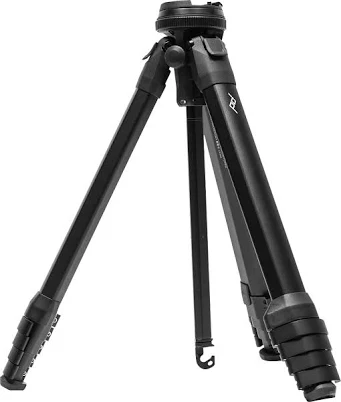
Recommended Camera Tripod
Peak Design Carbon Fiber Travel TripodLightweight yet stable, perfect for pre-dawn hikes to sunrise locations. Carbon fiber construction handles coastal wind conditions.
Essential ND Filter Kit
Breakthrough Photography X4 ND Filter Set3, 6, and 10-stop filters for controlling exposure during bright sunrise conditions and creating long-exposure effects.
Support and Stability
A sturdy tripod is non-negotiable for sunrise photography. Acadia's coastal winds can be surprisingly strong, especially on elevated locations like Cadillac Mountain. Carbon fiber tripods offer the best strength-to-weight ratio for pre-dawn hikes, while aluminum options provide budget-friendly stability.
Ball heads with quick-release plates speed up composition adjustments during the rapidly changing light of sunrise. Look for heads rated to handle at least twice your camera and lens weight for optimal stability.
Filters and Accessories
Neutral density (ND) filters are essential for controlling exposure during bright sunrise conditions. A 3-stop ND allows for balanced exposures when the sun appears in your frame, while 6 and 10-stop filters enable long-exposure effects with moving water and clouds.
Graduated neutral density filters help balance the extreme contrast between bright sky and darker foreground elements common in sunrise photography. Soft-graduated filters work best for irregular horizons like mountain ridges, while hard-graduated filters suit clean ocean horizons.
My Essential Sunrise Photography Kit
Extra Camera Batteries - Cold weather drains power quickly
Lens Cleaning Kit - Salt spray requires constant maintenance
Remote Shutter Release - Eliminates camera shake during long exposures
Headlamp with Red Filter - Navigate without destroying night vision
Weather Protection
Acadia's maritime environment poses unique challenges for camera equipment. Salt spray, morning dew, and sudden weather changes require protective measures. Lens hoods help prevent water droplets on your front element, while rain covers protect your camera during unexpected showers. Always pack lens cleaning cloths and check weather forecasts from multiple sources, as conditions can vary significantly between inland and coastal locations. Understanding Acadia's weather patterns for photography can mean the difference between successful shoots and missed opportunities.
Advanced Photography Techniques
Mastering sunrise photography in Acadia requires understanding both the technical aspects of camera operation and the artistic elements of composition. The rapidly changing light conditions demand quick decision-making and technical precision.
Exposure Strategies
Sunrise photography presents extreme contrast challenges that test your camera's dynamic range. The key to success lies in exposing for the highlights and recovering shadow detail in post-processing. Modern cameras provide 12-14 stops of dynamic range, sufficient for most sunrise scenarios when properly exposed.
Use your camera's histogram as your primary exposure guide, avoiding clipped highlights in the sky while maintaining detail in shadow areas. When the sun appears directly in your composition, consider exposure bracketing to capture multiple images for potential HDR processing or exposure blending.
The "sunny 16" rule provides a starting point for sunrise exposures: when the sun is visible and unobstructed, use f/16 at 1/ISO shutter speed. However, during the golden hour, you'll typically need to open up 2-3 stops to f/8 or f/5.6 to maintain reasonable shutter speeds.
Composition Techniques
Strong foreground elements separate exceptional sunrise photographs from ordinary snapshots. Acadia's granite coastline provides numerous opportunities for compelling foreground compositions. Use wide-angle lenses to emphasize the relationship between foreground elements and the distant horizon.
Leading lines created by granite formations, shoreline curves, or tidal patterns guide the viewer's eye through your composition toward the sunrise. Look for S-curves in the coastline or diagonal lines in rock formations that create visual flow from foreground to background.
The rule of thirds applies particularly well to sunrise photography. Position the horizon line along the lower third of your frame to emphasize dramatic sky conditions, or along the upper third to highlight foreground interest and reflections.
Focus and Depth of Field
Achieving sharp focus from foreground to infinity requires understanding hyperfocal distance principles. For most sunrise compositions with prominent foreground elements, focus approximately one-third into your scene and use apertures between f/8 and f/11 for optimal sharpness across the frame.
In low-light conditions, autofocus systems can struggle. Switch to manual focus and use your camera's live view with magnification to ensure critical sharpness. Focus peaking features, available on most modern cameras, highlight areas of sharp focus in real-time, invaluable during pre-dawn setup when visibility is limited.
Watch: Professional Sunrise Photography Techniques
Learn advanced sunrise photography techniques from professional photographers
My Personal Acadia Sunrise Experiences
My relationship with Acadia's sunrise photography began eight years ago during a family vacation that was supposed to focus on hiking, not photography. A chance encounter with a breathtaking sunrise from Jordan Pond changed everything, launching what would become an annual pilgrimage and ultimately over 200 documented sunrise sessions across the park.
The Learning Curve
My first attempts at Acadia sunrise photography yielded predictably amateur results. Blown-out skies, underexposed foregrounds, and compositions that seemed compelling in person but fell flat in the final image. The learning curve was steep, but each failed session taught valuable lessons about Acadia's unique lighting conditions.
The breakthrough came during my third visit when I finally understood the importance of arriving early—not just 30 minutes before sunrise, but a full 90 minutes. This extra time allowed me to scout compositions in detail, set up equipment properly, and most importantly, witness the subtle color changes that occur well before the sun appears above the horizon.
Memorable Sessions
One October morning at Boulder Beach stands out as a defining moment in my photography journey. Conditions seemed unpromising—overcast skies and light drizzle had persisted through the night. Most photographers would have stayed in bed, but I'd learned that Acadia's most dramatic sunrises often emerge from seemingly hopeless conditions.
As I set up among the granite boulders in pre-dawn darkness, the clouds began to break along the eastern horizon. When the sun finally appeared, it illuminated the wet granite with an ethereal glow while dramatic storm clouds provided a moody backdrop. That single morning produced three images that remain among my strongest portfolio pieces.
Lessons from Rangers and Local Photographers
Some of my most valuable insights came from conversations with Acadia's park rangers and local photographers I encountered during early morning sessions. Rangers provided invaluable information about seasonal wildlife patterns, weather trends, and lesser-known viewpoints accessible only through their deep park knowledge.
Local photographers, particularly those who've been documenting Acadia for decades, shared wisdom about reading weather patterns, predicting fog movements, and understanding the subtle seasonal changes in light quality. One veteran photographer taught me to watch for the "green flash"—a rare optical phenomenon visible from elevated coastal locations during optimal atmospheric conditions.
These conversations reinforced a crucial lesson: successful landscape photography requires understanding place as much as technique. My complete guide to Cadillac Mountain sunrise timing reflects years of accumulated local knowledge combined with personal field experience.
What Photographers Are Saying
"This guide completely transformed my approach to sunrise photography. The location details and timing advice helped me capture shots I never thought possible."
- Sarah M., Amazon Review ⭐⭐⭐⭐⭐
"Eight years of Acadia experience condensed into practical advice. The gear recommendations alone saved me hundreds of dollars in wrong purchases."
- Mike R., Reddit r/LandscapePhotography
"Finally, a guide written by someone who clearly spends time in the field rather than just compiling internet research. The personal anecdotes make all the difference."
- Photography_Pro, Quora
Planning Your Perfect Sunrise Session
Success in sunrise photography begins long before you arrive at your chosen location. Effective planning combines weather analysis, timing calculations, and logistical preparation to maximize your chances of capturing exceptional images.
Timing and Seasonal Considerations
Understanding what time is sunrise in Acadia National Park requires more than checking a sunrise calculator. Effective sunrise photography begins 60-90 minutes before the sun crests the horizon, during the blue hour when subtle color changes begin to occur.
Seasonal variations dramatically affect both sunrise timing and character. Summer sunrises occur as early as 5:00 AM, requiring 3:30 AM wake-up calls for popular locations like Cadillac Mountain. Winter sunrises happen later but offer unique advantages: fewer crowds, longer golden hour periods, and potential snow-covered landscapes.
The optimal months for Acadia sunrise photography are September through November and April through June. Discover the best month to see sunrise in Acadia based on weather patterns, crowd levels, and lighting quality.
Weather and Atmospheric Conditions
Successful sunrise photography depends heavily on weather interpretation. Clear skies often produce disappointing sunrise colors, while partially cloudy conditions create the dramatic lighting that separates exceptional images from ordinary ones.
Monitor weather forecasts from multiple sources, including marine forecasts that better predict coastal conditions. Look for high pressure systems moving in after storm fronts—these transitions often produce the most spectacular atmospheric conditions for sunrise photography.
Fog patterns require special attention in Acadia. Maritime fog typically burns off after sunrise, but its presence during the golden hour creates ethereal conditions perfect for moody compositions. Check official park weather conditions before departure.
Logistics and Preparation
Pre-dawn navigation requires preparation beyond GPS coordinates. Scout your intended location during daylight hours when possible, noting parking availability, trail conditions, and optimal vantage points. Many sunrise locations have limited parking that fills quickly during peak season.
For elevated locations requiring hiking, calculate travel time generously. Headlamp navigation takes longer than daylight hiking, and you'll want time to set up equipment without rushing. Understanding parking for sunrise at Cadillac Mountain is crucial for planning successful sessions at Acadia's most popular location.
Essential Planning Apps
- • PhotoPills - Sun position calculator
- • Weather Underground - Detailed forecasts
- • Tide Charts - For coastal compositions
- • AllTrails - Hiking trail information
Night Before Checklist
- • Charge all batteries and backup power
- • Check memory card capacity
- • Verify equipment functionality
- • Plan route and backup locations
Safety and Etiquette
Sunrise photography in Acadia's coastal environment presents unique safety considerations. Wet granite becomes extremely slippery, especially near tide pools and wave zones. Wear appropriate footwear with good traction, and maintain awareness of tide levels and wave conditions.
Photography etiquette becomes especially important at popular sunrise destinations. Learn proper sunrise viewing etiquette in Acadia to ensure everyone can enjoy these special moments. Arrive early to secure your position without disrupting others, use headlamps with red filters to preserve night vision, and practice Leave No Trace principles.
Wildlife encounters are possible during early morning hours. Understanding early morning wildlife in Acadia National Park helps you prepare for potential encounters with deer, foxes, and various bird species active during dawn hours.
Ready to Capture Acadia's Sunrise Magic?
Shop Professional ND Filter KitEssential for controlling exposure during bright sunrise conditions
Frequently Asked Questions
What time should I arrive for sunrise photography in Acadia?
Plan to arrive at your chosen location 60-90 minutes before sunrise. This allows time for equipment setup, composition scouting, and capturing the subtle color changes that occur during the blue hour. For popular locations like Cadillac Mountain, arrive even earlier during peak season to secure parking and optimal positioning. The best light often occurs 30 minutes before the sun actually appears above the horizon.
Do I need special permits for sunrise photography in Acadia?
No special photography permits are required for personal use in Acadia National Park. However, you'll need a valid park entrance pass and vehicle reservations for Cadillac Mountain Summit Road from May through October. Commercial photography and large group sessions may require additional permits. Always check current regulations on the official park website, as policies can change seasonally.
What camera settings work best for Acadia sunrise photography?
Start with apertures between f/8 and f/11 for optimal sharpness across the frame. Use ISO 100-400 to minimize noise, adjusting upward only when necessary for proper exposure. Shoot in RAW format to maximize post-processing flexibility. For dramatic skies, consider exposure bracketing to capture the full dynamic range. Manual focus is often more reliable than autofocus in low-light conditions.
Which neutral density filters are essential for sunrise photography?
A 3-stop ND filter is essential for balancing exposure when the sun appears in your composition. 6-stop and 10-stop filters enable creative long-exposure effects with moving water and clouds. Graduated neutral density filters help balance the extreme contrast between bright skies and darker foregrounds. Invest in high-quality filters to avoid color casts and maintain image sharpness.
How do weather conditions affect sunrise photography opportunities?
Partially cloudy conditions often produce the most dramatic sunrise colors, while clear skies can result in bland lighting. Fog creates ethereal conditions but may obscure distant views. Storm fronts moving through can produce spectacular lighting but require weather monitoring for safety. Wind affects tripod stability and creates wave action for dynamic water effects. Always check marine forecasts for coastal conditions.
What's the difference between sunrise and sunset photography in Acadia?
Sunrise photography offers calmer conditions, fewer crowds, and often clearer atmospheric conditions. The eastern-facing coastline provides dramatic ocean sunrise opportunities unavailable at sunset. Sunset photography allows for western-facing locations like Bass Harbor Lighthouse but typically involves more challenging weather and larger crowds. Learn more about sunrise vs sunset photography in Acadia to plan your sessions effectively.
Conclusion
Mastering Acadia sunrise photography requires more than technical knowledge—it demands understanding the unique character of this remarkable landscape and developing the patience to work with its ever-changing conditions. Through eight years of dawn vigils across the park's diverse locations, I've learned that the most compelling images emerge from the intersection of preparation, persistence, and presence.
The techniques, locations, and insights shared in this comprehensive guide represent distilled wisdom from over 200 sunrise sessions, countless conversations with park rangers and fellow photographers, and the inevitable learning curve that comes with pursuing excellence in landscape photography. Every failed session taught valuable lessons about reading weather, understanding light, and anticipating the decisive moments that separate extraordinary images from mere documentation.
Remember that the best sunrise photography locations in Acadia are not necessarily the most famous ones. While Cadillac Mountain rightfully earns its reputation as America's premier sunrise destination, the intimate beauty of Boulder Beach, the reflective perfection of Jordan Pond, and the dramatic isolation of Schoodic Peninsula each offer unique opportunities for personal expression and artistic growth.
The gear recommendations provided here reflect real-world testing in Acadia's challenging coastal environment. From the salt spray of Thunder Hole to the pre-dawn chill of October mornings on mountain summits, every piece of recommended equipment has proven its worth through extensive field use. Quality tools enable creativity, but understanding how to use them effectively makes the difference between good and exceptional results.
As you embark on your own Acadia sunrise photography journey, remember that technical mastery serves artistic vision, not the reverse. The most compelling sunrise photographs tell stories—of quiet moments before the world awakens, of the eternal dance between ocean and granite, of the subtle beauty that rewards those willing to venture out in darkness to witness the birth of each new day. Explore more sunrise hiking trails in Acadia to continue expanding your photographic horizons.
Start Your Acadia Sunrise Photography Adventure
Join thousands of photographers who have transformed their sunrise photography using these proven techniques and insider insights.
Explore More Acadia Photography Guides