

Sunrise vs Sunset in Acadia National Park: The Ultimate Guide to Both Experiences
Why This Comparison Matters
When planning your visit to Acadia National Park, one of the most crucial decisions you'll make is whether to prioritize sunrise vs sunset in Acadia National Park. This isn't just about personal preference—it's about understanding two completely different experiences that will shape your entire trip. Having spent countless mornings and evenings chasing light across Mount Desert Island, I've learned that each option offers distinct advantages, challenges, and rewards.

The debate over sunrise vs sunset in Acadia National Park has captivated photographers, hikers, and nature lovers for decades. While Cadillac Mountain famously offers the first sunrise in the United States during certain months, the park's western-facing locations provide equally stunning sunset experiences. Understanding the nuances of each will help you make the most of your limited time in this incredible park.
From a practical standpoint, choosing between sunrise and sunset affects everything from your sleep schedule to parking availability, from crowd sizes to weather considerations. I've made mistakes on both fronts—missing spectacular sunrises due to poor planning and enduring crowded sunset spots when I could have found better alternatives. This guide compiles years of experience to help you avoid those same pitfalls.
Whether you're a serious photographer seeking the perfect shot, a couple looking for a romantic moment, or a family wanting to create lasting memories, understanding the complete sunrise vs sunset in Acadia National Park experience will transform your visit from good to unforgettable.
The Sunrise Experience in Acadia
There's something truly magical about experiencing sunrise in Acadia National Park. The anticipation builds as you make your way through the pre-dawn darkness, and then suddenly, the eastern horizon begins to glow with the promise of a new day. From October 7th through March 6th, Cadillac Mountain offers the first sunrise visible from the United States, making it a bucket-list destination for many visitors.
The Early Morning Atmosphere
The sunrise experience in Acadia begins long before the sun actually appears. I recommend arriving at your chosen location at least 45 minutes before the scheduled sunrise time. This gives you time to set up, find the perfect viewing spot, and witness the gradual transformation of the sky. The pre-dawn light creates an ethereal atmosphere that's impossible to capture in photographs but will remain etched in your memory forever.
The crowds are typically more manageable during sunrise, especially at locations other than Cadillac Mountain. While Cadillac Mountain requires reservations during peak season, many visitors don't want to wake up at 4:30 AM, which works in your favor if you're willing to make the effort.
Essential Sunrise Preparation
One of the most crucial aspects of enjoying sunrise vs sunset in Acadia National Park is proper preparation for the early morning chill. Even in summer, temperatures can be surprisingly cool before dawn, especially at elevation. I always pack layers and bring a warm beverage to enhance the experience.
Pro Tip: The key to a successful sunrise experience is having the right gear. A reliable headlamp is absolutely essential for navigating in the dark.
Speaking of essential gear, I can't overstate the importance of a high-quality headlamp for sunrise adventures. After trying numerous options, I highly recommend the Blukar LED Headlamp Rechargeable. This 2000-lumen headlamp with motion sensor capabilities has been my go-to for early morning hikes in Acadia. The red light mode is perfect for preserving night vision while setting up photography equipment.
Temperature control is equally important. While watching the sunrise, you'll want to stay warm without overheating once the sun comes up. I always bring an insulated coffee mug to keep my hands warm and spirits high during those chilly pre-dawn moments. The SUNWILL Insulated Coffee Mug has been my faithful companion on dozens of sunrise adventures—it keeps coffee hot for hours and the handle makes it easy to hold even with cold fingers.
The Sunset Experience in Acadia
The sunset experience in Acadia National Park offers a completely different energy compared to sunrise. Where sunrise feels contemplative and peaceful, sunset is often celebratory and social. The warm, golden light of the setting sun transforms the landscape into something almost otherworldly, and you'll find yourself sharing the experience with fellow sunset enthusiasts from around the world.
The Golden Hour Magic
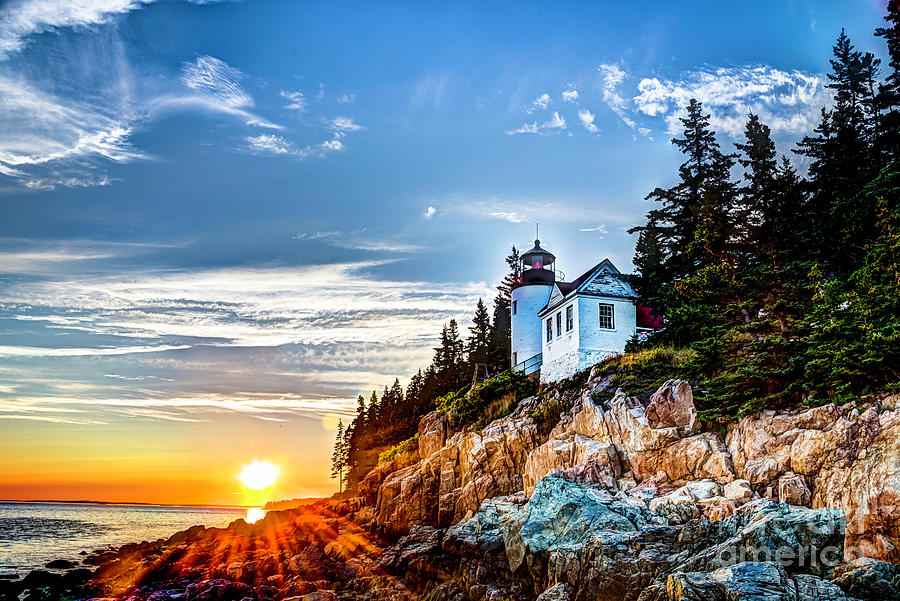
When considering sunrise vs sunset in Acadia National Park, sunset offers the advantage of the famous "golden hour"—that magical time when the sun is low on the horizon and everything is bathed in warm, soft light. This light is particularly stunning on Acadia's rugged coastline, where it illuminates the granite cliffs and creates dramatic shadows that change by the minute.
Bass Harbor Head Lighthouse becomes the star of the show during sunset hours. The iconic lighthouse, perched on its rocky promontory, provides one of the most photographed sunset scenes in all of New England. However, this popularity comes with a price—expect crowds, especially during peak foliage season and summer months.
Timing and Crowds
Unlike sunrise, sunset timing is more forgiving. You don't need to wake up at an ungodly hour, and you can easily combine sunset viewing with other park activities throughout the day. Sunset times vary significantly throughout the year, from as early as 4:30 PM in December to as late as 8:20 PM in June.
However, this convenience means larger crowds. Popular sunset spots like Bass Harbor Head Lighthouse and the western side of Cadillac Mountain can become extremely crowded, particularly on clear evenings. I've learned to arrive at least 90 minutes before sunset to secure a good viewing spot and enjoy the build-up to the main event.
For sunset photography, having a sturdy tripod is essential for capturing those long-exposure shots that make the water look silky smooth. After testing numerous options, I recommend the CAMBOFOTO 73" Camera Tripod and Monopod. This professional aluminum tripod has been incredibly reliable for my sunset photography sessions, and the included phone holder makes it versatile for both serious photographers and casual visitors.
Head-to-Head Comparison
Now comes the crucial comparison that will help you decide between sunrise vs sunset in Acadia National Park. Having experienced both extensively, I can break down the key differences to help you make an informed decision based on your priorities and travel style.
Crowd Levels and Accessibility
The most significant difference between sunrise and sunset in Acadia lies in crowd management. Sunrise generally offers a more intimate experience with nature, while sunset tends to be more social and crowded. During my visits to Cadillac Mountain for sunrise, I've noticed that even with the reservation system, the crowds are more manageable than sunset locations.
Sunset locations, particularly Bass Harbor Head Lighthouse, can become overwhelmingly crowded. I've seen parking areas fill up completely, forcing visitors to park significant distances away and walk. The social aspect can be enjoyable—I've met wonderful people while waiting for sunset—but it can also detract from the peaceful connection with nature that many seek.
Photographic Opportunities
From a photography perspective, both sunrise and sunset offer unique advantages. Sunrise provides cleaner, clearer air with less atmospheric haze, often resulting in sharper images with better contrast. The light during sunrise tends to be cooler in tone, which can create more dramatic, moody photographs.
Sunset photography benefits from the warm, golden light that makes everything look magical. However, the atmosphere can be hazier, and dust particles in the air can affect image quality. The warmer tones of sunset are particularly flattering for portrait photography and create that coveted "golden hour" look that's so popular on social media.
| Aspect | Sunrise | Sunset |
|---|---|---|
| Crowd Level | Light to Moderate | Heavy |
| Wake-up Time | 3:30-4:30 AM | Normal schedule |
| Temperature | Cold, requires layers | Warmer, comfortable |
| Photo Quality | Sharp, clear, dramatic | Warm, golden, romantic |
| Energy Level | Peaceful, contemplative | Social, celebratory |
Weather Considerations
Weather plays a crucial role in the sunrise vs sunset in Acadia National Park debate. Maine's coastal weather can be unpredictable, and fog is a common occurrence, especially during summer months. I've found that sunrise generally offers better odds of clear conditions, as fog often develops during the day and can obscure sunset views.
However, when sunset conditions are perfect, they're absolutely spectacular. The way the setting sun breaks through clouds or reflects off the ocean can create some of the most dramatic scenes you'll ever witness. Weather patterns significantly impact both experiences, so checking the forecast is essential for planning either option.
Best Locations for Each Experience
Choosing the right location is crucial when deciding between sunrise vs sunset in Acadia National Park. Each location offers unique advantages and challenges, and knowing these details can make the difference between a good experience and an unforgettable one.
Premier Sunrise Locations
Cadillac Mountain remains the undisputed king of sunrise locations in Acadia. From October 7th through March 6th, it offers the first sunrise in the United States, making it a must-visit destination. However, the popularity comes with challenges—reservations are required during peak season, and parking fills up quickly even with the reservation system.
For those seeking alternatives to Cadillac Mountain, I highly recommend Jordan Pond for a more intimate sunrise experience. The reflection of the Bubbles mountains in the still water creates stunning photographic opportunities, and the crowds are significantly smaller. Ocean Path also offers excellent sunrise viewing with the added bonus of being easily accessible.
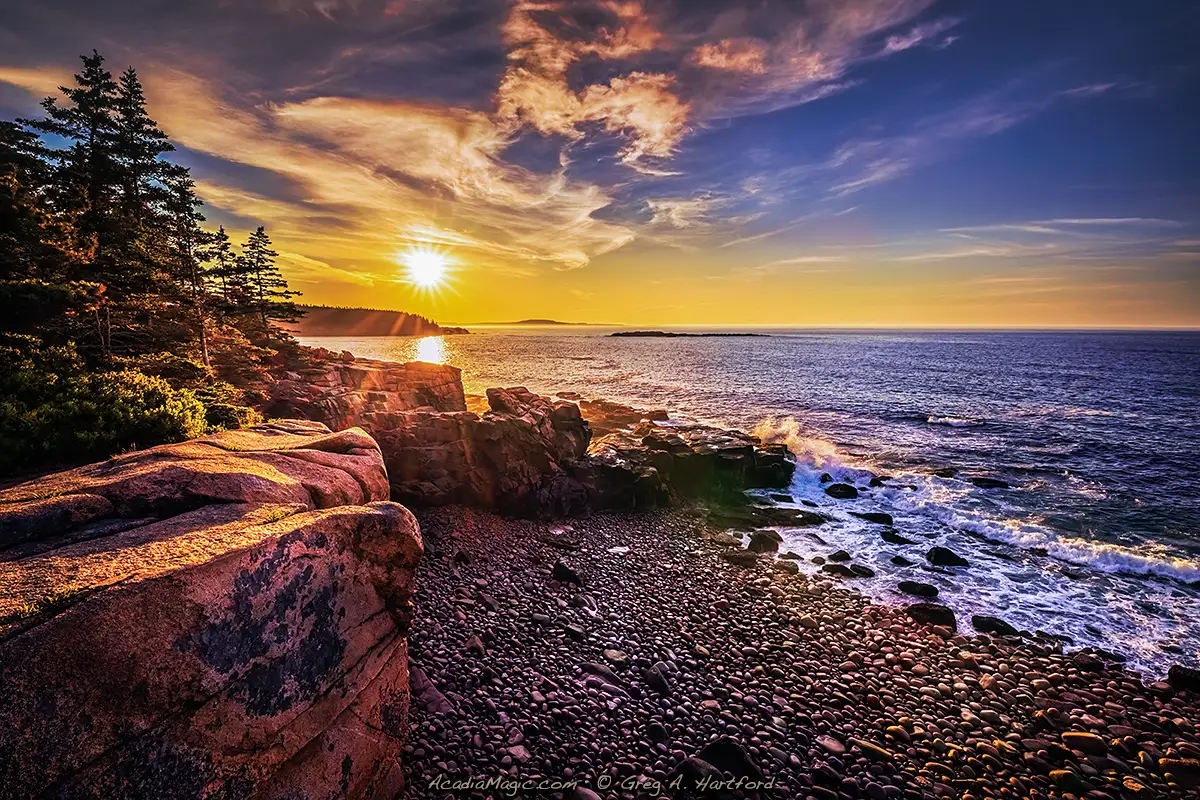
Champlain Mountain provides another excellent sunrise alternative, especially for photographers. The eastern exposure offers unobstructed views of Frenchman Bay, and the hiking trail to the summit provides a sense of accomplishment that enhances the sunrise experience. Early morning wildlife sightings are also more common on the quieter trails leading to these alternative locations.
Premier Sunset Locations
Bass Harbor Head Lighthouse stands as the crown jewel of sunset locations in Acadia National Park. The iconic lighthouse perched on its granite outcropping creates one of the most photographed sunset scenes in New England. However, this popularity means significant crowds, especially during peak season and on clear evenings.
For a more secluded sunset experience, I recommend exploring the western shore of Eagle Lake. The lake provides beautiful reflections of the sunset colors, and you can often find a quiet spot away from the crowds. The Bubbles mountains create a dramatic backdrop that enhances the overall experience.
Cadillac Mountain also offers sunset viewing, though it's less famous for this than for sunrise. The western views from various points on the mountain can be spectacular, and you'll encounter fewer crowds than at the summit during sunrise hours. Bar Harbor's waterfront also provides excellent sunset viewing opportunities with the convenience of nearby restaurants and accommodations.
Location Tip: For both sunrise and sunset, arrive early to scout the best viewing spots and set up your photography equipment. The best locations often require a short walk from parking areas.
When choosing your location, consider factors beyond just the view. Parking availability, walking distance, bathroom facilities, and nearby amenities all play important roles in your overall experience. I always research viewing etiquette and Leave No Trace principles before visiting popular locations to ensure I'm being respectful of both the environment and other visitors.
My Personal Experience and Lessons Learned
After more than a dozen visits to Acadia National Park and countless hours debating sunrise vs sunset in Acadia National Park with fellow photographers and nature enthusiasts, I've developed strong opinions based on real-world experience. Let me share some of the most important lessons I've learned, along with both my successes and failures.
My Most Memorable Sunrise
My most unforgettable sunrise experience happened not on Cadillac Mountain, but on a lesser-known trail leading to Champlain Mountain. I woke up at 3:45 AM on a crisp October morning, armed with my camera gear and a thermos of hot coffee. The forecast called for clear skies, but as I drove into the park, thick fog was rolling in from the ocean.
My heart sank as I realized the sunrise might be completely obscured. However, a park ranger I met at the trailhead suggested that the fog might lift as the sun came up, creating a potentially spectacular scene. That advice proved golden—literally. As the sun began to rise, it gradually burned through the fog, creating ethereal layers of mist that transformed the landscape into something from another world.
The lesson? Sometimes the "worst" weather conditions create the most memorable experiences. Don't give up on a sunrise or sunset just because the initial conditions look poor. Different seasons offer unique opportunities, and what might look like bad weather could create extraordinary photographic conditions.
My Sunset Photography Breakthrough
My relationship with sunset photography in Acadia evolved dramatically over several visits. Initially, I focused solely on Bass Harbor Head Lighthouse like everyone else, fighting crowds and struggling to find unique compositions. It was frustrating and felt clichéd.
The breakthrough came when I decided to explore the western shores of Jordan Pond for sunset instead. While the lighthouse wasn't in the frame, the combination of the pond's reflection, the Bubbles mountains, and the dramatic sky created some of my most treasured photographs. More importantly, I had the location almost entirely to myself, allowing for a more contemplative and personal experience.
This taught me that sometimes the most famous locations aren't necessarily the best for your specific goals. When considering sunrise vs sunset in Acadia National Park, think about what you really want from the experience—iconic shots that everyone has, or unique perspectives that reflect your personal vision.
Equipment Failures and Victories
I've learned about gear the hard way through trial and error. During one sunrise session on Cadillac Mountain, my cheap tripod collapsed in the wind just as the sun was reaching the perfect position. The frustration was immense, but it taught me the value of investing in quality equipment.
Similarly, I once forgot to bring a headlamp for a pre-dawn hike to a sunrise location. Trying to navigate rocky terrain with only my phone's flashlight was dangerous and stressful. Now I never travel without my reliable Lepro LED Headlamp, which has red light modes perfect for preserving night vision during photography setup.
For capturing long-exposure sunset shots, I discovered that having a proper camera remote or interval timer is essential. The Amazon Basics Lightweight Camera Tripod has been my budget-friendly companion for several years, though I eventually upgraded to the more robust CAMBOFOTO model I mentioned earlier.
Personal Recommendation: Start with basic equipment and upgrade as you discover what type of photography appeals to you most. Don't let gear limitations prevent you from enjoying these incredible experiences.
Lessons from Local Rangers and Photographers
Some of my best insights about sunrise vs sunset in Acadia National Park came from conversations with park rangers and local photographers. Rangers have an intimate knowledge of weather patterns, crowd flows, and hidden viewing spots that aren't in guidebooks. Don't hesitate to ask them for recommendations based on current conditions.
Local photographers taught me about the importance of scouting locations during different seasons and weather conditions. What works perfectly in summer might be completely different in fall or spring. They also emphasized the value of understanding the technical aspects of photography in challenging lighting conditions.
One local photographer shared a particularly valuable insight: "The magic doesn't stop when the sun disappears or appears. Blue hour—the time just after sunset or before sunrise—often provides the most dramatic and beautiful light." This advice completely changed how I approach both sunrise and sunset photography, extending my shooting time and often capturing my favorite images of the day.
Essential Gear and Photography Tips
Success in capturing the perfect sunrise vs sunset in Acadia National Park depends heavily on having the right equipment and understanding how to use it effectively. Through years of trial and error, I've compiled a comprehensive list of essential gear that will enhance your experience regardless of which option you choose.
Must-Have Equipment for Both Experiences
The foundation of any successful sunrise or sunset adventure begins with proper preparation and the right tools. A reliable headlamp is absolutely essential, even for sunset photography—you'll need it for packing up equipment after dark or navigating back to your car. My Blukar LED Headlamp with motion sensor has been invaluable during countless early morning adventures.
Temperature regulation is crucial, especially for sunrise viewing when temperatures can be 20-30 degrees cooler than midday. I always bring layers that I can easily add or remove as conditions change. An insulated coffee mug becomes essential for maintaining both warmth and morale during long waits for perfect light conditions.
For photography, a sturdy tripod isn't just recommended—it's mandatory for capturing sharp images in low light conditions. Wind can be significant at exposed locations like Cadillac Mountain or Bass Harbor, so lightweight tripods often struggle to maintain stability. After experiencing several equipment failures, I invested in the CAMBOFOTO 73" Professional Aluminum Tripod, which has proven incredibly reliable in challenging conditions.
Essential Gear Checklist:
- High-quality headlamp with red light mode
- Sturdy tripod rated for your camera weight plus wind load
- Insulated coffee mug or thermos
- Layered clothing including warm jacket
- Extra batteries (cold weather drains them faster)
- Lens cleaning cloths and rain covers
- Comfortable, warm gloves that allow camera operation
Advanced Photography Techniques
Understanding the technical aspects of photography during golden hour and blue hour can dramatically improve your results when comparing sunrise vs sunset in Acadia National Park. Both experiences offer unique lighting challenges that require different approaches.
For sunrise photography, I typically start shooting well before the sun appears, capturing the pre-dawn colors and gradual lightening of the sky. The light changes rapidly during sunrise, so I use exposure bracketing to ensure I capture the full dynamic range. Graduated neutral density filters can be helpful for balancing the bright sky with darker foreground elements.
Sunset photography allows for more experimentation with silhouettes and creative compositions. The warmer light is generally more forgiving, but you still need to watch for blown highlights in bright areas of the sky. I often use longer focal lengths to compress the scene and make the sun appear larger in relation to foreground elements like the Bass Harbor lighthouse.
Post-processing plays a crucial role in bringing out the best in your sunrise and sunset images. I recommend shooting in RAW format to maximize your editing flexibility. Simple adjustments to highlights, shadows, and vibrance can transform a good image into a spectacular one while maintaining realistic color rendition.
Safety and Practical Considerations
Safety should never be compromised when pursuing the perfect shot. Rocky coastal areas can be slippery, especially when wet from fog or dew. I always wear appropriate footwear with good traction and avoid getting too close to cliff edges, particularly in low light conditions.
Weather in coastal Maine can change rapidly, so I always check multiple weather sources before heading out. Marine forecasts are particularly useful for understanding fog patterns and wind conditions. Weather awareness can mean the difference between a spectacular experience and a disappointing outing.
For extended outdoor sessions, especially during cooler months, I pack emergency supplies including extra food, water, and warm clothing. While Acadia is well-maintained and relatively safe, being prepared for unexpected situations is always wise. Cell phone coverage can be spotty in some areas, so I inform someone of my plans and expected return time.
Safety Warning: Never turn your back on the ocean when near rocky shores. Rogue waves can occur even on calm days, and the granite can become extremely slippery when wet.
Finally, respect for the environment and other visitors is paramount. Practice Leave No Trace principles, stay on designated trails, and be mindful of noise levels during early morning hours. Proper viewing etiquette ensures that everyone can enjoy these incredible natural experiences for generations to come.
Frequently Asked Questions
What time should I arrive for sunrise vs sunset in Acadia National Park?
For sunrise, I recommend arriving at your chosen location 45-60 minutes before the scheduled sunrise time. This gives you time to set up equipment, find the perfect viewing spot, and witness the gradual transformation of the sky. For sunset, arrive 90 minutes early, especially at popular locations like Bass Harbor Head Lighthouse. The extra time accounts for larger crowds and allows you to enjoy the changing light throughout the golden hour. Remember that sunrise times vary dramatically throughout the year, from as early as 4:47 AM in June to as late as 7:08 AM in December.
Do I need reservations for sunrise vs sunset viewing in Acadia?
Cadillac Mountain requires vehicle reservations for sunrise viewing from May through October, which you must purchase in advance through Recreation.gov. These reservations are timed entries, typically starting 90 minutes before sunrise. No reservations are required for sunset viewing at Cadillac Mountain or any other locations in the park. However, parking at popular sunset spots like Bass Harbor Head Lighthouse fills up quickly, so early arrival is essential. Alternative sunrise locations like Jordan Pond, Ocean Path, and Champlain Mountain don't require reservations but offer equally spectacular experiences with smaller crowds.
Which offers better photography opportunities - sunrise or sunset?
Both sunrise and sunset offer exceptional photography opportunities, but for different reasons. Sunrise typically provides cleaner, clearer air with less atmospheric haze, resulting in sharper images with better contrast and more dramatic, moody lighting. The cooler tones work well for landscape photography. Sunset offers the famous warm, golden light that's particularly flattering for portraits and creates that coveted "golden hour" look. However, atmospheric haze can affect image quality. My recommendation is to experience both if possible, as they offer distinctly different photographic opportunities that appeal to different artistic visions.
What's the best alternative to Cadillac Mountain for sunrise?
Jordan Pond offers my favorite alternative to Cadillac Mountain for sunrise viewing. The reflection of the Bubbles mountains in the still water creates stunning photographic opportunities with significantly smaller crowds. Ocean Path provides excellent sunrise viewing with easy accessibility and multiple vantage points along the coastline. Champlain Mountain, while requiring a moderate hike, offers unobstructed views of Frenchman Bay and often provides opportunities for wildlife sightings. Bar Island, accessible during low tide, provides a unique perspective from the harbor. Each alternative offers distinct advantages while avoiding the crowds and reservation requirements of Cadillac Mountain.
How do weather conditions affect sunrise vs sunset viewing?
Weather plays a crucial role in both experiences, but differently. Fog is common during summer months and can completely obscure sunrise or sunset views. However, partially clearing fog can create ethereal, magical conditions that result in extraordinary photographs. Sunrise generally offers better odds of clear conditions, as fog often develops during the day. Wind affects both experiences but is typically stronger during afternoon and evening hours, which can impact sunset viewing at exposed locations. Rain obviously eliminates visibility, but the clearing sky after storms often produces the most dramatic and colorful sunrises and sunsets. Always check marine forecasts for coastal fog predictions and have backup plans for different weather scenarios.
What should I wear for early morning sunrise viewing?
Dressing appropriately for sunrise viewing is crucial for comfort and safety. Temperatures can be 20-30 degrees cooler than midday, even in summer. I recommend layering with a moisture-wicking base layer, insulating middle layer, and wind/water-resistant outer shell. Warm hat and gloves are essential, even in warmer months. Choose footwear with good traction, as rocks can be slippery from dew or fog. Avoid cotton clothing, which retains moisture and loses insulating properties when wet. Bring extra layers you can remove as the sun warms the air. Remember that coastal locations are typically windier and cooler than inland areas, so prepare accordingly for the specific microclimate of your chosen viewing location.
Conclusion
The eternal debate of sunrise vs sunset in Acadia National Park ultimately comes down to personal preference, but understanding the unique characteristics of each experience will help you make the most informed decision for your visit. Through years of chasing light across Mount Desert Island, I've learned that both options offer irreplaceable experiences that can profoundly impact your connection with nature.
If you're seeking solitude, dramatic lighting conditions, and the satisfaction of being among the first people in the United States to see the dawn (during certain months), sunrise is your calling. The pre-dawn journey, the gradual awakening of the landscape, and the peaceful atmosphere create memories that last a lifetime. Yes, it requires sacrifice—waking up before most people go to bed and braving chilly temperatures—but the rewards are extraordinary.
Conversely, if you prefer the warm, golden light that makes everything look magical, enjoy sharing experiences with other nature enthusiasts, and want the convenience of normal sleeping hours, sunset is your answer. The social energy, the spectacular colors, and the celebratory atmosphere as day transitions to night offer a completely different but equally valid way to experience Acadia's natural beauty.
My honest recommendation? If you have the time and energy, experience both. The sunrise vs sunset in Acadia National Park comparison isn't really about picking a winner—it's about understanding that these are two fundamentally different experiences that complement each other beautifully. Many of my most treasured memories from Acadia involve both experiences during the same visit, creating a complete picture of the park's incredible light show.
For first-time visitors with limited time, I lean slightly toward sunrise, particularly if you can secure Cadillac Mountain reservations. The historical significance of watching the first sunrise in America, combined with generally clearer conditions and smaller crowds, often creates a more impactful first impression of the park's natural grandeur.
Regardless of your choice, remember that the magic extends beyond the precise moment the sun appears or disappears. Blue hour—the time just before sunrise or just after sunset—often provides the most dramatic lighting and photographic opportunities. Plan to arrive early and stay late to fully appreciate the complete experience.
Most importantly, don't let perfect weather conditions prevent you from enjoying these experiences. Some of my most memorable sunrise and sunset sessions occurred during less-than-ideal weather, when fog, clouds, or storm systems created unique and unrepeatable lighting conditions. Mother Nature rarely delivers the same show twice, and that unpredictability is part of what makes each visit to Acadia National Park special.
Whether you choose sunrise or sunset—or better yet, both—you're about to experience one of America's premier natural light shows. Embrace the moment, respect the environment, and prepare to be amazed by the incredible beauty that awaits you in Acadia National Park. The memories you create watching the sun rise or set over this magnificent landscape will stay with you forever, long after you've returned home and resumed normal sleeping hours.
Ready to plan your perfect sunrise or sunset experience in Acadia? Visit WildernessPaths.com for more detailed guides, current conditions, and insider tips for making the most of your national park adventures.