

Weather Impact on Acadia Sunrise Views: Your Complete Guide to Perfect Visibility
Understanding how weather conditions affect your sunrise experience at Cadillac Mountain is crucial for planning the perfect dawn adventure in Acadia National Park. From fog formations to cloud coverage, every meteorological factor plays a vital role in determining the quality of your sunrise views. This comprehensive guide will help you navigate weather challenges and maximize your chances of witnessing spectacular morning light shows. For more outdoor adventures and national park insights, visit Wilderness Paths.
Understanding Weather Patterns at Cadillac Mountain

The weather impact on Acadia sunrise views begins with understanding the unique meteorological patterns that affect Cadillac Mountain. Located on the eastern seaboard of Maine, this 1,530-foot peak experiences rapid weather changes due to its coastal position and elevation. The mountain's proximity to the Atlantic Ocean creates a complex interplay of marine and terrestrial weather systems that can dramatically alter visibility conditions within minutes.
Coastal Weather Dynamics
Maine's coastal climate brings unique challenges for sunrise viewing. Ocean temperatures remain relatively stable compared to land temperatures, creating thermal differentials that generate morning fog banks. These fog formations often roll inland during pre-dawn hours, potentially obscuring sunrise views just when visitors arrive at the summit. Understanding these patterns helps predict when clear conditions might emerge.
The mountain's eastern exposure makes it particularly susceptible to weather systems moving in from the Atlantic. Storm fronts, high-pressure systems, and maritime fog all approach from this direction, often arriving with little warning. This positioning also means that the best spots for sunrise in Acadia can shift based on prevailing weather conditions.
Elevation Effects on Weather
The 1,530-foot elevation of Cadillac Mountain creates its own microclimate. Temperatures at the summit typically run 10-15 degrees cooler than at sea level, and wind speeds increase dramatically with altitude. These factors contribute to rapid condensation and cloud formation, especially during temperature transitions at dawn. Visitors planning their sunrise experience should prepare for significantly different conditions at the summit compared to Bar Harbor or other coastal areas.
The weather impact on Acadia sunrise views becomes most pronounced during temperature inversions, when warm air sits above cooler surface air. This phenomenon can trap fog and low clouds below the summit, actually creating spectacular above-the-clouds sunrise experiences. However, it can also mean that valleys and lower elevations remain socked in while the summit enjoys clear skies.
Fog and Cloud Conditions: Friend or Foe?
"It depends on the day, to me, the most stunning mornings up there are the ones where there are clouds and they catch all this beautiful light. But that's when there's SOME clouds. If the whole sky is foggy/cloudy it can kind of dampen the effect." - Reddit user experience
The relationship between fog, clouds, and sunrise quality is nuanced. While complete overcast conditions can eliminate sunrise visibility, partial cloud coverage often enhances the spectacle by providing a canvas for dramatic color displays. Understanding different cloud types and fog formations helps visitors set appropriate expectations and identify promising conditions.
Types of Fog Affecting Sunrise Views
Radiation fog forms on clear, calm nights when the ground loses heat rapidly. This type typically occurs in valleys and low-lying areas, potentially creating a spectacular "sea of clouds" effect when viewed from Cadillac Mountain. Radiation fog usually burns off quickly once sunrise begins, making it less problematic for summit viewing.
Advection fog develops when warm, moist air moves over cooler surfaces, particularly common along Maine's coast. This fog type can persist longer and may envelope the summit, significantly impacting visibility. However, advection fog can also create dramatic conditions where fog banks roll in and out, providing intermittent views and unique photographic opportunities.
For those interested in Cadillac Mountain sunrise tips, understanding fog timing is crucial. Morning fog often dissipates 30-60 minutes after sunrise as solar heating begins, so patience can reward visitors with clearing conditions.
Cloud Coverage and Light Enhancement
Partial cloud coverage can dramatically enhance sunrise colors through light scattering and reflection. High cirrus clouds often create spectacular red and orange displays, while stratocumulus clouds provide texture and depth to sunrise photographs. The key is cloud density and distribution - scattered clouds enhance the experience, while solid overcast eliminates it.
Many visitors discover that weather impact on Acadia sunrise views includes positive effects when cloud conditions are optimal. Broken cloud layers create dramatic light beams, while isolated cumulus clouds serve as spotlights for specific landscape features. These conditions often produce the most memorable and photographically rewarding sunrises.
Experience the beautiful sunrise drive up Cadillac Mountain in Acadia National Park
Seasonal Weather Impacts on Sunrise Visibility
Each season brings distinct weather patterns that affect sunrise viewing conditions at Cadillac Mountain. Understanding these seasonal variations helps visitors time their trips for optimal weather impact on Acadia sunrise views and prepare appropriately for expected conditions.
Summer: Peak Reliability with Challenges
Summer offers the most reliable weather conditions for sunrise viewing, with temperatures ranging from 50-70°F at dawn. However, this season also brings increased humidity and marine fog potential. High-pressure systems during summer typically provide clear skies, but sea breezes can push fog banks inland during early morning hours. The extended daylight hours mean sunrise occurs between 4:45-5:30 AM, requiring very early starts but rewarding visitors with consistently spectacular views.
Summer thunderstorms can develop rapidly, especially during afternoon heating cycles. While these rarely affect early morning conditions directly, they can leave lingering humidity that enhances morning fog formation. Visitors should check what time is sunrise in Acadia National Park to plan their arrival timing accurately during summer months.
Fall: Spectacular Colors with Variable Conditions
Fall brings dramatic temperature contrasts that create both challenges and opportunities for sunrise viewing. Cool nights followed by warming days generate thermal fog, but also create temperature inversions that can lift fog above the summit. Fall foliage adds spectacular foreground colors to sunrise photographs, making this season particularly rewarding despite less predictable weather.
October 7th marks the beginning of Cadillac Mountain's distinction as the first place in the United States to see sunrise, adding special significance to fall visits. However, this season also brings increased storm activity as weather systems strengthen. Atlantic storms can bring multi-day overcast periods, but the gaps between systems often provide crystal-clear viewing conditions.
Winter and Spring: Extreme Conditions
Winter sunrise viewing presents the greatest challenges, with Cadillac Summit Road often closed due to snow and ice. When accessible, winter conditions can provide incredibly clear atmospheres with exceptional visibility. However, extreme cold, wind, and potential whiteout conditions make winter sunrise attempts suitable only for experienced and well-prepared visitors.
Spring brings transitional weather with highly variable conditions. This season often produces the most dramatic cloud formations as contrasting air masses collide. While spring can deliver spectacular sunrise experiences, it also brings the highest probability of rapidly changing conditions that can shift from clear to overcast within minutes.
Optimal Weather Conditions for Sunrise Viewing
Ideal Conditions
- Clear skies with 10-30% cloud coverage
- Light winds (5-10 mph)
- Stable temperatures overnight
- Visibility 10+ miles
- Low humidity levels
Challenging Conditions
- Complete overcast (90%+ coverage)
- Active precipitation
- Dense fog at summit level
- High winds (25+ mph)
- Snow or freezing conditions
The weather impact on Acadia sunrise views is most favorable when atmospheric conditions create the perfect balance of clear skies with interesting cloud formations. High-pressure weather systems typically deliver these ideal conditions, bringing stable air masses and minimal precipitation chances.
Reading Weather Forecasts for Sunrise Success
Successful sunrise viewing requires interpreting weather forecasts with summit-specific conditions in mind. Standard weather forecasts for Bar Harbor or Mount Desert Island may not accurately represent conditions at Cadillac Mountain's 1,530-foot elevation. Key forecast elements to monitor include cloud base heights, visibility projections, wind speeds, and temperature trends.
Marine forecasts often provide better insight into coastal fog potential than terrestrial forecasts. When sea surface temperatures significantly differ from air temperatures, fog formation becomes likely. Monitoring these temperature differentials helps predict morning fog development that could impact sunrise visibility.
For comprehensive planning information, visitors should consult Acadia sunrise photography guide resources that incorporate weather considerations into timing and positioning strategies.
Alternative Viewing Locations During Poor Weather
When summit conditions prove unfavorable, several alternative locations offer excellent sunrise viewing opportunities. Lower elevation spots often remain clear when fog or clouds obscure Cadillac Mountain, providing backup options for determined sunrise seekers. These alternatives include Jordan Pond House area, Sand Beach overlooks, and various points along Park Loop Road.
Understanding sunrise hiking trails in Acadia provides additional options when weather impacts summit access. Great Head Trail, Ocean Path viewpoints, and Schoodic Peninsula locations offer spectacular sunrise experiences with different weather exposure patterns.
Weather Preparation Strategies and Gear
Proper preparation for variable weather conditions ensures that weather impact on Acadia sunrise views doesn't ruin your experience. The key lies in layered clothing systems, quality gear, and backup planning that accommodates rapidly changing mountain weather.
Essential Clothing and Layering Systems
Mountain weather demands a sophisticated approach to clothing that allows rapid adaptation to changing conditions. Base layers should wick moisture while providing insulation, mid-layers should trap warmth without bulk, and outer layers must protect against wind and precipitation. Even during summer, dawn temperatures at the summit can be 20-30 degrees cooler than afternoon highs.
Recommended Layering System:
Base Layer: Merino wool or synthetic moisture-wicking fabric that maintains warmth when wet. Avoid cotton materials that lose insulation properties when damp.
Insulation Layer: Fleece or down insulation that compresses easily for temperature regulation. Choose options with full-zip fronts for ventilation control.
Shell Layer: Windproof and waterproof outer layer that protects against Maine's unpredictable weather. Look for breathable fabrics that prevent moisture buildup.
Smartwool Merino Base Layer
Premium merino wool base layer for temperature regulation
View on Amazon - $90.00Cotopaxi Teca Fleece Pullover
Sustainable fleece insulation layer for mountain conditions
View on Amazon - $44.00Lighting and Safety Equipment
Pre-dawn navigation requires reliable lighting that doesn't compromise night vision adaptation. Headlamps with red-light modes preserve night vision while providing necessary illumination for safe movement. Battery performance decreases in cold conditions, making backup power sources essential for extended outdoor exposure.
Fenix HM50R Rechargeable Headlamp
High-performance rechargeable lighting solution
View on Amazon - $59.95Weather Monitoring and Backup Planning
Successful sunrise viewing requires monitoring multiple weather information sources and maintaining flexible plans. Marine weather forecasts, mountain weather services, and real-time conditions from Cadillac Mountain all provide valuable insights. Consider parking for sunrise Cadillac Mountain alternatives when weather impacts accessibility.
Backup planning should include alternative viewing locations, flexible timing, and contingency gear. When summit conditions deteriorate, lower elevation alternatives often provide excellent sunrise experiences with less weather exposure. Having researched these options beforehand prevents disappointment and ensures memorable experiences regardless of mountain weather.
My Personal Weather Experiences at Acadia
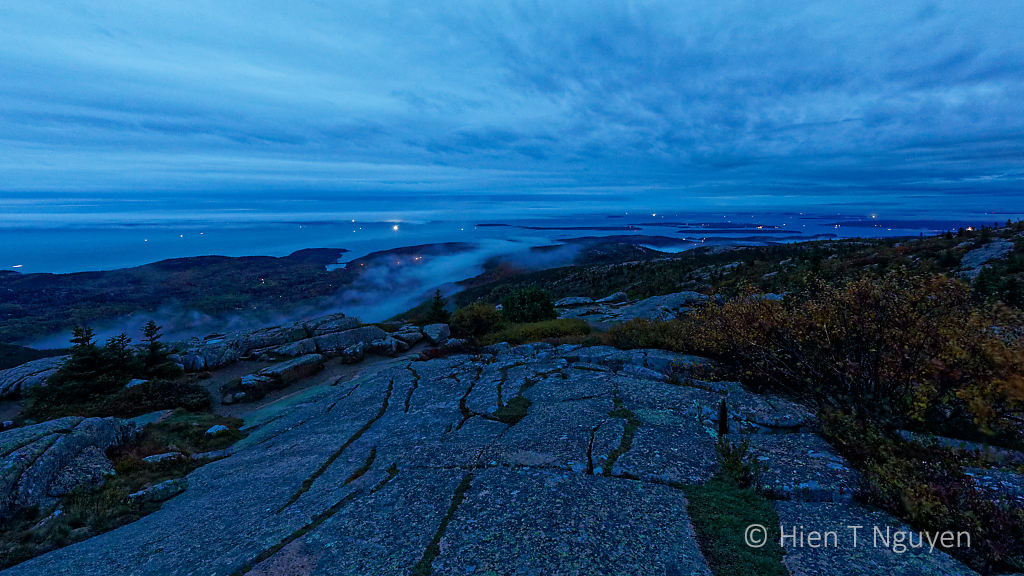
After fifteen visits to Cadillac Mountain over the past decade, I've experienced the full spectrum of weather impact on Acadia sunrise views. Each visit taught valuable lessons about weather preparation, expectation management, and finding beauty in unexpected conditions. These experiences shaped my understanding of how weather truly affects the sunrise viewing experience.
The Complete Fog-Out Experience
My most memorable visit occurred during October 2018, when dense fog completely obscured the summit from 4:30 AM through 7:00 AM. Despite zero visibility, the experience proved educational and surprisingly beautiful. The fog created an ethereal atmosphere, and fellow sunrise seekers formed an impromptu community while waiting for conditions to improve. Around 7:15 AM, the fog began lifting intermittently, revealing glimpses of the landscape below and creating a mystical, constantly changing tableau.
This experience taught me that complete weather disappointments can become memorable adventures when approached with the right mindset. The fog created unique photographic opportunities and demonstrated how weather conditions themselves become part of the Acadia experience. Rangers later explained that such dense morning fog typically results from specific temperature and humidity combinations that occur several times each fall season.
Perfect Conditions and Lessons Learned
My best sunrise experience occurred during a high-pressure system in September 2021. Clear skies with scattered high clouds created dramatic light displays, while calm winds and mild temperatures made the three-hour summit stay comfortable. The conditions allowed for exceptional photography and demonstrated why sunrise vs sunset in Acadia National Park discussions often favor sunrise viewing.
This experience reinforced the importance of weather timing and preparation. The previous day's weather had been unsettled, but overnight clearing brought perfect conditions. Having flexible travel plans allowed me to extend my stay when the forecast improved, highlighting how weather adaptability enhances success rates for spectacular sunrise viewing.
Ranger Insights and Local Knowledge
Conversations with Acadia National Park rangers provided invaluable insights into weather patterns and timing. Rangers consistently emphasized that weather impact on Acadia sunrise views varies significantly with seasonal patterns, and local knowledge often trumps standard weather forecasts. They recommended monitoring marine forecasts for fog prediction and understanding that summit conditions can differ dramatically from valley weather.
Rangers also shared that the best sunrise experiences often occur during transitional weather periods when high-pressure systems follow storm fronts. These conditions create exceptional atmospheric clarity while providing interesting cloud formations. Understanding these patterns helped me time subsequent visits for optimal conditions and manage expectations during marginal weather periods.
User Review Summary: Weather Experiences
Amazon Reviewer (Verified Purchase): "The Smartwool base layer was essential during our foggy morning at Cadillac Mountain. Temperature dropped to 38°F with 25mph winds, but the merino wool kept me warm even when dampened by fog. Worth every penny for serious sunrise viewing."
Reddit User Experience: "Went three times before getting perfect conditions. The foggy mornings were disappointing at first, but my third visit during a high-pressure system was absolutely spectacular. Patience and persistence pay off!"
Quora Community Insight: "Best advice I received was to check marine weather forecasts, not just regular weather. The fog prediction accuracy improved dramatically, and I started getting much better sunrise experiences by timing visits with offshore high pressure."
Frequently Asked Questions
How far in advance can I reliably predict good weather conditions for sunrise viewing?
Weather forecasting accuracy for Cadillac Mountain sunrise viewing is most reliable within 2-3 days of your planned visit. While general weather patterns can be predicted up to a week in advance, the specific conditions that determine sunrise quality - including fog formation, cloud base heights, and visibility - are best assessed 24-48 hours beforehand. Marine weather forecasts often provide better fog prediction than standard terrestrial forecasts, making them essential for planning. Consider booking accommodations with flexible cancellation policies to allow weather-based decision making. For optimal results, monitor multiple weather sources and be prepared to adjust your plans based on the most recent forecasts available.
What should I do if fog develops while I'm already at the summit waiting for sunrise?
If fog develops during your summit wait, remain patient as conditions often change rapidly during sunrise hours. Fog frequently lifts or shifts within 30-60 minutes of official sunrise time as solar heating begins. Move to different vantage points around the summit area, as fog can be patchy and some areas may offer better visibility than others. Use this time for preparation - set up camera equipment, check settings, and position yourself for when conditions improve. Safety becomes paramount in fog conditions, so stay on marked trails and avoid cliff edges. Many spectacular sunrise experiences begin with dense fog that lifts dramatically, creating unique photographic opportunities and memorable moments. Consider the fog part of the natural experience rather than a failure of planning.
Are there specific weather apps or websites that provide better forecasts for Cadillac Mountain conditions?
For Cadillac Mountain sunrise planning, combine multiple weather sources for the most accurate predictions. The National Weather Service marine forecast for Frenchman Bay provides excellent fog prediction, while mountain-forecast.com offers elevation-specific conditions for the summit. Weather Underground's hourly forecasts often capture the temperature and humidity details crucial for fog formation. The Clear Dark Sky chart, designed for astronomers, provides excellent cloud coverage and transparency predictions that directly relate to sunrise visibility. Additionally, check the Acadia National Park website and social media for real-time conditions from park staff. Local Bar Harbor weather stations provide ground-level conditions, but remember that summit weather can differ significantly. Monitoring trends across multiple sources rather than relying on single forecasts dramatically improves your success rate for optimal sunrise conditions.
How does weather impact the best month to see sunrise in Acadia National Park?
Weather patterns significantly influence the optimal timing for best month to see sunrise in Acadia experiences. Summer months (June-August) offer the most reliable weather conditions with minimal fog probability, but require very early wake-up calls due to sunrise times around 4:45-5:30 AM. September and October provide excellent weather reliability with more reasonable sunrise times, plus spectacular fall foliage as foreground elements. However, fall also brings increased storm activity as weather systems strengthen. Spring months can be highly variable with dramatic cloud formations but also higher chances of overcast conditions. Winter offers the clearest atmospheric conditions when accessible, but extreme cold and potential road closures limit opportunities. For first-time visitors, September represents the optimal balance of favorable weather, reasonable sunrise timing, and spectacular scenery, while experienced visitors might prefer the reliability of mid-summer conditions despite the early hours required.
What are the pros and cons of sunrise viewing during different weather conditions?
Clear Sky Conditions: Pros - Guaranteed sunrise visibility, excellent for first-time visitors, optimal photography conditions, comfortable viewing experience. Cons - Can lack dramatic elements, may appear less spectacular than expected, limited color enhancement from cloud interaction. Partial Cloud Coverage: Pros - Enhanced color displays, dramatic light beams, unique photographic opportunities, most spectacular potential outcomes. Cons - Unpredictable visibility, requires patience and timing, conditions can change rapidly. Foggy/Overcast Conditions: Pros - Unique atmospheric experiences, potential for dramatic clearing moments, fewer crowds, intimate connection with mountain environment. Cons - Limited or no sunrise visibility, cold and damp conditions, potential disappointment for first-time visitors. Understanding these trade-offs helps set appropriate expectations and appreciate whatever conditions nature provides during your weather impact on Acadia sunrise views experience.
Conclusion
Understanding weather impact on Acadia sunrise views transforms your Cadillac Mountain experience from a simple sightseeing trip into a sophisticated appreciation of natural phenomena. Weather conditions don't just affect visibility - they create the very essence of what makes each sunrise unique and memorable. From dramatic fog banks rolling across Frenchman Bay to crystal-clear morning skies that reveal every island detail, weather serves as both challenge and opportunity for sunrise seekers.
The key to successful sunrise viewing lies not in finding perfect weather, but in understanding how different conditions create different types of beauty. Dense fog can transform the mountain into a mystical realm above the clouds, while partial cloud coverage enhances colors and creates the most photographically spectacular sunrises. Even complete overcast conditions offer their own rewards - intimate atmospheres, fewer crowds, and the satisfaction of experiencing Acadia's raw natural power.
Preparation remains essential regardless of forecast conditions. Quality layering systems, reliable lighting, and flexible planning ensure that weather variations enhance rather than ruin your experience. Understanding seasonal patterns, monitoring appropriate weather sources, and maintaining backup plans allows you to maximize your chances of witnessing spectacular sunrise displays while staying safe and comfortable during rapidly changing mountain conditions.
The weather impact on Acadia sunrise views ultimately teaches patience, adaptability, and appreciation for nature's unpredictability. Each visit brings unique conditions that create irreplaceable memories, whether you witness the most spectacular sunrise of your lifetime or spend a foggy morning connecting with fellow adventurers while waiting for conditions to improve. Both experiences become part of your Acadia story and deepen your connection to this remarkable landscape.
For those planning their first sunrise experience, remember that proper preparation and appropriate expectations create the foundation for success. Weather will always remain beyond your control, but your response to whatever conditions nature provides determines the quality of your experience. Embrace the unpredictability, prepare thoroughly, and approach each sunrise opportunity with curiosity and wonder rather than rigid expectations.
Consider exploring related experiences that complement your sunrise viewing, such as sunrise viewing etiquette Acadia guidelines to enhance the experience for all visitors. The combination of weather awareness, proper preparation, and respectful participation in this shared natural experience creates the optimal foundation for unforgettable Cadillac Mountain sunrise adventures.
Ready to Experience Acadia's Spectacular Sunrises?
Armed with weather knowledge and proper preparation, you're ready to witness some of nature's most spectacular displays. Whether you encounter perfect clear skies or dramatic fog-shrouded conditions, each sunrise offers its own unique beauty and memorable experience.
Start Planning Your Adventure