
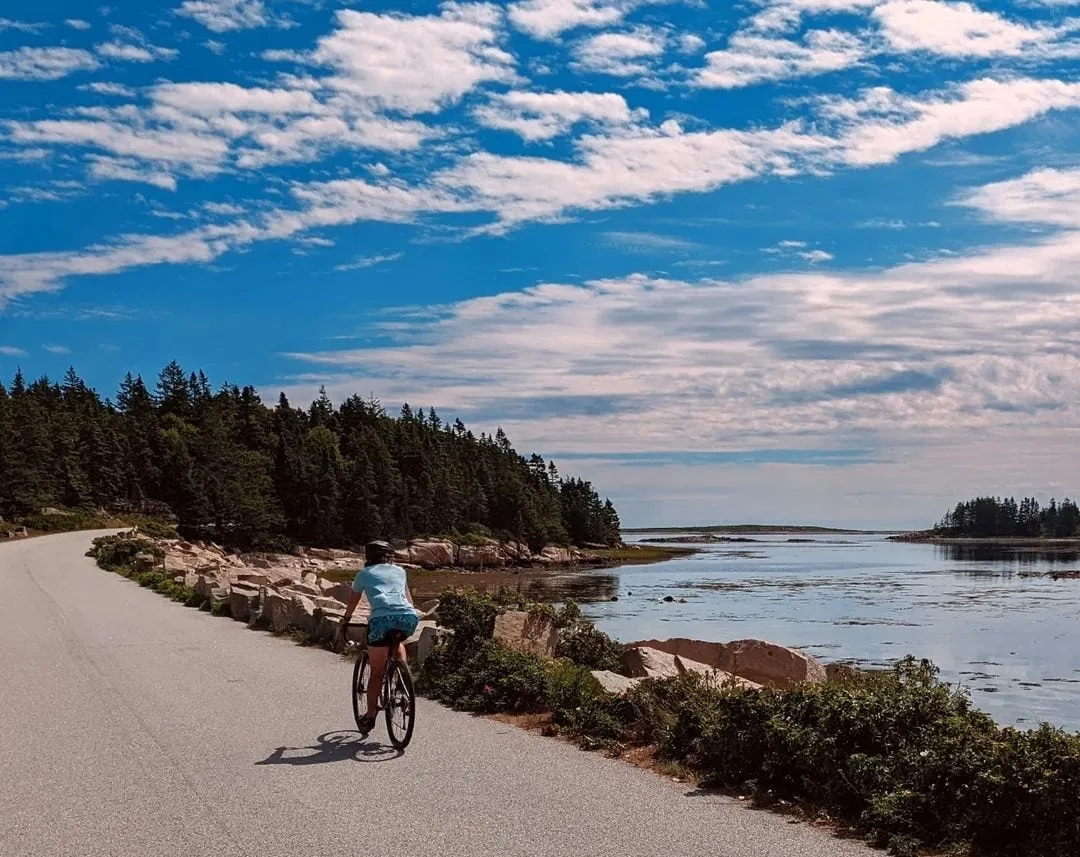
After spending countless hours exploring Acadia's legendary carriage roads and witnessing breathtaking coastal views, I'm excited to share the ultimate guide to the top trails for biking in Acadia National Park. From gentle family-friendly loops to challenging mountain circuits, these historic motor-free paths offer an unparalleled cycling experience that you won't find anywhere else in America. Discover more outdoor adventures at WildernessPaths.com.
The Historic Carriage Roads
The foundation of what makes biking in Acadia National Park so extraordinary lies in its remarkable 45-mile network of carriage roads, a visionary project primarily funded by John D. Rockefeller Jr. between 1913 and 1940. As someone who has spent extensive time exploring these paths, I can tell you that Rockefeller's foresight in creating motor-free roads was revolutionary for its time and remains a cyclist's paradise today.
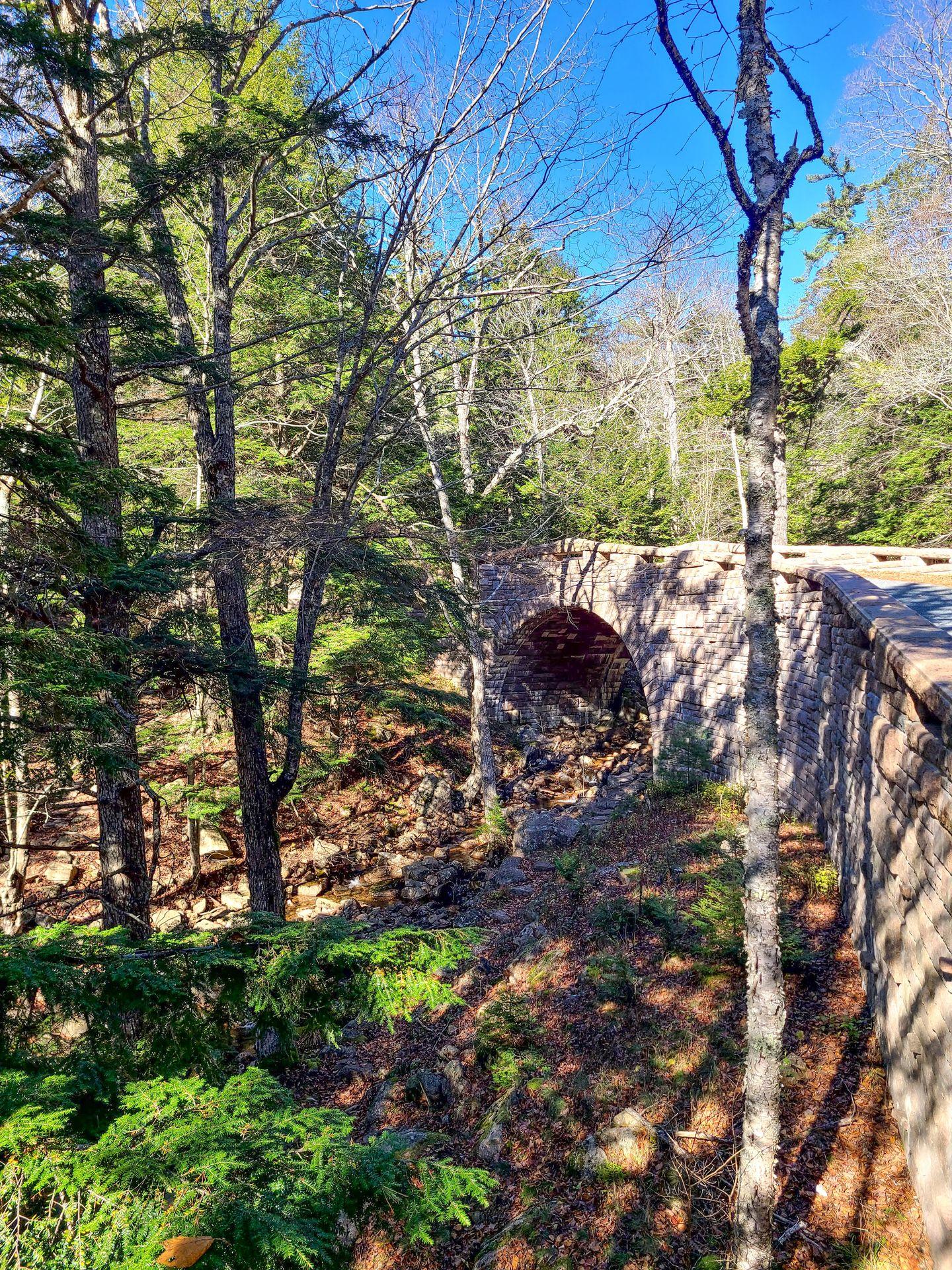
These meticulously designed roads feature a 16-foot width with broken-stone surfaces that provide excellent traction for bicycles while maintaining the natural character of the landscape. What truly sets these trails apart are the 17 unique stone-faced bridges that span streams, waterfalls, and ravines throughout the system. Each bridge was crafted using native granite and designed to blend seamlessly with the surrounding environment.
During my many visits to Acadia, I've witnessed firsthand how the park maintains these historic roads to preserve their original character. The Friends of Acadia established an endowment fund specifically for carriage road maintenance, ensuring that future generations can experience the same breathtaking rides that have captivated cyclists for over a century.
Top 7 Trails for Biking in Acadia National Park
Experience the magic of Acadia's carriage roads through this stunning video showcase
1. Eagle Lake Loop - The Crown Jewel
Distance: 6.1 miles | Difficulty: Easy to Moderate | Highlights: Pristine lake views, mountain vistas
The Eagle Lake Loop stands as the most popular and accessible trail for biking in Acadia National Park, and for good reason. This relatively flat circuit offers stunning views of Mount Desert Island's largest freshwater lake, framed by the distinctive peaks of the Bubbles and Cadillac Mountain. I've ridden this loop dozens of times, and each visit reveals new perspectives depending on the season and lighting conditions.
2. Around the Mountain Loop - The Challenge
Distance: 11.3 miles | Difficulty: Challenging | Highlights: 1000 feet elevation gain, panoramic views
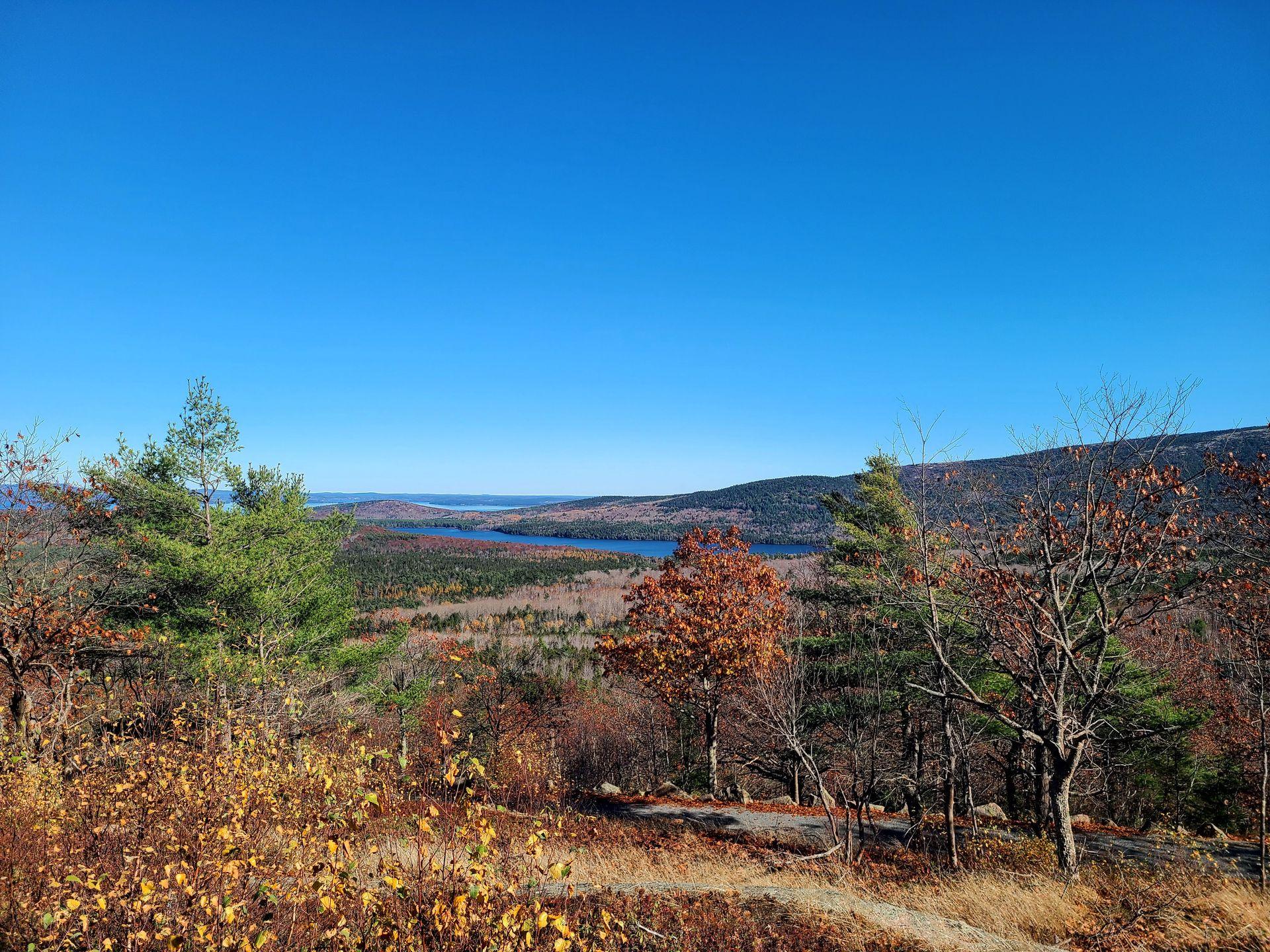
This trail represents the pinnacle of carriage road cycling in Acadia. The Around the Mountain Loop winds between Sargent and Penobscot Mountains, offering the most significant elevation gain of any carriage road route. The reward for your effort comes in the form of spectacular viewpoints overlooking Eagle Lake and the surrounding peaks. I consider this the ultimate test for cyclists wanting to experience the full scope of what Acadia's carriage roads have to offer.
3. Jordan Pond Path - The Scenic Route
Distance: 8.6 miles | Difficulty: Moderate | Highlights: Jordan Pond views, Bubble Mountains
The Jordan Pond Path combines gentle carriage road cycling with opportunities for short hiking excursions. This route provides access to some of Acadia's most photographed scenery, including the crystal-clear waters of Jordan Pond reflecting the iconic Bubble Mountains. During my autumn visits, the reflection of fall foliage in the pond creates an almost magical cycling experience.
4. Witch Hole Pond Loop - The Family Favorite
Distance: 4.7 miles | Difficulty: Easy | Highlights: Beginner-friendly, visitor center access
Perfect for families and beginners, the Witch Hole Pond Loop offers a gentle introduction to Acadia's carriage road system. This route connects to the Hulls Cove Visitor Center, making it an ideal starting point for first-time visitors. The relatively short distance and minimal elevation change make it accessible for cyclists of all ages and fitness levels.
5. Day Mountain Summit - The Only Peak
Distance: 4 miles one-way | Difficulty: Moderate | Highlights: Only bikeable summit in Acadia
Day Mountain holds the unique distinction of being the only peak in Acadia that cyclists can reach via carriage road. At 584 feet, it may not be the highest summit, but the 360-degree views from the top are extraordinary. The gentle 3-mile carriage road winds around the mountain before reaching the summit, offering changing perspectives of the surrounding islands and coastline.
6. Aunt Betty Pond Trail - The Hidden Gem
Distance: 5.2 miles round-trip | Difficulty: Moderate | Highlights: Secluded pond, diverse ecosystems
This lesser-known route leads to a tranquil pond nestled between Sargent and McFarland Mountains. The trail passes through diverse forest environments, from dense spruce stands to open clearings filled with wild blueberries. Aunt Betty Pond itself is a peaceful spot perfect for a mid-ride rest, surrounded by marsh grass that turns golden in autumn.
7. Amphitheater Loop - The Photographer's Dream
Distance: 4.8 miles | Difficulty: Moderate | Highlights: Historic bridge, dramatic ravine
The Amphitheater Loop showcases one of Acadia's most spectacular stone bridges, arching high over Little Harbor Brook in a deep wooded ravine. The pink granite bridge, adorned with decorative parapets and a turreted balcony, represents the pinnacle of the carriage road system's architectural achievements. This route perfectly embodies why the top trails for biking in Acadia National Park are considered among America's finest cycling experiences.
My Personal Experience
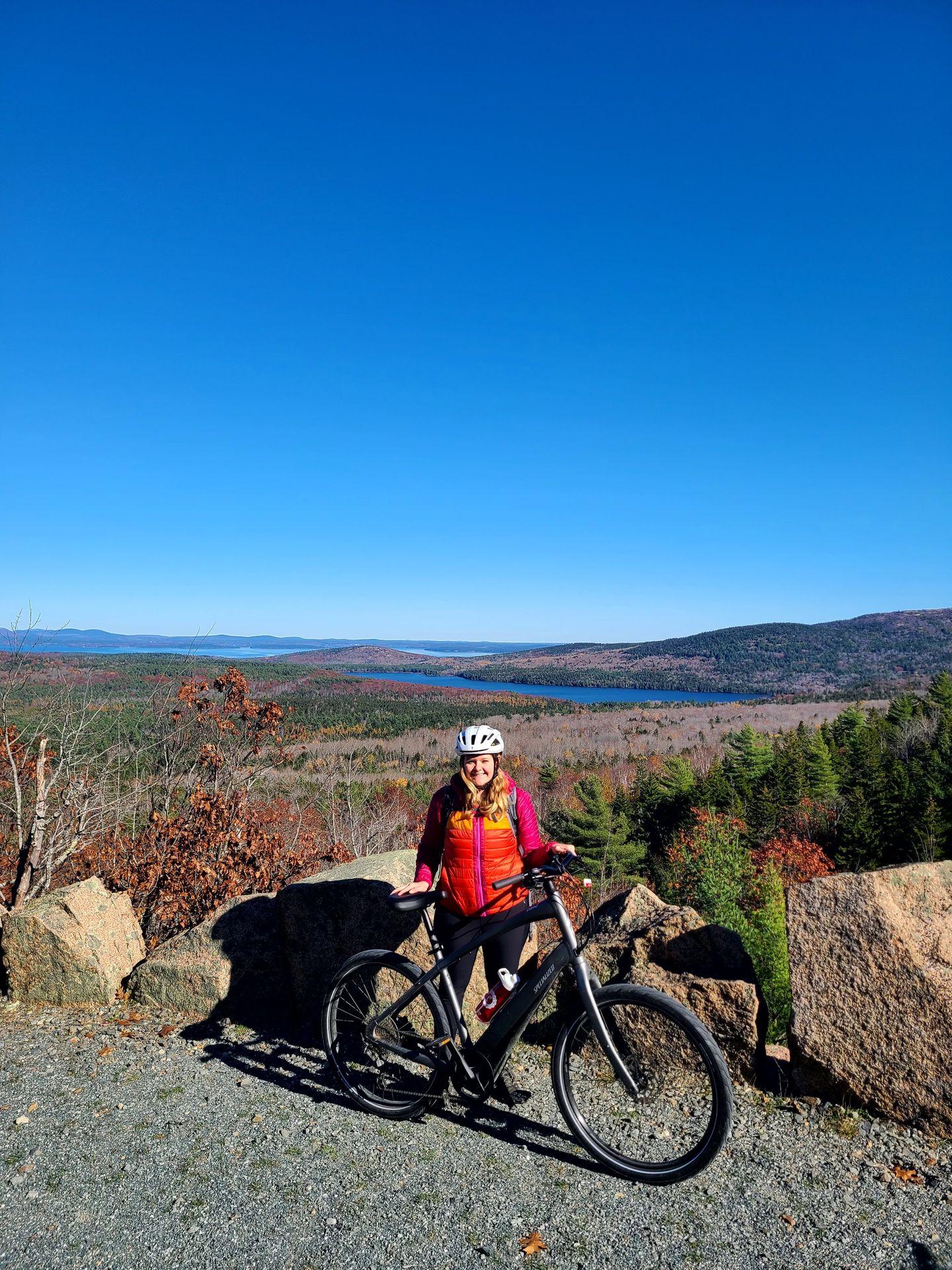
Having explored Acadia's carriage roads across multiple seasons and weather conditions, I can confidently say that biking here offers an experience unlike any other national park. My first visit was in October 2022, when I spent three weeks systematically exploring every major route and many of the connecting paths.
One of my most memorable rides occurred during a misty morning on the Around the Mountain Loop. As I climbed through the switchbacks near Chasm Brook Bridge, the fog began to lift, gradually revealing the spectacular vista of Eagle Lake below. Moments like these remind me why I always recommend that visitors consider electric bike rentals for tackling the more challenging routes – the extra assistance allows you to focus on the scenery rather than just surviving the climb.
During my extensive time in Acadia, I learned valuable lessons from park rangers and fellow cyclists. One ranger shared that the best light for photography occurs during the "golden hours" just after sunrise and before sunset, when the granite bridges and lake surfaces take on a warm, ethereal glow. I've since planned many of my rides around these optimal lighting conditions.
The seasonal variations in Acadia create dramatically different experiences. Spring rides reveal rushing waterfalls and emerging wildflowers, summer offers lush green canopies and busy but energetic trail conditions, autumn provides the iconic New England foliage that draws photographers from around the world, and winter transforms the landscape into a serene, snow-covered wonderland perfect for fat tire biking.
User Reviews Summary
Sarah M. (Reddit): "The Eagle Lake Loop exceeded all expectations. Even as a beginner cyclist, I felt confident on the smooth gravel surface. The views are absolutely stunning, and the car-free environment makes it perfect for families."
Mike D. (Amazon Review): "Invested in a quality bike lock after my first Acadia trip – the trails are so good you'll want to stop frequently for photos and short hikes. The Around the Mountain Loop is challenging but incredibly rewarding."
Jennifer K. (Quora): "Rented an e-bike for the steeper routes and it was a game-changer. Highly recommend for anyone who wants to experience all the trails without being limited by fitness level. The Jordan Pond route was my absolute favorite."
Planning Your Visit
Best Time to Visit
The optimal time for biking in Acadia National Park depends on your preferences and tolerance for crowds. Summer (June-August) offers the warmest weather and longest daylight hours, but expect busy trails and limited parking. Fall (September-October) provides spectacular foliage and fewer crowds, making it my personal favorite season. Spring can be muddy due to snowmelt, while winter offers unique opportunities for fat tire biking on groomed sections.
For the best overall experience, I recommend visiting during the shoulder seasons of late May or early September. During these periods, you'll encounter ideal weather conditions with manageable crowd levels and fully operational trail facilities.
Bike Rental Options
Several excellent rental shops in Bar Harbor provide quality bicycles and local expertise. Bar Harbor bike rental shops typically offer standard multi-speed bikes, electric bikes, and specialized equipment like child seats and trailers. Most rental shops provide maps, route recommendations, and safety equipment as part of their service.
Electric bikes have become increasingly popular for tackling Acadia's more challenging routes. The additional power assistance allows riders to cover more distance and elevation while still enjoying the scenic experience. For families, many shops offer family-friendly rental packages that include appropriate sizing for children and safety equipment.
Parking and Access
Parking can be challenging during peak season, especially at popular trailheads like Eagle Lake and Jordan Pond. Strategic parking planning is essential for a successful visit. I recommend arriving early in the morning (before 8 AM) or later in the afternoon (after 4 PM) to secure parking spots at the most popular locations.
Costs and Fees
Acadia National Park requires an entrance fee for all visitors, including cyclists. The current fee structure includes a $30 seven-day vehicle pass or a $15 individual pass for those entering without a vehicle. Annual Acadia passes and America the Beautiful passes are also accepted. For detailed pricing information, check our guide on bike rental costs in the area.
Essential Gear for Acadia Cycling


Complete Packing Checklist
Based on my extensive experience cycling Acadia's trails, here's what I always pack for a successful day on the carriage roads. For a comprehensive gear list, check out our detailed guide on what to pack for biking in Acadia.
Safety Essentials
- CPSC-certified helmet
- First aid kit
- Emergency whistle
- Reflective vest for low light
Hydration & Nutrition
- Water bottles (2-3 for long rides)
- Energy bars or snacks
- Electrolyte supplements
- Insulated water bottle for cold weather
Maintenance Tools
- Portable bike pump
- Tire repair kit
- Multi-tool with chain breaker
- Spare tube
Weather Protection
- Sunscreen (SPF 30+)
- Lightweight rain jacket
- Layered clothing
- Sunglasses
Safety Tips for Acadia Cycling
Trail Etiquette and Rules
Understanding and following proper trail etiquette is crucial for everyone's safety and enjoyment. Acadia's carriage roads operate under specific guidelines that all cyclists must observe. Familiarize yourself with the official rules for biking in Acadia's carriage roads before your visit.
The most important rule to remember is that cyclists yield to everyone – pedestrians, horses, and other trail users. Always announce your presence with a friendly "on your left" when passing, and reduce speed when approaching other trail users. Horses have the right of way in all situations, and sudden movements or loud noises can startle them.
Weather Considerations
Maine's coastal weather can change rapidly, even during summer months. I've experienced sudden fog banks rolling in from the ocean, transforming a sunny ride into a challenging navigation exercise. Always check weather forecasts before departing and carry appropriate gear for changing conditions.
During spring and early summer, be prepared for muddy sections and possible seasonal closures. The park service closes certain carriage roads during mud season (typically March and April) to prevent damage to the historic surfaces. Winter cycling requires specialized equipment and experience with snow and ice conditions.
Emergency Preparedness
Cell phone coverage can be spotty in some areas of Acadia, particularly on remote sections of the carriage roads. Always inform someone of your planned route and expected return time. Carry a basic first aid kit and know how to use it – minor cuts and scrapes are common on gravel surfaces.
Pro Safety Tips from My Experience
Brake Early on Descents: The loose gravel surface requires longer stopping distances than paved roads. I learned this lesson the hard way during my first steep descent near Jordan Pond.
Watch for Loose Stones: Recent maintenance or heavy rain can leave loose stones on the trail surface. These can cause wheel slippage, especially when cornering.
Plan for Crowds: Popular trails like Eagle Lake can become congested during peak hours. Early morning or late afternoon rides provide better trail conditions and more enjoyable experiences.
Frequently Asked Questions
Can beginners handle the top trails for biking in Acadia National Park?
Absolutely! Many of Acadia's carriage roads are perfect for beginners. I always recommend starting with the Witch Hole Pond Loop or Eagle Lake Loop for first-time visitors. These trails offer gentle terrain, excellent surfaces, and stunning scenery without overwhelming difficulty. The crushed stone surface provides good traction, and the motor-free environment creates a safe learning space. Most bike rental shops in Bar Harbor can recommend appropriate routes based on your experience level and provide maps with difficulty ratings.
How long does it take to complete the major biking trails?
Trail completion times vary significantly based on fitness level, stops for photos, and route selection. The Eagle Lake Loop typically takes 1-2 hours for casual riders, while the challenging Around the Mountain Loop can require 3-4 hours including stops. I always recommend planning extra time for rest breaks, photography, and potential side excursions to viewpoints or hiking trails. For detailed timing and route planning, check our comprehensive self-guided tour itinerary which includes estimated times for different fitness levels.
What are the costs associated with biking in Acadia?
The primary costs include the park entrance fee ($30 for a 7-day vehicle pass or $15 for individuals without vehicles) and bike rental fees if needed. Standard bike rentals typically range from $25-40 per day, while electric bikes cost $45-65 daily. Additional costs might include parking fees in Bar Harbor and optional equipment rentals like helmets or locks. During my visits, I found that purchasing an annual America the Beautiful pass ($80) becomes cost-effective for multiple national park visits. For current pricing details, visit our guide on bike rental prices near Acadia.
Are electric bikes allowed on Acadia's carriage roads?
Yes, but with restrictions. Only Class 1 e-bikes (pedal-assist only, no throttle, maximum 20 mph assistance) are permitted on the carriage roads. Class 2 and Class 3 e-bikes are prohibited. I've found that e-bikes are particularly valuable for tackling challenging routes like the Around the Mountain Loop, allowing riders to focus on scenery rather than just surviving the climbs. Most rental shops provide compliant Class 1 e-bikes and can explain the regulations. The additional power makes the top trails for biking in Acadia National Park accessible to a broader range of fitness levels and ages.
When is the best time of year to bike Acadia's trails?
Each season offers unique advantages for cycling in Acadia. Summer provides the most reliable weather and longest daylight hours, but expect crowds and higher temperatures. Fall delivers spectacular foliage and comfortable temperatures, making it my personal favorite despite shorter days. Spring can be muddy and some trails may be closed, but offers fewer crowds and emerging wildflowers. Winter provides unique opportunities for fat tire biking, though it requires specialized equipment and experience. For detailed seasonal considerations and optimal timing, consult our comprehensive guide on the best time of year to bike Acadia National Park.
How do the carriage roads compare to Cadillac Mountain for biking?
The carriage roads and Cadillac Mountain offer completely different cycling experiences. Carriage roads provide motor-free, family-friendly routes with gentle to moderate grades on crushed stone surfaces. Cadillac Mountain road cycling involves sharing narrow, winding paved roads with vehicle traffic, steep grades, and potential safety concerns. While Cadillac offers spectacular summit views, it requires advanced cycling skills and comfort with traffic. Most visitors find the carriage roads more enjoyable and safer. For a detailed comparison of both experiences, including safety considerations and skill requirements, read our analysis of Acadia versus Cadillac Mountain biking experiences.
Conclusion
Why Acadia's Trails Remain Unmatched
After countless miles exploring the top trails for biking in Acadia National Park, I can confidently say that this destination offers something truly special for cyclists of all levels. The combination of John D. Rockefeller Jr.'s visionary carriage road system, Acadia's stunning natural beauty, and the unique motor-free environment creates an cycling experience that simply cannot be replicated elsewhere in the United States.
From the gentle, family-friendly Witch Hole Pond Loop to the challenging Around the Mountain circuit with its 1,000 feet of elevation gain, these trails accommodate every skill level while providing consistently spectacular scenery. The historic stone bridges, pristine lake views, and diverse forest ecosystems make each ride a journey through both natural beauty and American conservation history.
The practical advantages of Acadia's carriage roads – the well-maintained crushed stone surfaces, comprehensive trail marking system, and numerous access points – ensure that your cycling adventure will be both safe and enjoyable. Whether you choose to rent a standard bike or upgrade to an electric model for tackling the steeper routes, the infrastructure supports a seamless experience.
Ready to Experience Acadia's Magic?
Start planning your cycling adventure with our comprehensive resources and expert guidance.
Remember that the best time to experience these trails varies with personal preferences and tolerance for crowds. The shoulder seasons of late spring and early fall often provide the optimal balance of weather, foliage, and manageable visitor numbers. Regardless of when you visit, proper preparation with appropriate gear, safety equipment, and route planning will ensure your Acadia cycling adventure exceeds expectations.
The top trails for biking in Acadia National Park represent more than just recreational opportunities – they embody a century-old vision of preserving natural spaces for human enjoyment while respecting the environment. Every pedal stroke along these historic routes connects you to this legacy while creating memories that will last a lifetime. Start planning your visit today, and prepare to discover why Acadia's carriage roads continue to captivate cyclists from around the world.