
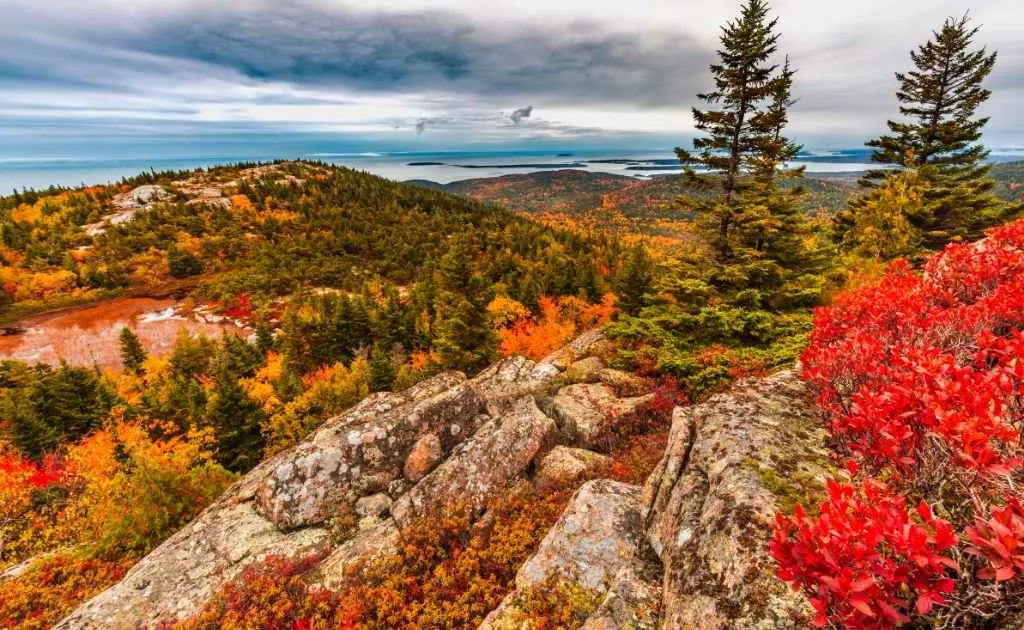
After visiting Acadia National Park seven times across different seasons, I've learned that timing truly makes or breaks your experience in Maine's crown jewel. Whether you're chasing fall foliage, avoiding summer crowds, or seeking the best weather for hiking, choosing when to visit this coastal paradise requires insider knowledge that goes beyond basic seasonal advice. At Wilderness Paths, we've compiled everything you need to know about the best time to visit Acadia National Park.
Peak Season vs. Off-Season: What You Need to Know
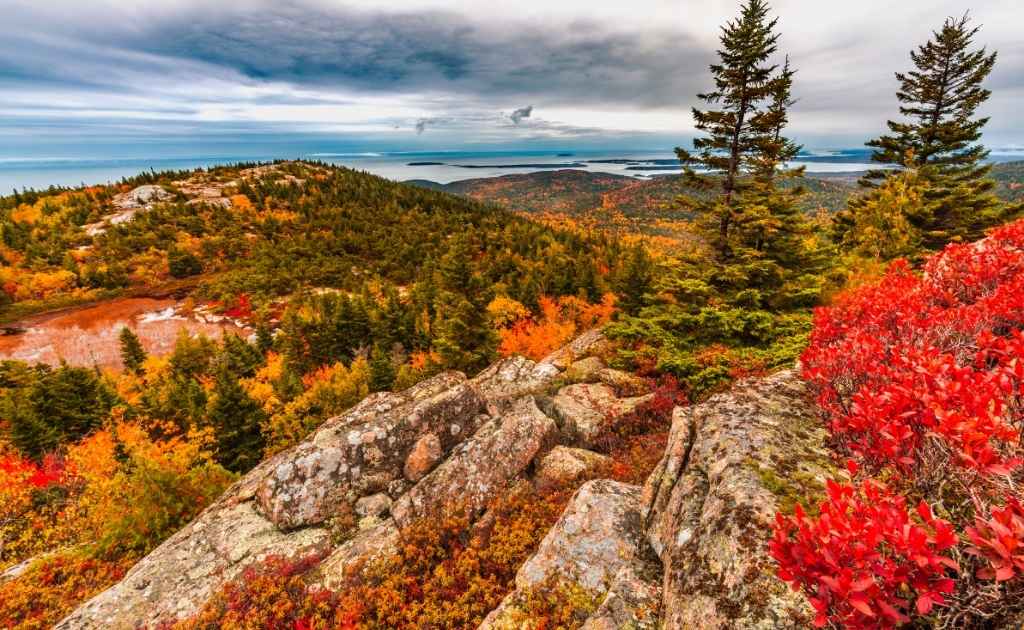
Understanding Acadia's seasonal patterns is crucial for planning the perfect visit. The park experiences distinct high and low seasons that dramatically affect everything from accommodation prices to trail accessibility. High season runs from June through September, with peak visitation during July and August when over 800,000 monthly visitors flood the park's trails and scenic drives.
During my summer visits, I've witnessed parking lots filling by 8 AM and waited in lines for popular attractions like Thunder Hole. However, this is also when you'll find the warmest weather and longest daylight hours – perfect for extensive hiking and coastal exploration. The weather patterns in Acadia show summer temperatures ranging from 45°F to 90°F, creating ideal conditions for outdoor activities.
The shoulder seasons of April-May and October-November offer compelling alternatives. Spring brings wildflower blooms and migrating birds, while late fall delivers spectacular foliage without summer's crushing crowds. Winter (December-March) transforms Acadia into a serene wonderland, though many facilities close and Park Loop Road becomes partially inaccessible.
Pro Tip from Experience
If you're flexible with dates, avoid the peak summer crowds by visiting in late May or early September. You'll still enjoy great weather while experiencing the park's natural beauty without the overwhelming tourist presence.
For outdoor enthusiasts, I recommend investing in quality gear regardless of season. The Maelstrom 40L Hiking Backpack has been my reliable companion through multiple Acadia adventures, offering waterproof protection and comfortable carrying capacity for day hikes and overnight camping trips.
Fall Foliage Season: Nature's Grand Finale
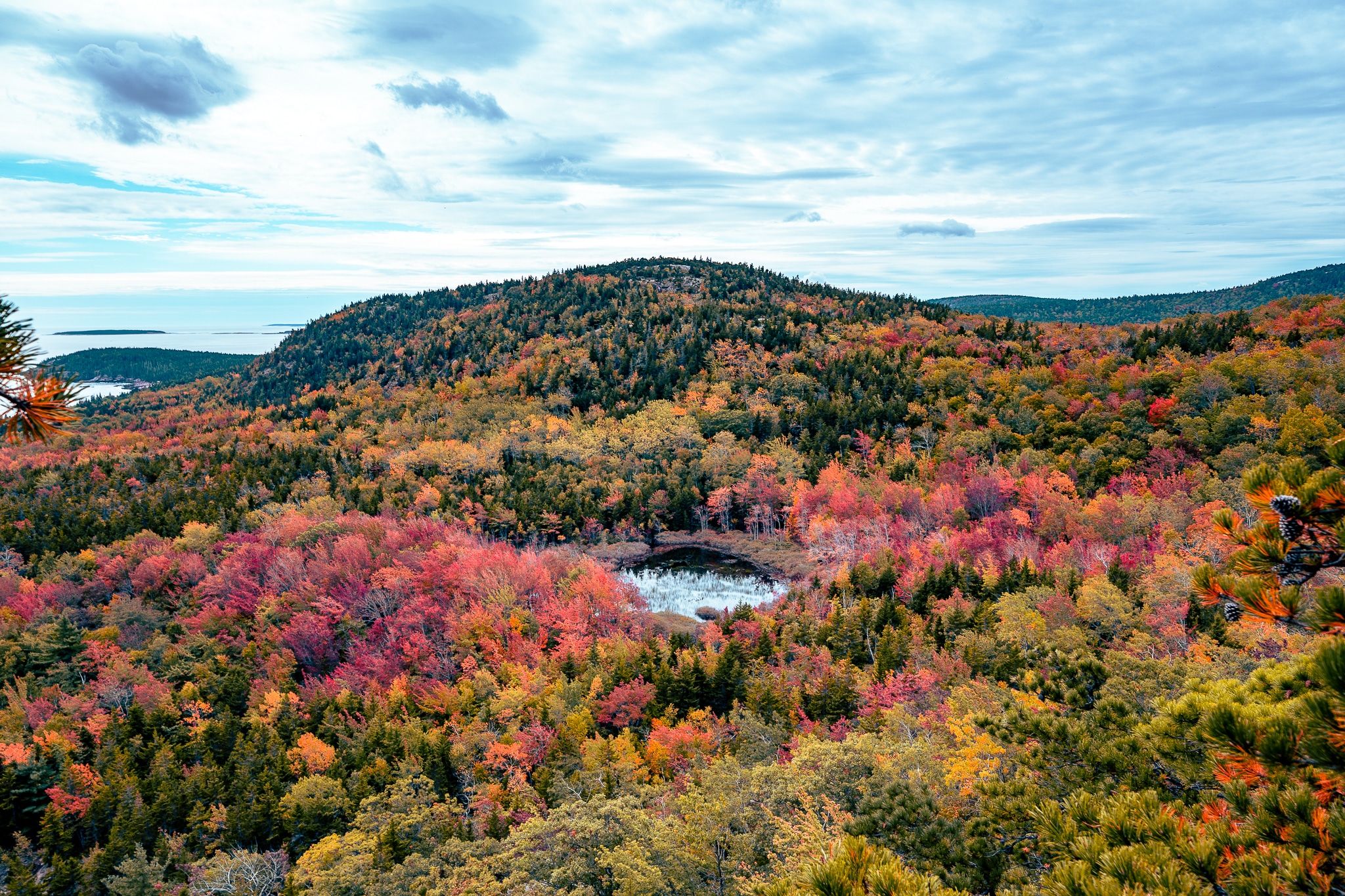
October stands as the crown jewel for visiting Acadia National Park, when the entire landscape transforms into a masterpiece of scarlet maples, golden birches, and amber oaks. Having witnessed this spectacle multiple times, I can confidently say that the best time to visit Acadia National Park for fall foliage is typically between October 5-20, depending on weather conditions and elevation.
The magic begins in late September when cooler nights trigger the chlorophyll breakdown, revealing the vibrant pigments beneath. Peak foliage usually occurs around Columbus Day weekend, making it one of the busiest periods despite the season. During my October 2023 visit, I discovered that foliage timing varies significantly by elevation, with higher areas like Cadillac Mountain changing first.
What makes fall in Acadia extraordinary isn't just the colors – it's the perfect storm of comfortable temperatures, crystal-clear air, and dramatic lighting. Daytime temperatures hover between 45-65°F, ideal for hiking without overheating. The crisp air creates exceptional visibility, offering stunning views from mountain summits and coastal vantage points.
For serious photographers and nature enthusiasts, I recommend exploring specialized fall activities like the Jordan Pond Path reflections or Great Head Trail's coastal foliage contrasts. The National Parks Scratch-Off Map makes an excellent keepsake for tracking your autumn adventures across America's most beautiful parks.
Photography Insider Tip
Golden hour during fall foliage season is absolutely magical. Arrive at Jordan Pond or Eagle Lake 30 minutes before sunrise for mirror-like reflections of the colorful canopy. The light filtering through the leaves creates an ethereal glow that's impossible to capture any other time of year.
Summer in Acadia: Balancing Weather and Crowds
Summer presents the classic dilemma: perfect weather meets maximum crowds. July and August deliver Acadia's warmest temperatures and longest days, but also bring overwhelming visitor numbers that can diminish the wilderness experience. During my July visits, I've learned that strategic timing and planning are essential for enjoying summer's benefits while minimizing crowd-related frustrations.
The best time to visit Acadia National Park during summer requires early morning starts and evening explorations. I typically begin my days at 6 AM, reaching popular destinations like Cadillac Mountain or Sand Beach before tour buses arrive. This strategy has consistently rewarded me with serene moments and prime parking spots that become impossible to find by 9 AM.
Summer's advantages are undeniable: water temperatures reach their annual peak (though still chilly at 50-70°F), all park facilities operate at full capacity, and extended daylight hours allow for ambitious itineraries. The Island Explorer shuttle system runs frequently, reducing parking stress and providing convenient access to trailheads. However, summer crowds in Acadia can transform peaceful nature experiences into theme park-like situations.
My solution involves targeting less popular but equally spectacular locations. Instead of joining Thunder Hole's massive crowds, I explore the equally dramatic Schoodic Peninsula or venture to the park's western "Quiet Side." These alternatives offer pristine coastal views and hiking opportunities without the overwhelming tourist presence.
Crowd Management Reality Check
During peak summer weekends, popular parking areas fill completely by 8 AM. Plan alternative activities or consider staying overnight near the park. The crowds aren't just inconvenient – they can compromise safety on narrow trails and overlooks.
For summer adventures, proper gear becomes crucial. The NORTIV 8 Waterproof Hiking Boots have proven invaluable during summer's unpredictable weather, providing ankle support on rocky trails and waterproof protection during Maine's frequent afternoon showers.
Spring Awakening: Hidden Gems and Fewer Visitors
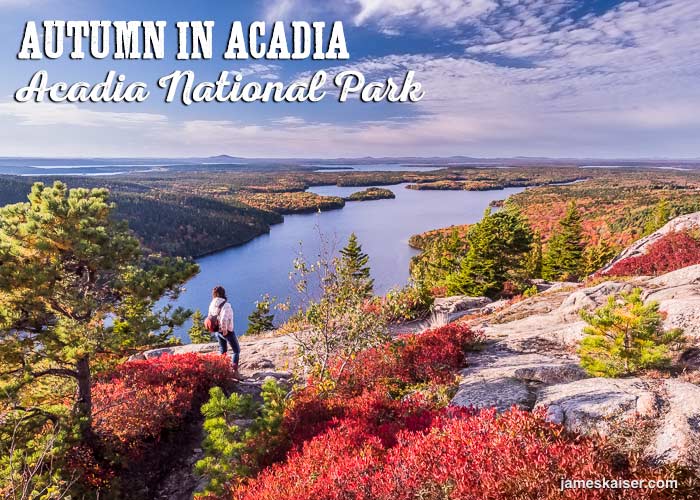
Spring in Acadia offers one of the most underrated experiences, combining renewal energy with blessed solitude. May through early June represents the sweet spot when winter's harsh grip releases but summer's crowds haven't yet arrived. During my May visits, I've discovered a different side of Acadia – intimate, fresh, and alive with possibility.
The challenge with spring timing lies in weather unpredictability. April can still feel like winter with snow patches and freezing temperatures, while May brings dramatic weather swings from crisp mornings to warm afternoons. However, this variability creates unique photographic opportunities and dramatic skies that summer rarely provides. Spring conditions in Acadia require flexible planning but reward patience with extraordinary experiences.
What makes spring special is the awakening wildlife and emerging vegetation. Migrating warblers fill the forests with song, wildflowers carpet meadows and forest floors, and the absence of summer's dense foliage creates clearer mountain views. I've encountered more wildlife during spring visits than any other season, including black bears emerging from hibernation and seals basking on coastal rocks.
Spring's practical advantages include significantly lower accommodation prices, available parking at popular destinations, and the freedom to explore without crowds. However, some facilities remain closed or operate limited hours, and weather can change quickly. I always pack layers and waterproof gear, making the Loowoko 50L Waterproof Hiking Backpack essential for spring adventures when conditions can shift from sunny to stormy within hours.
Wildlife Watching Secret
Early May is prime time for bird photography in Acadia. The Great Meadow area near Sieur de Monts Spring becomes a hotspot for migrating warblers, thrushes, and other songbirds. Arrive at dawn for the best opportunities and bring binoculars.
Winter Solitude: When Acadia Becomes Intimate
Winter transforms Acadia into an entirely different park – stark, beautiful, and profoundly peaceful. While certainly not the best time to visit Acadia National Park for most visitors, winter offers experiences impossible during warmer months. My February visit revealed Acadia's contemplative side, where frozen waterfalls, snow-laden spruces, and ice-sculptured coastlines create otherworldly beauty.
The practical challenges are significant: much of Park Loop Road closes December 1st through April 15th, visitor services are minimal, and weather can be harsh and unpredictable. However, these limitations also create the advantages – virtual solitude, pristine snow-covered landscapes, and unique winter activities like cross-country skiing on carriage roads and snowshoeing through quiet forests.
Winter visitors should prepare for temperatures regularly dropping below freezing, potentially dangerous trail conditions, and limited daylight hours. However, clear winter days offer exceptional visibility and dramatic contrast between snow, evergreens, and the deep blue Atlantic. Winter safety in Acadia requires proper preparation, but rewards adventurous spirits with unparalleled intimacy with the landscape.
The carriage roads become magical winter highways for cross-country skiing and snowshoeing when snow depth exceeds six inches. Rangers maintain groomed tracks, creating some of New England's most scenic winter recreation opportunities. Bar Harbor remains partially active with limited dining and lodging options, though many businesses close for the season.
For those brave enough to attempt winter camping, seasonal camping information becomes crucial. While official campgrounds close, nearby private facilities sometimes remain open with heated cabins and winter amenities.
My Personal Experience: Lessons from Seven Visits
After seven visits spanning different seasons, weather conditions, and crowd levels, I've developed a nuanced understanding of when Acadia truly shines. My first visit in July 2019 taught me harsh lessons about summer crowds – spending more time in parking lot lines than on trails. However, subsequent visits during shoulder seasons revealed the park's true magic and helped me understand why timing makes such a dramatic difference.
My most memorable experience occurred during a late September visit when early fall colors met perfect weather and manageable crowds. The combination of 60°F temperatures, crystal-clear skies, and the first hints of autumn foliage created ideal conditions for both hiking and photography. This visit convinced me that the best time to visit Acadia National Park often lies in these transitional periods rather than peak seasons.
Through conversations with park rangers, local guides, and fellow hikers, I've learned that each season offers distinct advantages for different visitor priorities. Families with children benefit from summer's warmth and full facility operations, while photographers and wildlife enthusiasts often prefer spring and fall's dynamic conditions and increased animal activity.
User Review Summary
Sarah M. (Amazon Review): "Used the recommended hiking backpack during our October Acadia trip. Perfect size for day hikes and kept everything dry during unexpected rain showers."
Mike R. (Reddit Comment): "Followed the spring timing advice and had incredible wildlife encounters. Saw more animals in May than during three summer visits combined."
Jennifer L. (Quora Response): "The fall foliage timing was spot-on. Visited October 12th and caught peak colors with manageable crowds."
The most important lesson I've learned is flexibility. Weather, foliage timing, and crowd patterns can shift unpredictably, so maintaining backup plans and alternative activities ensures memorable experiences regardless of conditions. Seasonal hiking recommendations help visitors match trail difficulty and conditions with their experience level and season-specific challenges.
For serious outdoor enthusiasts, I recommend the TETON Sports 65L Explorer Backpack for multi-day adventures or extended day trips. Its internal frame and weather-resistant design have proven invaluable during Acadia's unpredictable conditions across multiple seasons.
Frequently Asked Questions
What is the absolute best month to visit Acadia National Park?
October consistently ranks as the best month for visiting Acadia National Park, offering peak fall foliage, comfortable temperatures, and reduced crowds compared to summer. However, late September and early May also provide excellent conditions with their own unique advantages. October combines the dramatic beauty of autumn colors with crisp, clear weather perfect for hiking and photography. The key is matching your visit timing with your priorities – October for foliage, July-August for warmest weather, and May for wildlife viewing and spring flowers.
How can I avoid crowds at Acadia National Park?
Avoiding crowds requires strategic timing and location choices. Visit during shoulder seasons (May-June or September-October), start your day before 7 AM, or explore after 5 PM when tour groups depart. Focus on less popular areas like the Schoodic Peninsula or the park's western "Quiet Side" around Southwest Harbor. Weekdays consistently offer better experiences than weekends, and alternative trails like Great Head or Dorr Mountain provide similar views with fewer visitors than popular destinations like Cadillac Mountain or Thunder Hole.
When do the leaves change colors in Acadia National Park?
Fall foliage in Acadia typically begins changing in late September at higher elevations like Cadillac Mountain, with peak colors occurring between October 5-20 depending on weather conditions. The timing varies annually based on temperature, rainfall, and seasonal weather patterns. Higher elevation areas change first, followed by mid-elevation forests, and finally coastal areas. For the most current foliage reports, check the Maine Department of Agriculture's weekly foliage updates or contact park rangers directly. Planning flexibility helps ensure you catch the peak colors during your visit.
What should I expect for weather conditions throughout the year?
Acadia's weather varies dramatically by season and can change quickly due to coastal influences. Summer temperatures range from 45-90°F with July-August averaging 65-75°F. Fall brings 40-65°F with crisp, clear days and occasional rain. Spring temperatures span 35-65°F with high variability and frequent precipitation. Winter drops to 10-40°F with snow, ice, and strong winds common. Coastal locations tend to be cooler in summer and warmer in winter than inland areas. Always pack layers and waterproof gear regardless of season, as weather can shift rapidly near the Atlantic Ocean.
Where should I stay when visiting Acadia National Park?
Accommodation choices significantly impact your Acadia experience and budget. Bar Harbor offers the most lodging options with easy park access but commands premium prices, especially during peak season. Alternative accommodation areas like Southwest Harbor, Northeast Harbor, or Ellsworth provide more affordable options with short drives to park entrances. The park's two campgrounds, Blackwoods and Seawall, offer the most immersive experience but require advance reservations. Book accommodations 3-6 months ahead for summer and fall visits, or consider nearby towns for better availability and rates.
When is the best time to see wildlife in Acadia?
Wildlife viewing opportunities peak during spring migration (May-June) and early fall (September-October) when animals are most active and visible. Seasonal wildlife patterns show spring offers the best bird watching with migrating warblers, while fall provides opportunities to see mammals preparing for winter. Early morning and late afternoon hours increase wildlife encounter chances regardless of season. Coastal areas provide year-round seal and seabird viewing, while forest areas offer better chances for black bears, deer, and small mammals during warmer months when vegetation is less dense.
Conclusion
Determining the best time to visit Acadia National Park ultimately depends on your personal priorities, tolerance for crowds, and desired experiences. Through my extensive visits across all seasons, I've learned that each time period offers distinct advantages and challenges that can make or break your park experience.
For first-time visitors seeking the classic Acadia experience, I recommend late September through mid-October when fall colors peak, weather remains comfortable, and crowds begin diminishing. This timing provides the perfect balance of natural beauty, accessibility, and manageable visitor levels that showcase why Acadia ranks among America's most beloved national parks.
However, don't overlook the unique opportunities presented by off-season visits. Spring brings wildlife diversity and wildflower displays, summer offers maximum daylight and warmest weather, and winter provides intimate solitude impossible during busy seasons. The key lies in matching your visit timing with your specific interests and expectations.
Remember that successful Acadia visits require flexibility, proper preparation, and realistic expectations about seasonal conditions. Whether you're chasing fall foliage, avoiding summer crowds, or seeking winter solitude, understanding these seasonal patterns will help you create memories that last a lifetime in one of America's most spectacular coastal wilderness areas.
Most importantly, respect this incredible landscape and plan responsibly. Acadia's popularity continues growing, making conscientious visitation increasingly crucial for preserving the natural beauty that makes this park so special. Choose your timing wisely, prepare thoroughly, and prepare to be amazed by Maine's crown jewel regardless of when you visit.