

Nestled in the heart of Acadia National Park, Dorr Mountain Trail offers one of the most rewarding hiking experiences on Mount Desert Island. As the second-highest peak in the park, it provides breathtaking panoramic views while being less crowded than its famous neighbor, Cadillac Mountain. From challenging iron-rung routes to more moderate paths, this trail system offers something for every adventurer. Join me as I share my personal experiences and comprehensive guide to conquering this hidden gem in Maine's crown jewel national park.
About Dorr Mountain Trail
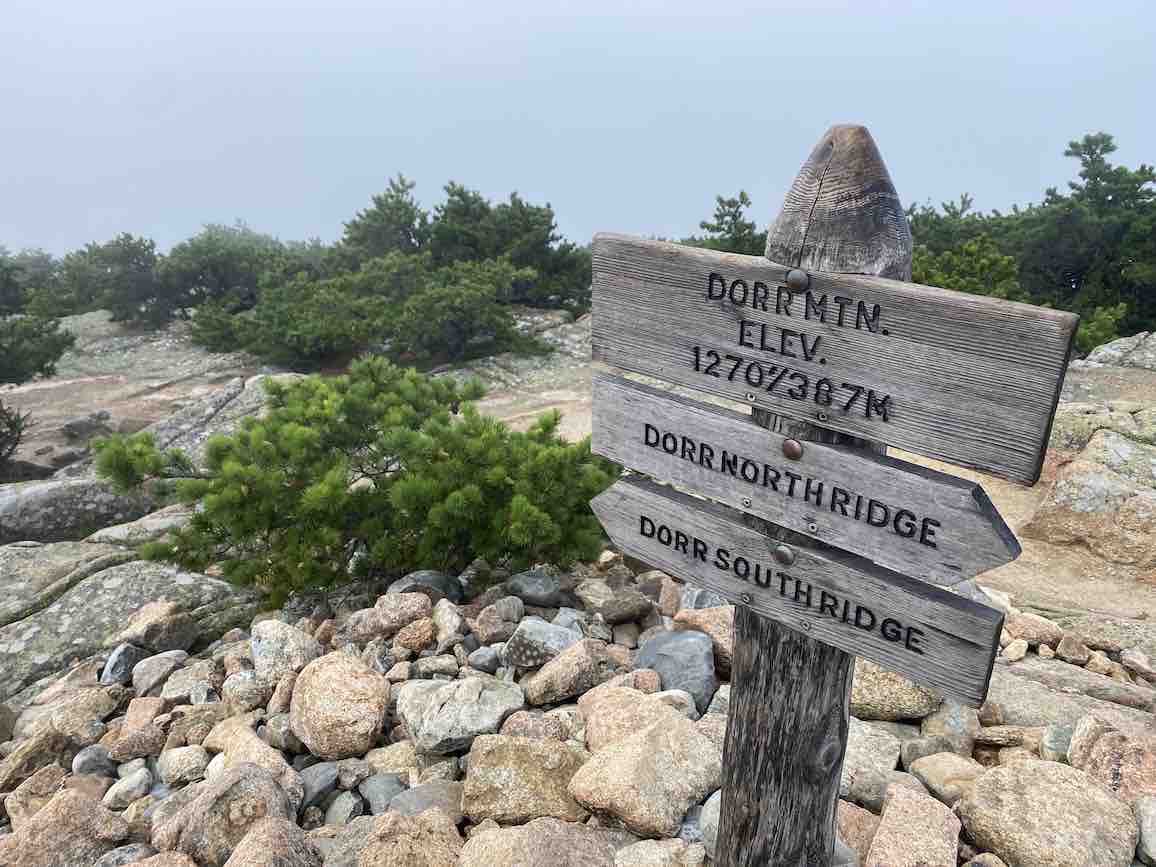
Named after George B. Dorr, the "father" of Acadia National Park, Dorr Mountain stands proudly as the second-highest peak in the park at 1,270 feet (387 meters). Nestled between Cadillac Mountain to the west and Champlain Mountain to the east, this magnificent formation offers some of the most spectacular panoramic views in all of Acadia. The Dorr Mountain Trail system includes several routes that lead adventurous hikers to its summit, each offering unique landscapes and challenges.
What makes Dorr Mountain Trail particularly special is its relative seclusion compared to the more famous Cadillac Mountain. While Cadillac attracts crowds of tourists—many arriving by car—Dorr Mountain Trail provides a more authentic wilderness experience. The mountain's eastern face features dramatic granite cliffs, while its western side descends more gradually into a valley that separates it from Cadillac Mountain.
The summit of Dorr Mountain rewards hikers with 360-degree views of Mount Desert Island, including Bar Harbor, Frenchman Bay, the Porcupine Islands, and the Atlantic Ocean stretching beyond. On exceptionally clear days, you can even spot the Schoodic Peninsula and distant mountain ranges on the mainland. For photography enthusiasts, the Dorr Mountain Trail offers incredible sunrise opportunities, as the peak catches the day's first light before it reaches many other areas of the park.
Trail Quick Facts
- Elevation: 1,270 feet (387 meters)
- Distance: Varies by route (1.3-3.1 miles one way)
- Difficulty: Moderate to Strenuous
- Duration: 2-4 hours (round trip)
- Trailhead: Multiple access points (Sieur de Monts, The Tarn, etc.)
- Facilities: No facilities on trail; available at nearby visitor centers
- Parking: Limited at trailheads; arrive early
- Permits: Park entrance pass required
The history of Dorr Mountain Trail is deeply intertwined with the park's own history. George Dorr, the mountain's namesake, spent decades acquiring land and advocating for the creation of what would eventually become Acadia National Park. Many of the trails on Dorr Mountain—including the historic stone steps, iron rungs, and carefully crafted paths—were built in the early 20th century through the vision of Dorr himself and the skilled craftsmanship of local stoneworkers.
The mountain was originally called Flying Squadron Mountain, but was renamed to honor George Dorr's contributions to preserving this remarkable landscape. The Dorr Mountain Trail system represents some of the finest examples of historic trail-building techniques in the national park system, with remarkable stonework that has withstood the test of time for over a century.
Before embarking on your Dorr Mountain Trail adventure, it's essential to understand the various route options, necessary preparations, and what to expect along the way. In the following sections, I'll provide detailed information about each trail option, share my personal experiences, and offer tips to help you make the most of your hike on this magnificent mountain in Acadia National Park.
Trail Options and Routes
Dorr Mountain offers several distinct trail options, each with its own character, difficulty level, and scenic highlights. Whether you're an experienced hiker looking for a challenge or a casual nature enthusiast seeking beautiful views, there's a Dorr Mountain Trail route that's perfect for you. Let's explore the main trail options:
Ladder Trail
The Ladder Trail is perhaps the most exciting and adventurous route up Dorr Mountain. True to its name, this trail features three iron ladders bolted to the cliff face, along with numerous iron rungs, handrails, and stone steps that help hikers navigate the steep eastern face of the mountain. This 1.3-mile trail begins near Route 3, approximately half a mile south of the Sieur de Monts Park Entrance, just past The Tarn (a small lake).
The trail doesn't waste any time getting vertical. Almost immediately, you'll begin climbing stone steps that hug the granite cliff bands. After about 15 minutes of hiking, you'll reach the first iron ladder nestled between a narrow break in the rocks. Although the ladders may look intimidating, they're actually quite sturdy and manageable for most adults and older children with a reasonable fitness level.
Above the first ladder, the views begin to open up, offering glimpses of the surrounding landscape. The trail continues with a short set of iron rungs followed by a small, picturesque granite alcove that leads to the second ladder. After completing the iron-rung portion, the Dorr Mountain Trail continues its steep ascent along well-constructed stone steps before joining the Schiff Path for the final push to the summit.

One of the iconic iron ladders on the Dorr Mountain Ladder Trail
⚠️ Important Safety Note:
The Ladder Trail is not suitable for small children, pets, or anyone with a fear of heights or limited mobility. Hikers should have both hands free for the ladder sections, so stow hiking poles and secure any loose gear before attempting the iron rungs.
South Ridge Trail
The South Ridge Trail offers a more moderate alternative for reaching Dorr Mountain's summit. This 1.1-mile trail begins at the Sieur de Monts Spring area and provides a gentler, though still challenging, ascent. The South Ridge Trail features fewer technical sections than the Ladder Trail but still includes some steep portions with stone steps and modest rock scrambling.
As you hike the South Ridge Trail, you'll pass through diverse environments, starting in a lush forest before emerging onto open ledges with increasingly expansive views. The trail meanders through beautiful woods and across granite outcroppings, offering frequent opportunities to stop and enjoy the scenery. The forest sections provide welcome shade during hot summer days, making this a good option when temperatures are high.
The Dorr Mountain Trail South Ridge route is particularly beautiful in autumn when the hardwood trees display their brilliant fall colors. The contrast between the vibrant foliage, blue sky, and gray granite creates a photographer's paradise. This trail also connects with several other paths, including the Canon Brook Trail, allowing for loop hike possibilities rather than an out-and-back journey.
For those looking to experience Dorr Mountain without the iron rungs and ladders, the South Ridge Trail provides an excellent alternative that still delivers the spectacular summit views that make Dorr Mountain Trail so popular among Acadia's hikers.
Emery Path & Schiff Path

Beautifully crafted stone steps on the Emery Path section of Dorr Mountain Trail
The eastern face of Dorr Mountain features some of Acadia's most impressive trail construction, and the Emery Path is a prime example. Starting near Sieur de Monts Nature Center, this 0.9-mile trail showcases exceptional stonework with beautifully crafted steps that wind through the forest and across the mountainside. The Emery Path connects with the Schiff Path (formerly known as the Dorr Mountain East Face Trail) to create a moderate route to the summit.
The Emery Path was built between 1914-1916 and funded by Mrs. John J. Emery in memory of her husband. The craftsmanship is evident in every step—granite blocks were carefully shaped and placed to create a durable and aesthetically pleasing trail that has withstood a century of foot traffic and harsh New England weather. The trail's gentle grade makes it more accessible than the Ladder Trail, though it still provides a good workout.
As the Emery Path transitions into the Schiff Path, hikers continue upward through forest and across open rocky sections. This combined route offers excellent views to the east, including glimpses of Bar Harbor and Frenchman Bay. The path is well-marked and maintained, making it easier to navigate than some of the more rugged routes in Acadia.
Many hikers choose to ascend via the Emery-Schiff combination and descend using another route, creating a loop that showcases different aspects of the Dorr Mountain Trail system. This path is particularly beautiful in the early morning when the rising sun illuminates the eastern face of the mountain.
Homans Path
Homans Path is a historic trail that was actually lost for many years before being rediscovered and reopened in 2003. This path begins near Sieur de Monts Spring and features remarkable stonework, including unique stone archways and steps built into the mountainside. Named after Mrs. Eliza Homans, who funded its construction in 1916, this trail represents another example of the extraordinary trail-building craftsmanship found on Dorr Mountain Trail.
The trail is relatively short (about 0.5 miles) but steep, with numerous stone steps leading upward through forest and across rocky terrain. One of the most distinctive features of Homans Path is a stone stairway that passes underneath a massive boulder, creating a natural stone arch. This unique section provides both a physical challenge and a memorable landmark along the journey.
Homans Path eventually connects with the Emery and Schiff Paths, allowing hikers to continue to the summit. Because of its historical significance and impressive stonework, Homans Path is a favorite among those interested in the cultural heritage of Acadia National Park. The trail's restoration was a labor of love for park staff and volunteers, who worked diligently to uncover and rehabilitate this hidden gem.
While not as well-known as some of the other Dorr Mountain Trail options, Homans Path offers a unique hiking experience that combines natural beauty with human craftsmanship. It's a testament to the vision of George Dorr and the early supporters who helped create Acadia's remarkable trail system.
📍 Trailhead Tip:
For all Dorr Mountain trails, I recommend starting early in the morning (before 8:00 AM) during peak season (June-October) to secure parking and enjoy a more solitary experience. The Sieur de Monts parking area fills quickly, especially on weekends and holidays.
Seasonal Hiking Guide
Acadia National Park experiences distinct seasonal changes that dramatically affect the hiking experience on Dorr Mountain Trail. Each season offers unique advantages and challenges, transforming the landscape and creating different adventures throughout the year. Here's what you need to know about hiking Dorr Mountain in each season:
Spring Hiking (Late April to June)
Spring in Acadia brings renewal and transformation to Dorr Mountain Trail. The melting snow feeds numerous small streams and waterfalls, creating dynamic water features along the trails. Wildflowers begin to appear in sunny spots, and the forest gradually transitions from the browns and grays of winter to vibrant greens.
However, spring hiking comes with specific challenges. Trails can be muddy and slippery, particularly in early spring when snow and ice may still linger in shaded areas. The Ladder Trail might have ice on the rungs well into May, making it potentially hazardous. Always check with rangers at the visitor center about trail conditions before attempting any spring hike on Dorr Mountain.
Spring also brings variable weather. Pack layers that can be easily added or removed as temperatures fluctuate throughout the day. Rain is common, so waterproof gear is essential. The advantage of spring hiking is the relative solitude—you'll encounter far fewer people than during the summer months, and the bugs aren't yet at their peak.
Spring Checklist:
- Waterproof hiking boots
- Trekking poles for muddy sections
- Rain jacket and pants
- Insulating mid-layers
- Hat and gloves (early spring)
- Trail gaiters to keep mud out
- Extra socks in case of wet feet
Summer Adventures (July to August)
Summer is peak season for Acadia National Park, and Dorr Mountain Trail sees its highest visitor numbers during these months. The weather is generally warm and pleasant, with daytime temperatures ranging from the 70s to low 80s Fahrenheit. The trails are usually dry, making hiking conditions optimal for most routes.
Summer also brings lush vegetation, with forests in full leaf and wildflowers dotting the landscape. The longer daylight hours allow for more flexible hiking schedules—early morning and evening hikes can help you avoid the midday heat and crowds. Sunrise from the summit of Dorr Mountain is particularly magnificent in summer, as the first light bathes the surrounding islands and ocean in a golden glow.
The primary challenges of summer hiking are the crowds and insects. To avoid the busiest times, plan your Dorr Mountain Trail hike for weekdays rather than weekends, and start either very early (before 7:00 AM) or later in the afternoon (after 3:00 PM). Bug repellent is essential, as mosquitoes and black flies can be abundant, especially in forested sections and during calm days.
Hydration becomes more crucial in summer. Carry at least 2-3 liters of water per person, as there are no reliable water sources along the Dorr Mountain Trail routes. A sun hat, sunglasses, and sunscreen are also necessities, as many sections of the trails—particularly near the summit—offer little to no shade.
Fall Foliage Experience (September to Mid-October)
Spectacular fall colors viewed from Dorr Mountain Trail in autumn
Fall is many locals' favorite season to hike Dorr Mountain Trail, and for good reason. The landscape transforms into a spectacular tapestry of red, orange, yellow, and purple as the hardwood trees display their autumn colors. The contrast between the vibrant foliage, blue sky, and gray granite creates breathtaking scenes that photographers dream about.
Weather conditions in fall are generally favorable for hiking, with cooler temperatures that range from the 50s to 60s Fahrenheit during the day. The air tends to be crisp and clear, providing some of the best visibility of the year. From Dorr Mountain's summit, you can often see for miles on clear fall days.
Visitor numbers begin to decrease after Labor Day, but October brings a second wave of tourism during peak foliage season. Weekends in early-to-mid October can be surprisingly busy, particularly when cruise ships dock in Bar Harbor. As in summer, starting your hike early is advantageous.
Fall brings shorter daylight hours, so be mindful of sunset times when planning your hike. The temperature drop between day and night becomes more pronounced, making layers essential. Mornings often start with frost, which can make the stone steps and iron rungs of the Dorr Mountain Trail slippery until the sun warms them.
Winter Challenges (November to Early April)
Winter transforms Dorr Mountain Trail into a serene, snow-covered wonderland—but it also presents the greatest challenges for hikers. Many trails, including the Ladder Trail, become extremely hazardous or impassable due to ice and snow accumulation. The park does not maintain or clear trails in winter, and rangers may officially close certain routes, including those with iron rungs.
For experienced winter hikers with proper equipment, the South Ridge Trail offers the safest winter approach to Dorr Mountain. Microspikes or crampons are essential, as are hiking poles with snow baskets. In deep snow, snowshoes may be necessary for lower elevation sections. Navigation skills become more important in winter, as trail markers can be covered by snow, and paths may be difficult to follow.
The rewards of winter hiking include absolute solitude, pristine snow-covered landscapes, and the unique experience of seeing Acadia in its most raw and wild state. The views from the summit on clear winter days are unparalleled, with the snow-covered islands dotting the deep blue winter ocean.
Always check weather forecasts carefully before winter hiking, as conditions can change rapidly. Daylight is limited, with darkness falling by 4:00 PM in December and January, so start early and plan a shorter route than you might attempt in other seasons. Carry extra layers, emergency supplies, and a headlamp with spare batteries. Most importantly, be prepared to turn back if conditions exceed your comfort level or equipment capabilities.
🌟 Ranger's Advice:
"The best times to hike Dorr Mountain are early June and mid-September. You'll avoid peak crowds while enjoying mild weather and either spring wildflowers or early fall colors." — Shared by a park ranger during my last visit
Essential Gear for Dorr Mountain
Proper gear can make the difference between an enjoyable adventure and a miserable (or even dangerous) experience on Dorr Mountain Trail. Based on my numerous hikes up Dorr Mountain in all seasons, here's my recommended gear list for a safe and comfortable journey:
Footwear & Lower Body
Sturdy Hiking Boots
Ankle support and good traction are essential for navigating the rocky terrain and stone steps of Dorr Mountain.
Moisture-Wicking Hiking Socks
Merino wool socks prevent blisters and keep feet comfortable throughout your hike.
Convertible Hiking Pants
These versatile pants can convert to shorts, adapting to changing weather conditions.
Essential Equipment
Trekking Poles
Provides stability on steep sections and reduces strain on knees during descent. Collapsible models can be stored when climbing ladders.
Hydration System
A 2-3 liter hydration reservoir keeps water accessible without stopping to remove your pack.
Day Pack (20-30L)
Carries all your essentials while providing comfort and stability on technical sections.
Upper Body & Weather Protection
Moisture-Wicking Base Layer
Synthetic or merino wool shirts keep you dry and comfortable during exertion.
Insulating Mid-Layer
Fleece or lightweight puffy jacket for temperature regulation, especially at the summit.
Waterproof Shell
Rain jacket with hood—weather in Acadia can change quickly, even on clear days.
Safety & Navigation
Trail Map & Compass
Don't rely solely on electronic devices—carry a waterproof map of Acadia's trails.
Headlamp
Essential if your hike takes longer than expected or for pre-dawn starts to catch the sunrise.
First Aid Kit
Compact but comprehensive kit for treating minor injuries on the trail.
Beyond the basics listed above, consider these additional items depending on the season and specific trail conditions:
- Sun Protection: Hat, sunglasses, and sunscreen—especially important for summer hikes when tree cover is minimal near the summit
- Insect Repellent: Essential for late spring and summer hikes to ward off mosquitoes and black flies
- Gloves: Lightweight gloves protect hands on iron rungs and cold stone surfaces, particularly useful in spring and fall
- Microspikes: For early spring or late fall hikes when ice may be present on trails
- Camera: The views from Dorr Mountain Trail are spectacular and worth documenting
- Binoculars: Great for spotting wildlife and examining distant landmarks from the summit
💡 Pro Tip:
For the Ladder Trail, wear a small daypack rather than a large backpack. The smaller profile makes it easier to maneuver through tight spaces and climb the iron ladders without getting caught on protruding rocks.
Remember that proper preparation is key to enjoying your Dorr Mountain Trail experience safely. While you don't want to carry unnecessary weight, it's better to have essential gear and not need it than to find yourself without something critical. The mountain environment can be unpredictable, and conditions at the summit may be significantly different from those at the trailhead.
My Personal Experience
I'll never forget my first encounter with Dorr Mountain Trail. It was a crisp October morning five years ago, and I had arrived in Acadia with ambitious hiking plans but little knowledge about the park's trail system. After chatting with a friendly ranger at the visitor center, I decided to tackle the Ladder Trail as my introduction to Dorr Mountain.
I parked at a small pullover near The Tarn around 7:30 AM, with mist still clinging to the water and the morning sun just beginning to pierce through the trees. The trail started innocuously enough, winding through forest before suddenly turning upward. When I reached the first iron ladder embedded in the cliff face, I felt a mixture of excitement and apprehension—was I really going to climb that?
The ladder itself wasn't particularly difficult, but the exposure and sensation of climbing up the mountain's face rather than simply hiking a trail made the experience thrilling. Above the first ladder, I emerged onto open rock faces with increasingly spectacular views. The morning fog was lifting from the bay, revealing the Porcupine Islands like a series of stepping stones into the Atlantic.
What struck me most about the Dorr Mountain Trail was the incredible craftsmanship. The stone steps seemed to flow naturally with the mountain's contours, and the iron rungs were placed perfectly to assist climbers without making the route too easy. I could sense the history in each carefully placed stone, imagining the trail builders from a century ago working with simple tools to create this masterpiece of outdoor engineering.
Memorable Moment
Near the summit, I encountered an elderly gentleman who told me he had been hiking Dorr Mountain annually for over 60 years. "Started when I was twelve," he said, "with my father, who hiked it with his father." He pointed out landmarks and shared stories about how the trails had changed—and how they'd remained the same—over the decades. His connection to the mountain was profound, a reminder that these trails are not just paths through nature but threads through time, connecting generations of hikers.
Best Time I Hiked Dorr
My most magical experience on Dorr Mountain Trail was a sunrise hike in late September. I started on the Emery Path with a headlamp at 5:00 AM, reaching the summit just as the first hint of dawn appeared. The sky transformed from deep blue to lavender to a breathtaking palette of pink, orange, and gold. Bar Harbor's lights still twinkled below, and the morning star hung above the lightening horizon. I had the entire summit to myself for nearly an hour—a rare gift in Acadia.
I've since hiked all the major routes up Dorr Mountain across different seasons. Each trail offers a unique perspective and experience. The South Ridge Trail provided a more gradual approach with beautiful forest immersion. The Emery Path impressed me with its magnificent stonework. The Homans Path surprised me with its stone archway and secluded feel.
One winter, I attempted Dorr via the South Ridge with microspikes after a light snow. The transformed landscape was hauntingly beautiful—every tree branch outlined in white, granite surfaces polished with ice, and absolute silence except for the crunch of snow under my boots. The summit view of snow-dusted islands floating in the dark winter ocean remains one of my most treasured mental images.
What I've come to appreciate most about Dorr Mountain Trail is how it rewards repeat visits. Each time I hike it, I notice something new: a particular view I hadn't paid attention to before, an interesting rock formation, or wildlife I hadn't previously encountered. The mountain has a way of revealing itself gradually, never surrendering all its secrets in a single visit.
If you're planning your first visit to Dorr Mountain Trail, I encourage you to approach it with respect and openness. Take time to appreciate the craftsmanship of the trails, the resilience of the plants clinging to exposed granite, and the sweeping views that change with every shift in weather and light. Dorr Mountain may not be Acadia's highest peak, but it offers some of the park's richest hiking experiences.
Hiker Experiences from the Community
"The Ladder Trail was more challenging than I expected but absolutely worth it! The iron rungs added a sense of adventure that regular hiking trails don't offer. Views from the top were spectacular. Bring gloves for the metal rungs—they can be cold in the morning."
— Michael S., from Reddit hiking community
"We hiked Dorr Mountain during peak fall foliage last year. The South Ridge Trail was moderate in difficulty but offered incredible color contrasts with the granite and ocean. Much less crowded than Cadillac Mountain, which we could see was packed with tourists. Definitely one of our favorite Acadia experiences."
— Lisa K., from AllTrails reviews
"Don't underestimate this hike! We took Emery Path up and Ladder Trail down, which I wouldn't recommend—descending the ladders was tricky. The stone steps are beautiful but challenging on the knees. Bring poles and plenty of water. The summit views made us forget all about the effort it took to get there."
— James T., from Tripadvisor
Tips and Safety Information
Having hiked Dorr Mountain Trail many times in various conditions, I've gathered practical tips and safety information that will help you have a safe and enjoyable experience. Here's what you need to know:
Trail Safety
- Start Early: Begin your hike before 9:00 AM to secure parking and avoid afternoon crowds and potential thunderstorms in summer.
- Check Weather: Mountain weather can change rapidly. Check the forecast before starting and be prepared to turn back if conditions deteriorate.
- Inform Someone: Always tell someone your planned route and expected return time before heading out.
- Stay on Trail: The fragile alpine vegetation on Dorr Mountain can take decades to recover from trampling. Stay on designated paths.
- Assess Your Abilities: Be honest about your fitness level and hiking experience, especially when considering the more challenging routes like the Ladder Trail.
- Mind the Rungs: Test iron rungs before putting your full weight on them, especially in early spring when winter frost may have loosened them.
- Free Hands for Ladders: Stow trekking poles and secure loose items before attempting ladder sections.
Planning & Preparation
- Water Strategy: There are no water sources on Dorr Mountain Trail, so carry all you'll need (2-3 liters per person).
- Layer Appropriately: Temperature differences between trailhead and summit can be significant. Dress in layers that can be added or removed.
- Trail Connections: Study the trail map before starting to understand how different trails connect, allowing for loop options rather than out-and-back hikes.
- Photography Timing: For the best light on the eastern face of Dorr, hike in the morning. For western views toward Cadillac, afternoon light is better.
- Cell Service: Don't count on reliable cell coverage throughout the hike. Download offline maps before starting.
- Park Pass: Remember that Acadia requires an entrance pass, which you can purchase at visitor centers or online.
Wildlife and Environmental Considerations
While hiking Dorr Mountain Trail, you may encounter various wildlife, including white-tailed deer, red squirrels, and numerous bird species. Occasionally, hikers spot peregrine falcons soaring above the cliffs. Remember these guidelines for wildlife encounters:
- Observe wildlife from a distance and never feed animals
- Store food securely and pack out all trash
- If you encounter larger mammals like black bears (rare but present in Acadia), maintain distance and make noise to avoid surprising them
- Check for ticks after your hike, as Lyme disease is present in Maine
Pros of Hiking Dorr Mountain
- Less crowded than Cadillac Mountain, especially outside peak summer season
- Multiple trail options ranging from moderate to challenging
- Historic stonework and iron rungs create a unique hiking experience
- 360-degree views from the summit, including Bar Harbor, ocean, and islands
- Opportunity to witness spectacular sunrises before crowds gather on Cadillac
- Rich diversity of environments from forest to exposed granite summit
- Connecting trails allow for varied loop hikes and longer adventures
Cons and Challenges
- Limited parking at trailheads, especially during peak season
- Ladder and iron rung sections may be intimidating for those with fear of heights
- Stone steps can be slippery when wet or icy
- No water sources on the mountain; must carry all needed water
- Exposure to elements at the summit with few shelter options if weather turns
- Some trail sections are steep and physically demanding
- Limited winter accessibility due to ice and snow conditions
Suggested Itineraries
Based on my experience, here are some recommended routes that showcase the best of Dorr Mountain Trail:
Classic Loop (Moderate-Challenging, 4-5 hours)
- Start at Sieur de Monts Nature Center
- Ascend via Emery Path and Schiff Path
- Summit Dorr Mountain and enjoy the views
- Descend via South Ridge Trail
- Return to starting point via Canon Brook Trail along The Tarn
Adventure Route (Challenging, 4-6 hours)
- Park at the Ladder Trail pullover south of The Tarn
- Ascend via Ladder Trail (with iron rungs and ladders)
- Summit Dorr Mountain
- Continue to Cadillac Mountain via Dorr-Cadillac Connector
- Descend via Gorge Path back to The Tarn
- Return to starting point along Park Loop Road
Historical Path (Moderate, 3-4 hours)
- Begin at Sieur de Monts Nature Center
- Take Homans Path up to connect with Emery Path
- Continue to the summit via Schiff Path
- Descend via Kurt Diederich's Climb
- Return to starting point via Jesup Path
⚠️ Important Trail Closure Information:
Acadia National Park occasionally closes trails for maintenance, peregrine falcon nesting, or hazardous conditions. Always check the official park website or inquire at visitor centers for current trail status before planning your Dorr Mountain Trail hike.
Experience the beauty of hiking Dorr Mountain in Acadia National Park
Frequently Asked Questions
How difficult is Dorr Mountain Ladder Trail compared to other Acadia trails?
The Dorr Mountain Ladder Trail falls in the moderately difficult to challenging range among Acadia's trails. While not as exposed or technically demanding as the Precipice Trail or Beehive Trail, it still requires a good fitness level and comfort with heights. The iron ladders and rungs add an element of excitement, but they're generally less intimidating than those on the Beehive. The stone steps can be strenuous, especially on the descent. For comparison, I'd rate it slightly easier than the Precipice but more challenging than the Gorham Mountain Trail or most sections of the Champlain Mountain hike. If you're looking for something less challenging, consider the South Ridge Trail up Dorr Mountain instead.
What's the best time of year to hike Dorr Mountain?
The best time to hike Dorr Mountain Trail is from late May through mid-October, with early June and mid-September being my personal favorites. These shoulder season times offer pleasant temperatures, fewer crowds, and either spring wildflowers or fall foliage. Summer (July-August) provides the most reliable weather but brings more crowds and insects. Fall offers spectacular foliage, especially from late September to mid-October, with cooler temperatures perfect for hiking. Winter hiking is possible for experienced winter hikers with proper equipment, but the Ladder Trail is typically not recommended in winter conditions due to ice on the iron rungs. Spring can be muddy with lingering ice in shaded areas until mid-May. Always check trail conditions with park rangers regardless of when you visit, as weather events can affect trail accessibility year-round.
Is Dorr Mountain suitable for children or dogs?
Dorr Mountain's suitability for children and dogs depends on which trail you choose and your specific circumstances. The Ladder Trail is not recommended for young children (under 10) or dogs due to the iron ladders and exposed sections. Dogs, even athletic ones, cannot safely navigate the iron rungs and ladders. The South Ridge Trail is more suitable for older children (10+) with hiking experience and for dogs that are leashed and in good physical condition. Remember that Acadia National Park regulations require all dogs to be on leashes no longer than 6 feet at all times. When hiking with children, ensure they have proper footwear, plenty of water, and snacks. Take frequent breaks and adjust expectations for pace and distance. For families with younger children looking for mountain experiences, I'd recommend the easier mountain hikes in Acadia such as Gorham Mountain or Nature Center Loop.
How long does it take to hike to the summit of Dorr Mountain?
The time required to reach Dorr Mountain's summit varies depending on the trail chosen, your hiking pace, fitness level, and how often you stop for breaks or photos. As a general guideline: The Ladder Trail (1.3 miles) typically takes 1-1.5 hours to ascend; The South Ridge Trail (1.1 miles) usually requires 1-1.5 hours; The Emery Path and Schiff Path combination (0.9 miles) takes approximately 1-1.25 hours. Most hikers spend 30-60 minutes at the summit enjoying the views and resting before descending. The descent usually takes about 60-75% of your ascent time. For planning purposes, I recommend allocating 3-5 hours for a round-trip hike up and down Dorr Mountain, including time at the summit. If you're connecting multiple trails for a loop hike or continuing to other peaks like Cadillac Mountain, plan for a full day adventure.
What wildlife might I encounter on Dorr Mountain?
While hiking Dorr Mountain Trail, you may encounter various wildlife species that call Acadia home. Common sightings include red squirrels, chipmunks, and numerous bird species such as chickadees, nuthatches, and ravens. In forested sections, white-tailed deer might be spotted, especially in early morning or evening. Peregrine falcons sometimes nest on the cliffs of Dorr Mountain, and you might see them soaring overhead or hear their distinctive calls. Less commonly, hikers report seeing snowshoe hares, porcupines, and occasionally red foxes. Black bears are present in Acadia but rarely seen on popular trails. The summit area hosts specialized alpine species adapted to the harsh conditions, including various lichens and small alpine plants. To increase your chances of wildlife sightings, hike quietly, especially in early morning, and bring binoculars. Remember to maintain a respectful distance from all wildlife, never feed animals, and practice proper food storage to avoid attracting wildlife to your belongings.
Conclusion
Dorr Mountain stands as a testament to both nature's grandeur and human craftsmanship. Its network of trails—from the adventurous Ladder Trail to the historic stonework of Emery and Homans Paths—offers some of the most rewarding hiking experiences in Acadia National Park. While not as famous as its neighbor Cadillac Mountain, Dorr provides equally stunning panoramic views with a more intimate and less crowded atmosphere.
What makes Dorr Mountain Trail particularly special is its variety. Whether you're seeking the thrill of iron rungs and ladders, the beauty of meticulously crafted stone paths, or simply a moderate hike with exceptional views, Dorr Mountain delivers. The summit rewards hikers with 360-degree vistas of Mount Desert Island, Bar Harbor, the Porcupine Islands, and the vast Atlantic stretching to the horizon.
Throughout the seasons, Dorr Mountain transforms—from the wildflower-dotted trails of spring to the vibrant foliage of autumn and the pristine snow-covered landscape of winter. Each visit offers something new to discover and appreciate. The mountain's rich history, intimately connected with George Dorr and the creation of Acadia National Park itself, adds layers of meaning to every step along its trails.

The rewarding view from Dorr Mountain showcasing Acadia's diverse landscape
I encourage all visitors to Acadia to include Dorr Mountain Trail in their hiking plans. Whether you're an experienced hiker seeking a challenge or someone looking for a meaningful wilderness experience with stunning views, Dorr Mountain offers an adventure that will stay with you long after you've descended from its summit. The trails up Dorr represent some of the finest examples of historic trail construction in the national park system, and traversing them connects you not only with nature but with the generations of hikers who have walked these same paths.
As you plan your visit, remember to check current trail conditions, prepare appropriate gear, and approach the mountain with respect for both its natural environment and cultural significance. The effort required to reach the summit makes the achievement all the more satisfying, and the memories created on Dorr Mountain Trail will become cherished highlights of your Acadia experience.
From one hiking enthusiast to another, I can assure you that Dorr Mountain Trail offers some of the best mountain hikes in Acadia. Whether you're catching the first rays of sunrise over the Atlantic, marveling at the engineering of the historic stone steps, or simply soaking in the tranquility of this special place, Dorr Mountain delivers an authentic Maine hiking experience that embodies the very essence of Acadia National Park.
Explore our complete collection of Acadia National Park hiking guides and trail information