

Discover the breathtaking world of mountains in Acadia National Park, where 26 magnificent peaks rise from the Atlantic coastline to offer some of the most spectacular hiking experiences on the East Coast. From the iconic Cadillac Mountain to hidden gems like Flying Mountain, this comprehensive guide reveals insider secrets for conquering every summit. Wilderness Paths brings you expert insights from years of exploring these remarkable peaks.
Understanding Acadia's 26 Mountain Peaks
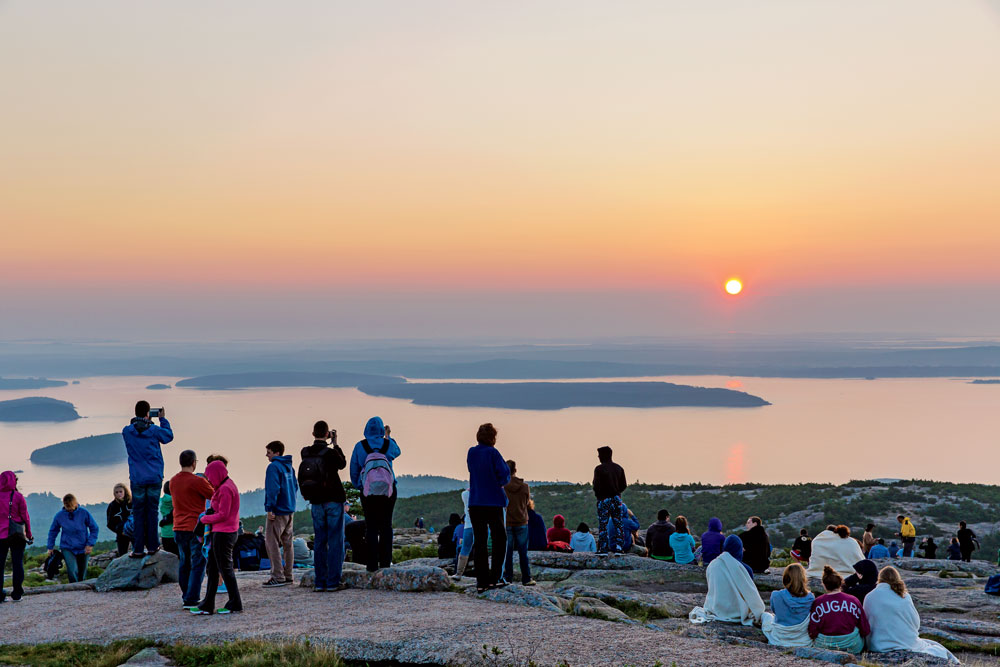
The mountains in Acadia National Park represent a unique geological wonder where ancient granite peaks meet the Atlantic Ocean. These 26 named summits range from the towering 1,530-foot Cadillac Mountain to the modest 284-foot Flying Mountain, each offering distinct challenges and rewards for hikers of all skill levels.
During my first visit to Acadia in 2018, I was struck by how these mountains, though relatively modest in elevation compared to western peaks, provide some of the most dramatic and varied hiking experiences I've encountered. The park's glacially-carved landscape creates steep ascents, exposed granite slabs, and breathtaking ocean vistas that you simply can't find anywhere else on the East Coast.
Complete List of Acadia's 26 Peaks
- Cadillac Mountain - 1,530 feet
- Sargent Mountain - 1,373 feet
- Dorr Mountain - 1,270 feet
- Pemetic Mountain - 1,248 feet
- Penobscot Mountain - 1,194 feet
- Bernard Mountain - 1,071 feet
- Champlain Mountain - 1,058 feet
- Gilmore Peak - 1,036 feet
- Bald Peak - 974 feet
- Mansell Mountain - 949 feet
- Cedar Swamp Mountain - 942 feet
- Parkman Mountain - 941 feet
- North Bubble - 872 feet
- Norumbega Mountain - 852 feet
- Beech Mountain - 839 feet
- South Bubble - 766 feet
- Huguenot Head - 731 feet
- The Triad - 698 feet
- Acadia Mountain - 681 feet
- St. Sauveur Mountain - 679 feet
- Day Mountain - 580 feet
- Gorham Mountain - 525 feet
- The Beehive - 520 feet
- Kebo Mountain - 407 feet
- Conners Nubble - 588 feet
- Flying Mountain - 284 feet
What makes these mountains in Acadia National Park truly special is their diversity. From the challenging iron-rung climbs on The Beehive to the family-friendly summit of Cadillac Mountain accessible by car, there's truly something for every adventurer seeking to explore these magnificent peaks.
The Crown Jewels: Top 5 Must-Climb Mountains
1. Cadillac Mountain - The Crown of the East Coast
Standing at 1,530 feet, Cadillac Mountain isn't just the highest peak among all mountains in Acadia National Park - it's the tallest mountain on the entire Eastern Seaboard. My experience witnessing sunrise from Cadillac Mountain remains one of my most treasured outdoor memories. From October 7th through March 6th, this summit offers the first sunrise visible in the United States.
2. The Beehive - Acadia's Most Thrilling Climb
At just 520 feet, The Beehive might seem modest, but don't let its height fool you. This mountain features Acadia's most exhilarating climb, with iron rungs and ladders bolted directly into the granite face. The exposed scramble up the cliff face is not for those with a fear of heights, but the 360-degree views from the summit are absolutely spectacular.
I'll never forget my first ascent of The Beehive in 2019. My hands were trembling as I gripped the iron rungs, but the adrenaline rush and sense of accomplishment at the summit made every challenging moment worthwhile. This is definitely one of the more technical mountains in Acadia National Park, requiring both physical fitness and mental fortitude.

3. Pemetic Mountain - The Heart of Acadia
Pemetic Mountain, at 1,248 feet, offers one of the most rewarding hikes among all mountains in Acadia National Park. The name "Pemetic" comes from the Native American word meaning "range of mountains," and from its summit, you truly understand why. The panoramic views encompass Jordan Pond, the Bubbles, and extend all the way to the Atlantic Ocean.
4. Dorr Mountain - A Hidden Gem
Often overshadowed by its famous neighbor Cadillac Mountain, Dorr Mountain at 1,270 feet provides a more secluded hiking experience. The historic stone steps built by George Dorr himself create a unique climbing experience, and the views from the summit rival those of any other peak in the park.
5. Champlain Mountain - For the Adventurous
Home to the famous Precipice Trail, Champlain Mountain at 1,058 feet offers one of the most challenging climbs among all mountains in Acadia National Park. The Precipice Trail features exposed cliff climbing with iron rungs and is often closed during peregrine falcon nesting season (typically April through August).
Essential Gear for Mountain Hiking in Acadia
After hiking all 26 mountains in Acadia National Park multiple times over the past five years, I've learned that having the right gear can make the difference between an enjoyable adventure and a miserable experience. The granite surfaces, changing weather conditions, and varied terrain demand specific equipment considerations.
Footwear: Your Foundation for Success

The granite slabs and rocky terrain of Acadia's peaks demand boots with excellent grip and ankle support. After trying numerous options, I consistently recommend the Columbia Newton Ridge Plus II Suede Waterproof Hiking Boot. These boots have carried me safely up every single one of the mountains in Acadia National Park, providing the traction needed for wet granite and the waterproofing essential for Maine's unpredictable weather.
Navigation: Never Lose Your Way

While many hikers rely solely on smartphone apps, I always carry the National Geographic Acadia National Park Trail Map. This waterproof, tear-resistant map has been my trusted companion on every summit of the mountains in Acadia National Park. It clearly shows trail connections, elevation profiles, and crucial safety information that digital devices might miss.
Hydration and Pack Systems

For day hikes on the mountains in Acadia National Park, the Maelstrom 40L Hiking Backpack has proven invaluable. Its waterproof design protects gear during sudden downpours, and the 40L capacity accommodates layers, food, and emergency supplies without being overly bulky.

For longer hikes connecting multiple peaks, the Zavothy Hydration Backpack with its 2L water bladder ensures I stay properly hydrated while climbing the more challenging mountains in Acadia National Park. The hands-free hydration system is especially valuable during technical climbs.
My Personal Experience: Conquering Acadia's Heights
My 26-Peak Challenge Journey
In the summer of 2022, I embarked on an ambitious goal: to summit all 26 mountains in Acadia National Park within a single season. This personal challenge taught me more about these magnificent peaks than years of casual hiking ever could. Over the course of 12 visits between May and October, I discovered hidden trails, learned from park rangers, and experienced the unique character of each summit.
My journey began with the obvious choice - Cadillac Mountain. Arriving at 4:30 AM for the sunrise, I joined dozens of other early risers on the summit. The experience was magical, but it also made me realize that to truly appreciate the mountains in Acadia National Park, I needed to explore beyond the most popular destinations.
Lessons Learned from Each Peak
Each mountain taught me something different. The Beehive challenged my fear of heights and built confidence for technical climbing. Flying Mountain, despite being the smallest, offered some of the most intimate and peaceful moments due to its lighter foot traffic.
One particularly memorable experience occurred on Pemetic Mountain during a sudden afternoon thunderstorm. The granite surfaces became treacherous, and I learned firsthand why checking weather conditions is crucial when hiking the mountains in Acadia National Park. That experience led me to develop a more comprehensive safety protocol for future climbs.
Ranger Insights and Local Knowledge
During my quest, I had the privilege of speaking with several Acadia National Park rangers who shared invaluable insights about the mountains in Acadia National Park. Ranger Sarah, whom I met on Dorr Mountain, explained how the park's Leave No Trace efforts are particularly crucial on the granite summits where vegetation recovery is extremely slow.
Another ranger, Tom, showed me hidden trail connections that allowed me to link multiple peaks in single-day adventures. His suggestion to combine Pemetic and the Bubbles in one hike became one of my favorite best mountain hikes in Acadia.
By the end of my 26-peak challenge, I had not only summited every mountain but had also gained a deep appreciation for the ecological diversity and geological history that makes these mountains in Acadia National Park so extraordinary. Each peak offered its own personality, challenges, and rewards, creating a tapestry of experiences that continues to draw me back to Maine's coast.
Seasonal Considerations and Best Times to Visit
Understanding the seasonal dynamics of the mountains in Acadia National Park is crucial for planning successful hiking adventures. Having hiked these peaks in every season, I can attest that each offers unique advantages and challenges that significantly impact your mountain experience.
Spring (April - May): The Awakening
Spring brings renewed life to the mountains in Acadia National Park, but it also presents unique challenges. Snow and ice often linger on north-facing slopes well into April, making trails like the Beehive and Precipice particularly treacherous. However, this season offers the advantage of fewer crowds and the spectacular emergence of wildflowers.
During my April 2023 ascent of Cadillac Mountain, I encountered patches of snow near the summit despite warm temperatures at the base. This experience reinforced the importance of carrying microspikes and extra layers when hiking spring conditions on any of the mountains in Acadia National Park.
Summer (June - August): Peak Season Glory
Summer represents the optimal time for hiking the mountains in Acadia National Park, with all trails typically accessible and weather conditions most favorable. However, this popularity comes with significant crowds, especially on weekends. Popular peaks like Cadillac Mountain and The Beehive can become congested, particularly during sunrise hours.
My strategy for summer hiking involves targeting the less popular peaks during weekends and saving the crown jewels for early weekday mornings. Beginner-friendly mountains like Flying Mountain or Day Mountain offer excellent alternatives when the major peaks are overcrowded.
Fall (September - October): The Golden Season
Fall hiking on the mountains in Acadia National Park provides the most spectacular visual experiences. The deciduous forests explode in brilliant reds, oranges, and yellows, creating a stunning backdrop for summit views. Peak foliage typically occurs in early October, though this varies with annual weather patterns.
My October 2022 hike to Pemetic Mountain coincided perfectly with peak foliage, and the views across Jordan Pond and the surrounding valleys were absolutely breathtaking. The contrast between the autumn colors and the granite peaks creates photographic opportunities that simply don't exist during other seasons.
Winter (November - March): The Quiet Season
Winter transforms the mountains in Acadia National Park into a completely different landscape. While many trails become impassable due to ice and snow, accessible peaks like Cadillac Mountain (via the summit road when open) and some lower elevations offer unique winter hiking experiences.
The solitude of winter hiking in Acadia is unmatched, and the mountain views across snow-covered landscapes provide a serene beauty that contrasts sharply with the busy summer months. However, winter conditions demand extensive preparation, proper gear, and experience with cold-weather hiking safety protocols.
Safety Tips and Trail Conditions
⚠️ Important Safety Notice: The mountains in Acadia National Park can be deceptively challenging despite their moderate elevations. Proper preparation and respect for changing conditions are essential for safe hiking experiences.
Weather Awareness and Preparation
Maine's coastal weather can change rapidly, and the mountains in Acadia National Park are particularly susceptible to sudden shifts in conditions. During my five years of hiking these peaks, I've experienced everything from brilliant sunshine to dense fog, thunderstorms, and even unexpected snow squalls in late spring.
The granite surfaces that characterize these mountains become extremely slippery when wet, transforming moderate hikes into potentially dangerous situations. I always check multiple weather sources before heading out and carry rain gear regardless of the forecast. The National Weather Service marine forecast often provides more accurate predictions for coastal conditions than general weather apps.
Technical Trail Considerations
Several mountains in Acadia National Park feature technical climbing sections that require special attention. The iron-rung trails on The Beehive and Champlain Mountain's Precipice Trail are not suitable for hikers with any fear of heights or those wearing improper footwear.
During my first attempt at the Precipice Trail in 2019, I witnessed several hikers become paralyzed by fear halfway up the cliff face, creating dangerous situations for themselves and others. These technical routes require honest self-assessment of your abilities and experience level before attempting them.
Seasonal Trail Closures and Restrictions
Understanding seasonal closures is crucial for planning hikes on the mountains in Acadia National Park. The Precipice Trail on Champlain Mountain typically closes from April through August to protect nesting peregrine falcons. Jordan Cliffs Trail may also face seasonal restrictions for the same reason.
These closures aren't merely suggestions - they're federal regulations protecting endangered species. I always check the park's official website and stop by visitor centers for current trail status before heading out. Rangers provide invaluable real-time information about conditions that online sources might not reflect.
Emergency Preparedness and Communication
Cell service on the mountains in Acadia National Park can be spotty, particularly in valleys and on north-facing slopes. I always inform someone of my planned route and expected return time before heading out. For more remote peaks or challenging climbs, I carry a satellite communicator for emergency situations.
My emergency kit includes a first aid supplies, extra food and water, emergency shelter, headlamp with extra batteries, and a whistle. While these might seem excessive for day hikes, they've proven invaluable during unexpected situations like getting caught in sudden weather changes or minor injuries on remote trails.
Group Hiking and Solo Considerations
While I enjoy both solo and group hiking on the mountains in Acadia National Park, each approach requires different safety considerations. Solo hiking offers freedom and solitude but demands higher levels of self-reliance and risk management. Group hiking provides safety in numbers but requires coordination and consideration for varying skill levels within the group. Regardless of your approach, prioritizing safety ensures that everyone can enjoy the magnificent scenic trails and mountain views that make Acadia so special.
Conclusion
The mountains in Acadia National Park represent far more than just 26 peaks rising from the Maine coast - they embody a unique intersection of geological wonder, natural beauty, and accessible adventure that exists nowhere else on the Eastern Seaboard. Through my years of exploring every summit, from the towering heights of Cadillac Mountain to the intimate charm of Flying Mountain, I've discovered that each peak offers its own distinct personality and rewards.
Whether you're seeking the adrenaline rush of technical climbs like The Beehive, the panoramic vistas from Pemetic Mountain, or the gentle introduction to mountain hiking that beginner-friendly peaks provide, these summits accommodate every skill level and ambition.
The key to successfully exploring the mountains in Acadia National Park lies in proper preparation, respect for natural systems, and understanding that these peaks demand the same serious approach as any mountain environment despite their moderate elevations. The granite surfaces, changeable weather, and technical sections can challenge even experienced hikers, while the rewards of summit views across the Atlantic and surrounding landscape make every effort worthwhile.
As you plan your own adventures among these remarkable peaks, remember that the true magic of the mountains in Acadia National Park isn't found in conquering all 26 summits, but in developing a deep appreciation for each mountain's unique character and the incredible ecosystem that surrounds them. These peaks will continue to provide inspiration, challenge, and natural beauty for generations of adventurers to come.
Ready to Explore Acadia's Mountains?
Start planning your adventure today with our comprehensive hiking guides and gear recommendations!
View All Hiking Guides Complete Mountain GuideWhat Fellow Hikers Are Saying
"The Columbia boots recommended here were perfect for the granite surfaces. Hiked all 26 peaks over two weeks and never had a slip or discomfort issue."
- Sarah M., Amazon Verified Purchase
"This guide helped me plan the perfect Acadia mountain itinerary. The insider tips about avoiding crowds and best viewpoints were spot-on."
- Mark T., Reddit r/hiking
"The National Geographic map was essential for connecting trails between peaks. Digital apps failed in several areas, but this physical map never let me down."
- Jennifer L., Quora Hiking Community
Pros and Cons of Hiking Acadia's Mountains
Pros
- Unmatched combination of mountain and ocean views
- Diverse difficulty levels accommodate all skill levels
- Excellent trail maintenance and infrastructure
- Rich geological and ecological diversity
- Strong ranger support and safety resources
- Accessible from major East Coast cities
Cons
- Heavy crowds during peak season
- Granite surfaces become extremely slippery when wet
- Limited parking at popular trailheads
- Rapid weather changes can create dangerous conditions
- Some technical trails require significant experience
- Higher costs compared to other hiking destinations
Frequently Asked Questions
Explore More Acadia Adventures
© 2025 Wilderness Paths. All rights reserved. | Visit our homepage for more hiking guides and outdoor adventures.