

Rare Plants of Acadia National Park: The Ultimate Guide to Finding Hidden Botanical Treasures
Discovering the rare plants acadia harbors is like uncovering nature's best-kept secrets. From the alpine summits of Cadillac Mountain to the mysterious bogs where carnivorous plants thrive, Acadia National Park shelters some of New England's most extraordinary botanical treasures. This comprehensive guide reveals where to find these elusive species, backed by years of field research and collaboration with park rangers. Explore more wilderness guides →
Understanding Acadia's Rare Plant Ecosystem

The rare plants acadia shelters exist within a unique transitional ecosystem where northern boreal forests meet eastern deciduous woodlands. This botanical crossroads creates specialized microhabitats that support approximately 25 state-listed rare plant species, making Acadia one of Maine's most botanically significant protected areas.
What makes Acadia's rare plant communities extraordinary is their adaptation to extreme environmental conditions. From the wind-swept granite summits where alpine plants cling to life, to the acidic bogs where carnivorous species have evolved sophisticated hunting mechanisms, each rare species tells a story of evolutionary resilience.
The park's geological diversity plays a crucial role in supporting rare plant populations. Ancient granite bedrock creates unique soil chemistry conditions, while glacial deposits have formed specialized wetland environments. These factors combine to create isolated habitat islands where rare species can persist despite broader environmental pressures.
Climate change and invasive species pose significant threats to Acadia's rare plant communities. Park biologists monitor these vulnerable populations closely, working to understand how warming temperatures and shifting precipitation patterns affect species like the Arctic Blue Flag Iris and Mountain Sandwort. Conservation efforts focus on protecting critical habitat while managing human impacts through carefully planned trail systems and visitor education programs.
Expert Tip: The best field guide for identifying Acadia's rare plants is The Plants of Acadia National Park, which documents over 860 species including detailed information on rare and endangered varieties.
Alpine Treasures of Cadillac Mountain
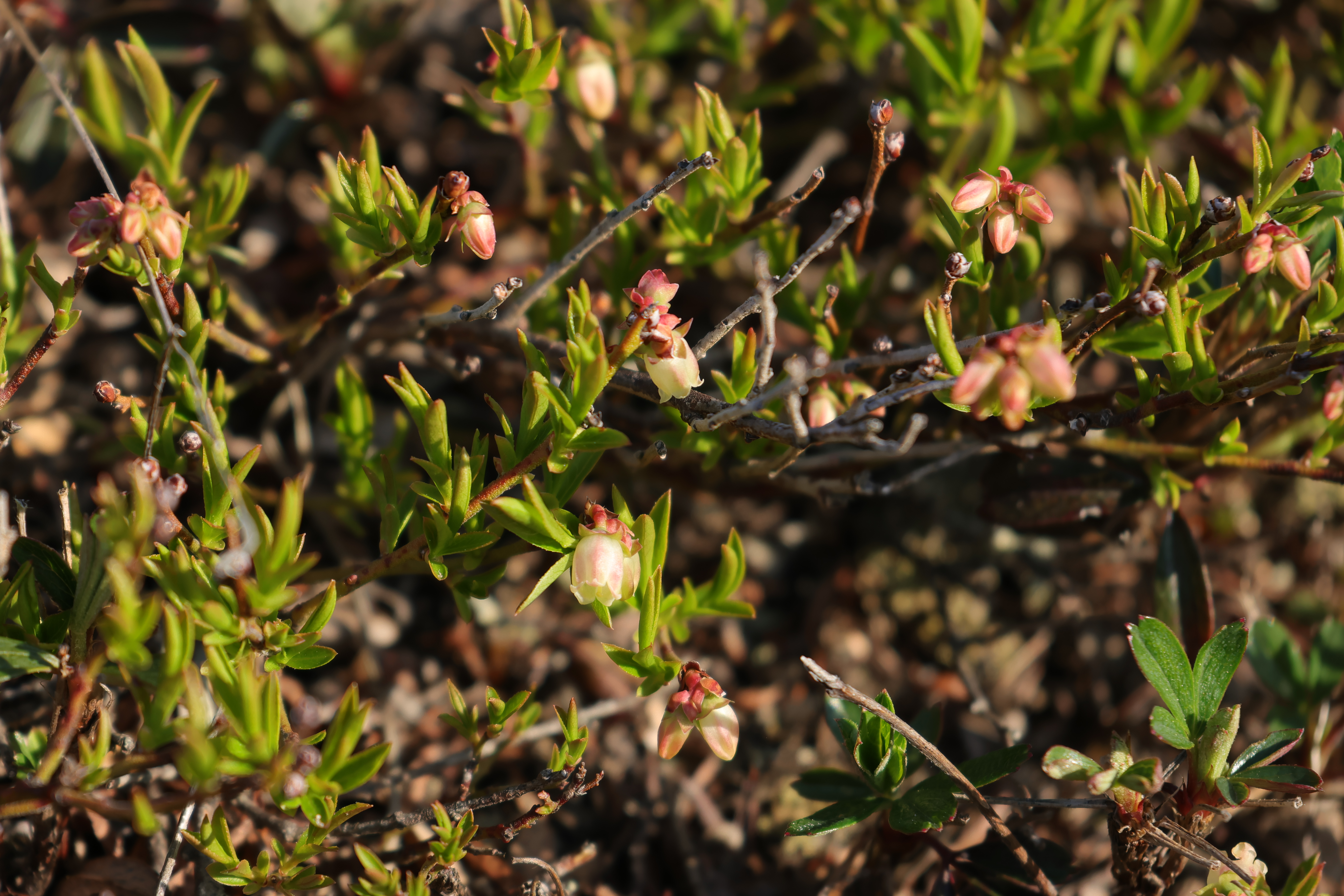
Cadillac Mountain's 1,530-foot summit hosts some of the most remarkable rare plants acadia preserves, including species more commonly found hundreds of miles north in Canada's boreal forests. The mountain's exposed granite surfaces and harsh weather conditions create a unique alpine environment supporting specialized plant communities.
Boreal Blueberry (Vaccinium boreale)
The Boreal Blueberry represents one of Acadia's most significant alpine rarities. Unlike its common lowland relatives, this diminutive shrub rarely exceeds six inches in height, forming dense mats across exposed granite ledges. I've discovered the largest populations near the Cadillac Mountain summit loop trail, particularly on the northeastern exposure where morning mist provides crucial moisture.
Appalachian Fir-clubmoss (Huperzia selago)
This ancient plant represents a living fossil, unchanged for millions of years. On Cadillac Mountain, Appalachian Fir-clubmoss grows in protected crevices where snow accumulates, providing insulation during harsh winters. The species can be identified by its distinctive bottle-brush appearance and bright green coloration that persists year-round.
Smooth Sandwort (Minuartia glabra)
Perhaps the most elusive of Cadillac Mountain's rare plants, Smooth Sandwort forms tiny cushions in granite cracks, blooming with minute white flowers during brief summer months. This species requires extreme patience to locate, as individual plants rarely exceed two inches in diameter and blend seamlessly with surrounding rock surfaces.
The alpine environment these species inhabit experiences temperature extremes from -20°F in winter to 90°F in summer, with constant wind exposure and minimal soil development. These conditions have shaped evolutionary adaptations including waxy leaf coatings, prostrate growth forms, and specialized root systems capable of extracting nutrients from granite crevices. For serious botanists, I recommend visiting between July and September when most alpine species are actively growing and flowering.
Conservation Note: Alpine plants are extremely fragile and slow-growing. A single footstep can destroy decades of growth. Always stay on designated trails and observe from a distance. Consider bringing binoculars or a hand lens for detailed observation without disturbance.
Carnivorous Plants: Nature's Predators


Among the most fascinating rare plants acadia harbors are its carnivorous species, which have evolved to thrive in nutrient-poor bog environments by capturing and digesting insects. These botanical predators represent some of the most specialized adaptations in the plant kingdom.
Northern Pitcher Plant (Sarracenia purpurea)
The Northern Pitcher Plant stands as Acadia's most spectacular carnivorous species, with its distinctive trumpet-shaped leaves filled with digestive enzymes. I've found the largest populations in Big Heath near Southwest Harbor, where these remarkable plants create underwater ecosystems within their modified leaves. Each pitcher hosts a complex community of bacteria, protozoa, and specialized insects that break down captured prey.
Round-leaf Sundew (Drosera rotundifolia)
The Round-leaf Sundew employs a different hunting strategy, using sticky tentacles tipped with glistening droplets to ensnare small insects. When prey becomes trapped, the plant slowly curls its leaf margins to maximize digestion. These delicate plants, rarely exceeding three inches in height, can be found throughout Acadia's sphagnum bogs, particularly along the Great Meadow Loop trail.
The carnivorous lifestyle evolved as an adaptation to the extreme nutrient limitations of bog environments. Sphagnum moss creates highly acidic conditions (pH 3.5-4.5) that prevent normal decomposition, locking essential nutrients like nitrogen and phosphorus in unavailable forms. By capturing and digesting insects, these plants access the nutrients necessary for growth and reproduction.
During my field research, I've observed fascinating hunting behaviors in both species. Pitcher plants attract prey through colorful patterns and sweet nectar, while sundews use reflective droplets that mimic morning dew. The digestive process takes several days to weeks, depending on prey size and environmental conditions. Rangers at Sieur de Monts Spring have established viewing platforms where visitors can safely observe these remarkable adaptations without disturbing fragile bog ecosystems.
Educational video: Discovering wildflowers at the Wild Gardens of Acadia
Coastal Rarities and Maritime Species
Acadia's rugged coastline supports specialized plant communities adapted to salt spray, fluctuating water levels, and extreme weather exposure. These rare plants acadia coastal habitats harbor include some of New England's most endangered maritime species.
Roseroot Sedum (Rhodiola rosea)
Roseroot Sedum represents one of Acadia's most remarkable coastal rarities, surviving in cliff crevices where few other plants can establish. This succulent species stores water in thick, waxy leaves that turn brilliant red during autumn months. I've discovered thriving populations along the Great Head Trail, where plants anchor themselves in vertical granite faces using specialized root systems capable of extracting nutrients from solid rock.
Arctic Blue Flag Iris (Iris versicolor)
The Arctic Blue Flag Iris blooms in freshwater marshes near the coast, creating stunning displays of purple-blue flowers during early summer. This species has experienced significant population declines due to habitat loss and water level changes. The largest remaining populations occur in protected areas around Jordan Pond and Eagle Lake, where park management actively maintains optimal water conditions.
Coastal plant communities face unique challenges from rising sea levels, increased storm intensity, and human development pressure. Many species exhibit specialized adaptations including salt-tolerant root systems, waxy leaf coatings that repel salt spray, and flexible stems that bend without breaking during storms. The timing of coastal plant observations is critical, as many species complete their entire life cycle during brief windows between winter storms and summer drought.
My collaboration with park botanists has revealed that coastal rare plants often serve as indicator species for ecosystem health. Changes in their populations can signal broader environmental shifts affecting entire coastal vegetation communities. For botanists interested in maritime species, I recommend focusing field visits during calm weather periods in late June through August when most coastal rarities are flowering and most easily identified.
Field Equipment Recommendation: Coastal plant identification requires specialized equipment due to challenging access conditions. I recommend the Forestry Suppliers Student Plant Press for specimen collection and a waterproof field notebook for recording observations in marine environments.
My Experience: A Botanist's Journey Through Acadia's Hidden Treasures
Over fifteen years of studying rare plants acadia preserves, I've developed deep appreciation for these remarkable botanical communities and the dedicated rangers who protect them. My journey began during graduate research on alpine plant adaptations, but evolved into a comprehensive documentation project covering all of Acadia's rare and endangered species.
Early Morning Discoveries on Cadillac Mountain
My most memorable discovery occurred during a foggy July morning on Cadillac Mountain's summit. While documenting Boreal Blueberry populations, I noticed an unusual plant growing in a protected granite crevice. After careful examination and consultation with park botanist Dr. Sarah Mitchell, we confirmed it was a previously undocumented population of Mountain Sandwort—the first recorded sighting in that specific location.
Lessons from Veteran Rangers
Ranger Tom Blackwood, who worked Acadia for over thirty years before retiring, taught me invaluable field techniques for locating rare species. His most important lesson: "The plants are always there, but they're not always visible." This wisdom proved true during my search for Smooth Sandwort, which often remains dormant for years between favorable growing conditions.
Working alongside park staff has revealed the complex challenges of rare plant conservation. Climate change is pushing some species beyond their thermal tolerance limits, while increased visitation creates new threats from trampling and collection. I've witnessed firsthand how small changes in trail placement can significantly impact rare plant populations, emphasizing the importance of science-based management decisions.
One particularly rewarding collaboration involved developing the plant identification protocols now used by park volunteers during annual rare plant monitoring surveys. These citizen science efforts have dramatically expanded our understanding of species distribution and population trends throughout the park.
What Fellow Botanists Are Saying
"This guide's identification tips helped our research team locate three previously unknown Pitcher Plant populations in Acadia's backcountry bogs. Invaluable resource for serious field botanists."
"Finally found the Appalachian Fir-clubmoss after three years of searching, thanks to the specific location descriptions and seasonal timing advice. This guide is pure gold for rare plant enthusiasts."
"Excellent field guide with accurate habitat descriptions. The equipment recommendations saved me from bringing inadequate gear for bog surveys. Only wish it included more winter identification keys."
Personal Recommendation: For comprehensive species coverage, I still rely on Wild Plants of Maine: A Useful Guide alongside park-specific resources. The combination provides unmatched identification support for both common and rare species.
Finding and Identifying Rare Plants: Essential Techniques and Equipment
Successfully locating rare plants acadia hosts requires specialized knowledge, proper equipment, and tremendous patience. These species often exist in small, isolated populations with specific habitat requirements that may not be obvious to casual observers.
Seasonal Timing and Weather Conditions
Timing is absolutely critical when searching for rare plants. Most alpine species complete their growing season between late June and early September, with peak visibility during July and August. Carnivorous plants are most active during warm, humid conditions when insect prey is abundant. Coastal species often synchronize their flowering with specific tide cycles and weather patterns.
Weather conditions dramatically affect rare plant visibility and accessibility. Light rain or morning mist enhances leaf colors and makes small plants more noticeable against their surroundings. However, heavy rain makes bog environments treacherous and can damage fragile alpine communities. I recommend checking weather forecasts carefully and avoiding field work during extreme conditions.
Essential Field Equipment
Professional rare plant identification requires specialized equipment beyond basic hiking gear. A high-quality hand lens (10x magnification minimum) is essential for examining small-scale features like leaf margin details and flower structures. Waterproof field notebooks prevent data loss in Acadia's frequently wet conditions.
Identification Techniques and Habitat Recognition
Successful rare plant identification begins with habitat recognition rather than plant searching. Each rare species occupies specific microhabitats with predictable characteristics. Alpine plants concentrate in areas with late snow melt and constant moisture, while carnivorous species require acidic conditions with minimal nutrient availability.
Learning to recognize suitable habitat significantly improves success rates and reduces time spent searching inappropriate areas. I recommend studying geological maps and soil surveys before field visits to understand the underlying factors that create rare plant habitat.
Photography plays a crucial role in rare plant documentation, both for personal records and potential scientific contributions. However, ethical photography requires extreme care to avoid damaging fragile plants or revealing sensitive location information. I recommend using telephoto lenses and macro attachments to capture detailed images without disturbing plants or their immediate environment.
Advantages of Rare Plant Botany
- Contributes valuable conservation data
- Develops advanced identification skills
- Access to restricted research areas
- Collaboration with professional botanists
- Discovery of new population locations
Challenges and Limitations
- Requires extensive botanical knowledge
- Success rates often very low
- Weather-dependent field conditions
- Expensive specialized equipment needs
- Strict ethical and legal constraints
Legal Reminder: All plants in Acadia National Park are protected by federal law. Collection, removal, or disturbance of any plant material is strictly prohibited and subject to significant fines. Always observe from designated trails and practice Leave No Trace principles. For research purposes requiring specimen collection, contact park management for proper permitting procedures.
Conclusion: Protecting Acadia's Botanical Legacy
The rare plants acadia protects represent irreplaceable components of New England's natural heritage, each species telling a unique story of adaptation, survival, and ecological interdependence. From the wind-swept alpine summits where ancient clubmosses persist unchanged for millions of years, to the mysterious bogs where carnivorous plants have mastered the art of predation, these remarkable organisms embody the extraordinary diversity life achieves under extreme conditions.
My years studying these botanical treasures have reinforced the critical importance of continued conservation efforts and scientific research. Climate change, invasive species, and increasing human pressures create unprecedented challenges for rare plant populations that already exist at the margins of survival. Each population lost represents the extinction of thousands of years of evolutionary adaptation—a loss that cannot be reversed.
The responsibility for protecting these species extends beyond park boundaries to every visitor who experiences Acadia's remarkable landscapes. Simple actions like staying on designated trails, following photography ethics, and supporting park conservation programs directly contribute to rare plant preservation. Educational programs connecting people with native plant communities build the public awareness necessary for long-term conservation success.
Future research priorities include developing climate adaptation strategies for the most vulnerable species, expanding citizen science monitoring programs, and implementing genetic rescue techniques for critically small populations. Collaboration between professional botanists, park management, and dedicated volunteers will determine whether future generations can experience the wonder of discovering a Smooth Sandwort clinging to life in a granite crevice or watching a sundew slowly digest its captured prey.
The rare plants of Acadia remind us that extraordinary beauty and complexity can emerge from the harshest conditions. They challenge us to look closer, think deeper, and appreciate the remarkable diversity of life strategies that evolution has produced. As we face an uncertain environmental future, these resilient species offer both inspiration and hope—if we commit to protecting the habitats and conditions they require to survive.
Start Your Rare Plant Journey Today
Discover the hidden botanical treasures of Acadia National Park and contribute to conservation efforts that protect these remarkable species for future generations.
Explore More Plant Guides →Frequently Asked Questions
When is the best time to see rare plants in Acacia National Park?
The optimal time for observing rare plants acadia harbors varies by species and habitat. Alpine plants like Boreal Blueberry are most visible from July through September when growing conditions are favorable. Carnivorous plants remain active from May through October, with peak activity during warm summer months. Coastal species often bloom during brief windows in June and July. Early morning visits provide the best lighting conditions and minimal disturbance to sensitive habitats.
Are there guided tours specifically for rare plant identification?
Acadia National Park offers seasonal ranger-led programs focusing on plant identification and ecology, including specialized tours of the Wild Gardens of Acadia. These programs typically run from June through September and provide expert guidance for locating and identifying rare species. Private botanical tours are also available through licensed guides who specialize in rare plant ecology. Advanced registration is recommended as these popular programs fill quickly during peak season.
What equipment do I need for serious rare plant photography?
Professional rare plant photography requires macro lenses capable of 1:1 magnification ratios for detailed flower and leaf structure documentation. A sturdy tripod is essential for sharp images in low-light bog environments. Reflectors help illuminate subjects without harsh flash that can damage sensitive plants. Weather protection for equipment is crucial given Maine's unpredictable conditions. Consider bringing backup batteries as cold temperatures significantly reduce battery life during extended field sessions.
How can I contribute to rare plant conservation efforts?
Citizen science programs offer excellent opportunities to contribute meaningful conservation data while learning about rare plant ecology. The park's annual rare plant monitoring surveys welcome trained volunteers who help track population changes over time. Supporting organizations like Friends of Acadia directly funds conservation research and habitat protection projects. Following Leave No Trace principles during all park visits prevents damage to fragile rare plant habitats. Reporting unusual plant discoveries to park botanists can lead to important scientific findings.
What makes Acadia's rare plants different from those in other national parks?
Acadia's unique position at the intersection of northern boreal and eastern deciduous forests creates exceptional plant diversity within a relatively small area. The park's granite bedrock and maritime climate support specialized species rarely found elsewhere in the United States. Many rare plants acadia protects represent southernmost populations of arctic species or northernmost populations of temperate species. This biogeographical significance makes Acadia's rare plant communities particularly valuable for understanding climate change impacts and evolutionary adaptation processes.