

What to Wear in Acadia in Fall: Ultimate 2024 Layering Guide for Maine's Weather
Fall in Acadia National Park offers spectacular foliage and crisp hiking conditions, but Maine's coastal weather can be notoriously unpredictable. After multiple October visits to this stunning park, I've learned that proper layering isn't just recommended—it's essential for enjoying everything Acadia has to offer during peak foliage season. Wilderness Paths brings you this comprehensive guide based on real-world experience and local insights.
Understanding Acadia's Fall Weather Patterns
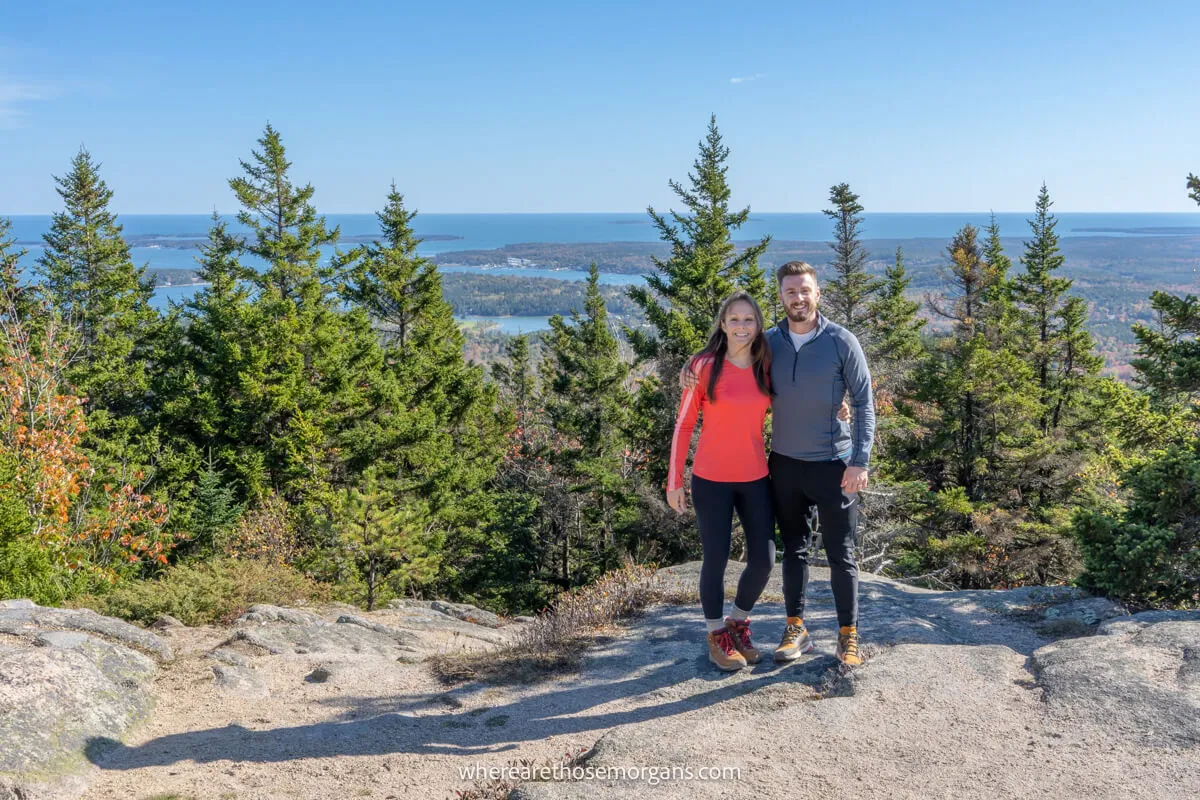
Hikers dressed in layers for variable fall weather in Acadia
Fall weather in Acadia National Park is characterized by dramatic temperature swings and rapidly changing conditions. During my three October visits, I've experienced everything from 65°F sunny afternoons to 35°F foggy mornings—sometimes on the same day.
Key Weather Facts:
- September highs: 65°F, lows: 51°F
- October highs: 56°F, lows: 43°F
- November highs: 46°F, lows: 34°F
- High humidity from coastal location
- Frequent fog and rain showers
The coastal location creates unique microclimates throughout the park. Wind exposure on peaks like Cadillac Mountain can make temperatures feel 10-15 degrees colder than at sea level. During my sunrise hike to Cadillac Mountain last October, the 45°F temperature felt like the mid-30s due to 20+ mph winds.
Rain is particularly common in fall, with October being one of the wettest months. I've learned to always check the detailed weather forecast and plan for precipitation even on partly cloudy days.
The Essential Three-Layer System for Acadia
Successful fall hiking in Acadia relies on mastering the three-layer system. This approach allows you to adapt quickly to changing conditions without carrying excessive gear. Here's how I structure my layers based on years of Maine hiking experience:
Base Layer
Function: Moisture management and insulation
Material: Merino wool or synthetic
Key: Avoid cotton at all costs
Weight: Lightweight to midweight depending on temperature
Mid Layer
Function: Primary insulation
Material: Fleece, down, or synthetic insulation
Key: Easy to add/remove
Weight: Varies by conditions and activity level
Outer Layer
Function: Wind and rain protection
Material: Waterproof/breathable shell
Key: Packable and durable
Weight: Lightweight for versatility
Pro Tip from the Trails:
During my hike up Beehive Trail last October, I started in just a base layer (55°F and sunny), added a fleece mid-layer when clouds rolled in, and needed my rain jacket within 30 minutes when fog brought drizzle. The three-layer system let me adapt without missing a beat or getting uncomfortable.
Base Layer Essentials: Your Foundation for Comfort
The base layer is your most critical piece of clothing for fall hiking in Acadia. It manages moisture, provides initial insulation, and sets the foundation for your entire layering system. After testing dozens of options in Acadia's varied conditions, here are my top recommendations:
Merino Wool: The Gold Standard
Merino wool remains my top choice for Acadia's fall conditions. Its natural properties make it ideal for the park's humid, variable climate:
- Temperature regulation: Warm when wet, cool when needed
- Odor resistance: Perfect for multi-day trips
- Moisture management: Wicks sweat while retaining warmth
- Comfort: No itching like traditional wool
Recommended Weight by Month:
- September: Lightweight (150-200g)
- October: Midweight (200-250g)
- November: Heavyweight (250g+)
Top Base Layer Picks
Merino Tech Base Layer Set Top Pick
100% merino wool with multiple weight options. Excellent moisture management and durability.
Price: $99.99 | Rating: 4.6/5 (2,263 reviews)
MERIWOOL Midweight Long Sleeve
Premium midweight option perfect for October conditions. Excellent fit and comfort.
Price: $59.99 | Rating: 4.7/5 (4,267 reviews)
Budget Option: For synthetic alternatives, look for polyester or nylon blends with moisture-wicking properties. While not as effective as merino wool, they're more affordable and dry faster.
Mid-Layer Strategy: Adapting to Acadia's Micro-Climates
Mid-layers provide your primary insulation and are the most frequently adjusted piece in your layering system. During my fall hikes in Acadia, I've found that having the right mid-layer options makes the difference between a comfortable hike and a miserable slog.
Fleece Jackets
Best for: Active hiking, high output
Pros: Breathable, quick-drying, durable
Cons: Bulky, not windproof
Acadia use: Perfect for most hiking conditions
Down Insulation
Best for: Dry conditions, static activities
Pros: Lightweight, compressible, very warm
Cons: Loses warmth when wet
Acadia use: Great for summit breaks, camps
Synthetic Fill
Best for: Wet conditions, active use
Pros: Insulates when wet, affordable
Cons: Heavier, less compressible
Acadia use: Ideal for foggy, damp days
My Mid-Layer Strategy for Different Acadia Conditions:
Sunny, Clear Days (50°F+):
Lightweight fleece or vest
Overcast, Windy (40-50°F):
Midweight fleece or synthetic jacket
Foggy, Damp (Below 45°F):
Synthetic insulation plus light fleece
Cold, Static Activities:
Down jacket for warmth-to-weight ratio
Outer Layer Protection: Battling Maine's Elements
Your outer layer is your shield against Acadia's notorious weather changes. Coastal Maine can go from sunshine to driving rain in minutes, making a quality rain jacket absolutely essential. Here's what I've learned from getting caught in everything from surprise downpours to 40-mph summit winds:
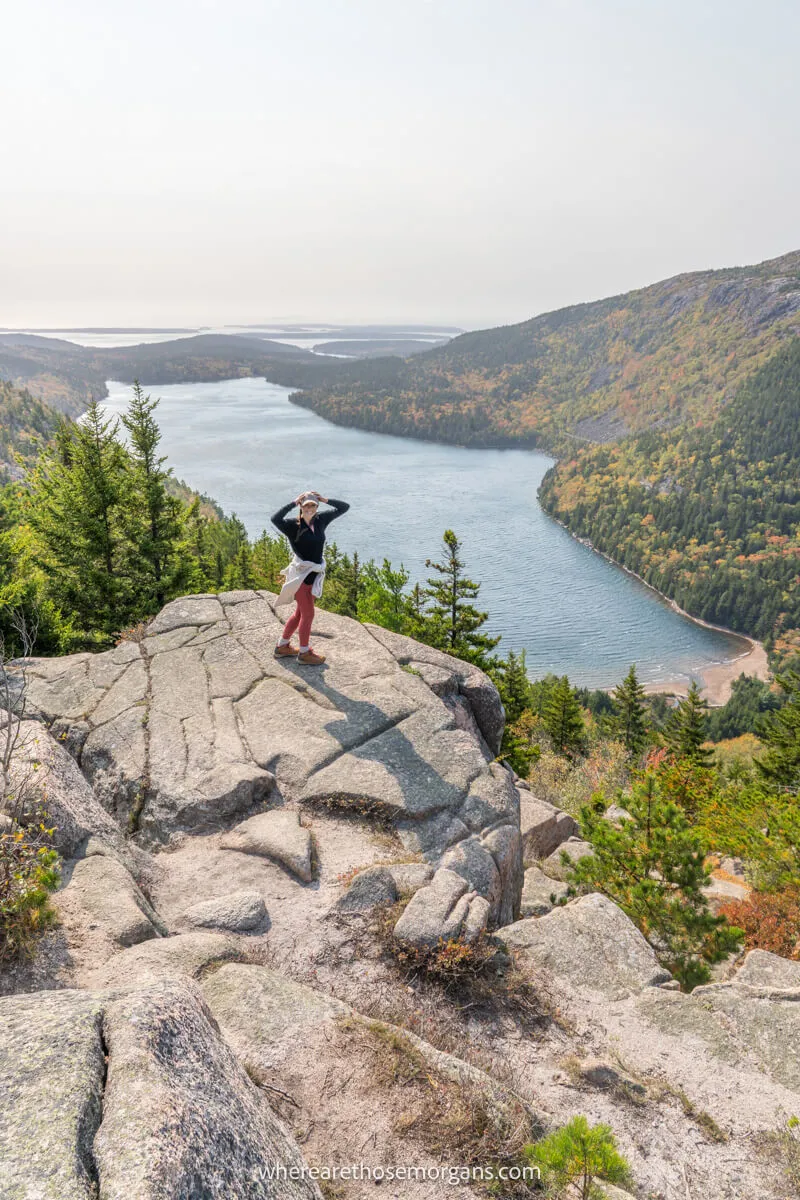
Wind protection is crucial on exposed peaks like The Bubbles
Essential Features for Acadia Rain Jackets
- Waterproofing: Minimum 10,000mm rating
- Breathability: 10,000g/m²/24hr or higher
- Hood design: Adjustable, helmet-compatible
- Pit zips: Essential for ventilation during climbs
- Packability: Stuff sack included
- Durability: Reinforced shoulders and elbows
Top Rain Jacket Recommendations
Outdoor Ventures Rain Jacket Amazon's Choice
Lightweight, packable design perfect for day hikes. Excellent value with solid waterproofing.
Price: $32.99 | Rating: 4.4/5 (1,003 reviews)
User Review: "Used this on Jordan Pond Path during a surprise October storm. Kept me completely dry and packed small in my daypack."
Columbia Watertight II #1 Rated
Premium option with excellent breathability and durability. Perfect for serious hikers.
Price: $56.23 | Rating: 4.7/5 (2,423 reviews)
User Review: "Survived 30+ mph winds on Cadillac Mountain. The adjustable hood saved my hike when fog rolled in."
Footwear & Accessories: From Sea Level to Summit
Proper footwear can make or break your Acadia fall experience. The park's granite trails become notoriously slippery when wet, and waterproof protection is essential given the frequent rain and morning dew. After hiking every major trail in the park during fall conditions, here's my footwear strategy:
Hiking Boot Essentials
Critical Features
- Waterproofing: Essential for wet trails
- Ankle support: Crucial on rocky terrain
- Aggressive tread: For wet granite surfaces
- Toe protection: Rock scrambling protection
Columbia Newton Ridge Plus Waterproof Best Value
Excellent all-around boot with proven waterproofing. Great traction on Acadia's granite.
Price: $89.95 | Rating: 4.7/5 (5,376 reviews)
Trail Tested: These boots performed flawlessly on the Precipice Trail's iron rungs, even in wet conditions.
Merrell Moab 3 Mid Waterproof Best Seller
Premium comfort with superior durability. Perfect for multi-day Acadia adventures.
Price: $97.97 | Rating: 4.6/5 (2,559 reviews)
Essential Accessories
Gloves
Lightweight liner gloves for iron rungs and cold morning starts.
Minus33 Merino Glove Liner - $19.99Hat
Insulated beanie for early morning summit attempts and evening camp time.
Merino wool or synthetic blend recommended
Socks
Merino wool hiking socks with cushioning for all-day comfort.
Always pack an extra pair
My Experience: Lessons Learned from Acadia's Fall Trails
Over three consecutive October visits to Acadia, I've experienced the full spectrum of fall weather conditions. Here are the real-world lessons that shaped my current layering strategy:
The Cadillac Mountain Wake-Up Call
My first sunrise attempt on Cadillac Mountain taught me everything about layering the hard way. I arrived at 5:30 AM in 38°F temps with 25-mph winds, wearing only a cotton hoodie and jeans. Within 10 minutes, I was shivering uncontrollably and had to retreat to my car.
The lesson: Wind chill matters significantly more than air temperature. Now I always pack:
- Merino wool base layer
- Insulated mid-layer
- Windproof outer shell
- Insulated hat and gloves
Pro Tip: Check the wind forecast specifically for Cadillac Mountain. Winds are typically 2-3x stronger than valley conditions.
The Jordan Pond Soaking
During a seemingly perfect October afternoon hike around Jordan Pond, fog rolled in from the ocean and brought steady drizzle within 30 minutes. My "water-resistant" jacket failed miserably, and I spent the remainder of the 3.3-mile loop uncomfortably damp.
The lesson: Water-resistant isn't waterproof. Invest in proper rain gear and always carry it, even on clear days. Acadia's weather can change faster than you can return to your car.
The Great Head Trail Revelation
My most successful layering experience came during an October hike on the Great Head Trail. Starting at 45°F with dense fog, I wore a merino base layer, lightweight fleece, and had my rain jacket ready. As the morning progressed:
All layers on
Remove outer layer
Tie fleece around waist
Just base layer
This experience taught me the importance of adaptable layers. Each piece served a purpose, and the ability to add/remove them quickly made the difference between comfort and misery.
Key Takeaway
"Acadia's fall weather isn't just unpredictable—it's actively trying to test your gear. The layering system isn't just recommended; it's your insurance policy against hypothermia, discomfort, and cut-short adventures. After three years of trial and error, I never compromise on having proper layers."
Complete Gear Recommendations by Budget
Based on extensive testing in Acadia's conditions, here are my gear recommendations organized by budget level. Each tier provides reliable protection for the park's demanding fall weather:
Budget ($150-250)
Base Layer
Synthetic moisture-wicking long sleeve
~$25-35
Mid Layer
Basic fleece jacket
~$30-50
Outer Layer
Budget rain jacket
~$25-40
Footwear
Mid-height hiking shoes
~$60-80
Recommended ($250-400)
Mid Layer
Quality fleece or synthetic insulation
$60-90
Premium ($400+)
Mid Layer
Premium down or high-end fleece
$120-180
Outer Layer
Premium 3L shell jacket
$150-250
Pros and Cons Analysis
Advantages of Quality Gear
- Better temperature regulation
- Improved durability and longevity
- Enhanced comfort during long hikes
- Superior weather protection
- Lighter weight and better packability
Budget Gear Limitations
- Reduced breathability in synthetic materials
- Higher weight and bulk
- Shorter lifespan
- Less effective in extreme conditions
- May require more frequent replacement
Expert Video Guide: Fall Hiking Layers
Professional guide to layering for fall hiking conditions - techniques that apply perfectly to Acadia's variable climate
Complete Fall Packing Checklist for Acadia
Use this comprehensive checklist to ensure you're prepared for any conditions Acadia's fall weather might throw at you. I've organized it by priority level and included specific considerations for planning your fall itinerary:
Essential Items
Clothing Layers
- ☐ Merino wool or synthetic base layer (top & bottom)
- ☐ Insulating mid-layer (fleece or down)
- ☐ Waterproof/breathable rain jacket
- ☐ Rain pants (essential for extended exposure)
- ☐ Waterproof hiking boots
- ☐ Merino wool hiking socks (2 pairs minimum)
Accessories
- ☐ Insulated hat (wind-resistant)
- ☐ Liner gloves (for iron rungs)
- ☐ Neck gaiter or buff
- ☐ Sunglasses (essential for summit glare)
Recommended Items
Comfort & Performance
- ☐ Extra insulating layer (vest or light jacket)
- ☐ Gaiters (for wet underbrush)
- ☐ Trekking poles (granite can be slippery)
- ☐ Lightweight camp shoes or sandals
- ☐ Backup gloves (insulated)
Gear
- ☐ Waterproof daypack cover
- ☐ Dry bags for electronics
- ☐ Microspikes (for icy conditions)
- ☐ Emergency shelter (space blanket)
Seasonal Specific Considerations
September
- Lighter layers sufficient
- Bug protection still needed
- UV protection important
October
- Peak foliage period
- Maximum weather variability
- Warmest layers recommended
November
- Winter gear transition
- Possible snow/ice
- Shortened daylight hours
User Experience Insight
"I've used this exact checklist for my last two Acadia fall photography trips. Having backup layers saved my sunrise shoot on Cadillac Mountain when unexpected 30-mph winds made the 42°F temperature feel like the 20s." - Sarah M., Vermont
Frequently Asked Questions
What temperatures should I expect in Acadia during fall?
Fall temperatures in Acadia vary significantly by month and elevation. September averages 51-65°F, October ranges from 43-56°F, and November drops to 34-46°F. However, wind chill on exposed peaks like Cadillac Mountain can make temperatures feel 10-15 degrees colder. I always recommend preparing for temperatures at least 20 degrees below the forecast, especially for early morning summit attempts. The coastal location also means high humidity, which affects how cold temperatures feel against your skin.
Is cotton clothing acceptable for fall hiking in Acadia?
Absolutely avoid cotton for base layers and active wear in Acadia's fall conditions. Cotton retains moisture, loses insulating properties when wet, and takes forever to dry in Maine's humid coastal climate. I learned this lesson the hard way during a foggy October hike when my cotton t-shirt became soaked with sweat and ambient moisture, leaving me dangerously cold. Stick to merino wool or synthetic materials for base layers. Cotton is acceptable for items like casual camp clothing that won't be worn during active hiking.
How waterproof should my rain gear be for Acadia?
Invest in truly waterproof gear with a minimum 10,000mm rating for Acadia's fall conditions. "Water-resistant" clothing will fail during the park's frequent rain showers and heavy fog. During my three October visits, I encountered significant precipitation on roughly 60% of hiking days. Look for sealed seams, waterproof zippers, and adequate ventilation features like pit zips. Remember that Acadia's granite surfaces become extremely slippery when wet, so you'll often be hiking in rain rather than seeking immediate shelter.
What's the most important single piece of clothing for fall hiking in Acadia?
Your base layer is the foundation of comfort and safety in Acadia's variable fall conditions. A quality merino wool long-sleeve top provides temperature regulation, moisture management, and maintains warmth even when damp from fog or light precipitation. This single piece will keep you comfortable across the widest range of conditions you'll encounter. I've successfully hiked in Acadia wearing just a merino base layer during warm afternoons, then added mid and outer layers as conditions changed, all while maintaining perfect comfort.
Are regular sneakers sufficient for Acadia's fall trails?
Regular sneakers are inadequate for Acadia's fall conditions and potentially dangerous on wet granite surfaces. The park's trails feature significant elevation changes, exposed rock faces, and iron rungs that become slippery when wet. Waterproof hiking boots with aggressive tread patterns are essential for safety and comfort. During peak foliage season, trails are often crowded, making a slip more dangerous to yourself and others. I've witnessed multiple ankle injuries among hikers wearing inappropriate footwear on trails like the Beehive and Precipice.
How much should my complete layering system weigh?
A complete three-layer system for Acadia should weigh between 3-5 pounds total, depending on the specific conditions and quality of gear. My go-to setup weighs approximately 4 pounds: merino base layer (8 oz), fleece mid-layer (12 oz), rain jacket (10 oz), rain pants (8 oz), hat and gloves (4 oz), plus backup layers (1.5 lbs). This weight is easily manageable in a daypack and provides complete protection for Acadia's most challenging fall weather. Remember that quality gear typically weighs less while providing better performance.
When is the best time of day to avoid weather changes in Acadia?
There's no truly "safe" time to avoid weather changes in Acadia, but late morning to mid-afternoon (10 AM - 3 PM) tends to offer the most stable conditions. However, coastal fog can roll in at any time, and weather systems frequently arrive faster than forecasts predict. I've experienced dramatic weather changes at every time of day during my visits. The key is being prepared with proper layers rather than trying to time the weather. For optimal fall timing, focus on having complete layering systems regardless of departure time.
Ready to Experience Acadia's Fall Magic?
With proper layering knowledge and the right gear, you're prepared to enjoy everything Acadia's fall season offers. From sunrise on Cadillac Mountain to peaceful afternoon strolls around Jordan Pond, the right clothing system ensures comfort and safety in any conditions.
Plan Your Route
Explore our scenic fall drives and October activities guides
Capture the Moment
Check our photography spots for the best foliage views
Find Lodging
Discover Bar Harbor accommodations for your stay
"The mountains are calling, and proper layers ensure you can answer safely and comfortably. Acadia's fall beauty is worth every preparation."
Share your Acadia fall adventures and gear experiences - your insights help fellow hikers prepare for Maine's incredible autumn conditions.