

Planning your trip to see Acadia National Park's legendary fall foliage requires careful timing. After exploring Acadia's autumn colors for over a decade across multiple seasons, I've gathered all the essential information about peak foliage times, best viewing locations, and insider tips to help you plan the perfect autumn adventure. Timing is everything when it comes to catching those vibrant reds, oranges, and golds against Acadia's dramatic coastal backdrop. Join me as we navigate the precise window when Mother Nature puts on her most spectacular show in this crown jewel of New England.
When is Peak Fall Foliage in Acadia?
The question I'm asked most frequently is: "When exactly is the perfect time to see peak fall foliage in Acadia National Park?" After years of tracking leaf patterns and consulting with park rangers, I can tell you this with confidence: peak foliage in Acadia National Park typically occurs between October 10-20, with the absolute sweet spot often falling around mid-October.
This timing is more predictable than many other New England locations because Acadia's unique coastal position creates a microclimate that influences when leaves change. The park's location in Eastern Maine (Zone 4 in Maine's official foliage zones) typically experiences peak conditions slightly later than inland and northern parts of the state.
Month-by-Month Fall Color Progression
September
Early signs of color change begin, particularly in swampy areas and among red maples. The majority of trees remain green, though you'll spot occasional splashes of color. If visiting in late September, you might see about 20-30% color change but you're still too early for peak.
Early October (1-9)
Color progression accelerates dramatically. By the first week of October, expect 30-50% color change. The transformation becomes more noticeable each day, with vibrant pockets developing in areas like Jesup Path and around Jordan Pond.
Mid-October (10-20)
Peak foliage time! Colors reach their full brilliance with 70-100% transformation. The entire landscape erupts in a mosaic of red, orange, yellow, and purple. This window provides the most spectacular and complete foliage experience.
Late October (21-31)
Post-peak but still beautiful. Many trees begin dropping leaves, but the forest floor becomes a colorful carpet. Some areas still display vibrant colors, particularly around ponds and protected valleys. The landscape takes on a more rustic, golden quality.
Early November
Past peak foliage. Most deciduous trees have lost their leaves, though some oaks may retain bronze foliage. The park transitions to its late autumn phase with more muted colors and increasingly bare trees. Focus shifts to the dramatic coastal landscapes.
Weather's Critical Impact on Peak Foliage
It's important to understand that while mid-October is typically peak time, weather conditions throughout the year significantly influence exact timing. Here's how different weather patterns affect Acadia's fall colors:
- Summer drought can cause stress-induced early color change but potentially less vibrant hues
- Warm, sunny September days paired with cool (but not freezing) nights create the most vibrant red pigments
- Early frost can trigger sudden color change but might lead to premature leaf drop
- Heavy rain and wind during color change can shorten the viewing window by knocking leaves down prematurely
After tracking patterns for years, I've noticed that the most spectacular fall color seasons in Acadia typically follow summers with adequate rainfall and early autumn periods with warm, sunny days and cool nights without hard frosts. The combination of these conditions creates the perfect chemical reactions in the leaves for those breathtaking colors.
Insider Tip: If you absolutely must lock in your travel dates well in advance, aim for the second weekend of October. Historically, this has provided the best odds of catching peak or near-peak conditions. For ultimate flexibility, I recommend booking accommodations with free cancellation policies and monitoring Acadia's fall foliage tracker as your trip approaches.
Historical Peak Foliage Data & Prediction Tools
To help plan your perfect fall foliage trip to Acadia National Park, it's valuable to look at historical data from past seasons. The Maine Department of Agriculture, Conservation and Forestry has been tracking foliage conditions for decades, providing reliable insights into Acadia's color progression patterns.
Recent Historical Peak Dates for Acadia (Zone 4)
| Year | Peak Foliage Date | Notes |
|---|---|---|
| 2024 | October 16 | Northern section peaked earlier (Oct 2), southern section later |
| 2023 | October 18 | Slightly later peak due to warm September |
| 2022 | October 19 | Extended color season with gradual progression |
| 2021 | October 13 | Early peak followed by quick leaf drop due to storm |
| 2020 | September 30 | Unusually early peak due to summer drought conditions |
As you can see from the historical data, while mid-October is typically the peak time, there can be significant variation from year to year. The trend in recent years shows that climate change may be affecting foliage patterns, with some years showing later peak times than historically observed.
Essential Foliage Tracking Resources
To maximize your chances of witnessing peak foliage during your visit, I highly recommend using these resources for up-to-date information:
- Maine Fall Foliage Report - The official state resource updated weekly during fall with zone-by-zone reports: https://www.maine.gov/dacf/mfs/projects/fall_foliage/
- Acadia National Park Webcams - Live views from various locations in the park to check current conditions
- Local Social Media - Search Instagram hashtags like #AcadiaFallFoliage or #BarHarborFall for recent visitor photos
- New England Fall Foliage Prediction Map - Interactive forecasting tool showing projected color progression
Pro Tracking Tip: When checking foliage reports, pay attention to the percentage of color change AND the percentage of leaf drop. Sometimes reports might indicate "peak color" but with significant leaf drop already occurring. The ideal window is high color change (70%+) with minimal leaf drop (under 30%).
One tracking method I've found particularly effective is monitoring recent visitor photos on social media platforms. Since official reports are only released weekly, daily updates from actual visitors can provide more real-time information about the rapidly changing conditions.
Top 10 Locations for Fall Foliage Viewing
After exploring Acadia National Park extensively during multiple fall seasons, I've identified the absolute best locations for witnessing the magnificent autumn colors. Each offers a unique perspective on the park's fall transformation and showcases different aspects of Acadia's diverse landscape.
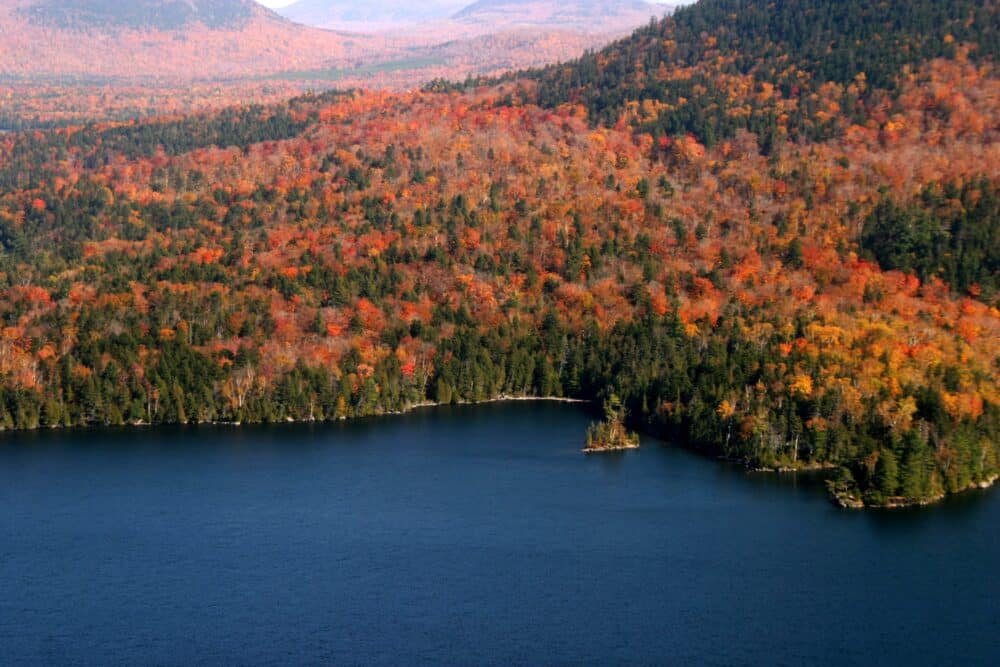
1. Jordan Pond Loop
This relatively flat 3.3-mile trail encircling the pristine Jordan Pond offers some of the most iconic fall foliage views in Acadia. What makes this location special is the perfect reflection of the colorful hillsides in the crystal-clear water, creating a mirror image that doubles the visual impact. The famous "Bubbles" mountains framed by autumn colors create postcard-worthy photographs, especially in morning light when the water is calmest.
Best time of day: Early morning (7-9 AM) for still water and perfect reflections
Difficulty: Easy to moderate
Insider tip: After your walk, enjoy popovers at the Jordan Pond House, but make reservations well in advance during peak foliage season!

2. Cadillac Mountain Summit
As the highest point on the Eastern Seaboard, Cadillac Mountain offers unparalleled panoramic views of Mount Desert Island blanketed in fall colors. From this 1,530-foot vantage point, you can see endless forests transformed into a patchwork quilt of reds, oranges, and yellows, all contrasted against the deep blue of the Atlantic Ocean and scattered island archipelagos.
While most visitors associate Cadillac Mountain with sunrise, I find the mid-afternoon light (around 2-4 PM) often creates the most vibrant display of fall colors from this elevation. The angled sunlight accentuates the different hues and creates a glowing effect across the landscape.
Remember: From May through October, you'll need a vehicle reservation to drive up Cadillac Summit Road.

3. Jesup Path
For an immersive fall experience, the Jesup Path is unmatched. This accessible boardwalk trail takes you through a magnificent stand of white birch and maple trees that create a tunnel of color during peak foliage. The wooden boardwalk elevates you just above the forest floor, providing a perfect perspective of the surrounding trees and occasional glimpses of Dorr Mountain through the colorful canopy.
What makes Jesup Path special is the opportunity to be completely surrounded by fall colors in an intimate setting. The boardwalk sections protect the delicate wetland ecosystem while allowing visitors of all mobility levels to experience the heart of Acadia's autumn splendor.
Photography tip: The contrast between white birch trunks and vibrant maple leaves creates stunning compositions, especially on slightly foggy mornings when the scene takes on a magical quality.
More Outstanding Fall Foliage Viewing Locations
4. Beehive Loop Trail
For adventurous hikers, this challenging trail combines fall colors with dramatic coastal views. The iron-rung sections require good fitness and comfort with heights, but the reward is unmatched: sweeping vistas of vibrant forests meeting the Atlantic Ocean. The contrast of autumn colors against the deep blue water creates breathtaking scenes.
5. Park Loop Road
The 27-mile scenic drive offers numerous pullouts with spectacular fall views. Ocean Drive section provides the unique opportunity to see colorful foliage against rocky coastline, while sections near Otter Cliff showcase the dramatic meeting of autumn forests and crashing waves. Perfect for those with limited mobility or limited time.
6. Bubble Rock Trail
This moderate 1.4-mile hike up South Bubble Mountain rewards with expansive views of Jordan Pond surrounded by hillsides of fall color. The famous balanced boulder adds an interesting geological element to your foliage photographs. Morning light illuminates the eastern shore of Jordan Pond beautifully.
7. Carriage Roads
These historic car-free roads wind through some of the most colorful forests in Acadia. The section around Witch Hole Pond and the Amphitheater Loop offer particularly stunning fall displays. Rent bikes for a quicker exploration of multiple areas, or enjoy a leisurely walk among the rustling leaves.
8. Bass Harbor Head Light
This iconic lighthouse on Acadia's southwestern shore is framed beautifully by autumn colors. The classic New England scene combines maritime heritage with fall foliage. Sunset here is particularly magnificent as the warm light enhances the foliage colors against the lighthouse silhouette.
9. Schoodic Peninsula
The less-visited section of Acadia offers equally stunning fall colors with significantly fewer crowds. The 6-mile loop drive provides numerous pullouts with views of colorful forests meeting the rugged shoreline. The granite outcroppings with surrounding fall colors create dramatic compositions.
Photographer's Tip: The quality of light dramatically affects how fall colors appear. Early morning and late afternoon (golden hours) intensify the warm tones of autumn foliage, while midday light can wash out some of the vibrancy. Slightly overcast days often provide the most saturated colors by eliminating harsh shadows and allowing the true brilliance of the leaves to shine.
Hidden Gems for Fall Color
While the locations above draw the most visitors, I've discovered several lesser-known spots that offer equally stunning fall experiences with smaller crowds:
- Hunter's Beach Trail - A short 0.5-mile trail leads to a secluded cobblestone beach framed by colorful maples
- Wonderland Trail - This easy 1.4-mile round-trip path on the "quiet side" of Mount Desert Island offers fall colors along with tide pools
- Sargent Mountain Loop - A challenging but rewarding 5.5-mile hike with outstanding panoramic foliage views and typically fewer hikers than Cadillac
- Pretty Marsh - A peaceful picnic area with short paths through colorful woodland leading to quiet coves
By exploring these less-frequented areas, especially during weekdays, you can enjoy intimate encounters with Acadia's fall splendor while avoiding the peak crowds that gather at the more famous viewpoints.
Planning Your Acadia Fall Foliage Trip
Successfully planning a fall foliage trip to Acadia requires careful consideration of several factors beyond just timing the peak colors. Here's my comprehensive guide to ensuring your autumn visit is memorable for all the right reasons.
Accommodation Strategies
Securing the right lodging is perhaps the most challenging aspect of planning an Acadia fall foliage trip. Peak foliage coincides with peak demand, creating a perfect storm for accommodation shortages and price surges. Here's my strategic approach:
- Book 6-12 months in advance for prime locations in Bar Harbor and other towns on Mount Desert Island
- Consider properties with free cancellation policies to maintain flexibility if peak foliage shifts
- Look beyond Bar Harbor to towns like Southwest Harbor, Northeast Harbor, or Ellsworth for better availability and rates
- Check vacation rentals through platforms like VRBO or Airbnb for more options, especially for longer stays
- Don't overlook B&Bs and inns which often provide a more authentic New England fall experience
My personal preference is staying in Southwest Harbor when visiting during peak season. This quieter town offers equally convenient access to the park with less congestion and often more reasonable rates than Bar Harbor. The trade-off is fewer restaurant options, though the ones available are excellent.
Transportation Considerations
How you navigate Acadia during fall foliage season significantly impacts your experience. Consider these transportation options:
Personal Vehicle
Pros: Maximum flexibility, ability to visit sunrise/sunset locations, can carry gear easily
Cons: Parking challenges at popular spots, potential traffic congestion, need for Cadillac Mountain reservation
Best for: Photographers, families with young children, visitors staying outside Mount Desert Island
Island Explorer Bus
Pros: Free service, reduces parking stress, environmentally friendly
Cons: Limited schedule (especially after Columbus Day), fixed routes, can be crowded
Best for: Visitors staying in Bar Harbor or villages served by routes, hikers doing point-to-point trails
Bicycle Rental
Pros: Perfect for carriage roads, immersive experience, no parking issues
Cons: Limited to certain areas, weather dependent, requires physical fitness
Best for: Active visitors, those focusing on the carriage road system, photographers seeking flexibility
Guided Tours
Pros: Expert narration, no driving/navigation stress, historic context provided
Cons: Less flexibility, set schedules, additional cost
Best for: First-time visitors, those interested in deeper historical context, solo travelers
Parking Tip: During peak foliage weekends, arrive at popular trailheads before 8:00 AM or after 3:00 PM to avoid the worst parking challenges. The Jordan Pond and Cadillac Mountain lots typically fill by 9:00 AM on peak weekend days. Always have backup destinations in mind in case your first choice is full.
Strategic Itinerary Planning
Creating the right itinerary for your Acadia fall foliage adventure requires balancing popular must-see locations with flexibility for weather and crowd conditions. Here's my recommended approach for a 3-5 day visit:
- Allocate early mornings to high-demand locations (Jordan Pond, Cadillac Mountain, Bass Harbor Lighthouse)
- Reserve midday for activities less dependent on perfect lighting (carriage roads, in-town exploration)
- Plan evening outings to west-facing viewpoints for sunset-enhanced foliage
- Build in weather buffer days with flexible activities that can be rearranged
- Intersperse busy locations with quieter spots to avoid crowd fatigue
A sample itinerary might include Cadillac Mountain sunrise one morning, followed by breakfast in Bar Harbor and a midday exploration of the carriage roads by bicycle. Late afternoon could feature the Ocean Path trail when the light beautifully illuminates the coastline and colorful cliffs.
For travelers with limited time, I recommend prioritizing Jordan Pond, Cadillac Mountain, and a section of the Park Loop Road as the essential fall foliage experiences that showcase Acadia's diverse beauty.
Weather Preparedness
Fall weather in Acadia can be gloriously sunny one day and foggy with rain the next. Being prepared for rapid changes is essential:
- Expect temperature fluctuations from 30°F to 70°F (-1°C to 21°C)
- Pack moisture-wicking base layers that can be added or removed
- Bring waterproof outer layers for unexpected rain
- Don't forget gloves and a warm hat for early mornings and higher elevations
- Consider microspikes if hiking after rain when granite surfaces can be slippery with wet leaves
I've learned through experience that Acadia's coastal location creates microclimates where conditions can vary dramatically between different parts of the park. The western "quiet side" can be sunny while Bar Harbor experiences fog, or vice versa. This variability actually enhances the foliage photography opportunities, as fog and mist can create atmospheric effects that transform ordinary scenes into extraordinary images.
My Experience: Lessons from Years of Fall Visits
Over the past decade, I've made annual pilgrimages to Acadia during autumn, sometimes hitting perfect peak conditions and occasionally missing them by a week. These varied experiences have taught me valuable lessons about making the most of fall visits, regardless of timing.
The Magical Morning That Changed Everything
My most memorable Acadia fall experience happened on an overcast Tuesday in mid-October three years ago. I had awakened to the sound of light rain at 5:30 AM and nearly rolled over to go back to sleep, disappointed at the prospect of a dreary day. Something compelled me to get up anyway and drive to the Jesup Path, where I'd planned to photograph the birch grove.
By the time I arrived at 6:45 AM, the rain had stopped, leaving everything damp and glistening. As I walked along the boardwalk, I noticed the forest was enveloped in a ethereal mist that was beginning to lift as the first rays of sunlight broke through the clouds. The scene transformed before my eyes—the white birch trunks stood in stark contrast to the brilliant red maples and golden ashes, all heightened by the dispersing fog that created beams of light through the canopy.
For two magical hours, I had this spectacular display entirely to myself, not encountering another photographer or hiker until nearly 9 AM. This experience taught me that sometimes the "imperfect" weather conditions create the most extraordinary opportunities for experiencing fall foliage. It also reinforced my strategy of starting early and being willing to venture out even when conditions seem less than ideal.
Ranger Michael's Wisdom
"Many visitors make the mistake of fixating on finding 'peak' foliage, but the beauty of Acadia's fall is that it unfolds in stages. Each week—even each day—offers something unique. Early fall brings subtle reds in the swamps and understory. Mid-season explodes with color across all elevations. Late fall carpets the ground with a mosaic of fallen leaves while revealing views obscured in summer. There's no wrong time to experience autumn in Acadia—just different chapters of the same beautiful story."
— Advice shared by Park Ranger Michael during a fall ecology walk I attended in 2021
Timing Lessons Learned
Through my years of visiting Acadia in autumn, I've accumulated practical insights that go beyond the typical advice:
- The "perfect" week varies by elevation - Higher areas like Cadillac Mountain often peak several days before lower valleys
- Coastal areas change later than inland sections due to moderating ocean temperatures
- Northern and western sides of Mount Desert Island typically display peak colors slightly earlier than eastern and southern areas
- Maple-dominated forests (like around Witch Hole Pond) reach vivid reds earlier than oak-dominated areas, which develop richer bronzes and golds later
- Wetland areas often show the earliest color transitions, sometimes by 7-10 days
Understanding these patterns has helped me adapt my itineraries to maximize color exposure even when my visit doesn't perfectly align with the overall peak. By targeting specific ecosystems and elevations based on progression reports, I can usually find excellent foliage regardless of when I visit during the broader fall season.
My Biggest Mistake: The Cadillac Mountain Traffic Jam
During my 2019 visit, I made the rookie mistake of attempting to drive up Cadillac Mountain for sunset on the Saturday of Indigenous Peoples' Weekend without a reservation. What followed was a frustrating two-hour traffic jam that resulted in missing the sunset entirely. I've since learned to either secure the required reservation well in advance or visit Cadillac on weekdays when the competition for spots is less fierce. Alternatively, consider hiking up via the North Ridge Trail (moderate difficulty) or South Ridge Trail (more challenging) to bypass the vehicle restriction entirely.
Visitor Reviews from Around the Web
"We visited Acadia in early October expecting to see peak foliage, but most trees were still green. Disappointed at first, we ended up staying five days instead of three because each day more trees changed color. By our last day, it was glorious. Lesson learned: build flexibility into your trip if possible!"
— Amazon review of Acadia hiking guide, J. Peterson
"Don't make our mistake and only book 2 days. There's so much to see during fall foliage season, and the crowds at popular spots can eat up time. We spent 30 minutes just finding parking at Jordan Pond. Next time we'll stay a full week and explore more of the 'quiet side' of the island."
— Reddit user on r/acadianationalpark thread
"The secret to enjoying Acadia's fall colors without the crowds? Get up EARLY. We hit trails by 7am and had places like Jordan Pond completely to ourselves. By the time we finished around 9:30, the parking lot was filling up. Worth losing a little sleep!"
— Quora response from frequent Acadia visitor
Essential Gear for Fall Photography & Hiking
Capturing and fully enjoying Acadia's fall splendor requires the right equipment. After years of trial and error, I've refined my gear list to include these essentials:
Photography Gear
Polarizing Filter
A circular polarizer is perhaps the single most important accessory for fall foliage photography. It reduces glare from wet leaves, deepens blue skies, and increases color saturation dramatically.
See on AmazonTripod
Early morning and late evening offer the best light for foliage, but these conditions often require slower shutter speeds. A sturdy yet lightweight tripod is essential for sharp images in low light.
See on AmazonLens Cleaning Kit
Fall weather in Acadia often means morning mist, occasional drizzle, and flying spray near the coast. A good lens cleaning kit helps maintain optical clarity in these challenging conditions.
See on AmazonHiking & Outdoor Essentials
Layered Clothing System
Fall temperatures in Acadia can swing 30°F in a single day. A quality moisture-wicking base layer, insulating mid-layer, and waterproof shell allow you to adapt to changing conditions throughout the day.
Fleece Layer on AmazonHiking Boots with Good Traction
Acadia's granite trails become especially slippery when covered with fallen leaves and morning dew. Boots with aggressive tread patterns provide essential grip on these surfaces.
See on AmazonNavigation Tip: Don't rely solely on your phone for navigation in Acadia. Cell service is spotty in many parts of the park, and battery life diminishes quickly in cooler weather. I always carry the National Geographic Acadia Trail Map, which clearly marks all official trails and carriage roads. Its waterproof construction has saved me more than once during unexpected rain showers.
My Fall Foliage Photography Tips
After photographing Acadia's fall colors for many seasons, I've developed these techniques for capturing the most compelling images:
- Look for contrasts - Pair brilliant foliage with complementary elements like blue water, granite boulders, or white birch trunks
- Include water reflections whenever possible - the stillness of Acadia's ponds creates perfect mirror images of fall colors
- Use a longer focal length (70-200mm) to compress scenes and create layers of color rather than always shooting wide
- Consider backlighting - shooting toward the sun (carefully) can make leaves glow with translucent brilliance
- Don't neglect details - intimate scenes of individual leaves, fallen acorns, or patterns in nature often tell a more powerful story than grand vistas
Perhaps most importantly, remember to occasionally put the camera down and simply absorb the sensory experience of Acadia in autumn. The rustling sound of leaves underfoot, the crisp scent of the air, and the feeling of connection to the seasonal cycle are just as valuable as the photographs you'll bring home.
Frequently Asked Questions
What exactly causes leaves to change color in the fall?
The science behind fall foliage is fascinating. During summer, leaves appear green because they're full of chlorophyll, which plants use for photosynthesis. As daylight hours decrease and temperatures drop in autumn, trees stop producing chlorophyll, allowing other pigments that were always present to become visible. Carotenoids create yellow and orange colors, while anthocyanins produce reds and purples.
Acadia's spectacular color variety comes from its diverse mix of tree species: sugar maples produce brilliant reds, birches turn golden yellow, oaks develop deep russets, and aspens become vibrant gold. The timing and intensity of these changes depend on temperature, rainfall, and sunlight. The most vibrant displays typically follow summers with adequate rainfall and falls with sunny days and cool (but not freezing) nights.
How does Acadia's fall foliage compare to other New England destinations?
While Vermont and New Hampshire receive more attention for their fall foliage, Acadia offers a uniquely different experience. What makes Acadia special is the dramatic contrast between the colorful forests and the blue Atlantic Ocean. No other New England destination combines mountain vistas, rugged coastline, and vibrant autumn colors in quite the same way.
The timing is also different – Acadia's peak generally comes 1-2 weeks later than interior New England locations due to the moderating effect of the ocean. This makes it perfect for extending your New England fall foliage experience or planning a second trip after visiting the more inland destinations. The coastal influence also tends to extend Acadia's color season slightly longer than other regions.
Is it too late to see fall colors if I visit Acadia in late October?
Late October can still offer beautiful fall experiences in Acadia, though it's typically past the technical "peak" period. By this time, many trees have dropped their leaves, creating golden carpets on forest floors and opening up views that are obscured earlier in the season. You'll find that different tree species change and drop their leaves at different rates – while maples might be past prime, oaks often hold their deep russet colors well into late October.
The advantage of late October visits is significantly smaller crowds and easier accommodation availability. The park takes on a more serene, contemplative atmosphere that many repeat visitors (myself included) actually prefer to the busier peak period. If photography is your primary goal, the lower sun angle in late October creates beautiful light conditions for much of the day.
How crowded is Acadia during peak fall foliage season?
Acadia has seen steadily increasing visitation during fall foliage season, with October now being the park's third busiest month (after July and August). The most significant crowds occur during Indigenous Peoples' Day/Columbus Day weekend, when the combination of a holiday weekend and typically near-peak foliage creates very high visitation levels.
That said, crowd patterns in Acadia are predictable and manageable with proper planning. Weekdays are significantly less busy than weekends. Early mornings (before 9 AM) and late afternoons (after 3 PM) see fewer visitors than midday hours. Popular spots like Jordan Pond, Cadillac Mountain, and Bass Harbor Lighthouse experience the greatest congestion, while many excellent trails and carriage roads remain relatively uncrowded even during peak times. The "quiet side" of Mount Desert Island (western side) typically sees fewer visitors regardless of season.
What happens if there's bad weather during my planned trip?
Fall weather in Acadia can be variable, ranging from perfect sunny days to fog, rain, or occasionally even early snow. Rather than seeing inclement weather as a disappointment, I've learned to embrace it for the unique photographic and experiential opportunities it creates. Foggy conditions transform the landscape into a mystical realm where colors seem to glow from within. Rainy days intensify the saturation of fall colors and create beautiful reflections on wet surfaces.
On days with challenging weather, consider these alternatives to hiking: explore the Abbe Museum to learn about Wabanaki history, visit the Wendell Gilley Museum of bird carving, tour the picturesque gardens at Asticou or Thuya, enjoy tea and popovers at Jordan Pond House, or browse the shops and galleries in Bar Harbor. Some of my most memorable Acadia experiences have come from initially "disappointing" weather days that revealed unexpected beauty and opportunities.
Conclusion
Timing your visit to witness Acadia fall foliage peak time requires both planning and flexibility, but the reward is one of North America's most spectacular natural displays. While mid-October typically offers the most reliable window for experiencing the full glory of autumn in Acadia, remember that the progression of color is a journey rather than a singular moment. Each phase of fall brings its own unique beauty to this remarkable landscape where mountains meet the sea.
As you plan your journey to experience Acadia fall foliage peak time, keep these key points in mind:
- Target mid-October (roughly October 10-20) for the highest probability of witnessing peak colors
- Use Maine's official foliage reports and webcams to fine-tune your timing
- Book accommodations well in advance, especially for weekend dates
- Consider a longer stay (5-7 days) to increase your chances of perfect conditions
- Explore beyond the most famous viewpoints to discover your own perfect autumn scenes
- Embrace the unpredictability of fall weather as part of the adventure
My personal connection with Acadia's fall foliage grows deeper with each year's visit. There's something profoundly moving about witnessing this annual transformation against the backdrop of ancient granite mountains and endless ocean. The fleeting nature of peak foliage—here today, scattered by tomorrow's wind—reminds us to be present and appreciative of nature's gifts in the moment they're offered.
Whether you're planning your first autumn visit or returning to a beloved seasonal tradition, I hope this guide helps you experience the magic of Acadia National Park's fall foliage at its magnificent peak. As you walk beneath canopies of crimson and gold, breathe in the crisp autumn air, and gaze out over horizons where colorful forests meet the deep blue Atlantic, you'll understand why this place draws leaf-peepers back year after year, myself included.
For more guides on exploring Acadia National Park in fall, including the best fall hikes, viewing locations, what to wear, and suggested itineraries, be sure to explore our other resources here at WildernessPaths.com.
Ready to Experience Acadia's Fall Magic?
Join our newsletter for seasonal updates, insider tips, and exclusive content about Acadia and other national parks.
Sign Up Now