

The Complete Insider's Guide to Yellowstone National Park Roads: Seasonal Schedules, Construction Updates & Hidden Scenic Routes
After spending countless hours navigating every mile of Yellowstone's 251-mile road system over the past decade, I've compiled this comprehensive guide to help fellow travelers make the most of their journey through America's first national park. From seasonal road openings to hidden scenic detours, this guide covers everything you need to know about ***Yellowstone national park roads*** to plan your perfect adventure.
Overview of Yellowstone's Road System
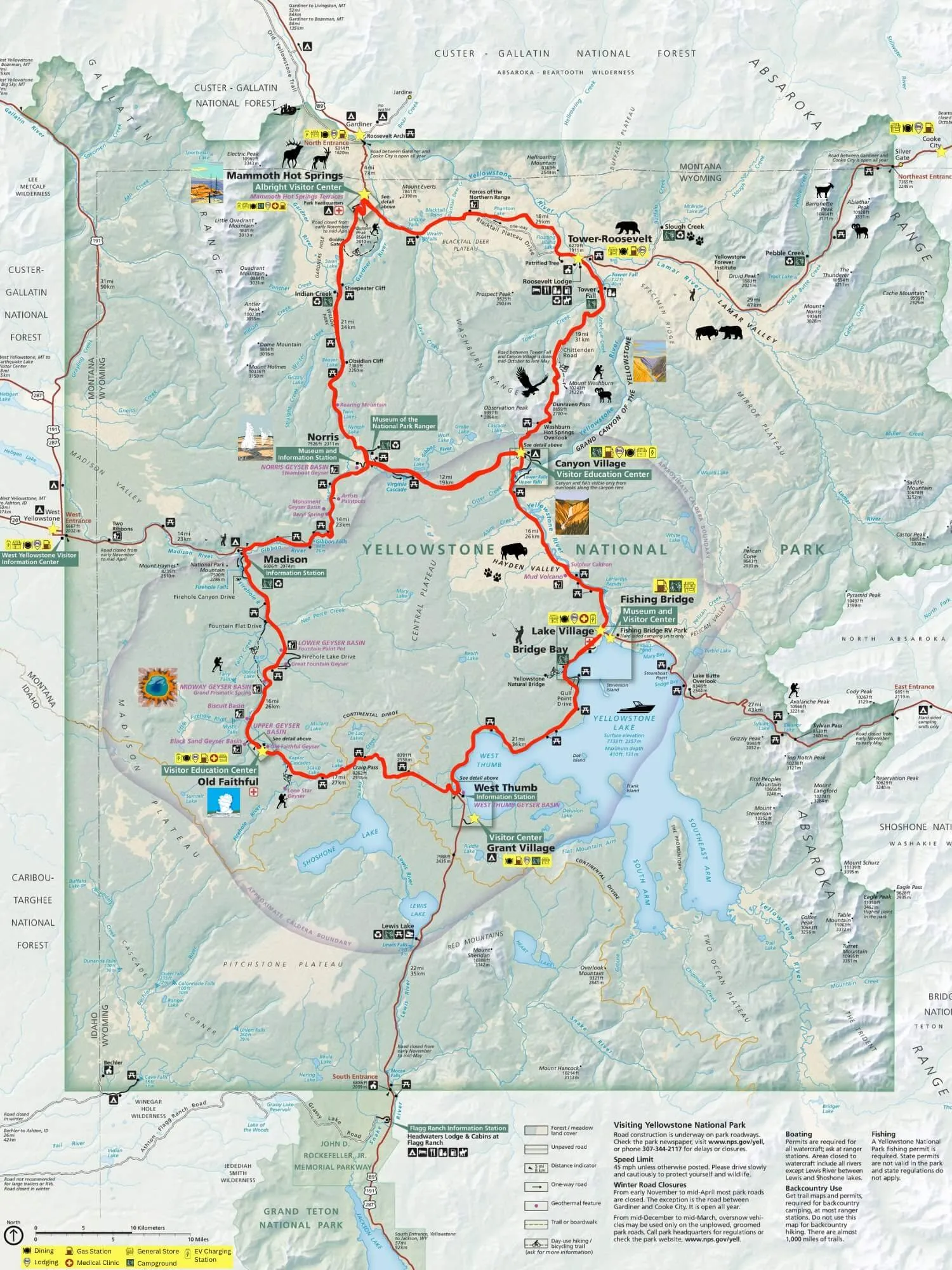
Having driven every single mile of Yellowstone national park roads multiple times throughout different seasons, I can confidently say that understanding the park's road system is crucial for maximizing your visit. The park encompasses 2.2 million acres connected by 251 miles of paved roads, forming what locals call the Grand Loop - a figure-eight pattern that connects all major attractions and geological wonders.
During my first visit in 2014, I made the rookie mistake of underestimating travel times within the park. What appears as short distances on maps can take significantly longer due to the mountainous terrain, wildlife traffic jams, and the park's strictly enforced 45 mph speed limit. The road system consists of the Upper Loop (70 miles), Lower Loop (96 miles), and when combined, creates the Grand Loop spanning 142 miles of continuous scenic driving.
The park's five entrances - North, Northeast, East, South, and West - each offer unique access points to different sections of Yellowstone national park roads. The North Entrance at Gardiner, Montana, remains the only year-round access point, making it particularly valuable for winter visitors and early spring travelers. From my experience as a frequent visitor, I've learned that each entrance provides distinct advantages depending on your itinerary and the season of your visit. For travelers planning extended road trips, I highly recommend investing in a reliable ***roadside emergency kit*** to ensure your safety throughout the mountain terrain.
What makes navigating these roads particularly challenging is the combination of high elevation passes, narrow two-lane construction, and limited pullout areas. Sylvan Pass reaches 8,530 feet, Craig Pass hits 8,391 feet, and the steep descent from Mammoth to Gardiner requires careful attention to brake overheating. I've personally witnessed several brake failures on this descent, so using low gears is essential for maintaining control and vehicle safety throughout your journey. If you're planning to explore other national parks in the region, consider checking out our guides for ***Black Canyon of the Gunnison hiking*** opportunities as well.
Pro Tip: Always check current road conditions before departing by calling (307) 344-2117 or texting "82190" to 888-777 for real-time Yellowstone national park roads updates.
2025 Seasonal Opening & Closing Schedule
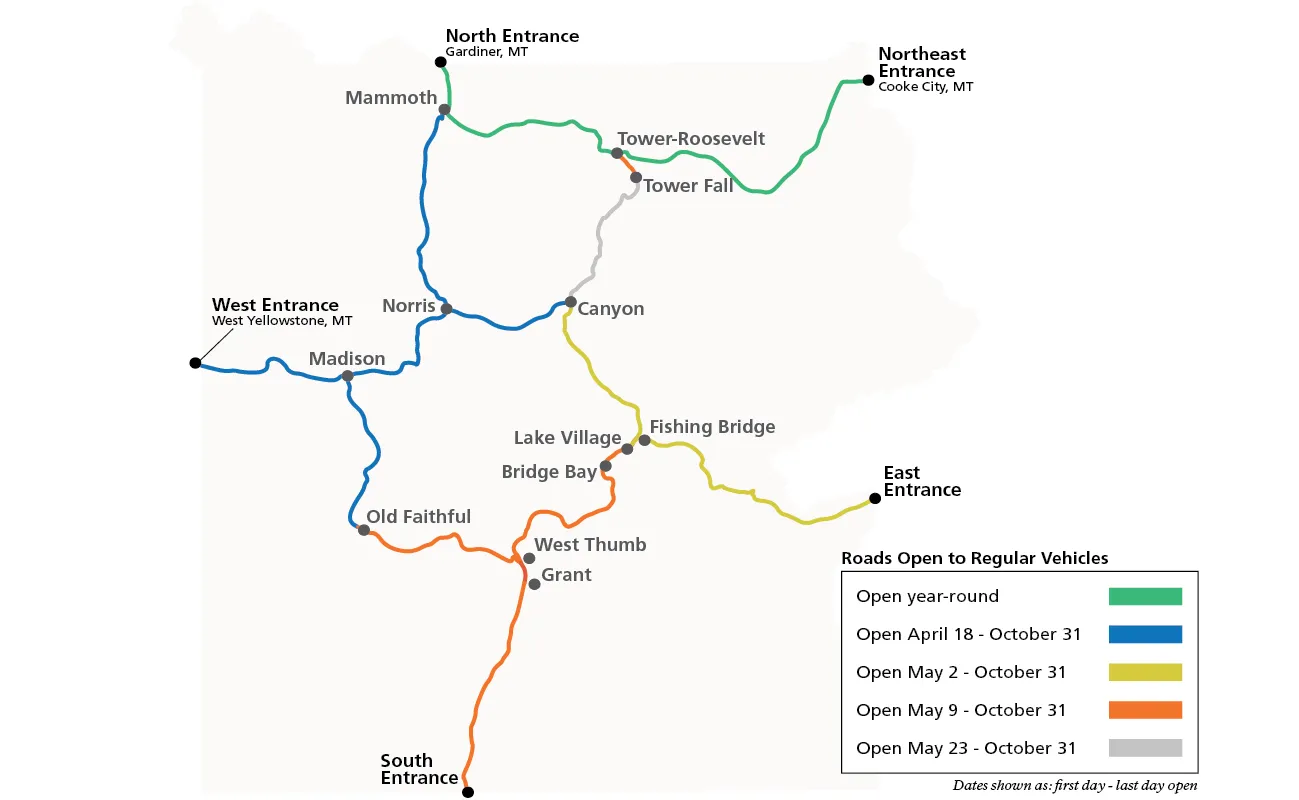
After years of tracking seasonal patterns and speaking with park rangers, I've developed a deep understanding of how weather impacts Yellowstone national park roads opening schedules. The 2025 season follows the traditional pattern, but climate variability means these dates can shift based on snowpack levels and spring weather conditions. Park management typically begins snow removal operations in early March, working systematically to clear the lower elevation roads first.
The North Entrance to Northeast Entrance corridor remains open year-round, providing the only continuous winter access through the park. This 52-mile stretch from Gardiner, Montana, to Cooke City has been my go-to route for winter photography sessions and early season wildlife viewing. However, travelers should note that the road beyond Cooke City closes until late May, creating a dead-end situation that requires backtracking to exit the park.
Spring openings typically follow this reliable pattern: West Entrance roads open April 18th, providing access to Madison, Old Faithful, and Norris areas. The East Entrance through Sylvan Pass usually opens May 2nd, followed by the South Entrance on May 9th. The final piece of the puzzle, Dunraven Pass connecting Canyon to Tower, traditionally opens around May 23rd, completing the full Grand Loop circuit for the summer season. For wildlife enthusiasts planning visits during these transition periods, a quality pair of ***compact binoculars*** becomes essential for spotting animals across the expansive landscapes.
From my experience coordinating visits with multiple groups, I strongly recommend building flexibility into your travel plans. Weather can delay openings by days or even weeks, and I've seen disappointed visitors who planned rigid itineraries around specific opening dates. The park service provides excellent communication through their alert system, and I always advise fellow travelers to sign up for text notifications well before their planned visits to monitor any changes to Yellowstone national park roads schedules. For comprehensive accommodation planning, explore our detailed guide to ***hotels near Black Canyon of the Gunnison*** for additional regional travel insights.
Important: Fall closures typically occur on the first Sunday in November, but high elevation passes like Dunraven and Beartooth may close earlier due to snow conditions.
The Grand Loop Road: Your Ultimate Scenic Journey
The Grand Loop represents the crown jewel of Yellowstone national park roads, and I've completed this 142-mile circuit more than fifty times over the past decade. This figure-eight configuration connects every major thermal feature, wildlife habitat, and scenic overlook within the park. What makes this route exceptional isn't just the destinations it connects, but the incredible diversity of landscapes you'll experience within a single driving day.
Starting from any entrance, the Grand Loop takes you through distinct ecosystems and geological zones. The Lower Loop encompasses Old Faithful, Grand Prismatic Spring, Yellowstone Lake, and the Grand Canyon of Yellowstone. During my summer guide work, I always recommend allocating a full day for the Lower Loop, as thermal features and wildlife viewing opportunities can easily extend stops beyond planned schedules. The geothermal areas along this route represent some of the most concentrated hydrothermal activity on Earth.
The Upper Loop provides a different but equally compelling experience, featuring the dramatic Mammoth Hot Springs terraces, Lamar Valley's wildlife concentrations, and Tower Fall's impressive 132-foot cascade. This section of Yellowstone national park roads offers the best opportunities for large mammal viewing, particularly during dawn and dusk hours. I've witnessed countless buffalo jams, wolf pack sightings, and grizzly bear encounters along this route, making it essential for wildlife photography enthusiasts. For extended stays and meal planning, a reliable ***portable car refrigerator*** has proven invaluable for keeping food and beverages fresh during long photography sessions.
Traffic management becomes crucial when navigating the Grand Loop during peak summer months. From my observations, the heaviest congestion occurs between 10 AM and 4 PM, particularly around Old Faithful and Grand Canyon viewpoints. I've developed a strategy of starting early morning drives and utilizing the numerous pullouts strategically placed throughout the system. These pullouts serve multiple purposes: wildlife viewing, photography opportunities, and courteous traffic management when slower vehicles need to allow faster traffic to pass. To enhance your overall ***wilderness paths*** experience, proper navigation tools become essential in areas with limited cell coverage.
Driving Tip: Allow 4-6 hours minimum for a complete Grand Loop circuit, but plan for 8-10 hours when including stops at major attractions and wildlife viewing opportunities.
Current Construction Updates & Traffic Delays
Road construction represents an ongoing reality for Yellowstone national park roads, with the National Park Service currently implementing a comprehensive 20-year, $300 million Federal Lands Highway Program. Having navigated construction zones throughout multiple seasons, I can attest that approximately 80% of the park's main roads are in various stages of repair or reconstruction. The challenging combination of harsh winter conditions, short construction seasons, and heavy traffic loads creates unique maintenance challenges.
During the 2024 construction season, I personally experienced significant delays due to the Lewis River Bridge project and Yellowstone River Bridge reconstruction. These major infrastructure improvements required careful scheduling and patience from visitors. The Lewis River Bridge project, in particular, created 30-minute delays during peak travel times, and I learned to adjust my itineraries accordingly. Construction crews work diligently during the limited summer season to complete projects before winter weather halts operations.
What many visitors don't realize is that construction delays can significantly impact travel times between major attractions. I always recommend adding an additional 30-45 minutes to standard travel estimates when construction is active. The park service provides excellent real-time construction updates through their road alert system, and I've found that checking conditions each morning helps avoid major disruptions to planned activities and restaurant reservations. For real-time navigation assistance, especially in areas with ongoing construction, a dedicated ***GPS navigation device*** proves more reliable than smartphone apps in remote park areas.
The most effective strategy I've developed for dealing with construction on Yellowstone national park roads involves flexible scheduling and alternative route planning. When major construction projects close sections of the Grand Loop, having backup plans becomes essential. For example, during the 2023 construction season, delays at the Canyon area required rerouting through Norris, adding approximately 45 minutes to my planned wildlife photography sessions but ultimately providing unexpected opportunities to explore lesser-traveled areas. For visitor center information and park updates, consult our guide to the ***Black Canyon of the Gunnison visitor center*** for additional regional planning resources.
Construction Alert: Always call (307) 344-2117 before departing to check for unexpected closures or extended delays that could impact your planned itinerary.
Best Scenic Routes & Hidden Gems
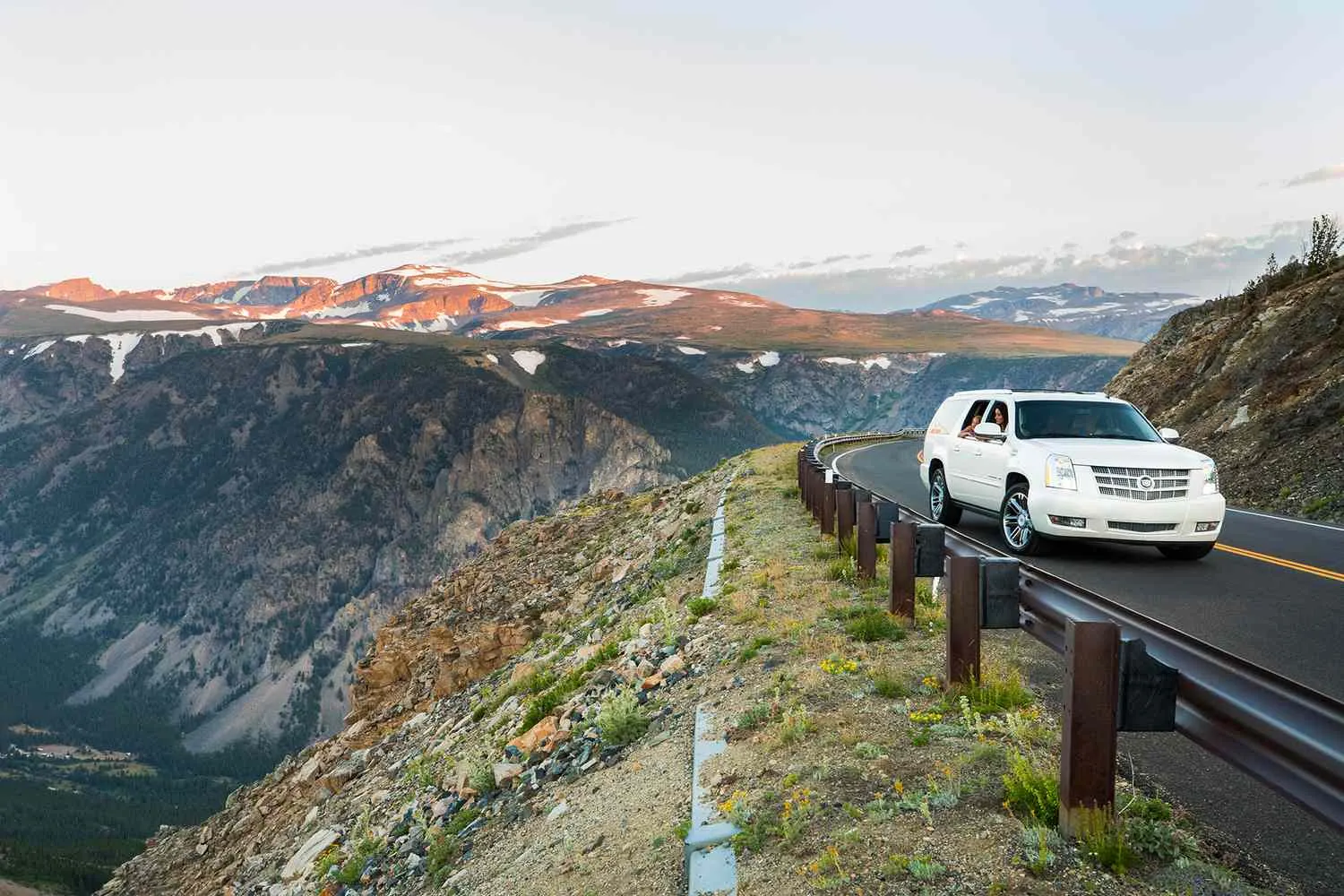
Beyond the main Yellowstone national park roads system, several spectacular scenic routes provide enhanced access and unforgettable driving experiences. The Beartooth Highway (US-212) stands out as America's most beautiful drive, climbing 5,000 feet through alpine terrain to reach 10,947 feet at Beartooth Pass. I've driven this route dozens of times, and each journey reveals new perspectives on the dramatic landscape of glacial cirques, alpine lakes, and peaks exceeding 12,000 feet elevation.
The Chief Joseph Scenic Byway (WY-296) offers a lesser-known but equally spectacular approach to the Northeast Entrance. This 47-mile route from Cody provides stunning vistas of the Absaroka Range and connects to the Beartooth Highway near Cooke City. During my photography expeditions, I've discovered that this route offers excellent wildlife viewing opportunities and fewer crowds compared to the main park entrances. The byway remains open year-round to Pilot Creek, making it accessible even during winter months when other high-elevation routes close.
Within the park, several hidden gems along Yellowstone national park roads deserve special attention. The drive from Tower to Northeast Entrance through Lamar Valley provides North America's finest wildlife viewing corridor. I consistently encounter bison herds, elk congregations, and wolf packs along this route, particularly during early morning and evening hours. The road follows the Lamar River through expansive grasslands that serve as critical habitat for the park's diverse wildlife populations.
For photographers and nature enthusiasts, I particularly recommend the early morning drive from Lake Village to Hayden Valley. This section of road provides access to one of Yellowstone's premier wildlife viewing areas, with excellent opportunities to observe grizzly bears, wolves, and massive bison herds. The Yellowstone River meanders through this glacially-carved valley, creating perfect habitat conditions that support incredible biodiversity. Timing your visit during the golden hours just after sunrise provides optimal lighting conditions for both photography and wildlife activity. When planning accommodations for extended photography trips, consider researching ***Black Canyon of the Gunnison lodging*** options for multi-park itineraries.
Insider Tips for Navigating Yellowstone Roads
After accumulating thousands of miles driving Yellowstone national park roads across all seasons, I've developed essential strategies that significantly enhance the driving experience. The most critical advice I can offer is to embrace patience and flexibility. Wildlife traffic jams are inevitable and represent some of the most memorable moments of any Yellowstone visit. I've learned to view these "bear jams" and "buffalo jams" as opportunities rather than obstacles, often resulting in incredible wildlife photography and observation experiences.
Fuel management requires careful planning throughout the park, as gas stations are limited and strategically located. I always recommend fueling up at every available opportunity, particularly when traveling to remote areas like the Northeast Entrance or planning extensive driving days. The stations at Grant Village, Canyon, Old Faithful, and Mammoth represent your primary refueling options within the park boundaries. Running low on fuel in Yellowstone can create serious logistical challenges, especially during busy summer periods when gas stations may experience supply issues.
Vehicle preparation becomes crucial for safely navigating these mountain roads. I always carry emergency supplies including extra water, snacks, warm clothing, and basic tools, even during summer visits. Weather conditions can change rapidly at high elevations, and I've experienced sudden snowstorms in July that created hazardous driving conditions. Snow tires or chains may be required during spring and fall travel, and park rangers strictly enforce these requirements when conditions warrant.
Timing strategies can dramatically improve your Yellowstone national park roads experience. Early morning departures, typically before 8 AM, provide several advantages: cooler temperatures, increased wildlife activity, better photography lighting, and significantly reduced traffic congestion. I've found that the period between 6 AM and 9 AM offers the best combination of optimal conditions and fewer crowds. Evening drives can be equally rewarding, with excellent wildlife viewing opportunities and beautiful golden hour lighting, though you should always plan to complete your driving before darkness falls.
Safety Reminder: Always maintain a safe following distance, use pullouts to allow faster traffic to pass, and never approach or feed wildlife encountered along the roads.
Technology can significantly enhance your navigation experience, but cellular coverage remains spotty throughout much of the park. I recommend downloading offline maps and emergency contact information before entering the park. The National Park Service app provides excellent offline functionality, including detailed maps, attraction information, and safety guidelines. However, always carry a physical park map as backup, since electronic devices can fail or lose battery power during extended outdoor adventures.
Conclusion
Mastering Yellowstone national park roads requires patience, preparation, and respect for both the natural environment and fellow visitors. Throughout my years of exploring every mile of this remarkable road system, I've come to appreciate that the journey itself often proves as rewarding as the destinations. The 251 miles of park roads provide access to some of Earth's most extraordinary geological features, diverse wildlife populations, and stunning natural landscapes that define the Yellowstone experience.
Understanding seasonal schedules, construction impacts, and traffic patterns enables visitors to maximize their time while minimizing frustration and delays. The Grand Loop system, supported by scenic approaches like the Beartooth Highway and Chief Joseph Scenic Byway, creates opportunities for unforgettable road trip experiences that connect visitors intimately with America's first national park. Weather conditions, wildlife encounters, and construction projects will continue to influence travel conditions, making flexibility and advance planning essential components of successful Yellowstone adventures.
The investment in road infrastructure improvements currently underway will enhance future visitor experiences while maintaining the park's commitment to environmental protection and wildlife conservation. As you plan your own journey along these remarkable roads, remember that each visit offers unique opportunities to connect with the natural world and create lasting memories. The magic of Yellowstone extends far beyond its famous geysers and wildlife – it lives in the journey itself, experienced one mile at a time along these incredible mountain roads that continue to inspire travelers from around the world.
Ready to explore Yellowstone national park roads? Start planning your adventure today with current road conditions, construction updates, and seasonal schedules to ensure the best possible experience in America's premier national park.