

The Ultimate Ocean Path Trail Guide: Exploring Acadia's Scenic Coastal Route
Ocean Path Trail Overview
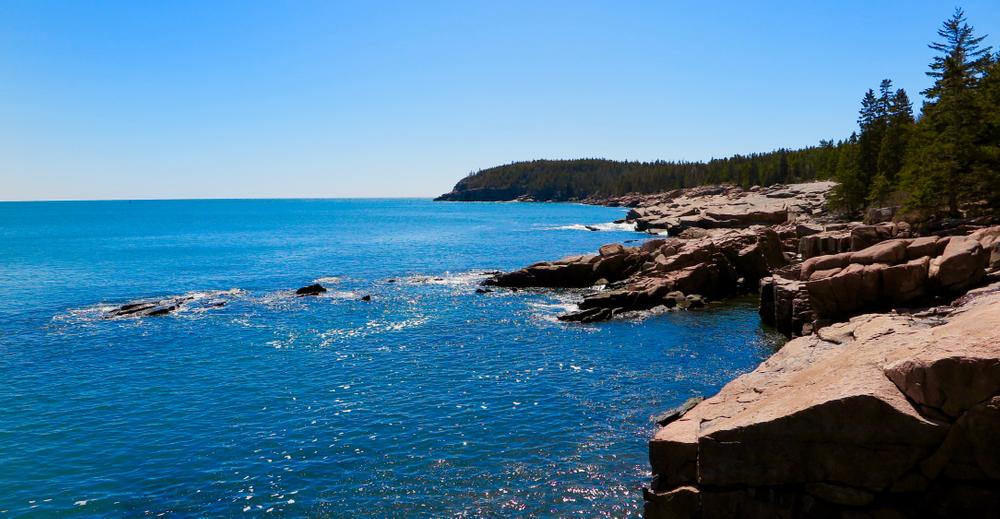
The Ocean Path trail guide takes you on a journey along one of Acadia National Park's most celebrated routes. This relatively easy 2.2-mile (one-way) trail follows the eastern shoreline of Mount Desert Island, offering spectacular views of the Atlantic Ocean crashing against Maine's iconic pink granite coastline.
Originally aligned with the Park Loop Road by the Civilian Conservation Corps in 1933-1938, the Ocean Path has been attracting visitors for generations. The trail parallels Park Loop Road between Sand Beach and Otter Point, creating a 4.4-mile round trip experience that can be enjoyed by hikers of most ability levels.
Unlike many of Acadia's more challenging trails, the Ocean Path features a relatively flat, well-maintained surface with minimal elevation gain (approximately 337 feet total). The first section from Sand Beach to Thunder Hole consists of concrete and packed gravel surfaces, while the remainder becomes slightly more uneven with rocky terrain and a few wooden staircases.
What makes the Ocean Path trail guide essential for visitors is the flexibility it offers. You can hike the entire route or choose smaller sections based on your interests and time constraints. With numerous side trails branching off toward the shoreline, you can customize your adventure and discover hidden viewpoints away from the main path.

Trail Quick Facts
- Distance: 2.2 miles one-way (4.4 miles round trip)
- Elevation Gain: 337 feet
- Difficulty: Easy to moderate
- Time Required: 1.5-2 hours one way (3-4 hours round trip)
- Trail Surface: Mixed concrete, packed gravel, and rocky terrain
- Accessibility: First section (Sand Beach to Thunder Hole) is wheelchair accessible
- Dog-Friendly: Yes, on leash (6 feet or shorter)
- Family-Friendly: Yes, with caution near cliff edges
The Ocean Path offers far more than just a walking route—it provides access to some of Acadia's most photographed landmarks, including Thunder Hole, Monument Cove, and Otter Cliff. This Ocean Path trail guide will help you navigate these attractions and discover hidden gems that many visitors miss while hurrying between the major sights.
Whether you're capturing sunrise photos, searching for wildlife, or simply enjoying the refreshing ocean breeze, the Ocean Path delivers a quintessential Acadia experience that showcases why this park is considered the crown jewel of the North Atlantic Coast.
Getting There & Parking
Accessing the Ocean Path is straightforward, but planning ahead is essential during peak season when parking can be extremely challenging. The trail officially begins at the upper parking lot of Sand Beach, located along Park Loop Road less than half a mile south of the NPS entrance booths.
During my visits, I've found that arriving before 8:00 AM or after 4:00 PM dramatically increases your chances of finding parking, especially during the summer months. Keep in mind that the Park Loop Road is one-way in this section, which affects your approach and exit strategy.
Parking Options
- Sand Beach Parking Lot: The ideal starting point for the full Ocean Path experience, but fills up extremely quickly in summer (often before 9:00 AM).
- Right Lane Parking: The right lane of Park Loop Road has designated parking areas where you can legally park and access the trail.
- Thunder Hole Parking: A small lot approximately 0.7 miles from Sand Beach offers an alternative starting point.
- Gorham Mountain Trailhead: Located roughly halfway between Thunder Hole and Otter Cliff.
- Otter Point Parking: If starting from the southern end of the trail.
For those visiting during peak season (June-September), I strongly recommend using the free Island Explorer shuttle service. The shuttle stops at all major points along the Ocean Path, allowing you to hike sections of the trail without worrying about returning to your vehicle. This is especially useful if you want to hike one-way, as the shuttle can return you to your starting point.
A useful tip I've discovered through experience: If you plan to use the Island Explorer bus and hike the trail one-way, consider parking at Otter Point and hiking toward Sand Beach. Since the Park Loop Road is one-way, this ensures buses will be going toward your car rather than having to ride the entire loop to return to your starting point.
GPS Coordinates
Sand Beach Parking (North Terminus):
Latitude: 44.330198; Longitude: -68.183998
Otter Point (South Terminus):
Latitude: 44.307654; Longitude: -68.191334
2025 Parking Update
Beginning in 2021 and continuing through 2025, visitors accessing Ocean Path from Sand Beach need a vehicle reservation to enter the Sand Beach Entrance Station from mid-June to mid-October. These reservations can be purchased through the NPS website and typically sell out weeks in advance during peak season.
Without a reservation, your best options are:
- Park in Bar Harbor and take the Island Explorer shuttle
- Visit before 7:00 AM or after 5:00 PM when reservations aren't required
- Access the trail from Otter Point, which doesn't require a reservation
Major Landmarks & Points of Interest
The Ocean Path trail guide wouldn't be complete without highlighting the remarkable landmarks you'll encounter along your journey. These natural attractions are what make this trail one of the most popular in Acadia, each offering unique perspectives of the dramatic Maine coastline.
1. Sand Beach
The northern terminus of Ocean Path, Sand Beach is a unique 290-yard-long pocket of sand nestled between granite mountains and rocky shores. Unlike most of Acadia's coastline, this natural sandy beach offers a gentler introduction to the Atlantic. The water stays remarkably cold (rarely exceeding 55°F/13°C) even in summer due to the Labrador Current.
I recommend spending some time here before beginning your hike, especially early morning when the rising sun illuminates the entire cove. Look for The Beehive mountain towering above the beach—a distinctive landmark that's visible throughout the first section of the trail.
Distance from trailhead: 0.0 miles
2. Thunder Hole

Perhaps Acadia's most famous coastal feature, Thunder Hole is a small, naturally carved inlet where waves trap air in an underwater sea cave. When conditions are right (typically 1-2 hours before high tide with moderate surf), the compressed air creates a thunderous boom and impressive water spray that can reach up to 40 feet high.
During my visits, I've found that Thunder Hole rarely performs at its full potential, but when it does, it's truly spectacular. Even without the signature thunder, this is a beautiful spot to observe the powerful ocean forces at work. The NPS has installed granite stairs and safety railings for better viewing.
Distance from Sand Beach: 0.7 miles
3. Monument Cove

One of the hidden gems along the Ocean Path trail, Monument Cove features a dramatic sea stack—a vertical column of granite isolated from the cliff by erosion. Many hikers miss this spot because it requires a short detour down a side trail approximately 0.3 miles past Thunder Hole.
During my early morning visits, I've found Monument Cove to be especially photogenic when the first light turns the granite cliffs a warm golden color. The cove is less crowded than other attractions along the path, offering a more serene coastal experience.
Distance from Sand Beach: 1.0 mile
Insider Tip: Look for the unmarked side trail across from the Gorham Mountain Trailhead parking area.
4. Boulder Beach

This unofficial but popular stop features a shoreline covered in smooth, rounded cobblestones and boulders shaped by centuries of ocean waves. The sound of stones rolling with the surf creates a distinctive soundtrack that's mesmerizing to experience.
Boulder Beach offers excellent opportunities for photography, especially at sunrise when the low light accentuates the textures of the rocks. During my visits, I've found this area to be particularly good for finding interesting patterns and compositions.
Distance from Sand Beach: 1.2 miles
Photography Tip: Use a longer exposure (1-2 seconds) to capture the motion of water flowing between the rocks.
5. Otter Cliff

Otter Cliff stands as one of the most dramatic coastal features in Acadia, rising approximately 110 feet above the Atlantic Ocean. This sheer pink granite wall is one of the highest ocean-side cliffs on the eastern seaboard of the United States.
Beyond its scenic beauty, Otter Cliff is renowned among rock climbers who can often be seen practicing their skills on these challenging faces. The trail navigates around the cliff using granite staircases and a walkway that parallels the road.
During my visits, I've found the area just before Otter Cliff to offer some of the best wave-watching on the entire path, especially during stormy weather when swells crash dramatically against the rocks below.
Distance from Sand Beach: 1.5 miles
6. Otter Point

The southern terminus of the Ocean Path, Otter Point offers extensive granite formations that extend into the ocean, creating a remarkable landscape of rock and water. This area features a small staircase leading to stunning views across Otter Cove, with Cadillac and Dorr Mountains forming a dramatic backdrop.
Near Otter Point, you'll find a commemorative plaque honoring John D. Rockefeller Jr., who played a crucial role in the creation and preservation of Acadia National Park through land donations and carriage road construction.
In my experience, Otter Point is less crowded than other sections of the trail and offers excellent sunset viewing opportunities as the day's last light illuminates the mountains across the cove.
Distance from Sand Beach: 2.2 miles
Connecting to Other Trails
The Ocean Path trail connects to several other hiking routes in Acadia, allowing for extended adventures:
- Great Head Trail: Accessible from Sand Beach, this 1.4-mile loop offers elevated views of Sand Beach and the coastline.
- Beehive Trail: A challenging iron-rung route that starts near Sand Beach and offers panoramic views.
- Gorham Mountain Trail: Intersects with Ocean Path approximately halfway along the route, offering a 1.8-mile roundtrip summit hike with spectacular ocean views.
- Bowl Trail: Connects with Gorham Mountain Trail for access to The Bowl, a serene mountain pond.
Seasonal Guide: When to Visit
The Ocean Path experience varies dramatically throughout the year, with each season offering distinct advantages and challenges. As someone who has hiked this trail in all four seasons, I can attest that timing your visit can significantly impact your experience.
Spring (April-May)
Pros:
- Significantly fewer crowds before Memorial Day
- Migrating birds along the coastline
- Wildflowers beginning to bloom
- More parking availability
- No vehicle reservation requirements
Cons:
- Cooler temperatures (40-60°F/4-15°C)
- More frequent rain and fog
- Black flies emerge in May
- Limited services in Bar Harbor before mid-May
My Experience: Early May has become my preferred time to visit Ocean Path. The trail is peaceful with minimal crowds, parking is readily available, and spring migration brings diverse bird species to the coastline. The cooler weather makes for comfortable hiking, though layers are essential as coastal breezes can be chilly.
Summer (June-August)
Pros:
- Warmer temperatures (65-80°F/18-27°C)
- Longer daylight hours
- Full access to all park facilities and services
- Island Explorer shuttle service operating
- Potential for swimming at Sand Beach (though water remains cold)
Cons:
- Extreme crowds, especially 10am-4pm
- Limited parking (lots often fill before 9am)
- Vehicle reservation required for Sand Beach access
- Higher accommodation prices
- Mosquitoes and biting insects
My Experience: Summer visits require strategic timing. I've found that hiking Ocean Path at sunrise (around 5:00-5:30 AM in summer) offers a magical experience with minimal crowds and spectacular lighting. Alternatively, evenings after 6:00 PM can be pleasant as day visitors begin to depart.
Fall (September-October)
Pros:
- Spectacular foliage, especially mid-October
- Comfortable temperatures (50-70°F/10-21°C)
- Dramatic fall storms create impressive wave action
- Fewer insects
- Bird migration activity
Cons:
- Very crowded on weekends and holidays
- Shorter daylight hours
- Vehicle reservation still required until mid-October
- Unpredictable weather patterns
My Experience: Fall has offered me some of my most memorable Ocean Path trail experiences. The combination of colorful foliage against the blue ocean creates stunning scenery, particularly in the forest sections near Otter Cliff. September weekdays offer a nice balance of good weather and manageable crowds. I've witnessed some incredible wave displays during fall storms—though safety becomes an even greater priority during these conditions.
Winter (November-March)
Pros:
- Solitude and serenity
- Snow-covered landscapes create unique photo opportunities
- No entrance fees
- Wildlife tracks visible in snow
- No parking concerns
Cons:
- Cold temperatures (20-40°F/-7-4°C)
- Icy conditions on trail
- Limited services in Bar Harbor
- Park Loop Road sometimes closed to vehicles
- Shorter daylight hours
My Experience: Winter transforms Ocean Path into a dramatic, ice-sculpted landscape. During my February visit, I found sections where sea spray had frozen into intricate ice formations along the rocks. Microspikes were essential for safety on icy patches. The experience was hauntingly beautiful and utterly peaceful—I encountered only three other hikers during a four-hour exploration. However, preparation is crucial as services are limited and weather conditions can change rapidly.
Best Times for Photography
As a photography enthusiast, I've discovered certain times and conditions that make for exceptional images along the Ocean Path trail:
- Sunrise: The eastern exposure makes this trail perfect for sunrise photography. Golden light illuminates the pink granite, creating a magical glow (arrive 30-45 minutes before official sunrise).
- Foggy Mornings: Common in summer, fog creates a moody, ethereal atmosphere that's particularly striking around Otter Cliff.
- Storm Days: If safety permits, the day after a storm often features dramatic wave action without the heaviest rain (use extreme caution and respect closures).
- Fall Foliage: Mid-October offers a stunning contrast between colorful leaves and the blue ocean, especially in the wooded sections near Otter Cliff.
- Winter Ice: After cold snaps, sea spray creates fascinating ice formations along the shoreline.
For those with flexibility, I strongly recommend visiting Ocean Path during shoulder seasons (early May or mid-September to early October) when weather conditions remain pleasant but crowds are significantly reduced. If summer is your only option, plan for early morning or evening hikes to avoid the peak crowds and enjoy better lighting for photography.
Essential Gear & Preparation
While the Ocean Path is one of Acadia's more accessible trails, proper preparation and gear can significantly enhance your experience and safety. After multiple hikes along this route in various conditions, I've refined my gear list to include these essentials:
Footwear & Clothing
Proper footwear is your most important consideration for the Ocean Path. While the main trail is relatively even, the side trails to coastal viewpoints involve navigating uneven granite surfaces that can be slippery when wet.
Recommended footwear:
- Summer: Trail running shoes or low hiking shoes with good traction
- Spring/Fall: Waterproof hiking shoes or boots
- Winter: Insulated waterproof boots + microspikes for ice
Recommended Hiking Shoes for Ocean Path
Clothing layers:
- Base layer: Moisture-wicking shirts (avoid cotton)
- Insulating layer: Fleece or light down jacket (even in summer)
- Outer layer: Windproof/waterproof jacket
- Hat: Sun hat in summer, warm beanie in cooler weather
- Gloves: Light gloves for cool mornings year-round
The coastal environment creates its own microclimate that can be significantly cooler and windier than inland areas. During my June hike, the temperature dropped nearly 15°F when I reached the exposed sections of coastline compared to the parking area. Always pack an extra layer, regardless of season.
Day Hiking Essentials
My Ocean Path Daypack Contents
- Water: At least 1-2 liters per person (no water sources on trail)
- Snacks: Energy bars, trail mix, fruit
- Navigation: Trail map or downloaded offline map
- Sun protection: Sunscreen, sunglasses, hat
- First aid kit: Basic supplies including blister treatment
- Emergency whistle: For signaling if needed
- Headlamp: Even for day hikes (especially for sunrise/sunset)
- Multi-tool or knife: Basic utility tool
- Phone: Fully charged (reception is generally good)
- Camera gear: For capturing the stunning scenery
Perfect Daypack for Ocean Path Trail
Special Considerations
Photography Gear: If you're interested in photography, consider bringing:
- Polarizing filter (reduces glare off water)
- Neutral density filters (for longer exposures of waves)
- Tripod for sunrise/sunset shots
- Lens cloth (sea spray can fog lenses quickly)
Families with Children: The trail runs near steep drops in many areas. If hiking with young children:
- Keep children away from cliff edges
- Consider child carriers for toddlers
- Bring extra snacks and water
- Plan for shorter sections rather than the entire trail
Safety Considerations
While the Ocean Path trail is generally safe, there are several important safety considerations to keep in mind:
- Rogue Waves: Never turn your back on the ocean. Unexpected large waves have swept visitors off rocks.
- Slippery Surfaces: Granite becomes extremely slippery when wet or covered with seaweed.
- Weather Changes: Coastal fog can roll in quickly, reducing visibility. Check forecasts before starting.
- Cliff Edges: Many sections have unmarked drops of 50+ feet. Stay on designated paths.
- Tide Awareness: Some areas may become inaccessible at high tide. Check tide charts if exploring shoreline areas.
- Wildlife: Never approach or feed wildlife. Keep dogs leashed.
- Lightning: The exposed coastline is dangerous during thunderstorms. Seek shelter inland if storms approach.
My Personal Ocean Path Experience
My most memorable experience on the Ocean Path came during an early October visit when I decided to hike the entire length starting at sunrise. Arriving at Sand Beach parking lot at 5:30 AM, I was the only car there—a stark contrast to the packed conditions I'd witnessed the previous afternoon.
The pre-dawn light cast an ethereal blue glow over the landscape as I began my journey. Walking along Sand Beach, the soft sounds of gentle waves provided a peaceful soundtrack. As I continued onto the main path, the eastern horizon began to lighten with promising hues of pink and orange.
By the time I reached the section just before Thunder Hole, the sun was beginning to peek above the horizon. I'll never forget the moment when the first golden rays illuminated the pink granite cliffs, creating a landscape so vibrant and colorful it almost seemed artificial. The contrast between the warm-toned rocks and the deep blue morning ocean was simply breathtaking.
At Thunder Hole itself, I experienced an unexpected stroke of luck. The tide was coming in, and with moderate swell conditions, the famous "thunder" effect was in full force. Standing safely on the viewing platform, I felt the concussion of air being forced from the sea cave and heard the booming sound that gives this landmark its name. The spray rose nearly 20 feet, catching the golden morning light and creating ephemeral rainbows.
Continuing south, I took every opportunity to explore side paths leading to the shoreline. Near Monument Cove, I discovered a secluded granite outcropping where I could sit and watch lobster boats heading out for their day's work. A harbor seal curiously popped its head up several times about 30 yards offshore, seemingly as interested in me as I was in it.
Wildlife Encounters
Throughout my Ocean Path hikes, I've been fortunate to observe:
- Harbor seals bobbing in the waters near Otter Cliff
- Peregrine falcons nesting on the cliffs (usually visible with binoculars)
- Various seabirds including eiders, cormorants, and guillemots
- Monarch butterflies during fall migration
- Red squirrels and chipmunks along wooded sections
- Once, briefly, a minke whale spouting offshore
Early mornings and dusk offer the best wildlife viewing opportunities.

The most dramatic section came as I approached Otter Cliff. The 110-foot granite wall seemed to glow in the morning light, and from certain angles, the cliff appeared to jut directly into the ocean. I paused here for nearly half an hour, watching the interplay of light and water as the sun continued to rise. A pair of rock climbers were setting up their ropes, preparing for a morning climb—their tiny figures providing a humbling sense of scale against the massive cliff face.
By the time I reached Otter Point, around 8:30 AM, I had encountered only four other hikers. The entire experience felt intimate and personal, as if the park was revealing itself just for me. Looking back north along the coastline I had just traversed, with the morning light now fully illuminating the landscape, I gained a new appreciation for why this trail is considered one of Acadia's finest.
Rather than retracing my steps, I waited at Otter Point for the first Island Explorer bus of the morning, which took me back to Sand Beach. By then, around 9:30 AM, the parking lot was filling quickly, and the quiet solitude of dawn had given way to the buzzing energy of a beautiful fall day in Acadia.
This sunrise-to-morning journey along the Ocean Path trail remains my favorite national park experience to date. The combination of perfect conditions, minimal crowds, and the ever-changing coastal scenery created memories I'll cherish forever.
Visitor Experiences & Reviews
"We hiked the Ocean Path trail at sunrise in late September, and it was absolutely magical. The morning light on the pink granite cliffs created the most beautiful colors I've ever seen. Barely any other people were around, and we spotted several seals just offshore. Thunder Hole was fairly quiet, but the views from Otter Cliff more than made up for it. Definitely worth getting up early for this experience!"
— Sarah T., Reddit, October 2024
"The Ocean Path was the highlight of our Acadia trip. We visited with our 8 and 10-year-old children who loved exploring the side trails to the rocky shoreline. Word of warning though—it gets extremely crowded between 10am-3pm in summer. We went back for sunset one evening and had a much better experience. Bring layers as it gets chilly near the water even on warm days."
— Michael K., AllTrails Review, July 2025
"While beautiful, I found this trail a bit challenging to enjoy due to the crowds during our August visit. We eventually figured out that if you walk further than Thunder Hole, the crowds thin significantly. The section between Monument Cove and Otter Cliff was spectacular and worth pushing past the congested areas. Next time I'll visit in shoulder season or at sunrise/sunset."
— Janice M., TripAdvisor Review, August 2024
Insider Tips & Trail Secrets
After multiple visits exploring the Ocean Path trail, I've gathered several insider tips that can help elevate your experience from good to unforgettable:
Avoiding the Crowds
- Sunrise Strategy: Start your hike 30-45 minutes before sunrise for the most solitude and best light. The parking lots are typically empty before 7:00 AM, even in peak season.
- Reverse Route: Most visitors start at Sand Beach and walk south. Consider starting at Otter Point and working north to encounter fewer people.
- Shuttle Timing: If using the Island Explorer shuttle, the first morning buses are significantly less crowded than midday ones.
- Rain Advantage: Light rainy days dramatically reduce visitor numbers but can create beautiful misty conditions for photography.
- Extended Explorations: The majority of visitors only walk the section between Sand Beach and Thunder Hole. Continuing beyond this point rewards you with significantly thinner crowds.
Hidden Gems
- Secret Cove: Approximately 0.4 miles south of Thunder Hole, look for an unmarked side trail on the left that leads to a small, sheltered cove that few visitors discover.
- Sunrise Rock: About 100 yards north of Otter Cliff, a large flat granite outcropping provides one of the best sunrise viewing spots in the entire park.
- Monument Cove Overlook: The short but steep trail down to Monument Cove offers a perspective of the sea stack that you can't see from the main path.
- Tide Pool Paradise: At low tide, the area just north of Otter Cliff features accessible tide pools teeming with marine life.
- Rockefeller Plaque: Near Otter Point, search for the small memorial plaque honoring John D. Rockefeller Jr.'s contributions to Acadia.
Photography Tips
- Golden Hour Magic: The pink granite literally glows during the first and last hour of daylight, creating stunning photographic opportunities.
- Thunder Hole Timing: For the best chance of capturing Thunder Hole in action, visit 1-2 hours before high tide during moderate swell conditions.
- Foggy Conditions: Don't despair if your visit coincides with fog—this creates moody, atmospheric shots that can be even more compelling than clear days.
- Night Photography: The Ocean Path area has minimal light pollution. On clear nights, stargazing and Milky Way photography can be exceptional.
- Reflections: After rain, look for tide pools and puddles that create mirror reflections of the dramatic coastline.
Seasonal Phenomena
Each season offers unique natural events along Ocean Path:
- Spring: Migrating warblers in May, wildflowers blooming along forest sections
- Summer: Morning sea fog creating mystical landscapes, bald eagles hunting offshore
- Fall: Monarch butterfly migration in September, peak foliage mid-October
- Winter: Sea smoke on cold mornings, ice formations along the shoreline
Practical Advice
- Cell Coverage: Unlike more remote areas of Acadia, cell phone reception is generally good along Ocean Path, with strongest signals near Sand Beach and Otter Point.
- Restroom Facilities: Available at Sand Beach and across from Thunder Hole (seasonal).
- Island Explorer Strategy: If hiking one-way, parking at Otter Point and taking the shuttle to Sand Beach allows you to hike south to north and end at your vehicle.
- Trail Connections: Combine Ocean Path with other easy trails like Gorham Mountain for a fuller day of exploration.
- Weather Check: Monitor marine forecasts specifically, as coastal conditions can differ significantly from inland weather.
Pros and Cons of Ocean Path
Pros
- Spectacular ocean views throughout the entire trail
- Relatively flat and accessible for most fitness levels
- Multiple iconic landmarks in a single hike
- Excellent wildlife viewing opportunities
- Numerous side trails to explore
- Stunning photography opportunities
- First section is wheelchair accessible
- Easy access to parking and shuttle service
Cons
- Extremely crowded during peak hours (10am-4pm) in summer
- Proximity to Park Loop Road means occasional traffic noise
- Limited shade along many sections
- Parking challenges during high season
- Potential safety concerns with steep drops and slippery surfaces
- Thunder Hole often doesn't "perform" as expected
- Requires vehicle reservation during peak season
- Some visitors find it too touristy compared to other Acadia trails
Frequently Asked Questions
How difficult is the Ocean Path trail?
The Ocean Path trail is considered easy to moderate with minimal elevation gain (approximately 337 feet total). The main path features packed gravel and concrete surfaces from Sand Beach to Thunder Hole, becoming slightly more uneven between Thunder Hole and Otter Point. Most visitors of average fitness can comfortably complete sections or the entire trail. The greatest challenges are not the terrain itself but rather the potential for slippery surfaces when wet and the need for caution around cliff edges. Side trails leading to shoreline viewpoints can be more challenging with uneven surfaces and steep sections.
What's the best time of day to visit Ocean Path?
Early morning (sunrise to 9:00 AM) and late afternoon/evening (after 4:00 PM) offer the optimal Ocean Path experience. These times provide the most beautiful lighting for photography, significantly fewer crowds, and better parking availability. Sunrise is particularly magical as the first light illuminates the pink granite coastline with a golden glow. If Thunder Hole is on your must-see list, check tide tables and aim to visit 1-2 hours before high tide when wave action typically creates the strongest "thundering" effect. Midday visits (10:00 AM - 3:00 PM) during summer and fall weekends typically face extreme crowds and parking challenges.
Can I bring my dog on the Ocean Path trail?
Yes, dogs are allowed on the Ocean Path trail, but they must be kept on a leash no longer than 6 feet at all times. This is strictly enforced by park rangers for both wildlife protection and visitor safety. Be aware that between May 15 and September 15, dogs are only permitted on Sand Beach long enough to cross to the trailhead—they cannot stay and play on the beach during this period. The Ocean Path itself can become hot in summer, potentially uncomfortable for dogs' paws. Always carry water for your pet, be prepared to clean up after them, and keep them well away from cliff edges and wildlife. The trail can be busy with other hikers, so good leash manners are essential.
How do I avoid the crowds on Ocean Path?
The most effective strategies for avoiding crowds on Ocean Path include: 1) Timing your visit for early morning (before 8:00 AM) or evening (after 4:00 PM); 2) Visiting on weekdays rather than weekends; 3) Exploring during shoulder seasons (May, early June, September, October) rather than peak summer; 4) Starting from Otter Point and hiking northward rather than beginning at the more popular Sand Beach end; 5) Venturing beyond Thunder Hole, as most visitors concentrate in the first section of trail; 6) Considering light rainy days, which dramatically reduce visitor numbers while often providing atmospheric conditions; 7) Using the Island Explorer shuttle system to avoid parking challenges during peak times. The difference in experience between a sunrise hike and a midday summer weekend visit is remarkable.
Is the Ocean Path suitable for children?
Ocean Path can be an excellent family-friendly trail with proper supervision. The relatively flat terrain and reasonable length make it accessible for children, and the diverse landmarks provide natural stopping points to maintain interest. However, parents should be vigilant about safety, particularly regarding the numerous unfenced cliff edges with significant drops to the ocean below. Keep young children well away from these edges, especially in wet or windy conditions. Consider using child carriers for toddlers in crowded sections. Many families choose to hike shorter segments rather than the entire trail. The Thunder Hole to Sand Beach section is particularly popular with families. Tide pools near Otter Cliff provide fascinating exploration opportunities for children at low tide, offering close-up views of marine creatures in their natural habitat.
Conclusion
The Ocean Path trail represents the essence of what makes Acadia National Park special—dramatic coastal scenery, accessible natural beauty, and the powerful meeting of land and sea. Throughout this Ocean Path trail guide, I've shared insights from multiple personal experiences hiking this iconic route in all seasons and conditions.
What makes Ocean Path truly exceptional is its ability to offer something for everyone. Casual visitors can enjoy a short stroll to Thunder Hole, families can explore tide pools with young naturalists, photographers can capture dramatic wave action against pink granite, and contemplative hikers can find secluded spots for peaceful connection with the natural world.
During my numerous journeys along this coastal trail, I've discovered that Ocean Path reveals different personalities depending on when you visit. The misty morning path, the sun-drenched midday route, and the golden-hour evening trail each offer distinct experiences of the same landscape. This versatility is what keeps me returning season after season.
For those planning their first Acadia adventure, I cannot recommend this trail strongly enough—it provides the quintessential Maine coastal experience in a format accessible to most visitors. For returning visitors, I encourage exploring Ocean Path during different seasons, times of day, and weather conditions to appreciate its ever-changing character.
As with all natural spaces, remember that we are guests in this environment. Practice Leave No Trace principles, respect wildlife, and honor closures and safety warnings. By treating Ocean Path with care, we ensure that future generations can continue to experience the wonder of this magnificent coastline.
Whether you're watching the sunrise from Boulder Beach, feeling the spray from Thunder Hole, or admiring climbers on Otter Cliff, the Ocean Path offers memories that will stay with you long after you've returned home. In a world of increasingly digital experiences, this trail reminds us of the irreplaceable value of direct connection with the natural world.
I hope this Ocean Path trail guide helps you create your own memorable journey along one of America's most beautiful coastal trails. The path awaits—enjoy every step!