

Welcome to Acadia National Park, a true angler's paradise nestled on Maine's rugged coastline. As someone who's spent countless hours fishing these waters through every season, I'm excited to share my intimate knowledge of the best fishing spots in Acadia. From tranquil freshwater lakes teeming with brook trout and landlocked salmon to dramatic coastal cliffs where mackerel and striped bass await, this guide will help you plan the perfect fishing adventure. Whether you're a seasoned angler or just starting out, Wilderness Paths brings you the definitive resource for fishing in this breathtaking national treasure.
Introduction to Fishing in Acadia
Acadia National Park, established in 1916 as the first national park east of the Mississippi River, spans over 47,000 acres of Maine's Mount Desert Island and surrounding areas. This diverse ecosystem creates a unique opportunity for anglers, with 29 different species of freshwater fish inhabiting its lakes, ponds, and streams, plus a variety of saltwater species along its dramatic coastline.
What makes Acadia truly special for fishing enthusiasts is its incredible diversity. In a single day, you can cast your line in a serene mountain pond for native brook trout in the morning, then head to the rocky coastline in the afternoon to try your luck with striped bass or mackerel. Few destinations offer such varied fishing experiences in such close proximity.
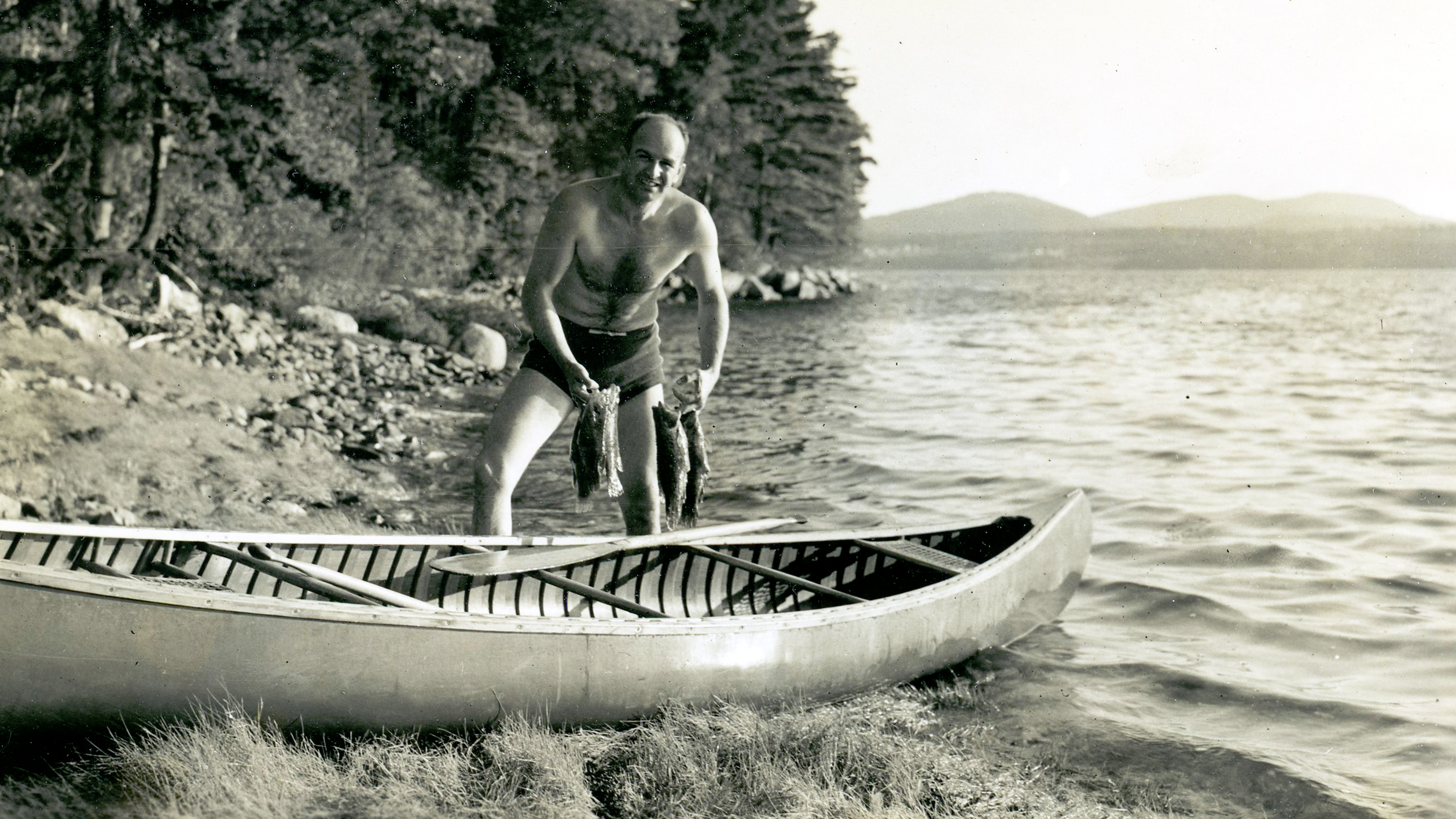
Fishing in Acadia connects you to a rich cultural heritage that dates back thousands of years to the Wabanaki people, who sustainably harvested these waters long before European settlement. Today, fishing in Acadia National Park offers not just the thrill of the catch but also a deeper connection to the land, its history, and its remarkable biodiversity.
Throughout this guide, I'll share insights gathered over years of fishing throughout Acadia, including hidden spots that many visitors miss, seasonal patterns that can dramatically improve your success, and techniques specifically tailored to the unique conditions of these waters.
Top Freshwater Fishing Spots
Acadia's freshwater fishing opportunities are diverse and rewarding, with crystal-clear lakes, secluded ponds, and bubbling streams all offering distinct experiences. Here are the premier freshwater fishing spots that local anglers and park rangers consistently recommend:
Jordan Pond
Jordan Pond stands as one of Acadia's crown jewels for freshwater fishing. This pristine 187-acre pond reaches depths of 150 feet and is renowned for its exceptional water clarity – you can often see down 45 feet or more. The pond's cold, deep waters create the perfect habitat for:
- Landlocked salmon - These fighters put up an incredible battle, especially in spring and fall
- Lake trout - Often found in deeper waters, particularly during summer months
- Brook trout - Native species that thrive in the pond's clean, cold environment
For the best results at Jordan Pond, try trolling with sinking line during summer when fish seek deeper, cooler waters. In spring and fall, casting near shoreline structures can be productive as fish move into shallower areas. Canoes or kayaks are ideal here, as motorized boats are limited to 10 horsepower or less.
My personal tip: The north end of the pond, where a small stream enters, can be particularly productive in early morning hours. I've landed some of my largest brook trout here using small streamers that imitate native baitfish.
Eagle Lake
At 436 acres, Eagle Lake is Acadia's largest lake and offers some of the park's most consistent fishing for landlocked salmon, brook trout, and lake trout. The lake features varied underwater structure, including deep basins, underwater ridges, and shallow coves that each hold different species throughout the seasons.
Eagle Lake is especially noted for its healthy population of landlocked salmon, with specimens occasionally reaching 5+ pounds. Like Jordan Pond, motors are limited to 10 horsepower, preserving the tranquil setting while still allowing for effective trolling techniques.
Best fishing strategies for Eagle Lake include:
- Spring and fall: Focus on shallower areas near stream inlets with streamers or spoons
- Summer: Downriggers or lead-core line to reach fish holding in deeper, cooler water
- Early morning and evening provide peak activity, particularly for surface feeding
Access to Eagle Lake is available via the carriage road system or from Route 233, where you'll find a boat launch suitable for small watercraft.
Lower Hadlock Pond
This often-overlooked gem offers excellent fishing opportunities with less pressure than the larger, more famous lakes. At 40 acres, Lower Hadlock Pond provides an intimate fishing experience with healthy populations of:
- Brook trout (both stocked and wild)
- Brown trout
- Pumpkinseed sunfish
- White perch
- Occasional bullhead catfish
As a local ranger recently told me, "Lower Hadlock is my top location because of its great parking access, fishability, and bathroom across the street." The pond features a perfect fishing rock that can accommodate multiple anglers comfortably, plus a spot near the dam where larger groups can fish together.
Fly fishing enthusiasts will appreciate the pond's manageable size for shore casting, while spin anglers find success with small spoons and spinners. This is also an excellent spot for introducing children to fishing, as the abundant sunfish provide consistent action.
Witch Hole Pond
For anglers seeking native brook trout in a picturesque setting, Witch Hole Pond delivers consistently. This 28-acre pond in Bar Harbor is regularly stocked with brook trout (approximately 42 fish per acre each fall) and features easy access from town.
Internal combustion engines are prohibited on Witch Hole Pond, making it perfect for canoes, kayaks, float tubes, or shore fishing. While the pond can be fished year-round, including ice fishing in winter, summer fishing typically requires a watercraft to reach trout that retreat to deeper water.
Witch Hole's relatively small size means you can thoroughly explore it in a single outing, testing different techniques and locations to pattern the fish. Early season (April-June) typically produces the best action before summer temperatures push trout deeper.
Stream Fishing for Brook Trout
While Acadia's lakes and ponds receive most of the fishing attention, the park's small streams hold populations of wild, native brook trout that offer a different kind of fishing challenge. These gems include:
- Hunter's Brook - Accessible via the Hunter's Brook Trail or from Hunter's Beach Cove
- Stanley Brook - Near Seal Harbor (requires some bushwhacking to access)
- Richardson Brook - A feeder stream for Bubble Pond
- Jordan Stream - Flows from Jordan Pond
- Little Harbor Creek - East of Asticou
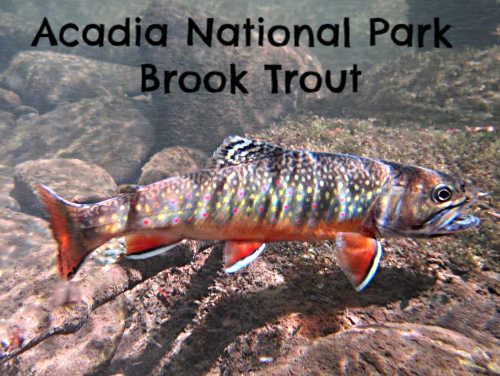
Stream fishing in Acadia requires light tackle, stealthy approaches, and often creative casting to navigate overhanging vegetation. The brook trout are typically smaller (2-4 inches) than their lake-dwelling cousins but display vibrant colors and feisty attitudes.
Note that stream fishing is only permitted from April 1 through August 15, with additional restrictions allowing only artificial flies and lures from August 16-September 30. All streams are closed to fishing from October 1 through March 31.
Prime Saltwater Fishing Locations

Acadia's dramatic coastline offers some of the most unique and exciting saltwater fishing opportunities on the eastern seaboard. Unlike freshwater fishing, shore fishing in Acadia doesn't require a license (though regulations still apply). Here are the prime saltwater fishing spots that deliver consistently exciting action:
Sargent Drive (Somes Sound)
Somes Sound is often called the only true fjord on the eastern coast of the United States, creating a unique ecosystem where saltwater species thrive. Sargent Drive runs along this remarkable geological feature, providing multiple access points for anglers.
The deep waters of Somes Sound attract:
- Striped bass (particularly during summer migrations)
- Mackerel (abundant July through September)
- Bluefish (sporadic but exciting when present)
- Pollock (reliable action most of the season)
Fishing techniques that work well here include casting metal lures like Hopkins or Kastmaster spoons, using Sabiki rigs for mackerel, or trying surface plugs for striped bass during early morning or evening feeding periods.
Tidal movements significantly impact fishing success in Somes Sound. I've found the incoming tide, particularly the middle to last third of the flood tide, produces the most consistent action as baitfish are pushed toward shore. Check tide schedules before planning your trip.
Frazer Point (Schoodic Peninsula)
Located on the Schoodic Peninsula portion of Acadia, Frazer Point offers excellent saltwater fishing opportunities in a less-crowded setting than many of the Mount Desert Island locations. The point provides good access to deeper water, with mackerel being the most reliable catch from mid-July through September.
The Frazer Point pier provides a perfect platform for anglers of all abilities, including families with children and those with mobility challenges. While mackerel are the primary catch, pollock, harbor fish, and occasional striped bass also make appearances.
Light spinning tackle with small metal lures works exceptionally well here, as does the use of Sabiki rigs when schools of mackerel are present. Early morning fishing typically yields the best results before the day's boat traffic disturbs the water.
Otter Cliffs and Thunder Hole
For the more adventurous angler, the dramatic cliffs along Acadia's eastern shore offer some of the most exciting—and challenging—fishing opportunities in the park. Fishing from these locations requires extreme caution due to slippery rocks and unpredictable waves, but the rewards can be substantial.
From these elevated positions, anglers can cast into deeper water without needing a boat, accessing:
- Pollock (often present in large schools)
- Mackerel (especially during summer months)
- Striped bass (when chasing bait close to shore)
- Various groundfish species
When fishing these clifftop locations, bring:
- Longer, heavier rods (9-10 feet) to manage the distance to the water
- Non-slip footwear with excellent traction
- A fish retrieval system (collapsible net with extended handle or fish grip on a rope)
- Safety gear including personal flotation if fishing areas close to the water's edge
Always check weather and surf conditions before heading to these exposed areas, and never fish alone from the cliffs. When conditions align, however, these spots offer a fishing experience unlike any other, with spectacular views and exciting action.
Duck Harbor (Isle au Haut)
For anglers willing to venture to the less-visited Isle au Haut portion of Acadia, Duck Harbor offers exceptional fishing opportunities away from crowds. Accessible by mail boat from Stonington, this remote location provides both a pier and shoreline access for fishing.
The deep, cold waters around Duck Harbor attract various species including pollock, mackerel, and occasional cod. The pier provides a stable platform for fishing, while the surrounding shoreline offers opportunities to explore and find productive pockets holding fish.
Due to its remote location, fishing pressure is minimal, and fish tend to be less wary than in more heavily trafficked areas. The island's limited services mean you should bring all necessary gear and supplies for a full day of fishing.
Seasonal Fishing Guide
Understanding the seasonal patterns in Acadia is crucial for fishing success. Each season in Acadia National Park offers distinct fishing opportunities, challenges, and techniques:
Spring (April-June)
Spring offers some of the year's best fishing in Acadia as waters warm and fish become increasingly active after winter's dormancy.
- Freshwater: This is prime time for brook trout and landlocked salmon as they feed aggressively in the shallows. Focus on areas where streams enter lakes and ponds, as fish congregate to feed on emerging insects and baitfish.
- Recommended lakes: Eagle Lake, Jordan Pond, and Bubble Pond all shine during this period.
- Streams: Small streams warm faster than lakes, making early spring an excellent time for pursuing native brook trout in moving water.
- Saltwater: Early striped bass begin their migration into Maine waters in late spring, with numbers building through June.
During spring, fish are typically found closer to the surface and in shallower waters, making this an ideal time for shore fishing or using lightweight tackle from small watercraft. Insect hatches become increasingly important, with mayflies, caddisflies, and midges all playing significant roles in feeding patterns.
Summer (July-August)
Summer brings warmer water temperatures, changing the fishing dynamic significantly:
- Freshwater: Cold-water species like trout and salmon retreat to deeper, cooler waters during peak summer. Special fishing gear, such as lead core line or downriggers, becomes essential for reaching these depths. Early morning and evening fishing becomes more productive as fish may move shallower during these cooler periods.
- Streams: Small streams may warm to uncomfortable temperatures for brook trout, concentrating them in spring-fed sections or deeper pools. Approach with stealth, as low, clear water makes fish warier.
- Saltwater: This is peak season for saltwater fishing, with mackerel abundant along the coast, striped bass in full migration, and occasional bluefish making appearances. Somes Sound and Frazer Point reach their prime during July and August.
Summer is also the busiest season for park visitors, so consider fishing during early morning hours to avoid crowds and enjoy the most productive fishing periods. Kayak fishing becomes particularly effective during summer, allowing you to access areas away from shore crowds.
Fall (September-October)
Many experienced anglers consider fall the absolute best time for fishing in Acadia:
- Freshwater: Cooling water temperatures bring trout and salmon back to shallower waters, creating excellent opportunities for shore fishing and fly fishing. Landlocked salmon become more aggressive as they prepare for spawning.
- Lakes to target: Eagle Lake, Jordan Pond, and Long Pond all provide excellent fall fishing.
- Streams: Note that many streams close to fishing on August 16 or have special regulations limiting tackle to artificial lures and flies only. Always check current regulations.
- Saltwater: Fall brings some of the largest striped bass of the season as they feed heavily before southern migration. Mackerel numbers typically decline by October.
Fall also brings changing foliage, providing a spectacular backdrop for fishing adventures in Acadia. The reduced tourist crowds mean more solitude on the water and less pressure on fish populations.
Winter (November-March)
While many Acadia fishing opportunities close during winter, ice fishing presents a unique and rewarding experience:
- Ice fishing: Generally available from January through March on many of the park's larger lakes and ponds.
- Target species: Brook trout, lake trout, and chain pickerel are primary winter targets.
- Popular locations: Eagle Lake, Long Pond, and Seal Cove Pond.
- Safety: Always verify safe ice thickness before venturing out (minimum 4 inches of clear ice).
Winter fishing requires specialized gear and cold-weather preparation, but the solitude and unique experience of catching fish through the ice make it well worth the effort for dedicated anglers.
Essential Gear & Equipment
The diverse fishing environments in Acadia require thoughtful gear selection. Here's what you'll need for a successful fishing experience in the park:
Freshwater Lake & Pond Fishing
- Rods and Reels: Medium-action spinning combos (6-7 foot) work well for general lake fishing. For targeting landlocked salmon and lake trout, consider medium-heavy rods that can handle larger lures and fish.
- Line: 6-8 lb test monofilament for general fishing, 10-12 lb for targeting larger species. Fluorocarbon leaders are helpful in the crystal-clear waters of Jordan Pond and Eagle Lake.
- Terminal Tackle: Assortment of small to medium spoons (like Thomas Buoyant), inline spinners (like Mepps Aglia), and small crankbaits.
- Trolling Gear: For summer fishing, lead-core line or downriggers help reach fish in deeper, cooler water.
- Live Bait: Where permitted, worms and shiners are effective, particularly for brook trout. Check regulations as some waters restrict bait use.
Stream Fishing
- Ultralight Spinning: Ultralight spinning rods (4-5 foot) with 2-4 lb test line and small spinners work wonderfully in Acadia's small streams.
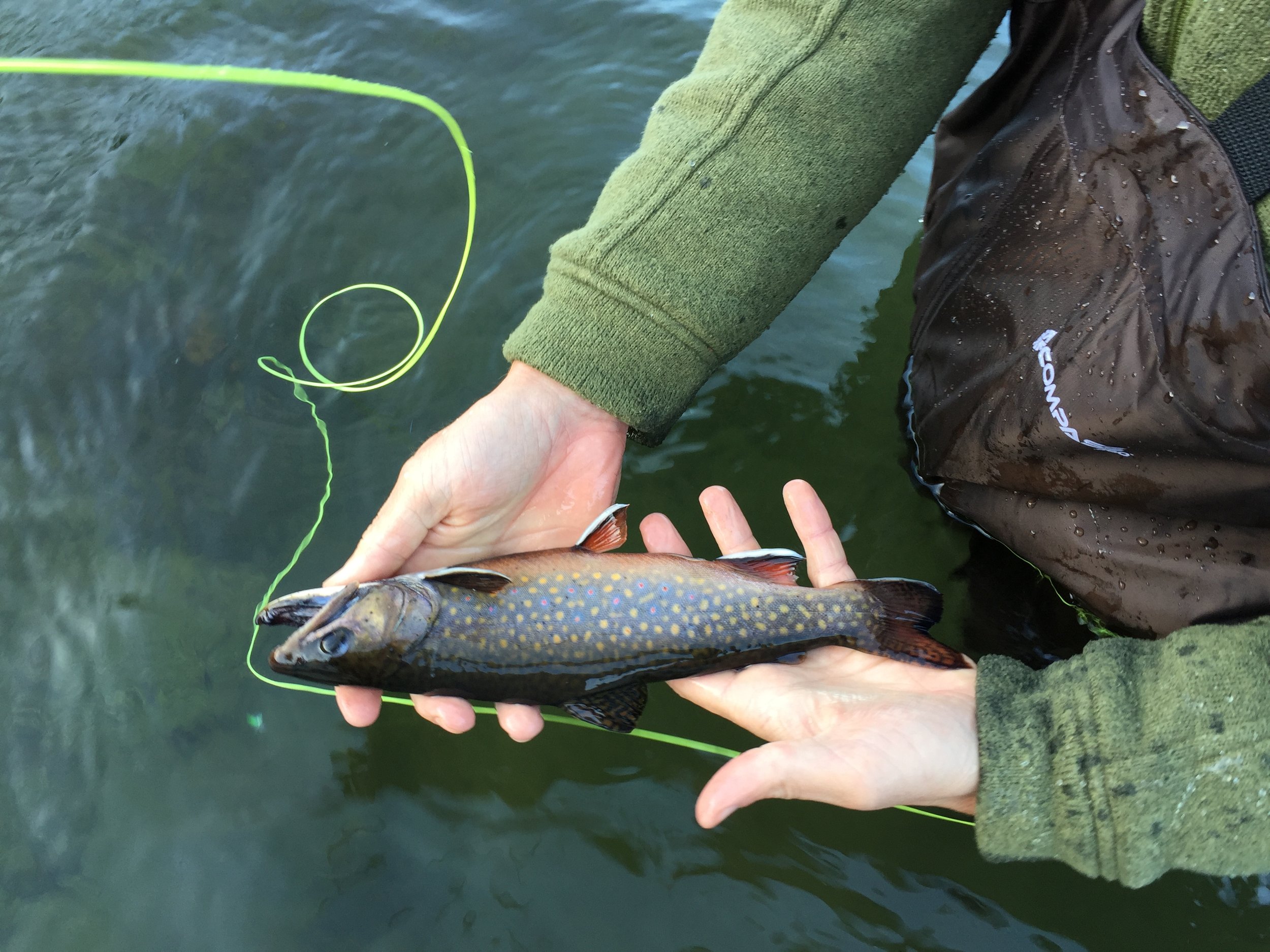
- Fly Fishing Gear: 3-4 weight fly rods (7-8 foot) are perfect for small streams. A 9-foot 5-weight offers versatility for both streams and pond edges.
- Flies: Small dry flies (sizes 14-20) like Adams, Elk Hair Caddis, and Blue-Winged Olives; nymphs like Pheasant Tail and Hare's Ear; and small streamers like Woolly Buggers in sizes 10-14.
- Waders: Breathable chest waders with felt or rubber soles help navigate Acadia's streams while staying dry.
Saltwater Fishing
- Rods: Medium to medium-heavy spinning rods (7-9 foot) capable of casting 1-3 oz lures.
- Reels: Saltwater-rated spinning reels with smooth drags. Penn Battle and Shimano Sahara are excellent choices.
- Line: 15-20 lb monofilament or 20-30 lb braided line with fluorocarbon leaders.
- Lures: Metal jigs and spoons (1-3 oz), swimming plugs, and Sabiki rigs for mackerel.
- Terminal Tackle: Wire leaders when bluefish are present.
- Fish Landing Tools: Lip grippers, nets with extended handles, or rope systems for retrieving fish from cliff locations.
General Accessories
- Watercraft: Canoes, kayaks, or small boats significantly expand fishing opportunities. Inflatable kayaks offer great portability for travelers.
- Personal Flotation Device: Required by law and essential for safety.
- Polarized Sunglasses: Critical for spotting fish and submerged hazards.
- Weather Protection: Quick-dry clothing, rain gear, and sun protection.
- Navigation: Maps, compass, or GPS devices to navigate Acadia's extensive waterways.
- First Aid Kit: Including items for treating hook injuries and basic medical needs.
Having fished Acadia extensively, I've found versatility is key. I typically pack a 5-weight fly rod for stream and pond edge fishing, a medium spinning outfit for general lake fishing, and a heavier saltwater setup for coastal adventures. This combination covers nearly all fishing situations you'll encounter in the park.
Regulations & Conservation
Fishing in Acadia National Park is governed by specific regulations designed to protect and preserve its unique aquatic resources. Understanding and following these regulations is essential for responsible angling:
Licensing Requirements
- Freshwater Fishing: A valid Maine fishing license is required for anglers 16 years of age or older (Maine residents) or 12 years or older (non-residents).
- Saltwater Fishing: No license required for recreational saltwater fishing from shore or private boats.
- Where to Purchase: Licenses can be bought online through the Maine Department of Inland Fisheries and Wildlife or at local retailers in Bar Harbor, Southwest Harbor, and surrounding towns.
- Special Permits: A free special use permit signed by the park superintendent is required to transport weapons, traps, or nets across park lands to access the Great Ponds.
Fishing regulations in Acadia vary by location, season, and species. Here are the key regulations to know:
Freshwater Regulations
- Season: Freshwater fishing is generally permitted April through September, though specific waters may have different regulations.
- Stream Fishing: All freshwater streams within Acadia National Park on Mount Desert Island are closed to fishing from October 31 to March 31.
- Protected Streams: Lurvey Spring Brook (tributary to Echo Lake) and Upper Hadlock Brook (tributary to Upper Hadlock Pond) are closed to fishing year-round to protect native fish populations.
- Methods: In freshwaters, fish may only be taken by hook and line, with the rod or line being closely attended.
- Bait Restrictions: Live or dead minnows, bait fish, amphibians, and non-preserved fish eggs are prohibited in certain waters. Check current regulations before using bait.
Great Ponds Regulations
Great Ponds are regulated by the State of Maine rather than federal park regulations. Within Acadia National Park, the Great Ponds include:
- Aunt Betty Pond
- Bubble Pond
- Eagle Lake
- Jordan Pond
- Upper Hadlock Pond
- Witch Hole
- Lake Wood
Great Ponds bordered by the park include Echo Lake, Hodgdon Pond, Seal Cove Pond, Long Pond (Mount Desert Island and Isle au Haut), Lower Hadlock Pond, and Round Pond.
Motor Restrictions
Acadia National Park has specific regulations regarding watercraft motors:
- Motors over 10 horsepower prohibited: Eagle Lake, Echo Lake, Hodgdon Pond, Jordan Pond, Lower Hadlock Pond, Seal Cove Pond, Upper Hadlock Pond
- Internal combustion engines prohibited: Bubble Pond, Round Pond, Witch Hole Pond
- No motors allowed: Half Moon Pond, Lower and Upper Breakneck Ponds
- No horsepower limit: Long Pond
Conservation Practices
As stewards of these pristine waters, anglers should practice conservation-minded fishing:
- Catch and Release: Consider practicing catch and release, especially for native brook trout. When releasing fish, use barbless hooks, wet your hands before handling fish, and minimize time out of water.
- Invasive Species Prevention: Clean your boat and fishing gear thoroughly between water bodies to prevent the spread of invasive species. Remove all plants and drain all water from your equipment before leaving any water access.
- Pack Out Trash: Leave no trace by packing out all trash, including fishing line, which can be deadly to wildlife.
- Mercury Advisories: Be aware that some fish may contain elevated levels of mercury. Check the Maine consumption advisories, especially for pregnant women, nursing mothers, and young children.
- Public Water Supplies: Several lakes and ponds serve as public drinking water supplies where swimming, wading, and pets are prohibited. Follow posted regulations at these locations.
By following these regulations and conservation practices, we can ensure that the remarkable fishing opportunities in Acadia National Park remain available for generations to come.
My Experience & Tips
After years of exploring Acadia's waters through every season, I've gathered insights and experiences that may help enhance your fishing adventure. Here's what I've learned:
My Favorite Hidden Spot
While the popular fishing locations like Eagle Lake and Jordan Pond are excellent, I've found a particular section of Stanley Brook near Seal Harbor that holds surprisingly large brook trout. The access requires some bushwhacking through dense foliage (follow Stanley Brook Road and look for spots where the creek passes under the road), but the effort is rewarded with pools holding colorful native brookies that rarely see fishing pressure.
Another overlooked gem is Lake Wood on the northwest side of the park. As a park ranger once told me, "Lake Wood is situated in a more secluded area, frequented mostly by high school students and nudists." Despite this unusual clientele mix, it holds diverse fish species including salmon, brook trout, pumpkinseed, and chain pickerel. Early morning visits avoid both crowds and provide the best fishing.
Seasonal Secrets
My most successful pattern for spring fishing has been targeting the northern shorelines of lakes and ponds, which warm faster due to increased sun exposure. In summer, I've found success fishing Jordan Pond by using a clear intermediate sinking line and slowly retrieving streamers along the deeper drop-offs during midday heat.
For fall fishing, nothing beats the landlocked salmon action on Eagle Lake during the first two weeks of October. The salmon become increasingly aggressive as they prepare for spawning, creating some of the most exciting fishing of the year. I focus on areas where underwater ridges or points extend into deeper water, especially during early morning hours.
Lessons Learned the Hard Way
During my first attempt at fishing from Otter Cliffs, I learned a painful lesson about proper footwear. The combination of sea spray and algae-covered rocks creates an incredibly slippery surface. After a frightening slip that nearly sent me into the churning Atlantic, I now exclusively wear felt-soled wading boots with metal studs when fishing these locations.
I've also learned to always check tide tables before planning coastal fishing trips. An early fishing adventure at Frazer Point taught me that timing is everything—I arrived at dead low tide when fish were holding far from shore, making for a frustrating few hours. Now I aim to fish the middle to final third of the incoming tide for best results.
Tips from Local Rangers
One of the most valuable pieces of advice came from a veteran park ranger who suggested focusing on "transition zones" where shallow water meets deeper areas, particularly in early summer when water temperatures are still comfortable for cold-water species but insect activity increases near shore.
Another ranger tip that proved invaluable was to visit the local tackle shops before hitting the water. The staff at shops in Bar Harbor and Southwest Harbor have up-to-date information on what's working, often sharing specific locations and techniques that aren't widely published.
User Reviews & Experiences
Here are some insights from other anglers who've fished Acadia:
"We went to Otter Cliffs with a sabiki rig and caught some pollock. Casting a 2 oz. lure from 200+ feet up and watching it disappear into the ocean below was quite the experience! Make sure to bring a backpack with extra weights as you'll lose a few to the rocky bottom."
- Reddit user Tide_Chaser
"Lower Hadlock was my top location because of its great parking access, fishability, and bathroom across the street. In fishing Hadlock for a week I was able to catch or see Pumpkinseed (sunfish), Shiners, Bullhead Catfish, and Brook trout. The rock by the shore could fit at least 6 anglers comfortably."
- Park Junior Ranger Program Leader
"I caught my first Pickerel ever at Lake Wood and it was awesome. It hit a topwater lure, so I got to see it come out of the water to bite. Pickerel are extremely aggressive hunters and I was shown that firsthand. This is definitely a spot that doesn't get as much attention as the more famous lakes."
- Amazon reviewer MaynardG
Frequently Asked Questions
Do I need a fishing license to fish in Acadia National Park?
Yes, a valid Maine fishing license is required for freshwater fishing in Acadia National Park. Maine residents age 16 and older and non-residents age 12 and older must have a license. Saltwater fishing from shore does not require a license in Maine. Licenses can be purchased online through the Maine Department of Inland Fisheries and Wildlife or at local sporting goods stores and town offices in Bar Harbor, Southwest Harbor, and other nearby communities. Children under the qualifying age can fish without a license, making this a great family activity.
What are the best fishing spots for families with children?
For families with children, I highly recommend Lower Hadlock Pond and Echo Lake Beach (during non-swimming season). Both locations offer easy access, comfortable fishing areas, nearby restroom facilities, and abundant fish populations that provide consistent action. Sunfish and perch are common catches that delight young anglers. The Frazer Point pier on the Schoodic Peninsula is another excellent option for families, offering safe, accessible fishing for mackerel during summer months. Simple bobber-and-worm setups work well in freshwater locations, while small metal lures or Sabiki rigs produce consistent action at saltwater spots.
When is the best time of year to fish for brook trout in Acadia?
The prime seasons for brook trout fishing in Acadia are spring (April through early June) and fall (September through October). During spring, brook trout actively feed near the surface as water temperatures warm and insect hatches increase. Fall brings another period of heightened activity as water temperatures cool and brook trout prepare for spawning. Summer can be challenging for brook trout fishing as these cold-water species retreat to deeper waters when surface temperatures rise. For stream fishing specifically, May and early June offer the ideal combination of comfortable water temperatures, active fish, and manageable water levels before summer heat impacts smaller waterways.
What fishing gear should I bring if I'm traveling to Acadia?
For travelers with limited space, a versatile setup would include a 6'6" medium-action spinning rod with a quality reel spooled with 8-pound test monofilament line. This combination works well for both freshwater species and smaller saltwater fish. Pack an assortment of small spinners (like Rooster Tails and Mepps), spoons (like Kastmasters and Little Cleos in 1/8 to 1/4 oz), and a few small plugs. Add a small selection of hooks, split shot, and bobbers if you plan to use bait. If you're specifically targeting saltwater species from shore, consider adding a few heavier lures (1-2 oz) and Sabiki rigs for mackerel. Most importantly, don't forget polarized sunglasses to help spot fish and underwater structure in Acadia's clear waters.
Are there guided fishing tours available in Acadia National Park?
Yes, several reputable guide services operate in and around Acadia National Park. Acadia Fly Fishing offers specialized guided trips for both freshwater and saltwater species, with services tailored to all experience levels. Maine State Guides operating out of Bar Harbor and Southwest Harbor provide half-day and full-day fishing excursions on both fresh and saltwater. For those interested in deep-sea fishing beyond the park boundaries, charter services operate from Bar Harbor, Northeast Harbor, and Southwest Harbor, targeting groundfish, shark, and tuna. Booking in advance is highly recommended, especially during the peak summer season when guide availability becomes limited. Most guides provide all necessary equipment, though you're welcome to bring your own if preferred.
Conclusion
Acadia National Park offers some of the most diverse and rewarding fishing opportunities in the eastern United States. From pristine mountain ponds holding native brook trout to dramatic coastal cliffs where mackerel and striped bass patrol, there's truly something for every angler to enjoy in this remarkable landscape.
The best fishing spots in Acadia National Park include:
- For freshwater fishing: Jordan Pond, Eagle Lake, Lower Hadlock Pond, and Witch Hole Pond stand out as premier destinations with healthy populations of brook trout, landlocked salmon, and other species.
- For stream fishing: Hunter's Brook, Stanley Brook, and Jordan Stream offer intimate settings for pursuing native brook trout.
- For saltwater adventures: Sargent Drive along Somes Sound, Frazer Point on the Schoodic Peninsula, and the dramatic Otter Cliffs provide exciting opportunities for mackerel, striped bass, and pollock.
To make the most of your fishing experience in Acadia, timing is crucial. Spring and fall typically offer the best freshwater fishing as cold-water species become more active in shallower waters. Summer brings peak saltwater fishing along the coast, while winter opens up ice fishing opportunities on certain lakes and ponds.
Always remember that your fishing license and adherence to regulations support conservation efforts that ensure these fishing opportunities remain available for future generations. Learning about the fish species in Acadia's lakes and practicing catch-and-release when appropriate helps preserve these fragile ecosystems.
Whether you're casting for brook trout in a secluded mountain pond, pursuing landlocked salmon in Eagle Lake, or experiencing the thrill of hooking a striped bass along the rocky coast, fishing in Acadia National Park connects you to a rich tradition and natural heritage that spans thousands of years. The combination of spectacular scenery, diverse fishing opportunities, and the chance to create lasting memories makes Acadia a must-visit destination for anglers of all experience levels.
So pack your gear, secure your license, and prepare for an unforgettable fishing adventure in one of America's most beloved national parks. The waters of Acadia await, promising both serenity and excitement for those willing to explore all they have to offer. And when planning your next outdoor adventure, remember that family fishing trips to Acadia create memories that will last a lifetime.