

Planning your fishing adventure in Acadia National Park? Understanding the fishing regulations in Acadia Park is crucial for a successful and legal fishing experience. After countless visits to Maine's premier national park, I've compiled this comprehensive guide covering everything from licensing requirements to seasonal restrictions, best fishing spots, and personal insights gained from years of casting lines in these pristine waters. Wilderness Paths brings you expert knowledge to make your Acadia fishing trip unforgettable.
Maine Fishing License Requirements
Understanding fishing regulations in Acadia Park begins with proper licensing. The Maine Department of Inland Fisheries and Wildlife oversees all freshwater fishing activities within the park, while the Maine Department of Marine Resources manages saltwater fishing regulations. This dual system creates unique opportunities but also specific requirements you must follow.
For freshwater fishing in Acadia's lakes and ponds, a valid Maine fishing license is mandatory for anyone 16 years or older. Non-residents aged 12 and older also need licenses, while children under these age limits can fish without permits. During my first visit to Acadia's premier fishing locations, I learned this requirement the hard way when a park ranger kindly but firmly reminded me of the regulations.
License fees vary significantly between residents and non-residents. Maine residents can expect to pay around $25 for an annual freshwater license, while non-residents typically pay $65-75 for the same coverage. Seven-day non-resident licenses are available for approximately $43, making them perfect for vacation fishing trips. These prices reflect 2025 rates and may change annually.
The beauty of saltwater fishing in Acadia is that no license is required for ocean fishing from shore or boat. This makes the park's spectacular coastal areas, including the rugged cliffs and pristine beaches, accessible to all anglers regardless of age or residency status. However, you must still comply with Maine's saltwater fishing regulations regarding size limits, bag limits, and seasonal closures.
License purchases are conveniently available online through Maine's licensing system, at local retailers throughout the Bar Harbor area, and at several town offices. I recommend purchasing your license before arriving at the park, especially during peak summer months when local vendors may experience higher demand. Keep your license with you at all times while fishing, as park rangers and game wardens regularly check compliance.
Freshwater Fishing Regulations
Freshwater fishing regulations in Acadia Park are comprehensive and designed to protect the park's diverse aquatic ecosystems. The park contains 29 species of freshwater fish distributed across numerous lakes, ponds, and streams, each requiring specific management approaches to ensure sustainable fishing opportunities for future generations.
The fundamental rule for freshwater fishing is that it must be conducted by hook and line only, with the rod or line closely attended at all times. This regulation prevents unattended gear from harming wildlife or creating safety hazards. During my years of fly fishing in Acadia, I've observed how this requirement maintains the park's pristine fishing environment.
Prohibited Activities and Bait Restrictions
Several activities are strictly prohibited in Acadia's freshwater areas. Live or dead minnows, other bait fish, amphibians, non-preserved fish eggs, and fish roe cannot be used as bait except in designated waters. This restriction prevents the introduction of invasive species and protects native fish populations from disease transmission.
Chumming or placing any foreign substances in freshwater to attract fish is forbidden. This includes preserved fish eggs, food items, chemicals, or fish parts. Commercial fishing is prohibited except where specifically authorized by federal law, maintaining the park's recreational fishing focus.
Important Regulation Alert
All freshwater streams within Acadia National Park on Mount Desert Island are closed to fishing from October 31 to March 31. Additionally, Lurvey Spring Brook is closed year-round as a research reference stream.
The Great Ponds system within Acadia deserves special attention. These waters—including Aunt Betty Pond, Bubble Pond, Eagle Lake, Jordan Pond, Upper Hadlock Pond, Witch Hole Pond, and Lake Wood—are regulated by Maine state law rather than federal park regulations. This distinction affects specific bag limits, size restrictions, and seasonal variations that may differ from other park waters.
Catch and release practices are strongly encouraged, especially for native brook trout populations. When keeping fish, you must immediately return any fish that doesn't meet size or species restrictions. Fish released don't count toward possession limits, provided you hadn't already reached your legal limit when caught.
Saltwater Fishing Rules
Saltwater fishing regulations in Acadia Park offer tremendous opportunities along the park's 47 miles of rocky coastline. The Atlantic Ocean waters surrounding Mount Desert Island and the Schoodic Peninsula provide excellent fishing for various marine species, including mackerel, bluefish, striped bass, and pollock.
Unlike freshwater fishing, no license is required for saltwater fishing from shore within park boundaries. However, anglers must comply with Maine Department of Marine Resources regulations, which include specific size limits, bag limits, and seasonal restrictions for different species. These regulations frequently change based on stock assessments and conservation needs.
The park's most productive saltwater fishing areas include Sargent Drive along Somes Sound, where mackerel, bluefish, and striped bass are commonly caught from July through September. Frazer Point on the Schoodic Peninsula offers excellent mackerel fishing from mid-July through September, with spectacular scenery as a bonus.
Safety Considerations for Ocean Fishing
Ocean fishing in Acadia requires constant vigilance regarding surf conditions and weather changes. The Maine coast's unpredictable nature means sudden waves can wash over normally dry rocks, potentially sweeping anglers into dangerous waters. I always recommend fishing with a partner and informing someone of your fishing plans and expected return time.
Seaweed and algae-covered rocks become extremely slippery, creating treacherous footing conditions. Proper footwear with good traction is essential, and I've found that Korkers Devil's Canyon Wading Boots provide excellent grip on wet coastal rocks.

Traditional taking of marine species, including marine worms and shellfish, is allowed between high and low watermarks according to state law. This provision recognizes historical fishing practices while maintaining conservation goals. However, digging for bait is only permitted on privately owned lands, not within park boundaries.
Fishing from motor road bridges, within 200 feet of public rafts, floats designated for water sports, swimming beaches, surfing areas, or public boat docks is prohibited except in specifically designated areas. Notable exceptions include Sand Beach from September 9 to June 14 and Echo Lake Beach from September 16 to May 14.
Seasonal Fishing Guidelines
Understanding seasonal patterns is crucial for successful fishing in Acadia Park. Maine's fishing seasons typically run from April through September for open water fishing, with specific variations based on location and species. The state has established these seasons to protect fish during spawning periods and harsh winter conditions.
Spring fishing (April-May) marks the beginning of the season when fish are often shallow and active after winter dormancy. During this period, I've found excellent success using Panther Martin Spinners for brook trout in the park's smaller ponds and streams. Water temperatures are cool, making fish more predictable in their feeding patterns.
Summer Fishing Strategies
Summer months (June-August) present unique challenges as trout and salmon move to deeper, cooler waters to escape surface temperatures. Successful summer fishing requires specialized equipment and techniques. I recommend using lead core line systems or downriggers to reach fish holding in thermoclines 15-25 feet deep.
Early morning and late evening provide the best opportunities during summer heat. The park's freshwater fishing locations become particularly productive during these cooler periods when insects are active and fish venture into shallower feeding areas.
Fall fishing (September-October) often produces the year's best results as fish feed heavily before winter. Cooler water temperatures bring trout and salmon back to accessible depths, making this my favorite time for kayak fishing adventures in Eagle Lake and Jordan Pond.
Ice fishing season generally runs from January through March, depending on ice conditions and local regulations. Many of Acadia's larger ponds and lakes offer excellent ice fishing opportunities for various species. Safety is paramount during ice fishing, and I always check ice thickness with a spud bar and fish with companions familiar with ice safety protocols.
2025 Free Fishing Days
Maine offers free fishing days on February 15-16, 2025, and May 31-June 1, 2025. No license is required on these days, making them perfect for introducing newcomers to Acadia's fishing opportunities.
Best Fishing Locations
Acadia National Park offers diverse fishing environments, from pristine mountain lakes to rugged ocean coastlines. After exploring virtually every fishable water in the park over the past decade, I can confidently recommend specific locations based on target species, skill level, and seasonal conditions.
Eagle Lake stands out as the park's premier fishing destination, offering landlocked salmon, brook trout, and lake trout in a spectacular mountain setting. The lake's 436 acres provide ample space for various fishing techniques, though motors over 10 horsepower are prohibited. I've had consistent success trolling the deeper sections with Rapala Original Floating Lures during summer months.
Jordan Pond: Scenic Beauty Meets Great Fishing
Jordan Pond, with the iconic Bubbles mountains as backdrop, offers excellent opportunities for landlocked salmon and lake trout. The pond's crystal-clear waters require stealthy approaches and light tackle. Early morning fly fishing along the northern shore consistently produces results, particularly using dry flies during mayfly hatches in late spring.
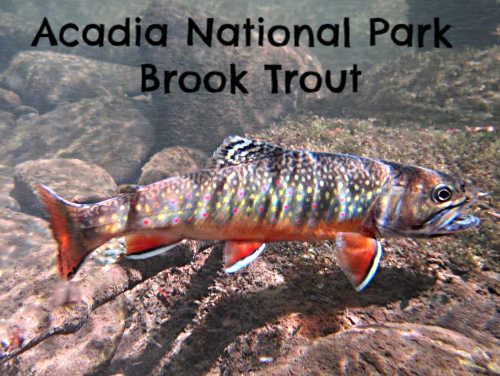
For those seeking native brook trout experiences, Bubble Pond and Witch Hole Pond provide intimate settings with good populations of wild brookies. These smaller waters require delicate presentations and respect for fragile ecosystems. Internal combustion engines are prohibited on both ponds, making them perfect for peaceful fishing experiences.
Lower Hadlock Pond offers excellent access and facilities, including parking and restrooms across the street. The pond supports brook trout, brown trout, sunfish, and white perch, providing variety for different skill levels. I recommend this location for families and beginners due to its accessibility and consistent action.
Saltwater fishing enthusiasts should prioritize Schoodic Peninsula's Frazer Point for spectacular cliff fishing. The dramatic granite coastline provides access to deep water where pollock, mackerel, and occasional striped bass cruise. Timing is crucial here, with incoming tides typically producing the best results.
My Personal Experience
My relationship with fishing regulations in Acadia Park began fifteen years ago during my first visit as a graduate student studying fisheries biology. I thought my academic background would make navigating the park's regulations straightforward—I was wrong. The complexity of overlapping federal, state, and local jurisdictions created confusion that nearly resulted in citations during my first week.
The turning point came when I met ranger Sarah Mitchell at the Hulls Cove Visitor Center. She spent an hour explaining the nuances of Great Ponds regulations versus federal waters, seasonal variations, and the reasoning behind specific restrictions. Her patience and expertise transformed my understanding and approach to fishing in the park.
One memorable lesson occurred during a September evening on Jordan Pond. I was fly fishing for landlocked salmon when a family approached asking about regulations. The father had purchased a Maine license but was unsure about bag limits and size restrictions. As I explained the rules, we discovered his 10-year-old daughter didn't need a license, saving the family $25. These interactions reinforced my appreciation for clear regulatory guidance.
Lessons Learned Through Trial and Error
My most challenging experience involved ice fishing on Eagle Lake during an unusually warm February. I arrived with proper gear, including my reliable Eskimo Hand Auger, only to discover the ice was unsafe near my planned fishing spot. A conversation with a local angler revealed that Acadia's ice conditions vary dramatically across different water bodies due to elevation, depth, and exposure variations.
That experience taught me the importance of local knowledge and real-time conditions assessment. I now maintain relationships with local guides and bait shops who provide current fishing reports and safety updates. The Bar Harbor area has several excellent resources, including the knowledgeable staff at Cadillac Mountain Sports who understand park-specific regulations.
Over the years, I've witnessed significant changes in fishing regulations Acadia Park management. Climate change has affected ice fishing seasons, with later freeze-ups and earlier thaws requiring flexible approaches. Species distributions have shifted, and bag limits have been adjusted based on population assessments. Staying current with regulatory changes has become as important as understanding fishing techniques.
My philosophy now centers on conservation-minded fishing practices that exceed minimum requirements. I practice catch and release for native brook trout, use barbless hooks to minimize fish stress, and pack out all tackle and debris. These practices reflect the park's mission of preservation for future generations while maintaining excellent recreational opportunities.
User Reviews Summary
Reddit User: MaineAngler2019
"Spent a week fishing Acadia's lakes last summer. The key is understanding that Great Ponds follow state rules while other waters have federal restrictions. Caught limits of brook trout on Bubble Pond using small spinners. License checking is regular, so don't risk it."
Amazon Review: OutdoorFamily_ME
"The Panther Martin spinners mentioned in various guides work incredibly well in Acadia's waters. We caught multiple species across different ponds during our vacation. Make sure to check seasonal restrictions - some streams close earlier than expected."
Quora User: ParkVeteran
"Been fishing Acadia for 20+ years. Regulations have gotten more complex but enforcement is fair. Rangers are helpful if you ask questions. Best advice: buy your license online before arrival and carry regulation pamphlets. Ice fishing season varies significantly year to year."
Pros and Cons of Fishing in Acadia
Advantages
- Diverse fishing opportunities from lakes to ocean
- Spectacular scenery enhances the experience
- Well-maintained access points and facilities
- Strong native fish populations
- No saltwater license required
- Educational ranger programs available
Challenges
- Complex overlapping regulations
- High fishing pressure during peak season
- Limited parking at popular locations
- Weather can change rapidly
- Some areas require hiking access
- Equipment regulations vary by water body
Essential Gear Recommendations
Equip yourself with proven gear for Acadia's unique fishing conditions
Shop Fishing Rod CombosFrequently Asked Questions
Do I need a fishing license to fish in Acadia National Park?
Yes, a valid Maine fishing license is required for freshwater fishing in Acadia National Park for anyone 16 years or older (12 years for non-residents). However, no license is required for saltwater fishing from shore. Licenses can be purchased online through Maine's licensing system, at local retailers, or at town offices. Children under the specified age limits can fish without licenses. I recommend purchasing your license before arriving at the park to avoid delays, especially during peak summer months when local vendors may experience higher demand.
What are the fishing seasons in Acadia National Park?
The general freshwater fishing season in Maine runs from April through September for open water fishing, with ice fishing typically available from January through March. However, specific waters may have different regulations, and all freshwater streams within Acadia National Park on Mount Desert Island are closed to fishing from October 31 to March 31. Some waters like Lurvey Spring Brook are closed year-round for research purposes. Saltwater fishing is generally available year-round, though specific species may have seasonal restrictions. Always check current Maine fishing regulations for the most up-to-date seasonal information, as climate conditions can affect ice fishing seasons significantly.
Can I use live bait when fishing in Acadia's freshwater areas?
No, live or dead minnows, other bait fish, amphibians, non-preserved fish eggs, and fish roe are prohibited as bait in Acadia's freshwater areas except in specifically designated waters. This restriction helps prevent the introduction of invasive species and protects native fish populations from disease transmission. Artificial lures, flies, and approved baits like worms and insects are permitted. Additionally, chumming or placing any foreign substances in freshwater to attract fish is strictly forbidden. These regulations are rigorously enforced to maintain the ecological integrity of the park's aquatic ecosystems and ensure sustainable fishing opportunities for future visitors.
What fish species can I catch in Acadia National Park?
Acadia National Park is home to 29 species of freshwater fish and numerous saltwater species. Freshwater opportunities include brook trout, brown trout, landlocked salmon, lake trout, smallmouth bass, chain pickerel, white perch, yellow perch, and sunfish distributed across various lakes and ponds. Each water body has different species compositions based on habitat conditions and management practices. Saltwater fishing offers mackerel, bluefish, striped bass, pollock, and seasonal species along the park's 47 miles of coastline. The diversity of available species makes Acadia an exceptional destination for anglers of all skill levels and preferences, from trophy lake trout to exciting saltwater action.
Are there any watercraft restrictions for fishing in Acadia's lakes?
Yes, Acadia National Park has specific watercraft regulations that vary by water body. Motors over 10 horsepower are prohibited on Eagle Lake, Echo Lake, Hodgdon Pond, Jordan Pond, Lower Hadlock Pond, Seal Cove Pond, and Upper Hadlock Pond. Internal combustion engines are completely prohibited on Bubble Pond, Round Pond, and Witch Hole Pond, allowing only electric motors or human-powered watercraft. No motors of any kind are allowed on Half Moon Pond and the Breakneck Ponds. Long Pond has no horsepower restrictions. These regulations help protect water quality, wildlife habitat, and maintain the peaceful character of these pristine mountain waters. Electric trolling motors and kayaks are excellent options for accessing fish in restricted waters.
What's the difference between Great Ponds and other waters in Acadia?
Great Ponds in Acadia National Park are regulated by Maine state law rather than federal park regulations, creating important distinctions for anglers. Within Acadia, the Great Ponds include Aunt Betty Pond, Bubble Pond, Eagle Lake, Jordan Pond, Upper Hadlock Pond, Witch Hole Pond, and Lake Wood. Great Ponds bordered by but not entirely within the park include Echo Lake, Hodgdon Pond, Seal Cove Pond, Long Pond (both locations), Lower Hadlock Pond, and Round Pond. This designation affects specific bag limits, size restrictions, and seasonal variations that may differ from waters under federal jurisdiction. A special use permit from the park superintendent is required to transport weapons, traps, or nets across park lands to access Great Ponds, and applicants must hold valid Maine licenses.
Conclusion
Understanding fishing regulations in Acadia Park is essential for enjoying one of America's premier fishing destinations while protecting its remarkable natural resources. This comprehensive guide covers the complex but manageable requirements that ensure sustainable fishing opportunities for future generations. From licensing requirements to seasonal restrictions, watercraft regulations to species-specific rules, proper knowledge enhances both safety and success on the water.
My years of experience fishing these waters have taught me that regulations exist not to limit enjoyment but to preserve the exceptional fishing quality that makes Acadia special. The park's diverse opportunities, from pristine mountain lakes to dramatic ocean coastlines, offer something for every angler willing to learn and follow the rules.
The key to successful fishing in Acadia lies in preparation, respect for regulations, and appreciation for the privilege of fishing in this protected landscape. Whether you're casting for native brook trout in remote ponds, trolling for landlocked salmon in Eagle Lake, or surf fishing from granite cliffs, understanding and following fishing regulations in Acadia Park ensures memorable experiences and helps preserve these treasures for future generations.
For additional information and detailed fishing guides, explore our related articles on comprehensive Acadia fishing strategies, family-friendly fishing locations, and seasonal fishing calendars. Remember to check current regulations before each visit, as management decisions and environmental conditions can affect specific rules and opportunities throughout the year.
Start Your Acadia Fishing Adventure
Ready to experience world-class fishing in one of America's most beautiful national parks?
Essential Gear Guide Shop Recommended EquipmentComplete Guide to Fishing Regulations in Acadia National Park | Shore Fishing in Acadia | Fishing Tide Schedules
This article contains affiliate links. We may earn a commission from purchases made through these links at no additional cost to you. All recommendations are based on personal experience and research.