

Understanding Acadia's Diverse Fishing Environments
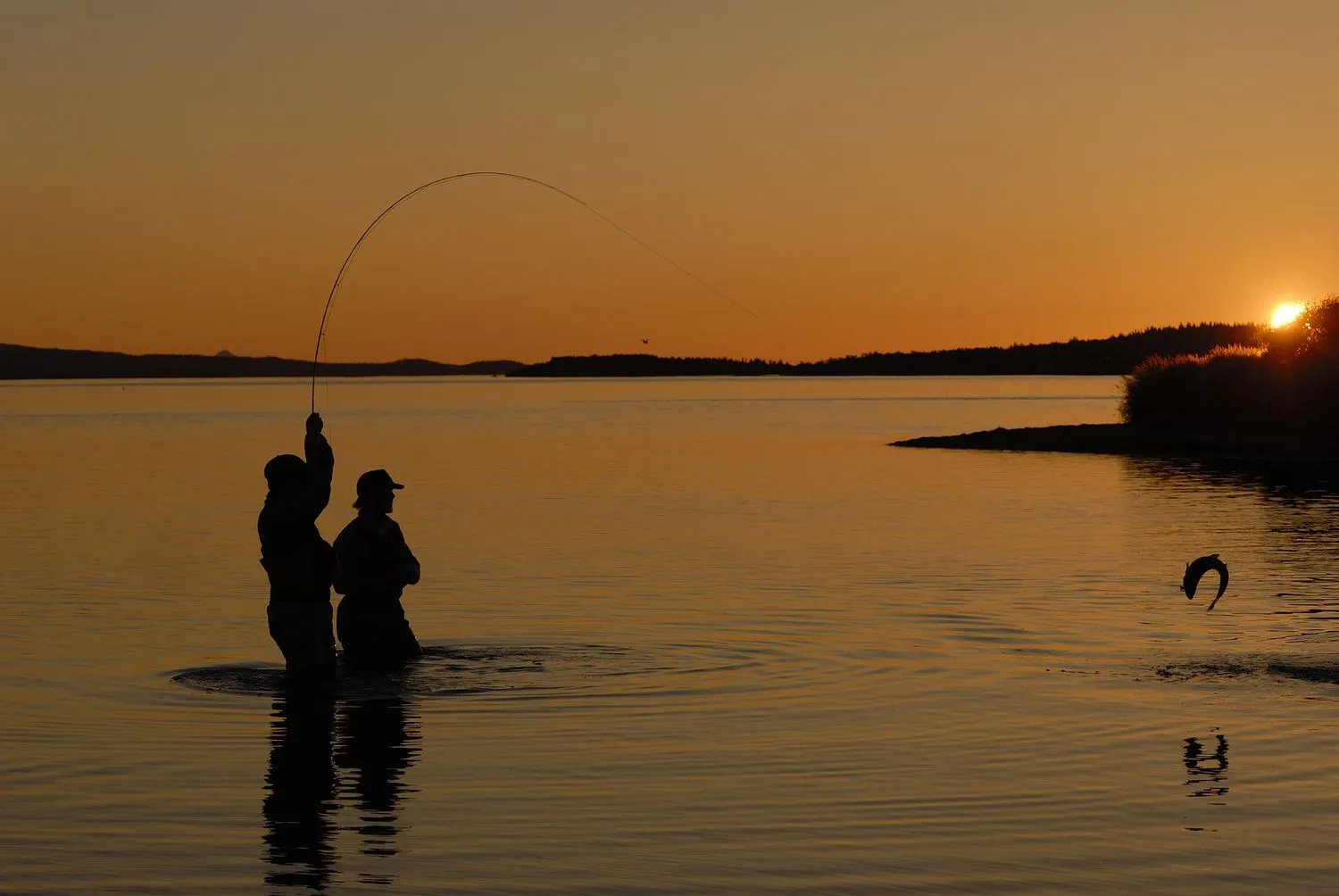
When planning your fishing adventure in Acadia National Park, understanding the diverse aquatic ecosystems is crucial for selecting the right fishing gear for Acadia Park. This magnificent 47,000-acre park on Maine's Mount Desert Island offers a remarkable variety of fishing opportunities that few other national parks can match.
Acadia National Park is a place of juxtaposed contrasts where freshwater lakes, ponds, and streams overlook sweeping forested vistas to the north, while southerly views showcase the majestic Atlantic Ocean. This unique geography creates distinct fishing environments that require different gear setups and approaches.
Freshwater Environments
The park boasts 26 lakes and ponds, with standouts including Jordan Pond, Eagle Lake, Bubble Pond, and Long Pond. These pristine waters are home to native brook trout, lake trout, landlocked salmon, and various bass species. Each water body has unique characteristics:
- Jordan Pond - Crystal-clear waters reaching depths of 150 feet, primarily harboring landlocked salmon and lake trout
- Eagle Lake - The largest lake on Mount Desert Island at 436 acres, known for excellent landlocked salmon fishing
- Bubble Pond - A smaller 32-acre pond with exceptional brook trout fishing
- Witch Hole Pond - Popular for native brook trout, easily accessible from Bar Harbor
The freshwater streams of Acadia, including Hunters Brook, Jordan Stream, and Stanley Brook, provide excellent opportunities for catching wild brook trout. These streams may be smaller in size but offer a challenging and rewarding fly fishing experience in Acadia that requires specialized gear.
Saltwater Environments
The coastal areas of Acadia National Park offer exceptional saltwater fishing opportunities. The rugged shoreline, dotted with rocky outcrops and small beaches, provides access to the Atlantic Ocean, where anglers can target mackerel, bluefish, striped bass, and pollock.
Popular saltwater fishing locations include:
- Sargent Drive along Somes Sound - Prime location for mackerel, bluefish, and striped bass from July through September
- Frazer Point on Schoodic Peninsula - Excellent for mackerel fishing from mid-July through September
- Otter Cliffs - Popular for catching pollock and occasional cod
- Sand Beach - Accessible shore fishing spot in the off-season (September to June)
The saltwater environments present unique challenges requiring specific gear designed to withstand saltwater corrosion. When selecting fishing gear for Acadia Park's coastal waters, durability and corrosion resistance should be top priorities.
Essential Freshwater Fishing Gear for Acadia's Lakes and Streams
Selecting the right freshwater fishing gear for Acadia Park requires understanding the different fishing methods and target species. Whether you're planning to fish the park's lakes, ponds, or small streams, your gear should be tailored to the specific environment.
Rods and Reels for Freshwater
For Acadia's freshwater fishing, versatility is key. Here's what I recommend based on where you'll be fishing:
- Lake Fishing: A 6-7 foot medium-action spinning rod paired with a 2500-3000 size reel is perfect for targeting landlocked salmon and lake trout in Acadia's larger lakes. Look for rods with enough backbone to handle larger fish but with a sensitive tip to detect subtle bites.
- Stream Fishing: For the park's smaller streams where native brook trout dwell, I recommend a 7-9 foot lightweight rod (3-4 weight) if you're fly fishing, or a 5-6 foot ultralight spinning setup if you prefer conventional tackle. The shorter length helps with casting in tight quarters with overhanging vegetation.
- Fly Fishing Setups: If fly fishing is your passion, a 9-foot 5-weight fly rod makes an excellent all-around choice for Acadia's waters. For smaller streams like Hunter's Brook, consider a lighter 3-weight setup.
From my experience, a 9-foot 5-weight fly rod with matching reel and floating line has proven to be the most versatile setup when I'm not sure which waters I'll be fishing during my visit. This configuration allows me to effectively fish both the lakes and larger streams in the park.
Essential Tackle and Lures
The tackle you bring to Acadia should focus on effectively targeting the primary freshwater species: brook trout, landlocked salmon, lake trout, and bass. Here's my recommended tackle list:
- For Brook Trout: Small spinners (size 0-2) in gold, silver, and copper colors; small spoons like Kastmasters or Little Cleos (1/8-1/4 oz); and small soft plastic minnows or worms.
- For Landlocked Salmon: Streamers like Wooly Buggers in sizes 8-12; small stickbaits that imitate smelt; and silver/blue spoons in the 1/4-3/8 oz range.
- For Lake Trout: Larger spoons (3/8-1/2 oz); jigging lures like Swedish Pimples or Kastmaster jigs; and soft plastic tubes or swimbaits (3-4 inches).
- For Bass: Plastic worms; swimbaits; small poppers; and 1/4 oz jigs with trailers.
For fly anglers, I recommend carrying a selection of:
- Dry flies: Adams, Elk Hair Caddis, Blue Winged Olive, and foam terrestrials in sizes 12-18
- Nymphs: Pheasant Tail, Hare's Ear, and Copper John in sizes 14-18
- Streamers: Wooly Bugger, Clouser Minnow, and Muddler Minnow in sizes 8-12
Waders and Accessories
If you plan to fish Acadia's streams or lake shores, consider these essential accessories:
- Waders: Breathable chest waders are ideal for spring and early summer, while lightweight waist-high waders work well for warmer months. Remember that water temperatures in Maine can be quite cool even in summer.
- Wading Boots: Opt for felt or rubber soles with studs for better traction on Acadia's slippery stream beds.
- Landing Net: A small, lightweight landing net with a rubber mesh is perfect for landing trout without harming them.
- Fishing Vest or Pack: Essential for carrying your gear while moving between fishing spots along streams or shorelines.
- Polarized Sunglasses: Crucial for spotting fish in clear waters and protecting your eyes from errant hooks.
When exploring fishing gear for Acadia Park's freshwater environments, prioritize lightweight, packable options that allow for mobility between the numerous fishing spots throughout the park. Many of the best fishing locations require some hiking, so equipment that's easy to carry is invaluable.
Saltwater Fishing Equipment for Acadia's Coastal Waters
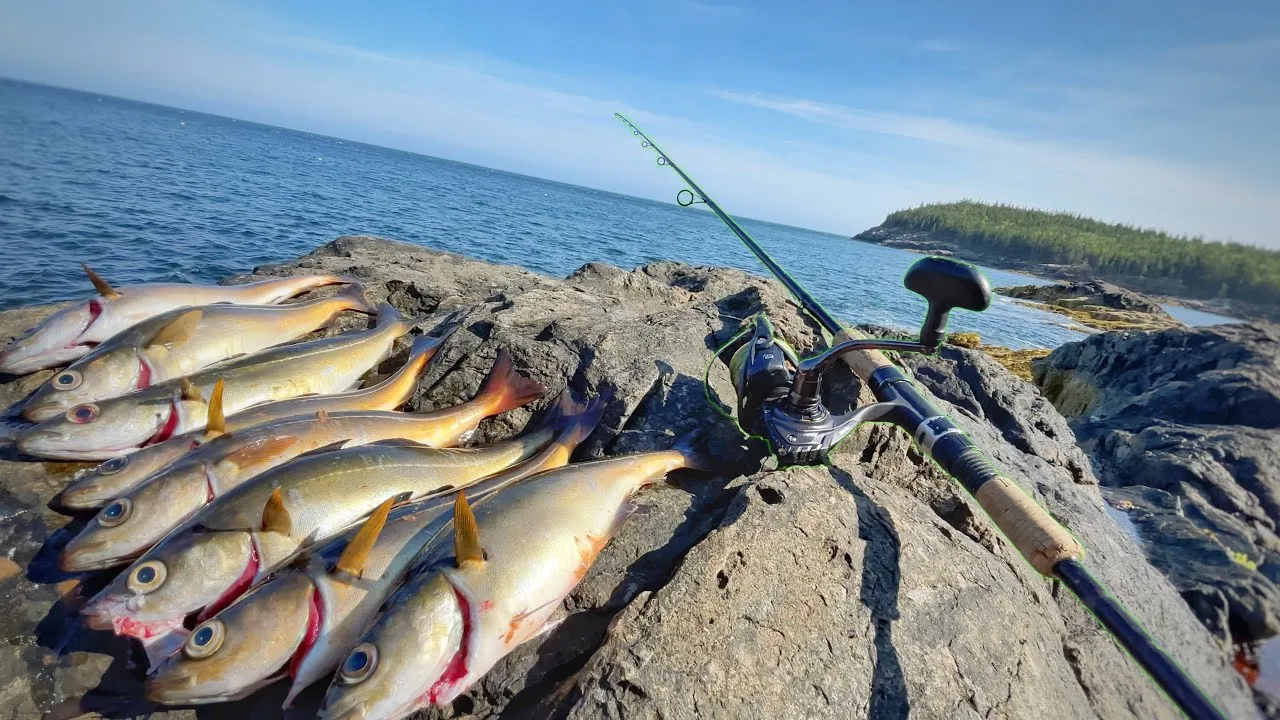
The saltwater fishing opportunities along Acadia's coastline provide a completely different experience compared to the park's freshwater environments. When selecting fishing gear for Acadia Park's saltwater areas, durability and corrosion resistance become paramount concerns. The salt air and water can quickly damage equipment not designed for these conditions.
Saltwater Rods and Reels
For saltwater fishing in Acadia, I recommend bringing equipment that can handle the rigors of the environment while being appropriate for the target species:
- Medium Spinning Setup: A 7-9 foot medium-power spinning rod paired with a 4000-5000 size reel is perfect for shore fishing for mackerel, pollock, and smaller striped bass. Look for reels with sealed bearings and rods with corrosion-resistant guides.
- Heavier Combo: For targeting larger striped bass or bluefish, consider a medium-heavy 8-10 foot rod with a 6000-size reel spooled with 20-30 lb test line.
- Fly Fishing Setup: An 8-9 weight fly rod (9-10 feet long) with a saltwater-rated reel and intermediate or sinking line works well for stripers and bluefish. Bring both floating and sinking lines to adapt to different conditions.
When I fish the coastal areas of Acadia, I typically carry a 7'6" medium-action spinning rod with a 4000-size reel spooled with 15 lb braided line and a fluorocarbon leader. This versatile setup has served me well for most saltwater species I've encountered in the park.
Remember that shore fishing in Acadia often means casting from rocky outcroppings or steep cliffs, so having a rod with good casting distance is beneficial.
Saltwater Lures and Tackle
The saltwater species in Acadia respond well to specific lures and baits. Here's my recommended saltwater tackle list:
- For Mackerel: Sabiki rigs are incredibly effective; small metal jigs (1/2-1 oz); and small silver spoons.
- For Striped Bass: Bucktail jigs (1/2-2 oz); swim shads (5-7 inches); topwater poppers; and large soft plastic jerkbaits.
- For Bluefish: Metal lures like Kastmasters or Hopkins (1-3 oz); large swimming plugs with strong hooks; and popping plugs.
- For Pollock: Diamond jigs (2-4 oz); heavy metal spoons; and deep-running swimbaits.
For fly anglers targeting saltwater species, I recommend:
- Clouser Minnows in chartreuse/white and olive/white (sizes 1/0-4)
- Surf Candies in various colors (sizes 1-2)
- Deceiver patterns in white, olive, or pink (sizes 1/0-2)
- Crab and shrimp patterns for fishing around rocky structures
Don't forget to bring wire leaders when targeting bluefish, as their razor-sharp teeth can easily cut through monofilament and fluorocarbon leaders.
Essential Saltwater Accessories
Saltwater fishing in Acadia requires some specialized accessories:
- Pliers and Hook Removal Tools: Long-nose pliers, preferably made of stainless steel or with protective coating to resist corrosion.
- Fish Gripper: Useful for safely handling toothy species like bluefish.
- Tide Chart: Crucial for planning your saltwater fishing trips, as tide movements significantly impact fish activity.
- Heavy-Duty Tackle Bag: Waterproof or water-resistant to protect your gear from salt spray.
- Sand Spikes or Rod Holders: For shore fishing, these allow you to secure your rod while waiting for bites.
- Cleaning Kit: Freshwater spray bottle and cloth to rinse salt from your equipment after each use.
One of the most important aspects of using fishing gear for Acadia Park's saltwater environments is maintenance. Always rinse your gear thoroughly with fresh water after each saltwater fishing session to prevent corrosion and extend the life of your equipment. Pay special attention to reel mechanisms, rod guides, and hooks, as these are particularly vulnerable to salt damage.
My Personal Experience Fishing in Acadia National Park
My first encounter with fishing in Acadia National Park was during a crisp May morning five years ago. The sun was just peeking over Cadillac Mountain as I made my way to Jordan Pond with what I thought was adequate fishing gear for Acadia Park. I quickly learned that fishing this pristine national treasure required more specialized equipment than I had anticipated.
Lessons from the Lakes
My initial attempts at catching landlocked salmon in Jordan Pond were humbling, to say the least. I had brought a standard 6'6" medium-action spinning rod that I used back home for bass fishing. While I eventually managed to catch a modest 14-inch salmon, a friendly local angler showed me how much more effective a longer rod would be for casting from the rocky shoreline.
He was using a 7'6" medium-light rod that allowed for much longer casts, reaching deeper water where larger salmon cruised. The extra length also helped when fighting fish away from underwater obstacles. Since that eye-opening experience, I've never visited Acadia without a longer rod specifically for lake fishing.
Another valuable lesson came during a summer trip to Eagle Lake. I had been fishing for hours without success until I met a park ranger who shared a crucial tip: "In summer, the landlocked salmon go deep to find cooler water. Without a boat and some way to get your lures down 30-40 feet, shore fishing can be tough this time of year." This insight led me to incorporate sinking lines and heavier jigs into my fishing gear for Acadia Park during summer visits.
Stream Fishing Adventures
My most memorable fishing experiences in Acadia have been on the small brooks and streams hunting for native brook trout. During one fall trip, I spent three days exploring Hunter's Brook, armed with a 7' 3-weight fly rod and a small box of dry flies and nymphs.
The stream was low and clear, making stealth essential. I learned to wear earth-toned clothing and approach pools from downstream, moving slowly to avoid sending vibrations through the streambed. The small brookies were incredibly sensitive to any disturbance, but when presented with a well-drifted dry fly, they would rise eagerly.
My most productive pattern was a size 16 Yellow Neversink Caddis, which consistently outperformed other flies. Now it's always the first fly I tie on when fishing Acadia's small streams. As one local fly shop owner told me, "Those little native brookies haven't changed their preferences in thousands of years. Why would they start now?"
Coastal Challenges
Saltwater fishing along Acadia's coastline presented an entirely different set of challenges and required me to rethink my approach to fishing gear for Acadia Park. My first attempt at catching striped bass from the shoreline near Otter Cliffs was both exhilarating and frustrating.
The powerful Atlantic swells made fishing difficult, and my standard freshwater tackle was inadequate for the conditions. After losing several lures to snags on underwater rocks, I invested in a medium-heavy saltwater rod with a 5000-size reel spooled with 20 lb braided line. This setup allowed me to cast heavier lures farther and had enough power to pull fish away from the rocky structure.
One September evening at Sargent Drive along Somes Sound, I connected with a 28-inch striped bass that put up a spectacular fight, repeatedly diving for the shelter of submerged boulders. Without the upgraded gear, I'm certain I would have lost that fish—a highlight of my Acadia fishing experiences.
The advice from a weathered lobsterman I met that evening has stayed with me: "The fish come and go with the tide here. If you're not paying attention to the tide charts, you're just practicing your casting." Since then, I never plan a saltwater fishing trip in Acadia without consulting the local tide tables.
Ranger Tip
During a guided fishing program at Bubble Pond, Ranger Mike shared this valuable advice: "Always bring twice as many small flies as you think you'll need when fishing Acadia's brooks. The vegetation is thick, and you'll lose flies to trees more often than you'll lose them to fish." This has proven true on every trip since!
Top Recommended Fishing Gear Products
After years of fishing in Acadia National Park and countless conversations with local anglers and park rangers, I've compiled a list of top-performing fishing gear for Acadia Park. These recommendations are based on personal experience and proven reliability in Acadia's unique environments.
Best Rod and Reel Combinations
1. KastKing Valiant Eagle Passage Travel Fishing Rod
Perfect for: Anglers who need to travel light or hike to remote fishing spots
Why I recommend it: This multi-piece travel rod breaks down for easy packing yet performs like a one-piece when assembled. The model comes in various lengths and powers, but the 7' medium spinning version has been my go-to for Acadia's lakes. It's lightweight enough for all-day fishing yet has the backbone to handle larger landlocked salmon and lake trout.
2. Eagle Claw Pack-It Spin Cast Combo
Perfect for: Beginners or as a backup rod for family trips
Why I recommend it: Don't let the affordable price fool you—this telescopic rod and reel combo is surprisingly capable for casual fishing in Acadia. It collapses to just 14 inches, making it ideal to keep in your car or backpack for spontaneous fishing opportunities. I've caught numerous brook trout on small streams with this setup, and it's my go-to recommendation for visitors who want to try fishing without investing in expensive gear.
Essential Tackle and Accessories
3. Tailored Tackle Fishing Kit
Perfect for: Multi-species freshwater fishing throughout Acadia
Why I recommend it: This comprehensive kit includes 118 pieces of fishing tackle that cover virtually all freshwater fishing scenarios in Acadia. The included crankbaits, spinners, and jigs are perfect for targeting trout, bass, and landlocked salmon. Having one organized kit with multiple options has saved me countless times when fish weren't responding to my initial presentations.
4. KastKing Everyday Essential Fishing Backpack
Perfect for: Mobile anglers exploring multiple fishing spots in Acadia
Why I recommend it: When fishing in Acadia, you'll often want to try several spots in a single day, which means carrying your gear while hiking. This backpack is designed specifically for anglers, with dedicated compartments for tackle boxes, pliers, and other accessories. The waterproof bottom section is particularly useful when setting the pack down on wet shorelines or in boats. I've used mine for three seasons in Acadia, and it shows minimal wear despite rough use.
5. Best Glide ASE Survival Fishing Kit
Perfect for: Emergency fishing or ultralight backpacking trips
Why I recommend it: While not a primary fishing gear option, this compact survival fishing kit has earned a permanent spot in my Acadia daypack. Weighing just ounces and taking up minimal space, it provides basic fishing capability if you find yourself at a promising spot without your main gear. It has saved several impromptu fishing opportunities for me, especially when hiking trails that unexpectedly crossed fishable waters.
Pro Gear Maintenance Tips
Proper maintenance of your fishing gear for Acadia Park will significantly extend its lifespan, especially when fishing in saltwater environments. Here are my essential maintenance practices:
- Daily Rinse: Always rinse saltwater gear with fresh water after each use, paying special attention to reels and guides.
- Reel Care: Apply reel oil to moving parts every few trips, especially after saltwater exposure.
- Rod Storage: Store rods vertically or horizontally supported along their entire length to prevent warping.
- Line Management: Replace monofilament line at least once per season, as UV exposure and saltwater can weaken it.
- Hook Maintenance: Sharpen or replace hooks regularly, as the rocky bottom of many Acadia waters can quickly dull points.
By investing in quality gear and maintaining it properly, you'll be well-prepared for the diverse fishing opportunities that Acadia National Park offers. Remember that the best fishing gear for Acadia Park is the gear that matches your fishing style and the specific environments you plan to fish.
Seasonal Gear Considerations and Storage Tips
Acadia National Park experiences distinct seasons that significantly impact both fish behavior and the fishing gear for Acadia Park you should bring. Understanding these seasonal patterns will help you prepare appropriately for your fishing adventure.
Spring Fishing Gear (April-June)
Spring in Acadia offers some of the best freshwater fishing opportunities of the year, particularly for cold-water species like brook trout and landlocked salmon. However, the weather can be unpredictable, with temperatures ranging from near-freezing to pleasantly warm.
Key spring gear considerations include:
- Layered Clothing: Spring mornings can be cold, especially near water. I bring moisture-wicking base layers, insulating mid-layers, and a waterproof outer layer that can be adjusted as temperatures rise.
- Warmer Waders: Neoprene or insulated waders are essential for early spring when water temperatures remain very cold. By late spring, you can transition to breathable waders.
- Lighter Tackle: Spring fish are often more active in shallower water. I focus on lighter lines (4-8 lb test) and smaller lures that match the smaller forage available early in the season.
- Fly Selection: Early insect hatches include midges, blue-winged olives, and small black stoneflies. I stock my fly box accordingly, focusing on sizes 16-20 for these early-season patterns.
During my last May trip, I found that brook trout in Hunter's Brook were particularly active during mid-afternoon when water temperatures peaked. Having lightweight waders allowed me to comfortably fish during the warmest part of the day without overheating.
Summer Fishing Equipment (July-September)
Summer brings warmer water temperatures, which pushes cold-water species like trout and salmon to deeper waters in lakes and cooler headwaters in streams. Meanwhile, saltwater fishing peaks as striped bass and other migratory species arrive along the coast.
Essential summer gear includes:
- Sun Protection: Wide-brimmed hats, high-SPF sunscreen, UV-protective clothing, and quality polarized sunglasses are non-negotiable.
- Lake Fishing Gear: To reach deep-water fish, I bring sink-tip lines for fly fishing or deeper-running lures for spin fishing. A depth finder can be invaluable if fishing from a boat or kayak.
- Stream Fishing Approach: For small streams, I switch to ultralight gear, focusing on stealth and precise presentation in low, clear water conditions.
- Saltwater Equipment: This is prime time for coastal fishing. I bring heavier rods (7-9 weight for fly, medium-heavy for spinning), corrosion-resistant reels, and a variety of lures that imitate sand eels, herring, and mackerel.
- Insect Repellent: The notorious Maine black flies and mosquitoes are most active in summer. A good repellent is as essential as any piece of fishing gear.
A ranger at the Hulls Cove Visitor Center once advised me, "If you're stream fishing in July or August, either fish very early in the morning or seek out the highest elevation brooks where water stays cooler." This advice led me to discover some productive small streams near the park's higher elevations that maintained good fishing even during summer's heat.
Fall Fishing Considerations (October-November)
Fall brings cooling temperatures and some of the most spectacular scenery you'll ever experience while fishing. It's also when many freshwater species become more active in preparation for winter.
Fall-specific gear considerations:
- Return to Layers: Fall weather can change rapidly. I bring waterproof outer layers and insulating mid-layers that can be adjusted throughout the day.
- Freshwater Focus: As saltwater species begin their southern migration, I shift my attention back to freshwater fishing. Brook trout become especially active in the fall as they prepare to spawn.
- Streamers and Larger Lures: Fall fish feed aggressively. I upsize my lures and flies, focusing on patterns that trigger reaction strikes.
- Wading Staff: Fall rains can increase water levels and flow in streams. A wading staff provides additional stability.
During my October visits, I've found Eagle Lake to be particularly productive, with landlocked salmon moving into shallower water. The fishing can be exceptional, but be prepared for quickly dropping temperatures, especially in the evening.
Winter Opportunities (December-March)
While many anglers overlook winter fishing in Acadia, ice fishing on the park's larger lakes can be productive and offers a unique wilderness experience.
Specialized winter gear includes:
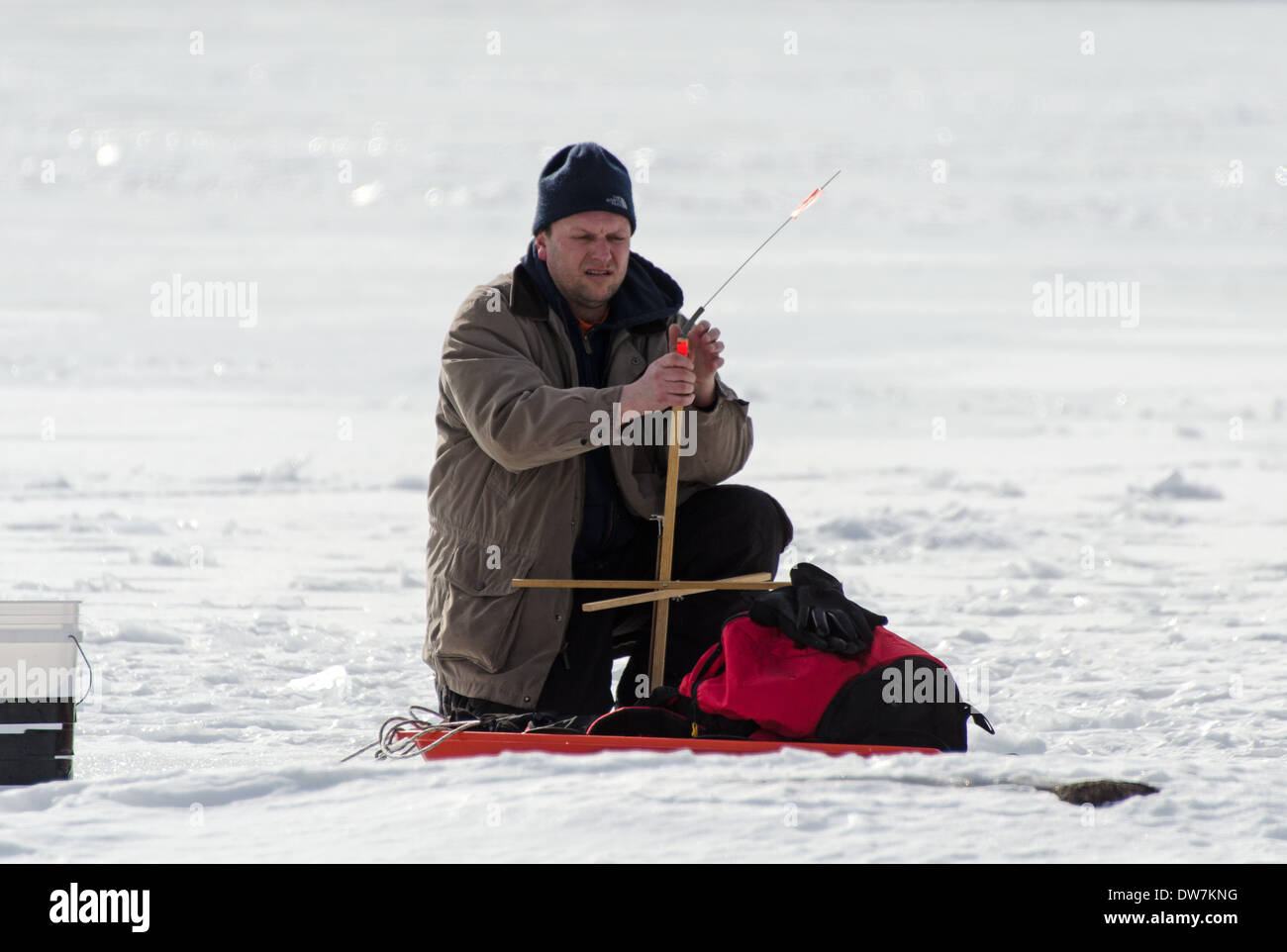
- Ice Fishing Equipment: Auger, tip-ups or jigging rods, ice scoop, and safety spikes are essential.
- Cold Weather Clothing: Insulated waterproof boots, heavy socks, thermal layers, insulated gloves, and head protection are critical for safety and comfort.
- Portable Shelter: For longer fishing sessions, a portable ice shelter with a small heater makes the experience much more enjoyable.
- Safety Gear: Ice picks, floating rope, and a spud bar for testing ice thickness are non-negotiable safety items.
A local ice fishing enthusiast shared this wisdom with me: "Eagle Lake and Long Pond offer some of the best winter fishing in Acadia, but always check ice conditions with locals before heading out. The ice can vary dramatically across different parts of the same lake."
Gear Storage and Maintenance Between Trips
Proper storage of your fishing gear for Acadia Park between trips is crucial for longevity, especially if you're a seasonal visitor:
- Store rods in protective tubes or racks to prevent warping
- Back off the drag on reels to prevent spring fatigue
- Clean and dry waders thoroughly before storage to prevent mold and material degradation
- Store tackle in waterproof containers with silica gel packets to prevent corrosion
- Remove batteries from electronic devices like headlamps and fish finders
- Apply light coating of reel oil to metal parts that may be stored for extended periods
By tailoring your fishing gear for Acadia Park to the season and maintaining it properly, you'll maximize both your fishing success and equipment lifespan. Remember that Acadia's diverse environments and seasonal variations make it a year-round fishing destination, each season offering its own unique opportunities and challenges.
Conclusion
Selecting the appropriate fishing gear for Acadia Park is essential for a successful and enjoyable fishing experience in this magnificent national treasure. Throughout this guide, we've explored the diverse fishing environments Acadia offers, from pristine mountain streams to vast lakes and rugged coastlines, each requiring specific gear considerations.
Whether you're targeting native brook trout in the park's small streams, pursuing landlocked salmon in Eagle Lake, or casting for striped bass along the rocky shores, having the right equipment makes all the difference. The versatility of Acadia's fishing opportunities means that serious anglers should consider bringing multiple setups or investing in versatile gear that can adapt to different fishing scenarios.
Remember that fishing in Acadia isn't just about the catch—it's about connecting with one of America's most spectacular natural environments. The right gear enhances this experience by allowing you to focus on the beauty around you rather than struggling with inadequate equipment.
As you prepare for your Acadia fishing adventure, keep these key takeaways in mind:
- Match your gear to your target species and fishing environment
- Consider seasonal factors when selecting equipment
- Prioritize mobility and versatility if you plan to explore multiple fishing spots
- Invest in quality saltwater-rated gear if fishing coastal areas
- Always check current fishing regulations for Acadia Park before your trip
- Properly maintain your equipment, especially after saltwater exposure
The memories you create fishing in Acadia—watching the sun rise over Jordan Pond, feeling the tug of a native brook trout in a secluded stream, or battling a striped bass against the backdrop of towering cliffs—will last a lifetime. With the right fishing gear for Acadia Park, you'll be well-equipped to make the most of these experiences.
For those seeking additional information on specific fishing locations within the park, I recommend exploring my other guides on best fishing spots in Acadia and what fish are in Acadia lakes.
Whether you're a seasoned angler or trying fishing for the first time, Acadia National Park offers an unparalleled combination of natural beauty and fishing opportunities. With the right gear in hand and respect for this precious resource, you're set for an unforgettable fishing adventure in one of America's most beloved national parks.
Ready for Your Acadia Fishing Adventure?
Discover more detailed information about fishing opportunities throughout the park.
Explore Acadia Fishing GuidesFrequently Asked Questions
Do I need a fishing license to fish in Acadia National Park?
Yes, you need a valid Maine fishing license to fish in Acadia National Park, though there are some exceptions. Maine fishing licenses are required for anyone 16 years or older. You'll need either a freshwater license for lakes and streams or a saltwater recreational fishing license for coastal fishing, depending on where you plan to fish. Licenses can be purchased online through the Maine Department of Inland Fisheries and Wildlife website, at local sporting goods stores, or at some convenience stores in towns surrounding the park. Some waters in Acadia have specific regulations beyond the general Maine fishing rules, so always check the current regulations before your trip. Remember that fishing licenses support conservation efforts that help maintain the quality fishing opportunities in the park.
What are the best fishing spots for beginners in Acadia National Park?
For beginners visiting Acadia National Park, I recommend starting at easily accessible locations with reliable fish populations. Witch Hole Pond near Bar Harbor offers excellent shore access and contains brook trout that are relatively eager to bite. The pond's small size makes it less intimidating than larger bodies of water. Echo Lake Beach provides another beginner-friendly option, particularly during the off-season when swimming is prohibited. Sargent Drive along Somes Sound offers straightforward saltwater fishing for mackerel during summer months—these fish often school in large numbers and readily strike small lures or Sabiki rigs. Frazer Point on Schoodic Peninsula features a convenient pier with nearby parking and typically yields consistent action with smaller fish. Always check with visitor centers upon arrival, as rangers can provide current information about which locations are fishing well.
What fish species can I expect to catch in Acadia National Park?
Acadia National Park offers an impressive variety of fish species across its freshwater and saltwater environments. In the park's lakes and ponds, you can target cold-water species like brook trout, lake trout, and landlocked salmon, as well as warm-water fish including smallmouth bass, chain pickerel, yellow perch, and white perch. The small streams primarily hold native brook trout, with some streams hosting sea-run brook trout in their lower sections. Along the coastline, you'll find striped bass (seasonally from late May through September), mackerel, pollock, bluefish, and occasionally cod. The specific species availability varies by season and location within the park. Eagle Lake and Jordan Pond are known for landlocked salmon and lake trout, while Hodgdon Pond and Long Pond offer good bass fishing. For saltwater species, Somes Sound and the areas around Schoodic Peninsula provide reliable fishing opportunities during summer months.
What's the difference between fishing gear needed for freshwater versus saltwater fishing in Acadia?
The primary differences between freshwater and saltwater fishing gear for Acadia Park center around corrosion resistance, size, and power. For saltwater fishing, you'll need gear specifically designed to withstand salt corrosion—reels with sealed bearings, corrosion-resistant guides on rods, and hardware made from stainless steel or other non-corroding materials. Saltwater setups are typically heavier, with medium to medium-heavy action rods (7-9 feet long) and larger reels (4000-6000 size) capable of handling stronger fish and harsher conditions. Lines should be 15-30 lb test, with wire leaders for toothy species like bluefish. For freshwater fishing in Acadia's lakes and streams, lighter gear is appropriate—ultralight to medium-action rods (5-7 feet for streams, 6-8 feet for lakes), smaller reels (1000-2500 size), and lighter lines (4-10 lb test). Regardless of environment, always rinse saltwater gear thoroughly with fresh water after each use to prevent corrosion.
When is the best time of year to fish in Acadia National Park?
Each season in Acadia National Park offers unique fishing opportunities, but late spring (May-June) and early fall (September-October) generally provide the most productive fishing across both freshwater and saltwater environments. During spring, freshwater fish become increasingly active as waters warm, with brook trout and landlocked salmon often feeding near the surface in lakes. Early summer brings the arrival of migratory saltwater species like striped bass and bluefish to coastal areas. Midsummer (July-August) can be challenging for freshwater fishing as warm temperatures push cold-water species to deeper waters, though early mornings and evenings remain productive. Bass fishing in lakes like Long Pond remains excellent throughout summer. Fall brings cooling temperatures that trigger increased feeding activity, especially for brook trout preparing for spawning. By October, many saltwater species begin their southern migration, while freshwater fishing remains strong until lakes begin to freeze. For ice fishing enthusiasts, January through March offers opportunities on Acadia's larger lakes, particularly for lake trout and chain pickerel.
What fishing regulations should I be aware of when fishing in Acadia National Park?
Fishing in Acadia National Park is governed by both park-specific regulations and Maine state fishing laws. All anglers 16 and older must possess a valid Maine fishing license, either freshwater or saltwater depending on where you fish. The Great Ponds (including Eagle Lake, Jordan Pond, and others) are regulated by Maine state laws, while other water bodies follow federal regulations. Specific regulations to note include: all freshwater streams on Mount Desert Island are closed to fishing from October 31 to March 31; some streams like Lurvey Spring Brook and Upper Hadlock Brook are closed year-round to protect spawning habitat; fishing is prohibited within 200 feet of designated swim beaches, public boat docks, and motor road bridges (with some exceptions); and special restrictions exist for certain bodies of water regarding motors and watercraft. Additionally, the park prohibits the use of live or dead bait fish in freshwater areas, and catch-and-release fishing requires immediate and careful return of fish to the water. Always check current regulations at visitor centers or online before fishing.
This comprehensive guide to fishing gear for Acadia National Park was last updated July 2025. For the most current fishing regulations and conditions, please check with the National Park Service or Maine Department of Inland Fisheries and Wildlife.
Explore our other Acadia fishing resources:
- Acadia National Park Fishing Guide
- Best Fishing Spots in Acadia
- Fly Fishing Acadia National Park
- Shore Fishing Acadia Maine
- Fishing Regulations Acadia Park
- What Fish Are in Acadia Lakes
- Family Fishing Trips Acadia
- Kayak Fishing Acadia National Park
- Freshwater Fishing in Acadia
- Top Fishing Lakes Acadia
- Tide Schedule for Fishing Acadia
- Fishing Season Acadia National Park