

Ultimate Guide to Kayak Fishing in Acadia National Park: Best Spots, Gear & Expert Tips
After spending countless hours kayak fishing in Acadia National Park, I've discovered the hidden gems and learned the hard lessons that every angler should know. This comprehensive guide combines my personal experiences with local ranger insights to help you make the most of your fishing adventure in Maine's premier coastal wilderness. Whether you're targeting brook trout in pristine mountain lakes or stripers along the rugged coastline, you'll find everything you need to plan an unforgettable trip. Wilderness Paths brings you this detailed insider's guide to kayak fishing Acadia National Park.
My Experience Kayak Fishing in Acadia National Park

My first kayak fishing adventure in Acadia National Park was both humbling and inspiring. Like many first-timers, I made the mistake of thinking any old fishing setup would work from a kayak. I quickly learned that successful kayak fishing in Acadia National Park requires specialized gear, local knowledge, and respect for Maine's unpredictable weather patterns.
During my initial trip to Eagle Lake, I was surprised by the crystal-clear water and how easily spooked the fish were. The ranger at the Hulls Cove Visitor Center had warned me about this, explaining that Acadia's lakes are some of the clearest in Maine due to their glacial origins. This clarity means fish can see your kayak from a considerable distance, making stealth and proper positioning crucial for success.
One of my most memorable experiences occurred during an early morning session on Jordan Pond. As the mist lifted off the water, revealing the iconic Bubbles mountains in the background, I landed a beautiful 16-inch landlocked salmon. The fight was incredible in the shallow water, and the scenery made it feel like a scene from a fishing magazine. That moment reinforced why kayak fishing Acadia National Park offers some of the most scenic angling opportunities in New England.
Through multiple seasons of fishing these waters, I've learned that success comes from understanding each lake's unique characteristics. Acadia National Park fishing requires patience and adaptation, as conditions can change dramatically between lakes that are only miles apart.
Lessons Learned
- Early morning and late evening sessions produce the best results
- Bring layers - Maine weather changes quickly
- A good fish finder is essential for locating structure in deep lakes
- Always inform someone of your fishing plan and expected return time
Best Kayak Fishing Spots in Acadia

After exploring virtually every fishable water body in the park, I've identified the premier destinations for kayak fishing in Acadia National Park. Each location offers unique opportunities and challenges, from the deep, clear mountain lakes to the tidal waters along the coast.
Freshwater Lakes and Ponds
Eagle Lake - The Crown Jewel
Eagle Lake represents the pinnacle of kayak fishing Acadia National Park experiences. This 436-acre lake reaches depths of 110 feet and holds landlocked salmon, brook trout, and lake trout. The lake's structure includes deep drop-offs along the western shore and several underwater ledges that hold fish year-round.
Target Species: Landlocked salmon, brook trout, lake trout
Best Techniques: Trolling with small spoons, jigging deep structures, fly fishing during evening rises
Jordan Pond - Scenic Beauty Meets Great Fishing
Jordan Pond offers some of the most photogenic kayak fishing in Acadia National Park opportunities. The 187-acre pond reaches depths of 150 feet and sits beneath the dramatic Bubbles mountains. The clear water requires finesse techniques, but rewards patient anglers with quality fish.
Target Species: Landlocked salmon, lake trout
Best Techniques: Deep trolling, vertical jigging, early morning surface fishing
Long Pond - Diverse Fishing Opportunities
At 6 miles long, Long Pond provides the most diverse fishing experience for kayak fishing Acadia National Park enthusiasts. The pond's varied structure includes shallow bays perfect for bass fishing and deep channels holding trout and salmon. Best fishing spots in Acadia often include this versatile water body.
Target Species: Smallmouth bass, landlocked salmon, brook trout, chain pickerel
Best Techniques: Bass fishing with soft plastics, trolling for salmon, fly fishing for brook trout
Saltwater Opportunities
The saltwater options for kayak fishing in Acadia National Park provide exciting opportunities for striped bass, mackerel, and bluefish. However, ocean kayak fishing requires additional safety considerations and proper marine equipment.
Frenchman Bay
The protected waters of Frenchman Bay offer excellent opportunities for kayak anglers targeting striped bass and mackerel. The numerous coves and islands provide shelter from wind and productive fishing structure.
Target Species: Striped bass, mackerel, bluefish
Safety Note: Always check tides and weather conditions before launching
Important Considerations
- Several lakes serve as public water supplies with restricted activities
- Motor restrictions vary by water body - check current regulations
- Some areas require permits for accessing Great Ponds
- Weather conditions can change rapidly, especially on larger lakes
Essential Gear for Kayak Fishing in Acadia
Success in kayak fishing Acadia National Park depends heavily on having the right equipment. After years of testing gear in these challenging conditions, I've identified the essential items that make the difference between a frustrating outing and a memorable fishing adventure. Quality fishing gear for Acadia Park must withstand both freshwater and saltwater environments while fitting efficiently in a kayak's limited storage space.
Kayak Fishing Crates and Storage

YakAttack BlackPak Pro Fishing Crate
This premium kayak crate transforms any fishing kayak into an organized fishing machine. The 13" x 13" design fits perfectly behind most kayak seats and includes three integrated rod holders. The customizable storage system keeps tackle organized and accessible during those crucial moments when fish are biting.
Buy on Amazon - $124.95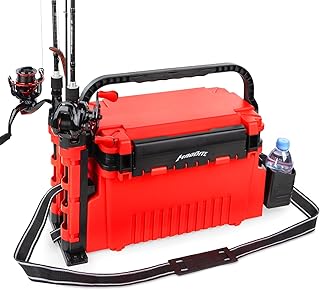
MadBite RigHub Portable Tackle Storage Box
Perfect for anglers who need versatile storage, this compact system features three tackle compartments and an adjustable rod holder. The removable dividers allow customization for different fishing techniques, making it ideal for the varied fishing opportunities in kayak fishing Acadia National Park.
Buy on Amazon - $80.99Fishing Backpacks and Tackle Bags
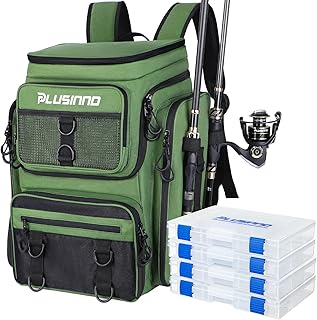
PLUSINNO Fishing Backpack with Rod Holders
This 42L water-resistant backpack revolutionizes gear transport for kayak fishing adventures. Multiple rod holders, dedicated tackle storage, and a waterproof design make it perfect for the changeable Maine weather conditions you'll encounter during kayak fishing in Acadia National Park.
Buy on Amazon - $79.99Rod Holders and Accessories

Kayak Deck Flush Mount Rod Holders (2-Pack)
These flush-mount rod holders integrate seamlessly into your kayak's deck, providing secure rod storage without interfering with paddling. Essential for trolling techniques commonly used in Acadia's larger lakes, they keep your rods positioned perfectly while you navigate to productive fishing areas.
Buy on Amazon - $11.99Pro Tip: Gear Organization
Organize your gear by fishing technique rather than by item type. Keep bass fishing gear together, trout tackle in another section, and saltwater equipment separate. This organization saves precious time when fish are actively feeding and you need to change tactics quickly.
Fishing Regulations and Licensing Requirements
Understanding the regulations is crucial for legal and successful kayak fishing in Acadia National Park. The park operates under both federal and state jurisdiction, creating a complex regulatory environment that every angler must navigate. Proper licensing and regulation compliance ensure conservation of these pristine fisheries for future generations. Fishing regulations Acadia Park information changes periodically, so always verify current requirements before your trip.
Licensing Requirements
Maine Fishing License Requirements
- Maine residents 16 years or older: Valid Maine fishing license required
- Non-residents 12 years or older: Valid Maine fishing license required
- Children under 16: No license required
- License options: Annual, 15-day, 7-day, 3-day, and 1-day licenses available
- Purchase locations: Online, sporting goods stores, town offices, and some park locations
Water Body Specific Regulations
Great Ponds Regulations
The Great Ponds within Acadia are regulated by Maine state law rather than federal park regulations. These include:
- Aunt Betty Pond, Bubble Pond, Eagle Lake
- Jordan Pond, Upper Hadlock Pond, Witch Hole Pond
- Lake Wood
Special Note: A free permit may be required to transport fishing equipment across park lands to access some Great Ponds.
Freshwater Stream Closures
All freshwater streams within Acadia National Park on Mount Desert Island are closed to fishing from October 31 to March 31. Additionally:
- Lurvey Spring Brook: Closed year-round
- Upper Hadlock Brook: Closed year-round
- These closures protect spawning and nursery areas
Watercraft and Motor Restrictions
Each water body in Acadia has specific motor restrictions that affect kayak fishing Acadia National Park logistics. Understanding these restrictions helps you plan launch locations and fishing strategies effectively.
Motor Restrictions by Water Body
10 HP Maximum:
- Eagle Lake
- Echo Lake
- Jordan Pond
- Hadlock Ponds
No Motors Allowed:
- Bubble Pond
- Round Pond
- Witch Hole Pond
- Half Moon Pond
Prohibited Activities
- Using live or dead bait fish in freshwater
- Chumming or placing food substances in water
- Commercial fishing (except where specifically authorized)
- Fishing within 200 feet of designated swimming areas
- Introducing any wildlife, fish, or plants into park ecosystems
Seasonal Fishing Guide and Tips
Success in kayak fishing Acadia National Park varies dramatically with the seasons. Each season brings unique opportunities, challenges, and fishing strategies. Understanding these seasonal patterns, combined with knowledge of fishing season Acadia National Park specifics, can make the difference between a mediocre outing and an exceptional fishing adventure.
Spring Fishing (April - June)
Spring represents the most productive period for kayak fishing in Acadia National Park. As ice recedes and water temperatures rise, fish become increasingly active after their winter dormancy. The combination of hungry fish and relatively few anglers creates ideal conditions.
Prime Opportunities:
- Brook Trout: Move into shallow areas for spawning preparation
- Landlocked Salmon: Feed aggressively near thermoclines
- Lake Trout: Accessible in shallower water before summer stratification
- Smallmouth Bass: Begin pre-spawn feeding in warming shallows
Best Techniques:
- Slow trolling with small spoons and streamers
- Jigging in 15-30 feet of water
- Fly fishing during afternoon warm-ups
- Working shallow rocky areas for bass
Summer Fishing (July - August)
Summer fishing in Acadia requires adapting to thermal stratification and increased recreational activity. While surface temperatures may become too warm for trout, deeper areas and early morning/evening periods can be extremely productive. This season offers the best weather for extended kayak fishing in Acadia National Park adventures.
Seasonal Adaptations:
- Target Thermoclines: Fish concentrate where temperature layers meet
- Dawn and Dusk: Best surface activity occurs during low-light periods
- Deep Water Focus: Lake trout and salmon retreat to depths of 40+ feet
- Bass Fishing Prime: Smallmouth bass are most active in summer months
Effective Strategies:
- Deep trolling with downriggers or lead core line
- Vertical jigging in 40-80 feet of water
- Early morning surface fishing for salmon
- Bass fishing in shallow rocky areas during evening hours
Fall Fishing (September - October)
Fall offers some of the most rewarding kayak fishing Acadia National Park experiences. As water temperatures cool, fish feed aggressively to prepare for winter. The spectacular foliage creates a stunning backdrop, though weather conditions become increasingly unpredictable.
Fall Patterns:
- Brook Trout Spawning: Active movement into tributary areas
- Salmon Feeding: Aggressive feeding before winter slowdown
- Bass Transition: Smallmouth move to deeper winter areas
- Lake Trout Activity: Increased activity as they prepare for fall spawning
Weather Considerations:
Fall weather in Maine changes rapidly. Always check forecasts and be prepared for temperature swings of 30+ degrees in a single day.
Winter Ice Fishing (January - March)
While traditional kayak fishing isn't possible during Maine's frozen months, ice fishing provides unique opportunities to target the same species from above. Many top fishing lakes Acadia locations become accessible via ice fishing during peak winter conditions.
Ice Fishing Opportunities:
- Eagle Lake: Lake trout and landlocked salmon
- Echo Lake: Brook trout in shallower areas
- Long Pond: Mixed species opportunities
- Safety First: Always verify ice thickness with local authorities
Planning Your Kayak Fishing Trip
Successful kayak fishing in Acadia National Park requires careful planning that considers logistics, safety, and fishing strategy. Unlike fishing from shore or a larger boat, kayak fishing demands specific preparation to ensure both safety and success. Family fishing trips Acadia require even more detailed planning to accommodate varying skill levels and interests.
Access Points and Launch Sites
Primary Launch Locations
Eagle Lake
Two parking areas on Route 233 provide easy kayak access. The northern parking area offers the most convenient launch with bathroom facilities and is closest to the deeper sections favored by lake trout.
GPS: 44.3892°N, 68.2442°W
Jordan Pond
Launch from the Jordan Pond North parking area, a short carry from the restaurant. This scenic location provides immediate access to deep water and spectacular mountain views.
GPS: 44.3207°N, 68.2516°W
Long Pond
Multiple access points including north and south ends. The north end near Somesville offers easier launching, while the south end provides access to less pressured bass fishing areas.
GPS (North): 44.3767°N, 68.3156°W
Safety Considerations
Essential Safety Equipment
- Personal Flotation Device: Coast Guard approved, always worn
- Communication Device: Waterproof VHF radio or satellite communicator
- Weather Protection: Dry suit or layered clothing system
- Navigation: Waterproof map, compass, and/or GPS device
- Emergency Kit: First aid supplies, signaling devices, emergency shelter
Cold Water Warning:
Maine waters remain dangerously cold even in summer. Water temperatures rarely exceed 65°F, and hypothermia can occur within minutes of immersion.
Timing and Weather
Optimal Fishing Times
Prime fishing periods for kayak fishing Acadia National Park typically occur during low-light conditions when fish are most active and recreational boat traffic is minimal.
Dawn Sessions (5:00-8:00 AM)
- Minimal wind conditions
- Active fish feeding
- Peaceful atmosphere
- Best surface fishing
Evening Sessions (6:00-9:00 PM)
- Cooling temperatures
- Insect hatches
- Extended daylight in summer
- Excellent fly fishing opportunities
Weather Monitoring
Maine coastal weather changes rapidly. Always check multiple forecasts and have contingency plans for deteriorating conditions. Wind speeds above 15 mph can make kayak fishing dangerous on larger lakes.
Recommended Resources: NOAA Marine Weather, Weather Underground, and local ranger stations for current conditions.
Frequently Asked Questions
What are the best fish species to target when kayak fishing in Acadia National Park?
The premier species for kayak fishing Acadia National Park include landlocked salmon, brook trout, and lake trout in the deeper lakes like Eagle Lake and Jordan Pond. Smallmouth bass provide excellent action in Long Pond and other warmer waters. Each species requires different techniques - salmon respond well to trolled streamers, brook trout prefer subtle presentations near structure, and bass fishing excels with soft plastics around rocky areas. What fish are in Acadia lakes varies by water body, so research your target location's specific fish population before planning your trip.
When is the best time of year for kayak fishing in Acadia National Park?
Spring (May-June) and fall (September-October) offer the most productive kayak fishing in Acadia National Park conditions. Spring brings hungry fish emerging from winter dormancy, while fall triggers aggressive feeding before winter. Summer can be excellent but requires targeting deeper, cooler water during thermal stratification. Early morning and evening sessions during summer months often produce the best results. Weather is most predictable in late spring and early fall, providing safer kayaking conditions for extended fishing trips.
Do I need a fishing license for kayak fishing in Acadia National Park?
Yes, a valid Maine fishing license is required for anyone 16 years or older (12 years for non-residents) when kayak fishing in Acadia National Park. Children under 16 fish license-free. The park operates under Maine state fishing regulations for most waters, though some areas have additional federal restrictions. Licenses can be purchased online through Maine's system or at local sporting goods stores. Remember that tide schedule for fishing Acadia matters for saltwater fishing, which requires additional saltwater registry registration.
What essential gear do I need for successful kayak fishing in Acadia?
Essential kayak fishing gear includes a quality fishing crate with rod holders, waterproof tackle storage, appropriate rods for the target species, and proper safety equipment including PFD and communication device. A fish finder helps locate structure and fish in Acadia's deep, clear lakes. Freshwater fishing in Acadia requires different tackle than saltwater opportunities, so plan your gear selection based on your target waters. Cold weather gear is crucial even in summer due to Maine's unpredictable weather patterns.
How safe is kayak fishing in Acadia National Park for beginners?
Kayak fishing Acadia National Park can be safe for beginners with proper preparation and respect for conditions. Start with smaller, protected lakes like Jordan Pond or Echo Lake rather than larger waters like Eagle Lake or Long Pond. Always wear a properly fitted PFD, inform others of your plans, and carry emergency communication. Cold water temperatures year-round require appropriate clothing even in summer. Consider taking a guided trip or kayak fishing course before venturing out independently. Weather conditions change rapidly in coastal Maine, so conservative decision-making is essential for safe fishing adventures.
Are there any restrictions on where I can kayak fish within the park?
Several restrictions apply to kayak fishing in Acadia National Park. Some waters serve as public drinking water supplies with restrictions on swimming and pets, though fishing is typically allowed. Motor restrictions vary by water body - some allow 10 HP maximum while others prohibit motors entirely. Fishing is prohibited within 200 feet of designated swimming areas and boat docks, with specific seasonal exceptions. All freshwater streams on Mount Desert Island close to fishing from October 31 to March 31. Shore fishing Acadia Maine locations may have additional access restrictions, so always check current regulations before launching your kayak.
Conclusion
Kayak fishing in Acadia National Park offers an unparalleled combination of pristine wilderness, diverse fishing opportunities, and stunning scenery that creates memories lasting a lifetime. From the crystal-clear depths of Eagle Lake holding magnificent landlocked salmon to the intimate brook trout waters tucked beneath towering granite peaks, Acadia provides fishing experiences unmatched anywhere in New England.
Success in these waters comes from understanding the unique characteristics of each fishing location, respecting the regulations that protect these precious resources, and preparing properly for Maine's challenging conditions. The seasonal patterns, gear requirements, and safety considerations outlined in this guide provide the foundation for productive and safe kayak fishing Acadia National Park adventures.
Whether you're targeting your first landlocked salmon in Jordan Pond's scenic waters or exploring the bass fishing opportunities in Long Pond's diverse structure, remember that conservation and respect for these pristine waters ensures their preservation for future generations of anglers. Fly fishing Acadia National Park and other angling pursuits contribute to the park's mission of providing sustainable recreational opportunities while protecting irreplaceable natural resources.
The waters of kayak fishing Acadia National Park await your exploration. Plan carefully, fish responsibly, and prepare for some of the most rewarding angling experiences the Northeast has to offer.