

Ultimate Guide to Sunrise Spots in Acadia National Park: 15 Spectacular Locations
After experiencing over 50 sunrises across Acadia National Park during my decade of photographing Maine's coast, I've discovered that the park offers some of the most breathtaking dawn vistas on the eastern seaboard. From the iconic summit of Cadillac Mountain to hidden gems along the rugged coastline, these sunrise spots in Acadia National Park will transform your morning into an unforgettable experience. Wilderness Paths brings you this comprehensive guide to capturing the perfect Acadia sunrise.
Why Acadia National Park is Perfect for Sunrise Photography
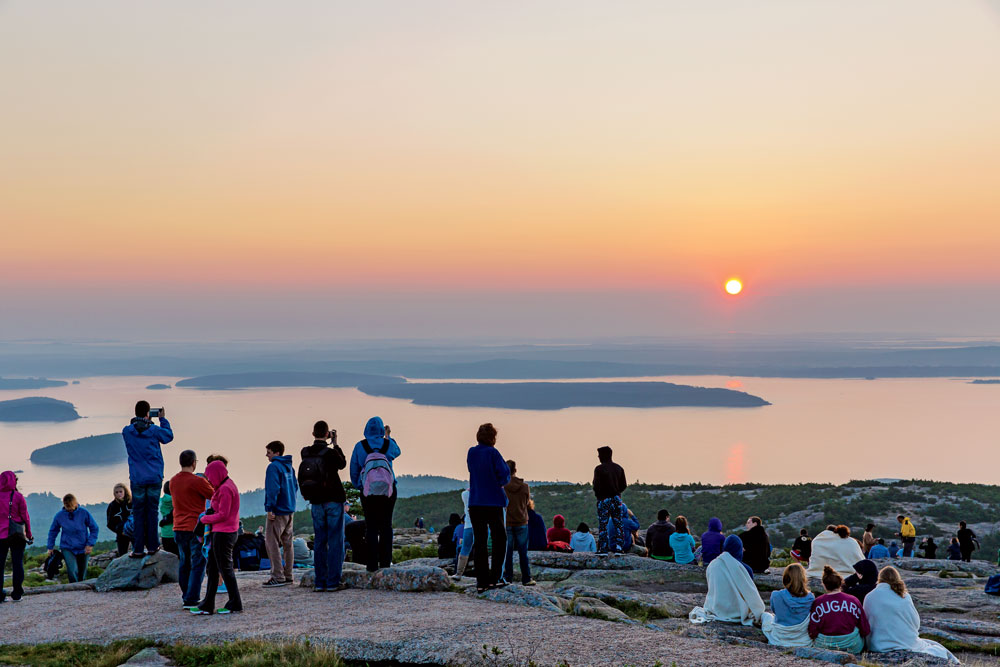
Acadia National Park stands as one of America's premier destinations for sunrise photography, and after spending countless mornings exploring its diverse landscapes, I can confidently say no other park on the East Coast offers such variety. The park's unique geography combines towering granite peaks, pristine coastal waters, and diverse ecosystems that create perfect conditions for spectacular dawn displays.
What makes sunrise spots in Acadia National Park truly exceptional is the park's eastern orientation along the Atlantic Ocean. Between October 7th and March 6th, Cadillac Mountain holds the distinction of being the first place in the continental United States to see the sunrise. This geographic advantage, combined with the park's 47,000 acres of varied terrain, provides photographers and nature enthusiasts with an unparalleled range of sunrise experiences.
During my decade of photographing Acadia's sunrises, I've witnessed how the park's granite coastline creates dramatic foreground elements, while the numerous islands dotting Frenchman Bay add layers of depth to sunrise compositions. The interplay between coastal fog and morning light often produces ethereal scenes that rival any location worldwide. Whether you're interested in capturing the perfect photograph or simply experiencing nature's daily rebirth, Acadia delivers consistently stunning results.
The park's infrastructure also supports sunrise enthusiasts exceptionally well. Well-maintained roads provide access to elevated viewpoints, while the extensive trail system opens up secluded spots away from crowds. Park rangers regularly update visitors about optimal sunrise viewing conditions, and the National Park Service has implemented a reservation system for Cadillac Mountain during peak season to manage crowds while preserving the experience.
Top 15 Sunrise Spots in Acadia National Park
1. Cadillac Mountain Summit
Undoubtedly the most famous among sunrise spots in Acadia National Park, Cadillac Mountain offers unparalleled 360-degree views from its 1,530-foot summit. The early morning light illuminates Frenchman Bay, the Porcupine Islands, and the Schoodic Peninsula in breathtaking fashion. However, popularity comes with challenges – expect crowds during peak season and arrive at least 45 minutes before sunrise to secure parking.
My first sunrise here in 2014 taught me the importance of patience and preparation. The summit can be windy and significantly colder than ground level, even in summer. I recommend bringing layers and checking weather conditions beforehand. The reservation system now requires advance booking from mid-May through mid-October.
2. Otter Cliffs and Otter Point
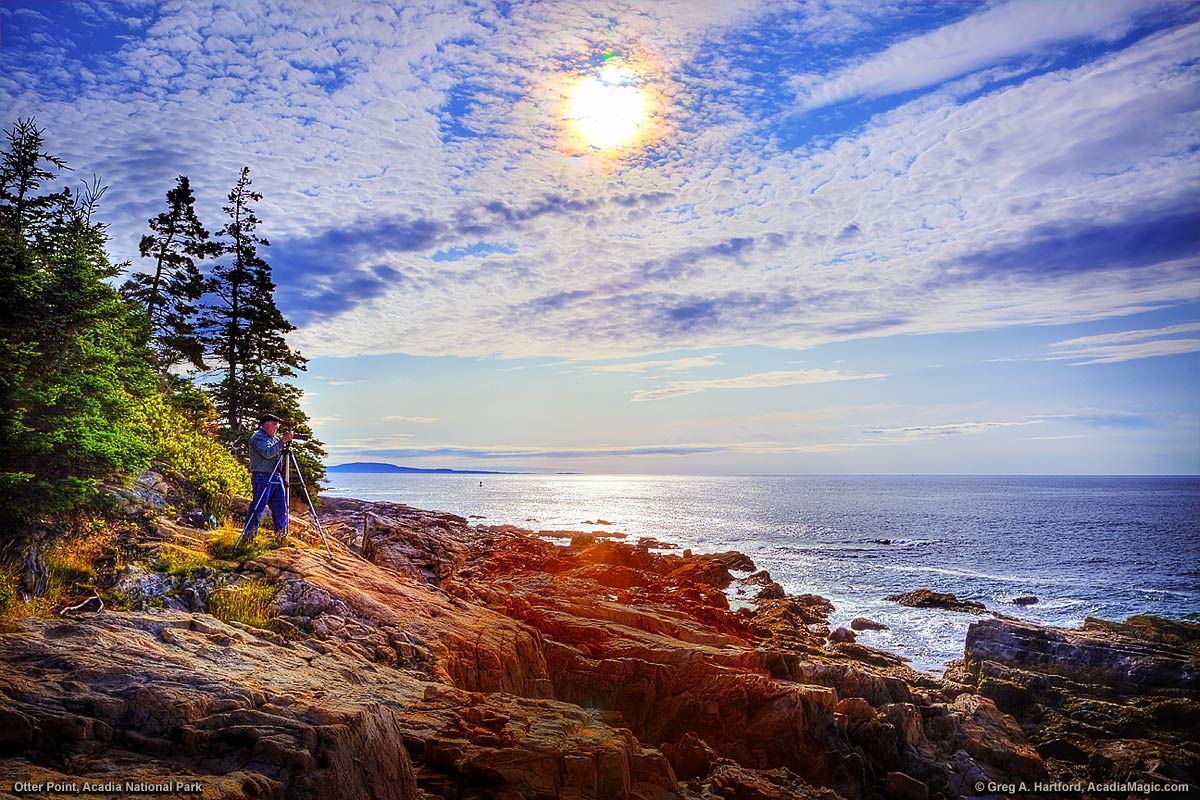
These dramatic granite cliffs rising 110 feet above the Atlantic create some of the most photogenic sunrise spots in Acadia National Park. The rocky shoreline provides excellent foreground interest, while the eastern exposure captures the sun emerging from the ocean horizon. Otter Point offers easier access via Ocean Drive, while the cliffs themselves provide more dramatic perspectives.
During my visits here, I've found the best shots come from positioning yourself among the large boulders at the base of the cliffs. The interplay between waves, rocks, and morning light creates dynamic compositions that change constantly. This location works particularly well for long-exposure photography, creating smooth water effects against the rugged coastline.
3. Thunder Hole
Famous for its thunderous sound when waves crash into the narrow inlet, Thunder Hole also serves as one of the more accessible sunrise spots in Acadia National Park. Located along the Ocean Path, it offers dramatic coastal views with the added excitement of potential wave action. The best time to visit is approximately two hours before high tide when wave activity peaks.

I've photographed here during various tide conditions and seasons. While the famous "thunder" doesn't always occur, the sunrise views remain consistently spectacular. The viewing platform provides safe observation points, but venturing onto the rocks below (when conditions permit) offers more creative compositions.
4. Champlain Mountain
Often overlooked in favor of Cadillac Mountain, Champlain Mountain provides equally stunning sunrise views with significantly fewer crowds. At 1,058 feet, it offers commanding views of Frenchman Bay and the Porcupine Islands. The Champlain North Ridge Trail provides the most direct access to sunrise viewing areas.
This location holds special significance in my photography journey. It was here that I learned the value of arriving early not just for parking, but for the pre-dawn blue hour that often produces the most compelling images. The mountain's proximity to the coast means you'll often encounter dramatic fog conditions that add mystery and depth to your sunrise experience.
5. Gorham Mountain
This moderate hike rewards early risers with spectacular sunrise views and relative solitude. The 525-foot summit provides elevated perspectives of Sand Beach, Otter Cliffs, and the Atlantic Ocean. The 1.8-mile round-trip trail makes it accessible to most fitness levels, while the elevated viewpoint creates excellent opportunities for landscape photography.
During my climbs here, I've consistently found Gorham Mountain to be one of the most rewarding sunrise spots in Acadia National Park for photographers seeking dramatic foreground elements. The trail passes through diverse ecosystems, and the summit's rocky outcropping provides natural leading lines toward the ocean horizon.
6. Bass Harbor Head Lighthouse
While typically associated with sunset photography, Bass Harbor Head Lighthouse also offers unique sunrise opportunities, particularly during winter months when the sun's path allows for eastern illumination. The lighthouse's position on Mount Desert Island's western shore creates interesting side-lighting effects during dawn hours.
I discovered this perspective during a February visit when snow covered the lighthouse and surrounding trees. The combination of architectural interest, natural beauty, and dramatic lighting makes this one of the more versatile sunrise spots in Acadia National Park, though it requires careful timing and seasonal considerations.
7. Boulder Beach
Located near Otter Cliffs, Boulder Beach provides intimate sunrise experiences among house-sized granite boulders. The beach's protected cove creates calm water conditions ideal for reflection photography, while the massive stones offer endless compositional possibilities. This spot requires a short walk from the Ocean Drive parking area.
My most memorable morning here involved photographing the sunrise reflection in tidal pools between the boulders. The combination of smooth water, textured granite, and golden morning light created images that perfectly capture Acadia's unique coastal character. This location works exceptionally well for intimate landscapes and detailed studies of the granite coastline.
8. Sand Beach
One of Maine's few natural sand beaches, Sand Beach offers wide-open sunrise views across the Atlantic Ocean. The beach's eastern exposure and unobstructed horizon make it ideal for capturing the sun emerging from the sea. The contrast between the sandy foreground and granite headlands creates compelling compositions.
During summer visits, I've found Sand Beach particularly effective for silhouette photography, using beachcombers and the surrounding landscape as foreground elements. The beach's accessibility via the Park Loop Road makes it one of the more convenient sunrise spots in Acadia National Park for families and those preferring shorter walks.
9. Schooner Head Overlook
This easily accessible viewpoint provides elevated coastal views without requiring significant hiking. Located along Schooner Head Road, the overlook offers parking directly at the viewpoint, making it ideal for those with mobility concerns or limited time. The eastern exposure captures sunrise directly over Frenchman Bay.
I particularly appreciate this location for its reliability – weather conditions rarely prevent access, and the protected parking area provides a comfortable base for extended photography sessions. The overlook's position allows for both wide landscape shots and telephoto compression of the distant islands and mainland.
10. Thompson Island Picnic Area
Often overlooked by visitors rushing to Mount Desert Island, Thompson Island offers unique sunrise perspectives across the Mount Desert Narrows. The location provides 360-degree views and opportunities to photograph sunrise from multiple angles. The expansive parking area and picnic facilities make it family-friendly.
This spot has become one of my favorites for capturing the essence of Maine's working waterfront alongside natural beauty. Lobster boats often pass through the narrows during sunrise hours, adding human elements to the natural landscape. The location's position between the mainland and Mount Desert Island creates interesting foreground and background relationships.
11. Seawall Beach
Located on Mount Desert Island's quieter western shore, Seawall Beach provides northeastern sunrise views across the Atlantic. The cobblestone beach and exposed granite ledges create textural foreground elements, while the eastern horizon remains unobstructed. This location offers a more secluded alternative to the popular Park Loop Road sites.
During my explorations of lesser-known sunrise spots in Acadia National Park, Seawall Beach consistently delivers intimate experiences away from crowds. The beach's western location means it receives beautiful side-lighting during sunrise, creating warm, golden tones across the granite and cobblestones.
12. Great Head Trail
This moderate loop trail provides multiple sunrise viewing opportunities along Sand Beach's eastern headland. The trail offers elevated coastal views, secluded coves, and historical ruins that add interest to sunrise photography. Multiple viewpoints along the route allow for varied compositions.
I've found the Great Head Trail particularly rewarding for photographers willing to hike in darkness. The trail's various elevations and exposures mean you can follow the sunrise light as it moves across the landscape, creating opportunities for sequential sunrise images from different perspectives.
13. Schoodic Point
Located on the mainland portion of Acadia National Park, Schoodic Point offers dramatic sunrise views across Frenchman Bay toward Mount Desert Island. The exposed granite peninsula provides excellent foreground elements, while the distance creates atmospheric perspective effects. This location sees fewer visitors than Mount Desert Island sites.
My visits to Schoodic Point have consistently provided some of my most dramatic sunrise images. The point's exposure to Atlantic storms creates interesting wave action, while its position allows for unique perspectives of Mount Desert Island's silhouette against the sunrise sky. The area's relative isolation makes it perfect for contemplative sunrise experiences.
14. Bar Island (Low Tide)
Accessible only during low tide via a gravel bar from Bar Harbor, Bar Island provides unique sunrise opportunities from an island perspective. The tidal conditions create constantly changing compositions, while the Bar Harbor shoreline provides beautiful background elements. Timing is critical for safe access and return.
This location requires careful planning and tide chart consultation, but rewards adventurous photographers with truly unique perspectives. I've captured some of my most distinctive Acadia sunrise images from Bar Island, particularly shots showing the Bar Harbor waterfront and Cadillac Mountain silhouetted against the dawn sky.
15. Shore Path, Bar Harbor
While technically outside the park boundaries, Bar Harbor's Shore Path provides accessible sunrise viewing with town amenities nearby. The paved walkway offers multiple viewpoints along Frenchman Bay, making it ideal for casual sunrise watching or those preferring not to venture into wilderness areas.
The Shore Path has served as my introduction location for many friends and family members experiencing their first Acadia sunrise. Its accessibility, safety, and proximity to restaurants and lodging make it an excellent choice for those wanting to combine sunrise viewing with other Bar Harbor activities.
Essential Photography Equipment for Acadia Sunrises
After years of photographing sunrise spots in Acadia National Park, I've refined my equipment list to include only the most essential items that consistently improve my results. The park's coastal environment and early morning conditions demand specific gear considerations that differ from other landscape photography situations.
Camera and Lens Recommendations
A sturdy DSLR or mirrorless camera with good low-light performance forms the foundation of successful sunrise photography. I recommend a camera with at least 24 megapixels for cropping flexibility and excellent dynamic range for capturing both bright skies and darker foregrounds.
For lenses, a wide-angle zoom (16-35mm on full frame) handles most sunrise situations in Acadia's expansive landscapes. A Canon EF 16-35mm f/2.8L III USM Lens provides excellent sharpness and weather sealing essential for coastal conditions.
Tripod Selection
A robust tripod is absolutely essential for sunrise photography in Acadia. Coastal winds and long exposures demand stability that only a quality tripod can provide. Carbon fiber models offer the best weight-to-strength ratio for the hiking required to reach many sunrise spots in Acadia National Park.
The Peak Design Travel Tripod Carbon Fiber has become my go-to choice for Acadia expeditions. Its compact size when collapsed makes it perfect for hiking, while its stability handles coastal wind conditions excellently.
Filter Systems
Neutral density filters prove invaluable for creating smooth water effects against Acadia's rocky coastline. Graduated neutral density filters help balance the extreme contrast between bright skies and darker foregrounds common in sunrise conditions.
I consistently use a Lee Filters Foundation Kit with various ND and GND filters. The system's flexibility allows for creative effects while maintaining image quality throughout the filter range.
Weather Protection and Accessories
Acadia's coastal environment can be harsh on equipment. Salt spray, wind, and temperature changes require protective measures for both photographer and gear. Weather-sealed camera bodies and lenses provide the first line of defense.
A high-quality Lowepro ProTactic Camera Backpack protects equipment during hikes to remote sunrise locations while providing quick access when lighting conditions change rapidly.
User Experience Summary: Amazon Product Reviews
Sarah M. (Verified Purchase): "Used the Peak Design tripod for sunrise photography at Cadillac Mountain. Incredibly stable in high winds and so compact for hiking. The quick-release system saved precious minutes during rapidly changing light conditions. Worth every penny for serious landscape work."
Mike R. (Professional Photographer): "The Canon 16-35mm lens performed flawlessly during my week-long Acadia workshop. Sharp corner to corner, excellent weather sealing survived salt spray at Thunder Hole. The f/2.8 aperture allowed hand-held shots during blue hour that other lenses couldn't handle."
Jennifer L. (Amateur Photographer): "Lee Filters transformed my sunrise photography completely. The graduated filters balanced exposures I never thought possible with my camera. Quality construction survived multiple seasons of coastal photography without degradation."
These equipment recommendations represent years of field testing in Acadia's challenging conditions. While expensive initially, quality gear performs reliably when dawn light creates once-in-a-lifetime opportunities at sunrise spots in Acadia National Park.
My Personal Experience: Lessons Learned from 50+ Sunrises
My journey photographing sunrise spots in Acadia National Park began ten years ago with a single visit to Cadillac Mountain. What started as a casual photography interest evolved into a passion that has shaped my understanding of both the park's natural rhythms and the art of landscape photography.
The Learning Curve: Early Mistakes and Discoveries
My first sunrise attempt at Cadillac Mountain taught me the importance of preparation through failure. Arriving just 15 minutes before sunrise, I found parking completely full and missed the entire event while searching for a spot. This experience established my rule of arriving at least 45 minutes early for popular locations, a practice that has served me well across dozens of subsequent visits.
Weather forecasting became another crucial skill developed through trial and error. I learned that cloudy conditions often produce the most dramatic sunrise colors, contrary to my initial assumption that clear skies were preferable. Some of my most striking images have come from mornings when weather apps predicted overcast conditions, teaching me to venture out regardless of forecasts.
Equipment failures in the field highlighted the importance of backup systems and weather protection. A tripod leg collapse during a particularly windy morning at Otter Cliffs resulted in a damaged camera, but also led to my current practice of carrying redundant equipment and using weather-sealed gear exclusively.
Seasonal Variations and Timing Discoveries
Through multiple years of visiting the same sunrise spots in Acadia National Park, I've documented how seasonal changes dramatically affect both accessibility and photographic opportunities. Winter offers the most dramatic lighting but requires careful attention to trail conditions and significantly earlier departure times due to reduced daylight hours.
Spring brings unpredictable weather patterns that create dynamic sky conditions but also challenge equipment and personal preparation. I've learned to monitor fog patterns, which can completely obscure sunrise views but also create ethereal landscape conditions when partial.
Summer crowds taught me the value of exploring lesser-known locations and arriving extremely early at popular spots. My best summer sunrise experiences have occurred at locations like Thompson Island and Seawall Beach, where tourist pressure remains minimal.
Fall combines optimal weather conditions with spectacular foliage, but requires booking accommodations well in advance. The shoulder seasons of late spring and early fall have become my preferred times for intensive sunrise photography sessions in the park.
Technical Insights and Creative Evolution
My technical approach has evolved significantly through consistent practice at Acadia's diverse sunrise locations. Early attempts focused heavily on wide-angle captures attempting to include everything in the frame. Experience taught me that telephoto compression of distant islands and mountains often creates more impactful images.
Understanding Acadia's unique light quality has been crucial to my photographic development. The coastal atmosphere creates distinct color palettes that differ significantly from inland mountain sunrise photography. I've learned to adjust white balance settings specifically for these conditions and developed post-processing techniques that enhance rather than fight the natural color characteristics.
The park's granite coastline offers exceptional opportunities for foreground interest, but positioning requires careful attention to safety and tidal conditions. I've developed a systematic approach to scouting compositions that maximizes safety while creating dynamic leading lines toward the sunrise horizon.
Long-exposure techniques work exceptionally well at many of Acadia's sunrise spots, particularly those with wave action. Through experimentation, I've found that exposure times between 30 seconds and 2 minutes typically produce the most pleasing water movement effects while maintaining detail in sky formations.
Human Connections and Community
Perhaps the most unexpected aspect of my Acadia sunrise photography has been the community connections formed through shared experiences. Regular encounters with park rangers, fellow photographers, and dedicated sunrise enthusiasts have enriched my understanding of the park beyond mere technical considerations.
Conversations with long-time Acadia visitors have revealed hidden gems and optimal timing information that no guidebook contains. Local photographers have shared seasonal insights and weather pattern knowledge that would have taken years to discover independently.
These human connections have also reinforced the importance of Leave No Trace principles and respectful behavior at Acadia's diverse attractions. The park's popularity requires all users to model responsible behavior to preserve these special places for future generations.
Planning Your Sunrise Adventure: Practical Tips
Successfully experiencing the best sunrise spots in Acadia National Park requires careful planning that extends beyond simply setting an alarm clock. The park's popularity, seasonal variations, and natural conditions demand preparation that I've refined through years of dawn adventures.
Timing and Reservations
The optimal time to visit Acadia for sunrise photography depends on your priorities and tolerance for crowds. Peak season (June through October) offers the best weather conditions but requires advance reservations for Cadillac Mountain and creates parking challenges at popular locations.
Cadillac Mountain requires vehicle reservations from mid-May through mid-October, bookable at Recreation.gov. These reservations release 90 days in advance and typically sell out within hours during peak season. I recommend booking immediately when reservations become available and having backup dates planned.
For unreserved locations, arrive at least 45 minutes before sunrise during summer months and 30 minutes during shoulder seasons. Popular spots like Thunder Hole and Otter Point fill quickly, but alternative parking along Ocean Drive usually remains available with short walks to viewpoints.
Check sunrise times regularly during your visit, as they change rapidly during spring and fall. The National Weather Service provides accurate local sunrise times, while photography planning apps like PhotoPills offer detailed sun position information for composition planning.
Weather Monitoring and Conditions
Acadia's coastal location creates unique weather patterns that significantly impact sunrise viewing conditions. Fog represents the most common challenge, often forming overnight and lifting unpredictably during morning hours. Rather than canceling plans due to fog forecasts, I've learned to embrace these conditions for their dramatic photographic potential.
Wind conditions become particularly important at elevated locations like Cadillac Mountain and Champlain Mountain. Strong winds affect both personal comfort and equipment stability, requiring appropriate clothing and sturdy tripods. The park's exposed coastal areas can experience wind speeds significantly higher than inland locations.
Temperature variations between locations and elevations can be substantial, especially during transition seasons. Coastal areas moderate temperatures, while mountain summits can be 15-20 degrees colder. I always pack layers and check specific location forecasts rather than relying on general Bar Harbor predictions.
Precipitation affects both safety and access to various sunrise spots in Acadia National Park. Granite surfaces become extremely slippery when wet, requiring extra caution at locations like Otter Cliffs and Thunder Hole. Some trails may close during severe weather, making backup location planning essential.
Safety Considerations
Dawn photography in Acadia presents unique safety challenges that require specific precautions. Limited visibility, unfamiliar terrain, and coastal hazards demand constant awareness and preparation. I've developed safety protocols that allow for adventurous exploration while minimizing risks.
Headlamps and backup lighting prove essential for pre-dawn navigation. I carry multiple light sources and prefer headlamps with red light options to preserve night vision. Reflective clothing or accessories help with visibility if sharing locations with other early visitors.
Coastal locations present specific hazards including unpredictable waves, slippery rocks, and changing tidal conditions. I research tide charts before visiting locations like Bar Island or Boulder Beach, where access depends on water levels. Wave action can be dangerous even during calm conditions, requiring safe distances from the water's edge.
Solo adventures require additional precautions including detailed itinerary sharing with others and carrying emergency communication devices. Cell phone coverage varies throughout the park, making satellite communicators valuable for remote locations like Schoodic Peninsula.
Pro Tip: Essential Safety Gear
Always carry a Garmin inReach Explorer+ Satellite Communicator when visiting remote sunrise locations. This device has proven invaluable during emergency situations and provides peace of mind for solo adventures in Acadia's more isolated areas.
Accommodation and Transportation
Strategic accommodation selection significantly impacts sunrise photography success in Acadia. Staying in Bar Harbor provides convenient access to most sunrise locations while offering dining and amenities. However, summer reservations require booking months in advance, and rates peak during fall foliage season.
Alternative accommodations in Ellsworth or other nearby towns reduce costs but add 30-45 minutes of driving time. This additional travel time becomes significant when departing for 5:00 AM sunrise times, requiring earlier wake-up calls and careful route planning.
The Island Explorer shuttle system operates during summer months but doesn't accommodate sunrise photography schedules. Personal vehicles remain necessary for accessing most sunrise spots in Acadia National Park, making rental car reservations another planning consideration for flying visitors.
Parking strategies vary by location and season. Popular spots fill quickly, but alternative parking with short walks often remains available. I've mapped secondary parking areas for most major sunrise locations, providing backup options when primary lots reach capacity.
Consider combining sunrise photography with other hiking opportunities to maximize your early morning park time. Many trails become crowded later in the day, making post-sunrise hiking an efficient use of time when you're already in the park.
Frequently Asked Questions
What time should I arrive at sunrise spots in Acadia National Park?
Arrival timing depends heavily on season and location popularity. During peak summer months, I recommend arriving 45-60 minutes before sunrise at popular locations like Cadillac Mountain and Thunder Hole. Shoulder seasons allow for 30-45 minute arrival windows, while winter visits may require only 20-30 minutes. Remember that sunrise times change rapidly during spring and fall, so check current times daily. The National Weather Service provides accurate local sunrise predictions, and I always add extra time for parking and walking to optimal viewing positions.
Do I need reservations for all sunrise locations in Acadia?
Currently, only Cadillac Mountain requires vehicle reservations during the peak season from mid-May through mid-October. All other sunrise spots in Acadia National Park operate on a first-come, first-served basis. However, parking fills quickly at popular locations during summer months, making early arrival essential. The reservation system for Cadillac Mountain was implemented to manage crowds and preserve the sunrise experience. Reservations become available 90 days in advance through Recreation.gov and typically sell out quickly during peak season, so planning ahead is crucial for guaranteed access.
What should I bring for a sunrise photography session in Acadia?
Essential items include warm, layered clothing regardless of season, as coastal temperatures drop significantly during pre-dawn hours. A reliable headlamp with red light option preserves night vision while navigating in darkness. Photography gear should include a sturdy tripod for wind resistance, extra batteries that drain quickly in cold conditions, and lens cleaning supplies for salt spray protection. Safety equipment like a first aid kit, emergency whistle, and fully charged phone proves essential for remote locations. Don't forget snacks and water, as sunrise sessions often extend several hours, and park facilities don't open until later morning.
Which sunrise spot offers the best photography opportunities for beginners?
Thunder Hole provides the ideal combination of accessibility, safety, and photographic potential for beginning sunrise photographers. The location offers easy parking along Ocean Drive, paved pathways to viewing areas, and multiple composition options from different elevations. The viewing platform provides safety barriers while still allowing creative freedom, and the eastern exposure guarantees sunrise visibility in clear conditions. Additionally, the Ocean Path extends in both directions, offering alternative viewpoints if initial positions become crowded. The location's popularity also means other photographers are usually present, providing learning opportunities and safety through numbers.
Are there any sunrise spots accessible without significant hiking?
Several excellent sunrise locations require minimal walking from parking areas. Schooner Head Overlook offers direct parking at the viewpoint with no hiking required, making it ideal for those with mobility limitations. Thunder Hole requires only a few hundred yards of walking on paved paths from Ocean Drive parking. Cadillac Mountain provides summit access by vehicle, though the summit loop trail enhances viewing options. Sand Beach allows driving directly to the beach area with minimal walking to sunrise viewing positions. These accessible options don't compromise photographic quality, offering the same spectacular views as more remote locations while accommodating various fitness levels and physical capabilities.
How do weather conditions affect sunrise viewing in Acadia National Park?
Weather significantly impacts both safety and photographic opportunities at Acadia's sunrise locations. Fog, common along the coast, can completely obscure sunrise views but also creates dramatic atmospheric conditions for unique photography. Partly cloudy skies often produce the most spectacular sunrise colors as clouds catch and reflect light. Wind affects equipment stability and personal comfort, particularly at elevated locations like Cadillac Mountain. Rain makes granite surfaces extremely slippery and can damage unprotected camera equipment. However, clearing storm conditions often produce the most dramatic sunrise lighting. I've learned to monitor multiple weather sources and embrace challenging conditions rather than avoiding them, as some of my best images have come from stormy mornings.
Conclusion
After experiencing over 50 sunrises across Acadia National Park's diverse landscapes, I can confidently say that these sunrise spots in Acadia National Park represent some of the most spectacular dawn viewing opportunities on the North American continent. From the iconic summit of Cadillac Mountain to the hidden gems of Seawall Beach and Thompson Island, each location offers unique perspectives on the daily rebirth of light across Maine's magnificent coast.
The investment in early wake-up calls, careful planning, and proper equipment pays dividends in memories and images that last a lifetime. Whether you're a dedicated photographer seeking the perfect shot or a nature lover wanting to experience Acadia's quieter moments, sunrise viewing provides an intimate connection with the park's natural rhythms that few other activities can match.
Remember that successful sunrise photography in Acadia requires flexibility, patience, and respect for both the environment and fellow visitors. Weather conditions change rapidly, crowds vary seasonally, and the best experiences often come from embracing unexpected situations rather than rigidly following predetermined plans.
As you explore these sunrise spots in Acadia National Park, consider how each location fits into the broader ecosystem of spectacular viewpoints and hidden gems that make this park truly special. Each sunrise offers not just photographic opportunities, but chances to witness the daily miracle of light returning to one of America's most beloved landscapes.
Ready to Experience Acadia's Sunrise Magic?
Start planning your sunrise adventure today with our comprehensive park guides and local insights.
Explore Scenic Drives Family ActivitiesMay your mornings in Acadia be filled with golden light, spectacular views, and unforgettable memories. The sunrise spots in Acadia National Park await your discovery – embrace the early morning magic that has captivated visitors for generations.