
Trad Climbing Acadia: The Complete Guide to Traditional Climbing in Maine's Coastal Paradise
Discover the ultimate guide to trad climbing Acadia National Park, where rugged granite meets the Atlantic Ocean. From classic routes like Story of O to challenging sea cliff adventures at Great Head, this comprehensive guide covers everything you need for an unforgettable traditional climbing experience in Maine's coastal wilderness. Explore more outdoor adventures at WildernessPaths.com.
Introduction to Trad Climbing Acadia National Park

Acadia National Park stands as one of America's premier destinations for trad climbing, offering a unique combination of pristine granite cliffs, dramatic ocean views, and world-class traditional climbing routes. Located on Mount Desert Island in Maine, this 49,000-acre paradise provides climbers with an unparalleled experience where rugged coastal granite meets the wild Atlantic.
The park's climbing areas are renowned for their technical challenges and stunning natural beauty. Trad climbing Acadia requires skill, experience, and proper preparation, as the routes demand confident gear placement and solid risk assessment. The granite here is some of the finest on the East Coast, featuring everything from finger cracks to wide chimneys, overhanging roofs to delicate face climbs.
What sets Acadia National Park climbing apart is its coastal setting. Many routes offer breathtaking views of the Atlantic Ocean, and some climbs are literally above crashing waves. This unique environment creates both incredible beauty and additional challenges, including tidal considerations and exposure to maritime weather.
The climbing season typically runs from May through October, with peak conditions in summer and early fall. However, experienced climbers often enjoy the solitude and crisp conditions of spring and late fall climbing. Each season brings its own character to the granite walls and surrounding landscape.
Why Choose Trad Climbing in Acadia?
- World-class granite with excellent friction and crack systems
- Unique coastal climbing experience with ocean views
- Routes ranging from beginner-friendly 5.4 to challenging 5.12+
- Multiple climbing areas within the park
- Rich climbing history dating back decades
Best Trad Climbing Routes in Acadia
Classic Multi-Pitch Routes
The crown jewel of trad climbing Acadia is undoubtedly Story of O (5.6) on South Wall. This two to three-pitch classic offers moderate climbing with spectacular views and serves as an excellent introduction to Acadia's granite. The route follows obvious crack systems and features solid protection throughout, making it perfect for climbers new to the area.
Old Town (5.7+) represents another must-do single-pitch route that showcases the area's famous splitter cracks. Located on South Wall, this route offers sustained crack climbing through featured granite with excellent gear placements. The technical crux requires confident hand-jamming technique, but the quality of movement and rock makes it unforgettable.
Great Head Sea Cliff Adventures
For experienced climbers seeking adventure, Great Head offers some of the most dramatic and challenging best climbing spots in Acadia. Routes like Morning Glory (5.8+) and Windward Roof (5.9-) provide technical climbing directly above the ocean, but require careful attention to tides and weather conditions.
The approach to Great Head routes often involves rappelling from the clifftop, adding an element of commitment to these climbs. Tide timing is crucial, as high tide can make retreat difficult or impossible. Always check local tide charts and weather forecasts before attempting these routes.
Moderate Classics for Skill Building
Green Mountain Breakdown (5.9+) offers an excellent step up in difficulty for intermediate climbers. The route features a challenging roof section that demands both technical skill and mental commitment. The exposure and athletic movement make this a memorable ascent that builds confidence for harder grades.
Other notable routes include Emigrant Crack (5.10b) for those seeking finger crack technique practice, and Precipice Ledges for multi-pitch experience. Each route offers its own character and challenges, contributing to the diverse climbing experience that makes trad climbing Acadia so special.
Essential Gear for Trad Climbing Acadia
Protection and Hardware
Successful trad climbing Acadia requires a comprehensive rack tailored to the park's granite crack systems. The essential foundation includes a set of cams ranging from 0.3" to 3", with emphasis on smaller sizes for the technical finger cracks common throughout the area. Black Diamond Camalot C4 Cam Sets provide reliable protection and are considered the gold standard for Acadia's granite.
Nuts and stoppers remain crucial for passive protection, particularly in horizontal placements and constrictions where cams might not fit properly. A standard rack should include nuts from sizes 4-11, with doubles of the middle sizes. Hexes can be valuable for wider placements, though they're less commonly needed.
Recommended Rack for Acadia Trad Climbing:
- Cams: 0.3" to 3" (doubles of 0.5" to 2")
- Nuts: Sizes 4-11 (doubles of 6-9)
- Quickdraws: 12-15 for most routes
- Slings: Various lengths including alpine draws
- Carabiners: 20+ locking and non-locking
Safety Equipment
A quality climbing helmet is absolutely essential for Acadia climbing safety. The granite can be loose in places, and rockfall is always a concern in alpine environments. Black Diamond Half Dome Helmet offers excellent protection while remaining lightweight and comfortable for long climbing days.
Your harness should be comfortable for extended wear and feature sufficient gear loops for a full trad rack. Black Diamond Momentum Harness provides the comfort and functionality needed for multi-pitch adventures in Acadia.
Ropes and Rigging
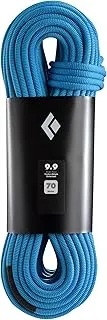
For most Acadia routes, a single 60-70 meter dynamic rope suffices, though some longer routes may benefit from a 70m rope. Black Diamond 9.9mm Dynamic Climbing Rope offers excellent handling characteristics and durability for the demands of traditional climbing.
Additional essential items include a belay device suitable for both single and multi-pitch climbing, approach shoes for the often-complex approaches, and weather protection. Acadia's coastal location means weather can change rapidly, making layers and rain gear crucial for safety and comfort.
My Personal Experience Trad Climbing in Acadia

First Ascent of Story of O
My introduction to trad climbing Acadia came during a crisp October morning when the summer crowds had long departed. Standing at the base of Story of O on South Wall, I felt the familiar mix of excitement and nervousness that accompanies every new climbing area. The route's reputation as a classic 5.6 had drawn me here, but Acadia's unique coastal environment added elements I hadn't encountered elsewhere.
The first pitch started with straightforward crack climbing, but I quickly learned that Acadia granite demands respect. The rock felt different from inland crags – more textured, with subtle features that weren't immediately obvious. My partner, a local guide from Acadia climbing routes, had warned me about the deceptive nature of these "moderate" grades.
By the third pitch, I understood what he meant. The exposure above the tree line was intense, with the Atlantic Ocean stretching endlessly to the horizon. Each placement required careful consideration – not just for security, but for the unique demands of coastal granite. The sea breeze added an element of chill that made finger cracks feel more challenging than their grade suggested.
Lessons from Great Head
My most memorable – and humbling – experience came during an attempt on Morning Glory at Great Head. After successfully completing several routes at South Wall, I felt confident approaching this legendary sea cliff. However, trad climbing Acadia's coastal routes operate by different rules than inland climbing.
The approach involved a rappel from the clifftop, immediately committing us to the route. Halfway up the first pitch, the granite became unexpectedly slick as sea spray increased with the rising tide. What should have been a straightforward 5.8+ became a desperate fight against time and elements. The lesson was clear: always check tide charts and weather forecasts, and have a solid retreat plan.
Key Lessons Learned:
- Acadia grades can feel stiffer than inland climbing areas
- Weather and tides dramatically affect coastal routes
- The granite requires different technique than other rock types
- Approach shoes are essential for complex descents
- Local knowledge significantly improves safety and success
Safety Tips and Park Regulations
National Park Service Requirements
Climbing in Acadia National Park requires adherence to specific regulations designed to protect both climbers and the natural environment. Groups larger than six people require permits, and Acadia climbing regulations include restrictions during peregrine falcon nesting season (typically March through August).
The park service emphasizes Leave No Trace principles, particularly regarding fixed anchors and chalk use. While some established routes have fixed protection, climbers should not add permanent hardware without proper authorization. Chalk should be used sparingly and cleaned off after climbing to preserve the natural appearance of the rock.
Tidal and Weather Considerations
Trad climbing Acadia demands careful attention to environmental factors unique to coastal climbing. Tide timing affects not only sea cliff routes but also approaches and retreats. High tide can make certain areas inaccessible, while low tide may expose loose rocks and kelp-covered surfaces that create additional hazards.
Weather in coastal Maine changes rapidly, especially during shoulder seasons. Fog can roll in quickly, reducing visibility and creating challenging descent conditions. Temperature swings can be dramatic, particularly in spring and fall when morning ice gives way to afternoon warmth.
Critical Safety Reminders:
- Always inform someone of your climbing plans and expected return
- Carry emergency communication device for remote areas
- Check weather forecasts and tide charts before climbing
- Bring extra layers and emergency shelter
- Know multiple descent routes from your chosen climbing area
Risk Management Strategies
Successful risk management for cliff access Acadia National Park begins with honest assessment of your abilities relative to the route's demands. Acadia's reputation for stiff grades means that climbers should approach routes conservatively, especially when new to the area.
Emergency preparedness should include knowledge of evacuation routes and procedures. Cell phone coverage is spotty in many climbing areas, making pre-planning crucial. Consider carrying a Garmin inReach Satellite Communicator for emergency communication in remote areas.
Seasonal Considerations and When to Visit

Peak Season: Summer Climbing
Summer months (June through August) offer the most reliable weather for trad climbing Acadia, but also bring the largest crowds. Temperatures are moderate, with highs typically in the 70s and 80s Fahrenheit, creating comfortable climbing conditions. However, popular routes can become congested, and parking areas fill early in the day.
Summer also brings the highest probability of afternoon thunderstorms, which can be particularly dangerous on exposed clifftops and sea cliffs. Morning starts are essential both for avoiding crowds and staying ahead of potential weather developments. The granite warms quickly in summer sun, making north-facing routes particularly appealing during hot spells.
Shoulder Season Excellence
Many experienced climbers prefer the shoulder seasons for trad climbing Acadia. Late spring (May) and early fall (September-October) offer crisp conditions, minimal crowds, and spectacular foliage during autumn visits. However, these seasons require more careful attention to weather patterns and shorter daylight hours.
Fall climbing can be exceptional, with cool temperatures providing excellent friction and comfortable belay conditions. However, early season snow and ice can create hazardous conditions on approaches and descents, particularly on north-facing aspects.
Winter and Early Spring
While not impossible, winter trad climbing Acadia requires advanced skills and specialized equipment. Ice formation on routes and approaches creates significant hazards, and rescue becomes much more complex in winter conditions. Some dedicated climbers pursue winter ascents, but these should only be attempted by experienced mountaineers with proper gear and training.
Early spring can offer surprisingly good conditions, particularly during warm spells in March and April. However, freeze-thaw cycles create unstable conditions, and routes may have significant ice even when the weather appears favorable.
Optimal Climbing Windows:
- Best Overall: September-October for crowds and conditions
- Most Reliable: June-August for weather stability
- Advanced Only: November-April for winter conditions
- Hidden Gem: May for spring conditions and solitude
User Reviews and Community Insights
Sarah M. - Mountain Project Review
"Incredible trad climbing experience at South Wall. Story of O lived up to its reputation as a classic - moderate grades but requires solid technique. The granite is outstanding and the views are unmatched. Definitely bring layers as coastal weather changes fast."
Mike T. - Reddit r/climbing
"Great Head is no joke - attempted Morning Glory and had to bail due to incoming weather. Tides and conditions matter way more than I expected. Did Old Town instead and loved it. Acadia grades feel stiff compared to other areas but the quality makes up for it."
Jennifer K. - Quora Climbing Community
"Spent a week trad climbing around Acadia and it exceeded expectations. The combination of technical granite climbing and ocean views is unique. Route finding can be tricky - definitely recommend getting the local guidebook and maybe hiring a guide for your first visit."
Pros and Cons of Trad Climbing Acadia
Advantages
- World-class granite with excellent friction
- Unique coastal climbing experience
- Wide variety of route difficulties and styles
- Stunning ocean views from many climbs
- Well-established climbing community
- Multiple climbing areas within the park
- Generally good protection opportunities
- Rich climbing history and classic routes
Challenges
- Routes can feel stiffer than their published grades
- Weather changes rapidly in coastal environment
- Tidal considerations affect approach and retreat
- Crowds during peak summer season
- Complex approach routes to some areas
- Limited climbing during raptor nesting season
- Higher cost of accommodation in Bar Harbor area
- Requires more gear than some climbing areas
Frequently Asked Questions
What grade should I be climbing before attempting trad routes in Acadia?
Most climbers should be comfortable leading 5.6-5.7 trad routes elsewhere before attempting Acadia's classics. The grades here can feel stiff, and the coastal environment adds complexity. Starting with routes like Story of O (5.6) allows you to assess how Acadia's grading compares to your experience. Build confidence on easier routes before attempting the area's more challenging offerings.
Do I need special gear for coastal trad climbing in Acadia?
Beyond a standard trad rack, coastal climbing requires extra attention to corrosion-resistant gear and weather protection. Stainless steel hardware lasts longer in salt air. Always bring layers including rain gear, as coastal weather changes rapidly. Consider approach shoes for complex scrambles and headlamps for early starts or potential late finishes. Navigation aids become important for clifftop approaches.
When is the best time to visit Acadia for trad climbing?
The optimal window depends on your priorities. June through August offers the most reliable weather but also the largest crowds. September and October provide excellent conditions with fewer people and spectacular fall foliage. May can be wonderful but weather is more variable. Experienced climbers sometimes enjoy winter climbing, but this requires advanced skills and proper equipment.
Are there any restrictions I should know about for climbing in Acadia?
Yes, several important restrictions apply. Climbing groups larger than six require permits. Many areas close during peregrine falcon nesting season (March-August). Some routes may have seasonal restrictions to protect wildlife. Fixed anchors require park service approval. Always check current regulations at the visitor center and practice Leave No Trace principles including minimal chalk use and proper waste disposal.
Should I hire a guide for my first trad climbing experience in Acadia?
For climbers new to the area, a guide can significantly improve both safety and enjoyment. Local guides understand route finding, current conditions, and environmental factors unique to coastal climbing. They can help you select appropriate routes for your skill level and provide valuable beta about gear placement and route finding. However, experienced trad climbers familiar with granite climbing may do fine with just a detailed guidebook.
How do tides affect trad climbing in Acadia?
Tides significantly impact both sea cliff routes and access to some climbing areas. High tide can make approaches dangerous or impossible, particularly at Great Head and Otter Cliffs. Low tide exposes kelp-covered rocks that can be slippery. Always check tide charts before climbing and plan routes accordingly. Some climbers prefer mid-tide conditions for the best balance of access and safety. Emergency retreat may be impossible during certain tidal conditions.
Conclusion: Embracing the Challenge of Trad Climbing Acadia
Acadia National Park stands among America's premier destinations for traditional climbing, offering an unparalleled combination of technical challenge, natural beauty, and unique coastal environment. Trad climbing Acadia provides experiences found nowhere else – from the classic moderate routes of South Wall to the dramatic sea cliff adventures at Great Head.
The park's granite cliffs demand respect and reward preparation. Success requires not only solid traditional climbing skills but also understanding of coastal conditions, tidal influences, and rapidly changing weather patterns. Those who invest the time to learn Acadia's unique character will discover climbing experiences that remain memorable for a lifetime.
Whether you're drawn by classic routes like Story of O, seeking the adventure of Great Head's sea cliffs, or exploring the top rope climbing opportunities throughout the park, Acadia offers something for every traditional climber. The combination of world-class granite, stunning ocean views, and rich climbing heritage creates an environment where every ascent becomes part of a larger adventure.
As you plan your trad climbing Acadia adventure, remember that preparation and respect for the environment are key to both success and safety. Check current regulations, understand seasonal considerations, and always prioritize safety over summit success. The granite will be there for future visits, but the memories of a well-planned and safely executed climb will last forever.
Ready to Start Your Acadia Climbing Adventure?
Explore more comprehensive climbing guides and discover additional outdoor adventures throughout Maine and New England.
Visit WildernessPaths.comThis guide represents personal experience and research current as of 2024. Always check with Acadia National Park Service for current regulations, closures, and conditions before climbing. Climbing involves inherent risks, and climbers participate at their own risk.