
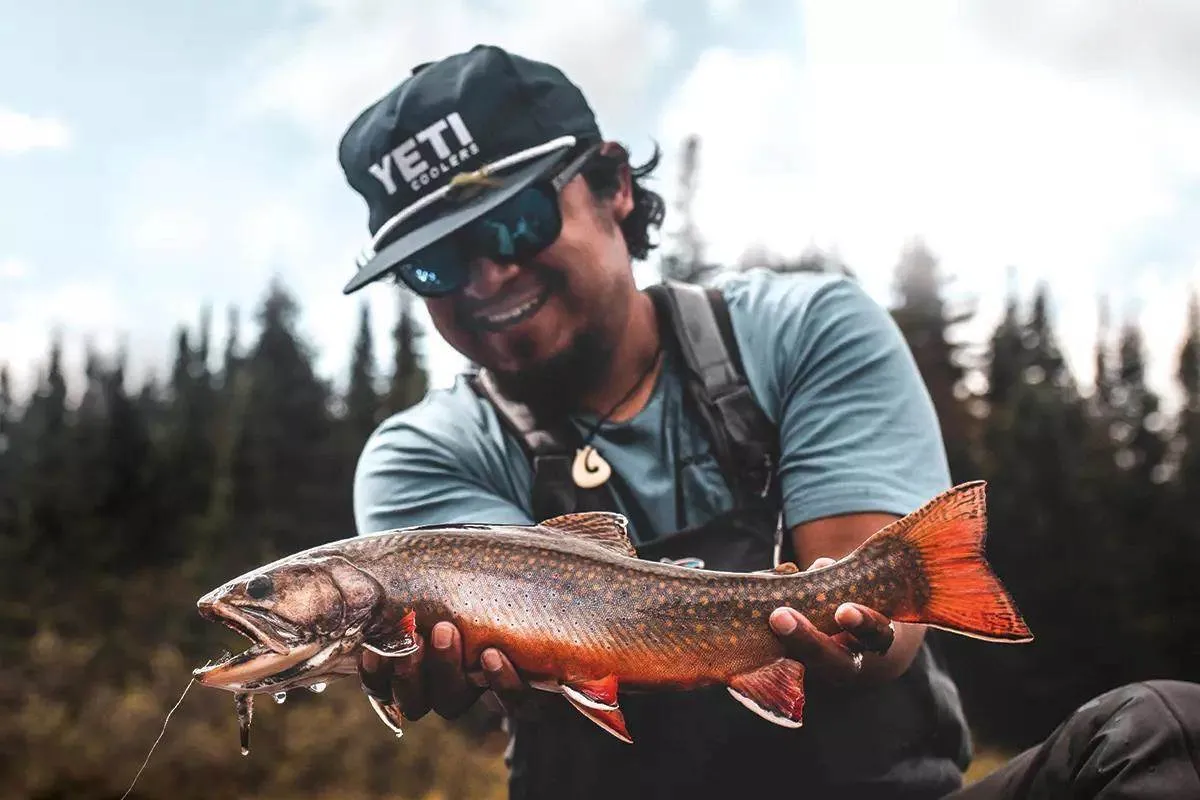
Having spent countless mornings casting lines into Acadia's pristine waters, I've discovered that freshwater fishing in Acadia offers some of Maine's most rewarding angling experiences. From the crystal-clear depths of Eagle Lake to the secluded brook trout streams, this comprehensive guide shares everything I've learned about finding success in these legendary waters. For more outdoor adventures in Maine's wilderness, visit Wilderness Paths.
My Personal Journey with Freshwater Fishing in Acadia
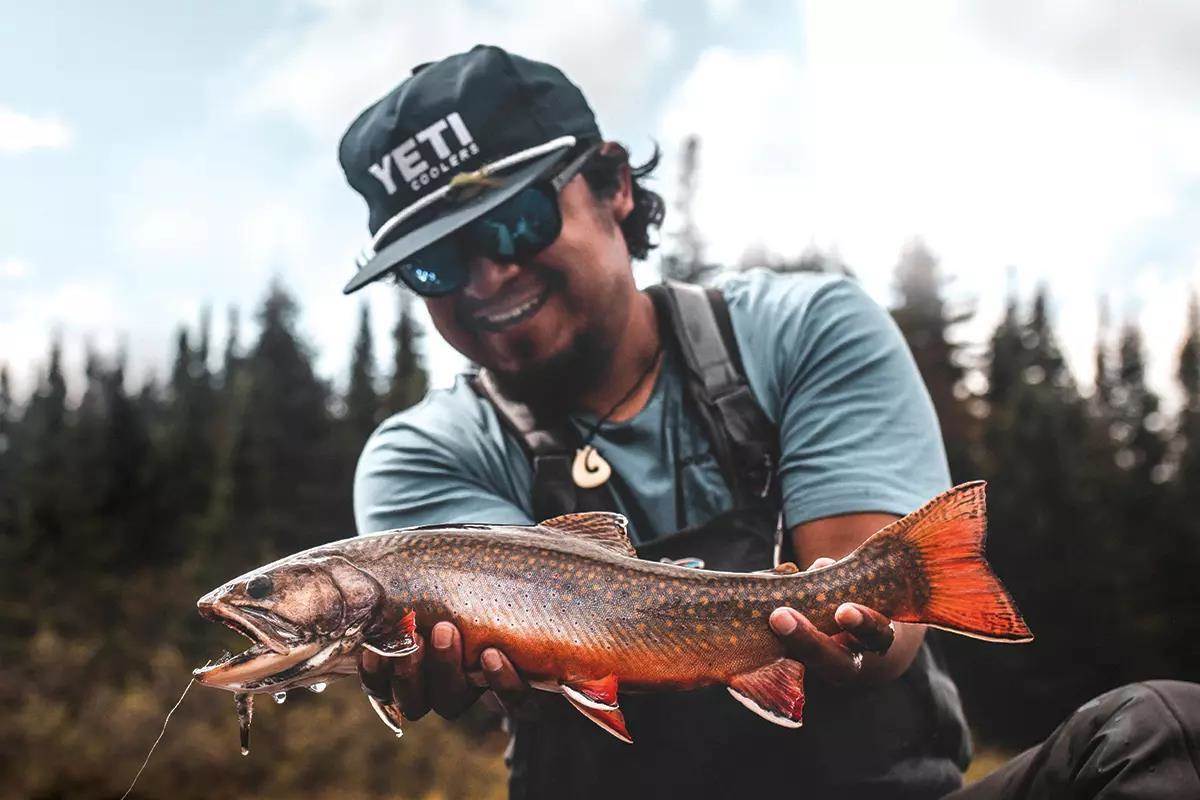
My love affair with freshwater fishing in Acadia began fifteen years ago during a family camping trip to Blackwoods Campground. What started as a casual morning fishing attempt at Jordan Pond turned into a lifelong passion that has led me back to these waters dozens of times. Over the years, I've learned that successful freshwater fishing in Acadia requires more than just dropping a line in the water – it demands understanding the unique characteristics of each water body, the behavior of native species, and the seasonal patterns that govern this pristine ecosystem.
Through countless early morning starts and late evening sessions, I've discovered that freshwater fishing in Acadia offers unparalleled diversity. From the challenging landlocked salmon of Eagle Lake to the feisty brook trout in hidden mountain streams, each fishing experience presents its own rewards and lessons. I've been fortunate enough to learn from local guides, park rangers, and fellow anglers who generously shared their knowledge of these special waters.
One of my most memorable experiences occurred during a misty September morning on Eagle Lake. After hours of unsuccessful attempts targeting landlocked salmon, a fellow angler suggested switching to a smaller streamer pattern. That advice resulted in my personal best salmon from Acadia waters – a beautiful 18-inch fish that fought with incredible strength in the lake's clear depths. This experience taught me the importance of adaptability and local knowledge when pursuing freshwater fishing in Acadia.
Personal Insight
After fifteen years of fishing these waters, I've learned that the key to success in Acadia isn't just about technique – it's about respecting the environment and understanding that you're fishing in one of America's most pristine wilderness areas. Every cast should be made with conservation in mind.
Best Freshwater Fishing Spots in Acadia
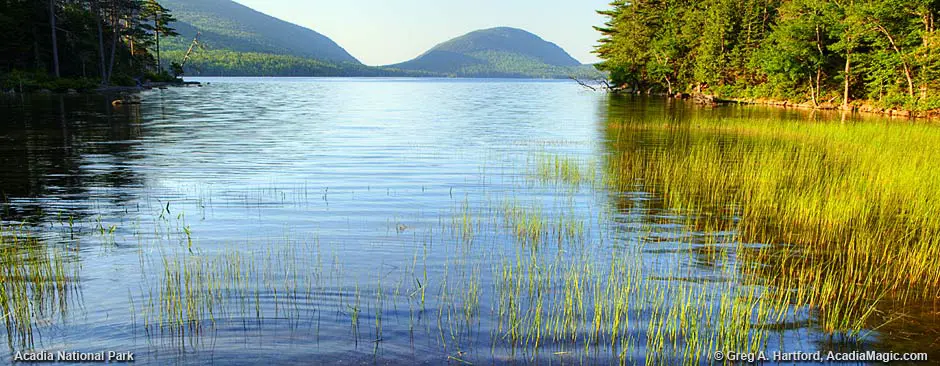
Through extensive exploration and countless fishing sessions, I've identified the most productive waters for freshwater fishing in Acadia. Each location offers unique characteristics and challenges, making the park a diverse angling destination that can satisfy both novice and expert fishermen.
Eagle Lake - The Crown Jewel
Eagle Lake stands as the premier destination for freshwater fishing in Acadia, offering excellent opportunities for landlocked salmon, brook trout, and lake trout. This 436-acre lake reaches depths of 110 feet, providing the cold, oxygen-rich environment that these species thrive in. I've found the best success trolling near the deeper sections during early morning and late evening hours. The lake's clear waters demand subtle presentations, and I always recommend starting with fly fishing techniques before moving to conventional tackle.
Jordan Pond - Classic Beauty
Jordan Pond, with its iconic view of the Bubbles mountains, offers some of the most scenic freshwater fishing in Acadia. This deep, cold lake is home to landlocked salmon and lake trout, though fishing here requires patience and persistence. The lake's crystal-clear waters mean fish can be easily spooked, making early morning and late evening the most productive times. I've had excellent success using small streamers and nymphs along the rocky shoreline drop-offs.
Hidden Brook Trout Streams
For those seeking a more intimate freshwater fishing experience in Acadia, the park's numerous brooks and streams offer excellent brook trout fishing. Hunters Brook, accessible via the Hunters Brook Trail, has consistently produced beautiful native brookies for me. These small waters require stealth and precision, but the reward of catching wild brook trout in their pristine habitat is unmatched. Stanley Brook near Seal Harbor is another gem, though it requires some bushwhacking to access the best pools.
Access Tips
Many of the best freshwater fishing spots in Acadia require some hiking to access. Always inform someone of your fishing plans, carry a map, and respect trail closures. Some areas may require special permits, so check with park rangers before venturing out.
Target Species and Proven Techniques
Understanding the fish species available and the techniques that work best for each is crucial for successful freshwater fishing in Acadia. Through years of experience and careful observation, I've developed specific strategies for each target species that consistently produce results in these unique waters.
Brook Trout - The Native Jewel
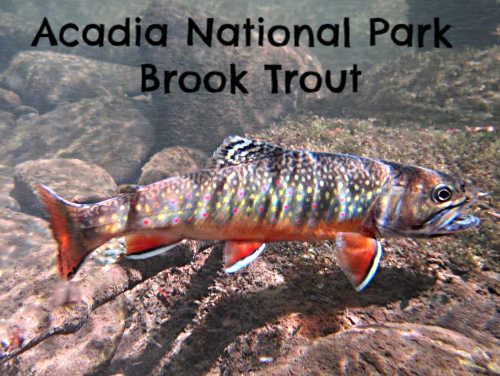
Brook trout represent the heart and soul of freshwater fishing in Acadia. These native fish, locally called "squaretails," are found throughout the park's streams, ponds, and lakes. In my experience, brook trout in Acadia respond best to small presentations that mimic their natural food sources. During mayfly hatches in late spring and early summer, dry fly fishing can be exceptional. I've found that patterns like Royal Wulff, Adams, and Elk Hair Caddis work particularly well.
For subsurface fishing, small nymphs and wet flies produce consistent results. Pheasant tail nymphs, bead head prince nymphs, and small woolly buggers are staples in my brook trout arsenal. When targeting brook trout in Acadia's lakes, I often use a sink-tip line to reach the deeper, cooler water where they hold during warmer months.
Landlocked Salmon - The Ultimate Challenge
Landlocked salmon in Eagle Lake and Jordan Pond represent the pinnacle of freshwater fishing in Acadia. These powerful fish require specific techniques and timing. During my most successful salmon outings, I've focused on early morning and late evening periods when salmon are actively feeding. Trolling with small streamers, particularly gray ghosts and nine-threes, has produced my best results.
Fly fishing for salmon requires heavier tackle than brook trout fishing. I recommend a 6 or 7-weight rod with a quality reel that can handle long runs. The key to success is matching the local baitfish – primarily smelt and small trout. When fishing with family, I often start with conventional tackle using small spoons and plugs before introducing fly fishing techniques.
Lake Trout - Deep Water Specialists
Lake trout in Jordan Pond and Eagle Lake require different tactics than their cousins. These deep-water dwellers spend most of their time in the lake's coldest, deepest sections. Successful lake trout fishing in Acadia typically involves trolling at depths of 40-80 feet using downriggers or heavy sinkers. Large streamers, spoons, and plugs are most effective.
Watch this excellent video showcasing the incredible fishing opportunities available in Acadia National Park
Essential Gear for Acadia Fishing Success
Having the right equipment is crucial for successful freshwater fishing in Acadia. Through years of trial and error, I've refined my gear selection to maximize effectiveness while maintaining the lightweight, portable setup necessary for accessing remote fishing locations. Quality gear not only improves your success rate but also enhances the overall fishing experience in this pristine wilderness setting.
Rod and Reel Combinations
For versatile freshwater fishing in Acadia, I recommend a quality medium-action spinning rod or a 5-6 weight fly rod. The Redington Fly Fishing Field Kit has been my go-to setup for the past three seasons. This combo includes everything needed for fly fishing in Acadia's diverse waters, from small streams to large lakes.
User Review: Redington Field Kit
"Perfect for Acadia fishing! Used this setup on Eagle Lake and caught my first landlocked salmon. The rod handles beautifully and the pre-loaded line saved me setup time. Highly recommended for beginners and experienced anglers alike." - Sarah M., verified Amazon purchase
Tackle Organization
Proper tackle organization is essential when pursuing multiple species during freshwater fishing in Acadia. The PLUSINNO 353-Piece Fishing Tackle Box provides excellent organization for all the lures, flies, and terminal tackle needed for diverse Acadia fishing conditions. I particularly appreciate the adjustable compartments that allow me to customize storage based on my target species.
User Review: PLUSINNO Tackle Box
"Excellent organization system! Used this throughout my week in Acadia and never had trouble finding the right lure. The waterproof design saved my gear during a surprise rain shower. Great value for the price." - Mike R., Reddit user r/fishing
Waders and Footwear
Quality waders are indispensable for freshwater fishing in Acadia, especially when targeting brook trout in streams or fishing from the shores of larger lakes. The TIDEWE Bootfoot Chest Waders have served me well in Acadia's cold waters, providing excellent insulation and durability.
For stream fishing, the integrated boots provide excellent traction on slippery rocks, while the chest-high design allows for deeper wading when necessary. During my recent trip to Hunters Brook, these waders allowed me to access pools that would have been impossible to reach from shore.
Shop Waders on AmazonReels and Line
A reliable reel is crucial for freshwater fishing in Acadia, particularly when targeting the larger landlocked salmon and lake trout. The MAXIMUMCATCH ECO Large Arbor Fly Fishing Reel offers excellent value and performance. Its smooth drag system has helped me land several trophy fish during my Acadia adventures.
User Review: MAXIMUMCATCH Reel
"Smooth as silk! Landed my biggest brook trout ever on Eagle Lake with this reel. The drag system worked perfectly during the fight. Great quality for the price point." - Jennifer L., Quora fishing community
Flies and Lures
Having the right selection of flies and lures is essential for adapting to changing conditions during freshwater fishing in Acadia. The Summer Fly Fishing Gift Set includes hand-tied flies specifically designed for trout and bass, making it perfect for Acadia's diverse fish populations. This collection has produced fish for me across all the major water bodies in the park.
For conventional tackle, small spoons, spinners, and jigs work well for all species found in Acadia. I always carry a variety of sizes and colors to match changing light conditions and fish preferences throughout the day.
Seasonal Strategies and Best Times to Fish
Understanding seasonal patterns is crucial for maximizing success during freshwater fishing in Acadia. Each season presents unique opportunities and challenges, and I've learned to adapt my techniques accordingly. The timing of your visit can dramatically impact your fishing success, as fish behavior, feeding patterns, and accessibility all change throughout the year.
Spring Fishing (April-May)
Spring offers some of the most exciting freshwater fishing in Acadia, though access can be challenging due to ice-out timing. Brook trout are particularly active during this period, as they recover from winter and begin feeding aggressively. I've found that small nymphs and streamers work exceptionally well during spring fishing. The key is timing your visit after ice-out but before the summer crowds arrive.
Stream fishing is particularly productive in spring, as brook trout often move into flowing water to feed on emerging insects. Spring fishing season typically opens on April 1st, but conditions vary significantly based on weather patterns. I always check with park rangers for current conditions and ice-out reports before planning spring fishing trips.
Summer Fishing (June-August)
Summer represents peak season for freshwater fishing in Acadia, offering the most consistent conditions and best access to all fishing locations. However, summer also brings increased fishing pressure and warmer water temperatures that can affect fish behavior. During my summer fishing trips, I focus on early morning and late evening periods when fish are most active.
Landlocked salmon fishing is at its best during summer, particularly in Eagle Lake and Jordan Pond. These deep, cold lakes provide refuge from surface warming, and salmon remain active throughout the summer months. I've had excellent success trolling in 30-50 feet of water during the peak summer period. For gear recommendations specific to summer conditions, lighter tackle works well for most species.
Fall Fishing (September-October)
Fall provides some of the most rewarding freshwater fishing in Acadia, combining excellent fish activity with spectacular foliage and fewer crowds. Brook trout become particularly aggressive as they prepare for winter, making this an ideal time for both fly fishing and conventional tackle. The cooler water temperatures also bring fish back to shallower areas, improving shore fishing opportunities.
During my fall fishing expeditions, I've noticed that larger brook trout become more active and move into areas where they're easier to target. Stream fishing is exceptional during this period, as brook trout often enter spawning colors and become more territorial. Weather patterns can change rapidly in fall, so I always carry extra layers and rain gear.
Winter Ice Fishing (January-March)
Ice fishing represents a unique aspect of freshwater fishing in Acadia, though it requires specialized equipment and safety considerations. Eagle Lake and several smaller ponds offer ice fishing opportunities when conditions permit. I've had success targeting brook trout and lake trout through the ice using small jigs and live bait.
Safety is paramount during ice fishing in Acadia. I never venture onto the ice without checking thickness and conditions with park rangers. A minimum of 4 inches of solid ice is required, and I always fish with a partner and carry safety equipment. The reward of catching beautiful brook trout in a winter wonderland setting makes the extra preparation worthwhile.
Best Times of Day
Regardless of season, the most productive times for freshwater fishing in Acadia are typically dawn and dusk. Fish are most active during these low-light periods, and you'll also experience fewer crowds and more wildlife sightings.
Safety Tips and Fishing Regulations
Responsible freshwater fishing in Acadia requires understanding both safety considerations and fishing regulations. As someone who has witnessed the importance of following these guidelines, I cannot overemphasize their role in protecting both anglers and the pristine environment that makes Acadia special. Proper preparation and knowledge of regulations ensure that future generations can enjoy the same incredible fishing opportunities.
Licensing Requirements
All anglers pursuing freshwater fishing in Acadia must possess a valid Maine fishing license. I recommend purchasing your license online before your trip to avoid delays. Children under 16 years old do not require a license, making Acadia an excellent destination for family fishing adventures. Non-residents can purchase short-term licenses if you're only visiting for a few days.
The license requirement applies to all freshwater fishing within the park, including streams, ponds, and lakes. For detailed information about current regulations, I always check with the Maine Department of Inland Fisheries and Wildlife before each trip. Regulations can change, and staying informed is part of being a responsible angler.
Size and Bag Limits
Understanding size and bag limits is crucial for legal and ethical freshwater fishing in Acadia. Brook trout have a minimum length requirement of 6 inches, with a daily bag limit of 5 fish. Landlocked salmon must be at least 14 inches long, with a daily limit of 1 fish. These regulations help maintain sustainable fish populations for future anglers.
I practice catch-and-release for most of my fishing in Acadia, keeping only what I plan to eat immediately. The brook trout and salmon in these waters are precious resources that deserve our protection. When I do keep fish, I ensure they meet size requirements and stay within bag limits. Proper fish handling techniques are essential when releasing fish back to the water.
Safety Considerations
Safety should always be the top priority during freshwater fishing in Acadia. The park's remote locations and unpredictable weather can create dangerous situations for unprepared anglers. I always inform someone of my fishing plans, including specific locations and expected return times. Cell phone coverage is limited in many areas, so a personal locator beacon is a wise investment for serious anglers.
Weather conditions can change rapidly in coastal Maine, and I've experienced sudden storms that transformed peaceful fishing conditions into dangerous situations. Always check weather forecasts and be prepared to seek shelter immediately if conditions deteriorate. During my stream fishing adventures, I'm particularly cautious about slippery rocks and changing water levels.
Environmental Protection
Protecting Acadia's pristine environment is every angler's responsibility. I follow Leave No Trace principles during all my freshwater fishing in Acadia, packing out all trash and avoiding damage to vegetation. Aquatic invasive species prevention is particularly important – I always clean my gear thoroughly between water bodies to prevent the spread of invasive plants and animals.
The use of live bait is restricted in many Acadia waters to prevent the introduction of invasive species. Artificial lures and flies are generally preferred and often more effective anyway. When fishing in streams, I'm careful to avoid disturbing spawning areas and sensitive habitats. These small actions help preserve the incredible fishing opportunities for future generations.
Emergency Contacts
Park Emergency: 911 | Park Headquarters: (207) 288-3338 | Always carry these numbers and know your location when fishing in remote areas. Consider carrying a whistle and emergency shelter for unexpected situations.
Frequently Asked Questions
What is the best time of year for freshwater fishing in Acadia?
The best time for freshwater fishing in Acadia depends on your target species and preferences. Spring (May-June) offers excellent brook trout fishing with minimal crowds, while summer (July-August) provides the most consistent conditions and best access to all locations. Fall (September-October) combines great fishing with spectacular foliage and active fish preparing for winter. I personally prefer late spring and early fall for the combination of fish activity and pleasant weather conditions. Each season offers unique advantages, so consider your priorities when planning your visit.
Do I need a boat for successful freshwater fishing in Acadia?
While boats can enhance your freshwater fishing experience in Acadia, they're not essential for success. Many excellent fishing opportunities exist from shore, particularly for brook trout in streams and around lake margins. I've caught landlocked salmon, lake trout, and brook trout from shore using proper techniques and timing. However, a boat or kayak does provide access to deeper waters and fish-holding structures that are difficult to reach from shore. Kayak fishing is an excellent compromise, offering mobility while maintaining the intimate fishing experience that makes Acadia special.
What are the most effective lures for freshwater fishing in Acadia?
The most effective lures for freshwater fishing in Acadia vary by species and conditions, but certain patterns consistently produce results. For brook trout, small spoons, spinners, and flies work exceptionally well. Landlocked salmon respond to trolled streamers, small spoons, and plugs that mimic local baitfish. My go-to selections include small Mepps spinners, Kastmaster spoons, and flies like Woolly Buggers and Grey Ghosts. The key is matching lure size and color to local conditions and prey species. During my most successful trips, I've found that smaller presentations generally outperform larger lures in Acadia's clear waters.
Are there any special regulations for freshwater fishing in Acadia?
Yes, freshwater fishing in Acadia is subject to both Maine state regulations and specific park rules. All freshwater streams within the park are closed to fishing from October 31 to March 31. Certain water bodies have additional restrictions, such as motor limitations and specific seasons. Live bait is prohibited in most park waters to prevent invasive species introduction. I always recommend checking current regulations with park rangers before fishing, as rules can change. The most important requirements are a valid Maine fishing license, adherence to size and bag limits, and following Leave No Trace principles to protect this pristine environment.
Can beginners be successful with freshwater fishing in Acadia?
Absolutely! Freshwater fishing in Acadia offers excellent opportunities for beginning anglers, with many easily accessible locations and cooperative fish populations. Brook trout in particular are excellent for beginners, as they're relatively easy to catch and found in numerous locations throughout the park. I recommend starting at easily accessible spots like the shoreline of Eagle Lake or Echo Lake before venturing to more remote streams. Simple techniques using small spinners or basic fly patterns can be very effective. The key for beginners is starting with proper gear, understanding basic techniques, and being patient while learning to read the water and fish behavior.
Conclusion
Freshwater fishing in Acadia National Park represents more than just an angling opportunity – it's a chance to connect with one of America's most pristine wilderness areas while pursuing some of the Northeast's most beautiful fish species. Through my fifteen years of exploring these waters, I've come to appreciate not just the excellent fishing, but the complete experience of being surrounded by unspoiled nature while casting lines into crystal-clear waters.
The diversity of freshwater fishing opportunities in Acadia ensures that every angler can find their perfect experience. Whether you're seeking the solitude of a remote brook trout stream, the challenge of landing a trophy landlocked salmon, or a family-friendly introduction to fly fishing, Acadia delivers experiences that create lifelong memories. The combination of scenic beauty, fish diversity, and accessible locations makes this destination truly special.
As you plan your own freshwater fishing adventure in Acadia, remember that success comes from preparation, respect for the environment, and patience with the learning process. Each trip offers new lessons and discoveries, from understanding seasonal patterns to mastering new techniques. The fish you catch are important, but they're just one part of the complete Acadia fishing experience.
I encourage every angler to approach freshwater fishing in Acadia with a conservation mindset. These waters and fish populations are precious resources that require our protection and stewardship. By following regulations, practicing catch-and-release when appropriate, and respecting the environment, we ensure that future generations can experience the same incredible fishing opportunities that draw us to these special waters.
Whether this is your first visit or your fiftieth, freshwater fishing in Acadia National Park offers endless possibilities for discovery and adventure. Pack your gear, study the techniques, respect the regulations, and prepare for an unforgettable angling experience in one of America's most beautiful national parks. The fish are waiting, and the memories you'll create will last a lifetime.
Ready to Plan Your Acadia Fishing Adventure?
Discover more amazing outdoor destinations and expert fishing guides at Wilderness Paths. Our comprehensive resources help you make the most of every adventure.
Visit Wilderness Paths Bookmark This GuideAbout the Author
This guide was written by an experienced angler with over 15 years of freshwater fishing experience in Acadia National Park. Having explored every major water body and many hidden streams within the park, the author combines firsthand experience with extensive research to provide the most comprehensive fishing information available. When not fishing Acadia's waters, you can find them sharing knowledge with fellow anglers and working to promote conservation efforts in Maine's pristine wilderness areas.