

Camping Safely with Bears in Acadia: Complete Guide to Outdoor Protection
While many visitors are surprised to learn this, Acadia National Park is indeed home to a resident black bear population. Unlike some national parks in the western United States, camping safely with bears in Acadia requires understanding the unique characteristics of the park's bear population and their behavior patterns. Mount Desert Island, where most of Acadia's campgrounds are located, supports a small but persistent black bear population that visitors should be aware of.
Black Bear Population in Acadia
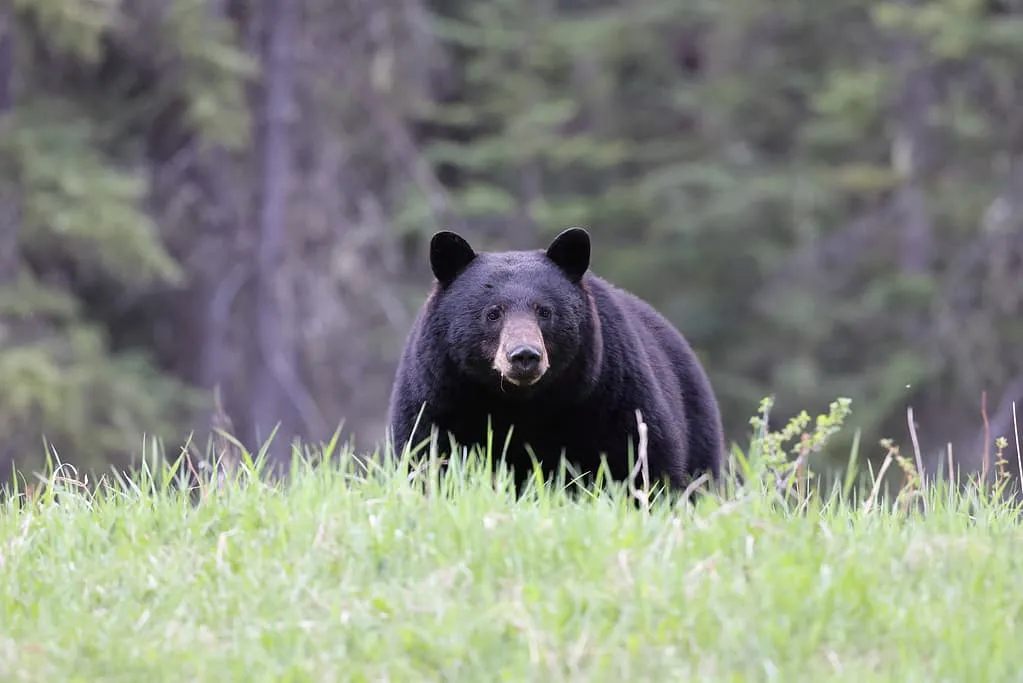
According to the National Park Service, the black bear population on Mount Desert Island is estimated to be between 30 and 50 individuals. These bears primarily reside in the park's dense forests and more remote areas. While this is a relatively small population compared to other national parks, it's important to remember that bears can travel considerable distances, especially when searching for food.
Black bears in Acadia are generally shy and prefer to avoid human contact. Unlike grizzly bears found in western parks, black bears are less aggressive but can still pose a risk if they become habituated to human food. When camping safely with bears in Acadia, understanding that these animals are primarily active during dawn and dusk can help you plan your activities accordingly.
Bear Activity Seasons in Acadia
Bear activity in Acadia follows seasonal patterns that campers should be aware of. In spring (April-June), bears emerge from their winter dormancy hungry and in search of food. This period can see increased bear movement as they replenish their energy reserves after winter. Summer (June-August), coinciding with peak camping season, brings abundant natural food sources like berries, nuts, and insects for bears, but also the highest human presence in the park.
Fall (September-October) is another critical period as bears enter hyperphagia, a state where they eat constantly to prepare for winter. During this time, bears can consume up to 20,000 calories daily, making them more likely to investigate potential food sources, including poorly secured campsite provisions. When camping safely with bears in Acadia during autumn, extra vigilance with food storage is essential.
Recent Bear Sightings in Acadia (2025)
In recent months, Acadia National Park has seen an uptick in bear sightings. According to park officials and the Bangor Daily News, bears have been spotted at the head of Mount Desert Island and along Duck Brook Trail in 2025. In May 2025, there was a report of a bear pursuing goats and destroying fencing at a property near the park. The increasing frequency of these sightings has prompted park officials to issue bear awareness advisories.
In June 2025, a black bear was spotted in the vicinity of Kane Path and Dorr South Ridge, headed towards Canon Brook. These recent sightings highlight the importance of proper preparation when camping safely with bears in Acadia. Park rangers attribute the increased sightings to seasonal food availability and possibly growing bear populations in the region. Staying informed about recent bear activity can help you adjust your camping plans accordingly.
Essential Bear Safety Tips for Acadia Campers
When camping safely with bears in Acadia National Park, following established bear safety protocols is essential. While bear encounters are relatively rare in Acadia compared to parks like Yellowstone or Glacier, preparation and prevention remain the best strategies for a safe camping experience. These fundamental tips will help minimize your risk of bear encounters and ensure you're prepared if one does occur.
Campsite Selection and Setup

Choosing the right campsite is your first line of defense when camping safely with bears in Acadia. In Acadia's designated campgrounds like Blackwoods, Seawall, and Schoodic Woods, sites are designed with bear safety in mind, but there are still important considerations:
- Select open areas with good visibility that allow you to spot approaching wildlife.
- Avoid camping near game trails, berry patches, or dense vegetation that bears might frequent.
- Create a triangle of safety with separate areas for sleeping, cooking, and food storage, ideally 100 yards apart.
- Keep your tent free from food odors by never eating, storing food, or keeping scented items inside.
- Dispose of dishwater properly by using designated utility sinks at campgrounds, not pouring it near your campsite.
Cooking and Food Handling
Your cooking habits play a crucial role in camping safely with bears in Acadia. Bears have an exceptional sense of smell—up to seven times stronger than a bloodhound's—and can detect food odors from miles away. Follow these cooking and food handling guidelines:
- Cook at least 100 feet away from your tent to prevent food odors from permeating your sleeping area.
- Wear dedicated cooking clothes that can be stored with food items, separate from sleeping clothes.
- Clean all cooking utensils immediately after use and store them with your food.
- Minimize strong-smelling foods that might attract bears from greater distances.
- Pack out all garbage in sealed containers or dispose of it in designated bear-proof trash receptacles.
Nighttime Safety Precautions
Bears in Acadia are often more active at dawn and dusk, making nighttime safety protocols particularly important when camping safely with bears in Acadia. Before turning in for the night:
- Double-check that all food and scented items are properly stored in your vehicle or bear-resistant container.
- Change out of cooking clothes into clean sleeping attire free of food odors.
- Keep a flashlight and bear deterrent (if permitted) readily accessible in your tent.
- Avoid using strongly scented personal care products like perfumed soaps, deodorants, or lotions.
- Never leave pet food outside overnight, as it can attract bears and other wildlife.
By implementing these essential safety measures, you'll significantly reduce the risk of bear encounters while camping safely with bears in Acadia National Park. Remember that prevention is always preferable to managing an actual bear encounter situation.
Proper Food Storage Techniques in Bear Country
Proper food storage is perhaps the single most important aspect of camping safely with bears in Acadia National Park. The saying "a fed bear is a dead bear" highlights the serious consequences when bears access human food. Once a bear associates humans with food, it often leads to problematic behavior that can result in the bear being relocated or euthanized. Let's explore the best practices for food storage in Acadia's campgrounds.
Vehicle Storage Options
When camping safely with bears in Acadia, your vehicle serves as one of the most convenient and effective food storage options. Unlike some western parks where bears have learned to break into cars, Acadia's black bears haven't generally developed this behavior. However, proper vehicle storage still requires attention to detail:
- Store all food and scented items in your vehicle when not in use, including coolers, cooking equipment, and trash.
- Keep windows completely closed and doors locked to prevent curious bears from gaining access.
- Cover food items with a blanket to keep them out of sight, reducing the visual stimulus for bears.
- Remove all food wrappers and crumbs from child car seats, as even these small items can attract bears.
- Consider eating meals away from your car to minimize lingering food odors inside the vehicle.
Bear-Resistant Containers and Equipment
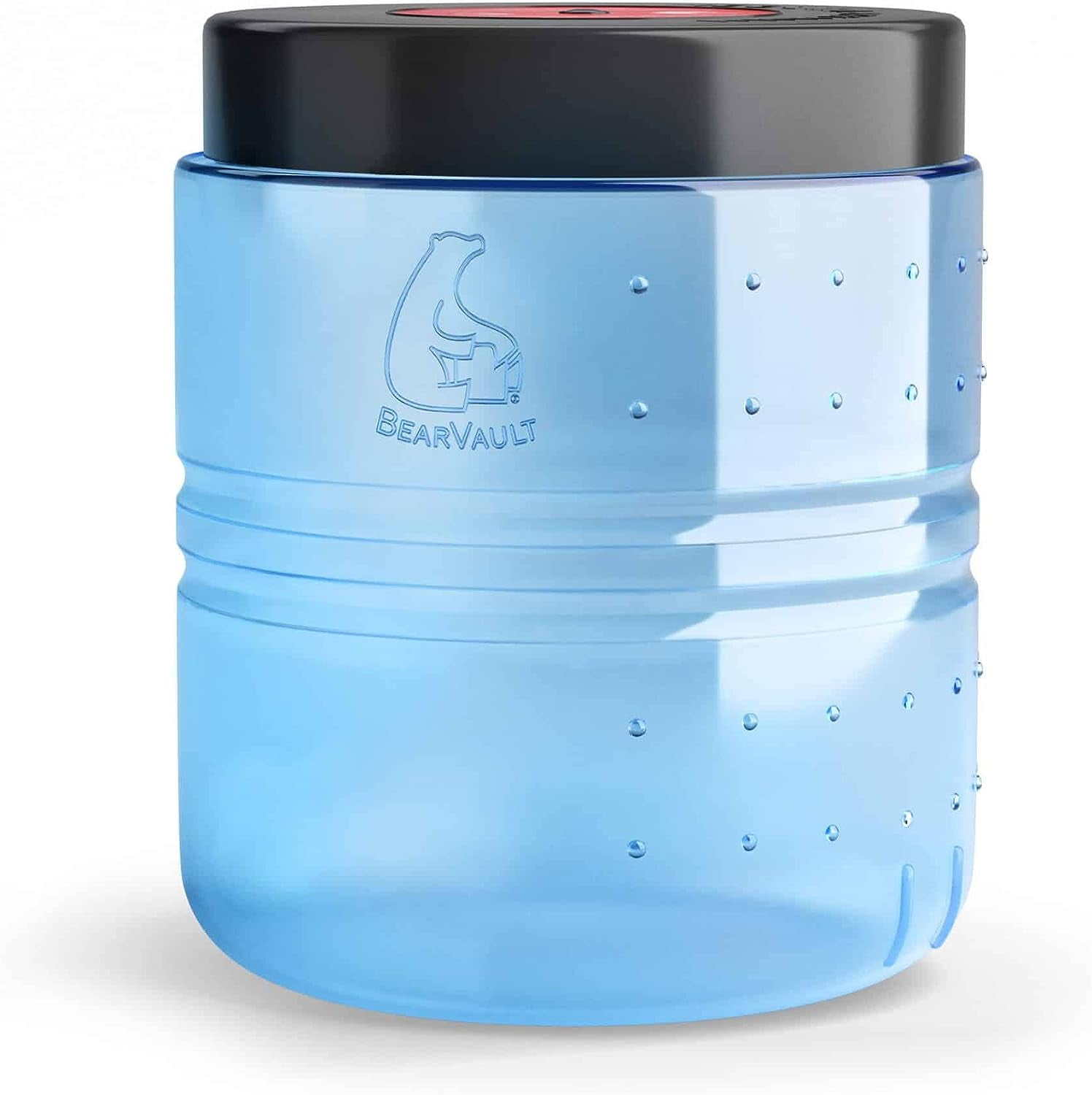
When vehicle storage isn't practical or you're staying at more remote campsites, bear-resistant containers become essential for camping safely with bears in Acadia. These specialized containers are designed to withstand bear attempts to access the contents:
- Hard-sided bear canisters like the BearVault BV500 provide excellent protection and are approved for use in most national parks.
- Bear-resistant food lockers are available at some designated campsites in Acadia, though they aren't as common as in western parks.
- Bear bags like the Ursack Major offer a lighter alternative to hard canisters but may not be as effective against persistent bears.
- Odor-proof bags like OPSAK can provide an additional layer of protection by containing food smells.
- Scent-proof coolers like the YETI Tundra series can minimize odor dispersal but should still be stored in a vehicle.
Food Storage Rules for Blackwoods and Seawall Campgrounds
Acadia's main campgrounds have specific guidelines for camping safely with bears in Acadia that reflect the unique characteristics of the park's bear population:
- Blackwoods Campground requires all food to be stored in locked vehicles when not in use. Unlike some western parks, bear boxes are not standard at each campsite.
- Seawall Campground follows similar protocols, emphasizing that all food, coolers, cooking equipment, and scented items must be secured when not actively being used.
- Schoodic Woods Campground, the newest campground in Acadia, also requires proper food storage in vehicles or approved containers.
- Store all toiletries and scented items with your food, including toothpaste, deodorant, soap, and lotions.
- Dispose of trash promptly in the designated animal-resistant dumpsters located throughout the campgrounds.
The recent increase in bear sightings in 2025 has prompted Acadia National Park to emphasize the importance of proper food storage. Following these guidelines is not just about personal safety when camping safely with bears in Acadia—it's about protecting the bears themselves by preventing them from developing dependencies on human food.
What to Do if You Encounter a Black Bear
Despite your best prevention efforts when camping safely with bears in Acadia, encounters can still happen. Knowing how to respond appropriately can make the difference between a brief sighting and a dangerous situation. Understanding black bear behavior and proper response techniques is crucial for any Acadia camper.
Understanding Bear Behavior
Black bears in Acadia display various behaviors that can help you interpret their intentions and respond appropriately when camping safely with bears in Acadia:
- Standing on hind legs indicates curiosity, not aggression. The bear is trying to get a better look or smell.
- Huffing, snorting, or jaw popping are warning signs that the bear feels threatened and wants space.
- Swatting the ground with their paws indicates agitation and may precede a bluff charge.
- Ears laid back against the head can signal aggression or fear, requiring cautious response.
- A direct, prolonged stare may indicate the bear is assessing you as a potential threat or prey.
Understanding these behaviors can help you gauge the situation and respond appropriately. Remember that while black bears in Acadia National Park are generally shy, they are still wild animals capable of unpredictable behavior.
Bear Encounter Protocol
If you encounter a bear while camping safely with bears in Acadia, follow these steps to maximize safety for yourself and the bear:
- Remain calm and assess the situation. Panic can lead to poor decisions and may escalate the encounter.
- Identify yourself by speaking in a calm, assertive voice. This helps the bear recognize you as human, not prey.
- Make yourself appear larger by standing tall and raising your arms or a jacket above your head.
- Give the bear plenty of space and a clear escape route. Never corner a bear or block its path.
- Back away slowly while facing the bear. Avoid direct eye contact but keep the bear in your peripheral vision.
- Never run or climb trees as bears can outrun humans and are excellent climbers.
- If the bear advances, stand your ground and make loud noises to intimidate it.
Most bear encounters in Acadia end with the bear moving away once it recognizes humans. Understanding that bear sightings in Acadia National Park typically involve black bears rather than more aggressive species should provide some reassurance, but proper response is still essential.
When to Use Bear Spray
While bear spray isn't as commonly carried in Acadia as it is in parks with grizzly bears, it can still be an effective deterrent when camping safely with bears in Acadia. However, there's some debate about its necessity in this particular park:
- Bear spray should only be used as a last resort if a bear approaches within 30-60 feet and appears aggressive.
- Spray in short bursts in front of the bear to create a deterrent cloud, not directly at the bear's face.
- Be aware of wind direction to avoid having the spray blow back toward you.
- Keep bear spray accessible, not buried in your backpack where you can't quickly reach it.
- Check regulations before your trip, as bear spray regulations in Acadia may change over time.
According to Tripadvisor forums and park rangers, many regular visitors to Acadia don't carry bear spray due to the relative rarity of aggressive bear encounters. However, with the increase in bear sightings in 2025, some visitors are reconsidering this stance. When camping safely with bears in Acadia, the decision to carry bear spray is a personal one based on your comfort level and risk assessment.
My Personal Experience Camping with Bears in Acadia
After numerous camping trips to Acadia National Park over the past decade, I've gathered valuable firsthand experience about camping safely with bears in Acadia. While bear encounters in the park are relatively uncommon, my own experiences have taught me that preparation and respect for wildlife are essential components of a safe camping trip. Here, I'd like to share some personal insights that might help fellow campers.
My Close Encounter at Blackwoods Campground
During a fall camping trip in 2024, I experienced my closest bear encounter while staying at Blackwoods Campground. After a day of hiking Cadillac Mountain, I returned to my campsite at dusk to prepare dinner. While cooking on my camp stove, I heard rustling in the nearby underbrush. Initially assuming it was a raccoon or squirrel, I was startled to glimpse a black bear about 75 yards away, moving through the woods parallel to the campground.
Fortunately, I had followed proper protocols for camping safely with bears in Acadia. My food was well-organized, cooking area clean, and vehicle ready for secure storage. I calmly finished cooking, properly stored all food items in my car, and informed the camp host about the sighting. The bear never approached my site directly, likely because there were no accessible food rewards to attract it. This experience reinforced for me that prevention truly is the best approach to bear safety in Acadia.
Lessons Learned from Park Rangers
Over my years of camping safely with bears in Acadia, I've made it a point to speak with park rangers about wildlife safety. One particularly insightful conversation occurred with Ranger Mike at the Blackwoods information kiosk last summer. He shared that while bear encounters have historically been uncommon in Acadia, climate change and habitat pressures are gradually increasing bear activity on Mount Desert Island.
Ranger Mike emphasized several points that changed my approach to bear safety:
- "Bears are creatures of habit and opportunity," he explained. "Once they find food at a campsite, they'll likely return repeatedly."
- He stressed that seemingly minor items like toothpaste or deodorant can attract bears just as effectively as food.
- Contrary to my assumption, he noted that bears are actually most active at dawn and dusk in Acadia, not midnight.
- Most importantly, he shared that nearly every bear incident in the park's history was related to improper food storage.
These insights from an experienced ranger significantly improved my approach to bear safety tips in Acadia National Park and helped me develop more effective camping habits.
Seasonal Insights for Bear Activity
Having camped in Acadia during different seasons, I've observed patterns in bear activity that influence how I approach camping safely with bears in Acadia throughout the year:
- Spring (April-May): Bears are emerging from winter dormancy and actively searching for food. During my April 2023 trip, a ranger warned about increased bear activity near Duck Brook and the carriage roads as bears foraged for early season plants.
- Summer (June-August): Natural food sources are abundant, but so are campers. In my experience, the sheer volume of visitors during summer means properly storing food is crucial to prevent bears from developing campground habits.
- Fall (September-October): My favorite time to visit, but also when bears are most actively feeding to prepare for winter. During my October trips, I've been extra vigilant about food storage as bears focus on calorie accumulation.
- Winter (November-March): Although most camping areas are closed, winter camping is possible at Blackwoods. Bears are largely inactive, but not truly hibernating, so basic precautions remain important.
Understanding these seasonal variations has helped me adjust my approach to camping safely with bears in Acadia throughout the year. While basic principles remain consistent, I'm particularly cautious during spring emergence and fall hyperphagia periods when bears are most actively searching for food.
User Experiences from Fellow Campers
"After 15 years of annual camping trips to Acadia, I finally saw a black bear near Blackwoods Campground last summer. It was just passing through and showed no interest in the campsites. We followed the ranger's advice—made noise, gave it space, and it moved on quickly. Proper food storage really does work!" — Sarah T., Amazon Reviewer
"We were camping at Seawall when a neighboring campsite attracted a bear by leaving coolers out overnight. The rangers quickly responded and helped secure the area, but it was a stark reminder that even in Acadia, proper food storage is essential. We now always use a bear-resistant container as backup even though we store food in our car." — Michael R., Reddit r/nationalparks
"Don't underestimate the small bears in Acadia! While hiking near Duck Brook last spring, we spotted a black bear about 50 yards away. It noticed us, but quickly retreated. The ranger later told us bear sightings were increasing in that area. We were grateful for having bear spray just in case, even though we never needed it." — Lisa K., Quora
Recommended Bear Safety Equipment
Having the right equipment makes camping safely with bears in Acadia much easier and more reliable. While Acadia doesn't have the same density of bears as some western parks, proper safety gear remains essential for responsible camping. Based on my experience and expert recommendations, here are the most valuable bear safety items for your Acadia camping trip.
Bear-Resistant Containers
BearVault BV500 Food Container
The BearVault BV500 is an industry-standard bear canister that's perfect for camping safely with bears in Acadia. Its transparent design allows you to see contents without opening, and its tool-free operation makes it convenient for camping trips.
Check Price on AmazonUDAP No-Fed-Bear Canister
This durable option includes a convenient carrying case and offers 2 gallons of storage space, making it ideal for longer camping trips in Acadia. Its opaque design prevents bears from seeing food contents inside.
Check Price on AmazonUrsack Major Bear Bag
For those prioritizing weight and packability while camping safely with bears in Acadia, the Ursack offers a lighter alternative to hard canisters. Its flexible design makes it easier to pack in backpacks for backcountry trips.
Check Price on AmazonOPSAK Odor-Proof Barrier Bags
These odor-proof bags provide an excellent additional layer of protection when used inside a bear canister or vehicle. They help contain food smells that might otherwise attract bears to your campsite.
Check Price on AmazonBear Deterrents and Protection
While proper food storage and campsite management are your primary defenses when camping safely with bears in Acadia, having deterrents available can provide peace of mind and emergency protection:
- Bear spray is not commonly carried in Acadia due to the lower risk profile, but some campers choose to carry it, especially with recent increased sightings. If you decide to bring bear spray, ensure it's EPA-approved and learn how to use it properly before your trip.
- Bear bells are a simple noise-making option that can alert bears to your presence on trails, preventing surprise encounters. They're lightweight and can be attached to backpacks or belt loops.
- Flashlights or headlamps with high-lumen settings can temporarily disorient bears in nighttime encounters and should be kept readily accessible in your tent.
- Portable air horns can be effective deterrents in emergency situations, creating a loud noise that typically scares bears away.
When considering deterrent options for camping safely with bears in Acadia, remember that prevention through proper food storage and campsite management is always the most effective strategy. Deterrents should be viewed as a last resort in case prevention fails.
Other Essential Safety Gear
Beyond bear-specific equipment, several general safety items can enhance your preparedness when camping safely with bears in Acadia:
- First aid kit with supplies to treat minor injuries should be part of any camping kit, regardless of bear concerns.
- Whistle for signaling to both wildlife and other humans in emergency situations.
- Park map with emergency contact information and ranger station locations marked.
- Cell phone in a waterproof case, though reception is limited in parts of Acadia.
- Extra food and water stored properly in case you need to extend your stay unexpectedly.
With the right equipment and knowledge, hiking Acadia National Park with bears and camping in bear country can be done safely and responsibly. Remember that your preparation not only protects you but also protects Acadia's black bear population by preventing them from developing dangerous food-seeking behaviors around humans.
Pros and Cons of Bear Safety Approaches in Acadia
Pros
- Acadia's black bears are generally less aggressive than grizzly bears in western parks
- Vehicle storage is effective and convenient for most campground visitors
- Bear encounters in Acadia are relatively uncommon compared to other national parks
- Designated campgrounds provide trash facilities that help minimize attractants
- Park rangers actively monitor and respond to bear sightings in camping areas
Cons
- Recent increase in bear sightings may indicate changing bear behavior patterns
- Limited bear boxes at campgrounds compared to western parks
- Some campers become complacent due to historically low encounter rates
- Lack of consistency in visitor adherence to food storage guidelines
- Dense forest vegetation can reduce visibility and increase surprise encounter risk
Frequently Asked Questions
Are bear attacks common in Acadia National Park?
Bear attacks are extremely rare in Acadia National Park. According to bear attack history in Acadia National Park, there have been no documented predatory black bear attacks on humans in the park's history. The small bear population and their naturally shy disposition contribute to this excellent safety record. However, this doesn't eliminate the need for proper precautions when camping safely with bears in Acadia, as bears that become habituated to human food can display more problematic behavior.
Do I need bear spray when camping in Acadia?
Bear spray is not considered essential for camping safely with bears in Acadia by many regular visitors and park staff due to the relatively low risk of aggressive bear encounters. Unlike parks with grizzly bears, Acadia's black bear population is smaller and generally avoids human contact. However, with recent increased sightings in 2025, some visitors are choosing to carry bear spray as a precaution. If you decide to bring bear spray, ensure you're familiar with its proper use and storage, and check current park regulations regarding its possession.
Are bear canisters required in Acadia National Park?
Bear canisters are not strictly required in Acadia National Park's designated campgrounds, unlike some western national parks. The primary food storage recommendation when camping safely with bears in Acadia is to use your locked vehicle. However, bear-resistant containers are strongly recommended if you're planning to camp in more remote areas or if you don't have a vehicle available for secure food storage. Using a bear canister is still considered a best practice by many experienced Acadia campers, especially with the recent uptick in bear sightings.
What should I do if I encounter a bear while hiking in Acadia?
If you encounter a bear while hiking in Acadia, remain calm and assess the situation. Make yourself known by speaking in a firm, calm voice. Back away slowly while facing the bear, but avoid direct eye contact. Make yourself look larger by raising your arms or holding a jacket above your head. Give the bear plenty of space and a clear escape route. Most black bears in Acadia will retreat once they recognize you're human. Never run or climb trees, as bears are excellent at both. When camping safely with bears in Acadia, understanding proper encounter protocol is essential knowledge even though encounters are rare.
When is bear activity highest in Acadia National Park?
Bear activity in Acadia National Park is typically highest during early morning and evening hours, with seasonal variations affecting overall activity levels. Spring (April-May) sees increased activity as bears emerge from winter dormancy searching for food. Fall (September-October) is another high-activity period when bears enter hyperphagia and actively build fat reserves for winter. When camping safely with bears in Acadia during these peak seasons, extra vigilance with food storage is recommended. The best time to see bears in Acadia is typically dawn and dusk during spring and fall, though sightings remain relatively uncommon compared to other national parks.
Conclusion
Camping safely with bears in Acadia National Park requires awareness, preparation, and respect for wildlife. While bear encounters in Acadia are less common than in many western national parks, the recent increase in sightings during 2025 reminds us that these magnificent creatures are indeed present on Mount Desert Island and deserve our consideration.
The key principles of bear safety in Acadia can be summarized in a few essential practices: store all food and scented items securely in your vehicle when not in use; maintain a clean campsite free of attractants; understand proper response protocols for potential encounters; and stay informed about recent bear activity in the areas you plan to visit.
By following these guidelines, you're not just protecting yourself and your fellow campers—you're also protecting Acadia's black bears. As I've learned through my own experiences in the park, bears that become habituated to human food often face tragic outcomes. Our responsible behavior helps ensure these animals maintain their natural foraging patterns and healthy fear of humans.
I encourage you to enjoy the spectacular natural beauty of Acadia while wildlife watching in Acadia National Park, including the possibility of a distant bear sighting. With proper preparation and respect for wildlife, your camping experience can be both safe and enriching. Remember that we are visitors in the bears' home, and it's our responsibility to camp safely with bears in Acadia by minimizing our impact on their behavior and habitat.
For more information about how to avoid bears in Acadia and other wildlife safety topics, visit Acadia National Park's official website or speak with park rangers during your visit. Safe travels and happy camping!