
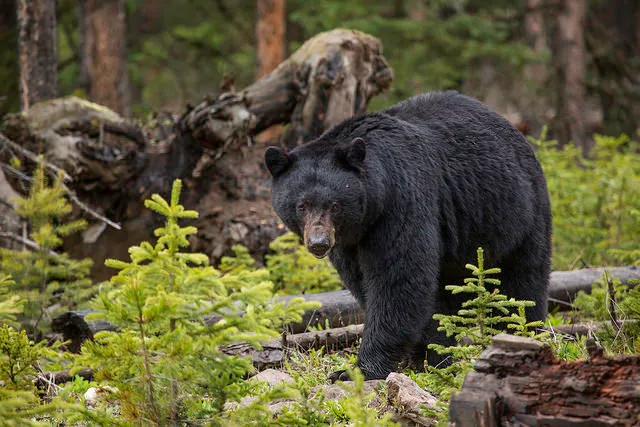
Welcome to your essential guide on bear safety in Acadia National Park! As an avid hiker who has spent countless days exploring Acadia's magnificent trails, I've compiled this comprehensive resource to help you stay safe while enjoying this natural paradise. While bear sightings in Acadia are relatively rare compared to other national parks, understanding proper bear safety protocols is crucial for any outdoor enthusiast. In this guide, you'll discover everything from the local black bear population to expert ranger recommendations and the best safety products for your adventures. Let's ensure your Acadia experience remains both memorable and safe by being bear aware! Be sure to check out WildernessPaths.com for more outdoor adventure tips and resources.
Understanding Bears in Acadia National Park
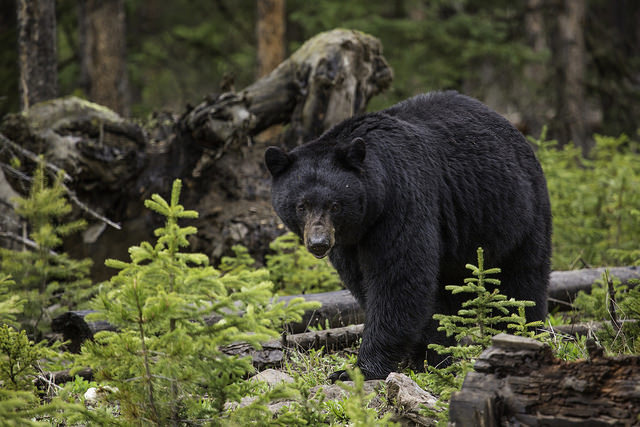
When planning a trip to Acadia National Park, many visitors wonder about the presence of bears and the potential for encounters. Unlike parks such as Yellowstone or Glacier where bear sightings are common, Acadia has a small but permanent population of black bears. According to National Park Service data, the black bear population in Acadia is estimated to be between 30 and 50 individuals, primarily residing in the park's dense forests and remote areas.
Understanding the nature of these bears is crucial for safe coexistence. American black bears (Ursus americanus) are generally shy creatures that prefer to avoid human contact. They're omnivorous, with diets consisting primarily of berries, nuts, insects, and vegetation. In spring, they often feed on skunk cabbage, while summer brings an abundance of blueberries—a favorite food source for Acadia's bears.
Bear Habitat and Distribution
Acadia's black bears prefer habitats with dense forests, wetlands, and mountainous areas that offer abundant food sources and cover. While the entire park serves as potential bear habitat, sightings are more common in the less-traveled areas of the park, particularly:
- The western side of Mount Desert Island
- Areas around the Schoodic Peninsula
- Remote backcountry trails
- Areas near wetlands and berry patches
Unlike some national parks where bears are frequently spotted, encounters in Acadia are relatively rare. Most visitors will complete their trip without seeing a bear, which is why a bear sighting here is considered a special experience. This rarity doesn't mean we should be any less prepared, however. Understanding and respecting these magnificent creatures includes knowing how to prevent unwanted encounters and how to respond appropriately if you do meet a bear on the trail.
It's important to note that black bears in Acadia National Park have different behavior patterns than grizzly or brown bears found in western parks. Black bears are typically less aggressive and more likely to retreat when encountering humans. However, they can become dangerous if they feel threatened, cornered, or if they've become habituated to human food. This is why proper food storage and respect for wildlife is paramount when visiting the park.
Bear Activity Patterns
Bears in Acadia follow seasonal patterns that visitors should be aware of:
- Spring: Emerging from hibernation, bears are particularly hungry and may venture closer to developed areas in search of food
- Summer: Peak activity coincides with berry season, with bears focusing on natural food sources throughout the park
- Fall: Bears enter a phase called hyperphagia, consuming as many calories as possible before winter hibernation
- Winter: Most bears hibernate, though in mild winters some may remain active for longer periods
Bears are most active during dawn and dusk (crepuscular), so extra caution is advised when hiking during these times. Throughout my years exploring Acadia's trails where bear sightings have occurred, I've found that maintaining awareness of these patterns significantly reduces the chances of surprising a bear—which is often the catalyst for negative encounters.
Bear Encounter Prevention Strategies
Preventing bear encounters is always preferable to managing them once they occur. During my numerous trips to Acadia, I've adopted several preventative strategies recommended by park rangers and wildlife experts that have proven effective in minimizing the risk of unwanted bear encounters.
Make Your Presence Known
One of the most effective ways to prevent bear encounters is to alert bears of your presence while hiking. Bears typically avoid humans when given adequate warning. Consider these noise-making strategies:
- Talk in normal or slightly louder than normal voices
- Sing or periodically call out, especially in dense vegetation or near loud streams
- Clap your hands occasionally when entering areas with limited visibility
- Travel in groups, as larger parties naturally make more noise
Important note: While making noise is recommended, avoid using whistles or high-pitched sounds that could mimic the sound of an injured animal, potentially attracting predators rather than deterring them.
Ranger Tip: "Bear bells, while popular among hikers, generally don't produce enough noise to effectively alert bears of your presence, especially in windy conditions or near running water. Human voices and conversation are much more effective." - Acadia National Park Wildlife Management
Hike Smart
How and when you hike can significantly impact your chances of encountering a bear. Consider these hiking practices when in Acadia's bear country:
- Hike in groups of four or more whenever possible
- Stay on established trails
- Be especially alert during early morning and evening hours when bears are most active
- Consider adjusting your hiking schedule to avoid dawn and dusk in areas with known bear activity
- Watch for bear signs such as tracks, scat, claw marks on trees, or torn-up logs
- Avoid dense berry patches during peak ripening seasons
During my fall hiking trips in Acadia, I've always been extra vigilant near wild blueberry patches, as bears are particularly attracted to these areas during berry season. By scanning the area before approaching and making extra noise when visibility is limited, I've been able to safely enjoy the park's natural beauty without surprising any wildlife.
Manage Attractants
Bears have an extraordinary sense of smell—up to seven times more powerful than a bloodhound's. Managing scents and potential attractants is critical for preventing bears from being drawn to you or your campsite:
- Never carry or cook strongly scented foods while hiking in areas with known bear activity
- Pack all food, garbage, and scented items (even non-food items like toothpaste or deodorant) in sealed containers
- Consider using odor-barrier bags for additional protection
- Don't wear scented lotions, perfumes, or cologne in bear country
- Clean up thoroughly after meals, leaving no food residue
- Change clothes after cooking, storing food-scented clothing with your food
I once encountered a family at Blackwoods Campground who had left scented hand wipes outside their tent overnight. By morning, they discovered a curious raccoon had investigated their campsite—a reminder that smaller animals are often the precursors to bear problems. If smaller creatures are attracted to your campsite, it's only a matter of time before bears might follow.
By implementing these prevention strategies, you dramatically reduce your chances of unwanted bear encounters in Acadia National Park. Remember that these magnificent creatures are an essential part of the ecosystem, and our goal should be peaceful coexistence, not confrontation.
Food Storage and Camp Management
Proper food storage is perhaps the single most important aspect of bear safety in any wilderness setting, including Acadia National Park. The old adage "a fed bear is a dead bear" holds true—once bears associate humans with food, they often become problematic and may eventually need to be relocated or euthanized.
The Bear-Muda Triangle Approach
When camping in Acadia, I always implement what rangers call the "Bear-muda Triangle" approach—a spatial arrangement that separates your sleeping area, cooking area, and food storage area by at least 100 feet (about 30 large steps) from each other:
Tent with no food, cooking equipment, or scented items
Where all meals are prepared and consumed
Where all food and scented items are stored
Each point should be approximately 100 feet from the others
This triangular arrangement helps prevent bears from associating your tent with food smells, significantly reducing the risk of nighttime visitations.
Proper Food Storage Methods
In Acadia National Park, there are several approved methods for storing food and other attractants:
- Bear Canisters: These hard-sided, bear-resistant containers are highly recommended, especially in backcountry areas. They should be placed at least 100 feet from your campsite on flat ground (not near cliffs or water where bears might knock them).
- Food Lockers: Some designated campgrounds in Acadia provide metal food lockers. Use these whenever available, ensuring they're properly latched.
- Vehicle Storage: In established campgrounds where permitted, store food in a hard-sided vehicle with windows completely closed. Never store food in a pickup truck bed or soft-top vehicle.
- Hanging Method: While less effective than bear canisters, the hanging method can be used in some areas. Food must be suspended at least 10 feet high and 4 feet away from any trunk or branch.
During my camping trips at Acadia's Blackwoods and Seawall campgrounds, I've found that using a combination of vehicle storage (during the day) and a bear canister (at night) provides the most peace of mind. The investment in a quality bear canister has been well worth it for the security and convenience it provides.
What Items Need Secure Storage?
Many campers are surprised to learn just how many items need to be secured from bears. Here's a comprehensive list of what should go in your bear-resistant storage:
- All food (even sealed packages)
- Trash and food waste
- Cooking equipment
- Eating utensils
- Pet food and bowls
- Coolers (empty or full)
- Toiletries and cosmetics
- Toothpaste and dental floss
- Soap and sanitizer
- Sunscreen and insect repellent
- Medications with scents
- First aid supplies with scents
- Feminine products
- Clothes worn while cooking
Pro Tip: I always keep scent-proof bags in my camping kit for storing garbage and scented items. These can provide an extra layer of odor protection, though they should still be placed in bear-resistant storage.
Campsite Cleanliness
Beyond proper food storage, maintaining an immaculate campsite is crucial for bear safety:
- Wash all dishes immediately after eating, away from your campsite
- Never discard food scraps or wash water near your campsite
- Pack out all trash—never bury it
- Clean up any spilled food or drinks thoroughly
- Don't leave pet food out
- Store BBQ grills and camp stoves in secure locations after use (once cooled)
Following these food storage and campsite management practices will not only keep you safe but also contribute to the long-term conservation of Acadia's black bear population by preventing them from becoming habituated to human food.
Essential Bear Safety Equipment
While prevention is the primary strategy for bear safety, having the right equipment can provide an additional layer of protection and peace of mind during your Acadia adventures. Based on my experiences and ranger recommendations, here are the essential safety items every visitor should consider:
Bear Deterrents
Although bear encounters in Acadia are rare, carrying appropriate deterrents is still recommended, especially when hiking in remote areas of the park. The most effective deterrents include:
- Bear Spray: This EPA-registered product is designed specifically for deterring aggressive bears and should be carried in an easily accessible location (not in your backpack). It creates a large cloud of capsaicin that irritates a bear's eyes, nose, and lungs, giving you time to retreat safely.
- SABRE Frontiersman Bear Spray (7.9 oz) - This maximum-strength formula has a 35-foot range and includes a glow-in-the-dark safety clip.
- Counter Assault Bear Deterrent Spray with Holster - Features a 40-foot range and an 8-second continuous spray duration.
- Bear-Resistant Food Containers: Essential for overnight trips, these containers prevent bears from accessing your food and developing problematic behaviors.
- BearVault BV500 Food Container - This transparent, lightweight canister is approved for use in bear country and holds approximately 7 days of food.
- UDAP No-Fed-Bear Resistant Canister - Made in the USA and designed to withstand even determined bear attempts.
Important Note on Bear Spray Regulations: Always check current regulations before bringing bear spray to Acadia National Park. While generally permitted on trails, some specific areas or facilities may have restrictions. Bear spray is classified as a restricted item on many airlines, so plan accordingly if flying.
Bear Safety User Reviews
"The SABRE Frontiersman Bear Spray gave me peace of mind while hiking in Acadia. The holster made it easily accessible, and the safety clip prevented accidental discharge. Thankfully never had to use it, but knowing it was there made me feel much safer in the backcountry."
— Michael S., Amazon Verified Purchase
"Used the BearVault BV500 on a 5-day camping trip in Acadia. It's surprisingly spacious and I appreciate being able to see what's inside without opening it. A bit bulky in my pack but worth the peace of mind. The screw mechanism is bear-proof but still easy enough for humans to open."
— Jennifer L., Reddit r/CampingGear
"After a close encounter with a black bear while hiking in northern Maine, I invested in Counter Assault bear spray. The holster design allows for quick access, and the spray pattern creates a substantial cloud that would give ample time to retreat. The training canister that came with it was perfect for practice."
— David K., Quora
Additional Safety Equipment
Beyond deterrents, other equipment can enhance your safety in bear country:
- Noise-makers: Carrying a whistle (different from predator calls) can help alert bears to your presence and call for help if needed
- Headlamps/Flashlights: Bears are more active at dawn and dusk; good lighting helps you spot them from a safe distance
- Binoculars: Allow you to identify wildlife from a safe distance
- Odor-proof bags: Help contain food smells within your already bear-resistant storage
- Scent-blocking storage bags for hygiene items and trash
In my personal hiking kit, I always include a combination of these items based on my planned activities. For day hikes on popular trails, I typically carry just bear spray in an accessible holster. For overnight backcountry trips, I add the bear canister and odor-proof bags. This tiered approach allows me to be appropriately prepared without carrying unnecessary equipment.
The Role of Technology: While traditional safety equipment remains most important, some hikers now use smartphone apps to log and view recent bear sightings. However, never rely solely on technology for bear safety—battery failure or poor reception could leave you without this information when needed.
How to Respond to a Bear Encounter
Despite all preventative measures, there's always a possibility of encountering a bear in Acadia National Park. While such encounters are rare, knowing how to respond appropriately can make the difference between a memorable wildlife sighting and a dangerous situation. Based on National Park Service guidelines and my own experiences, here's what to do if you encounter a black bear in Acadia.
Initial Response to Spotting a Bear
If you spot a bear in the distance that hasn't noticed you:
- Remain quiet and calm
- Slowly back away while keeping an eye on the bear
- Choose an alternate route if possible
- Keep a safe distance of at least 100 yards (91 meters)
- If you wish to observe the bear, use binoculars or a zoom lens
Remember that it's both unsafe and illegal to approach bears intentionally. While capturing that perfect wildlife photo may be tempting, your safety—and the bear's natural behavior—should always take precedence.
Personal Experience: During a sunset hike near Jordan Pond, I once spotted a black bear foraging about 200 yards away. I quietly alerted my hiking companions, and we slowly retreated along the trail without drawing attention to ourselves. The bear never noticed us, and we were able to report the sighting to a ranger later that evening. This passive response allowed us to safely observe wildlife without creating a potentially dangerous situation.
When a Bear Notices You
If a bear spots you and is paying attention to your presence:
- Identify yourself: Talk calmly in a low, monotone voice so the bear recognizes you as human
- Make yourself look larger: Stand tall, gather with your group, and raise your arms or backpack above your head
- Stay calm: Do not scream, make sudden movements, or run, which could trigger a chase response
- Back away slowly: Create distance while facing the bear (never turn your back)
- Prepare deterrents: Remove the safety from your bear spray and be ready to use it if necessary
Most bear encounters in Acadia end with the bear choosing to leave the area once it identifies humans. Black bears will often stand on their hind legs—this is not aggressive behavior but rather their way of getting a better look and smell.
If a Black Bear Approaches
In the unlikely event that a black bear approaches you in Acadia:
- Stand your ground: Don't run or climb trees (bears can do both better than humans)
- Get loud and assertive: Yell, clap hands, bang pots, blow whistles, or use air horns
- Make yourself intimidating: Wave arms, jackets, or sticks to appear larger
- Group together: If you're with others, stand shoulder-to-shoulder to appear larger
- Use bear spray: If the bear continues to approach within 30-40 feet, use your bear spray
Important: While these assertive tactics are appropriate for black bears, they would not be recommended for grizzly bears. Since Acadia only has black bears, the aggressive response is appropriate if a bear approaches.
Using Bear Spray Effectively
If you need to use bear spray:
- Remove the safety clip
- Hold the can with two hands with the nozzle pointed away from you
- Wait until the bear is within 30-40 feet (check your specific product's effective range)
- Aim slightly downward and spray a 2-3 second burst
- If the bear continues to approach, spray again directly at the face
- Back away slowly once the bear retreats
Practice removing the safety clip and holding the spray in the proper position before your trip, so you can act quickly if needed.
In the Extremely Rare Case of an Attack
Bear attacks are extraordinarily rare, especially in Acadia National Park which has no recorded history of bear attacks. However, knowing the proper response could save your life in a worst-case scenario:
- If a black bear attacks, DO NOT PLAY DEAD. Unlike with grizzly bears, playing dead is ineffective with black bears
- Fight back aggressively using whatever is available—sticks, rocks, bear spray, or your hands
- Focus strikes on the bear's eyes, nose, and face
- Continue fighting until the bear retreats
- Once you're safe, immediately report the incident to park authorities
Remember that predatory attacks by black bears are extremely rare. Most aggressive behavior from bears stems from surprise encounters, protection of cubs, or defense of food sources—all situations that can be largely avoided through proper preventive measures.
My Experience with Bears in Acadia
Over my decade of exploring Acadia National Park during all seasons, I've had the rare privilege of encountering black bears on just three occasions. These experiences have shaped my understanding of bear behavior and reinforced the importance of proper safety protocols.
Early Morning Encounter on Schoodic Peninsula
My most memorable bear sighting occurred during a sunrise hike on Schoodic Peninsula in early June. I had arrived at the trailhead before dawn and was making my way up the Anvil Trail when movement about 50 yards ahead caught my attention. There, illuminated by the golden morning light, was a medium-sized black bear foraging among blueberry bushes.
I immediately stopped, maintained a quiet presence, and slowly reached for my camera. The bear was completely absorbed in its breakfast and hadn't noticed me. For about five minutes, I watched as it methodically stripped berries from the bushes, occasionally raising its head to sniff the air. When it finally sensed my presence, the bear simply looked up, evaluated me for a brief moment, then casually ambled into the forest.
This encounter taught me two important lessons: first, bears in Acadia are generally shy and non-confrontational; and second, hiking during feeding times (early morning and evening) significantly increases your chances of an encounter. Since then, I've adjusted my hiking schedule in known bear areas to mid-day when possible.
Lessons from a Ranger-Led Program
Though not a direct encounter, one of my most educational experiences came during a ranger-led program on Acadia's wildlife. The ranger shared a story about responding to reports of a bear at a campground near Blackwoods. A young bear had been attracted by improperly stored food and had begun associating the campground with easy meals.
The ranger explained the painstaking efforts required to "re-wild" the bear—using aversive conditioning techniques to rebuild its fear of humans and human spaces. This story emphasized how our actions directly impact wildlife behavior, potentially endangering both animals and people.
Since that program, I've become almost obsessive about proper food storage, even carrying a bear canister on day hikes when I bring lunch. I've also become an informal educator, gently advising fellow hikers and campers when I notice potentially problematic behaviors.
A Winter Surprise
My most surprising encounter occurred during a snowshoeing trip in February—a time when most bears should be hibernating. While exploring a remote section of trail near Western Mountain, I came across unmistakable bear tracks in the fresh snow. Following ranger advice, I immediately reported the sighting and learned that in mild winters, some bears may experience periods of activity between longer sleep sessions.
This taught me that bear safety isn't just a warm-weather concern. While encounters are less likely in winter, they remain possible. I now carry bear spray year-round and maintain the same food safety practices regardless of season.
Key Takeaway: My personal experiences with bears in Acadia have reinforced that these animals generally want nothing to do with humans. Every encounter ended with the bear choosing to leave the area without confrontation. However, this natural avoidance behavior can be undermined when bears begin associating humans with food—which is why proper food storage and campsite management remain critical even in a park with relatively few bear encounters.
Seasonal Bear Activity in Acadia
Black bear behavior in Acadia National Park varies significantly throughout the year. Understanding these seasonal patterns can help you better prepare for your visit and adjust your bear safety practices accordingly. Based on seasonal bear activity patterns and my own observations, here's what to expect during different times of year:
Spring (April-May): Emergence and Hunger
As spring arrives in Acadia, bears emerge from their winter dens hungry and in search of food. During this period:
- Bears are particularly active as they replenish weight lost during hibernation
- Natural food sources may be scarce, potentially increasing the likelihood of bears venturing near developed areas
- Females with cubs born during winter are protective and more likely to be defensive
- Bears feed extensively on emerging vegetation, especially in wetland areas where skunk cabbage and other early plants appear
Spring Safety Tips: Be especially vigilant about food storage during spring visits. Make extra noise when hiking in dense vegetation or near wetlands where hungry bears may be feeding. If camping, implement the bear-muda triangle configuration with particular care.
Summer (June-August): Berry Season
Summer brings abundant natural food sources throughout Acadia, shifting bear behavior in several ways:
- Bears focus heavily on berry patches, particularly blueberries which are plentiful in the park
- Activity patterns shift toward dawn and dusk feeding, with midday rest periods
- Cubs are more mobile and curious, sometimes leading family groups closer to trails or developed areas
- Higher visitor numbers in the park can push bears toward less-traveled areas
Summer Safety Tips: Be cautious when hiking near wild blueberry patches, especially in early morning or evening. The Jordan Pond area and many of the fire roads have extensive berry patches that attract bears. If camping during summer, be aware that the increased visitor numbers mean more food around, potentially attracting bears to campgrounds if proper storage protocols aren't universally followed.
Fall (September-November): Hyperphagia
Fall is perhaps the most critical season for bears as they enter hyperphagia—a state of intense feeding to prepare for winter hibernation:
- Bears may feed for up to 20 hours per day, consuming up to 20,000 calories daily
- Acorns, beechnuts, and late berries become primary food sources
- Bears become less cautious about human presence when focused on feeding
- Movement increases as bears range widely looking for food sources
Fall Safety Tips: Fall requires heightened awareness, especially in oak and beech forests where bears concentrate their feeding. Make noise consistently when hiking, carry bear spray in an accessible location, and be exceptionally careful with food storage at campgrounds. The Wonderland Trail and areas around Seawall are known for fall bear activity.
Winter (December-March): Denning Period
While most bears hibernate during winter months in Acadia, their behavior is more complex than simple continuous sleep:
- Most bears enter dens between late November and mid-December
- Bears aren't true hibernators—they can wake and become active during warm spells
- Females give birth during winter denning, typically in January
- Dens are often located in remote, densely vegetated areas, sometimes under fallen trees or rock formations
Winter Safety Tips: Though bear encounters are least likely during winter, maintain food storage practices during winter camping. Avoid investigating potential den sites, especially in remote areas with dense undergrowth or rock formations. Even in winter, carry bear spray on backcountry adventures—particularly during unseasonably warm periods when bears might temporarily emerge.
The Impact of Climate Change on Bear Behavior in Acadia
Park biologists have noted that changing climate patterns may be affecting bear behavior in Acadia. Warmer winters can disrupt hibernation patterns, while shifting plant phenology affects food availability. These changes may lead to:
- More frequent winter bear activity during warm spells
- Changes in traditional feeding areas as plant communities shift
- Potential increases in human-bear conflicts if natural food sources become less reliable
Visitors should stay informed about current conditions and any bear activity alerts when planning their Acadia trips, regardless of season.
By understanding these seasonal patterns, you can better prepare for your Acadia visit, adjusting your bear safety practices to match the current level of bear activity and behavior. Remember that while these patterns are generally reliable, individual bear behavior can vary based on numerous factors including food availability, human activity, and specific weather conditions.
Frequently Asked Questions
Are there many bears in Acadia National Park?
No, Acadia National Park has a relatively small but permanent population of black bears, estimated between 30-50 individuals. Bear sightings in the park are considered relatively rare compared to other national parks. The bears primarily inhabit the dense forests and less-traveled areas of Mount Desert Island and the Schoodic Peninsula. While encounters are uncommon, it's still important to practice proper bear safety techniques during your visit, as the population does exist and is active throughout the warmer months of the year.
Do I need bear spray in Acadia?
While bear encounters in Acadia National Park are relatively rare, carrying bear spray is still recommended, especially for backcountry hikers and campers. Bear spray provides an effective deterrent in the unlikely event of an aggressive bear encounter. Park rangers suggest having it accessible (not inside your backpack) when hiking in less-frequented areas of the park. Remember that bear spray is not allowed on commercial flights, so plan to purchase it locally if flying to Maine. Even though the chance of needing to use bear spray in Acadia is low, many outdoor safety experts follow the principle that it's better to have it and not need it than need it and not have it.
What should I do if I encounter a black bear while hiking?
If you encounter a black bear while hiking in Acadia, remain calm and avoid running, which could trigger a chase response. Make yourself appear larger by raising your arms and gathering closely with your group. Speak in a firm, loud voice to identify yourself as human. Slowly back away while facing the bear, never turning your back. If the bear approaches, become more assertive—make noise by yelling, clapping, or banging objects together. In the rare case of continued approach, prepare to use bear spray if you have it. Remember that most black bears in Acadia are naturally afraid of humans and will typically leave once they realize you are human. Always report bear sightings to park rangers to help them monitor bear activity.
Are bears in Acadia dangerous?
Black bears in Acadia National Park are generally not dangerous when given space and proper respect. They are naturally wary of humans and typically avoid encounters. There is no recorded history of bear attacks on humans in Acadia National Park. However, any wild animal can become dangerous if it feels threatened, cornered, or if protecting cubs. Bears that have become habituated to human food can also display more bold and potentially problematic behavior. The greatest danger comes from improper human actions: approaching bears too closely for photos, improperly storing food, or intentionally feeding wildlife. By following recommended bear safety guidelines—maintaining distance, properly storing food, making noise while hiking, and carrying bear spray—visitors can ensure that bears remain wild and encounters remain peaceful.
How do I properly store food in bear country?
Proper food storage in Acadia's bear country is essential for both human and bear safety. In established campgrounds, use the metal food lockers if provided or store food in a hard-sided vehicle with windows completely closed. For backcountry camping, use a bear-resistant food container (bear canister) placed at least 100 feet from your tent on flat ground. All food, garbage, toiletries, and scented items (including toothpaste, deodorant, and cooking equipment) must be secured. Never store food or scented items in your tent. Follow the "bear-muda triangle" approach by separating your sleeping area, cooking area, and food storage area by at least 100 feet from each other. Always pack out all trash and food scraps—never bury or burn them. Remember that proper food storage isn't just about your safety; it prevents bears from developing dangerous habits that often lead to their destruction.
Conclusion
As we've explored throughout this guide, bear safety in Acadia National Park involves understanding, preparation, and respect for these magnificent creatures. While bear encounters in Acadia are relatively rare compared to other national parks, the small but permanent population of black bears requires visitors to remain vigilant and informed.
The key principles of bear safety in Acadia can be summarized in these essential practices:
- Prevention is paramount – Making noise while hiking, properly storing food, and maintaining clean campsites are your best defenses against unwanted bear encounters
- Respect wildlife – Observe bears from a distance, never approach them for photos, and give them plenty of space to move freely
- Be prepared – Carry bear spray, know how to use it, and understand proper response techniques for different encounter scenarios
- Stay informed – Check with rangers about recent bear activity and adjust your plans accordingly
- Spread awareness – Share your knowledge of bear safety with fellow visitors to help protect both people and bears
Through my years of exploring Acadia's wilderness, I've developed a deep appreciation for the park's black bears. These animals aren't villains from horror stories but rather shy, intelligent creatures that play a vital role in the ecosystem. With proper preparation and respect, we can share this magnificent landscape with them safely.
Remember that bear safety isn't just about protecting ourselves—it's about protecting the bears too. Each time a bear obtains human food, it takes one step closer to becoming a "problem bear" that may eventually face relocation or euthanasia. By following the guidelines in this article, you're helping to keep Acadia's bears wild and alive.
As you plan your next adventure to Acadia National Park, I hope this guide serves as a valuable resource for enjoying the park's natural beauty while staying safe in bear country. The wilderness experience is all the more profound when we approach it with knowledge, respect, and a sense of shared stewardship for these remarkable animals and their habitat.
Safe travels and happy trails in beautiful Acadia National Park!
Stay Connected for More Wilderness Tips
For more guides on national parks, wildlife safety, and outdoor adventures, visit WildernessPaths.com.
Share your own bear safety tips or Acadia experiences in the comments below!
Disclaimer: This guide contains affiliate links to products that I personally use and recommend. If you purchase through these links, WildernessPaths.com receives a small commission at no additional cost to you. These commissions help support the creation of free content like this article. All information is provided for educational purposes only. Always check current park regulations and trail conditions before your visit.
Last updated: July 2025