
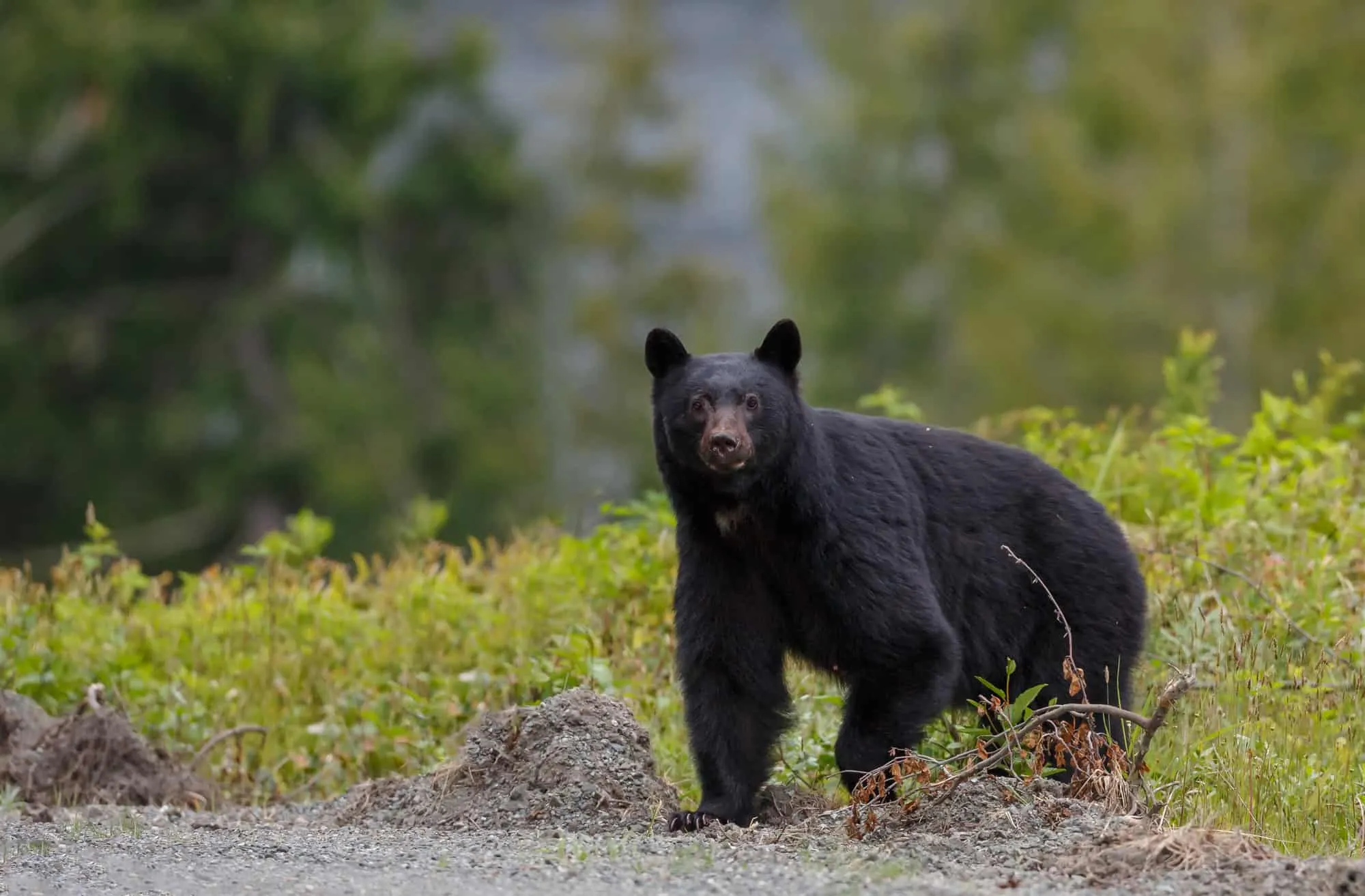
Spotting a black bear in Acadia National Park can be one of the most memorable wildlife encounters during your visit, though it's rarer than you might expect. As someone who's spent countless hours tracking wildlife in Acadia's diverse ecosystems, I've compiled this comprehensive guide to maximize your chances of witnessing these magnificent creatures in their natural habitat. From seasonal patterns to specific locations, safety protocols, and personal experiences, this guide offers everything you need for your bear-watching adventure. Visit Wilderness Paths for more expert outdoor guides.
Understanding Black Bears in Acadia National Park
When planning your visit to Acadia National Park with hopes of spotting a black bear, it's important to manage expectations. Despite the common perception that bears are abundant throughout Maine, bear sightings in Acadia are relatively rare. According to the National Park Service, there is only a small permanent population of black bears (Ursus americanus) on Mount Desert Island, where the majority of Acadia National Park is located.
Population and Distribution
The black bear population in Acadia is estimated to be quite limited. Based on habitat requirements, female black bears need approximately 6-9 square miles of territory each, which means Mount Desert Island could at most support about 4 breeding females year-round. This limited population explains why many visitors complete their Acadia adventures without ever encountering a bear.
According to veteran Acadia Ranger Dusty Warner, who has worked in the park for over 20 years, he has only seen 3 live bears during his entire tenure. This statistic speaks volumes about their elusive nature within the park boundaries.
In July 2025, Acadia National Park representatives discussed bear management with the League of Towns, noting an increase in sightings around Bar Harbor, Town Hill, Somesville, and within the park. Bears have been spotted at various locations including the Kane Path, Dorr South Ridge Trail, Bald Peak Trail, and even Cadillac Mountain. This recent uptick in sightings provides slightly improved opportunities for wildlife enthusiasts seeking these elusive mammals.
Bear Behavior and Characteristics
The black bears found in Acadia are typically medium-sized, with adults weighing between 150 to 600 pounds. Their fur ranges from black to dark brown, and they possess a keen sense of smell, which they use to locate food sources. Bears in Acadia are generally solitary creatures, except during mating season or when mothers are raising cubs.
Black bears are naturally shy and tend to avoid human interaction whenever possible. They are primarily active during dawn and dusk (crepuscular), making these the optimal times for potential sightings. Their diet in Acadia consists mainly of berries, nuts, insects, and occasional small mammals. In spring, they seek out tender green plants, roots, and emerging berries, while summer brings an abundance of blueberries and blackberries for foraging.
Understanding these fundamental characteristics of black bears in Acadia National Park will help set appropriate expectations and enhance your wildlife watching strategy during your visit.
Seasonal Patterns: When Are Bears Most Active?
Timing is everything when it comes to maximizing your chances of spotting bears in Acadia. Black bears follow distinct seasonal patterns that influence their activity levels and visibility throughout the year. Understanding these patterns can significantly improve your chances of a successful sighting.
Spring (April to June): Post-Hibernation Activity
Spring offers some of the best opportunities for bear sightings in Acadia National Park. As bears emerge from their winter hibernation, they actively search for food to replenish lost body fat. During this period, bears are frequently on the move seeking out early vegetation, particularly skunk cabbage, which grows abundantly in certain areas of the park.
In late spring (May-June), bears become increasingly visible as they forage extensively. Mother bears with cubs also emerge during this time, although they tend to keep their distance from frequently traveled areas. The park has recorded increased bear activity in recent years during late May through mid-June, making this an optimal window for bear watching enthusiasts.
Weather conditions in spring can impact bear activity. On warmer days, bears are more likely to be active during early morning and late afternoon, while cooler days might see them foraging throughout daylight hours.
Summer (July to September): Peak Foraging Season
Summer brings an abundance of food resources for Acadia's bears, primarily in the form of berries. Blueberries become plentiful across the park's landscape in July and August, attracting bears to open areas where these fruits grow. According to park rangers, recent bear sightings have increased since mid-June 2025, with notable activity around Jordan Pond and the breakneck ponds at dawn.
During the summer months, bears typically feed during the cooler parts of the day—early morning (5:00-8:00 AM) and evening (6:00-9:00 PM). Midday heat often drives them to seek shelter in shaded, less accessible areas of the forest. This pattern makes dawn and dusk the prime viewing times for summer bear watching.
Summer also coincides with peak tourist season, which can impact bear behavior. The increased human presence may cause bears to frequent more remote areas of the park, making the Schoodic Peninsula portion of Acadia a potentially better location for sightings during this busy period.
Fall (October to November): Hyperphagia Period
Fall represents another excellent opportunity for bear sightings as bears enter hyperphagia—a period of increased feeding activity to prepare for winter hibernation. During this time, bears can forage up to 20 hours per day and need to consume thousands of calories daily.
In Acadia, fall-bearing oak trees become a significant attraction for bears. The park's oak forests provide acorns that are rich in fats and proteins, crucial for winter survival. Areas with concentrations of oak trees, particularly in the eastern deciduous forests of the park, become potential hotspots for bear activity.
The reduced tourist presence in fall also means bears may feel more comfortable venturing into areas they typically avoid during peak season. Combined with their increased foraging needs, this makes late September through early November another prime window for potential bear encounters.
Winter (December to March): Hibernation Period
Winter offers essentially no opportunities for bear sightings as black bears in Acadia enter hibernation. During this period, which typically begins in late November and lasts until early April, bears remain in dens, often located in rocky outcroppings, hollow trees, or under fallen logs.
While technically not true hibernation but rather a state of torpor, bears' metabolic rates drop significantly during winter. They do not eat, drink, urinate, or defecate during this period, living off accumulated fat reserves.
Planning a visit specifically for bear watching should avoid the winter months entirely, as your chances of sightings are virtually non-existent during this season.
Best Locations for Bear Watching in Acadia

While bear sightings in Acadia remain relatively uncommon compared to other national parks, certain areas offer better opportunities than others. Based on historical sightings, ranger reports, and local knowledge, I've identified several locations that increase your chances of spotting these elusive creatures.
Schoodic Peninsula
The Schoodic Peninsula section of Acadia National Park offers what rangers consider the best possibility for bear encounters within park boundaries. Unlike Mount Desert Island, Schoodic Peninsula is connected to the mainland, allowing for more natural bear movement into the area. The peninsula's relatively lower visitation numbers also mean less human disturbance, making bears more likely to maintain their natural patterns.
The forested areas around Schoodic Head and the less-traveled trails on the peninsula provide good habitat for bears. Early morning hikes on the Anvil Trail or Schoodic Head Trail offer the best chances for potential sightings. Ranger-led programs on the peninsula occasionally highlight recent wildlife activity, including any bear sightings, making them valuable resources for up-to-date information.
Jordan Pond Area
Recent bear activity has been reported around the Jordan Pond area, making this a potential hotspot for sightings. In 2025, park officials noted that at least one or two bears had gotten into trash at Jordan Pond House, indicating their presence in this region.
The Jordan Pond Loop Trail and the surrounding forested areas offer suitable bear habitat with ample food sources. The wooded sections between Jordan Pond and Bubble Pond contain vegetation that attracts bears, particularly in spring and early summer. Early morning walks along the Jordan Pond Path before the area becomes crowded with visitors provide the best opportunity for potential encounters.
Additionally, the wetland areas near Jordan Pond support the growth of skunk cabbage, a springtime food source that black bears actively seek after emerging from hibernation.
Eastern Deciduous Forests
The eastern sections of Mount Desert Island feature deciduous forests that offer prime bear habitat, especially during fall when oak trees produce acorns. Areas around Gorham Mountain, Champlain Mountain, and the forested sections of the Park Loop Road's eastern side may yield sightings during peak foraging seasons.
Trails like Gorham Mountain Trail, Champlain North Ridge Trail, and the less-frequented sections of the Homans Path provide access to these forest habitats. As with all bear watching in Acadia, early morning and late afternoon offer the best viewing opportunities when bears are most active.
Recent Sighting Locations
Based on 2025 reports, specific trails have had confirmed bear sightings that bear watchers should note:
- Kane Path - This trail between The Tarn and Jordan Pond has had documented bear activity
- Dorr South Ridge Trail - Bears have been spotted along this less-traveled route
- Bald Peak Trail - Recent sightings make this a potential area for bear encounters
- Cadillac Mountain area - Despite being popular with tourists, bears have been reported here in early morning hours
- The Breakneck Ponds - Dawn sightings have been reported in this secluded area
It's worth noting that for serious bear watchers, exploring areas just outside Acadia's boundaries may yield better results. Nearby Katahdin Woods and Waters National Monument offers significantly higher chances of bear sightings, as mentioned by park officials when discussing bear sightings in and around Acadia.
Essential Gear for Bear Watching
Successful bear watching in Acadia requires appropriate gear that enhances your viewing capabilities while ensuring safety and comfort. Having spent countless hours tracking wildlife in the park, I've compiled a list of essential equipment that will maximize your chances of spotting bears while maintaining a safe, responsible distance.
Optical Equipment
Quality optics are perhaps the most important investment for serious bear watching. Since bears in Acadia are shy and typically maintain their distance from humans, being able to observe them from afar is crucial.
- Binoculars: A good pair of binoculars with 8x42 or 10x42 magnification offers the ideal balance between magnification and field of view. The Occer 12x25 Compact Binoculars are an excellent budget-friendly option that's lightweight enough for trail use while still providing clear views of distant wildlife.
- Spotting Scope: For more serious wildlife observers, a portable spotting scope with 20-60x magnification can make all the difference when bears appear at distant clearings or ridgelines. These provide significantly more zoom than binoculars but require a tripod for stability.
- Camera with Telephoto Lens: If you hope to document your bear sightings, a DSLR or mirrorless camera with a telephoto lens (at least 300mm) is essential. This allows you to capture detailed images from a safe distance without disturbing the bears.
Safety Equipment
While black bear attacks are extremely rare in Acadia (with no documented attacks in recent history), proper safety equipment is still essential for responsible wildlife watching:
- Bear Spray: Even though encounters are unlikely, carrying EPA-approved bear spray is recommended, especially when venturing into more remote areas of the park. Make sure you understand how to use it properly before your trip.
- Bear Bell: These small bells attach to your pack or clothing and create a gentle noise while hiking, alerting bears to your presence and giving them time to move away. The SABRE Frontiersman Bear Bell includes a magnetic silencer for when you want to move quietly.
- First Aid Kit: Always carry a basic first aid kit when venturing into nature, regardless of your activities.
Pro Tip: Bear Spray Regulations
While bear spray is allowed in Acadia National Park, it's important to store and carry it properly. Keep it in an easily accessible location (not buried in your backpack) and be aware that it cannot be transported on commercial flights. If flying to Maine, plan to purchase bear spray locally. For more information about bear spray regulations in Acadia, check our detailed guide.
Clothing and Comfort Items
Bear watching often involves long periods of quiet waiting in potentially variable weather conditions. Proper attire ensures you can remain comfortable and patient:
- Layered clothing in earth tones or muted colors that blend with the environment
- Comfortable hiking boots with good ankle support for navigating varied terrain
- Rain gear, regardless of forecast, as Acadia's weather can change quickly
- Insect repellent - particularly important in spring and summer months
- Sitting pad for comfort during extended observation periods
- Portable blind or camouflage netting for serious wildlife photographers
Bear Safety Tips and Regulations
Safety should always be your primary concern when bear watching in Acadia National Park. While black bears are generally shy and attacks are extremely rare, following proper safety protocols protects both you and the bears. Based on National Park Service guidelines and my personal experience, here are essential safety practices to follow during your bear-watching expedition.
Before Your Bear Watching Trip
- Research current bear activity: Check with park rangers at visitor centers about recent sightings and any areas with increased bear activity or restrictions.
- Never plan to go alone: Bear watching is safer and more enjoyable in groups. Bears are less likely to approach groups of people, and having multiple observers increases your chances of spotting wildlife.
- Inform others of your plans: Let someone know which trails you plan to hike and when you expect to return, especially if venturing into less-trafficked areas.
- Learn proper bear behavior responses: Understand the difference between defensive and predatory bear behavior, though the latter is extremely rare with black bears.
During Your Bear Watching Experience
When actively looking for bears or hiking in areas where bears may be present, follow these critical guidelines:
- Make noise while hiking: Talk in normal voices, sing, or occasionally clap to alert bears of your presence. Surprised bears are more likely to react defensively.
- Maintain a safe distance: If you spot a bear, stay at least 100 yards (300 feet) away. Use binoculars or a spotting scope for closer views rather than approaching the animal.
- Never approach or feed bears: Feeding bears is illegal in all national parks and creates dangerous habituation to humans. As the saying goes, "a fed bear is a dead bear" because bears that associate humans with food often end up being euthanized.
- Keep food secure: When hiking or picnicking, never leave food unattended and use proper food storage containers. Even though Acadia doesn't have the same level of bear activity as parks like Yellowstone, proper food management prevents problematic wildlife interactions.
- Be especially cautious around cubs: If you see bear cubs, be aware that the mother is likely nearby and will be protective. Increase your distance immediately and leave the area calmly.
- Keep pets leashed: Dogs can provoke defensive behaviors in bears and should always be kept under control on designated pet-friendly trails.
What To Do If You Encounter a Black Bear
- Stay calm and assess the situation
- Identify yourself by talking in a calm, appeasing tone
- Make yourself look as large as possible by raising arms or opening a jacket
- Back away slowly and sideways; sudden movements may trigger an attack
- Do not run or climb trees—bears can do both better than humans
- If the bear follows you, stop and hold your ground
- Use bear spray only if the bear approaches within 30-60 feet
- If a black bear makes contact, fight back vigorously—do not play dead with black bears
Park Regulations Regarding Bears
Acadia National Park has specific regulations designed to protect both visitors and wildlife:
- Food Storage: All food must be stored in hard-sided food lockers or enclosed vehicles when not in use at campgrounds.
- Reporting Requirements: Visitors are required to report all bear encounters to park rangers as soon as possible.
- Photography Guidelines: Professional photography or filming of wildlife requires a special permit from the park service.
- Off-Trail Restrictions: Stay on designated trails to minimize impact on wildlife habitat and reduce the chance of surprising bears in their natural environment.
Following these safety guidelines and park regulations not only protects you but contributes to the conservation efforts for Acadia National Park's bear population. Remember that viewing wildlife in their natural habitat is a privilege that comes with the responsibility to minimize our impact.
My Personal Bear Watching Experience in Acadia
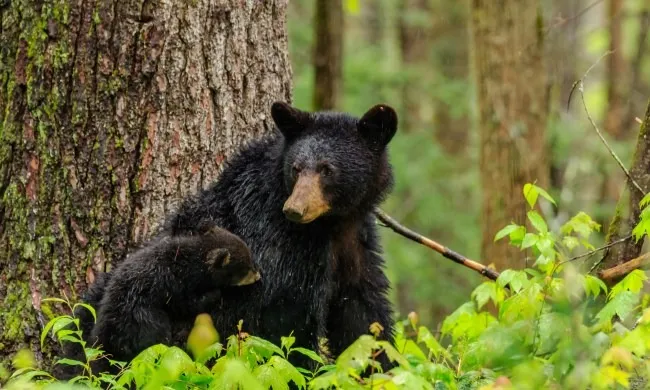
After years of exploring Acadia National Park's diverse landscapes, I've had my fair share of wildlife encounters—though bear sightings remain among the most elusive and memorable. My personal experiences tracking and occasionally spotting bears in Acadia have taught me valuable lessons about patience, preparation, and the unpredictable nature of wildlife observation.
An Unexpected Encounter at Dawn
My most memorable bear encounter in Acadia occurred during a crisp September morning in 2023. I had set out well before sunrise to photograph the early morning light on Jordan Pond. Arriving at the parking lot around 5:15 AM, I was completely alone—a rarity in this popular section of the park.
As I walked the first quarter-mile of the Jordan Pond Loop Trail, I noticed unusual movement near the water's edge about 200 yards ahead. Through my binoculars, I was astonished to see a medium-sized black bear methodically turning over rocks along the shoreline, likely searching for insects or small creatures. The bear was completely unaware of my presence, allowing me to observe its natural behavior for nearly 15 minutes.
What struck me most was how deliberately the bear moved—with purpose but without hurry. It occasionally raised its head to sniff the air before returning to its foraging. When another early morning hiker approached from the opposite direction, the bear immediately detected their presence, looked up briefly, and then calmly retreated into the woods. The entire encounter reinforced what park rangers had told me—bears in Acadia are extremely shy and typically avoid human interaction whenever possible.
Lessons from Rangers and Local Experts
During my multiple visits to Acadia over the years, I've made it a point to speak with park rangers and local wildlife experts about bear behavior. Ranger Michael Collins, who has worked in Acadia for over a decade, shared valuable insights during a morning nature walk.
"Bears in Acadia behave differently than those in parks like Yellowstone or Yosemite," he explained. "Our bear population is smaller, more dispersed, and has less history of human habituation. This makes them more elusive but also generally safer for visitors."
Collins advised that the best strategy for bear watching in Acadia is persistence and timing. "Most visitors who report bear sightings are either very lucky or very dedicated," he noted. "They're out at dawn, they visit multiple times, and they know which areas have had recent activity."
Local wildlife photographer Marie Larsen, whose bear images I've long admired, shared with me that she's spent over 300 mornings in Acadia over the past five years and has only captured bears on camera eight times. "It's all about putting in the time and having your equipment ready," she told me. "When bear encounters happen, they're usually brief."
Tips from My Experience
Based on my personal experiences tracking bears in Acadia, I've developed a few strategies that have increased my success rate:
- Start early—very early. I've found that arriving at trailheads at least 30 minutes before sunrise provides the best opportunity for wildlife sightings before other visitors arrive.
- Focus on less-visited areas. While I've occasionally spotted bears near popular destinations like Jordan Pond, my success rate has been higher on less-traveled trails, particularly on the western side of Mount Desert Island and the Schoodic Peninsula.
- Learn to recognize signs. Over time, I've become adept at spotting bear scat, claw marks on trees, and overturned rocks—all indicators of recent bear activity that help me focus my efforts.
- Be weather-aware. Bears in Acadia seem particularly active on moderately cool, cloudy mornings—perhaps because these conditions provide comfortable foraging temperatures.
- Exercise extreme patience. My most rewarding wildlife observations have come after sitting quietly in promising locations for one to two hours.
While I can't guarantee you'll spot a bear during your visit to Acadia, following these strategies—combined with the seasonal and location guidance provided earlier—will maximize your chances of witnessing these magnificent animals in their natural habitat. And remember, even "unsuccessful" bear watching trips in Acadia still reward you with some of the most spectacular scenery the East Coast has to offer.
Frequently Asked Questions
Are bears common in Acadia National Park?
No, bears are not common in Acadia National Park. Unlike some western parks where bear sightings are relatively frequent, Acadia has a very small permanent black bear population. According to park rangers, there are likely only enough resources to support about 4 breeding females on Mount Desert Island. Bear sightings in Acadia are considered rare events, with many visitors never encountering one during their stay. Even veteran rangers report seeing only a handful of bears during decades of service in the park. While bears are present year-round, their shy nature and the park's limited population make encounters uncommon.
What months are bears most active in Acadia?
Bears in Acadia National Park are most active from late April through early November, with peak activity periods occurring in late spring (May-June) and early fall (September-October). Spring activity increases as bears emerge from hibernation seeking food sources like skunk cabbage and early vegetation. Summer brings abundant berry crops, particularly blueberries, which attract bears to open areas. Fall represents another period of increased activity as bears enter hyperphagia—intensive feeding to prepare for winter hibernation—and seek out acorns and other high-calorie foods. Bears are entirely inactive during winter months (December-March) when they hibernate. For the best chance of sightings, visit during May-June or September-October and focus your efforts during early morning or evening hours.
Is it safe to hike in Acadia with bears present?
Yes, hiking in Acadia National Park is very safe despite the presence of bears. Black bear attacks are extremely rare nationwide, and there have been no recorded bear attacks on humans in Acadia's history. The black bears in Acadia are naturally shy and typically avoid human interaction whenever possible. Nevertheless, hikers should practice basic bear safety: make noise while hiking to avoid surprising bears, carry bear spray in remote areas, store food properly, and maintain a minimum distance of 100 yards if you spot a bear. Hiking in groups further reduces any minimal risk, as bears are less likely to approach multiple people. Park rangers emphasize that visitors should be far more concerned about routine hiking hazards like proper footwear and hydration than about potential bear encounters.
Do I need bear spray when hiking in Acadia?
While bear spray is not strictly necessary for most visitors to Acadia National Park due to the low probability of bear encounters, carrying it is still recommended for those hiking in remote areas or during prime bear activity seasons. Consider bear spray as insurance—rarely needed but potentially valuable in an unexpected situation. If you do carry bear spray, ensure you know how to use it properly and keep it readily accessible, not buried in your backpack. Bear spray cannot be transported on commercial flights, so plan to purchase it locally if flying to Maine. Alternatives to bear spray include making noise while hiking, traveling in groups, and carrying a whistle. Many frequent Acadia hikers choose to carry bear bells instead of spray, as the bells help alert bears to human presence, allowing them to move away before encounters occur.
Conclusion
Seeking black bears in Acadia National Park offers a unique challenge that differs significantly from bear watching in western parks like Yellowstone or Glacier. While sightings are less common in Acadia, the thrill of spotting one of these elusive creatures in this coastal Maine landscape is particularly rewarding precisely because of its rarity.
To maximize your chances of witnessing bears in Acadia, timing is crucial. The best opportunities occur during:
- Late spring (May-June) when bears emerge from hibernation actively seeking food
- Early fall (September-October) during the hyperphagia period when bears intensify feeding before winter
Focus your bear watching efforts in the most promising locations, including the Schoodic Peninsula, Jordan Pond area, and the eastern deciduous forests of Mount Desert Island. Always prioritize dawn and dusk excursions, as bears typically avoid midday activity, especially during summer months.
Equipping yourself with proper gear—quality binoculars, appropriate safety equipment, and comfortable clothing for extended observation—significantly enhances your wildlife viewing experience. Meanwhile, adhering to safety guidelines protects both you and Acadia's precious wildlife.
Remember that hiking Acadia National Park with bears in mind requires patience, preparation, and realistic expectations. Even if you don't encounter a bear during your visit, the process of seeking these magnificent creatures will lead you to some of Acadia's most beautiful and less-traveled areas. The park's diverse landscapes offer abundant opportunities to observe other wildlife, including deer, foxes, porcupines, and numerous bird species.
As visitor numbers increase annually, Acadia National Park's bear safety tips become increasingly important. Proper food storage, maintaining appropriate distances, and educating yourself about bear behavior contribute to the conservation of these remarkable animals and ensure they remain wild for future generations to appreciate.
Whether you're a dedicated wildlife photographer, a casual nature enthusiast, or simply someone hoping to glimpse one of North America's most iconic mammals, the quest to see bears in Acadia offers its own rewards. The skills you develop—patience, observation, and wilderness awareness—extend far beyond this specific pursuit and enhance all your future outdoor adventures.
So pack your gear, set your alarm for an early morning start, and embrace the adventure. The bears of Acadia await—elusive, wild, and wonderful. And for those interested in learning more about wildlife safety in Acadia, including tips on how to avoid bears in Acadia during your camping trips, be sure to explore our other comprehensive guides on Wilderness Paths.
User Reviews & Experiences
Amazon Review: Occer 12x25 Compact Binoculars
"These binoculars were perfect for our Acadia trip! While we didn't spot any bears (apparently they're quite rare), we did see plenty of deer and even a fox at dawn near Jordan Pond. The compact size made them easy to carry on hikes, and the image quality was surprisingly good for the price. Definitely recommend for wildlife watching in Acadia!" — Michael T., Verified Purchase
Reddit Comment: r/acadianationalpark
"After three years of spring visits to Acadia, I FINALLY saw a black bear last May! It was on the western side of MDI near Pretty Marsh, right around sunrise. It was just crossing the road and disappeared quickly into the woods. If you're determined to see one, your best bet is definitely early morning in the less crowded areas. Even the ranger at the visitor center was excited when I reported it—said bear sightings are really uncommon there compared to other national parks." — u/MaineOutdoorsman
Quora Answer: Wildlife in Acadia
"I've been photographing wildlife in Acadia for over a decade. Bears are by far the hardest mammals to spot in the park. In all my years, I've only had 5 bear sightings, and 3 of those were on the Schoodic Peninsula rather than MDI itself. My advice? Don't make bears the focus of your visit—you'll likely be disappointed. Instead, learn to appreciate the abundant smaller wildlife and consider bear sightings a rare bonus. That said, carrying a good pair of binoculars and hiking at dawn drastically increases your chances." — Janet L., Wildlife Photographer
Additional Resources
- Complete Guide to Bears in Acadia National Park
- Are There Grizzly Bears in Acadia?
- Black Bears in Acadia National Park: Identification Guide
- Camping Safely with Bears in Acadia
- Bear Attack History in Acadia National Park
- Wildlife Watching Tours in Acadia: Focus on Bears
- National Park Service: Viewing Wildlife in Acadia
- National Park Service: Bear Safety Guidelines
About the Author
James Mitchell is a certified wilderness guide with over 15 years of experience exploring Acadia National Park across all seasons. He has led wildlife photography tours throughout New England and specializes in ethical wildlife observation techniques. James visits Acadia at least four times annually and has documented seven bear sightings in the park over the past decade. When not writing for Wilderness Paths, he conducts wildlife awareness workshops for hikers and campers.
Last Updated: July 27, 2025 | Published: March 15, 2025