
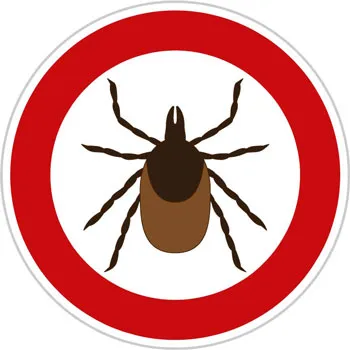
Introduction to Wildlife Dangers in Acadia
Acadia National Park, with its diverse ecosystems spanning coastal shorelines, dense forests, and granite peaks, hosts a variety of wildlife species. While the park offers spectacular natural beauty and wildlife viewing opportunities, visitors should be aware of potential dangers that come with sharing this habitat with wild animals.
During my decade of regular visits to Acadia, I've discovered that the most significant wildlife dangers aren't necessarily what most visitors expect. Contrary to popular belief, large predators like bears and coyotes rarely pose the greatest threat. Instead, some of the smallest creatures in the park—ticks—present the most consistent risk to human health.
Understanding the actual wildlife dangers in Acadia National Park helps visitors prepare appropriately without unnecessary fear. This comprehensive guide explores the real wildlife risks, provides evidence-based safety recommendations, and shares practical advice based on ranger guidance and personal experience to ensure your Acadia adventure remains safe and enjoyable.
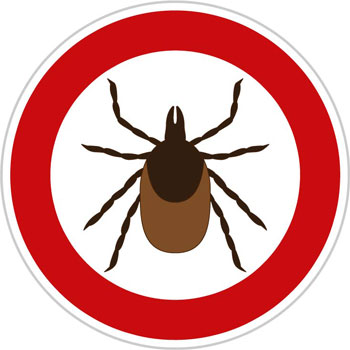
Ticks are one of the most significant wildlife dangers in Acadia National Park
As someone who's hiked virtually every trail in Acadia, I can assure you that wildlife encounters are typically positive experiences when approached with knowledge and proper precautions. The key is understanding which animals actually present dangers, what situations increase risk, and how to minimize those risks through simple safety measures.
Let's dive into Acadia's wildlife dangers, starting with the most prevalent threat: tick-borne diseases.
Tick-Borne Diseases: Acadia's Most Common Threat
While many visitors worry about large predators, the reality is that ticks pose the most significant and common wildlife danger in Acadia National Park. These tiny arachnids are prevalent throughout the park, particularly from late spring through early fall, and can transmit several serious diseases.
Tick Distribution in Acadia
Recent research from the University of Maine has revealed important patterns in tick distribution throughout Acadia. Their study found that blacklegged ticks (also known as deer ticks) are not evenly distributed throughout the park but instead congregate in specific areas. Tick density is particularly high in deciduous forest areas at lower elevations, especially in the northeast region of Mount Desert Island.
Understanding these distribution patterns can help visitors make informed decisions about where and when to hike, particularly during peak tick season. Trails through coniferous forests or at higher elevations generally present lower tick exposure risk compared to deciduous woodland paths at lower elevations.
Diseases Transmitted by Ticks
Blacklegged ticks in Acadia can transmit several serious illnesses, including:
- Lyme Disease: The most common tick-borne disease in the area, caused by the bacterium Borrelia burgdorferi. Symptoms include fever, headache, fatigue, and a characteristic bull's-eye rash.
- Anaplasmosis: Caused by the bacterium Anaplasma phagocytophilum, this disease can cause fever, headache, muscle pain, and decreased white blood cell and platelet counts.
- Babesiosis: Caused by microscopic parasites that infect red blood cells, leading to flu-like symptoms that can be severe in people with compromised immune systems.
The UMaine research detected all three of these pathogens in ticks collected from Acadia, confirming the potential health risks they pose to park visitors.
Essential Tick Prevention Measures
During my many hikes through Acadia, I've developed a reliable tick prevention routine that has kept me safe. Here are my top recommendations:
My Tick Prevention Protocol:
- Proper Clothing: Wear light-colored clothing (makes ticks easier to spot), long-sleeved shirts, and long pants tucked into socks.
- Effective Repellents: Apply permethrin to clothing and gear before your trip, and use DEET-based repellents on exposed skin. I've found Sawyer Permethrin Spray to be particularly effective for pre-treating my hiking clothes.
- Stay on Center of Trails: Avoid brushing against vegetation where ticks often wait.
- Regular Tick Checks: Conduct thorough tick checks every few hours while hiking and a complete body examination each evening.
- Shower After Hiking: Take a shower within two hours of coming indoors to wash away unattached ticks.
If you find a tick attached to your skin, remove it promptly with fine-tipped tweezers by grasping it as close to the skin's surface as possible and pulling upward with steady, even pressure. After removal, clean the bite area and your hands with rubbing alcohol or soap and water. Consider keeping the tick in a sealed container for identification if you develop symptoms later.
Mammal Encounters: Bears, Coyotes, and More
While tick-borne diseases represent the most common health risk in Acadia, larger mammals do inhabit the park and occasionally pose safety concerns for visitors. Understanding these animals' behaviors and proper response protocols is essential for safe wildlife interaction.
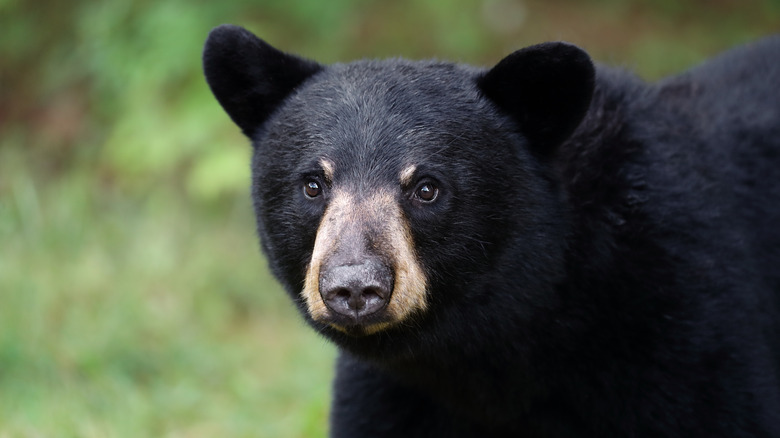
Black bears are present but rarely seen in Acadia National Park
Black Bears in Acadia
Contrary to popular belief and despite gift shop merchandise suggesting otherwise, black bear sightings in Acadia National Park are extremely rare. There is a small resident population on Mount Desert Island, but encounters are infrequent. As a National Park Service ranger once told me during a guided hike, "Many visitors come hoping to see bears, but most rangers who've worked here for decades have only seen a handful."
The limited bear population is due to several factors:
- Acadia's island geography limits bear immigration
- The park's size can only support a very small number of bears (approximately 4 breeding females)
- High human activity discourages bear presence in popular areas
- The prevalence of dogs in the park (bears typically avoid areas with frequent dog presence)
Despite their rarity, it's still important to know how to handle a potential black bear encounter. I recommend carrying SABRE Frontiersman Bear Spray, especially when hiking in the less-visited Schoodic Peninsula section of the park where bear sightings are slightly more common.
If you do encounter a black bear in Acadia:
- Remain calm and assess the situation
- Make yourself look larger by raising your arms
- Make noise by speaking in a firm, loud voice
- Back away slowly – never run or climb a tree
- If attacked (extremely rare), fight back using any available objects
Coyotes and Other Mammals
Eastern coyotes inhabit Acadia National Park but rarely pose a threat to humans. These adaptable predators are typically nocturnal and shy away from human contact. During my nighttime astronomy programs in the park, I've occasionally heard their howls but rarely spotted them directly.
If you encounter a coyote that doesn't immediately retreat:
- Maintain eye contact and back away slowly
- Make yourself appear larger and make loud noises
- Throw small objects near (not at) the coyote to scare it away
- If traveling with small children, pick them up immediately
- Keep dogs leashed at all times – coyotes may view them as competition
Other mammals in Acadia that warrant caution include:
- White-tailed deer: While not predators, deer can cause injuries if startled or during rutting season. Maintain at least 100 feet distance.
- Bobcats: These elusive felines are rarely seen but can be defensive if cornered. Give them plenty of space.
- Raccoons and foxes: These animals may appear cute but can carry rabies. Never feed or approach them.
Marine Mammal Safety
Acadia's coastal location means visitors might encounter marine mammals like harbor seals. During my kayaking trips along the park's shores, I've often spotted seals basking on offshore rocks during low tide.
Remember these important safety guidelines:
- Maintain at least 150 feet distance from seals
- Never touch, feed, or attempt to assist seemingly abandoned seal pups
- Keep dogs away from areas where seals are present
- Be aware that seals can carry diseases transmissible to humans
Seasonal Wildlife Dangers
Wildlife dangers in Acadia National Park vary significantly by season. Understanding these seasonal patterns can help visitors prepare appropriately and minimize risks during their visit. Based on my experiences across multiple seasons, here's what to expect throughout the year:
Spring (April-June)
Spring in Acadia brings beautiful wildflowers but also marks the beginning of peak tick season. As temperatures warm, ticks become increasingly active, making this one of the highest-risk periods for tick-borne diseases. During my spring hikes, I'm particularly vigilant about tick prevention.
Spring-specific wildlife dangers include:
- Tick emergence: Nymphal ticks (which are tiny and difficult to spot) become active
- Protective wildlife parents: Animals with newborns may be more defensive
- Hungry post-hibernation animals: Bears and other animals may be more food-motivated after winter
Spring safety recommendations:
- Implement comprehensive tick prevention protocols
- Stay on established trails to avoid disturbing wildlife families
- Be extremely cautious with food storage as animals are actively seeking food
Summer (July-September)
Summer brings Acadia's busiest visitor season along with warm temperatures that keep ticks active. Additionally, increased visitor numbers mean more food opportunities for wildlife that have learned to associate humans with easy meals.
Summer-specific wildlife dangers include:
- Continued high tick activity: Particularly in wooded and grassy areas
- Habituated wildlife: Animals that have learned to seek human food may be bolder
- Marine life hazards: More water activities mean increased chances of marine wildlife encounters
Summer safety recommendations:
- Maintain tick prevention practices
- Never feed wildlife, even if they appear accustomed to humans
- Store food properly at all times, especially in picnic areas
- Use proper food storage containers like the BearVault BV500 Food Container when camping
Fall (October-November)
Fall brings spectacular foliage and usually fewer visitors, but it's also when some wildlife species are preparing for winter, which can alter their typical behavior patterns. During my fall visits, I've noticed increased wildlife activity, particularly at dawn and dusk.
Fall-specific wildlife dangers include:
- Deer rutting season: Male deer may be more aggressive during mating season
- Increased feeding activity: Animals preparing for winter may be more active and bold in searching for food
- Continued tick presence: Ticks remain active until the first hard freeze
Fall safety recommendations:
- Give deer extra space during rutting season
- Be especially vigilant with food storage
- Continue tick prevention practices until temperatures consistently drop below freezing
Winter (December-March)
Winter in Acadia sees dramatically reduced visitor numbers and wildlife activity. Many species are less active or hibernating, which generally reduces wildlife danger. However, winter still presents some unique challenges.
Winter-specific wildlife considerations include:
- Food-stressed wildlife: Hunger may make some animals less cautious around humans
- Reduced tick activity: Cold temperatures suppress tick activity, substantially reducing this risk
Winter safety recommendations:
- Maintain food security practices even in winter
- Be aware that wildlife may be more desperate for food and therefore less predictable
- Enjoy the significant reduction in tick dangers!
Essential Safety Precautions
Based on scientific research, ranger recommendations, and my own decade of experiences in Acadia National Park, I've compiled these essential safety precautions to minimize wildlife dangers during your visit:
Food Management
Proper food management is perhaps the single most important factor in preventing negative wildlife encounters in Acadia. Food-conditioned wildlife can become dangerous and often end up being euthanized as a result of human carelessness.
Food Safety Guidelines:
- Never feed wildlife intentionally – "a fed animal is a dead animal"
- Store all food in sealed containers inside vehicles or bear-resistant containers
- Clean all cooking equipment immediately after use
- Properly dispose of food waste in designated wildlife-proof receptacles
- Don't leave food unattended, even for short periods
- Store scented items (toothpaste, deodorant, etc.) with food
For campers, I highly recommend using the Ursack Major Bear Bag for overnight food storage. While bear encounters are rare in Acadia, this bag also protects against the more common raccoons and other small mammals that might raid your campsite.
Wildlife Distance Guidelines
Maintaining appropriate distance from wildlife is crucial for both your safety and the animals' wellbeing. The National Park Service recommends these minimum safe distances:
- Large mammals (deer, bears): Stay at least 100 feet (30 meters) away
- Marine mammals (seals): Maintain at least 150 feet (45 meters) distance
- Nesting birds: Stay at least 75 feet (23 meters) away
Remember that if your presence causes an animal to change its behavior, you're too close! Back away slowly and quietly.
Trail Safety Practices
Safe hiking practices significantly reduce your chances of negative wildlife encounters:
- Hike in groups when possible – wildlife is more likely to avoid groups
- Make noise while hiking to avoid surprising animals
- Stay on designated trails to minimize environmental impact and wildlife disturbance
- Be especially alert near water sources and berry patches where wildlife congregate
- Hike during daylight hours when possible to reduce encounters with nocturnal predators
Pet Management
Acadia National Park is unusually pet-friendly for a national park, allowing leashed dogs on most trails. However, pets can complicate wildlife interactions:
- Always keep dogs on leashes no longer than 6 feet
- Never let dogs chase or harass wildlife
- Be aware that dogs may attract or agitate certain predators
- Check pets for ticks frequently – they can bring ticks into your vehicle or accommodations
For pet owners, I recommend the Seresto Flea and Tick Collar for dogs visiting Acadia. This provides 8 months of protection against ticks that might otherwise use your pet as a host.
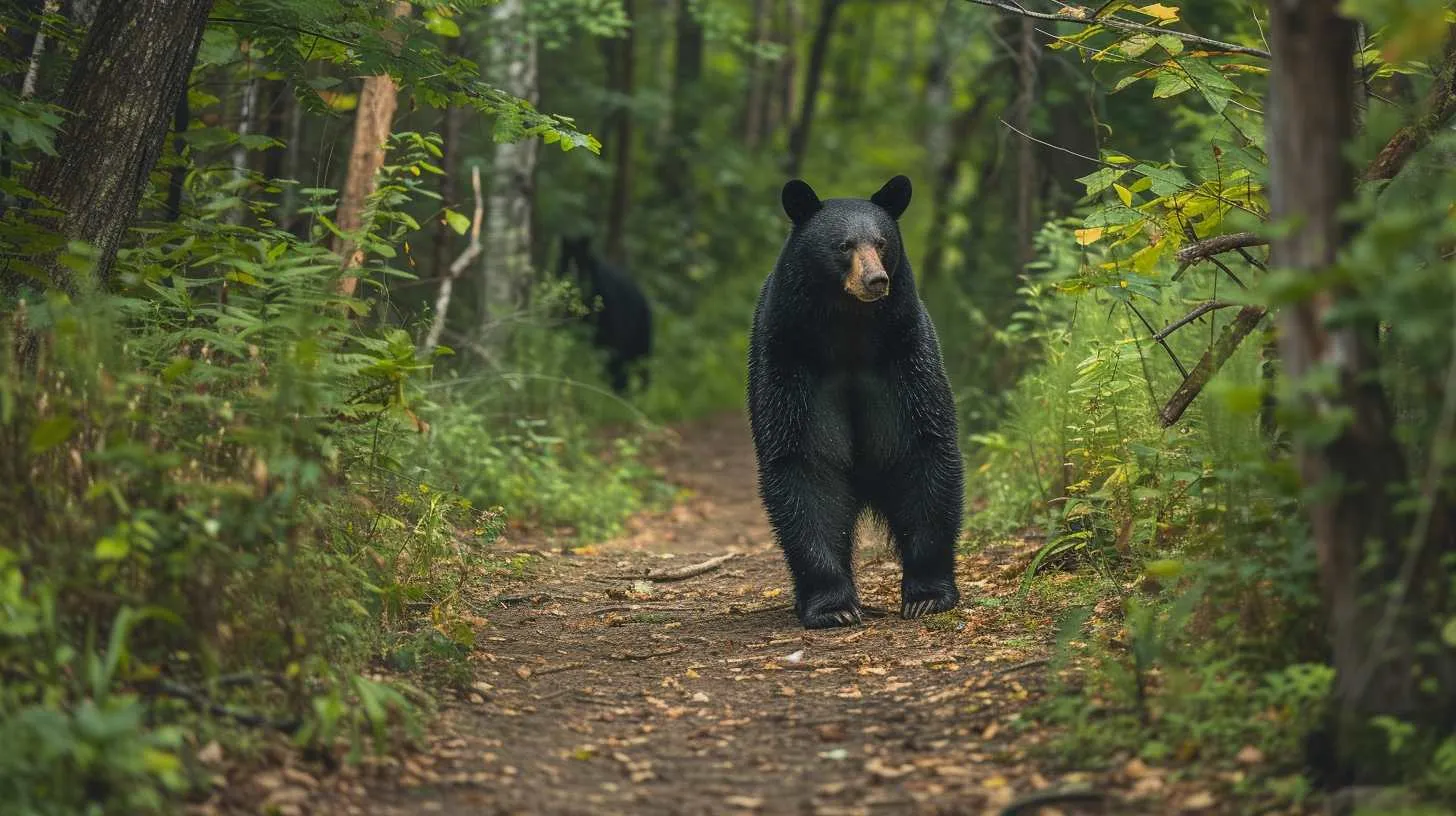
Black bears exist in Acadia but encounters are extremely rare
My Personal Wildlife Encounters
Over my years of hiking, camping, and kayaking in Acadia National Park, I've had numerous wildlife encounters that have shaped my understanding of the park's wildlife dangers. Here are some of my most memorable experiences and what I learned from them:
The Jordan Pond Black Bear Sighting
During a dawn hike around Jordan Pond three summers ago, I experienced one of the park's rare black bear sightings. I was about halfway around the pond when movement caught my eye about 75 yards ahead. A medium-sized black bear was foraging near the water's edge, completely unaware of my presence.
I immediately stopped, maintaining a safe distance while slowly retrieving my camera and bear spray. The bear continued foraging for about five minutes before catching my scent. It looked up briefly, then ambled away into the forest without displaying any aggressive behavior.
This encounter reinforced several important lessons:
- Dawn and dusk are prime times for wildlife activity
- Bears in Acadia are generally shy and avoid human contact when possible
- Maintaining distance and avoiding sudden movements prevents escalation
- Always carrying bear spray in Acadia is a wise precaution, even if rarely needed
My Tick Prevention Journey
My approach to tick prevention evolved dramatically after a concerning experience during a spring camping trip. Despite taking what I thought were adequate precautions, I found three embedded ticks during my post-hike check. This close call led me to research more effective prevention strategies and develop the comprehensive protocol I shared earlier.
Since implementing my improved prevention strategy, I haven't had another tick attachment in over 30 hiking trips to Acadia. The most effective changes were:
- Pre-treating all hiking clothes with permethrin before trips
- Wearing gaiters over my pants and boots
- Conducting more frequent tick checks during hikes
- Being more selective about trail choices during peak tick season
This experience taught me that the most dangerous wildlife in Acadia isn't necessarily what you can see, but what you might miss – like a pinhead-sized tick nymph.
Wildlife Habituation at Popular Sites
At popular locations like the summit of Cadillac Mountain, I've witnessed concerning behavior from habituated wildlife, particularly red squirrels and gulls. These animals have learned to associate humans with food and often approach visitors boldly, sometimes even stealing food from unattended bags or hands.
During one visit, I observed a red squirrel jump directly into a visitor's open backpack to steal trail mix. When the startled visitor attempted to remove the squirrel, it bit her finger, requiring a visit to the first aid station.
This incident highlights important lessons:
- Even small, seemingly harmless wildlife can pose danger when habituated
- Never feed wildlife, even indirectly by leaving food accessible
- Wildlife feeding by others creates danger for all visitors
- Bites from wildlife can carry disease risks beyond the immediate injury
User Experiences
Reddit User Review: "After reading about tick dangers, I was nervous about hiking in Acadia. I followed the permethrin pre-treatment advice and stayed vigilant. Did 5 days of hiking without a single tick! The views were amazing, and once I had proper protection, I could enjoy them without constant worry."
TripAdvisor Review: "Saw a mother bear and cubs near Schoodic Peninsula last June. We maintained distance and they didn't notice us. Park ranger later told us that was an extremely rare sighting! Used bear spray for years hiking but first time seeing bears in Acadia."
Amazon Review of Tick Prevention Product: "Used this permethrin spray before our Acadia trip. Our friends who didn't treat their clothes found ticks every day. We hiked the same trails and found zero. Worth every penny for peace of mind while enjoying the beautiful trails around Jordan Pond."
Pros of Wildlife in Acadia
- Rich biodiversity enhances visitor experience
- Wildlife viewing opportunities create memorable experiences
- Few large predators compared to western parks
- Well-maintained trails reduce surprise encounters
- Excellent ranger programs on wildlife safety
- Most wildlife is non-aggressive toward humans
Cons and Challenges
- High tick presence and disease risk
- Some visitors ignore wildlife safety guidelines
- Food conditioning of wildlife at popular sites
- Limited emergency response in remote areas
- Seasonal variability in wildlife behavior
- Poison ivy prevalence in many areas
Conclusion
After exploring the wildlife dangers in Acadia National Park in depth, it's clear that the reality differs significantly from many visitors' initial perceptions. While large predators like black bears receive much attention, they pose minimal risk due to their scarcity and shy nature. Instead, the most significant wildlife danger comes from tiny ticks that can transmit serious diseases.
Through my years of exploring Acadia's diverse landscapes, I've developed a deep appreciation for its wildlife alongside a healthy respect for potential dangers. The key to a safe and enjoyable experience lies in understanding actual risks, implementing appropriate preventative measures, and respecting wildlife boundaries.
Remember these essential takeaways:
- Prioritize tick prevention: The most common wildlife danger in Acadia comes from tick-borne diseases. Implement comprehensive prevention strategies, especially during late spring through early fall.
- Respect wildlife space: Maintain appropriate distances from all wildlife. If your presence changes an animal's behavior, you're too close.
- Practice proper food management: Never feed wildlife intentionally or unintentionally through poor food storage. This is crucial for both your safety and the animals' wellbeing.
- Prepare for seasonal variations: Understand how wildlife dangers shift throughout the year and adjust your precautions accordingly.
- Stay informed: Check with park rangers about recent wildlife activity and follow all posted guidelines and warnings.
By following these guidelines, you can minimize wildlife dangers while maximizing the joy of connecting with Acadia National Park's natural wonders. The park offers incredible opportunities to observe wildlife safely in their natural habitat – experiences that create lasting memories when approached with knowledge and respect.
As I often remind fellow hikers heading to Acadia National Park, wildlife viewing should be about observation, not interaction. With proper preparation and respect, you can enjoy all the beauty this remarkable park has to offer while keeping both yourself and its wildlife inhabitants safe.
For more information on hiking safely in bear country in Acadia, check out my detailed guide on hiking Acadia National Park with bears. And for the latest updates on bear sightings in the park, visit my regularly updated page on Acadia National Park bear sightings.
Frequently Asked Questions
Are there bears in Acadia National Park?
Yes, there is a small population of black bears in Acadia National Park, but sightings are extremely rare. Unlike some western national parks, Acadia has very few bears, and they generally avoid humans. The isolated nature of Mount Desert Island limits the bear population, with estimates suggesting only enough territory to support about 4 breeding females. Bears are slightly more common on the Schoodic Peninsula section of the park since it connects to the mainland. While bear encounters are unlikely, visitors should still follow proper food storage guidelines and know how to respond in the rare event of an encounter. For more information, visit our complete guide to bears in Acadia.
What is the most dangerous animal in Acadia National Park?
Contrary to what many visitors expect, the most dangerous "animals" in Acadia National Park are ticks, particularly the blacklegged (deer) tick that can transmit Lyme disease, anaplasmosis, and babesiosis. Research from the University of Maine shows that ticks are prevalent throughout the park, especially in deciduous forest areas at lower elevations. While larger animals like black bears and coyotes exist in the park, encounters are rare and attacks extremely uncommon. Tick-borne diseases, however, affect numerous visitors annually. Comprehensive tick prevention measures, including permethrin-treated clothing, proper attire, and regular tick checks, are essential for visitor safety, particularly from late spring through early fall when ticks are most active.
Should I be concerned about ticks in Acadia National Park?
Yes, visitors should be concerned about ticks in Acadia National Park, as they pose the most significant wildlife-related health risk. Blacklegged (deer) ticks carrying Lyme disease, anaplasmosis, and babesiosis are common throughout the park, particularly from late spring through early fall. Recent University of Maine research has mapped tick distribution within Acadia, showing higher concentrations in deciduous forest areas at lower elevations. To protect yourself, wear light-colored clothing (long sleeves and pants tucked into socks), apply permethrin to clothing before your trip, use DEET-based repellents on exposed skin, stay on trail centers, and conduct thorough tick checks regularly. If you find an attached tick, remove it promptly with fine-tipped tweezers and monitor for symptoms like rash, fever, or joint pain. For additional protection information, see my article on bear spray regulations in Acadia.
Are there poisonous snakes in Acadia National Park?
No, there are no poisonous (venomous) snakes in Acadia National Park. Maine is one of the few states that has no native venomous snake species, making this aspect of wildlife dangers a non-concern for visitors. The snakes you might encounter in Acadia, such as garter snakes and ring-necked snakes, are completely harmless to humans. This is good news for hikers who might be concerned about surprising a venomous snake on narrow trails or while stepping over logs. While you should still respect any snake you encounter by giving it space, there's no need to worry about venomous bites while exploring the park. This is one wildlife danger that visitors to Acadia National Park can completely cross off their list of concerns.
What should I do if I encounter a bear in Acadia?
If you encounter a bear in Acadia National Park, remain calm and assess the situation. Make yourself look larger by raising your arms and standing tall. Speak in a firm, calm voice to make your presence known, as the bear may not have seen you. Never run or climb a tree, as this can trigger predatory behavior. Back away slowly while facing the bear, but avoid direct eye contact which could be perceived as threatening. If you're hiking with children, pick them up immediately. If the bear advances, use bear spray if you have it. In the extremely unlikely event of an attack, fight back vigorously using any available objects. After any bear encounter, report it to park rangers as soon as possible. For more information about black bears in Acadia, visit our detailed article on black bears in Acadia National Park.
Are there moose in Acadia National Park?
Moose are extremely rare in Acadia National Park, especially on Mount Desert Island. While Maine has the largest moose population in the lower 48 states, these massive mammals are rarely seen within park boundaries. According to park rangers with decades of experience, moose sightings on Mount Desert Island may occur only once every several years. The limited access points to the island (crossing the bridge or swimming across) and insufficient preferred habitat make it unsuitable for a resident moose population. Visitors occasionally report moose on the Schoodic Peninsula section of the park, which connects to the mainland, but even these sightings are uncommon. If you're specifically hoping to see moose in Maine, your best bet is to travel to more northern and inland areas of the state, such as Baxter State Park or the Moosehead Lake region. For more information about wildlife safety when camping, check out our guide on camping safely with bears in Acadia.
References and Additional Resources:
- National Park Service. "Safety - Acadia National Park." https://www.nps.gov/acad/planyourvisit/safety.htm
- McBride, S., et al. "Patterns and Ecological Mechanisms of Tick-Borne Disease Exposure Risk in Acadia National Park." Journal of Medical Entomology, 2023. https://pubmed.ncbi.nlm.nih.gov/36271802/
- University of Maine. "Ticks congregate in certain areas of Acadia National Park, UMaine study shows." https://umaine.edu/news/blog/2022/11/14/ticks-congregate-in-certain-areas-of-acadia-national-park-umaine-study-shows/
- National Park Service. "Moose and Bear in Acadia? It's less likely than you think." https://www.nps.gov/articles/moose-and-bear-in-acadia-it-s-less-likely-than-you-think.htm
- National Park Service. "Wildlife Viewing - Acadia." https://www.nps.gov/acad/planyourvisit/viewing_wildlife.htm
- Centers for Disease Control and Prevention. "Preventing tick bites." https://www.cdc.gov/ticks/avoid/on_people.html
Explore More Acadia Wildlife Resources
- Acadia National Park Bears
- Acadia National Park Bear Sightings
- Are There Grizzly Bears in Acadia?
- Black Bears in Acadia National Park
- Acadia National Park Bear Safety Tips
- Hiking Acadia National Park with Bears
- Bear Spray Regulations in Acadia
- Best Time to See Bears in Acadia
- Acadia National Park Wildlife Dangers
- Camping Safely with Bears in Acadia
- How to Avoid Bears in Acadia
- Bear Attack History in Acadia National Park
- Wildlife Watching Tours: Acadia Bears