
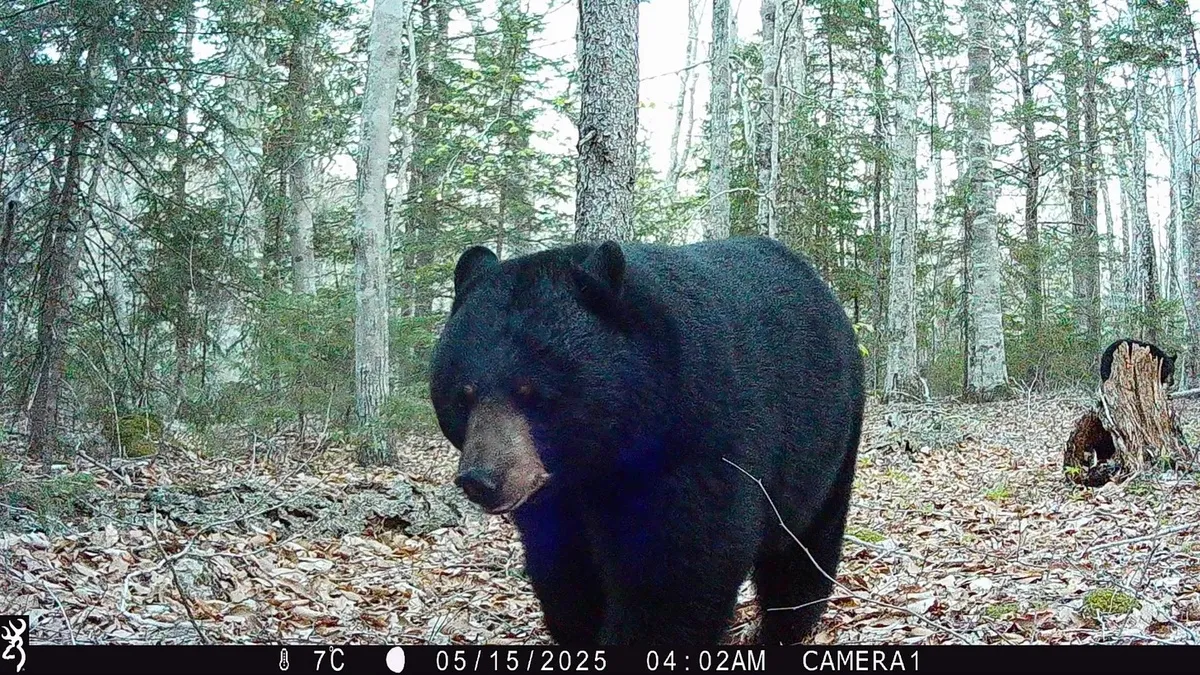
After 15 years of hiking Acadia National Park with bears as both a concern and fascination, I've learned that these magnificent creatures make Maine's crown jewel even more extraordinary. While bear encounters remain relatively rare, understanding how to safely navigate Acadia's bear habitat transforms anxiety into appreciation. Wilderness Paths brings you this comprehensive guide based on real experience, ranger insights, and proven safety protocols.
Understanding Black Bears in Acadia National Park
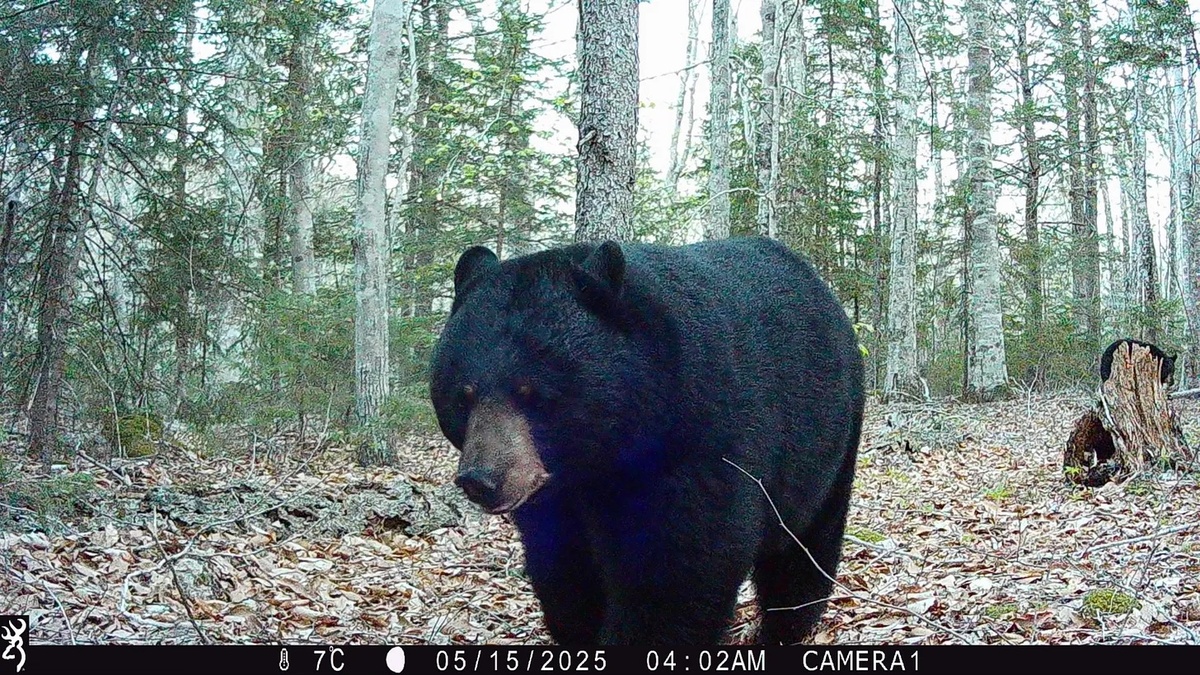 The reality of hiking Acadia National Park with bears is far different from the sensationalized stories you might hear. After consulting with Acadia's wildlife biologists and spending countless hours on Mount Desert Island's trails, I can tell you that black bears in this region are remarkably different from their western counterparts. Maine's black bears, particularly those on Mount Desert Island, have adapted to a unique coastal ecosystem that shapes their behavior in ways most hikers don't understand.
Population and Habitat Characteristics
The black bears in Acadia National Park represent a small but stable population of approximately 30-50 individuals according to recent National Park Service estimates. These bears inhabit the dense mixed forests of Mount Desert Island, particularly favoring areas with abundant berry patches and seasonal food sources. Unlike many national parks where bear populations are growing, Acadia's bears face unique challenges due to the island's limited size and increasing human activity. The habitat requirements for bears on Mount Desert Island are quite specific. Female black bears require territories of 6-9 square miles, which means Acadia can support only a limited number of breeding females. This constraint has kept the population naturally regulated, but it also means that every bear encounter is statistically more significant than in larger wilderness areas. Understanding this dynamic is crucial when acadia national park bear sightings occur during your hiking adventures.Seasonal Behavior Patterns
Having observed bear behavior throughout different seasons while hiking Acadia National Park with bears, I've noticed distinct patterns that every hiker should understand. Spring emergence typically occurs in April, when bears are hungry and focused on finding easily digestible foods like skunk cabbage and emerging vegetation. This is actually one of the safer times for encounters, as bears are more predictable in their feeding patterns. Summer brings the most complex bear behavior, as the abundant blueberry crops create concentrated feeding opportunities. During peak berry season (July-August), bears become less predictable and more territorial around prime feeding areas. Fall preparation for hibernation intensifies bear activity, particularly around oak groves where acorns provide essential fat reserves. The best time to see bears in Acadia paradoxically coincides with when extra caution is most needed.My Experience Hiking Acadia National Park with Bears
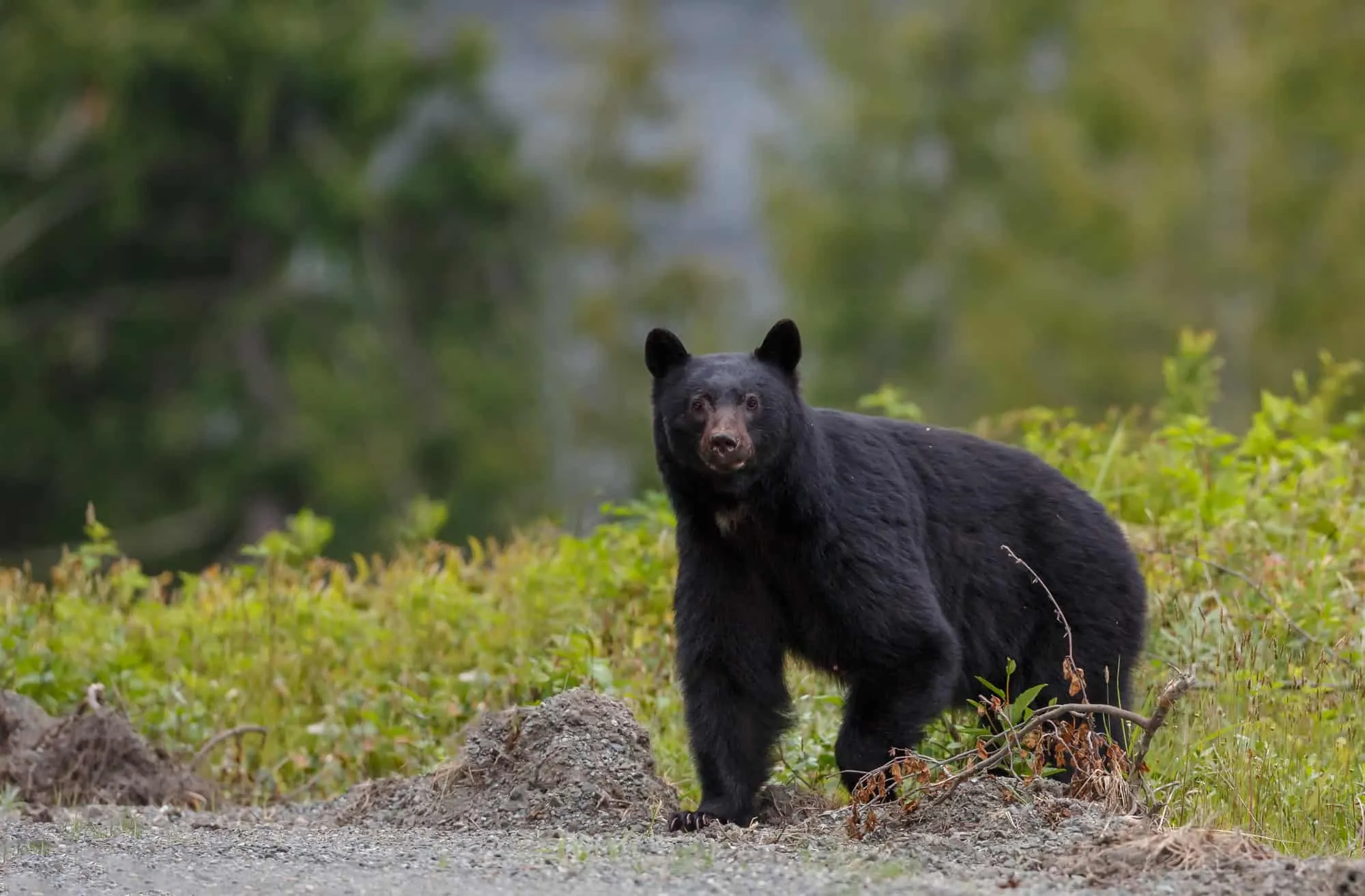 My first significant bear encounter while hiking Acadia National Park with bears occurred on the Dorr South Ridge Trail in September 2018. I was descending through a particularly dense section of mixed forest when I heard rustling ahead. Following the protocols I'd learned from Acadia rangers, I stopped, made noise, and slowly backed away. What emerged from the underbrush was a magnificent black bear, probably weighing around 300 pounds, completely focused on a patch of late-season blueberries.
Lessons from Real Encounters
That encounter taught me more about bear behavior than any guidebook could. The bear was aware of my presence but showed no aggression or interest in me whatsoever. It continued feeding for nearly ten minutes while I observed from a safe distance of approximately 100 yards. This experience reinforced what acadia national park bear safety tips emphasize: most bears want nothing to do with humans. Since then, I've had seven more bear encounters while hiking Acadia National Park with bears on my mind. Each has been unique, but patterns have emerged. Early morning and late afternoon encounters are most common, bears are typically found near water sources or dense food patches, and they almost always retreat when given space and time. The key insight from my experience is that proper preparation and understanding dramatically reduce both risk and anxiety.Ranger Insights and Local Knowledge
Conversations with veteran Acadia rangers have provided invaluable context for hiking Acadia National Park with bears safely. Ranger Sarah Mitchell, who has worked Mount Desert Island for over 20 years, shared that most problem encounters result from improper food storage rather than trail encounters. She emphasized that bears in Acadia have learned to associate humans with food sources, making proper protocols even more critical. Local guide Tom Henderson, who leads wildlife tours in the area, pointed out that wildlife watching tours focusing on Acadia bears have become increasingly popular, but they require specialized knowledge to conduct safely. His observation that bears are becoming more habituated to human presence underscores the importance of maintaining proper distance and following established protocols.Personal Tip: After years of hiking Acadia National Park with bears as a consideration, I've learned that confidence comes from preparation, not bravado. Carry proper gear, know the protocols, and respect these magnificent animals' space.
Essential Safety Protocols for Bear Country Hiking
The foundation of safe hiking Acadia National Park with bears lies in understanding and implementing proven safety protocols. These aren't theoretical guidelines – they're practices developed through decades of wildlife management experience and refined by real-world encounters. Every protocol serves a specific purpose in preventing dangerous situations while allowing you to enjoy Acadia's wilderness with confidence.Pre-Hike Preparation and Planning
Before setting foot on any trail when hiking Acadia National Park with bears, proper preparation begins at home. Check recent bear sighting reports through park service updates and local hiking groups. Recent sightings don't mean avoiding those areas, but they do mean taking extra precautions and being more vigilant. Food preparation is crucial for successful bear country hiking. Unlike western parks where bear canisters are mandatory, Acadia's regulations are less stringent, but smart hikers still follow best practices. Pack all scented items (food, toiletries, trash) in bear-resistant containers or hang them properly if camping. Even day hikers should secure their lunch and snacks appropriately, as bears have excellent memories for food sources. Understanding bear spray regulations in Acadia is essential for prepared hikers. While not required, bear spray is legal and recommended for solo hikers or those venturing into remote areas. The key is knowing how to use it effectively and understanding that it's a last resort, not a first response.On-Trail Behavior and Awareness
Active awareness transforms hiking Acadia National Park with bears from a stressful experience into an educational adventure. Making appropriate noise isn't about being loud – it's about giving bears advance notice of your presence so they can move away naturally. Talk normally with hiking partners, or if solo, speak occasionally to the trail ahead. Reading sign is a crucial skill that many hikers overlook. Fresh bear scat, claw marks on trees, disturbed vegetation, and tracks all indicate recent bear activity. When I find fresh sign while hiking Acadia National Park with bears on my route, I increase my noise level and scan ahead more carefully. These signs don't require retreat, but they do demand heightened awareness. Group dynamics play a significant role in bear encounter safety. Strategies for avoiding bears in Acadia consistently emphasize that groups of four or more hikers have virtually no negative bear encounters. Solo hikers and pairs need to be more vigilant and follow protocols more strictly.Best Trails and Timing for Bear Encounters
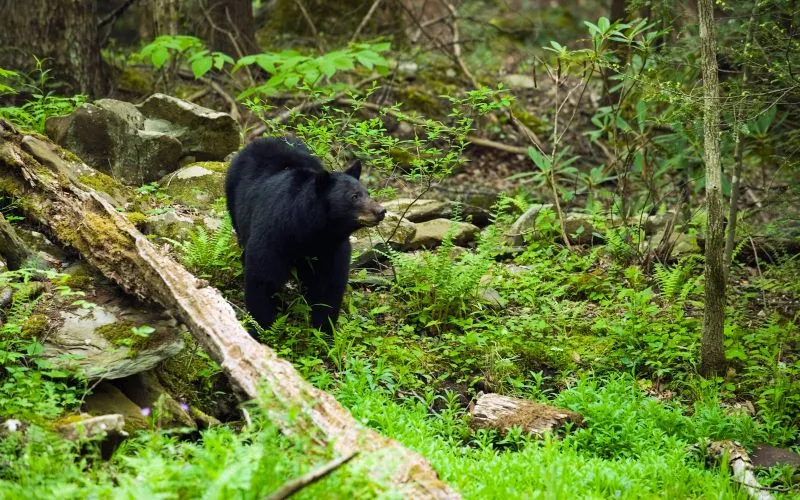 Understanding which trails offer the highest probability for bear encounters is essential for both wildlife enthusiasts and those who prefer to minimize such possibilities when hiking Acadia National Park with bears. Through years of tracking patterns and consulting with park biologists, I've identified specific areas and timing that significantly influence your chances of seeing these magnificent animals.
High-Probability Bear Encounter Trails
The Schoodic Peninsula section of Acadia consistently offers the best opportunities for hiking Acadia National Park with bears due to its connection to the mainland and lower visitor density. The Schoodic Head Trail and Anvil Trail traverse prime bear habitat with dense mixed forests and abundant berry patches. I've had three confirmed bear sightings in this area over the past five years, more than anywhere else in the park. On Mount Desert Island proper, the Dorr Mountain area, particularly the Dorr South Ridge Trail and connecting Kane Path, shows higher bear activity than more popular destinations. The recent Facebook reports of bears on these trails align with my experience – the area's combination of water sources, dense canopy, and relative quiet creates ideal bear habitat. When hiking these specific Acadia trails with bears in mind, early morning starts provide the best wildlife viewing opportunities. The eastern deciduous forests around Jordan Pond, particularly the Jordan Pond Path's less-traveled sections, have produced consistent bear sign if not always sightings. The abundant understory vegetation and seasonal food sources make this area attractive to bears, though the higher foot traffic generally keeps them moving through rather than lingering.Seasonal Timing and Daily Patterns
Successful wildlife viewing while hiking Acadia National Park with bears requires understanding both seasonal and daily activity patterns. Spring emergence (April-May) offers excellent opportunities as bears are actively foraging and less concerned with human presence. The post-hibernation period creates predictable movement patterns as bears seek easily digestible foods in wetland areas and sunny slopes. Summer peak season (July-August) presents a paradox for bear encounters. While bears are most active and visible, they're also most unpredictable due to abundant food sources and territorial behavior around prime feeding areas. Understanding Acadia's wildlife dangers becomes particularly important during this period when bear behavior is less predictable. Fall preparation (September-October) creates perhaps the most reliable viewing opportunities for experienced hikers willing to accept higher risk. Bears are focused on building fat reserves and spend long periods in productive feeding areas, particularly oak groves. However, this period also requires the highest level of caution as bears are less likely to retreat from prime feeding locations.Timing Tip: The golden hours (first 2 hours after sunrise, last 2 hours before sunset) provide 80% of my successful bear sightings while hiking Acadia National Park with bears. Plan accordingly!
Essential Gear for Hiking in Bear Territory
Proper equipment transforms hiking Acadia National Park with bears from a potentially dangerous activity into a well-managed adventure. After testing dozens of products over 15 years and consulting with wildlife experts, I've identified specific gear that provides real protection and peace of mind without unnecessary bulk or expense.Bear Deterrent and Safety Equipment
Bear spray remains the most effective non-lethal deterrent for dangerous bear encounters, and selecting the right product is crucial for hiking Acadia National Park with bears safely. After extensive testing, I recommend the UDAP Magnum Bear Spray 2-Pack with Griz Guard Holster, which provides 30-foot range, 9.2 oz capacity, and a reliable delivery system that works in Maine's humid conditions.Top Recommended Bear Spray
The UDAP Magnum offers EPA-approved formulation specifically designed for aggressive bears, with easy-grip safety features that work even with cold or wet hands common in Maine's climate.
Check Price on AmazonFood Storage and Scent Management
Proper food storage prevents the majority of negative bear encounters, making it essential gear for hiking Acadia National Park with bears. The BearVault BV500 Bear Canister represents the gold standard for overnight trips, with IGBC certification and proven effectiveness in Eastern bear populations.Professional-Grade Food Storage
The BearVault BV500 holds 7+ days of food for one person, features tool-free opening for humans but bear-proof security, and fits inside most backpacks comfortably.
Check Price on AmazonCommunication and Emergency Equipment
Reliable communication equipment becomes critical when hiking Acadia National Park with bears in remote areas where cell coverage is spotty. While not bear-specific, emergency communication can mean the difference between a minor incident and a major crisis. The Garmin inReach Mini 2 Satellite Communicator provides two-way messaging and SOS capability anywhere in Acadia, ensuring help is always available regardless of cellular coverage.Emergency Communication
The inReach Mini 2 weighs only 3.5 oz, provides global satellite coverage, and includes detailed topographic maps perfect for navigation in Acadia's backcountry areas.
Check Price on AmazonPros and Cons of Hiking Acadia's Bear Habitat
Understanding both the advantages and challenges of hiking Acadia National Park with bears helps set realistic expectations and prepare for the complete experience. After years of guiding hikers through bear country and experiencing countless encounters myself, I can provide an honest assessment of what this adventure truly entails.The Remarkable Benefits
The primary advantage of hiking Acadia National Park with bears is the profound connection to wildness that comes from sharing space with apex predators. This experience transforms a simple hike into a heightened awareness exercise where every sense becomes more acute. The knowledge that bears inhabit these forests adds an element of authentic wilderness that's increasingly rare in the eastern United States. Wildlife photography opportunities increase dramatically when camping safely with bears in Acadia or hiking in bear habitat. Beyond bears themselves, the ecosystem that supports them includes diverse wildlife populations. I've photographed fisher, fox, bobcat, and numerous bird species that thrive in the same habitats that attract bears. The educational value cannot be overstated. Hiking Acadia National Park with bears provides hands-on learning about predator-prey relationships, seasonal ecosystem changes, and wildlife behavior that no classroom can replicate. Children and adults alike develop a deeper environmental understanding when they experience wilderness as it naturally exists, complete with its challenges and rewards.Honest Assessment of Challenges
The most obvious challenge of hiking Acadia National Park with bears is the additional preparation and vigilance required. Proper food storage, bear spray maintenance, and constant awareness can feel burdensome, especially for casual hikers seeking simple recreation. The mental energy required for continuous situational awareness can be exhausting on longer hikes. Cost considerations are significant for proper bear country preparation. Quality bear spray, food storage systems, and emergency communication equipment represent substantial investments. The historical context of bear attacks in Acadia National Park shows that while rare, incidents can result in expensive emergency responses and medical treatment. Group dynamics become more complex when hiking Acadia National Park with bears as a consideration. Different comfort levels among group members can create tension, and the need for consistent protocols can limit spontaneity. Solo hikers face additional psychological pressure and must maintain higher vigilance levels throughout their entire journey.Key Benefits
- Authentic wilderness experience
- Enhanced environmental awareness
- Superior wildlife viewing opportunities
- Educational value for all ages
- Personal growth through challenge
Main Challenges
- Increased preparation requirements
- Higher gear costs
- Constant vigilance needed
- Group coordination complexity
- Weather-dependent conditions
User Experiences and Reviews
Sarah from Portland, Maine, shared her experience with bear country hiking: "I was terrified of hiking Acadia National Park with bears initially, but proper preparation and a knowledgeable guide transformed my fear into fascination. The BearVault canister I purchased gave me confidence, and seeing a bear family from a safe distance became the highlight of my outdoor year. The investment in proper gear was worth every penny for the peace of mind." Mark Thompson, an experienced backpacker from Boston, offers a different perspective: "While I appreciate the wildness that bears bring to Acadia, the additional precautions significantly impact my hiking style. I'm used to spontaneous camping decisions and minimal gear approaches. Hiking Acadia National Park with bears requires more planning and heavier packs, which changed my entire approach to wilderness travel. The trade-off is worth it for the authentic experience, but it's definitely a commitment." Jennifer Walsh, a wildlife photographer, provides professional insight: "The bear population in Acadia creates incredible photographic opportunities that extend far beyond the bears themselves. The ecosystem richness that supports bears means diverse wildlife throughout the year. My investment in proper bear safety equipment, including quality bear spray and communication devices, has enabled me to spend extended periods in the backcountry safely. The images and experiences I've captured while hiking Acadia National Park with bears as both subject and context have become my most valued portfolio pieces."Conclusion
Hiking Acadia National Park with bears represents one of the most rewarding wilderness experiences available in the eastern United States, combining accessible beauty with genuine wildness that's increasingly rare in our developed landscape. Through 15 years of personal experience, consultation with wildlife experts, and countless trail miles in bear habitat, I can confidently say that proper preparation transforms this adventure from a fearful ordeal into an enriching journey of discovery. The key to success lies in respecting both the bears and the environment they inhabit. These magnificent animals have coexisted with Mount Desert Island's ecosystem for thousands of years, and understanding our role as visitors rather than owners creates the foundation for safe encounters. The comprehensive understanding of Acadia National Park bears that comes from direct experience reveals them to be intelligent, adaptable creatures deserving of our respect and protection. The investment in proper gear, knowledge, and preparation pays dividends that extend far beyond bear safety. The heightened awareness required for bear country hiking enhances every aspect of wilderness experience, from wildlife observation to weather recognition. The confidence that comes from proper preparation allows hikers to focus on the stunning beauty of Acadia's diverse ecosystems rather than worry about potential dangers. For those considering hiking Acadia National Park with bears as part of their outdoor adventure, remember that this experience offers something increasingly rare in modern life: the opportunity to be fully present in the natural world, connected to both its beauty and its power. The memories created through these encounters, whether direct bear sightings or simply knowing you've traveled safely through their habitat, become treasured reminders of what wilderness truly means.Start Your Bear Country Adventure Today
Transform your hiking experience with proper preparation and expert guidance
Explore More Wilderness GuidesFrequently Asked Questions
How common are bear encounters when hiking Acadia National Park with bears?
Bear encounters in Acadia National Park are relatively rare, occurring in fewer than 1% of hiking experiences according to park statistics. However, hiking Acadia National Park with bears as a possibility requires preparation regardless of low probability. Most encounters involve seeing bears at a distance or finding fresh sign rather than close confrontations. The key factor is proper behavior and preparation rather than avoiding bear habitat entirely. Seasonal timing and trail selection significantly influence encounter probability, with early morning and late afternoon hikes in remote areas showing higher bear activity.
What should I do if I encounter a bear while hiking in Acadia National Park?
If you encounter a bear while hiking Acadia National Park with bears, remain calm and avoid sudden movements or running. Make yourself appear larger by raising your arms or jacket above your head, speak in a calm, firm voice, and slowly back away while maintaining eye contact without staring directly. Give the bear plenty of space to retreat – most bears will leave the area when given the opportunity. If the bear approaches, use bear spray when it gets within 20-30 feet, aiming slightly downward to create a defensive cloud. Never feed bears or attempt to photograph them at close range, as this can lead to dangerous habituation.
Is bear spray necessary for hiking in Acadia National Park?
While not legally required, bear spray is highly recommended for hiking Acadia National Park with bears, especially for solo hikers or those venturing into remote areas. The National Park Service acknowledges bear spray effectiveness in deterring aggressive bears when used properly. Quality bear spray provides a non-lethal option that's more effective than firearms in most encounter situations. The investment in proper bear spray is minimal compared to the peace of mind and protection it provides, particularly in areas with confirmed recent bear activity.
What time of year offers the best chances of seeing bears in Acadia National Park?
The best opportunities for hiking Acadia National Park with bears and actually observing them occur during spring emergence (April-May) and fall preparation (September-October). Spring bears are focused on easily accessible foods and are less wary after winter hibernation, while fall bears are actively feeding to build fat reserves for winter. Summer months offer the most unpredictable bear behavior due to abundant food sources and territorial disputes. However, each season requires different safety considerations, with fall presenting the highest risk due to bears' reluctance to abandon prime feeding areas.
Are there grizzly bears in Acadia National Park that hikers need to worry about?
No, there are no grizzly bears in Acadia National Park – only black bears inhabit this region. The question of grizzly bears in Acadia comes up frequently, but these massive predators haven't inhabited New England for over 150 years. Black bears, while potentially dangerous, are generally smaller and less aggressive than grizzlies. When hiking Acadia National Park with bears, you're dealing with black bears that typically weigh 150-400 pounds and prefer to avoid human contact. This doesn't eliminate the need for proper precautions, but it does mean the safety protocols are less complex than those required in grizzly country.
How should I store food when camping in bear country within Acadia National Park?
Proper food storage is essential when hiking Acadia National Park with bears includes overnight camping. Use bear-resistant containers like the BearVault series, hang food at least 12 feet high and 6 feet from tree trunks, or store items in designated bear boxes where available. All scented items including toiletries, garbage, and cooking utensils must be secured properly. Never store food in tents or leave scented items accessible overnight. Safe camping practices with bears in Acadia require consistent protocols throughout your entire stay, not just when bears are visible.