
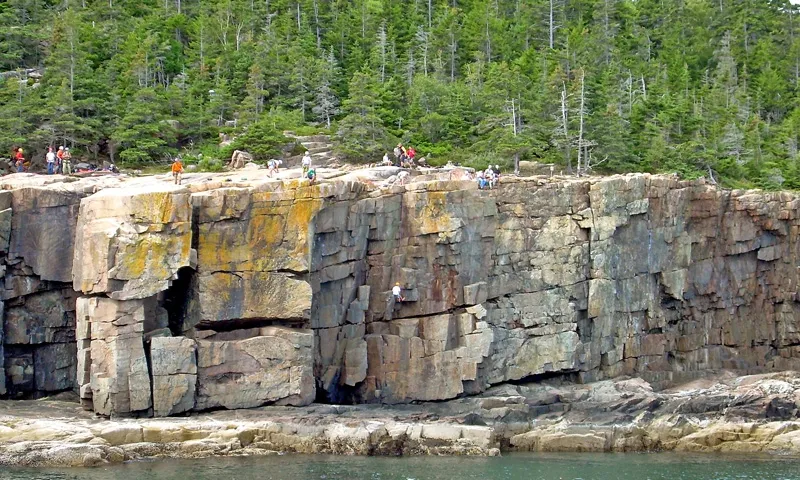
Imagine standing atop a pink granite cliff, the Atlantic Ocean stretching endlessly before you, the cool Maine breeze in your hair, and the satisfaction of having just conquered your first climb in one of America's most beautiful national parks. That's what beginner climbing in Acadia National Park offers—an unforgettable blend of outdoor adventure and natural splendor that you won't find anywhere else on the East Coast.
Having guided climbers through Acadia for over 8 years, I've witnessed countless beginners transition from nervous first-timers to confident climbers, all against the backdrop of Mount Desert Island's stunning coastline. Whether you're completely new to climbing or looking to improve your fundamental skills, Acadia offers a perfect training ground with routes specifically suited for newcomers.
In this comprehensive guide, I'll share everything you need to know about beginner climbing in Acadia National Park—from the best starter routes and essential gear to safety considerations and seasonal tips. By the end, you'll have all the information necessary to plan an amazing climbing adventure in this coastal Maine paradise.

Best Beginner Climbing Areas in Acadia
Acadia National Park boasts several excellent locations for beginner climbing, each offering unique challenges and breathtaking views. As a novice, you'll want to focus on areas that provide relatively easy routes with good protection options. Here are the prime spots I recommend for beginners:
South Bubble
When I first introduce newcomers to climbing in Acadia, South Bubble is often my first choice. This location is perfect for beginners for several reasons:
- 1-3 pitch routes that are manageable for those new to multi-pitch climbing
- Several friction climbing opportunities that teach fundamental technique
- Less crowded than popular spots like Otter Cliffs
- Spectacular views of Jordan Pond
- Relatively easy approach hike
The granite here is coarse-grained and offers excellent grip for beginners learning foot placement. Routes like "Slick Slab" (5.4) provide perfect opportunities to practice basic climbing techniques in a relatively low-stress environment. After bringing my nephew here for his first outdoor climb last summer, he told me it was "challenging but not scary"—exactly what beginners need.

Otter Cliffs
Otter Cliffs is perhaps the most iconic climbing destination in Acadia and offers a unique experience for beginners—how many novice climbers can say they've climbed directly over the ocean? This 60-foot sea cliff provides:
- Top-rope access (perfect for beginners)
- Numerous routes in the 5.5-5.7 range
- Dramatic ocean views and photography opportunities
- Fixed anchors maintained by the park service
- Routes suitable for complete beginners
The unique aspect of Otter Cliffs for beginner climbing is the top-down approach. Unlike many climbing areas where you start at the bottom, here you'll set up anchors from above and rappel down to the starting point. This makes it excellent for beginners since you can inspect the route before climbing and enjoy the safety of a top-rope setup. I've found that the "Wonder Wall" area offers particularly good options for first-timers, with routes that provide plenty of good holds.
Keep in mind that permits are required for organized groups of 6-12 people during peak season (Memorial Day through Labor Day), and the area can get crowded, especially during summer weekends.
Precipice (South Wall)
While parts of the Precipice are definitely for more experienced climbers, the South Wall area offers some excellent options for beginner climbing in Acadia Park. This area features:
- Good corners and thin cracks for learning basic crack climbing
- Several well-protected routes in the 5.5-5.7 range
- Beautiful views of the park and coastline
- Routes like "Story of O" (5.6) that are perfect for beginners learning trad climbing
- A slightly more serious feel than South Bubble, but still accessible
"Story of O" deserves special mention for beginner climbers in Acadia. This 250-foot crack climb is considered one of the classics of the park and provides a perfect introduction to multi-pitch climbing for those ready to take their skills to the next level. With good protection options and straightforward movement, it's an ideal "graduation" route for beginners who have gained some confidence.
Note that parts of the Precipice are closed from approximately April to August for peregrine falcon nesting, so always check with park rangers about current closures before planning your climb.
Essential Gear for Beginner Climbers
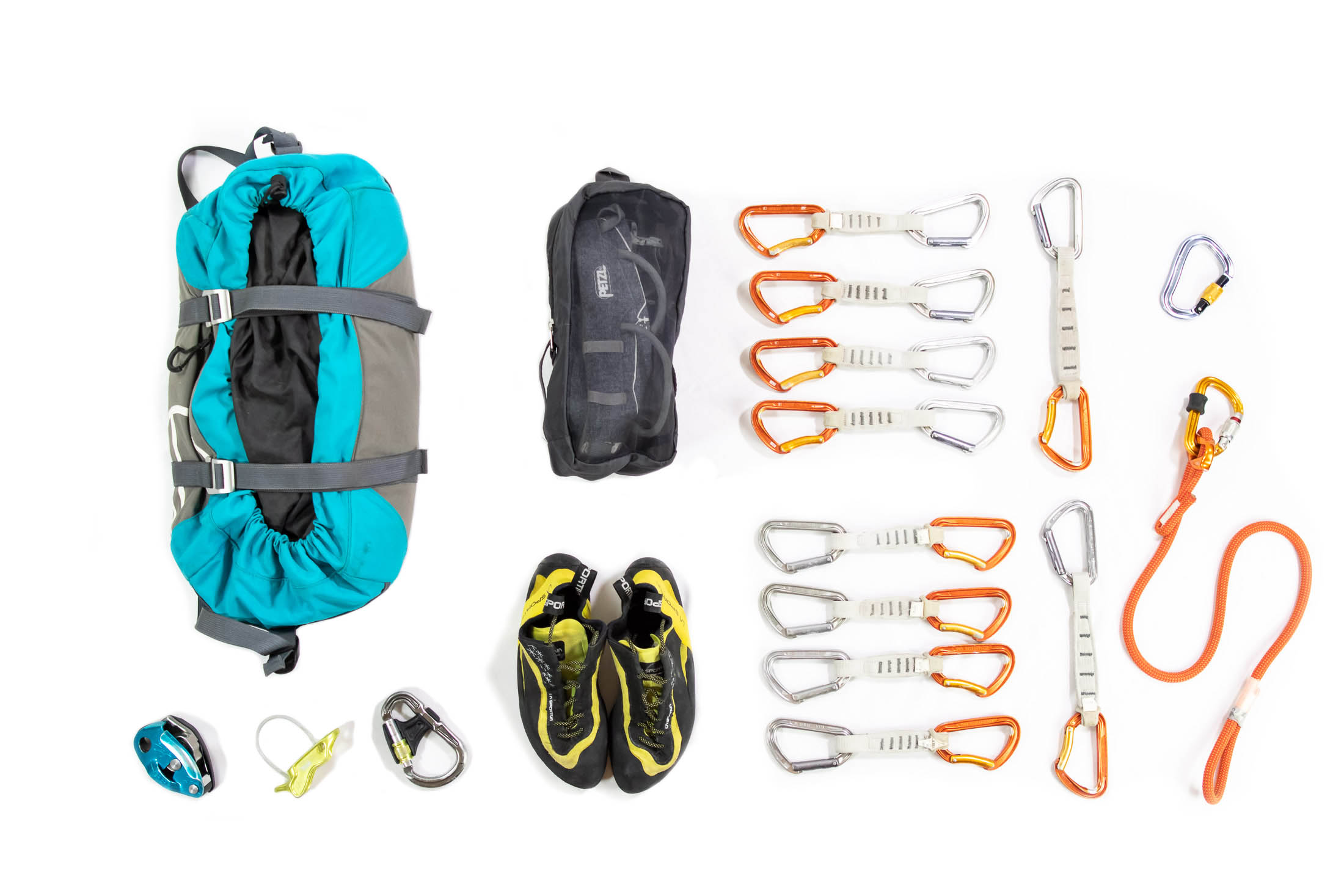
Having the right equipment is crucial for safety and enjoyment when beginner climbing in Acadia Park. While guided tours will provide most necessary gear, it's worth understanding what you need if you plan to climb independently or want to invest in your own equipment.
Climbing Shoes
Your first important investment should be a good pair of climbing shoes. For beginners in Acadia, I recommend something comfortable yet functional. Avoid aggressively downturned shoes until you've developed more technique. After testing numerous options with clients, I've found these shoes work particularly well for beginners on Acadia's granite:
Top Recommended Climbing Shoes for Beginners
La Sportiva Tarantulace
Why I recommend it: Great all-around beginner shoe with a comfortable fit and good performance on Acadia's granite. The lace-up design lets you adjust tightness for comfort on longer climbs.
Check Price on AmazonBlack Diamond Momentum
Why I recommend it: Breathable knit upper makes these perfect for hot summer days at Otter Cliffs. The flat profile and stiff midsole give beginners extra support for standing on small edges.
Check Price on AmazonHarness and Safety Equipment
A comfortable harness is essential for beginner climbing in Acadia Park. Since many routes in Acadia involve hanging belays with ocean views, comfort becomes even more important. Here's what I recommend:
Black Diamond Momentum Harness Package
Why I recommend it: This all-in-one package includes a harness, chalk bag, belay device, and locking carabiner—everything a beginner needs to start climbing in Acadia. The adjustable leg loops accommodate multiple layers for Maine's variable weather.
Check Price on AmazonChalk and Chalk Bag
Acadia's coastal location means humidity can be a factor, especially on hot summer days. A good chalk bag and quality climbing chalk will help keep your hands dry for better grip on the granite:
Oso Supply Co Classic Chalk Bag
Why I recommend it: Durable construction with a wide opening that makes it easy to chalk up quickly. The adjustable waist belt keeps the bag in position even when climbing dynamic routes at South Bubble.
Check Price on AmazonHelmet
A climbing helmet is non-negotiable for beginner climbing in Acadia Park. The granite in Acadia, while generally solid, can occasionally have loose sections. Additionally, popular areas like Otter Cliffs have multiple parties climbing above each other, increasing the risk of falling objects.
If you're climbing with a guide service, they'll provide helmets, but if you're investing in your own, look for something lightweight and well-ventilated for Maine's summer humidity. Remember, the best helmet is the one you'll actually wear consistently.
For those planning to climb regularly, having your own gear enhances the experience and allows you to develop familiarity with your equipment. However, if you're just trying out beginner climbing in Acadia for the first time, most guide services offer rental packages that include all necessary equipment.
Safety Tips for Climbing in Acadia
Safety should always be your top priority when beginner climbing in Acadia National Park. The unique coastal environment presents specific challenges that even experienced climbers from other regions might not be familiar with. Here are essential safety considerations based on my years guiding in the park:
Understanding Tides and Weather
When climbing at Otter Cliffs or Great Head, timing is everything. During high tide or rough seas, some routes become dangerous or inaccessible. I once had to postpone a climbing session with beginners because an unexpected storm brought in higher-than-normal waves, making the base of Otter Cliffs too dangerous.
Always check tide charts before planning your climb, and aim for climbing during low to mid-tide for the safest experience. Additionally, be aware that granite becomes extremely slippery when wet, and Acadia's coastal fog can roll in quickly, reducing visibility and making the rock surface damp.
Weather apps are helpful, but I've found that speaking with local rangers or guides about the day's forecast provides the most reliable information. They understand how weather patterns specifically affect the climbing areas in Acadia.
Anchor Systems and Fixed Protection
Acadia has some fixed protection and anchors, particularly at Otter Cliffs where the National Park Service maintains fixed anchors at the top. However, these should always be inspected before use. During my spring seasons, I've occasionally found anchors damaged by winter ice or needing maintenance.
For beginner climbing in Acadia Park, it's best to:
- Always double-check fixed anchors before relying on them
- Understand how to properly set up a top-rope anchor system
- Bring materials for anchor building, including webbing, cordage, and locking carabiners
- Consider using tree anchors only when absolutely necessary and with proper tree-friendly techniques
- Report any damaged fixed protection to park rangers
Climbing Within Your Abilities
Acadia's grades can sometimes feel different from other climbing areas. Based on conversations in the climbing community and my own experience, Acadia's grades tend to be slightly stiffer than some other popular Northeast climbing destinations.
As a beginner climber in Acadia, I recommend:
- Start with routes well below your indoor climbing limit
- Progress gradually as you get a feel for the local granite
- Don't be discouraged if a 5.6 feels challenging—that's normal in Acadia
- Always climb with a more experienced partner or guide when trying new areas
- Remember that descending can often be more dangerous than ascending—have a clear plan for getting down
Group Size and Park Regulations
Acadia National Park has specific regulations for climbing groups to protect both the environment and the experience of all visitors. For beginner climbing in Acadia National Park:
- Groups must be limited to 12 people or fewer (including guides)
- A climbing permit is required for organized groups of 6-12 people at Otter Cliffs during peak season
- Certain areas close seasonally for peregrine falcon nesting (typically April-August)
- Stay on established trails when approaching climbing areas to minimize environmental impact
These regulations help preserve the climbing resources for future generations. As someone who's climbed here for years, I've seen firsthand how these protections have maintained the quality of the climbing experience. You can find more information about current regulations on the National Park Service website.
Remember that beginner climbing in Acadia Park should be approached with a healthy respect for the environment. Pack out all trash, minimize chalk use, and avoid disturbing vegetation at the top of climbs. The spectacular nature of Acadia is what makes climbing here so special—let's keep it that way for future climbers.
Discover More Safety Tips for Climbing in AcadiaGuided Tours and Instruction Options
For those new to climbing in Acadia National Park, I strongly recommend starting with professional instruction. The right guide can significantly accelerate your learning curve while ensuring your safety on these unique coastal cliffs. Based on my experience and feedback from countless clients, here are the top options for guided climbing experiences in Acadia:
Acadia Mountain Guides
Acadia Mountain Guides has been operating since 1994 and offers some of the most comprehensive climbing instruction in the park. They're dually accredited by both the Professional Climbing Instructors Association (PCIA) and the American Mountain Guides Association (AMGA), which speaks to their commitment to professional standards.
What makes them particularly good for beginner climbers in Acadia Park is their range of program options. They offer:
- Half-day introductory sessions (perfect for first-timers)
- Full-day climbing adventures
- Family-specific programs with child-friendly instruction
- Evening sessions during peak summer months
I've sent many friends to Acadia Mountain Guides, and they consistently report that the guides excel at matching the instruction to each person's comfort level and learning style. They're particularly adept at working with children, making them a great choice for family climbing experiences.
Atlantic Climbing School
Another excellent option is Atlantic Climbing School, which has specialized in small, personalized guided climbing experiences in Acadia since 1994. What sets them apart is their focus on small instructor-to-client ratios, which means more individual attention for beginner climbers.
Atlantic Climbing School offers:
- "Experience Curriculum" courses perfect for all ability levels
- Women's-specific climbing courses
- Youth summer camps for younger climbers
- More advanced instruction for those ready to progress
All of their guides are certified by the American Mountain Guides Association (AMGA), ensuring consistent quality and safety standards. During my visits to Otter Cliffs, I've observed their guides in action and have been impressed by their patient, thorough approach to instruction.
What to Expect from a Guided Experience
A typical guided beginner climbing session in Acadia usually follows this format:
- Gear fitting and safety briefing: Your guide will help you get properly fitted with a harness, helmet, and climbing shoes, followed by essential safety information.
- Basic skills instruction: You'll learn fundamental climbing techniques, communication commands, and how to use the equipment properly.
- Climbing time: The majority of your session will be spent actually climbing, with your guide providing coaching and encouragement.
- Skills progression: As you gain confidence, your guide will introduce more challenging routes or techniques appropriate to your ability level.
Most guide services provide all necessary equipment, though you should check in advance about what to wear and what personal items to bring. For summer climbing, lightweight, moisture-wicking clothing is ideal, along with sun protection and water.
Cost and Reservations
Guide services in Acadia typically charge between $75-$200 per person for group sessions, with private guiding running higher. While this might seem expensive at first glance, consider that it includes expert instruction, all necessary equipment, and local knowledge that would take years to develop on your own.
One crucial tip for beginner climbing in Acadia National Park: book well in advance! The prime climbing season (June through September) fills up quickly, especially for weekend sessions. I recommend making reservations at least 2-3 months ahead for summer climbing and 3-4 weeks ahead for spring or fall seasons.
Both guide services maintain excellent websites with online booking options, making it easy to secure your spot. They also offer specialized programs beyond basic instruction, including multi-pitch experiences on classic routes like "Story of O" when you're ready to advance your skills.
Booking Tip from a Local
If you're visiting during peak season (July-August), book your guided climbing experience for a weekday morning. You'll enjoy smaller crowds, cooler temperatures, and often better visibility before any afternoon fog rolls in. This is especially important at popular spots like Otter Cliffs, which can become quite busy by midday.
My Experience Climbing in Acadia
My journey with climbing in Acadia National Park began nearly a decade ago when I first visited Mount Desert Island. What was supposed to be a casual day hike turned into a life-changing experience when I stumbled upon climbers scaling the magnificent granite walls of Otter Cliffs. Mesmerized, I signed up for a beginner session the very next day—and I've been returning to climb here ever since.
First Climbs at South Bubble
My initial instruction took place at South Bubble, where the slightly sloped granite and moderate routes provided an ideal learning environment. I still vividly remember the mixture of terror and exhilaration as I made my first moves on real rock, the texture of the granite completely different from the artificial holds I'd briefly tried at an indoor gym.
My guide, Mike, demonstrated infinite patience as I awkwardly navigated my first 5.5 route. "Trust your feet," he kept saying—advice that didn't fully click until halfway up the route when I finally stopped death-gripping every hold and started actually using my legs properly. That moment of revelation is one I now love watching my own climbing partners experience when I bring them to South Bubble for their first beginner climbing experience in Acadia.
The view from the top, overlooking Jordan Pond with the rounded peaks of The Bubbles in the background, sealed my love affair with Acadia's climbing. There's something magical about earning that view through your own physical effort rather than just hiking to a viewpoint.
Progressing to Otter Cliffs
After gaining some confidence at South Bubble, I ventured to Otter Cliffs—a somewhat intimidating proposition for a new climber. Setting up anchors from the top edge of a 60-foot cliff with the Atlantic Ocean crashing below definitely gets your attention! Fortunately, I was with experienced climbers who showed me proper anchor-building techniques and safety protocols.
What makes Otter Cliffs such a special place for beginner climbing in Acadia Park is the top-rope accessibility combined with the dramatic setting. Where else can beginners safely climb directly above the ocean on routes that range from approachable to challenging? The "Wonder Wall" area became my favorite spot, with its variety of routes that allowed for progression as my skills improved.
I'll never forget the time I was climbing during sunset, and a pod of harbor porpoises swam by directly below my route. Hanging on the wall, watching wildlife in that golden hour light—it was one of those moments that transcends the activity itself and becomes something more profound.
Seasonal Adventures
Over the years, I've experienced climbing in Acadia during every season, each offering its own character:
- Spring: Cool temperatures and fewer crowds make for pleasant climbing, though some days can be damp. The park feels fresh and vibrant as it awakens from winter.
- Summer: Prime season with warm granite and long daylight hours. The ocean breeze at Otter Cliffs provides natural air conditioning on hot days.
- Fall: My personal favorite—the foliage creates an incredible backdrop for climbing, especially at South Bubble where the hardwood forests explode with color. Temperatures are ideal for climbing.
- Winter: For the adventurous, ice climbing becomes available when conditions permit, though this is definitely not for beginners without proper instruction and equipment.

Climber Experiences and Reviews
I'm not alone in my enthusiasm for beginner climbing in Acadia National Park. Here are a few experiences shared by other climbers I've met or guided:
"As someone who had only climbed in gyms before, the transition to outdoor climbing at South Bubble was eye-opening. The natural features and varied textures made every move interesting. Our guide taught us how to read the rock instead of just following colored holds. Three days later, we were confidently climbing at Otter Cliffs and feeling like real climbers!"
— Sarah K., Boston, MA (from Reddit climbing community)
"I took my family (including kids ages 10 and 12) for a guided climb at Otter Cliffs last summer. Despite initial nervousness, our guide had everyone climbing confidently within an hour. The kids still talk about how they 'climbed above the ocean.' Worth every penny for the family memories we created."
— Michael T., reviewed on TripAdvisor
"Story of O at the Precipice was my first multi-pitch climb ever. I was nervous about the exposure and commitment, but having practiced on easier routes earlier in the week, I felt prepared. Reaching the top and seeing the panoramic view of the park and ocean was an emotional moment I'll never forget. Acadia transformed me from a casual gym climber to someone passionate about traditional climbing."
— Alex D., from Mountain Project forums
These testimonials capture what makes beginner climbing in Acadia Park so special—it's accessible enough for true beginners yet offers enough diversity and challenge to inspire continued growth in the sport. The unique combination of beautiful routes, professional instruction options, and spectacular natural setting creates an experience that often transforms casual participants into dedicated climbers.
Seasonal Climbing Considerations
The beginner climbing experience in Acadia National Park varies dramatically with the seasons. Understanding these seasonal differences helps you plan the optimal time for your climbing adventure. Here's my guide to climbing Acadia throughout the year:
Spring (April-May)
Spring offers a mixed bag for beginner climbers in Acadia. The advantages include fewer crowds and the beauty of the park awakening from winter dormancy. However, there are important considerations:
- Weather: Spring in Maine can be unpredictable, with temperatures ranging from the 40s to 60s°F. Rain is common, leading to wet and slippery rock faces.
- Peregrine falcon closures: Several climbing areas, including portions of the Precipice, are typically closed from April through August for falcon nesting.
- Access: Some park roads may still be closed in early spring, potentially limiting access to certain climbing areas.
For spring climbing, I recommend focusing on south-facing routes that dry quickly after rain. South Bubble can be a good option as it tends to receive more sun exposure. Always bring extra layers, as the ocean breeze can make temperatures feel colder than reported.
Summer (June-August)
Summer is prime time for beginner climbing in Acadia National Park, offering the most reliable conditions:
- Weather: Daytime temperatures typically range from 70-85°F, with relatively low humidity compared to other East Coast destinations.
- Extended daylight: Long days allow for more climbing time, with light often lasting until 8:30 PM in June and July.
- Water temperature: For those climbing at Otter Cliffs, the ocean below warms to around 55-60°F—still chilly but survivable in the unlikely event of an unexpected swim.
The main drawback to summer climbing is crowds. Popular areas like Otter Cliffs can become quite busy, especially on weekends and holidays. I recommend starting early (7-8 AM) to secure your preferred routes or exploring less-trafficked areas like Great Head or Canada Cliffs if you value solitude.
Remember that permits are required for organized groups (6-12 people) climbing at Otter Cliffs during this peak season. Plan accordingly and reserve well in advance if you'll be climbing with a larger group.
Fall (September-October)
Fall might be the perfect season for beginner climbing in Acadia Park, offering a magical combination of conditions:
- Weather: Typically stable with comfortable temperatures in the 50s-70s°F—ideal for climbing without overheating.
- Foliage: The spectacular autumn colors create an extraordinary backdrop for your climbing experience, especially at South Bubble.
- Fewer restrictions: Falcon nesting closures are usually lifted by September, opening up more climbing areas.
- Reduced crowds: After Labor Day, visitor numbers decrease significantly, especially midweek.
The one consideration for fall climbing is shorter daylight hours. By October, you'll want to plan for an earlier finish to your climbing day, especially since the sun sets behind the mountains before the official sunset time.
September has become my favorite month for guiding beginner climbers in Acadia. The combination of perfect temperatures, stunning scenery, and relatively empty cliffs creates an ideal learning environment.
Winter (November-March)
Winter climbing in Acadia is not recommended for beginners. The combination of cold temperatures, potential ice, snow, and limited daylight creates conditions that require advanced skills and specialized equipment.
For experienced climbers, winter offers unique opportunities for ice climbing when conditions permit. However, this is a completely different discipline that requires specific training and equipment.
Pros and Cons of Each Season
| Season | Pros | Cons |
|---|---|---|
| Spring |
|
|
| Summer |
|
|
| Fall |
|
|
| Winter |
|
|
For beginner climbing in Acadia National Park, I typically recommend late June (after school lets out but before peak crowds), early September (after Labor Day), or weekdays during the summer if your schedule allows. These times offer the best balance of good weather conditions and manageable crowd levels.
Whatever season you choose, check with local guide services and the park website for current conditions, closures, and any special considerations. The National Park Service conditions page is regularly updated with important information for visitors.
Explore Year-Round Climbing Options in AcadiaConclusion
Beginner climbing in Acadia National Park offers a unique blend of accessible routes, stunning scenery, and unforgettable experiences that you simply won't find elsewhere on the East Coast. From the gentle slabs of South Bubble to the dramatic sea cliffs of Otter Point, Acadia provides the perfect training ground for those new to the sport.
What makes Acadia truly special for beginners is the variety of experiences available within a relatively small area. In a single day, you can progress from basic top-rope climbs to more challenging routes, all while enjoying some of the most spectacular views in the national park system. The pink granite provides excellent friction and natural features that make learning climbing techniques both intuitive and rewarding.
For those just starting their climbing journey, I strongly recommend:
- Beginning with a professional guided experience to learn proper techniques and safety protocols
- Focusing on South Bubble for your first climbing experiences
- Progressing to Otter Cliffs once you've built some confidence
- Investing in proper footwear and a chalk bag, even if you rent other equipment
- Visiting during shoulder seasons (late spring or early fall) if possible to avoid the largest crowds
Remember that beginner climbing in Acadia Park is not just about the physical activity—it's about connecting with one of America's most beautiful landscapes in a profound and intimate way. There's something magical about touching the same granite that was shaped by glaciers millions of years ago, feeling the sea breeze on your face as you ascend above the Atlantic, and gaining a perspective on the park that most visitors never experience.
Whether you're a complete novice or someone looking to transition from gym climbing to outdoor adventures, Acadia welcomes you with accessible routes, professional instruction options, and an unparalleled natural setting. The skills and memories you develop here will serve as a foundation for a lifetime of climbing adventures.
So pack your sense of adventure, respect for the environment, and willingness to learn—Acadia's beginner climbing experiences await! I hope to see you on the cliffs, chalking up beneath the pines and above the crashing waves of this magnificent coastal paradise.
Ready to Start Your Climbing Journey in Acadia?
Book a guided session with certified instructors who know Acadia's routes intimately. They'll provide all necessary equipment and personalized instruction to ensure your first climbing experience is safe, educational, and unforgettable.
Frequently Asked Questions
Is there rock climbing in Acadia National Park suitable for complete beginners?
Absolutely! Acadia National Park offers several excellent climbing areas specifically suited for beginners. South Bubble has gentle slabs and easy friction climbing perfect for first-timers. Otter Cliffs, while more dramatic, offers top-rope routes that beginners can enjoy with proper supervision. Both Acadia Mountain Guides and Atlantic Climbing School provide beginner-specific instruction that requires no previous climbing experience. Within a single day, most beginners can successfully climb multiple routes and build fundamental skills.
What is the best time of year for beginner climbing in Acadia?
For beginners, early fall (September) offers the ideal combination of comfortable temperatures, reduced crowds, and stable weather. Late spring (late May to June) is also excellent once the rock has dried from winter moisture. Summer provides the most reliable weather but comes with larger crowds, especially at popular spots like Otter Cliffs. If climbing in summer, weekday mornings are best for avoiding crowds. Winter climbing is not recommended for beginners due to cold temperatures and potentially icy conditions.
Do I need to bring my own climbing gear to Acadia?
If you're climbing with a guide service, they typically provide all necessary technical equipment including harnesses, helmets, climbing shoes, ropes, and hardware. You'll just need to bring appropriate clothing, water, and personal items. If climbing independently, you'll need a complete rack appropriate for granite crack climbing, along with personal protection equipment. For beginners, I strongly recommend guided climbing initially, which eliminates the need to invest in expensive gear before you're certain about pursuing the sport. Some guide services also offer gear rental if you wish to climb independently after receiving instruction.
Are permits required for climbing in Acadia National Park?
Individual climbers and small informal groups do not need permits for most climbing areas. However, organized groups of 6-12 people (including guides/instructors) must obtain a climbing permit for Otter Cliffs during the peak season (Memorial Day through Labor Day). These permits help manage impact on this popular area and ensure a quality experience for all visitors. Permits can be reserved through the National Park Service and should be arranged well in advance, as they are limited. Additionally, be aware that some climbing areas have seasonal closures for peregrine falcon nesting, typically from April through August.
What should I wear for beginner climbing in Acadia?
Dress in lightweight, flexible layers that allow full range of movement. In summer, moisture-wicking t-shirts and lightweight hiking pants or climbing-specific pants work well. Shorts are acceptable but may be less comfortable with a harness. In spring and fall, add insulating layers that can be removed as you warm up. Always bring a light rain jacket, as weather can change quickly on the coast. For footwear, approach shoes or lightweight hiking shoes are ideal for getting to climbing areas. Climbing shoes will typically be provided by guide services if you don't have your own. Don't forget sun protection—the granite reflects sunlight, increasing exposure even on seemingly cloudy days.