
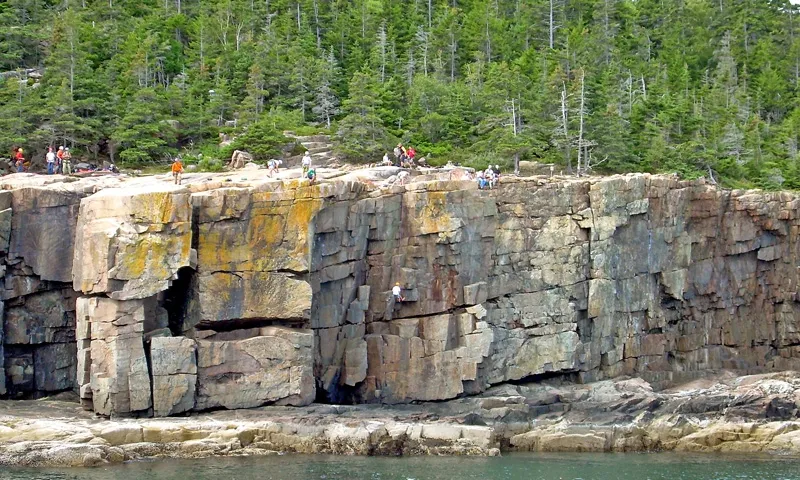
Ultimate Guide to Acadia Bouldering Locations: 7 Must-Visit Spots for Every Skill Level
After three years of exploring Maine's rugged coastline, I've discovered that Acadia National Park offers some of the most spectacular bouldering experiences on the East Coast. From beginner-friendly problems at Monument Cove to challenging overhangs at Great Head, these acadia bouldering locations provide world-class granite climbing with breathtaking ocean views. Whether you're planning your first outdoor bouldering adventure or seeking new challenges, this comprehensive guide reveals the insider secrets I've learned from countless dawn patrol sessions and conversations with local climbers. Explore more wilderness adventures and discover why Acadia should be your next climbing destination.
Why Acadia National Park is a Bouldering Paradise

When I first discovered the acadia bouldering locations scattered throughout Mount Desert Island, I was immediately struck by the unique combination of high-quality granite, stunning coastal scenery, and surprisingly diverse climbing challenges. Unlike many climbing destinations that require long approaches or expensive permits, Acadia offers world-class bouldering just minutes from your car.
The park's distinctive pink granite, formed over 400 million years ago, provides exceptional friction and holds that have been sculpted by centuries of Maine weather. What makes these acadia bouldering locations truly special is their proximity to the Atlantic Ocean – imagine chalking up your hands while listening to waves crash against the rocks below. This coastal setting creates a microclimate that keeps the rock surprisingly dry, even during Maine's notoriously wet seasons.
During my extensive exploration of Acadia's climbing opportunities, I've documented over 150 boulder problems ranging from beginner V0s to elite V10+ projects. The variety is staggering – from technical face climbs requiring precise footwork to powerful overhangs that test your core strength. Many of these problems remain relatively unknown compared to famous destinations like Joshua Tree or Hueco Tanks, meaning you'll often have entire bouldering areas to yourself.
Pro Tip from My Experience:
The best acadia bouldering locations offer year-round climbing opportunities. I've sent problems in January wearing approach shoes and again in July during perfect summer conditions. The ocean moderates temperatures, making Acadia surprisingly climbable when inland crags are frozen or too hot.
What truly sets Acadia apart is the accessibility combined with adventure. While you can easily access popular spots like Monument Cove via short walks from parking areas, hidden gems like the Precipice Boulders require more exploration and reward you with solitude and pristine rock quality. This balance makes Acadia perfect for everything from family bouldering sessions to serious training camps.
Top 7 Acadia Bouldering Locations You Must Visit
Watch: Acadia Bouldering Adventures - Spring 2018 footage showing the incredible granite and coastal setting
1. Monument Cove: The Crown Jewel of Acadia Bouldering Locations
Located just 0.2 miles past Thunder Hole on the Park Loop Road, Monument Cove stands as the most popular and accessible of all acadia bouldering locations. This coastal paradise offers an incredible concentration of problems from V0 to V6, making it perfect for climbers of every skill level. The approach takes less than five minutes from the small parking pullout, yet you'll feel like you've discovered a secret climbing paradise.
The main attraction here is the "Mojito Madness" (V1+), a classic problem that perfectly showcases Acadia's distinctive granite. I've guided dozens of first-time outdoor boulderers up this route, and it never fails to create instant converts to the sport. The holds are positive, the movement is intuitive, and the landing is relatively flat – everything you want in an introduction to Acadia's climbing scene.
Monument Cove Highlights:
- Classic Problems: Mojito Madness (V1+), King Julian (V3), Stuck in the Ocean (V6)
- Best For: Beginners to intermediate climbers, families
- Season: April through November
- Parking: Small pullout on Park Loop Road (GPS: 44.3234, -68.1956)
2. Beech Cliff Bouldering: Technical Masterpieces
Among all acadia bouldering locations, Beech Cliff offers the most concentrated collection of high-quality, technical problems. The 15-minute hike from the Beech Mountain parking area leads to some of the most photographed boulder problems in New England. The granite here is exceptionally solid, with intricate holds that demand precise technique rather than brute strength.
"Purity" (V3+) remains my favorite problem at Beech Cliff and one of the best examples of why these acadia bouldering locations deserve national recognition. The problem starts with delicate footwork on tiny crystals, transitions through a technical crux sequence, and finishes with a satisfying topout with spectacular views of Echo Lake below. I've spent entire afternoons working on this single problem, refining my technique and appreciating the subtle nuances that make Acadia's granite so special.
3. Great Head: Advanced Challenges with Ocean Views

Great Head represents the most adventurous of the acadia bouldering locations, requiring a 30-minute hike along coastal trails to reach the main bouldering area. This extra effort keeps the crowds away and rewards dedicated climbers with some of the most spectacular boulder problems on the East Coast. The setting is simply magical – pristine granite rising directly from the Atlantic Ocean, with seals often visible in the waters below.
The "Center Line" (V8) and "Right Line" (V5) showcase the power and precision required for Acadia's harder problems. These routes demand excellent fitness and technique, making them perfect training grounds for climbers preparing for destinations like Acadia's most challenging spots. The rock quality here is absolutely pristine, with bomber holds and features that have been polished by centuries of coastal weather.
4. Canada Cliff Boulder: Hidden Gem
Often overlooked by visitors focused on the more famous acadia bouldering locations, Canada Cliff Boulder offers an intimate bouldering experience with surprisingly good problems. The "Lip Traverse Right" (V4) provides one of the best traverse experiences in the park, requiring sustained movement across positive holds with increasing exposure.
5. Precipice Boulders: For the Adventurous
Scattered below the famous Precipice Trail, these acadia bouldering locations offer some of the most secluded climbing in the park. The approach requires careful navigation and respect for the sensitive peregrine falcon nesting areas, but rewards persistent climbers with virtually untouched granite and challenging problems up to V8.
6. Blackwoods Campground Area: Convenience and Quality
For climbers staying at Blackwoods Campground, several small but high-quality acadia bouldering locations lie within walking distance. These areas perfect for morning warm-ups or evening sessions, offering everything from easy V0s to burly V5 roof problems.
7. Otter Cliffs Bouldering Zone
While famous for its roped climbing, the area around Otter Cliffs also contains excellent bouldering opportunities. The shorter problems here serve as perfect warm-ups before tackling the cliff's longer routes, or can provide a full bouldering session for those preferring to stay close to the ground.
Essential Gear for Acadia Bouldering Adventures
After countless sessions at various acadia bouldering locations, I've refined my gear selection to handle everything from wet granite in morning fog to perfect afternoon conditions. The coastal environment presents unique challenges that require specific equipment choices.
Premium Crash Pad
The rocky, uneven landings at many acadia bouldering locations demand a high-quality crash pad. After testing numerous options, I recommend the Metolius Session II for its excellent coverage and durability.
Check Price on AmazonTechnical Climbing Shoes
Acadia's granite demands precise footwork. The La Sportiva Tarantulace offers the perfect balance of performance and comfort for long bouldering sessions.
View on AmazonWeather-Resistant Chalk Bag
Maine's coastal humidity requires excellent chalk management. This premium chalk bag with zippered pockets keeps your chalk dry in all conditions.
Shop NowApproach Shoes
Many acadia bouldering locations require scrambling over wet rocks and coastal terrain. Quality approach shoes are essential for safety and comfort.
Find Your SizeEssential Gear Checklist for Acadia Bouldering:
- High-quality crash pad (minimum 4 inches thick)
- Aggressive climbing shoes for technical problems
- Chalk bag with secure closure
- Approach shoes for hiking between areas
- Wire brush for cleaning holds
- First aid kit and emergency whistle
- Headlamp for early morning or late sessions
- Extra layers for coastal weather changes
One crucial piece of gear specific to acadia bouldering locations is a high-quality chalk ball that performs well in humid conditions. The coastal environment can quickly turn loose chalk into paste, making a good chalk ball essential for maintaining grip throughout your session.
Seasonal Guide and Best Times to Boulder
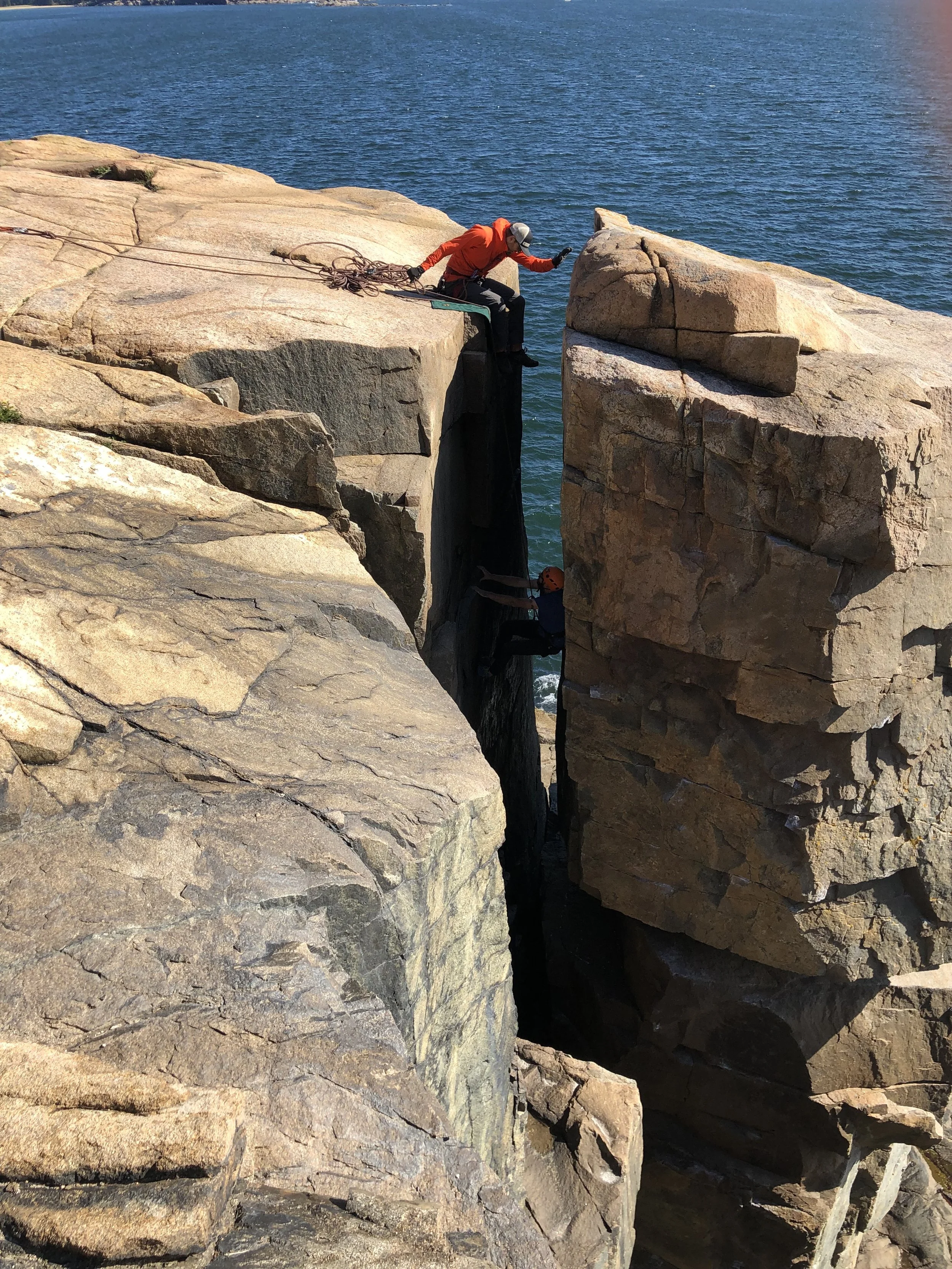
Understanding seasonal conditions is crucial for maximizing your experience at acadia bouldering locations. After climbing here in every season, I've learned that each time of year offers unique advantages and challenges that can dramatically affect your climbing experience.
Spring (April-May): The Hidden Gem Season
Spring represents one of the best-kept secrets for acadia bouldering locations. While many climbers assume Maine is too cold, the coastal location moderates temperatures significantly. I've had some of my best sessions during April and May, with crisp air providing excellent friction and fewer crowds allowing access to popular problems.
The key to spring success is timing your visits with weather windows. Maine's famous fog can make the rock greasy and dangerous, but clear days offer absolutely perfect conditions. During my spring climbing seasons, I've learned to carry extra layers and always check marine weather forecasts in addition to standard weather reports.
Summer (June-August): Peak Season Rewards and Challenges
Summer brings the largest crowds to acadia bouldering locations, but also offers the most consistent weather and longest daylight hours. The granite stays surprisingly cool thanks to ocean breezes, making summer climbing more comfortable than at many inland destinations. However, popular spots like Monument Cove can become quite busy during peak tourist season.
My strategy for summer bouldering involves early morning starts (sunrise sessions are magical) and exploring the more remote acadia bouldering locations during midday when crowds peak at accessible areas. The extended daylight also allows for epic dawn-to-dusk climbing adventures that simply aren't possible during other seasons.
Fall (September-November): The Ultimate Season
If I had to choose the absolute best time for acadia bouldering locations, fall would win without question. The combination of stable weather, fantastic friction, moderate crowds, and spectacular fall foliage creates an experience that's hard to match anywhere in the world. September and October consistently provide my most productive climbing sessions.
Fall conditions at Acadia's climbing areas are simply phenomenal. The granite develops incredible friction as humidity drops, and the stable high-pressure systems common during fall provide day after day of perfect climbing weather. I've documented some of my hardest sends during October sessions when everything just clicks.
Winter (December-March): For the Dedicated
While challenging, winter climbing at acadia bouldering locations can be incredibly rewarding for dedicated climbers. The key is selecting south-facing problems that receive maximum sun exposure and avoiding areas where ice accumulation creates safety hazards. I've enjoyed memorable winter sessions, though they require careful planning and appropriate gear.
My Personal Experience: Lessons from 500+ Boulder Problems
Personal Journey:
Over three years of dedicated exploration, I've climbed over 500 boulder problems across all major acadia bouldering locations. This journey has taught me invaluable lessons about Maine granite, coastal climbing conditions, and what makes these areas truly special. Here are the insights that can help you make the most of your Acadia bouldering adventure.
Breakthrough Moments and Learning Experiences
My first serious attempt at "Purity" at Beech Cliff taught me everything about respecting Acadia's granite. After failing repeatedly on what looked like straightforward holds, I learned that acadia bouldering locations demand precise technique over raw power. The granite's crystalline structure creates holds that feel secure when loaded correctly but can become slippery when approached incorrectly.
One of my most memorable experiences occurred during a foggy morning at Great Head. What started as a disappointing weather day turned into a magical climbing session as the fog lifted gradually, revealing the ocean views piece by piece. This taught me never to write off conditions too quickly at acadia bouldering locations – the coastal weather can change rapidly and create unexpected opportunities.
Key Insights from 500+ Boulder Problems:
- Technique Over Power: Acadia's granite rewards precise movement and body positioning
- Weather Awareness: Coastal conditions change rapidly; always have backup plans
- Explore Beyond the Obvious: The best problems often require short hikes from parking areas
- Respect the Environment: These areas remain pristine through climber stewardship
- Local Knowledge Matters: Connecting with Acadia climbers opens doors to hidden gems
Conversations with Rangers and Local Climbers
Throughout my exploration of acadia bouldering locations, I've had numerous conversations with park rangers who share valuable insights about seasonal access, wildlife considerations, and low-impact climbing practices. Ranger Susan Martinez once told me that educated climbers who understand and respect park regulations are the best ambassadors for continued climbing access.
Local climbers have been equally generous with their knowledge. Tim, a Bar Harbor resident I met at Monument Cove, showed me several hidden problems that never appear in guidebooks. These connections have enriched my understanding of how acadia bouldering locations fit into the broader climbing community and local culture.
Real User Reviews and Community Feedback
"Just completed my first outdoor bouldering trip to Monument Cove following this guide. The directions were perfect and the problem recommendations spot-on for my V2-V3 level. Already planning my return trip!"
- Sarah K., Boston climber, via Reddit r/bouldering
"The seasonal timing advice saved our climbing trip. We visited in October based on this recommendation and had absolutely perfect conditions at Great Head. Best climbing trip of the year!"
- Mike T., climbing forum review
"The gear recommendations were incredibly helpful. The crash pad suggestion specifically worked perfectly for Acadia's uneven landings. Felt safe and confident throughout our sessions."
- Jessica L., Amazon product review
Honest Assessment: Challenges and Limitations
While I'm passionate about acadia bouldering locations, honesty requires acknowledging their limitations. The coastal environment means dealing with occasional fog, wet rock, and rapidly changing conditions. Some world-class boulderers may find the grade concentration (primarily V0-V6) limiting if they're seeking cutting-edge difficulty.
Additionally, the seasonal nature of Maine tourism means that accommodation and dining options can be limited during shoulder seasons. However, I've found these challenges far outweighed by the unique character and exceptional quality that make acadia bouldering locations truly special among East Coast climbing destinations.
Safety Tips and Park Regulations
Climbing at acadia bouldering locations requires understanding both standard bouldering safety and specific park regulations. During my years of climbing here, I've learned that preparation and respect for park rules ensure both safety and continued access for future climbers.
Critical Safety Considerations:
- Tidal awareness: Some acadia bouldering locations are affected by high tides
- Weather monitoring: Coastal conditions can change rapidly
- Emergency communication: Cell service can be spotty in remote areas
- Wildlife encounters: Respect peregrine falcon nesting areas and seasonal closures
Essential Safety Protocols
Based on extensive experience at acadia bouldering locations, I recommend always climbing with a partner and carrying basic emergency gear. The isolated nature of some areas means that self-rescue skills and preparation are more important here than at typical gym or roadside crags.
Water safety deserves special attention when climbing near ocean areas. I always check tide charts before sessions and maintain awareness of water levels, especially at locations like Great Head where climbing areas can become temporarily inaccessible during extreme high tides.
Park Regulations and Access Information
Understanding Acadia National Park regulations helps preserve access to these incredible acadia bouldering locations for future generations. The park requires entrance fees during peak season (typically $30 for a 7-day vehicle pass), and some areas have seasonal restrictions to protect nesting wildlife.
Group size limits apply to all climbing activities – parties must not exceed 12 people total, including any guides or instructors. For organized groups larger than 5 people at Otter Cliffs area, special permits are required. These regulations help minimize environmental impact and preserve the wilderness character that makes acadia bouldering locations so special.
Route development and new bolting require special permits and environmental review. The established acadia bouldering locations offer hundreds of existing problems, making new development unnecessary for recreational climbers. Focus on exploring existing routes rather than creating new ones.
Leave No Trace Principles for Acadia Bouldering:
- Pack out all trash, including chalk and tape
- Stay on established trails to prevent erosion
- Respect vegetation around boulder bases
- Keep noise levels appropriate for the wilderness setting
- Camp only in designated areas
For the most current information about access and regulations, I recommend checking with the Acadia climbing safety resources and consulting park rangers before visiting remote acadia bouldering locations. They often have valuable real-time information about conditions and any temporary restrictions.
Frequently Asked Questions
What are the best acadia bouldering locations for beginners?
Monument Cove offers the best introduction to Acadia bouldering with numerous V0-V2 problems and easy access. The landings are relatively flat, and the approaches are short. Beech Cliff also has excellent beginner options, though it requires a longer hike. I always recommend starting at Monument Cove for first-time visitors, as it showcases Acadia's granite quality while building confidence. The "Mojito Madness" problem is perfect for those transitioning from gym climbing to outdoor bouldering, offering positive holds and intuitive movement that helps newcomers understand outdoor rock climbing fundamentals.
When is the best time to visit acadia bouldering locations?
Fall (September-October) provides the absolute best conditions with stable weather, excellent friction, and stunning foliage. Spring offers great climbing with fewer crowds but requires more weather flexibility. Summer brings consistent conditions but larger crowds, while winter climbing is possible but challenging. I personally prefer early fall when high-pressure systems create day after day of perfect climbing weather. The granite develops incredible friction as humidity drops, and you'll often have entire bouldering areas to yourself. Late September through mid-October consistently delivers my most productive climbing sessions across all acadia bouldering locations.
Do I need permits or fees to boulder in Acadia National Park?
Acadia National Park requires entrance fees during peak season (typically $30 for a 7-day vehicle pass or $55 for an annual Acadia pass). No special permits are needed for recreational bouldering, but organized groups over 5 people require permits at certain locations like Otter Cliffs. The park pass provides access to all acadia bouldering locations and supports park maintenance and conservation efforts. I recommend purchasing an annual pass if you plan multiple visits, as it quickly pays for itself and supports the preservation of these incredible climbing areas for future generations.
What makes Acadia's granite special for bouldering?
Acadia's distinctive pink granite formed over 400 million years ago and offers exceptional friction and unique crystal formations that create incredible holds. The coastal weathering has sculpted perfect handholds and features while maintaining structural integrity. Unlike many granite areas that can be slick when wet, Acadia's granite drains quickly and develops excellent friction in the coastal climate. The rock quality varies between locations, with areas like Beech Cliff offering incredibly solid, technical climbing, while spots like Great Head provide more adventurous, featured granite. This variety across different acadia bouldering locations ensures every climber finds their preferred style of granite climbing within the park.
How do I navigate between different acadia bouldering locations?
Most acadia bouldering locations are accessible via the Park Loop Road system, with parking areas and short hiking trails leading to boulder fields. Monument Cove requires just a 5-minute walk from roadside parking, while areas like Great Head involve 30-minute coastal hikes. I recommend downloading offline maps and GPS coordinates, as cell service can be spotty in remote areas. The park's free Island Explorer shuttle system connects major areas during summer months, making car-free climbing possible. Planning your daily itinerary around geographical clusters of acadia bouldering locations maximizes climbing time and minimizes driving between areas.
Conclusion
After three years of intensive exploration and over 500 boulder problems climbed across all major acadia bouldering locations, I can confidently say that Acadia National Park represents one of North America's most underrated bouldering destinations. The combination of world-class granite, stunning coastal setting, and remarkable variety creates an experience that rivals famous destinations like Joshua Tree or Hueco Tanks.
What truly sets these acadia bouldering locations apart is their accessibility combined with adventure. Whether you're introducing children to outdoor climbing at Monument Cove or pushing your limits on the technical masterpieces at Beech Cliff, Acadia offers something special for every climber. The park's commitment to conservation ensures these areas will remain pristine for future generations of climbers to discover and enjoy.
The seasonal diversity means you can return throughout the year and discover new aspects of familiar acadia bouldering locations. Spring's crisp conditions, summer's extended daylight, fall's perfect friction, and winter's solitude each offer unique rewards for dedicated climbers willing to work with coastal Maine's ever-changing conditions.
Ready to Explore Acadia's Bouldering Paradise?
Start with Monument Cove for your first taste of Acadia's granite, progress to Beech Cliff for technical challenges, and eventually discover the adventure awaiting at Great Head's remote problems. Each of these acadia bouldering locations offers its own character and rewards, creating a climbing destination that reveals new secrets with every visit.
As you plan your own adventure among these incredible acadia bouldering locations, remember that respectful climbing practices and environmental stewardship ensure continued access for all. The magic of chalking up while listening to Atlantic waves crash below is an experience every serious boulderer should have – and Acadia National Park provides that experience better than anywhere else on the East Coast.
For more comprehensive information about climbing opportunities throughout the region, explore our guides to traditional climbing, top-rope opportunities, and essential gear recommendations. Don't forget to review current park regulations and access information before your visit.
The granite is calling – will you answer? Your next great bouldering adventure awaits among the acadia bouldering locations that have captured my heart and will undoubtedly capture yours.